Stock Sale Form 8594
Description
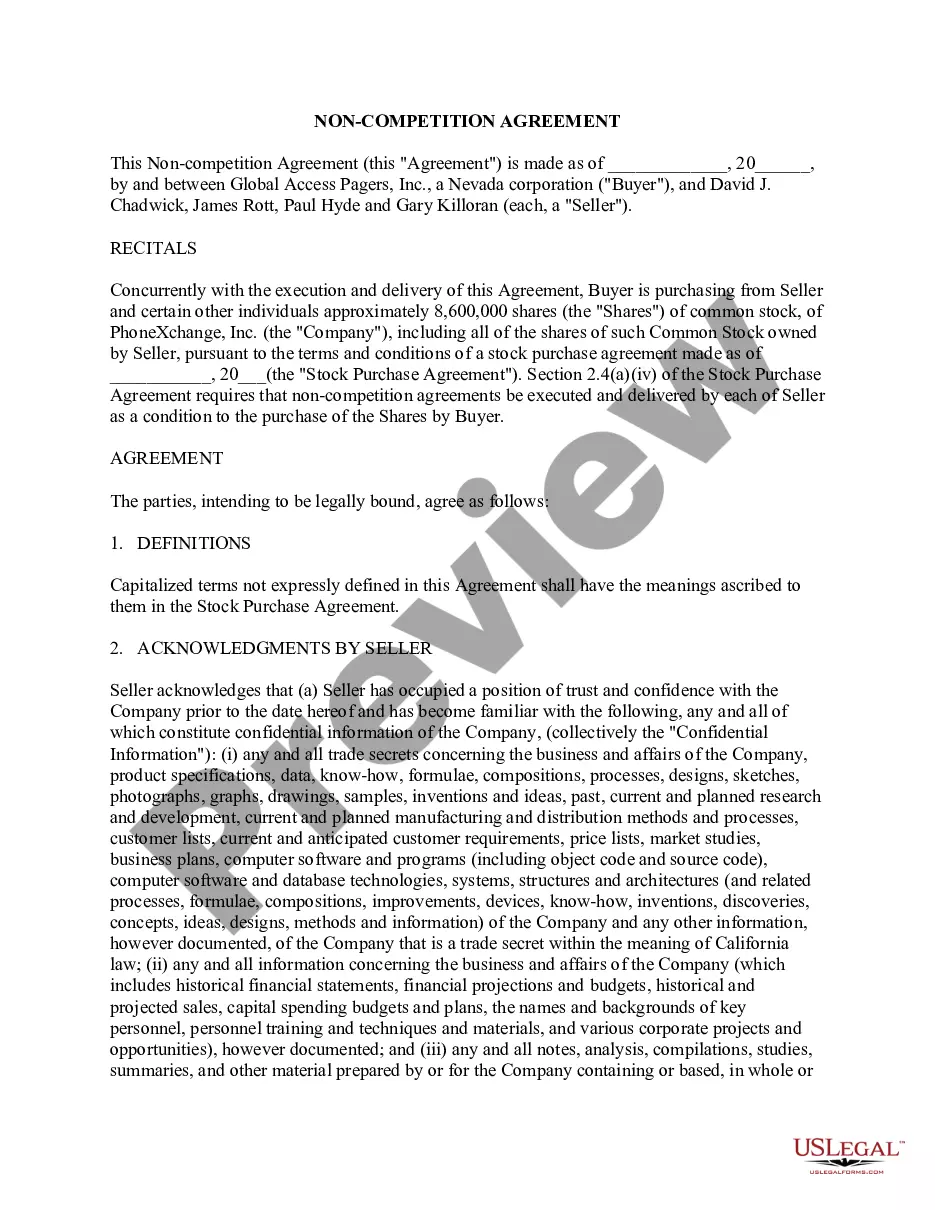
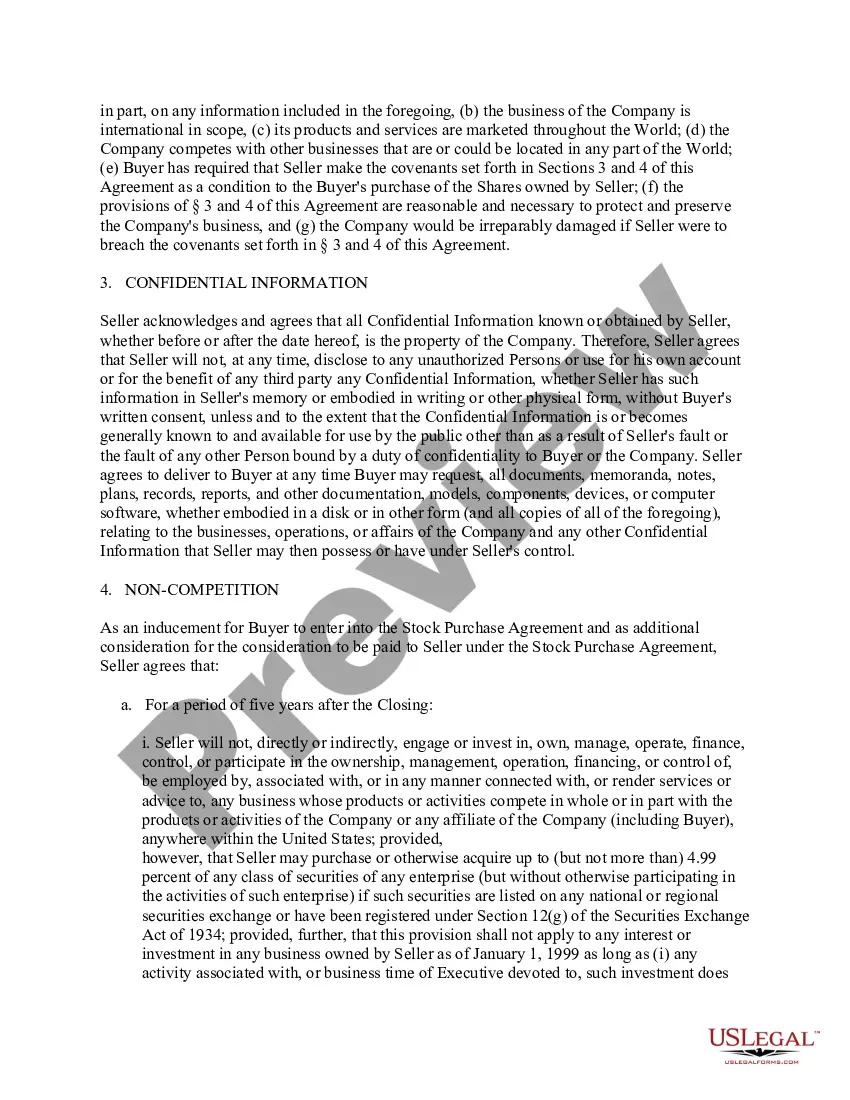
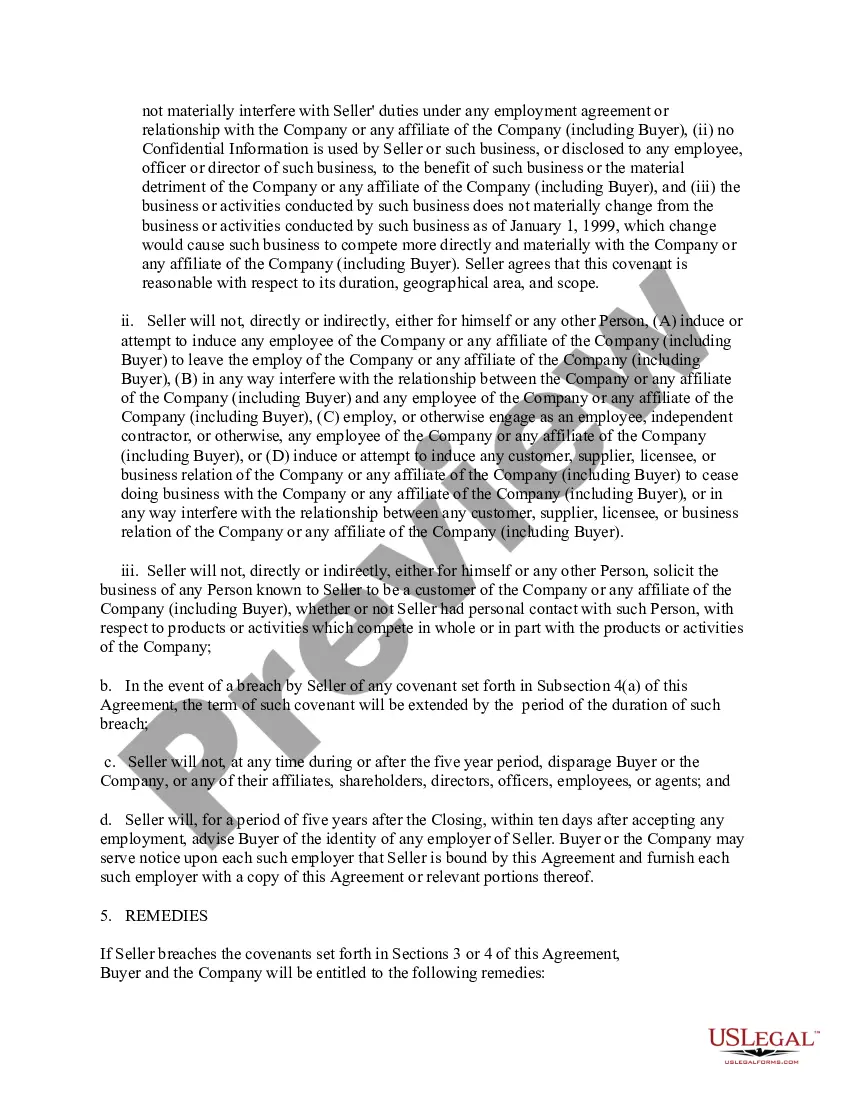
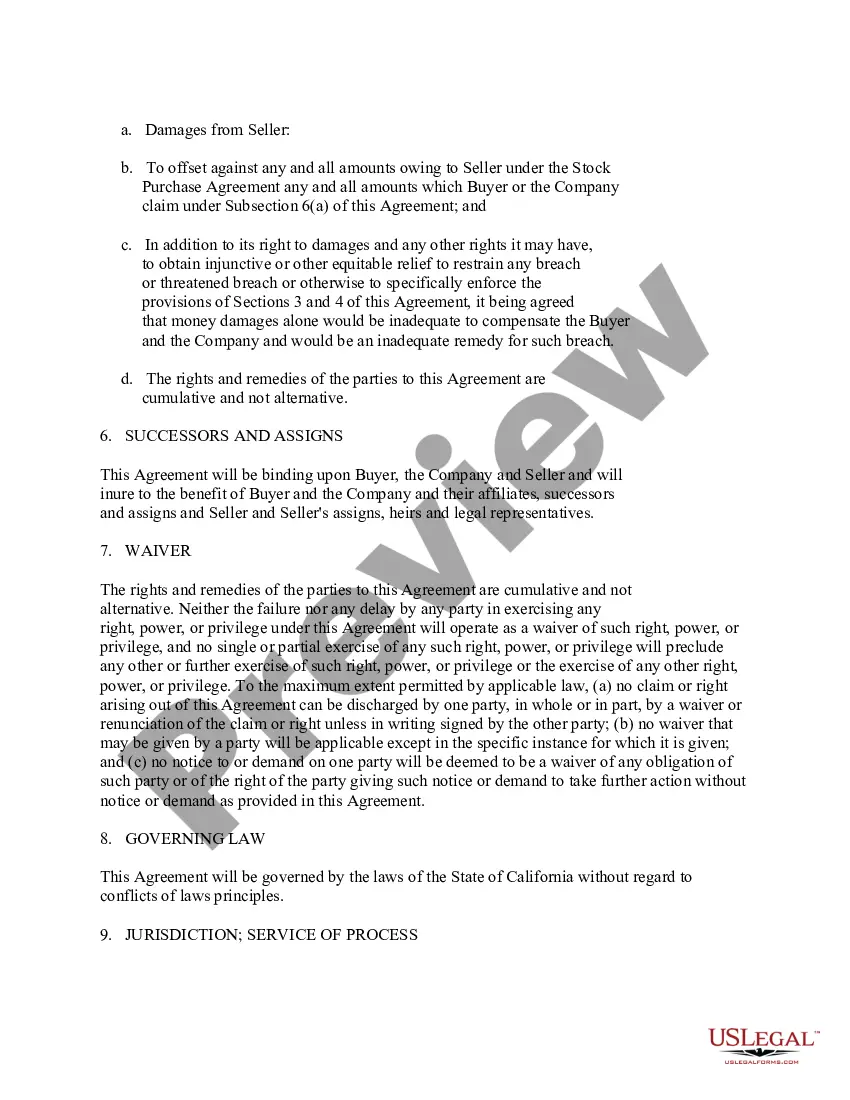
Get your form ready online
Our built-in tools help you complete, sign, share, and store your documents in one place.
Make edits, fill in missing information, and update formatting in US Legal Forms—just like you would in MS Word.
Download a copy, print it, send it by email, or mail it via USPS—whatever works best for your next step.
Sign and collect signatures with our SignNow integration. Send to multiple recipients, set reminders, and more. Go Premium to unlock E-Sign.
If this form requires notarization, complete it online through a secure video call—no need to meet a notary in person or wait for an appointment.
We protect your documents and personal data by following strict security and privacy standards.

Make edits, fill in missing information, and update formatting in US Legal Forms—just like you would in MS Word.

Download a copy, print it, send it by email, or mail it via USPS—whatever works best for your next step.

Sign and collect signatures with our SignNow integration. Send to multiple recipients, set reminders, and more. Go Premium to unlock E-Sign.

If this form requires notarization, complete it online through a secure video call—no need to meet a notary in person or wait for an appointment.

We protect your documents and personal data by following strict security and privacy standards.
Looking for another form?







Form popularity
FAQ
Yes, if you sell stocks through a brokerage or financial institution, you will typically receive a 1099 form showing your capital gains or losses. This document reflects how much you sold your stocks for and any associated transactions. Your broker is required to issue this form for transactions that meet certain thresholds. Remember, filing your tax return accurately often involves considering the stock sale form 8594, especially if the sale represents more complex asset transfers.
Form 8594 is generally required when there’s a sale of a business or explicitly defined assets, including stocks. If you sell stock as part of a larger transaction that meets specific criteria, the form becomes essential for properly reporting the sale and establishing tax liabilities. However, if you sell stocks independently without any business context, you may not need to file this form. Understanding your obligations can be simpler through platforms like uslegalforms, where the stock sale form 8594 and related documents are available.
When determining whether to file form 8949 or schedule D, you must consider your individual tax situation. If you sold stocks during the year, using form 8949 gives you the detailed breakdown required for reporting each transaction. Alternatively, schedule D can summarize your gains and losses overall. In cases involving complex situations or multiple sales, the stock sale form 8594 may assist in clarifying reporting requirements.
To report sales of stock on your tax return, you typically need to report the transaction on Schedule D and Form 8949. However, if the stock sale involves a business, the stock sale form 8594 may apply. Always ensure accurate reporting to avoid penalties and make the process smoother, keeping all necessary records on hand.
Form 4797 focuses on the sale of business property, while form 8594 is specifically for reporting the sale of a business or its assets, including stock. Understanding these differences helps you determine which form to use based on your transaction. Using the correct form simplifies your reporting and helps you meet IRS regulations.
Generally, gains reported on form 4797 are not subject to self-employment tax, especially if they come from capital assets. However, the classification can change depending on your specific situation. If your stock sale relates to a business, you may need to consider the stock sale form 8594 for accurate reporting and tax obligations.
Capital gain refers to the profit made from selling securities or assets like stocks, while business gain relates specifically to profits from business activities. When working with the stock sale form 8594, it's crucial to identify which type of gain applies to your situation. This distinction affects how your gains are taxed and reported.
To report the sale of stock, you generally need to complete the stock sale form 8594 if the sale involves a business asset. If you sell stock outside of a business context, you will likely use Schedule D and Form 8949. Each form serves a distinct purpose, so ensuring you use the right one can simplify your tax process.
Form 4797 is used to report the sale of business property. This form allows you to detail the gains or losses from your business assets. If you transfer stock and it relates to your business, you may need to use this form alongside the stock sale form 8594. It's important to understand its purpose to ensure accurate tax reporting.
The tax treatment of a stock sale typically depends on whether the sale results in a gain or a loss. Gains are often subject to capital gains tax, while losses can offset gains in your tax calculations. Knowing how to use Stock sale form 8594 correctly can assist in interpreting these aspects for a more favorable outcome.
