List Chapter 7 Without A Lawyer
Description
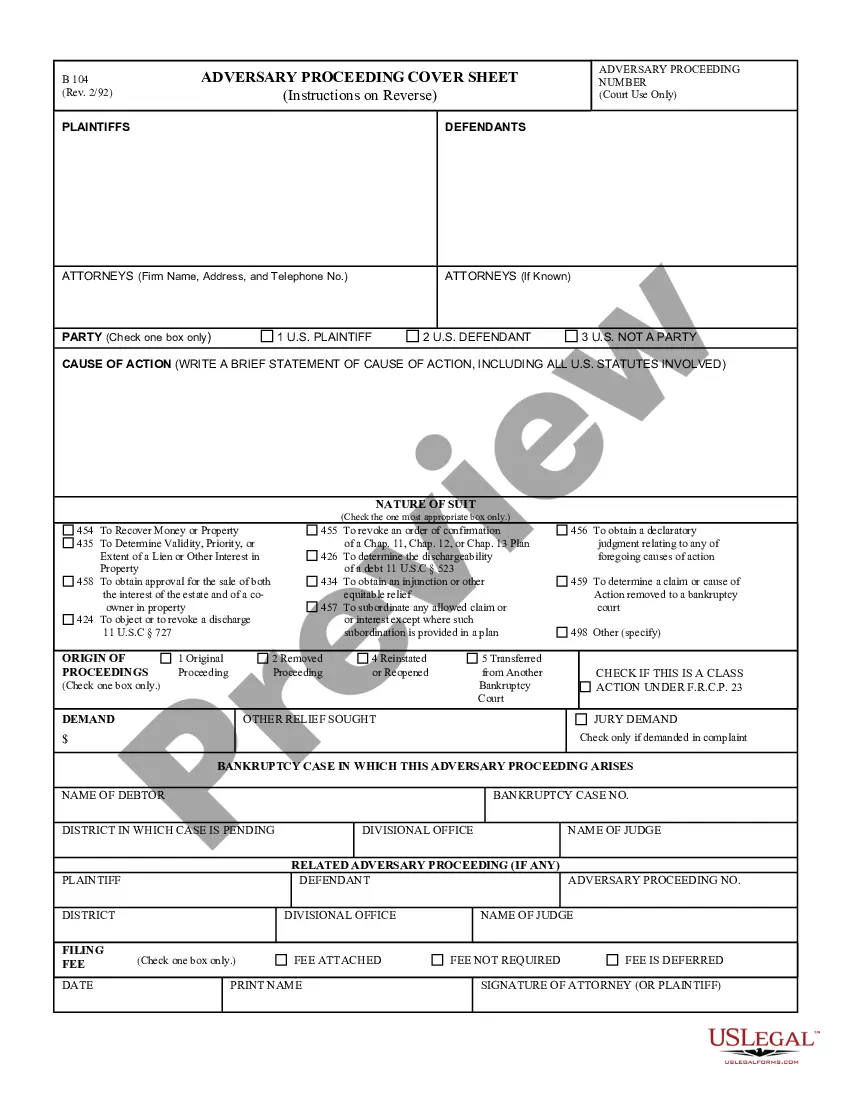
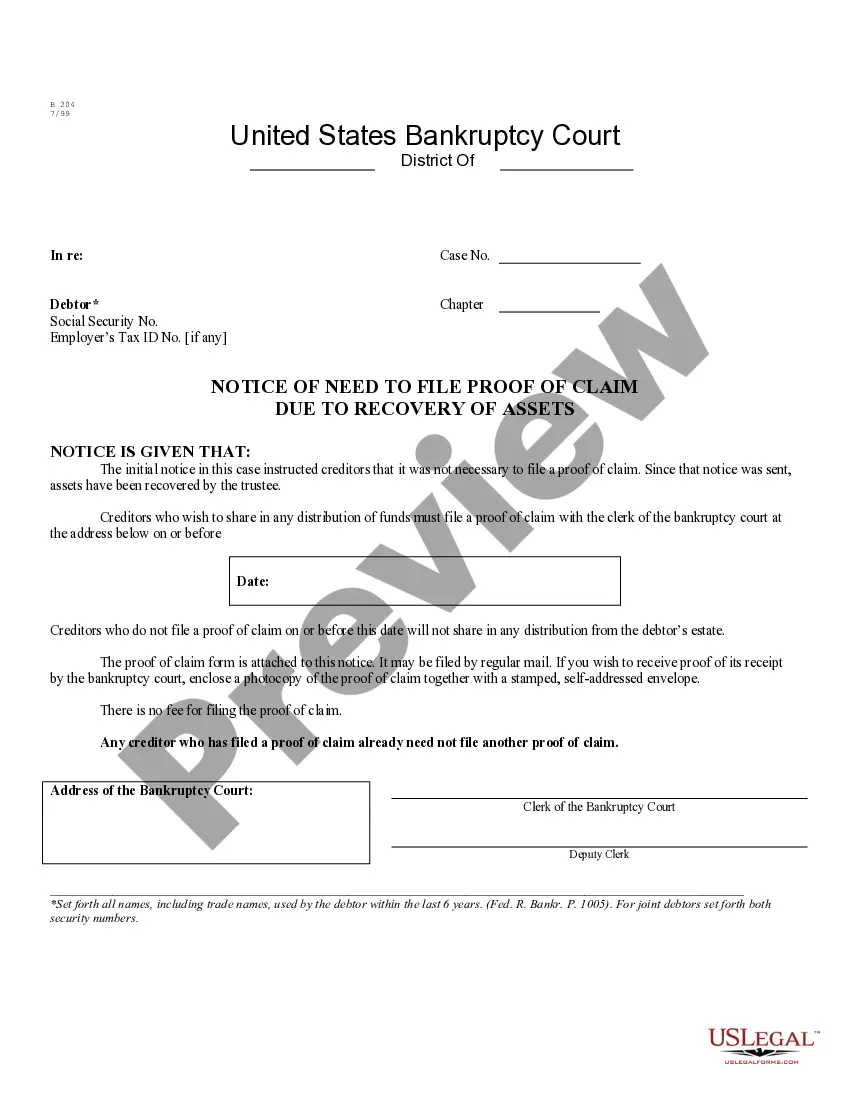
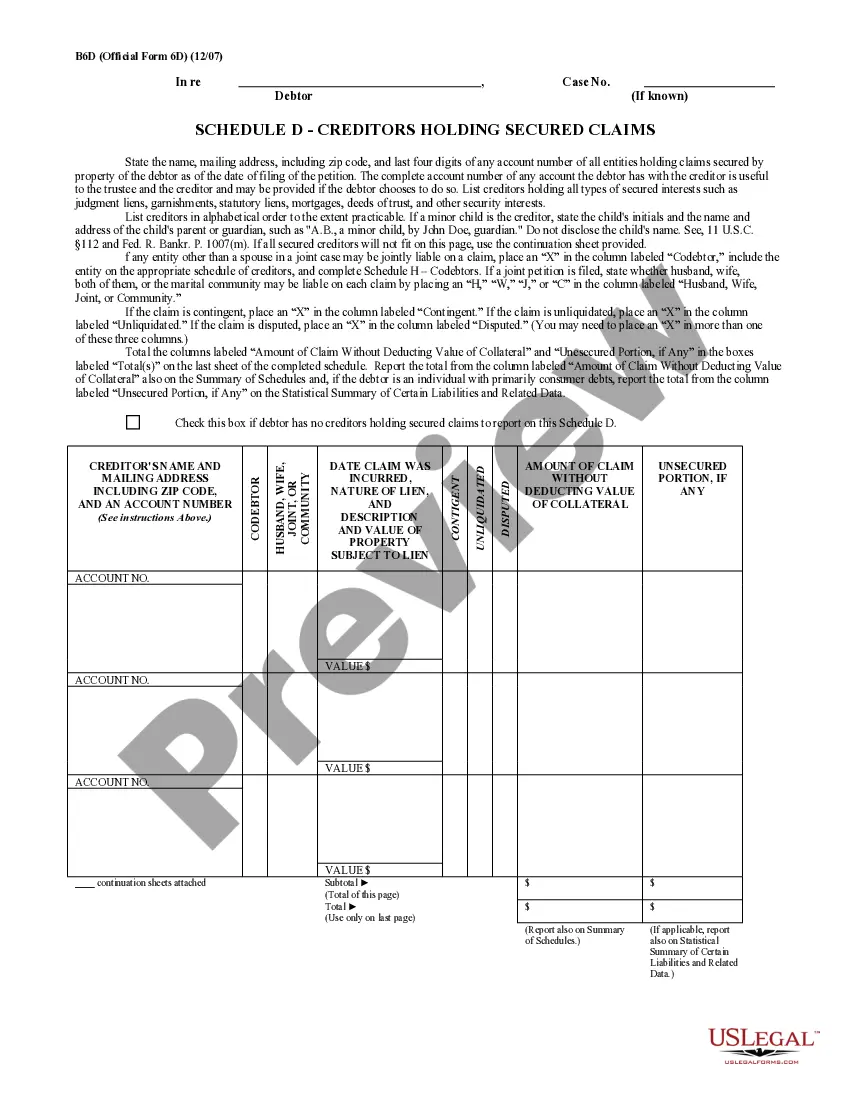
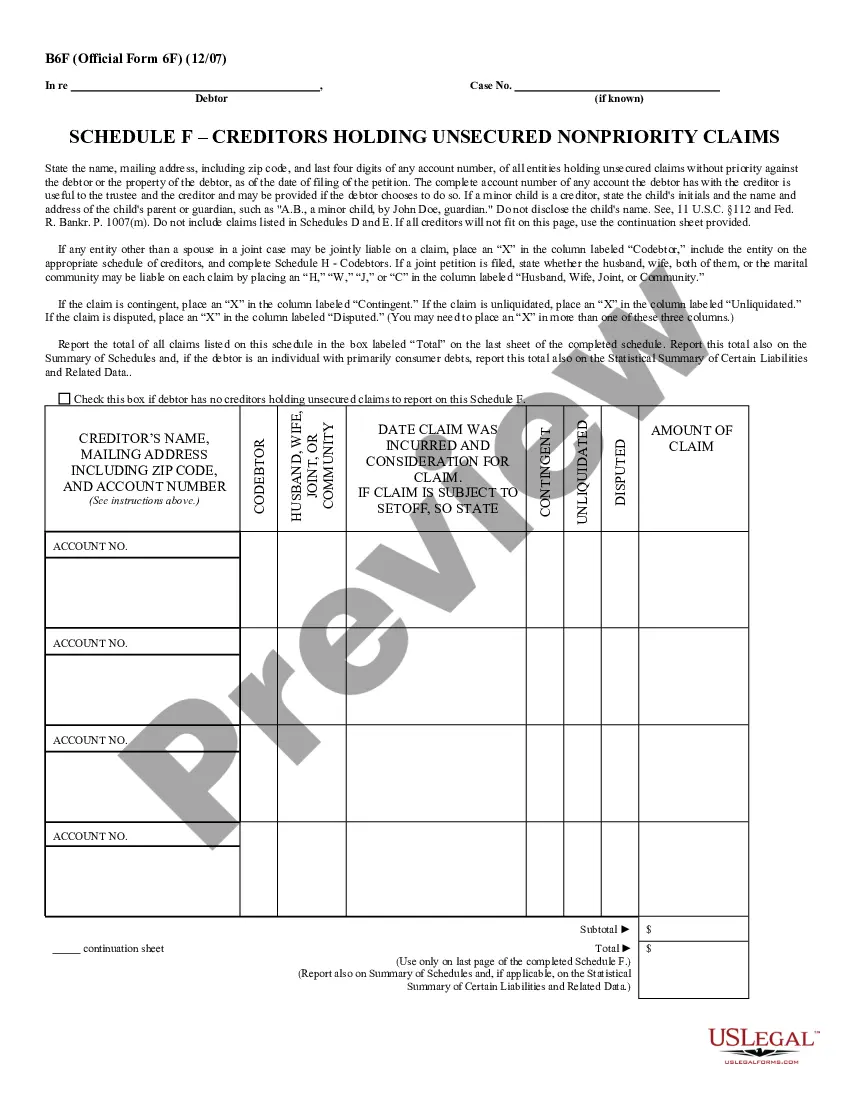
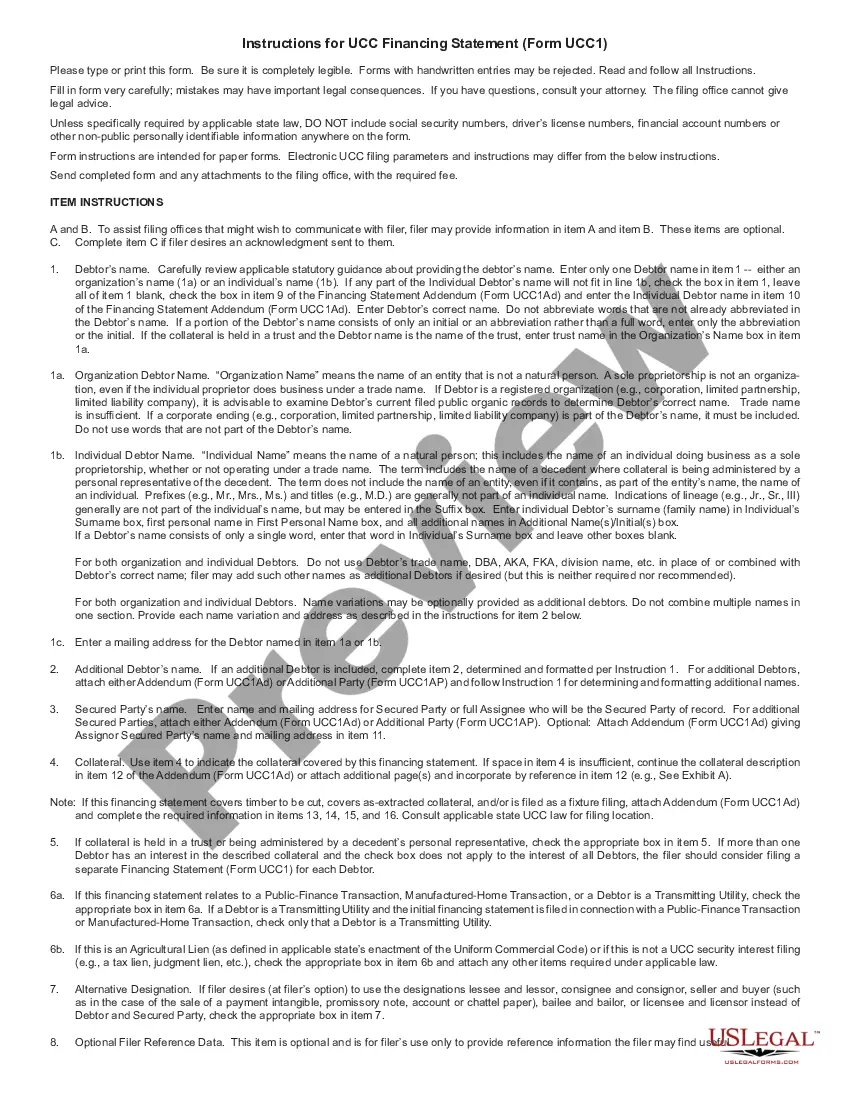







How to fill out List Of Creditors Holding 20 Largest Secured Claims - Not Needed For Chapter 7 Or 13 - Form 4 - Post 2005?
Acquiring legal documents that comply with federal and state regulations is essential, and the internet presents numerous choices to select from.
However, what’s the advantage of spending time looking for the properly prepared List Chapter 7 Without A Lawyer example online when the US Legal Forms digital library already has such documents compiled in one location.
US Legal Forms is the largest digital legal repository with over 85,000 editable documents created by attorneys for any business and personal situation.
Review the template using the Preview feature or through the text outline to confirm it satisfies your requirements.
- They are simple to navigate with all documents organized by state and intended use.
- Our professionals stay updated with legal changes, so you can always trust that your form is current and compliant when obtaining a List Chapter 7 Without A Lawyer from our site.
- Acquiring a List Chapter 7 Without A Lawyer is fast and straightforward for both existing and new users.
- If you already possess an account with an active subscription, Log In and download the document sample you need in your desired format.
- If you are new to our platform, follow the instructions below.
Form popularity
FAQ
A Chapter 7 bankruptcy is also called a liquidation bankruptcy because you have to sell nonexempt possessions and use the proceeds to repay your creditors. You do get to keep exempt assets and possessions, up to a limit. Once the process is complete, the remainder of your included debts is discharged.
What can't be done through Chapter 7? A Chapter 7 bankruptcy cannot: Discharge past-due child support, property taxes, recent IRS debts, and most student loans. Protect you from ?hot check? or other criminal charges, or waive criminal fines, fees, penalties, and restitution.
The person filing for bankruptcy is the one who pays for the bankruptcy, either the individual or the creditor in a forced bankruptcy.
Debt Discharge When you file for bankruptcy, your creditors can no longer demand payment from you. The court discharges your debt. This removes your liability for repayment. Of course, you're still free to repay your debts.
Fraud. A court might disqualify you from the bankruptcy process if they believe you attempted to defraud your creditors. This also applies to situations where debtors attempt to hide their assets.