List Chapter 7 With No Money
Description
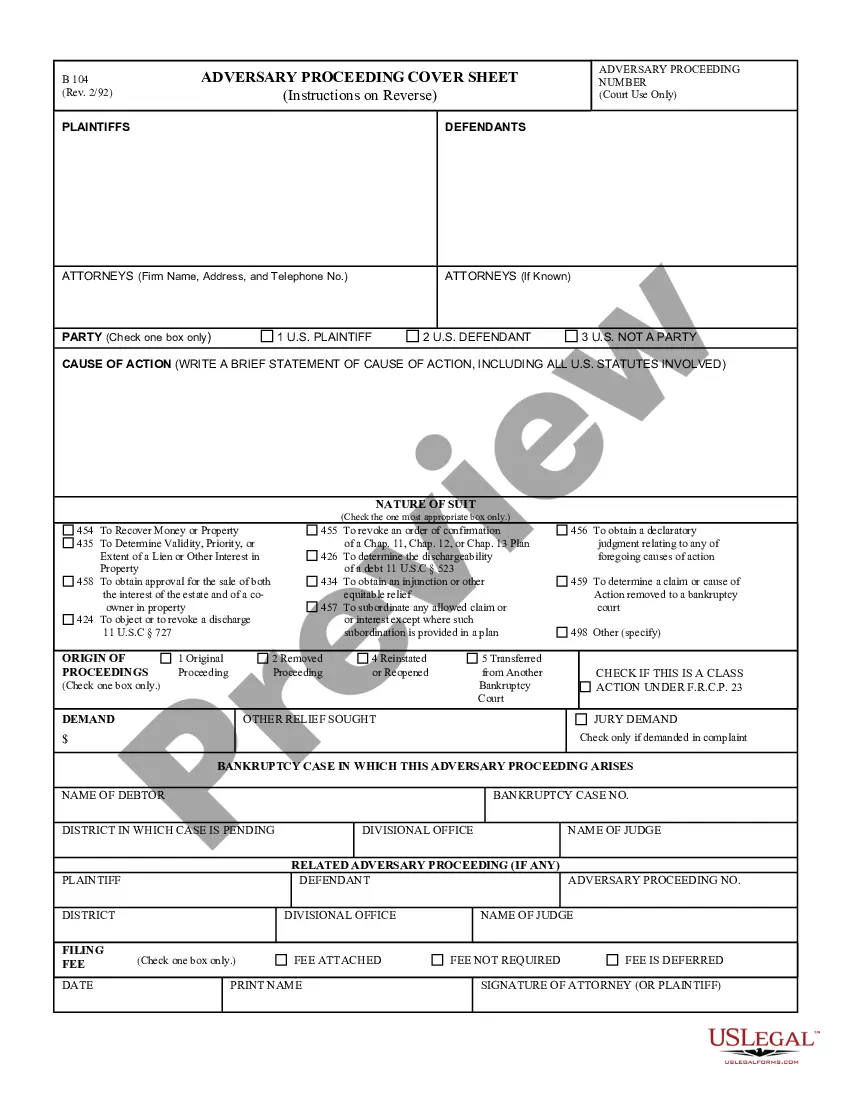
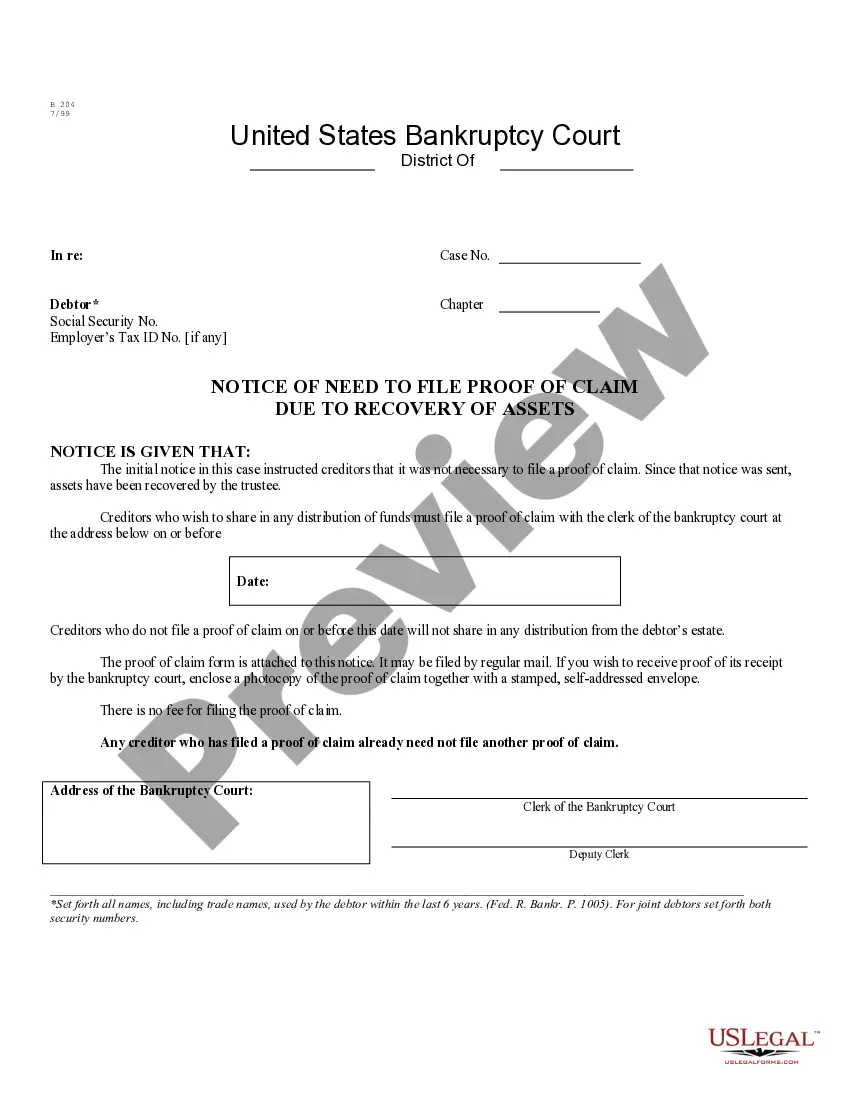
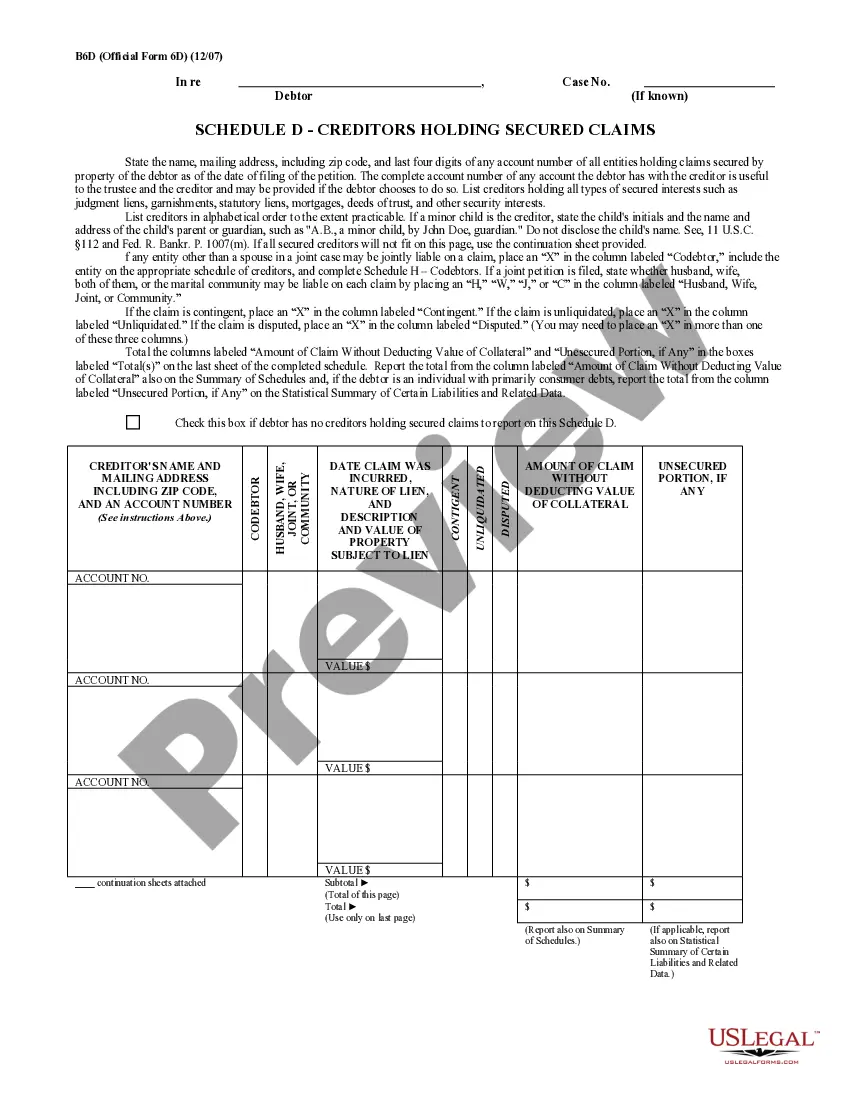
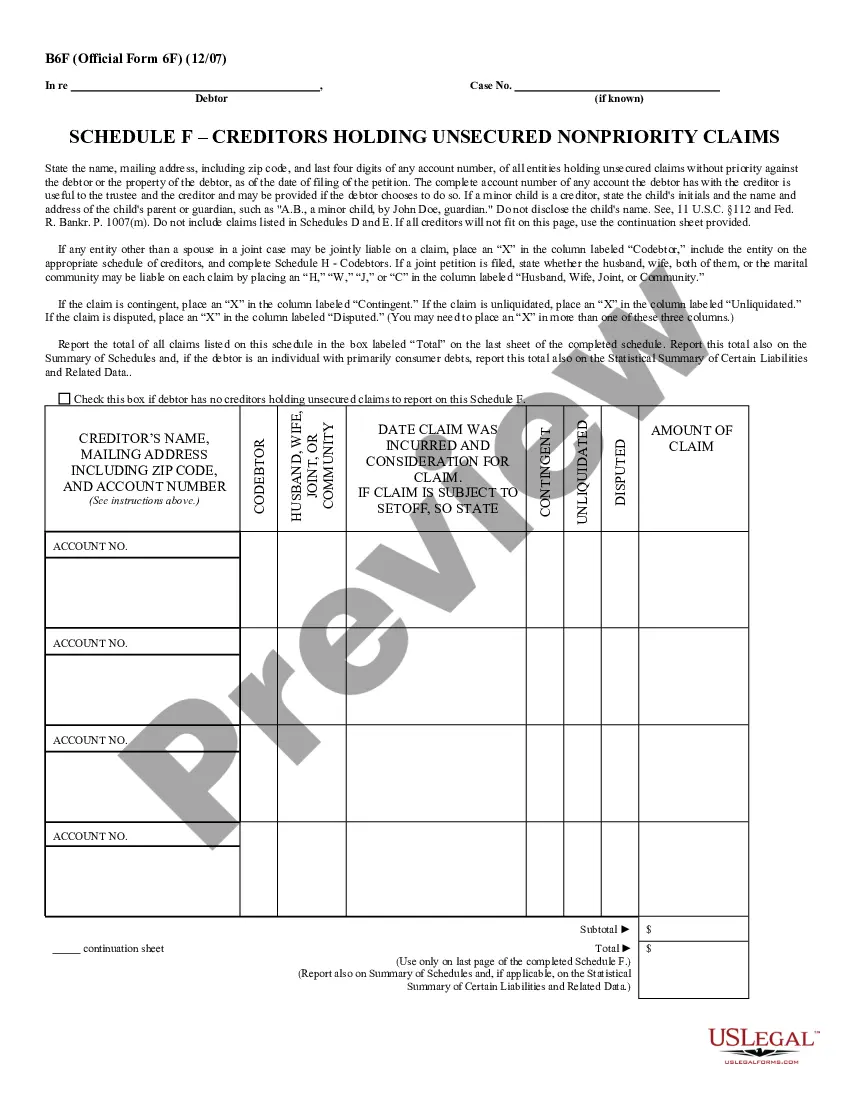
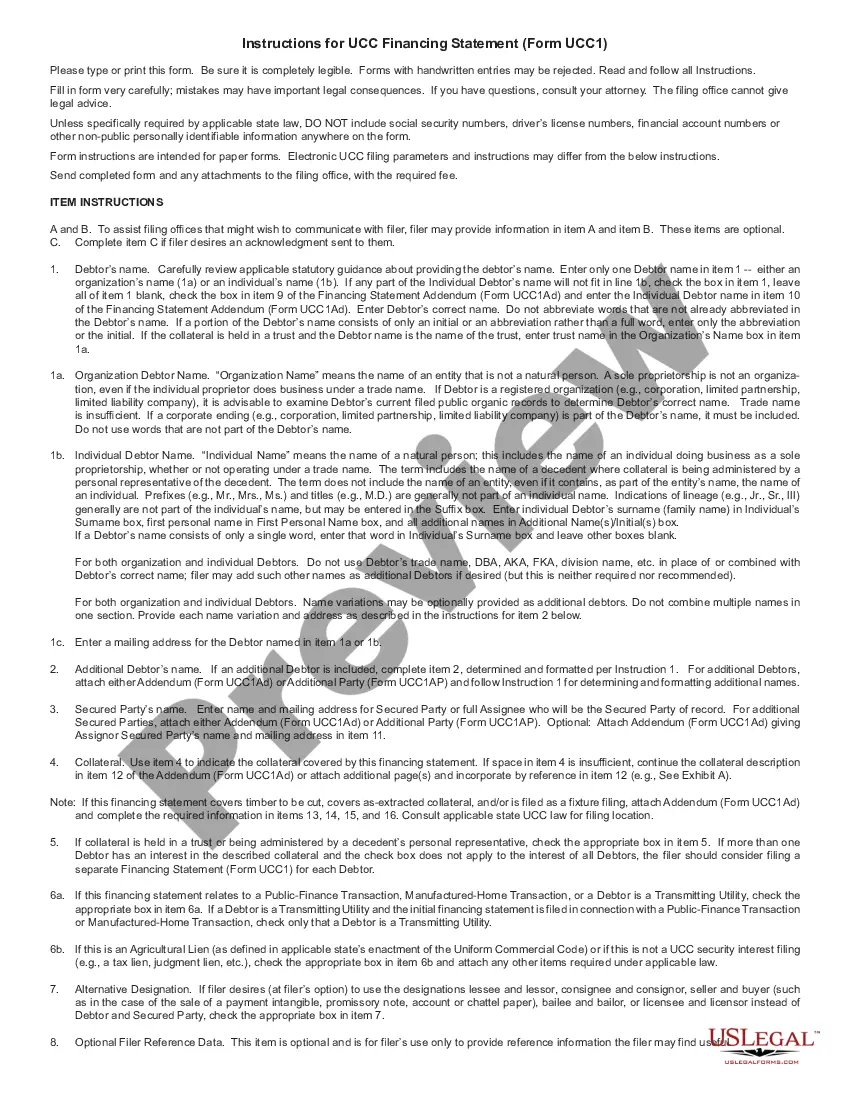





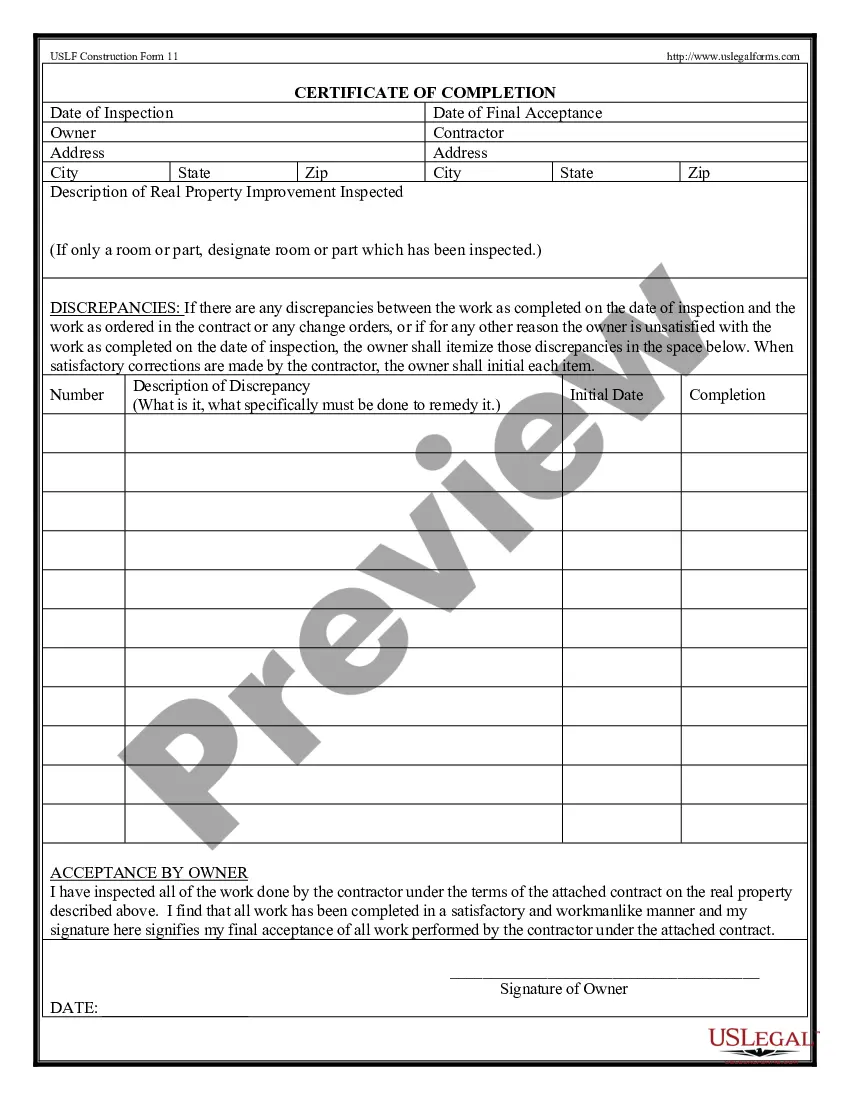
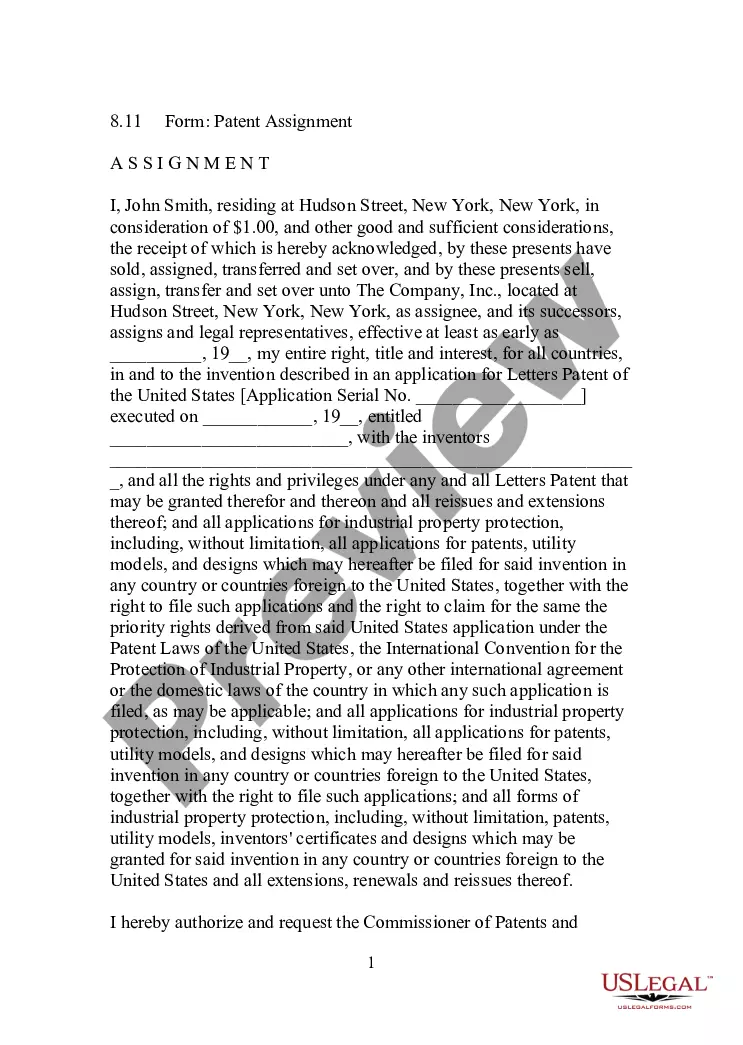
How to fill out List Of Creditors Holding 20 Largest Secured Claims - Not Needed For Chapter 7 Or 13 - Form 4 - Post 2005?
Creating legal documents from the ground up can frequently feel a bit daunting. Some situations may require extensive research and significant financial investment. If you seek a more direct and cost-effective method of preparing List Chapter 7 With No Money or other paperwork without unnecessary complications, US Legal Forms is always available to assist you.
Our online repository of over 85,000 current legal forms encompasses nearly every aspect of your financial, legal, and personal matters. With just a few clicks, you can swiftly obtain state- and county-compliant forms meticulously crafted for you by our legal experts.
Utilize our platform whenever you require a dependable and trustworthy service through which you can conveniently find and download the List Chapter 7 With No Money. If you’re already familiar with our website and have previously created an account, simply Log In to your account, select the form and download it immediately or re-download it later in the My documents tab.
Not registered yet? No problem. Setting up an account takes minimal time and allows you to explore the catalog. However, before proceeding to download List Chapter 7 With No Money, adhere to these suggestions.
US Legal Forms boasts an impeccable reputation and over 25 years of experience. Join us today and make document execution a straightforward and efficient process!
- Examine the form preview and descriptions to ensure you are viewing the document you need.
- Verify that the form you select complies with the laws and regulations of your state and county.
- Select the appropriate subscription option to obtain the List Chapter 7 With No Money.
- Download the form. Then complete, certify, and print it out.
Form popularity
FAQ
An Application for Waiver of the Chapter 7 Filing Fee for Individuals Who Cannot Pay The Filing Fee in Full or In Installments (Official Form 103B), must be filed with the petition. The form is available on the Court's web site, at , under Rules & Forms >> Forms.
Understanding Chapter 7 Bankruptcy Unsecured priority debts are paid first. Examples of unsecured priority debts are tax debts, child support, and personal injury claims against the debtor. Secured debts are paid next.
What can't be done through Chapter 7? A Chapter 7 bankruptcy cannot: Discharge past-due child support, property taxes, recent IRS debts, and most student loans. Protect you from ?hot check? or other criminal charges, or waive criminal fines, fees, penalties, and restitution.
The person filing for bankruptcy is the one who pays for the bankruptcy, either the individual or the creditor in a forced bankruptcy.
Debt Discharge When you file for bankruptcy, your creditors can no longer demand payment from you. The court discharges your debt. This removes your liability for repayment. Of course, you're still free to repay your debts.