List Chapter 7 With 5
Description
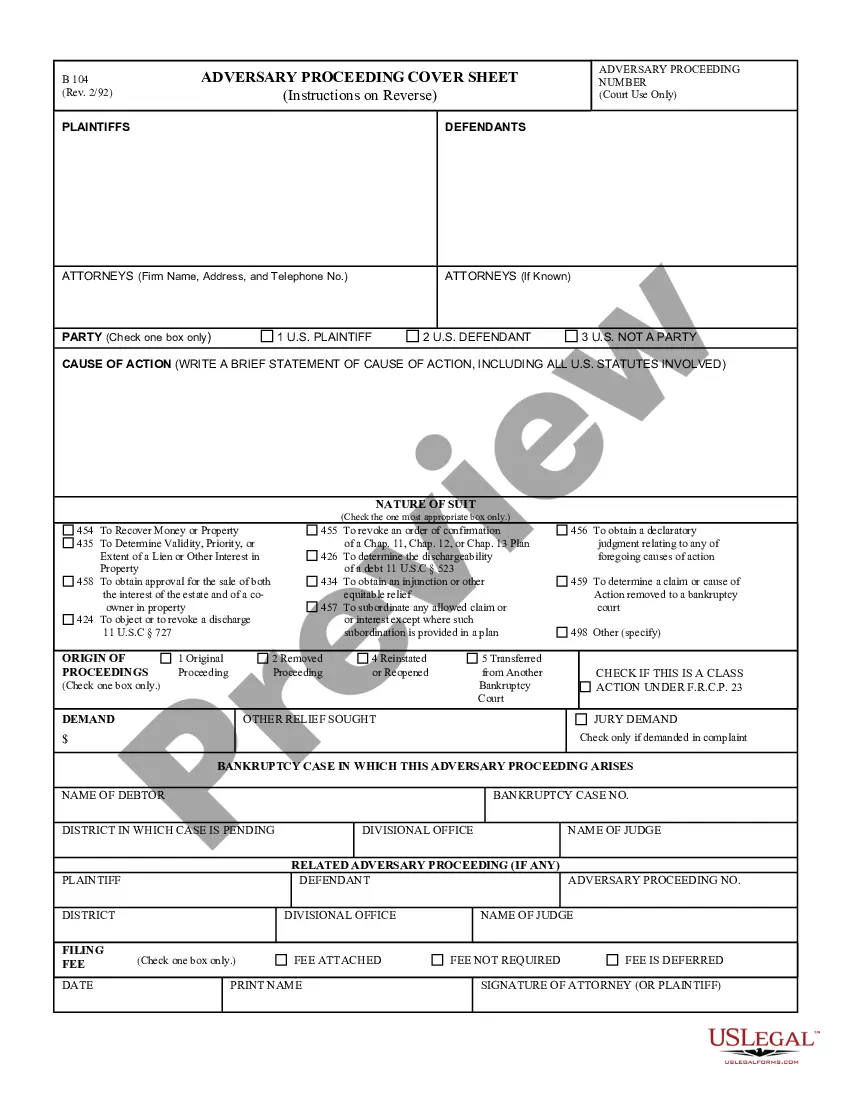
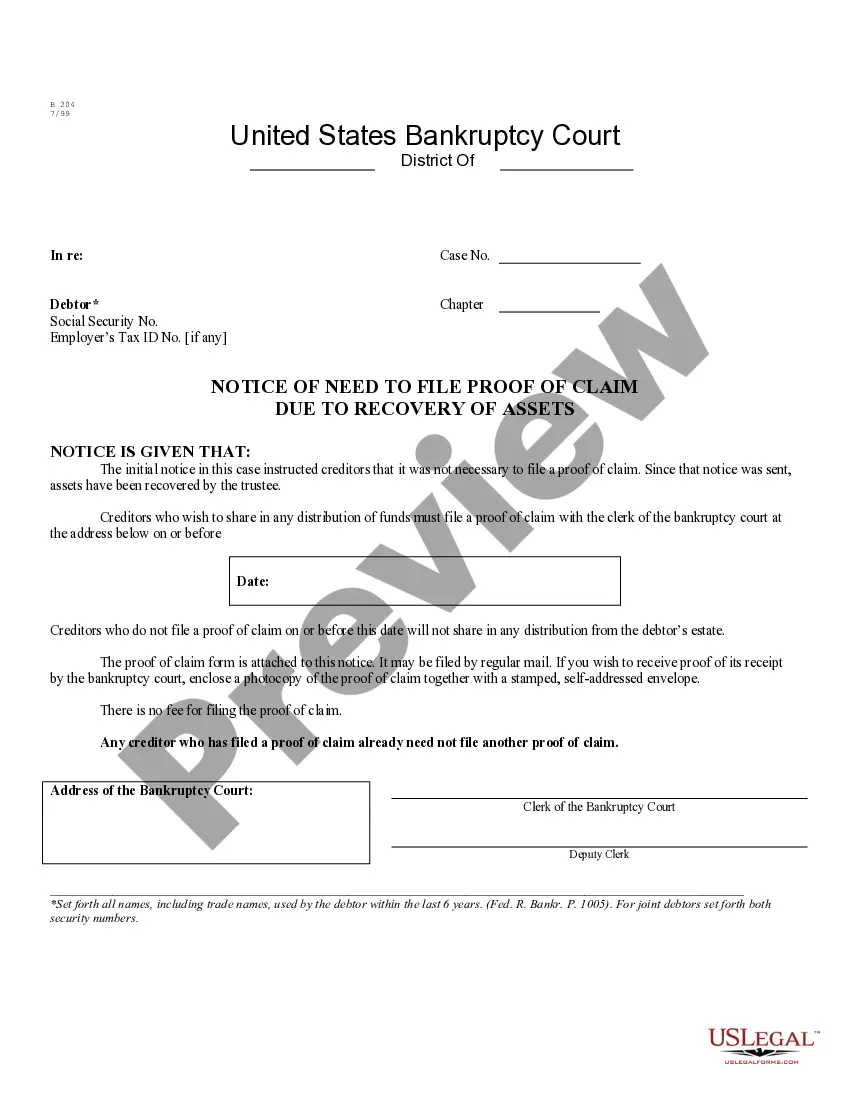
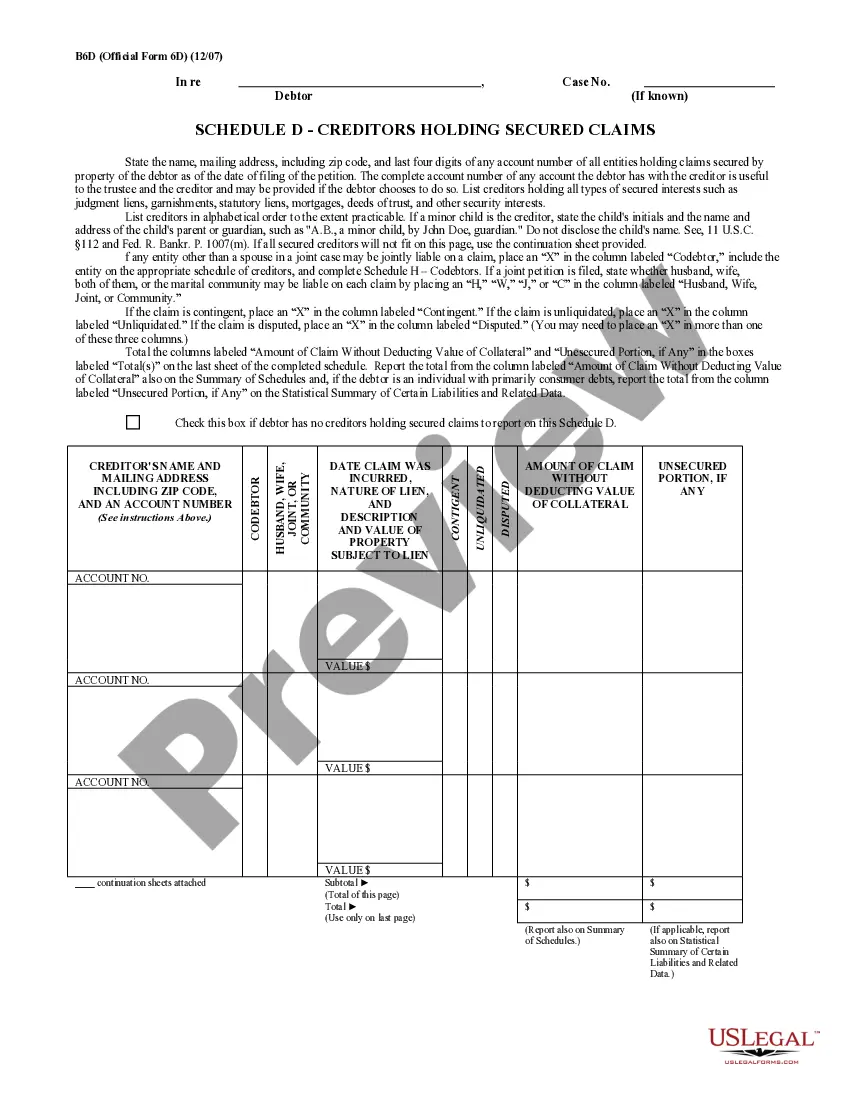
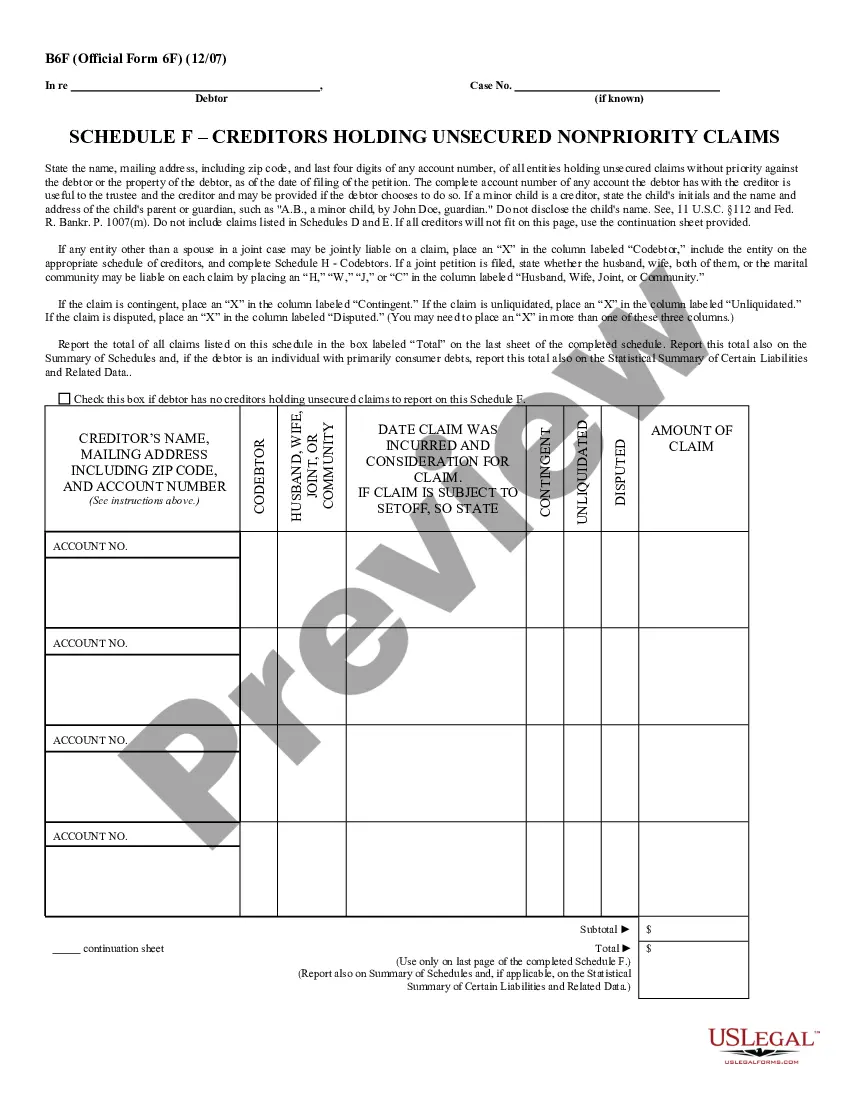
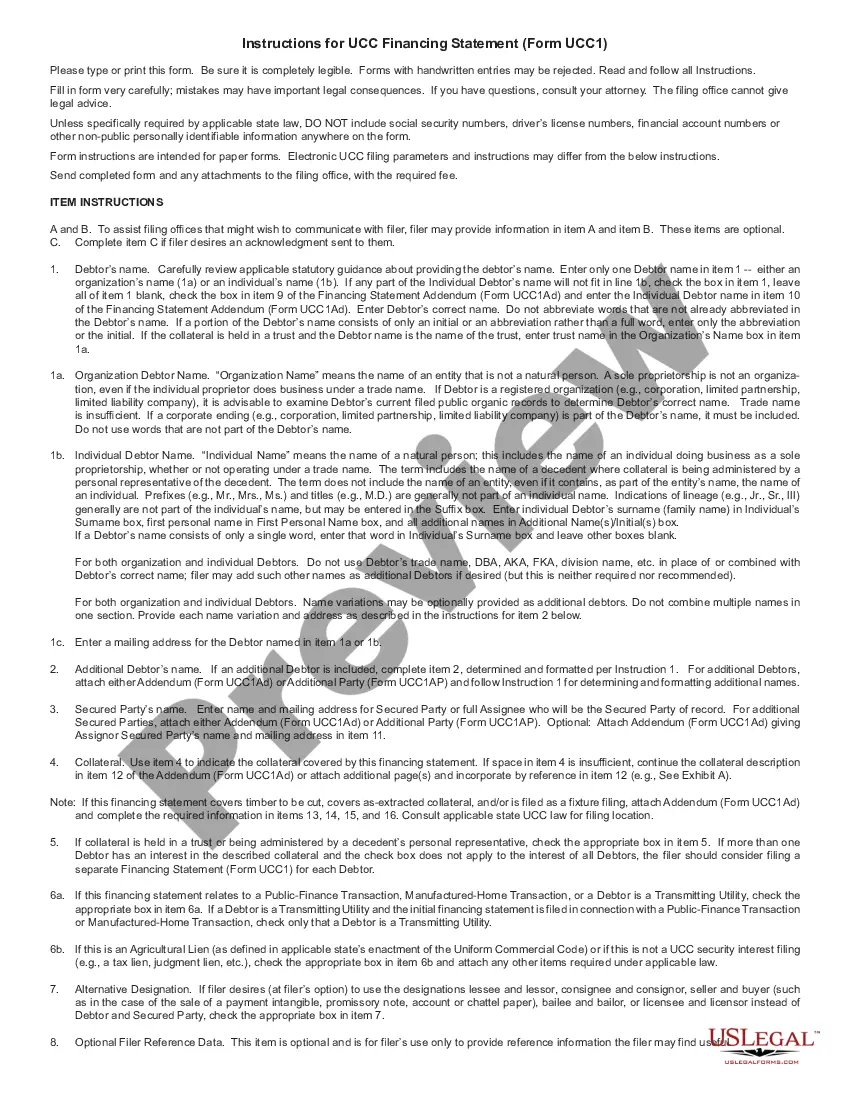

How to fill out List Of Creditors Holding 20 Largest Secured Claims - Not Needed For Chapter 7 Or 13 - Form 4 - Post 2005?
It’s clear that you can’t become a legal expert instantly, nor can you understand how to swiftly prepare List Chapter 7 With 5 without having a specialized background.
Generating legal documents is a lengthy procedure that necessitates specific training and abilities. So why not entrust the preparation of the List Chapter 7 With 5 to the professionals.
With US Legal Forms, one of the most extensive legal document repositories, you can obtain anything from court documents to templates for in-office correspondence. We recognize how essential compliance and adherence to federal and state laws and regulations are.
Select Buy now. Once the transaction is finalized, you can download the List Chapter 7 With 5, fill it out, print it, and send or mail it to the specified individuals or entities.
You can regain access to your documents from the My documents tab at any time. If you’re an existing client, you can easily Log In, and locate and download the template from the same tab.
- That’s why, on our platform, all templates are location-specific and current.
- Here’s begin with our website and acquire the document you require in just minutes.
- Locate the form you need using the search bar at the top of the page.
- Preview it (if this option is available) and review the supporting description to ascertain whether List Chapter 7 With 5 is what you’re seeking.
- Create a free account and select a subscription plan to buy the template.
Form popularity
FAQ
A creditor matrix contains each creditor's name and mailing address. This information is used for noticing and claims information. The debtor is required to provide a list of ALL creditors.
If a filer qualifies for an exception to the means test, they will file Form 122A-1Supp. You can earn a high income and still pass the means test if you have substantial expenses like a hefty mortgage, multiple car payments, taxes, childcare, health care, or care of an elderly or disabled person.
You can prepare a List of Creditors by creating one using a computer and word?processing software. After completing the List of Creditors, you then submit the List of Creditors to the Court as a . txt file on electronic media (such as a CD, DVD, or flash / thumb drive).
The means test is calculated by comparing the debtor's average income for the past six months (current monthly income), annualized, to the median income for households of the same size in the debtor's state of residence.
This formula takes a look at the amount of disposable income compared to the level of unsecured debt. If the debtor's disposable income, projected for a five-year period, is more than 25 percent of the total unsecured debt, the debtor will likely be denied a Chapter 7 filing.