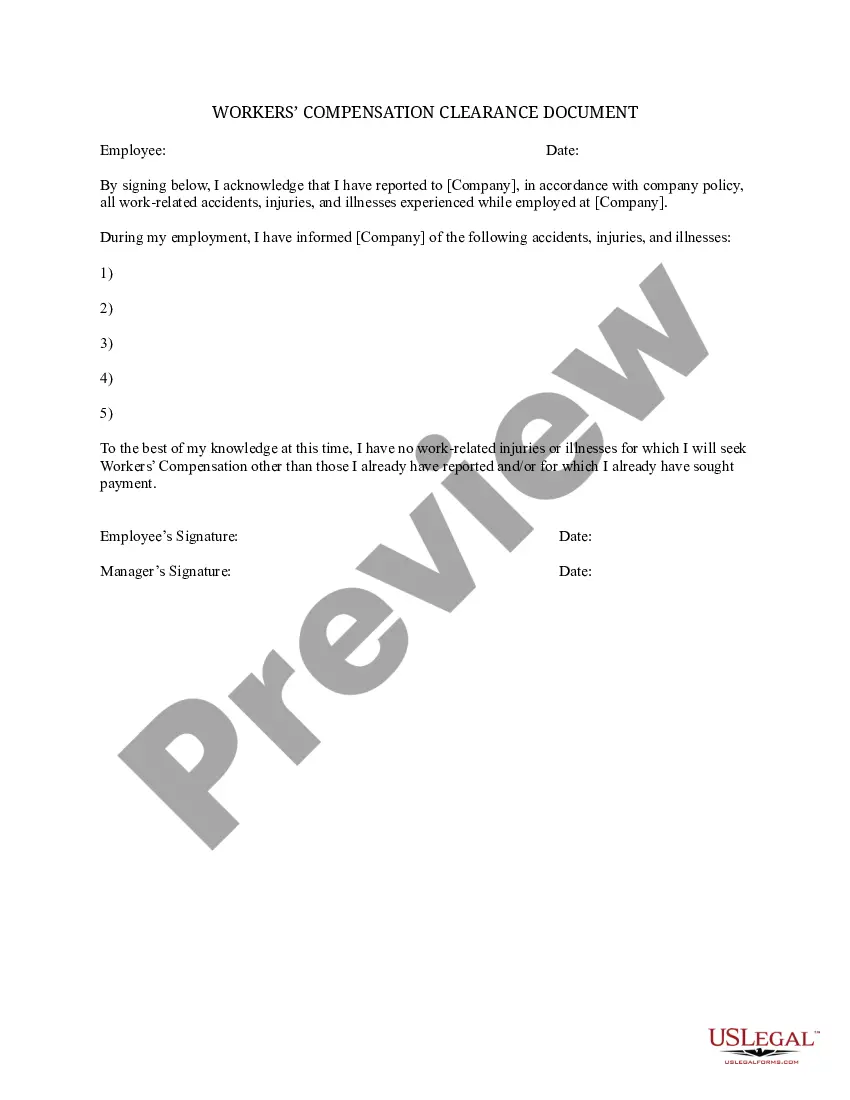
Compensation Document Form For Employees
Description
Get your form ready online
Our built-in tools help you complete, sign, share, and store your documents in one place.
Make edits, fill in missing information, and update formatting in US Legal Forms—just like you would in MS Word.
Download a copy, print it, send it by email, or mail it via USPS—whatever works best for your next step.
Sign and collect signatures with our SignNow integration. Send to multiple recipients, set reminders, and more. Go Premium to unlock E-Sign.
If this form requires notarization, complete it online through a secure video call—no need to meet a notary in person or wait for an appointment.
We protect your documents and personal data by following strict security and privacy standards.

Make edits, fill in missing information, and update formatting in US Legal Forms—just like you would in MS Word.

Download a copy, print it, send it by email, or mail it via USPS—whatever works best for your next step.

Sign and collect signatures with our SignNow integration. Send to multiple recipients, set reminders, and more. Go Premium to unlock E-Sign.

If this form requires notarization, complete it online through a secure video call—no need to meet a notary in person or wait for an appointment.

We protect your documents and personal data by following strict security and privacy standards.
Looking for another form?

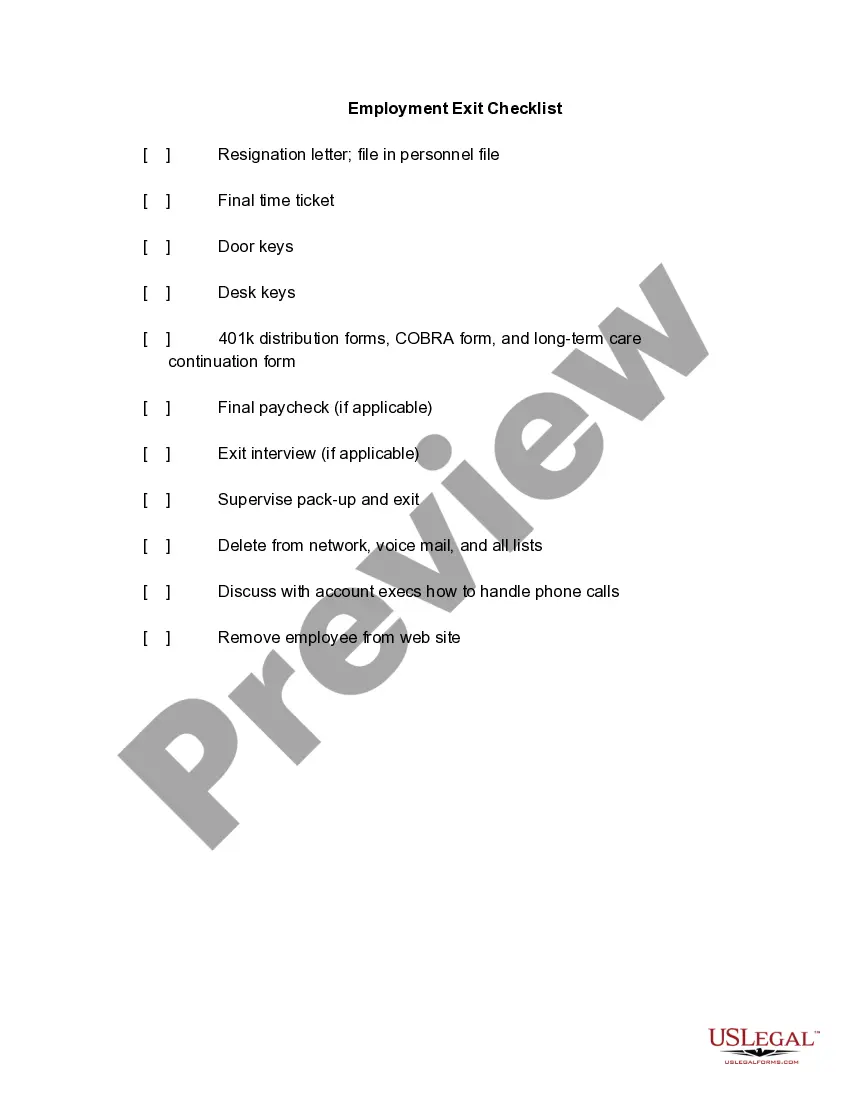
How to fill out Workers' Compensation Clearance Document?
Whether for commercial intents or for personal matters, everyone must confront legal issues at some point in their existence.
Filling out legal paperwork requires thorough scrutiny, starting with selecting the appropriate form template.
With a vast US Legal Forms catalog at your fingertips, you never need to waste time searching for the suitable template across the web. Utilize the library’s user-friendly navigation to find the right document for any occasion.
- Locate the template you need by utilizing the search bar or catalog browsing.
- Review the form’s description to ensure it aligns with your circumstances, state, and county.
- Click on the form’s preview to inspect it.
- If it is the incorrect form, return to the search feature to find the Compensation Document Form For Employees template you need.
- Download the document when it suits your requirements.
- If you already possess a US Legal Forms account, simply click Log in to access previously saved documents in My documents.
- If you do not yet have an account, you can acquire the form by clicking Buy now.
- Choose the appropriate pricing option.
- Complete the profile registration form.
- Select your payment method: use a credit card or PayPal account.
- Choose your preferred file format and download the Compensation Document Form For Employees.
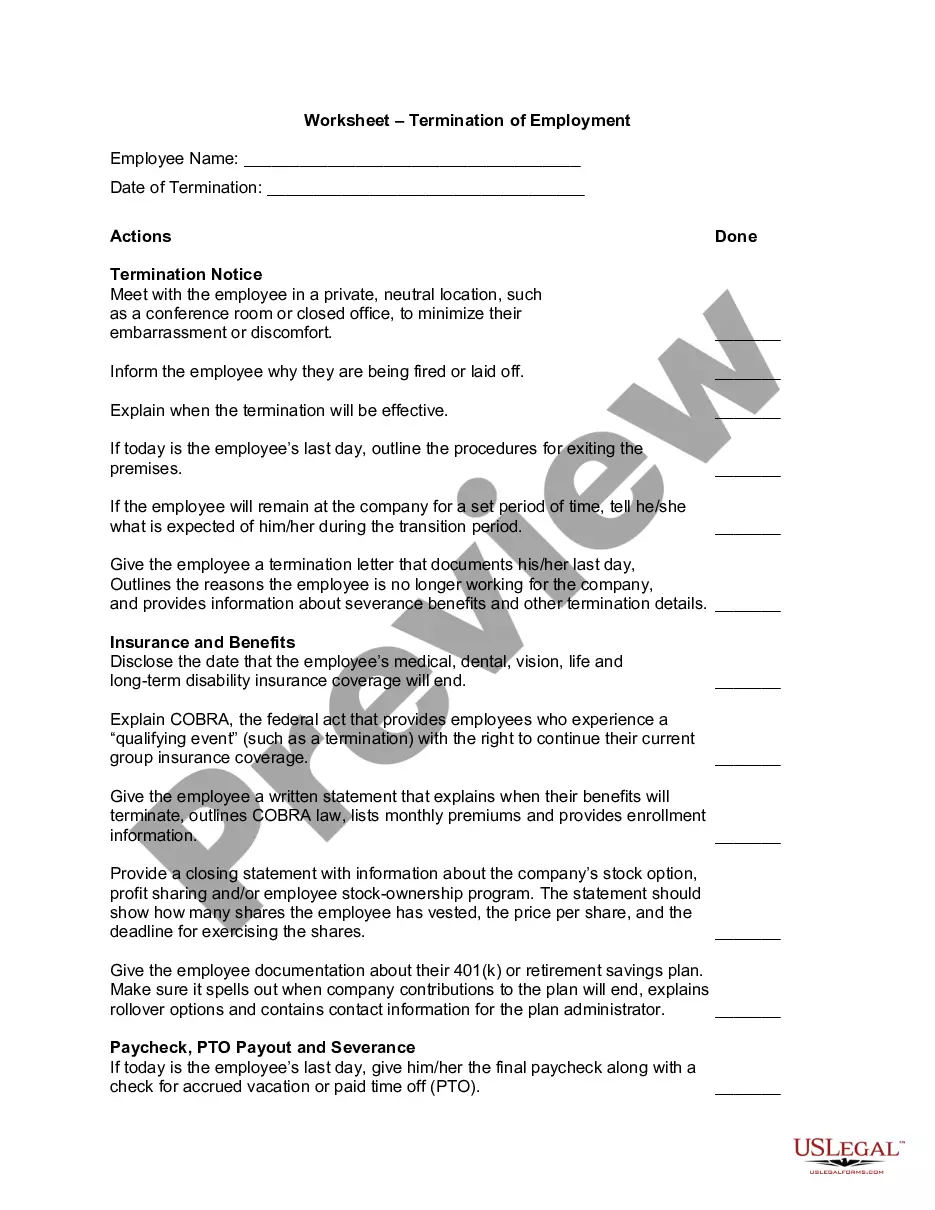
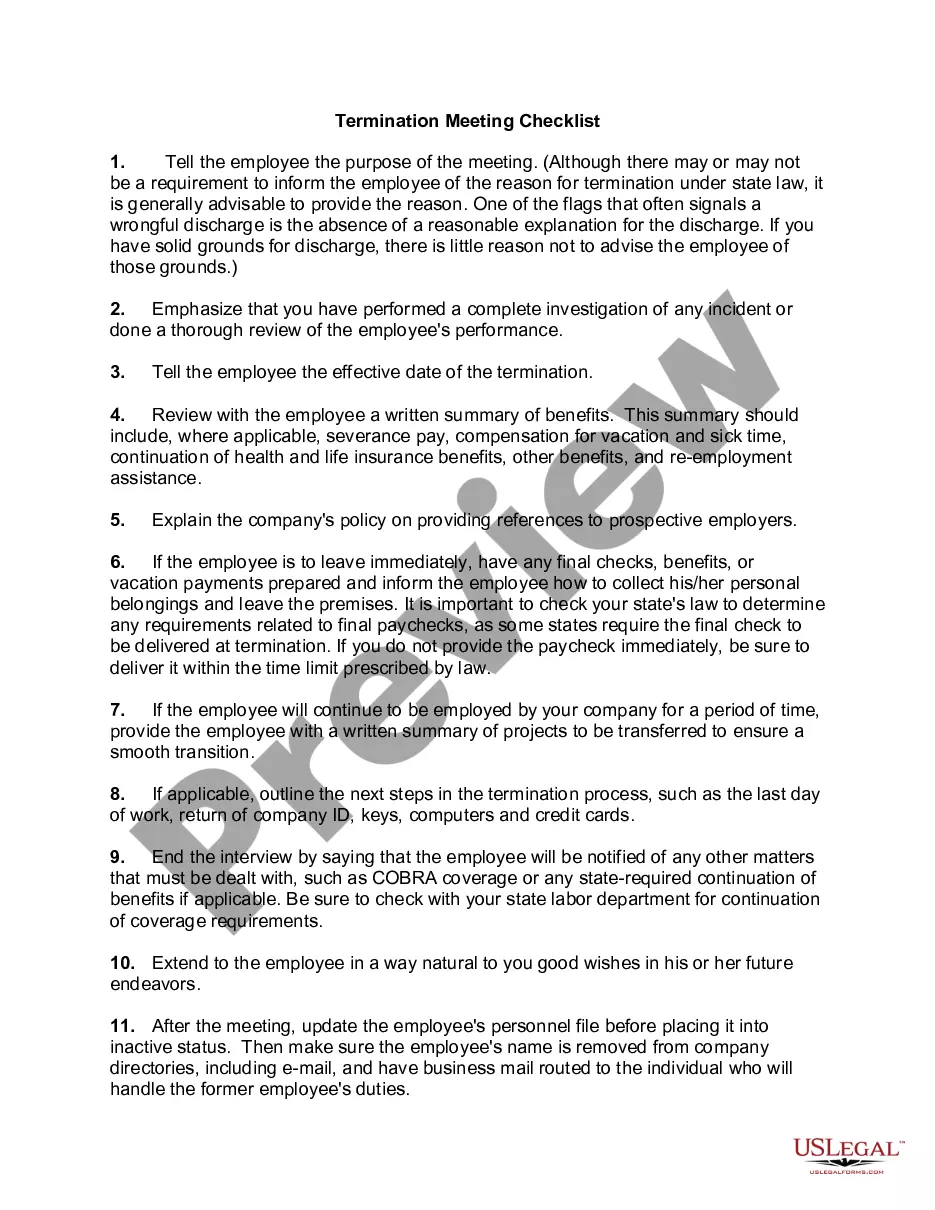
- Once it is downloaded, you can fill out the form using editing software or print it and complete it manually.
Form popularity
FAQ
Filing a CA-1 form is straightforward. First, gather all necessary information about your injury and the circumstances surrounding it. Next, complete the form accurately, ensuring your details are clear. Once finished, submit it to your agency's compensation office, and consider checking resources on uslegalforms to ensure you have every requirement covered for this compensation document form for employees.
Corporations establish a separate legal entity, limiting owners' personal liability, while partnerships mean owners personally represent the business. Partnerships are pass-through entities so they don't pay corporate taxes; some types of corporations (namely, C-corps) are subject to the corporate tax rate.
Partnership. Partnerships are the simplest structure for two or more people to own a business together. There are two common kinds of partnerships: limited partnerships (LP) and limited liability partnerships (LLP).
Comparing 3 Types of Partnerships in Business. There are three relatively common partnership types: general partnership (GP), limited partnership (LP) and limited liability partnership (LLP). A fourth, the limited liability limited partnership (LLLP), is not recognized in all states.
Among the most common types of partnerships are general partnerships (GP), limited partnerships (LP), and limited liability partnerships (LLP). A partnership can even start without an oral or written contract.
4 types of business partnerships. General partnerships. General partnerships are the most basic forms of partnership and one of the most common. ... Limited partnerships. ... Limited liability partnerships. ... Limited liability limited partnerships.
There must be two or more persons. There must be an agreement.. There must be sharing of profits of business. There must be a mutual agency, i.e., the business must be either carried on by all or any of them acting for all.
A general partnership is the most common type of partnership. It refers to a relationship in which all partners contribute to the day-to-day management of the business.
The most common forms of business are the sole proprietorship, partnership, corporation, and S corporation.