Performance Appraisal Examples For Executive Assistant
Description
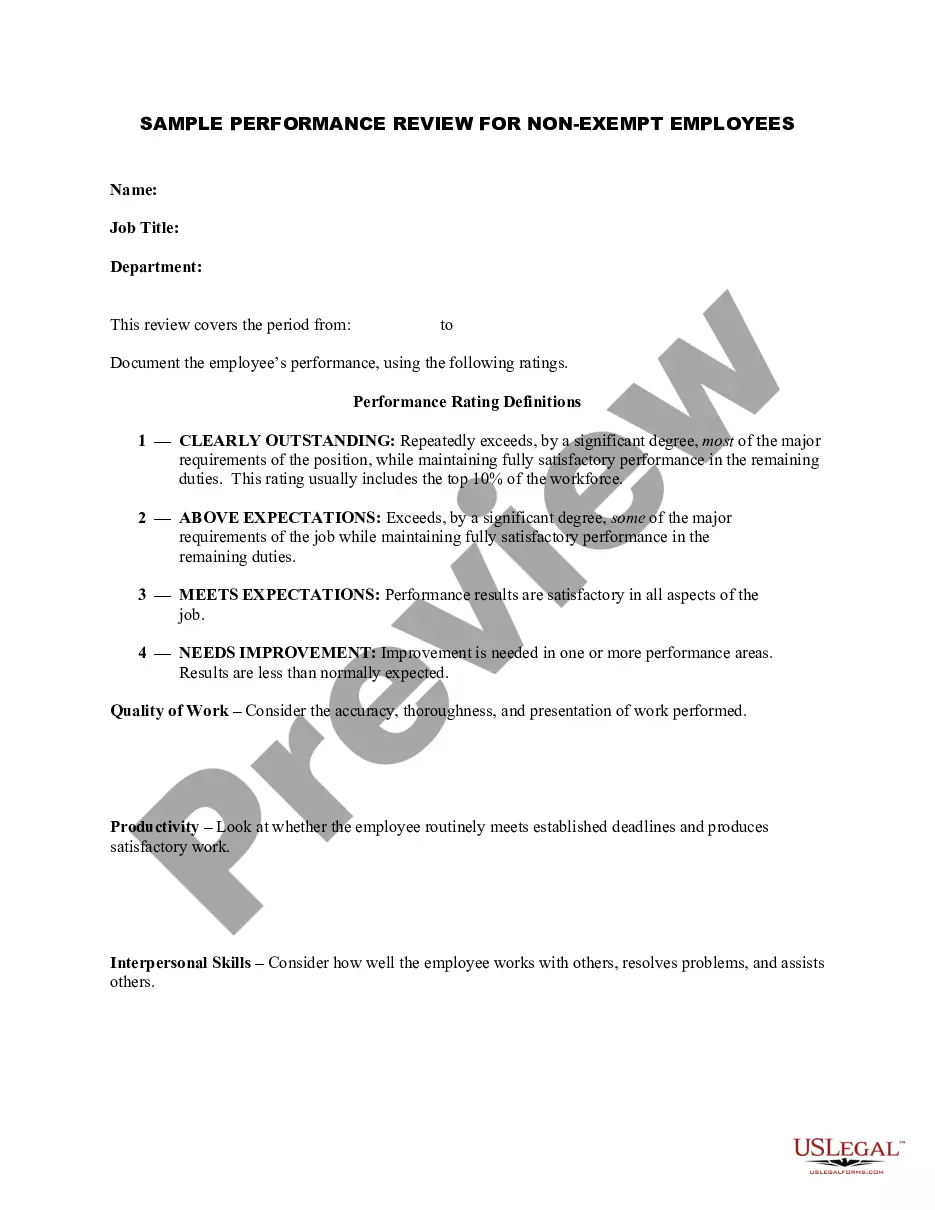
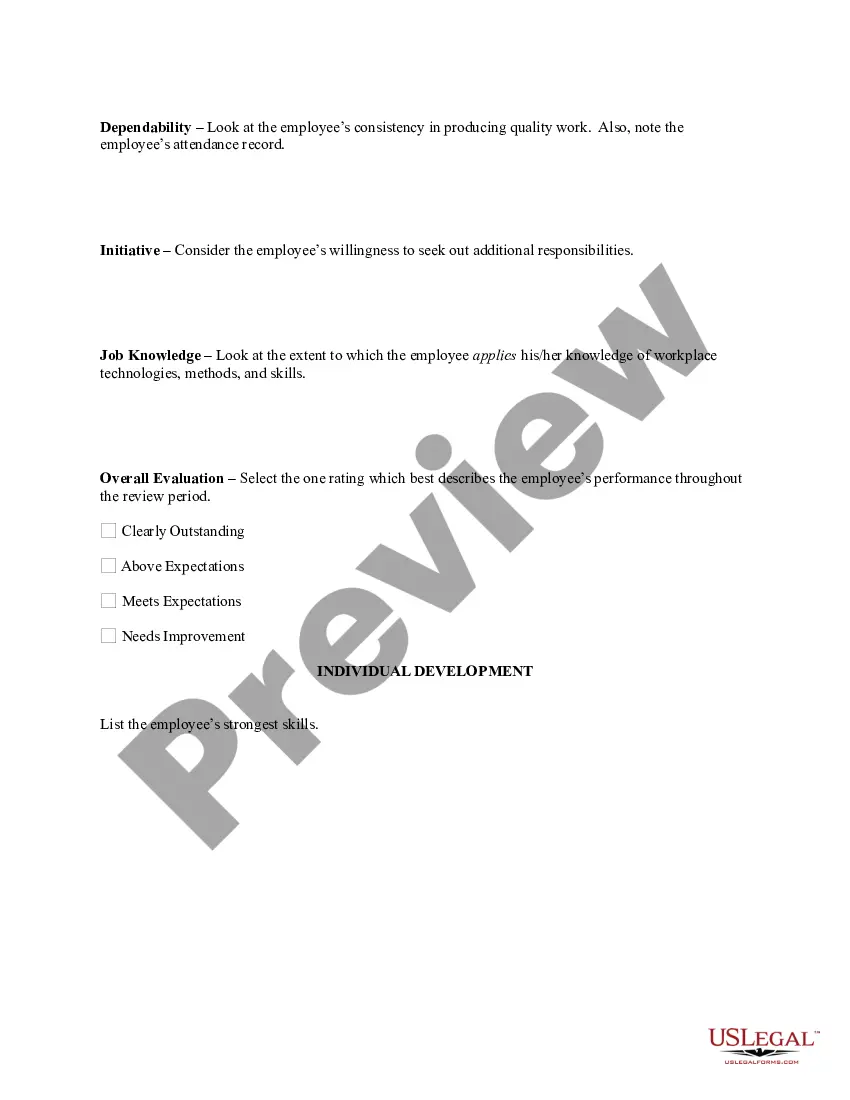
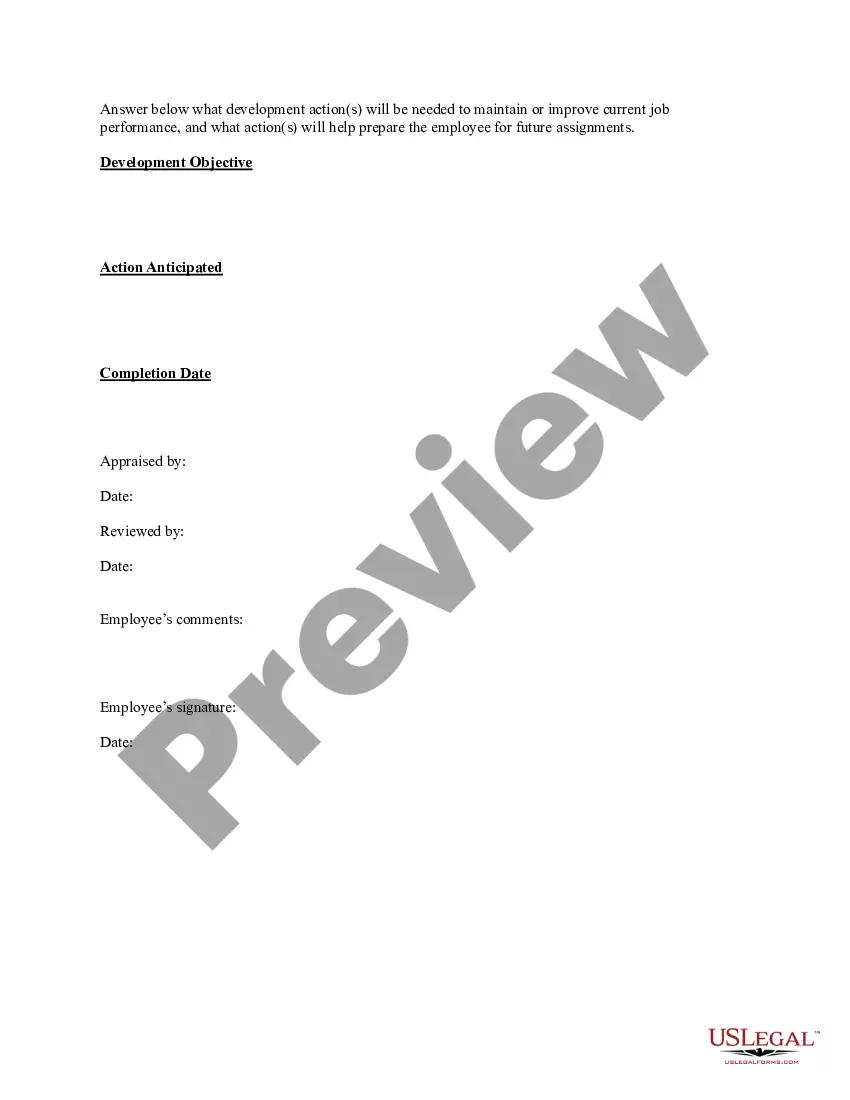
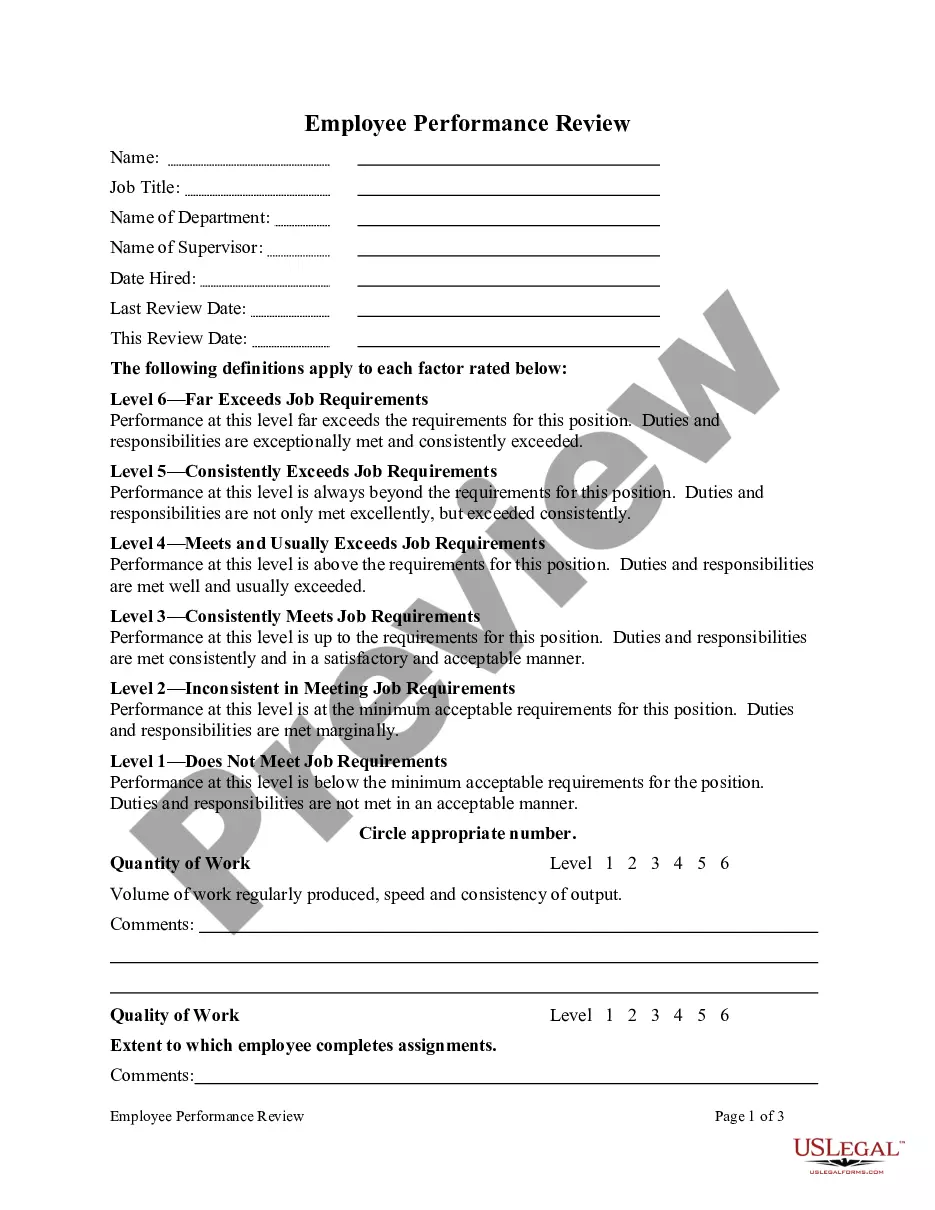
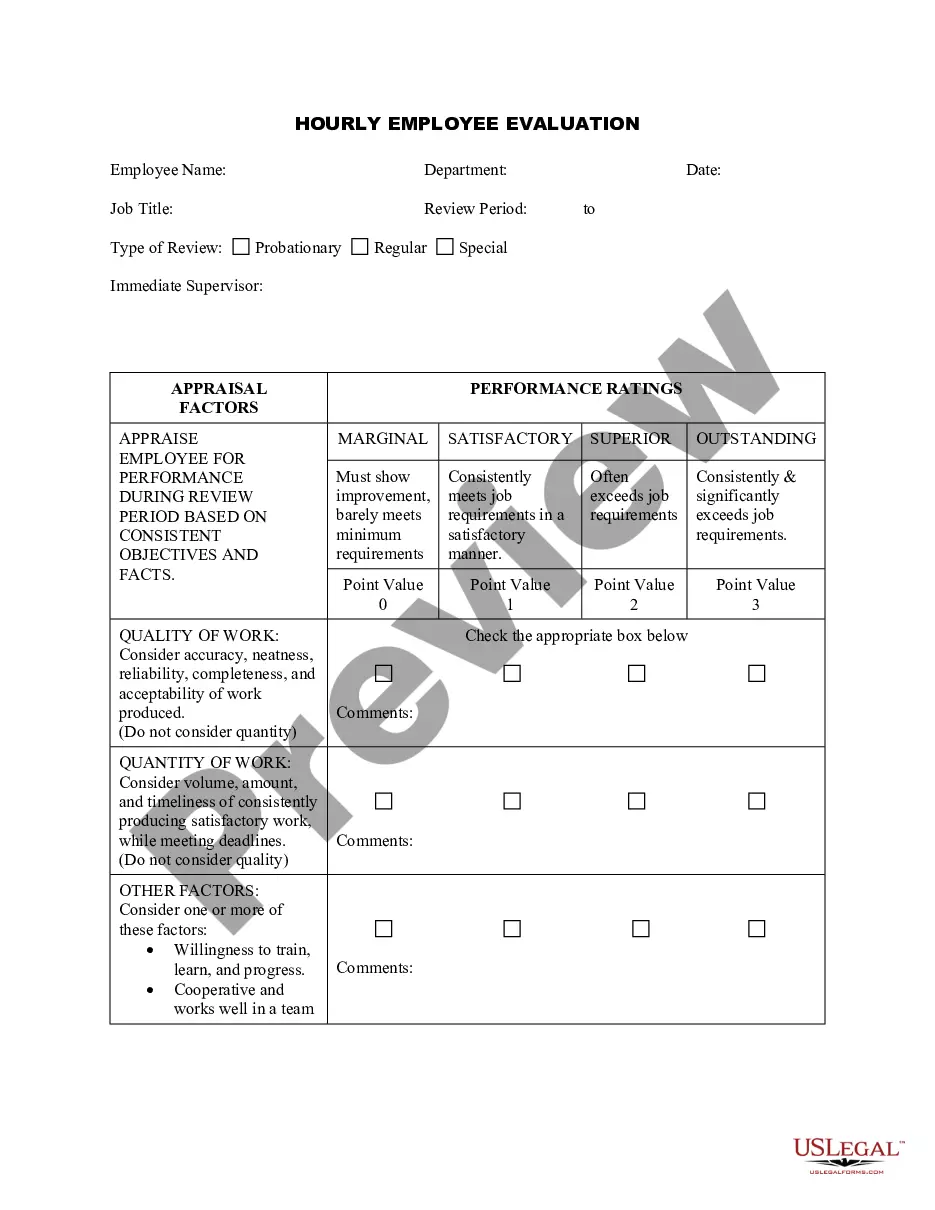
Get your form ready online
Our built-in tools help you complete, sign, share, and store your documents in one place.
Make edits, fill in missing information, and update formatting in US Legal Forms—just like you would in MS Word.
Download a copy, print it, send it by email, or mail it via USPS—whatever works best for your next step.
Sign and collect signatures with our SignNow integration. Send to multiple recipients, set reminders, and more. Go Premium to unlock E-Sign.
If this form requires notarization, complete it online through a secure video call—no need to meet a notary in person or wait for an appointment.
We protect your documents and personal data by following strict security and privacy standards.

Make edits, fill in missing information, and update formatting in US Legal Forms—just like you would in MS Word.

Download a copy, print it, send it by email, or mail it via USPS—whatever works best for your next step.

Sign and collect signatures with our SignNow integration. Send to multiple recipients, set reminders, and more. Go Premium to unlock E-Sign.

If this form requires notarization, complete it online through a secure video call—no need to meet a notary in person or wait for an appointment.

We protect your documents and personal data by following strict security and privacy standards.
Looking for another form?
How to fill out Sample Performance Review For Nonexempt Employees?
Handling legal documentation can be exasperating, even for seasoned experts.
When searching for Performance Appraisal Examples For Executive Assistant and lacking the time to devote to finding the suitable and current version, the processes can become overwhelming.
US Legal Forms accommodates all of your requirements, ranging from personal to business paperwork, in one convenient location.
Leverage advanced tools to complete and manage your Performance Appraisal Examples For Executive Assistant.
Here are the steps to follow once you find the form you need: Confirm that it is the correct form by previewing it and reviewing its description.
- Gain access to a comprehensive library of articles, guides, and resources that are relevant to your needs and situations.
- Conserve time and effort searching for the documents you require, and take advantage of US Legal Forms’ innovative search and Review feature to locate Performance Appraisal Examples For Executive Assistant and download it.
- If you have a monthly subscription, Log In to your US Legal Forms account, search for the desired form, and download it.
- Check the My documents tab to review the documents you have previously downloaded and to manage your folders as necessary.
- If you are new to US Legal Forms, create a free account to enjoy unlimited access to all the benefits of the library.
- Utilize a robust online form library to transform your approach to managing these challenges effectively.
- US Legal Forms is a top provider in the realm of online legal documents, offering over 85,000 state-specific legal forms available to you at any time.
- With US Legal Forms, you can access state- or county-specific legal and business documents.
Form popularity
FAQ
In a performance appraisal example, focus on specific achievements, areas for growth, and actionable goals. Highlight instances where the executive assistant has exceeded expectations or contributed to team success. By referencing performance appraisal examples for executive assistant, you can craft a compelling and results-oriented appraisal.
Evaluating the performance of an executive assistant involves examining how well they manage tasks, prioritize responsibilities, and communicate with team members. Regular feedback sessions can help identify strengths and areas for improvement. Using performance appraisal examples for executive assistant can guide you in creating a comprehensive evaluation process.
To write an effective performance review for an executive assistant, begin by outlining their key responsibilities. Then, assess their performance against specific goals and objectives, providing clear examples of their accomplishments. Incorporating performance appraisal examples for executive assistant can enhance the review by illustrating effective evaluation methods.
The performance assessment for an administrative assistant typically involves reviewing their efficiency, communication skills, and ability to manage tasks. Key metrics may include timely completion of projects and the quality of support provided to executives. Utilizing performance appraisal examples for executive assistant can provide a structured framework for assessing these important areas.
A strong performance goal for administrative assistants may include streamlining office procedures to improve efficiency. For instance, an executive assistant could aim to reduce the time spent on scheduling meetings by 20% within six months. Utilizing performance appraisal examples for executive assistant can help in setting clear benchmarks for success.
Writing a self-evaluation requires reflection on your accomplishments and areas for improvement. Begin by listing specific achievements, such as projects completed ahead of deadlines or successful multitasking in high-pressure situations. Incorporate performance appraisal examples for executive assistant roles to illustrate your contributions clearly. It’s valuable to align your self-assessment with the goals set at the beginning of the review period, ensuring it remains relevant and actionable.
Administrative assistants can benefit from clearly defined SMART goals to improve their performance and showcase their value. Some effective goals include mastering software tools to boost productivity, developing a filing system that reduces retrieval times by 30%, and scheduling training sessions to enhance team collaboration. These practical targets provide a solid framework for evaluating progress in performance appraisal examples for executive assistant roles.
Setting SMART goals can enhance performance appraisal examples for executive assistant positions. Start with goals that are specific, measurable, achievable, relevant, and time-bound. Examples include improving efficiency by reducing task completion time by 20% within three months, or managing calendar scheduling to ensure 95% of meetings start on time. Utilizing these clear objectives helps you focus on key areas of improvement.
When defining SMART goals for an executive assistant, it is essential to ensure each goal is Specific, Measurable, Achievable, Relevant, and Time-bound. For instance, improving scheduling efficiency by reducing missed meetings by 20% over the next quarter is a solid goal. Another example could be streamlining communication by automating 50% of routine emails within six months. Using these performance appraisal examples for executive assistants will help create a structured approach that enhances productivity and accountability in your role.
The five SMART goals for an executive assistant could include: improve calendar management by reducing scheduling conflicts by 30%, enhance communication by implementing regular updates to team members, streamline travel arrangements to save at least 10% on costs, develop a filing system to improve document retrieval time by 25%, and complete a time management course to boost overall productivity. Setting these specific, measurable, achievable, relevant, and time-bound goals aligns with the expectations for performance appraisal examples for executive assistant.