Harassment For Debt Collectors
Description
Get your form ready online
Our built-in tools help you complete, sign, share, and store your documents in one place.
Make edits, fill in missing information, and update formatting in US Legal Forms—just like you would in MS Word.
Download a copy, print it, send it by email, or mail it via USPS—whatever works best for your next step.
Sign and collect signatures with our SignNow integration. Send to multiple recipients, set reminders, and more. Go Premium to unlock E-Sign.
If this form requires notarization, complete it online through a secure video call—no need to meet a notary in person or wait for an appointment.
We protect your documents and personal data by following strict security and privacy standards.

Make edits, fill in missing information, and update formatting in US Legal Forms—just like you would in MS Word.

Download a copy, print it, send it by email, or mail it via USPS—whatever works best for your next step.

Sign and collect signatures with our SignNow integration. Send to multiple recipients, set reminders, and more. Go Premium to unlock E-Sign.

If this form requires notarization, complete it online through a secure video call—no need to meet a notary in person or wait for an appointment.

We protect your documents and personal data by following strict security and privacy standards.
Looking for another form?


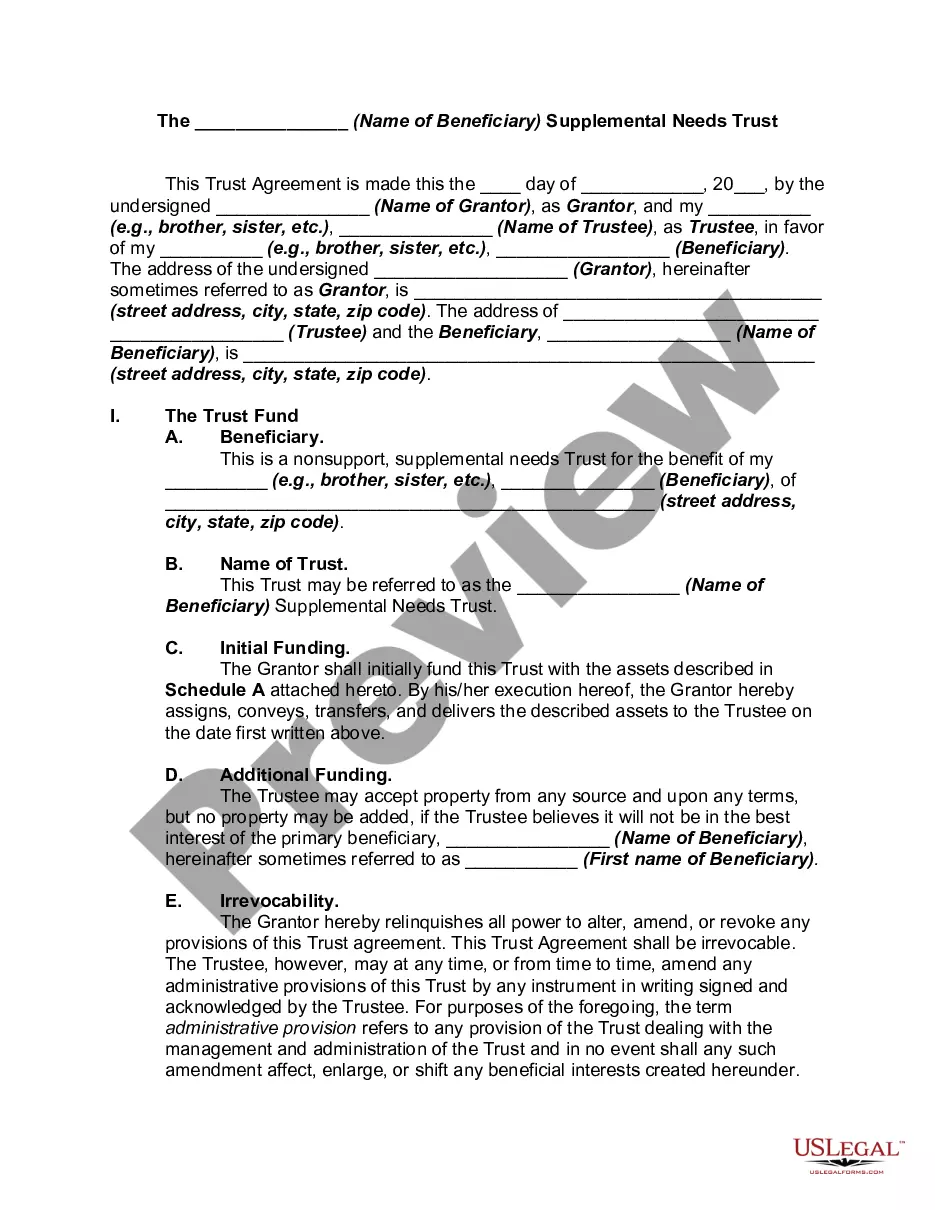



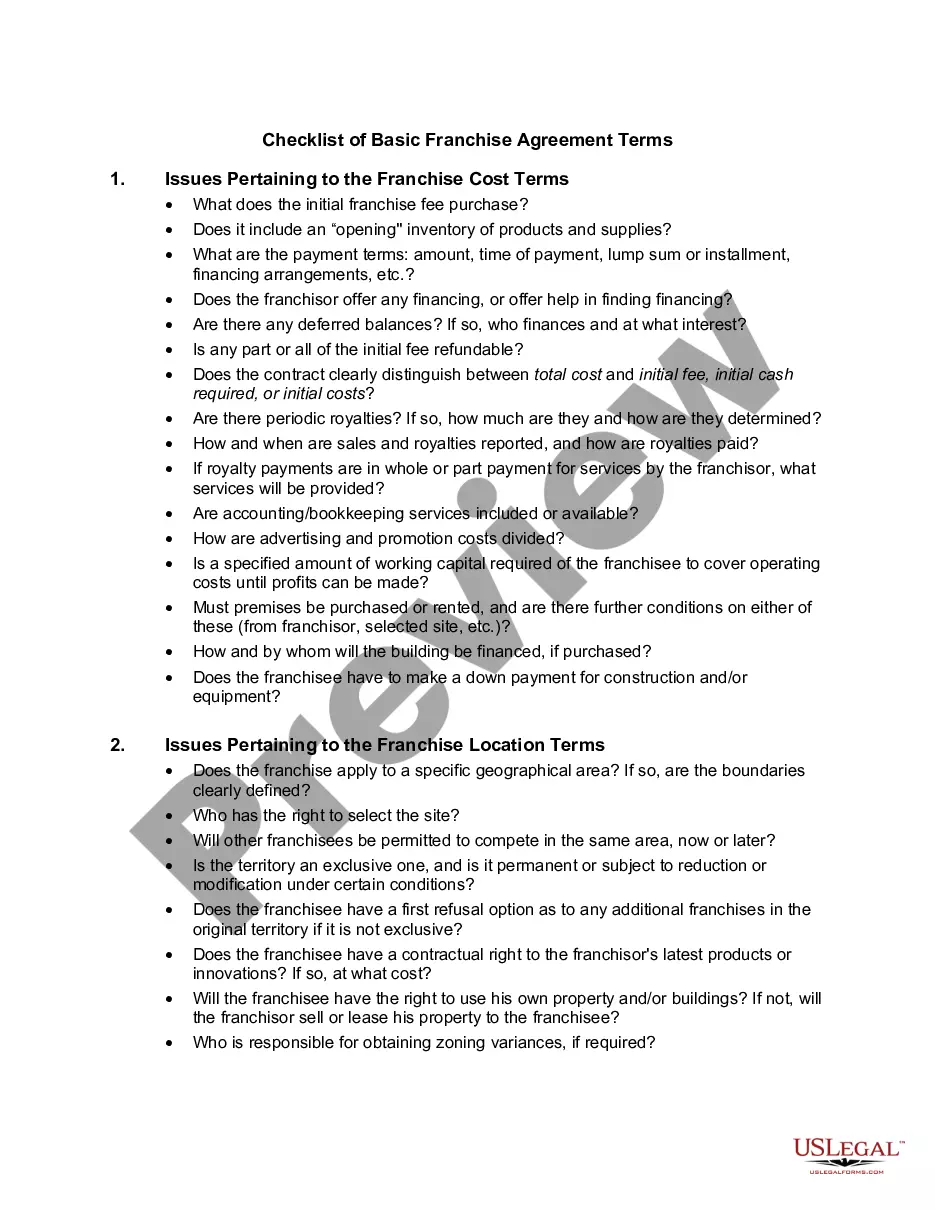

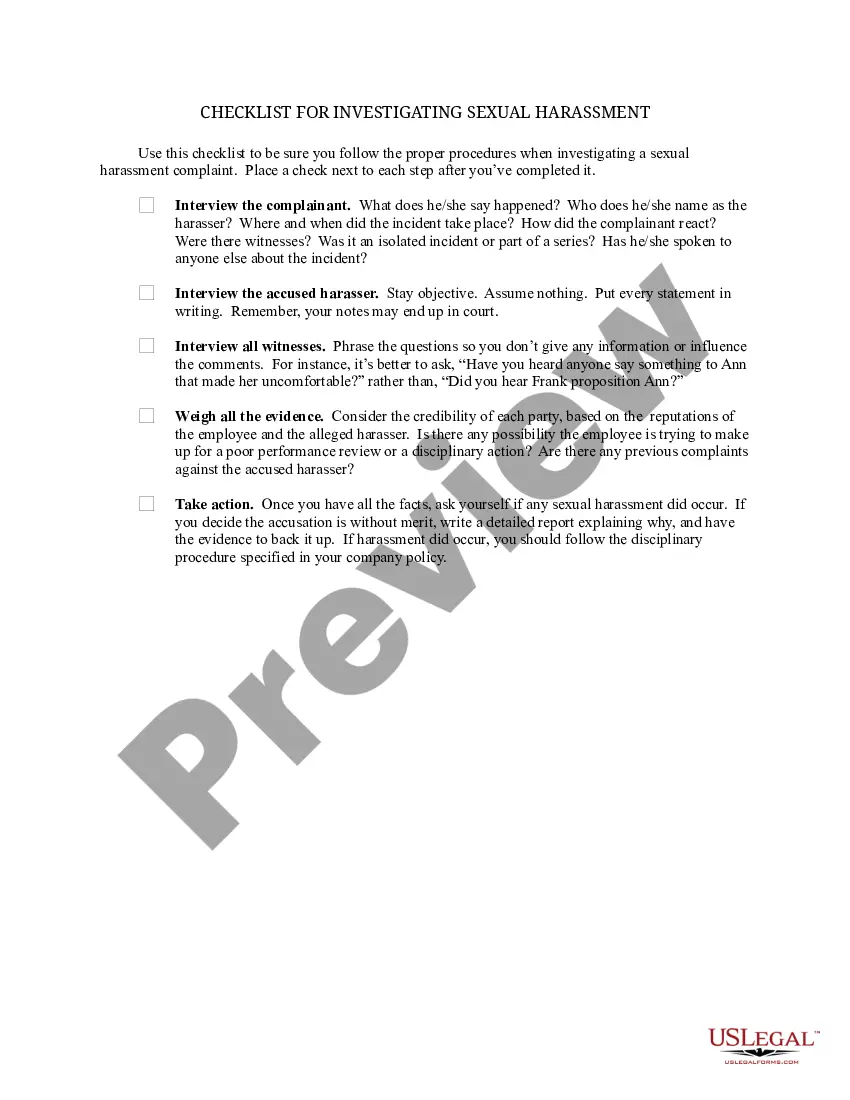
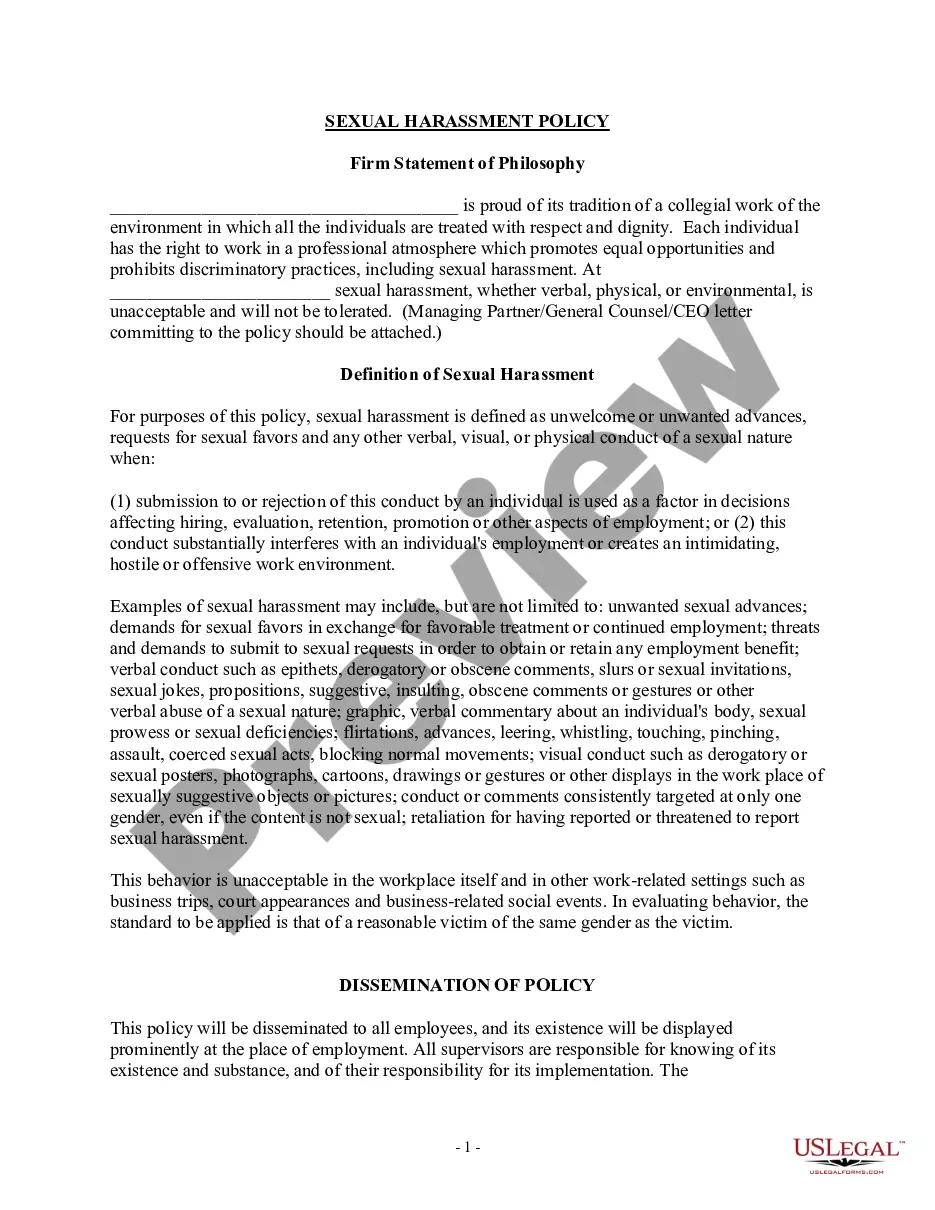
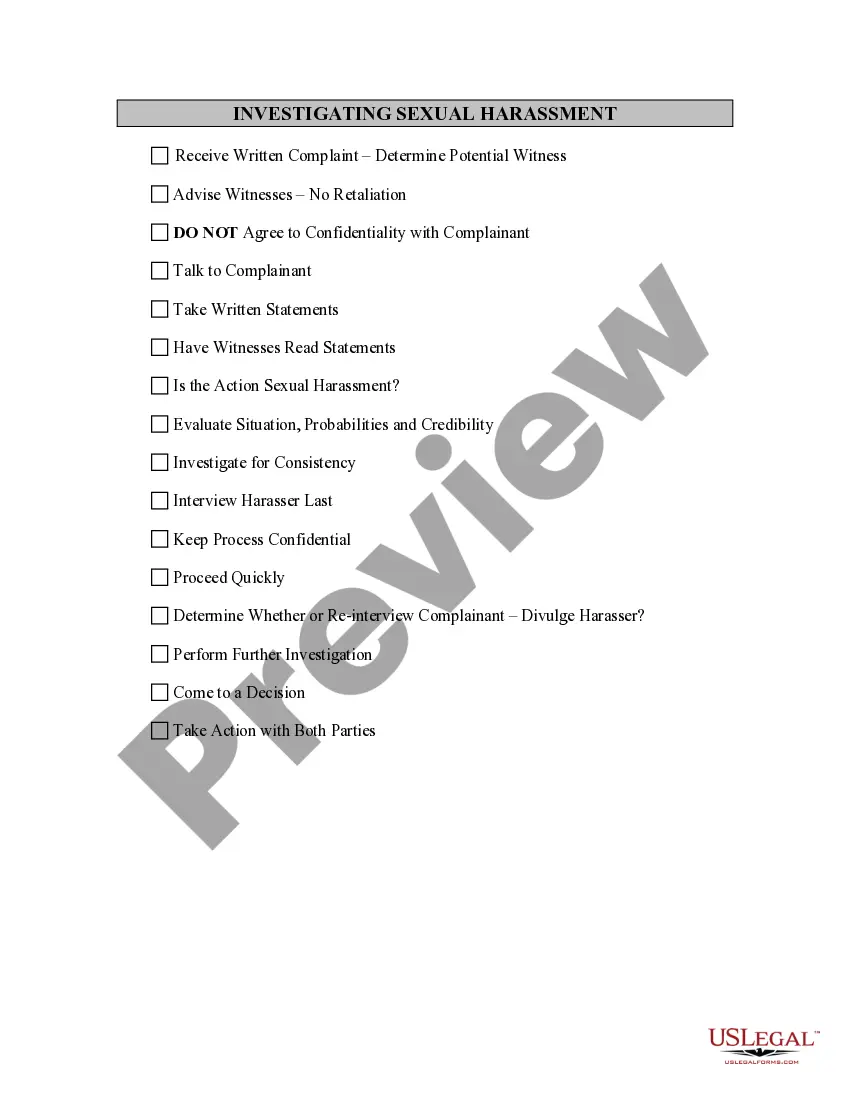
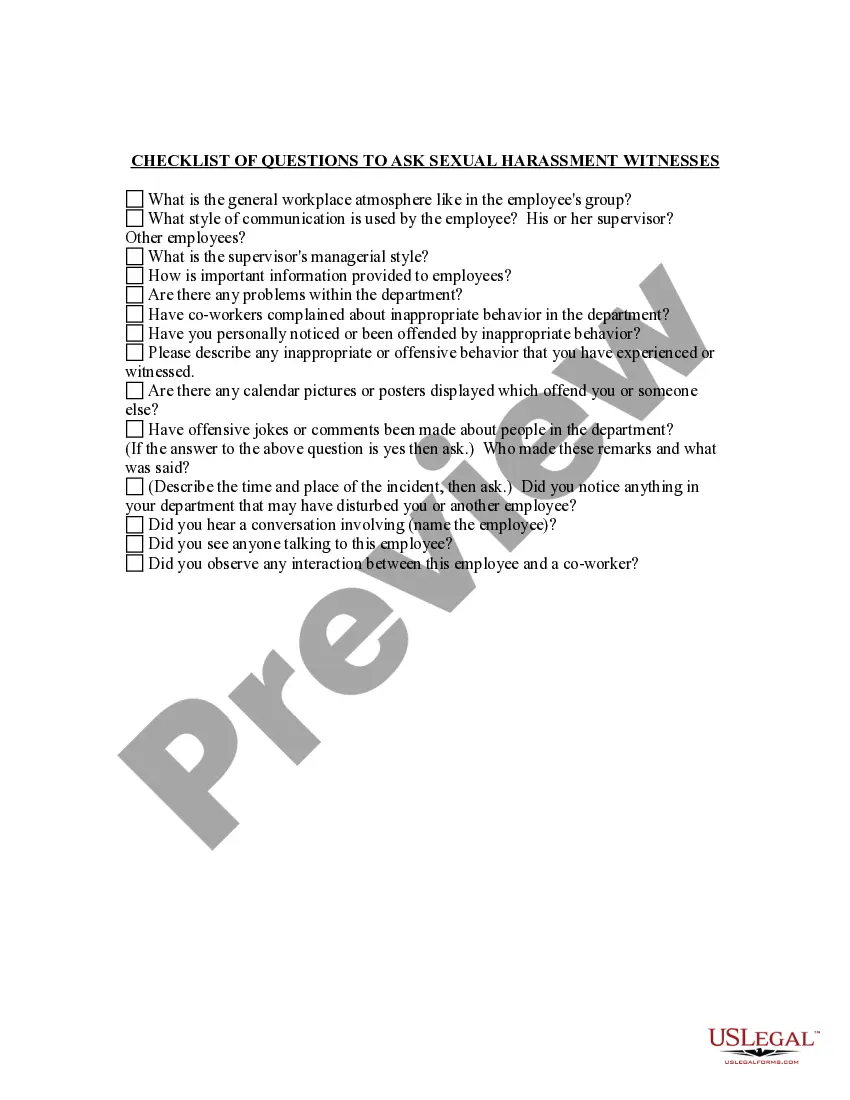
How to fill out Checklist For Investigation Sexual Harassment - Workplace?
- Start by logging in to your US Legal Forms account. If you haven’t registered, create an account to gain access to our extensive library.
- Browse through the form library and locate the specific template that suits your needs regarding harassment for debt collectors.
- Review the form description and preview to ensure it meets your local jurisdiction requirements. If you need a different form, utilize the search function to find the correct template.
- Select the 'Buy Now' option and choose a subscription plan that works best for you. Completing your purchase will grant you full access to all resources.
- Enter your payment details securely, either through credit card or PayPal, to finalize your subscription.
- Download the completed form and save it on your device. You can access it anytime through the 'My Forms' section in your profile.
By following these straightforward steps, you'll be well-equipped to address harassment from debt collectors effectively. The resources available through US Legal Forms ensure that you have the necessary support and documentation.
Don’t let harassment overwhelm you—start using US Legal Forms today to regain control over your legal affairs.
Form popularity
FAQ
Harassment for debt collectors refers to any aggressive or abusive practices that violate your rights. This can include relentless phone calls, deceptive practices, and any form of intimidation or coercion. The Fair Debt Collection Practices Act outlines specific behaviors that are considered harassment, allowing you to take action. If you feel overwhelmed by these tactics, US Legal Forms can provide resources to help you understand your options and rights.
Harassment for debt collectors includes tactics like calling multiple times a day, using threats or intimidation, and sharing your debt information with others. They may also contact you at odd hours, such as late at night or very early in the morning. It's important to recognize these behaviors, as they are not only unethical but also illegal. If you experience any of these tactics, consider reaching out to US Legal Forms for solutions to protect your rights.
Dealing with harassment for debt collectors can be challenging, but you have options. First, document every interaction you have with the debt collector, noting dates, times, and what was said. You can then request that they stop contacting you directly. Additionally, consider using platforms like USLegalForms to understand your rights and access resources that can help you respond effectively to harassment for debt collectors.
Harassment from a debt collector can include aggressive calling, using abusive language, or threatening legal actions. If a collector calls at unreasonable hours or persistently communicates despite your request to stop, these actions typically qualify as harassment for debt collectors. Understanding your rights is crucial, and you may want to consult resources or tools available on platforms like USLegalForms to protect yourself.
The 777 rule is a guideline suggesting that debt collectors should not call you more than seven times in a seven-day period. This rule aims to prevent harassment for debt collectors and ensure fair treatment for consumers. If you receive more than seven calls in that timeframe, it may indicate you are subject to harassment, and you should learn more about your rights. USLegalForms can help you navigate these situations effectively.
The number of calls that equate to harassment for debt collectors is not fixed, but frequent and repeated calls can create a hostile environment. Typically, if a debt collector contacts you multiple times a week or even daily, this may cross the line into harassment. It's essential to document these calls and understand your rights, as excessive communication often violates the Fair Debt Collection Practices Act (FDCPA). For more information on your rights and how to respond, you might consider using USLegalForms.
The 777 rule refers to a principle that allows consumers to dispute a debt within seven days of its collection notice and requires the collector to provide relevant documentation within that time frame. This rule aims to streamline communication and ensure that debtors are not subjected to continued harassment for debt collectors without their knowledge. Familiarizing yourself with this rule can significantly enhance your defense against improper debt collection practices. USLegalForms offers guidance to help you understand and utilize the 777 rule effectively.
Harassment from debt collectors includes tactics such as excessive phone calls, threatening language, and calling at inappropriate hours. More specifically, if a collector uses intimidation or makes false statements about debts, these actions can constitute harassment. It's important for consumers to recognize these behaviors to safeguard themselves against unlawful practices. Resources available at USLegalForms can help you navigate protections against harassment for debt collectors.
Debts typically become uncollectible after a period known as the statute of limitations, which varies by state. In many cases, this time frame ranges from three to ten years. Once the statute expires, debt collectors can no longer pursue legal action, making it crucial for consumers to understand their rights against harassment for debt collectors in their state. Knowing these timelines helps empower you in your dealings with debt enforcement.