General Interview
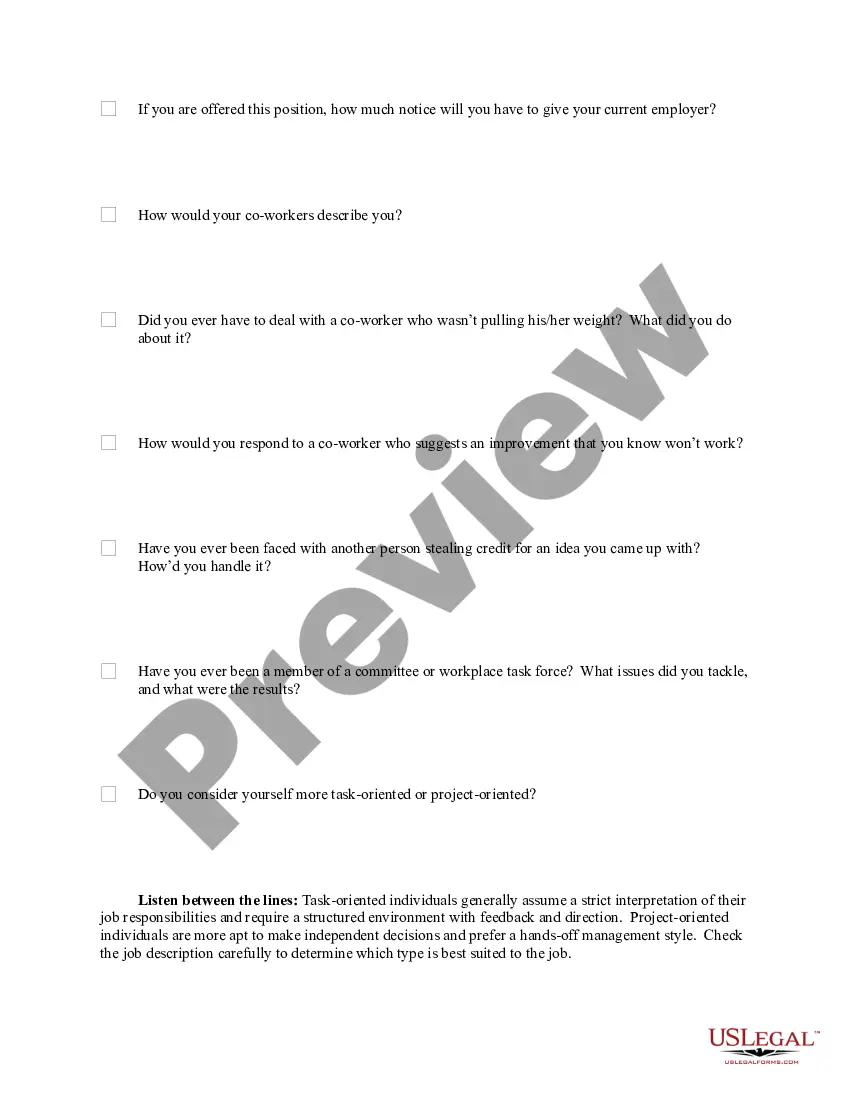
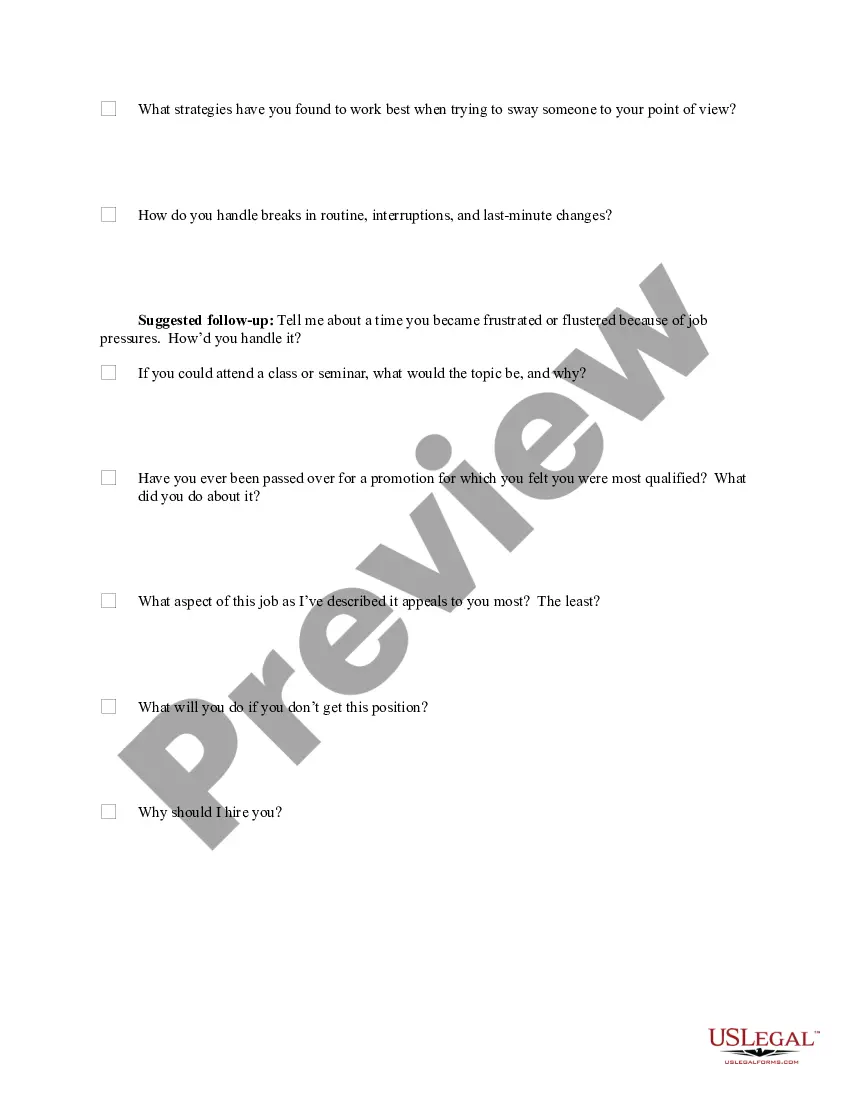
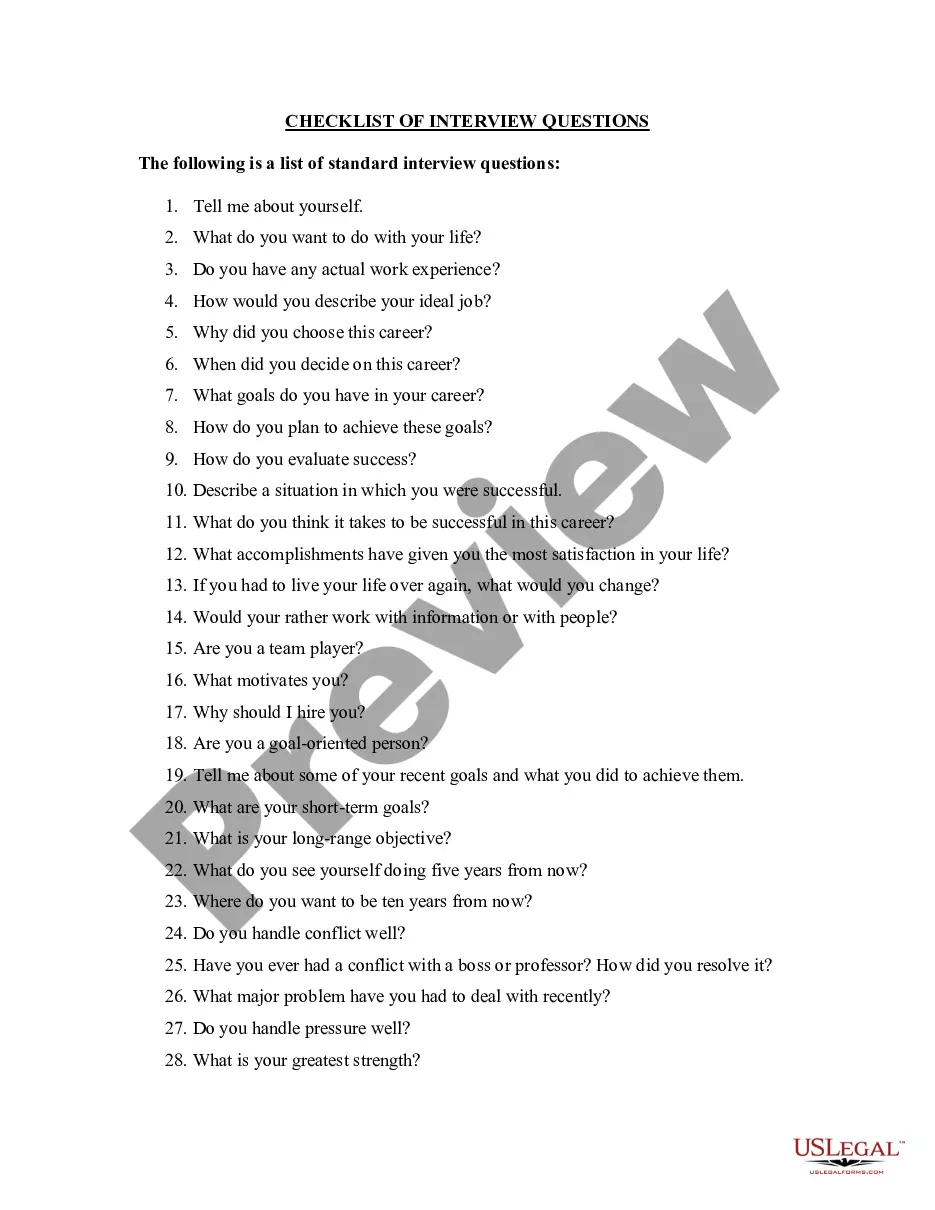
Description
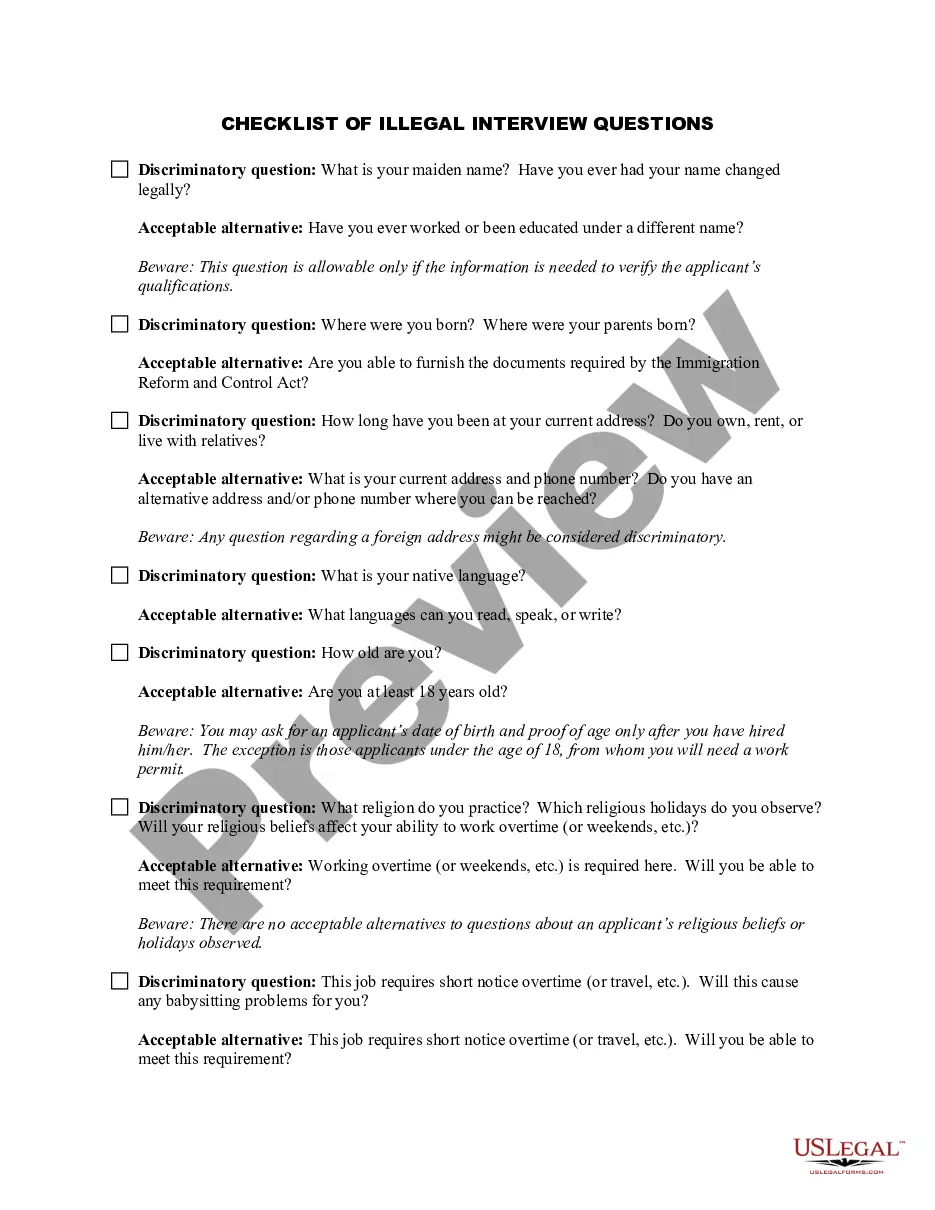
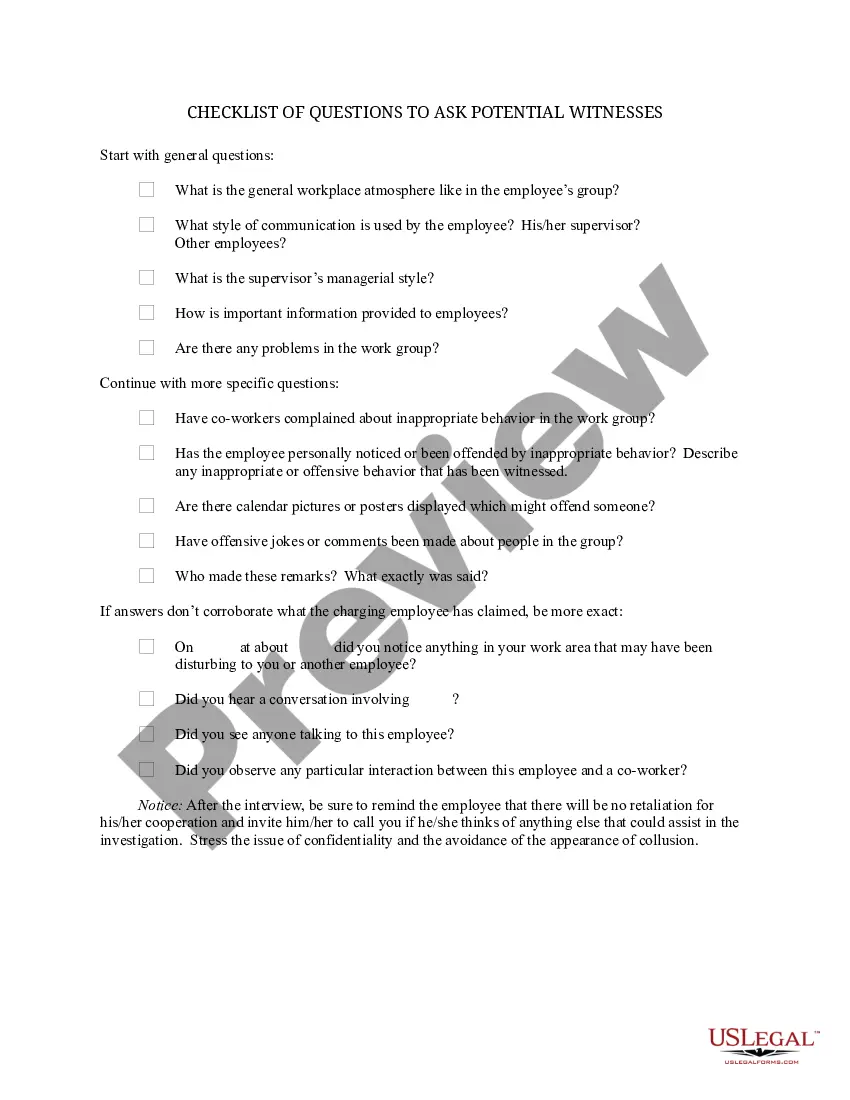
Get your form ready online
Our built-in tools help you complete, sign, share, and store your documents in one place.
Make edits, fill in missing information, and update formatting in US Legal Forms—just like you would in MS Word.
Download a copy, print it, send it by email, or mail it via USPS—whatever works best for your next step.
Sign and collect signatures with our SignNow integration. Send to multiple recipients, set reminders, and more. Go Premium to unlock E-Sign.
If this form requires notarization, complete it online through a secure video call—no need to meet a notary in person or wait for an appointment.
We protect your documents and personal data by following strict security and privacy standards.

Make edits, fill in missing information, and update formatting in US Legal Forms—just like you would in MS Word.

Download a copy, print it, send it by email, or mail it via USPS—whatever works best for your next step.

Sign and collect signatures with our SignNow integration. Send to multiple recipients, set reminders, and more. Go Premium to unlock E-Sign.

If this form requires notarization, complete it online through a secure video call—no need to meet a notary in person or wait for an appointment.

We protect your documents and personal data by following strict security and privacy standards.
Looking for another form?
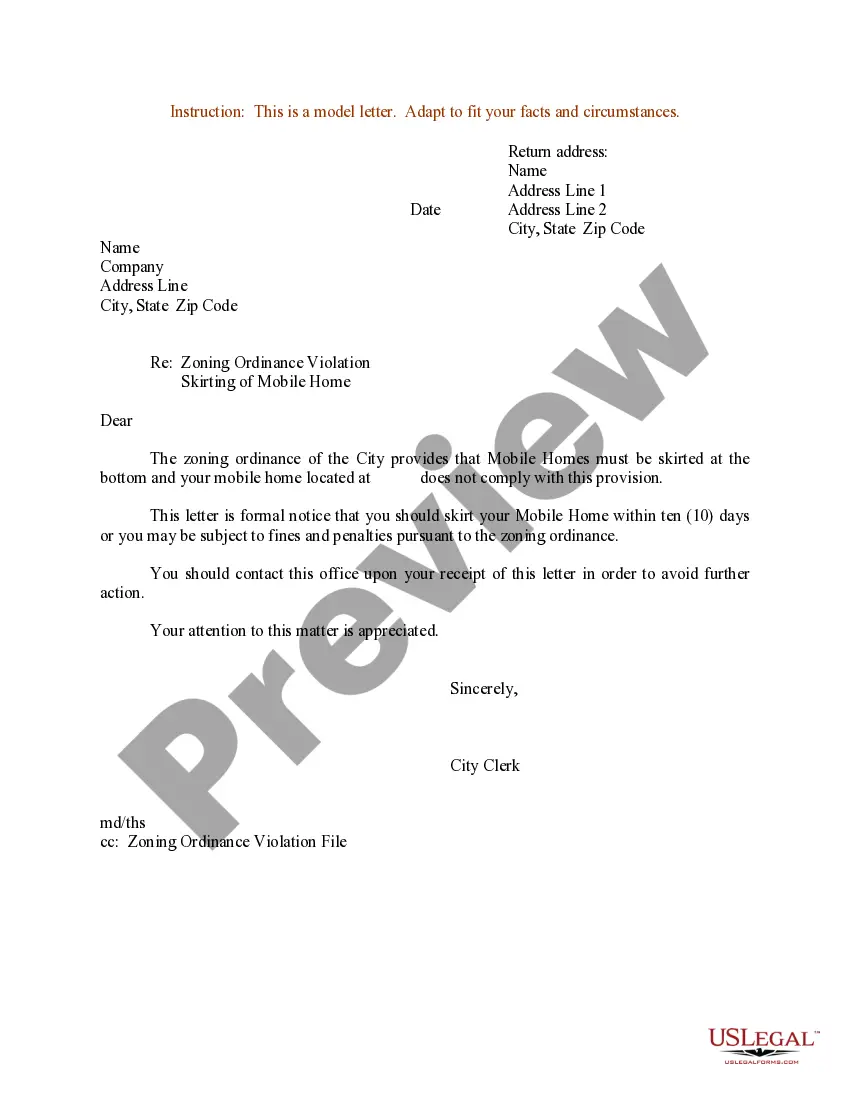

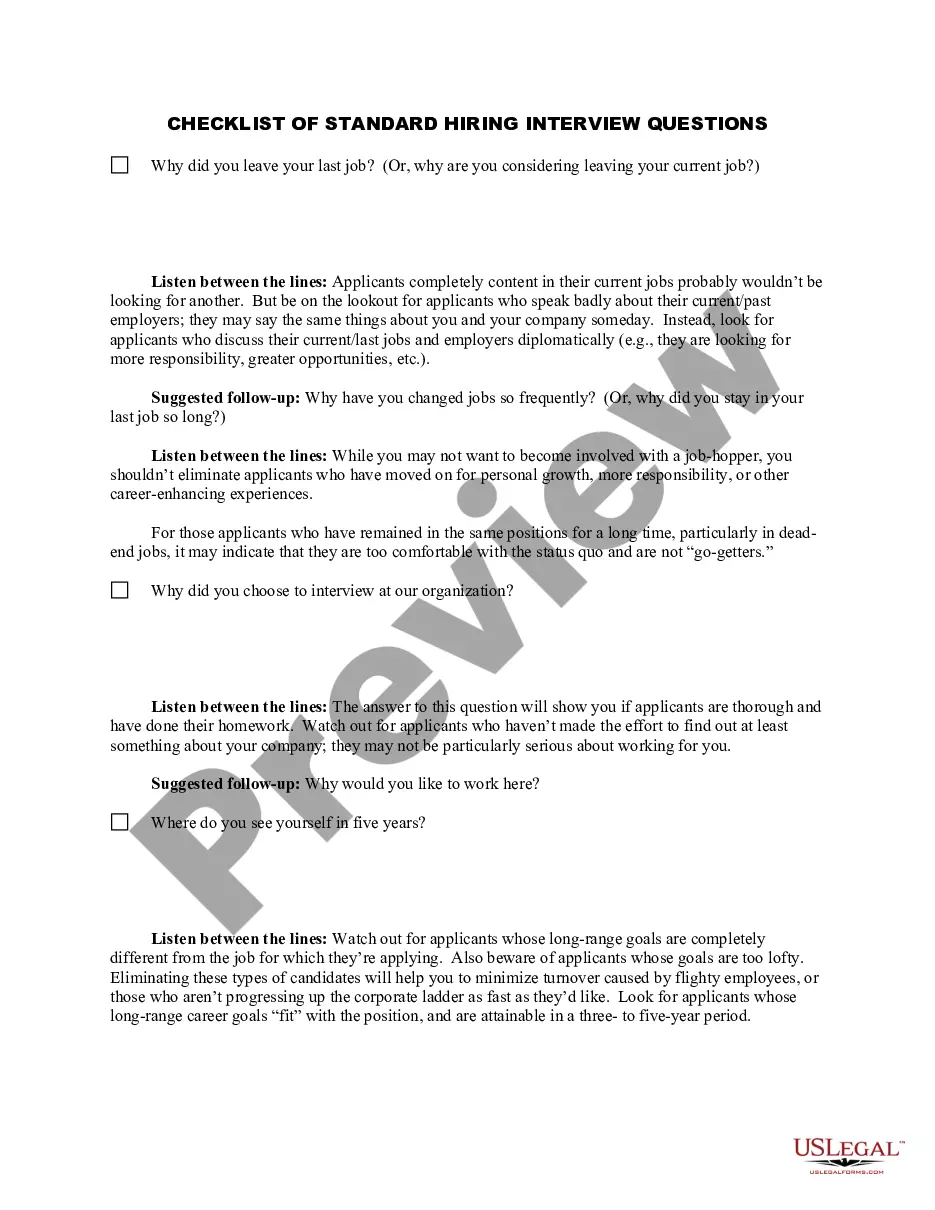
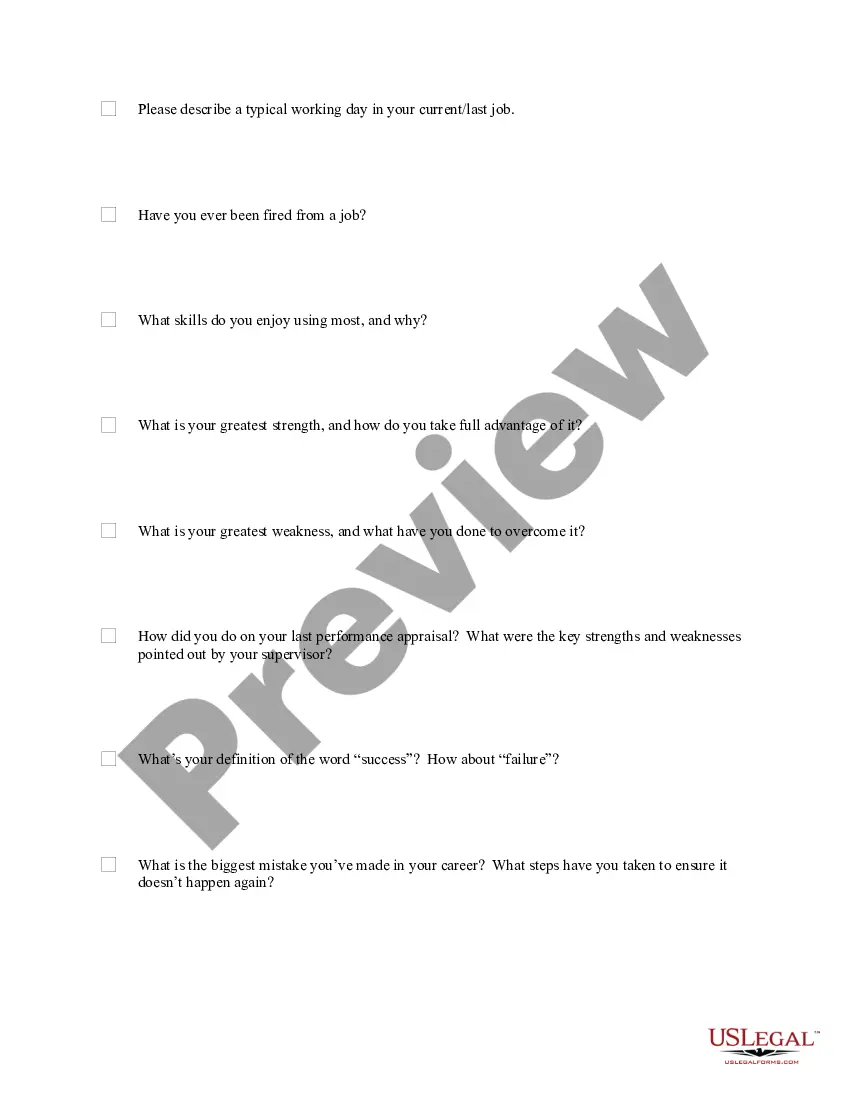
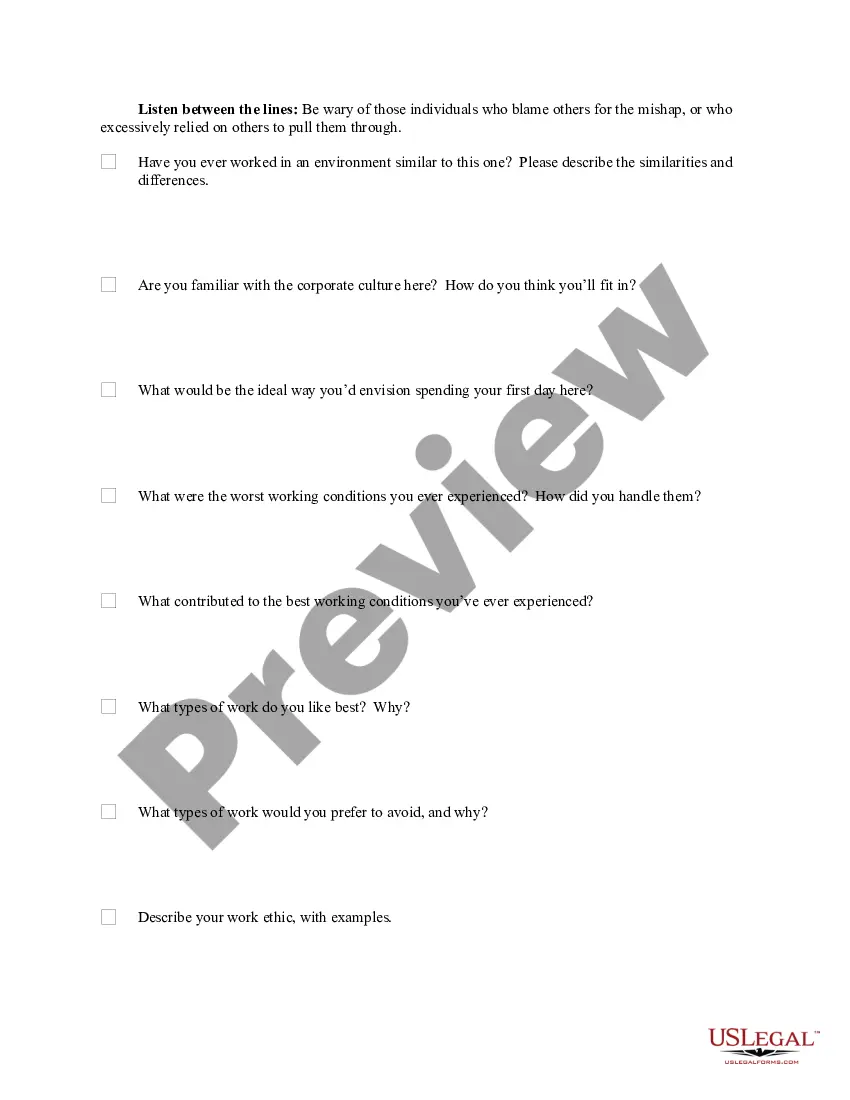
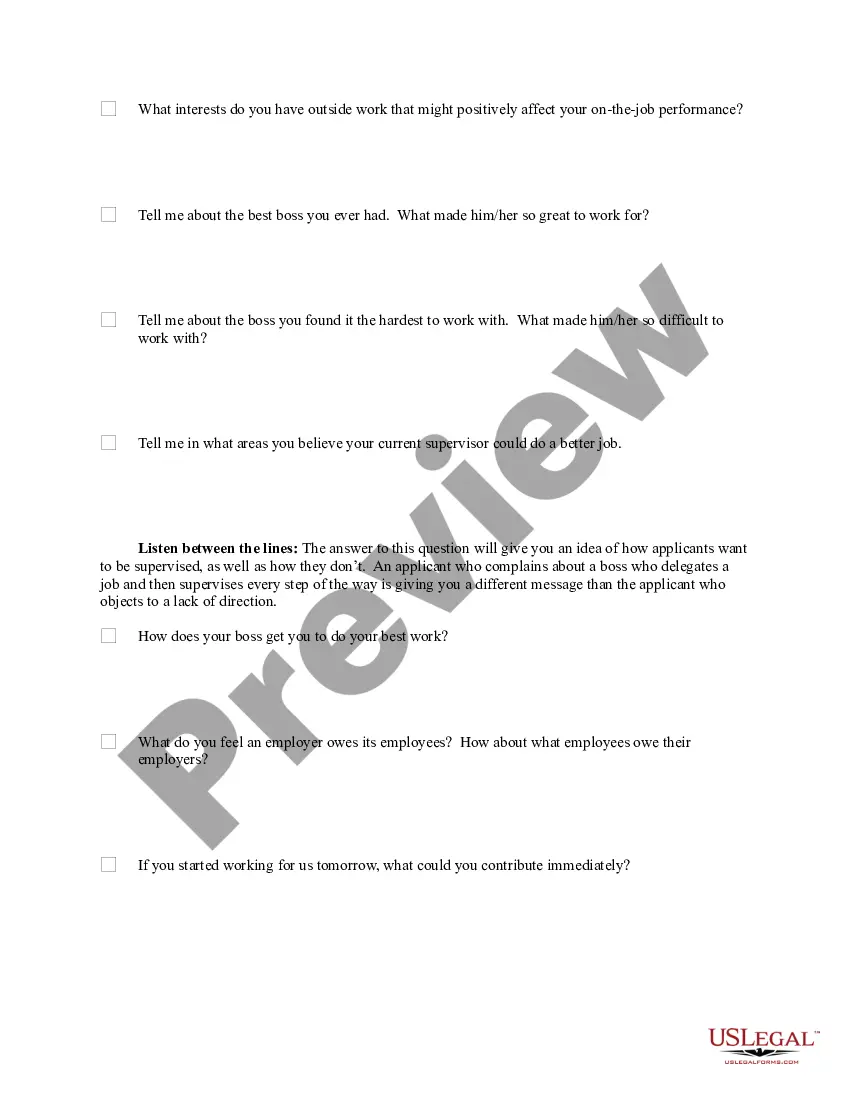
How to fill out Checklist Of Standard Hiring Interview Questions With Listening Tips And Suggested Follow-up Questions?
- If you are a returning user, log in to your account and download the necessary template by clicking the Download button. Verify that your subscription is active; if not, renew according to your payment plan.
- In case this is your first visit, start by reviewing the Preview mode and form description. Confirm that the selected form meets your specific needs and complies with your local jurisdiction requirements.
- If you notice any discrepancies or need a different form, utilize the Search tab at the top to locate the right template. Once found, you can proceed to the next step.
- To acquire the document, click on the Buy Now button and select your preferred subscription plan. Creating an account is necessary to access the full library.
- Finalize your purchase by entering your credit card information or using your PayPal account to complete the transaction.
- After your purchase is complete, download the form and save it to your device. You can also access it anytime through the My Forms section in your profile.
By following these straightforward steps, you can leverage the robust features offered by US Legal Forms, including access to over 85,000 fillable and editable legal documents and packages.
In conclusion, US Legal Forms simplifies the legal documentation process, providing users with an unparalleled selection of resources and expert assistance. Start your journey today and secure the legal forms you need!
Form popularity
FAQ
The general process of an interview typically starts with an application submission followed by an initial resume review. Candidates who advance may then face several rounds of interviews, including screening and in-depth discussions. Throughout this process, employers assess qualifications, cultural fit, and potential contributions to the organization. By understanding the general process of an interview, candidates can better prepare and present their best selves.
Creating an interview file involves compiling essential documents related to the general interview process. Start by gathering resumes, cover letters, and any assessment results from candidates. Organizing these materials in a digital or physical format makes it easier to reference when making hiring decisions. An efficient interview file can streamline your workflow and aid in evaluating candidates fairly.
Conducting a general interview involves several key steps, such as preparing questions, creating a comfortable environment, and actively listening to candidates. Start by outlining the essential skills and experiences necessary for the role, then tailor your questions accordingly. Engaging in a conversational tone can help put candidates at ease, making the interview more productive. Following these steps helps ensure a smooth general interview process.
A general interview refers to the standard method of assessing candidates during the hiring process. It encompasses various interview kinds, including one-on-one, panel, and group interviews. This term indicates a comprehensive approach that allows employers to identify the most suitable candidates based on skills and experience. Understanding the meaning of a general interview can help candidates navigate the employment landscape more effectively.
The five stages of the interview process generally include application review, initial screening, in-depth interviews, reference checks, and job offers. Each stage plays a crucial role in narrowing down the talent pool and finding the right fit for the organization. Candidates should be prepared for each stage to demonstrate their qualifications confidently. The general interview process is designed to ensure a thorough evaluation of each candidate.
The general interview process is a series of steps that organizations follow to evaluate candidates for a job position. It typically includes phases like resume screening, interviews, and reference checks. This structured approach ensures that hiring managers assess candidates consistently and fairly. By understanding the general interview process, candidates can better prepare and showcase their skills.
A general interview structure typically involves an introduction, a series of questions related to the job, and a conclusion where candidates can ask questions. This format helps set clear expectations and provides a comprehensive overview of the candidate’s suitability. Structured interviews, often preferred for their consistency, ensure that interviewers focus on vital aspects that impact the hiring decision. Using platforms like USLegalForms can also help prepare essential documents for a smooth interview process.
The STAR method is a framework used to answer behavioral interview questions effectively. STAR stands for Situation, Task, Action, and Result, guiding candidates to present their experiences clearly. By outlining a specific situation you faced, the tasks involved, the actions you took, and the results achieved, you provide relevant, focused answers in a general interview. Implementing the STAR method can significantly improve response quality during interviews.
Interview structures can vary significantly based on the goals of the interview and the company’s practices. Some common structures include behavioral interviews, which focus on past experiences; situational interviews, where candidates describe how they would handle hypothetical scenarios; and panel interviews, which involve multiple interviewers. Understanding these structures can help candidates prepare effectively for a general interview.
The three primary types of interview structures are unstructured, semi-structured, and structured interviews. Unstructured interviews have no set format, allowing for open-ended questions and discussions. Semi-structured interviews blend both structured and unstructured elements, providing flexibility while still covering essential topics. Structured interviews, on the other hand, are fully scripted, ensuring every candidate receives the same questions.