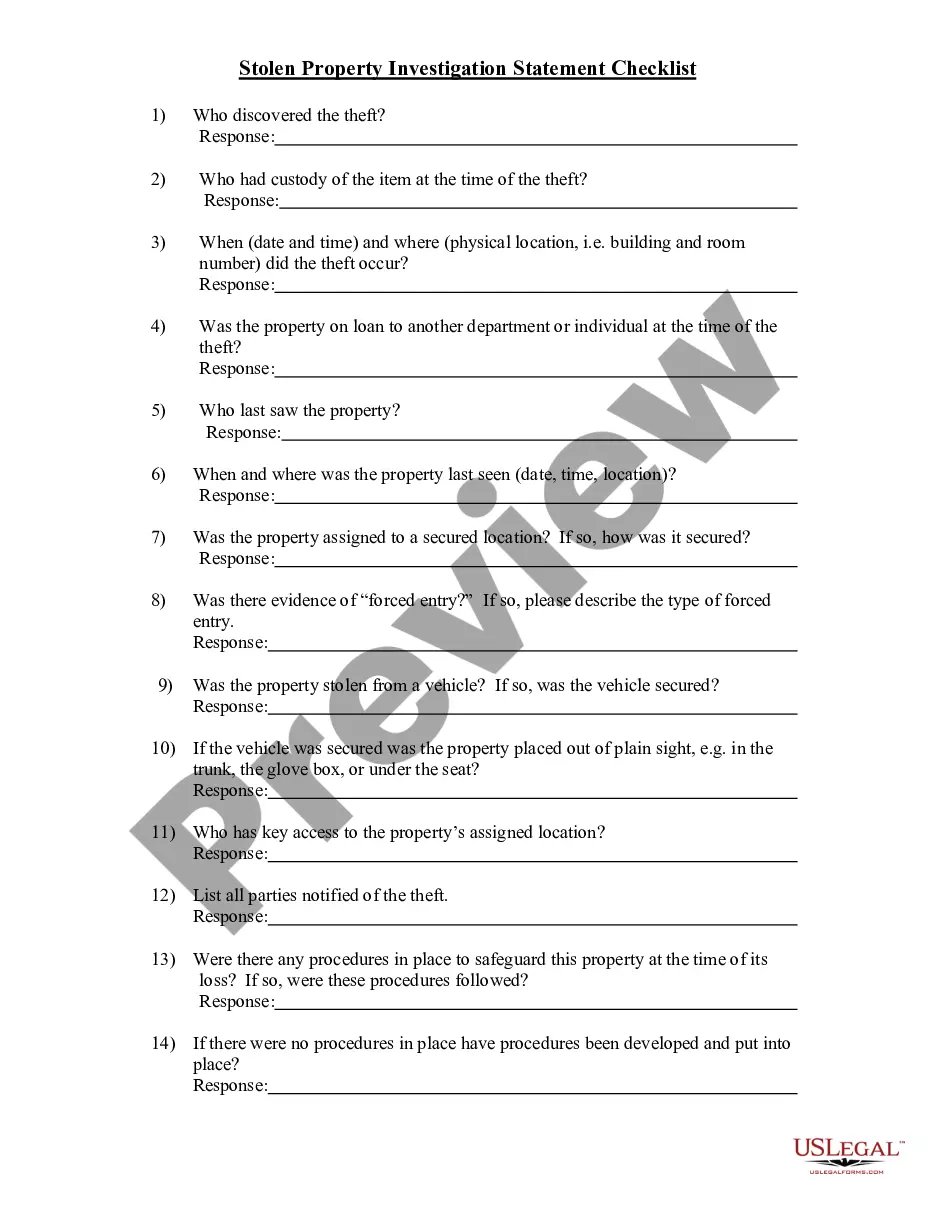
Internal Theft Investigation Questions
Description
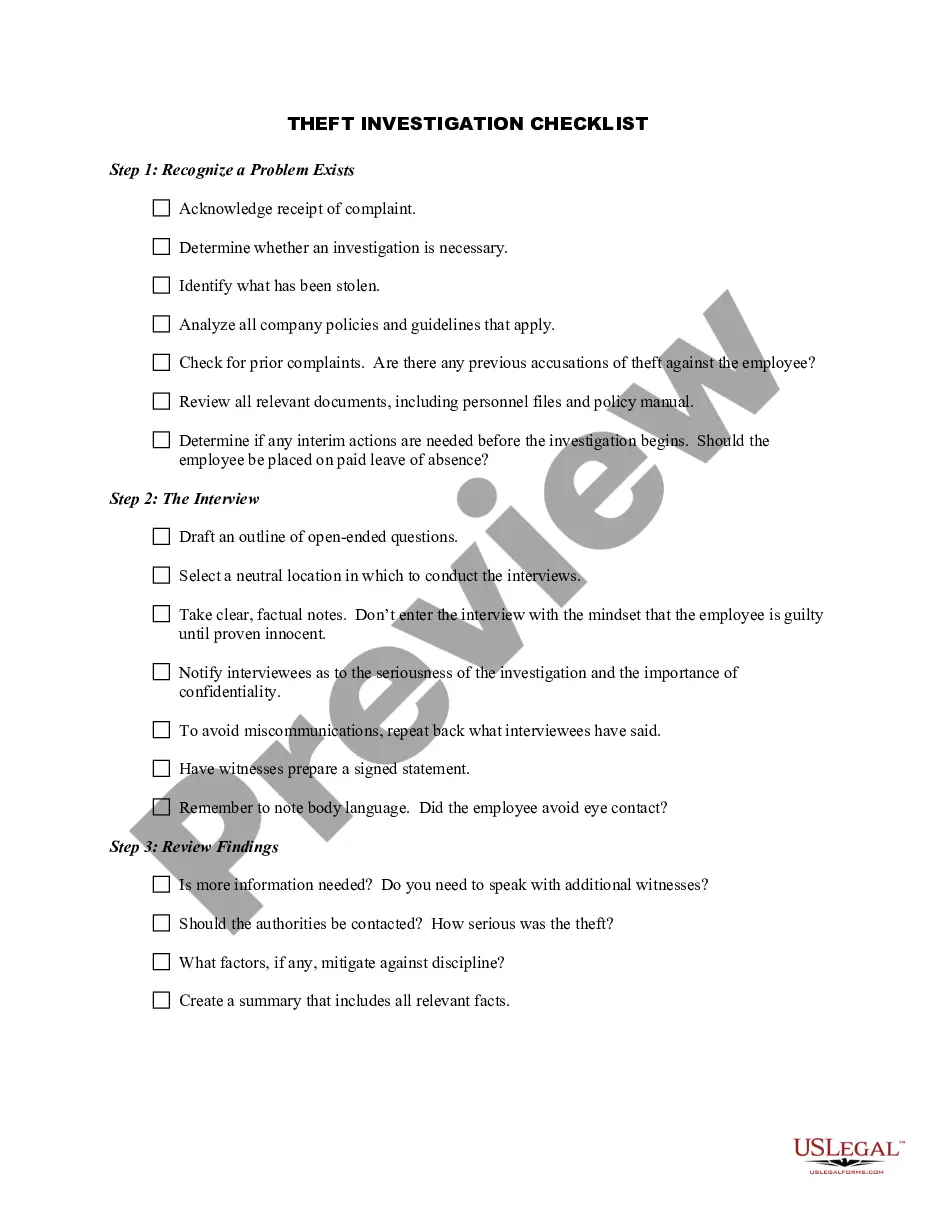
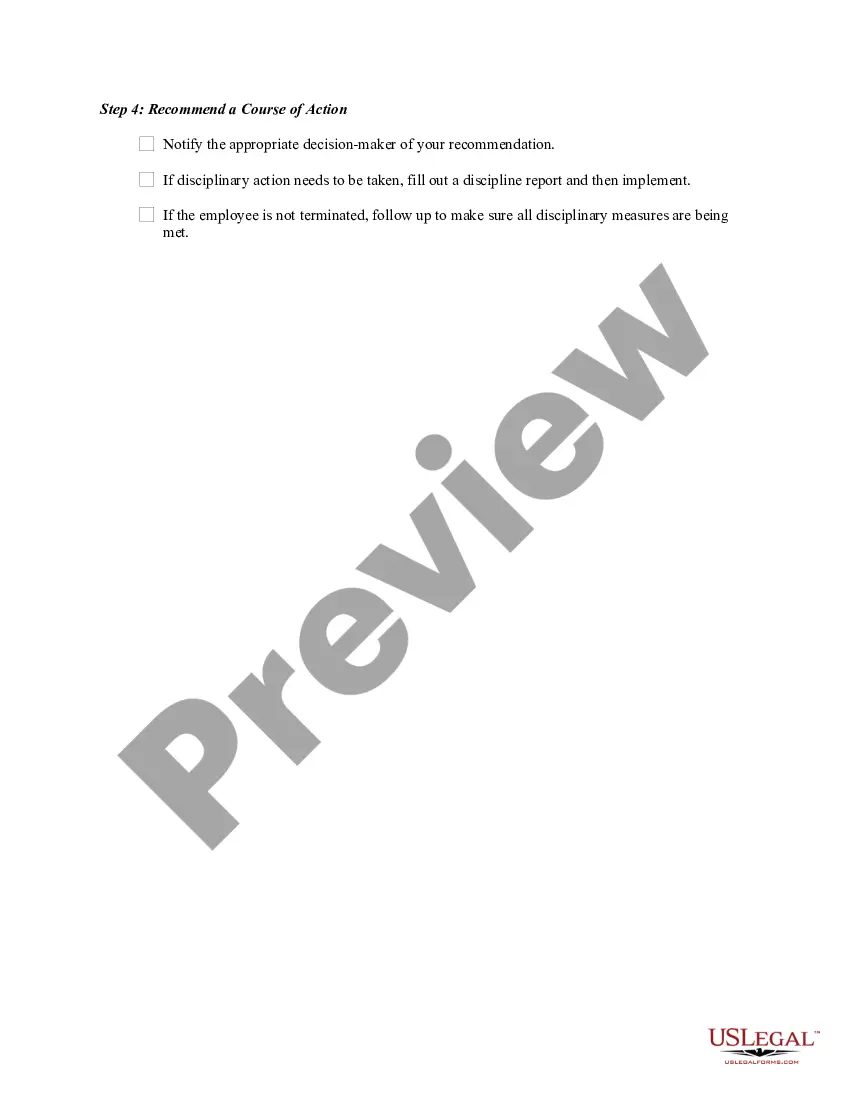
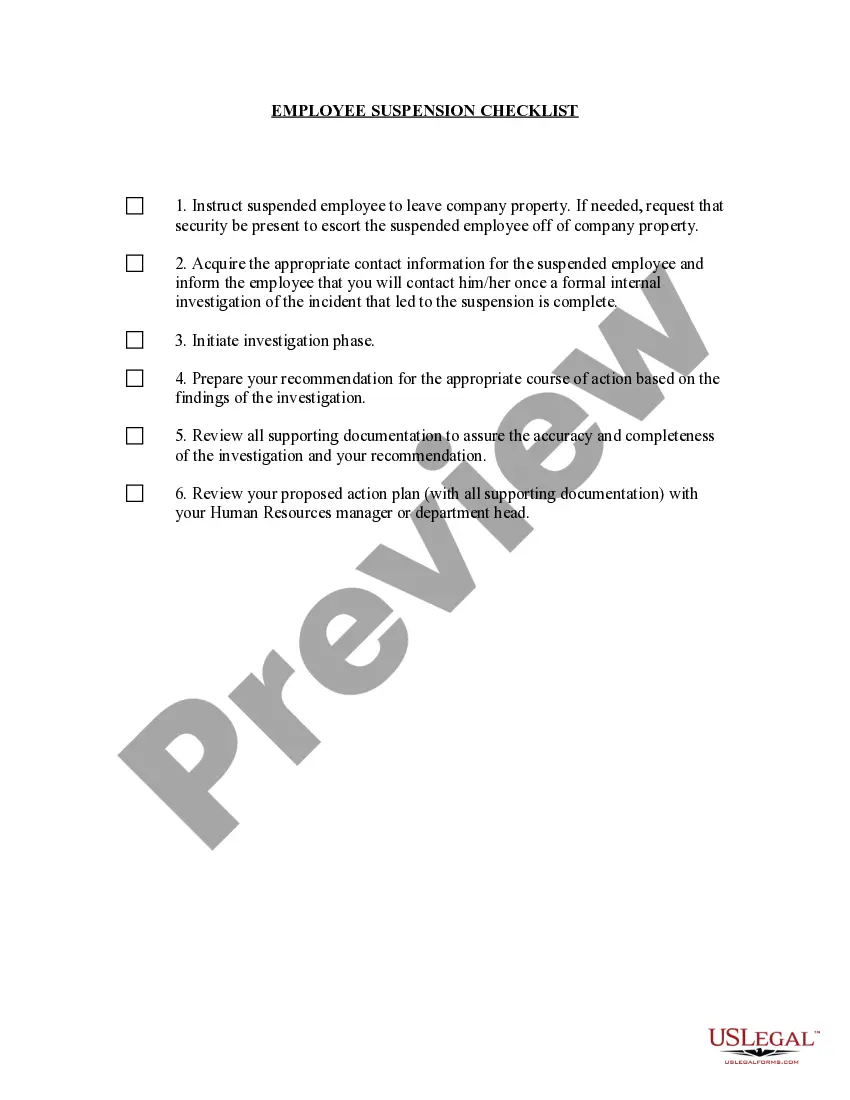
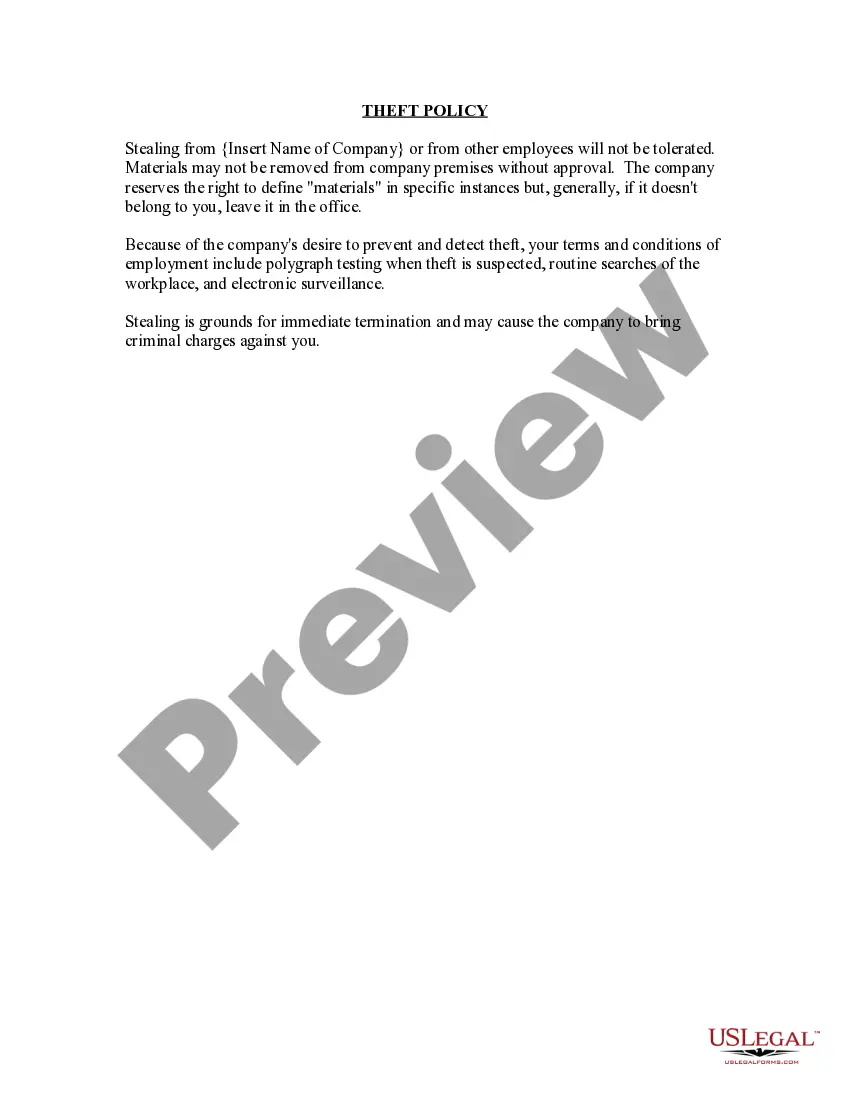
Get your form ready online
Our built-in tools help you complete, sign, share, and store your documents in one place.
Make edits, fill in missing information, and update formatting in US Legal Forms—just like you would in MS Word.
Download a copy, print it, send it by email, or mail it via USPS—whatever works best for your next step.
Sign and collect signatures with our SignNow integration. Send to multiple recipients, set reminders, and more. Go Premium to unlock E-Sign.
If this form requires notarization, complete it online through a secure video call—no need to meet a notary in person or wait for an appointment.
We protect your documents and personal data by following strict security and privacy standards.

Make edits, fill in missing information, and update formatting in US Legal Forms—just like you would in MS Word.

Download a copy, print it, send it by email, or mail it via USPS—whatever works best for your next step.

Sign and collect signatures with our SignNow integration. Send to multiple recipients, set reminders, and more. Go Premium to unlock E-Sign.

If this form requires notarization, complete it online through a secure video call—no need to meet a notary in person or wait for an appointment.

We protect your documents and personal data by following strict security and privacy standards.
Looking for another form?







How to fill out Theft Investigation Checklist?
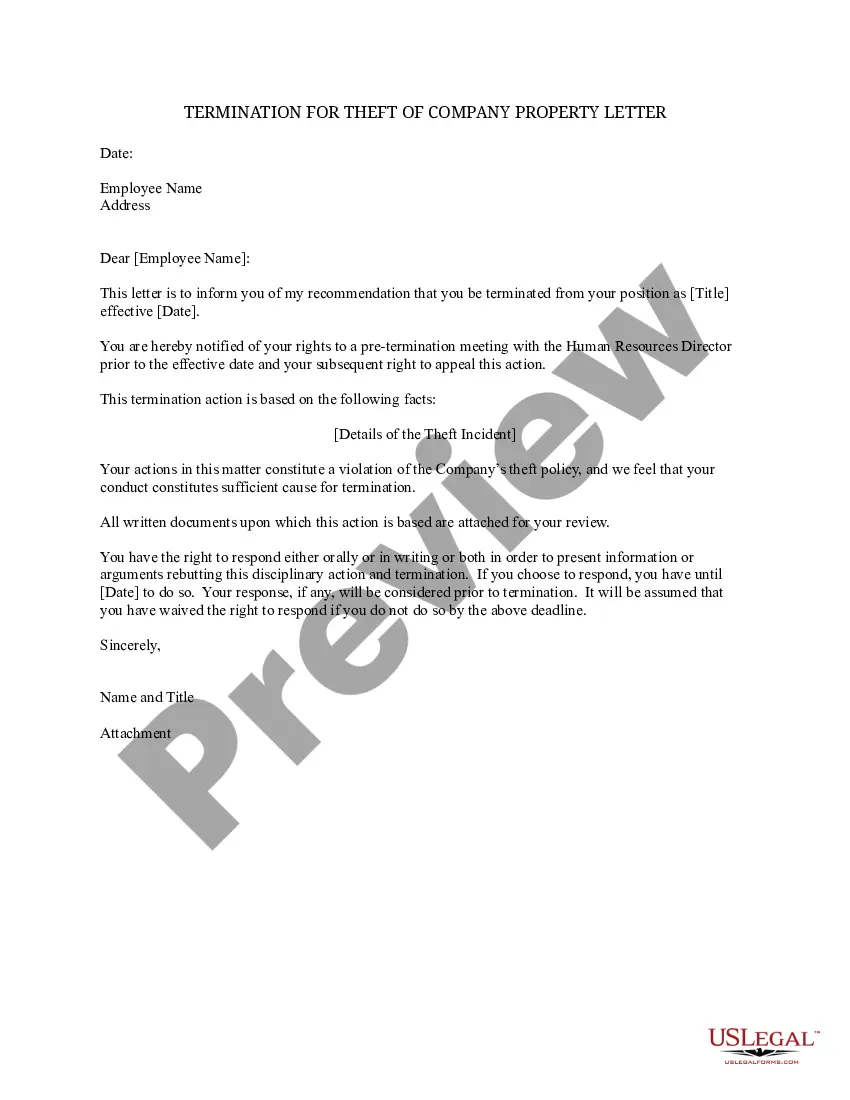
It’s clear that you cannot become a legal professional instantly, nor can you quickly master drafting Internal Theft Investigation Questions without possessing a particular set of abilities.
Assembling legal documents is a lengthy process that demands specialized training and expertise. So why not entrust the formulation of the Internal Theft Investigation Questions to the experts.
With US Legal Forms, one of the most comprehensive legal template repositories, you can obtain anything ranging from court documents to templates for internal corporate communication.
If you require any other template, restart your search.
Create a free account and choose a subscription plan to purchase the template. Click Buy now. Once the payment is successful, you can download the Internal Theft Investigation Questions, fill it out, print it, and send it to the designated individuals or organizations.
- We understand how vital compliance and adherence to federal and local laws and regulations are.
- That’s why, on our platform, all templates are tailored to specific locations and current.
- Here’s begin by visiting our website to get the form you need in just minutes.
- Find the document you need using the search bar at the top of the page.
- Preview it (if this option is available) and read the supporting description to ascertain whether Internal Theft Investigation Questions is what you’re looking for.
Form popularity
FAQ
The 5 P's of investigation are preparation, presence, perspective, process, and presentation. Preparation involves gathering necessary resources and information before starting the investigation. Presence requires being actively engaged during the investigation, while perspective emphasizes understanding different viewpoints. Following a clear process ensures you cover all aspects, and presentation focuses on effectively communicating your findings. Addressing internal theft investigation questions through this framework can enhance the credibility and effectiveness of your investigation.
The seven steps of investigation include defining the problem, planning the investigation, gathering evidence, conducting interviews, analyzing the information, making conclusions, and reporting findings. Each step builds on the previous one, leading to a comprehensive understanding of the situation. By following these steps, you can confidently address internal theft investigation questions. Utilizing a platform like uslegalforms can provide you with templates and resources to streamline your investigation.
To start an internal investigation, first identify the issue or allegation prompting the investigation. Gather relevant information and assemble a team with the right skills to handle the inquiry effectively. It is crucial to create a clear plan that outlines objectives, scope, and timelines. By addressing internal theft investigation questions early on, you can ensure a thorough and fair process.
In an internal investigation, ask open-ended questions to encourage detailed responses. Inquire about the sequence of events, individuals involved, and any relevant company policies. Additionally, explore the motivations or circumstances that led to the incident. These internal theft investigation questions can provide clarity and assist in resolving issues effectively, and using platforms like US Legal Forms can help you organize your findings.
During an investigation, it is essential to avoid making assumptions or offering personal opinions. Steer clear of statements that could be interpreted as accusations or judgments. Instead, focus on facts and evidence. This approach not only fosters a more positive environment but also helps in effectively addressing internal theft investigation questions.
Writing a theft investigation report involves several key steps that can streamline the process. Begin with an overview of the incident, including the date, time, and location. Then, detail the events leading up to the theft, the findings of your investigation, and any witness statements. Using clear and concise language will enhance the effectiveness of your report and assist in addressing internal theft investigation questions.
When conducting an accident investigation, it is crucial to ask specific questions that can lead to valuable insights. Start by inquiring about what happened, who was involved, and where the incident took place. Additionally, ask when the accident occurred and what factors may have contributed to it. These internal theft investigation questions will help you gather essential information to understand the situation better.
When asking questions in an investigation, maintain a neutral tone and avoid leading questions. Frame your inquiries to encourage honest and thorough responses. For example, instead of asking, 'You didn’t see anything, did you?' try 'What did you see during the incident?' This technique enhances the quality of information you gather, directly addressing your internal theft investigation questions.
Asking questions during an investigation requires a careful approach. Start with open-ended questions to allow for detailed responses, then follow up with specific inquiries based on the answers received. It's important to create a comfortable environment so that individuals feel safe sharing information. This strategy connects directly to effective internal theft investigation questions.
When conducting an internal theft investigation, asking the right questions is crucial. Examples include, 'What was your role during the time of the incident?' or 'Did you notice any unusual behavior from colleagues?' These questions direct your focus and gather essential facts. They also help clarify the context around the theft, addressing key internal theft investigation questions.