Verbal Warning Letter For Lateness
Description
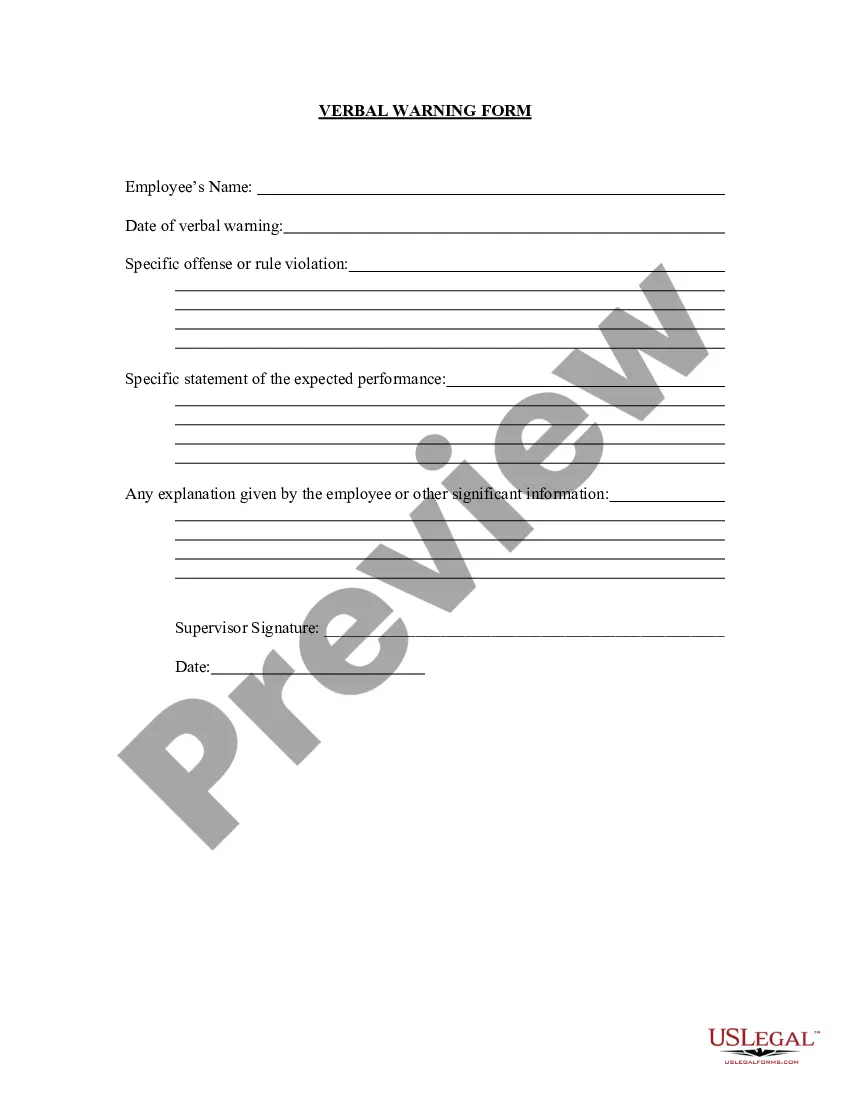
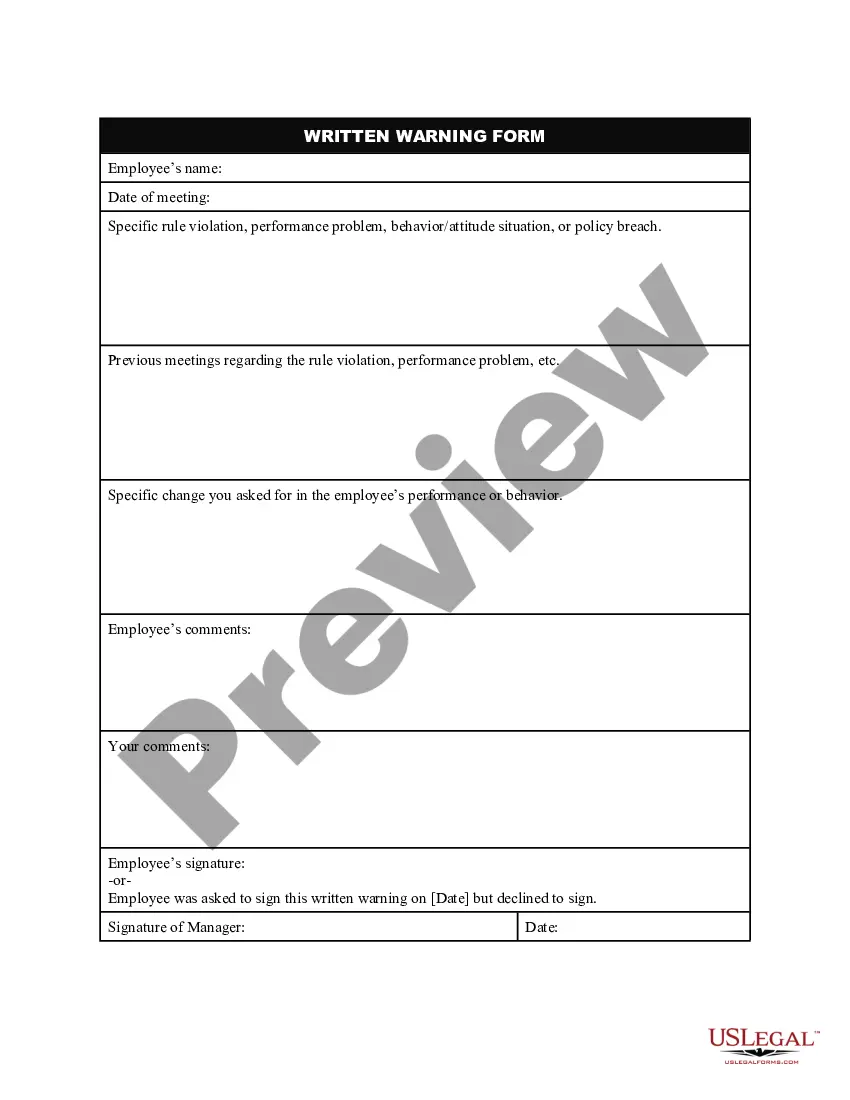
Get your form ready online
Our built-in tools help you complete, sign, share, and store your documents in one place.
Make edits, fill in missing information, and update formatting in US Legal Forms—just like you would in MS Word.
Download a copy, print it, send it by email, or mail it via USPS—whatever works best for your next step.
Sign and collect signatures with our SignNow integration. Send to multiple recipients, set reminders, and more. Go Premium to unlock E-Sign.
If this form requires notarization, complete it online through a secure video call—no need to meet a notary in person or wait for an appointment.
We protect your documents and personal data by following strict security and privacy standards.

Make edits, fill in missing information, and update formatting in US Legal Forms—just like you would in MS Word.

Download a copy, print it, send it by email, or mail it via USPS—whatever works best for your next step.

Sign and collect signatures with our SignNow integration. Send to multiple recipients, set reminders, and more. Go Premium to unlock E-Sign.

If this form requires notarization, complete it online through a secure video call—no need to meet a notary in person or wait for an appointment.

We protect your documents and personal data by following strict security and privacy standards.
Looking for another form?









How to fill out Verbal Discipline Warning Documentation Checklist?
Managing legal documents and tasks can be a lengthy addition to your entire schedule.
A Verbal Warning Letter For Tardiness and similar forms often require you to locate them and comprehend how to fill them out correctly.
As a result, if you are attending to financial, legal, or personal matters, having a comprehensive and accessible online directory of forms available will be quite beneficial.
US Legal Forms is the leading online resource for legal templates, offering over 85,000 state-specific forms and various tools to assist you in completing your documentation seamlessly.
Is this your initial experience with US Legal Forms? Register and create your account in just a few minutes, and you will gain access to the forms library and Verbal Warning Letter For Tardiness. Next, follow these steps to fill out your form.
- Explore the collection of relevant documents available to you with just one click.
- US Legal Forms gives you access to state- and county-specific forms ready for download at any time.
- Streamline your document management process with reliable services that enable you to create any form in minutes without additional or concealed charges.
- Simply Log In to your account, find Verbal Warning Letter For Tardiness, and obtain it immediately from the My documents section.
- You can also retrieve forms that you have previously downloaded.
Form popularity
FAQ
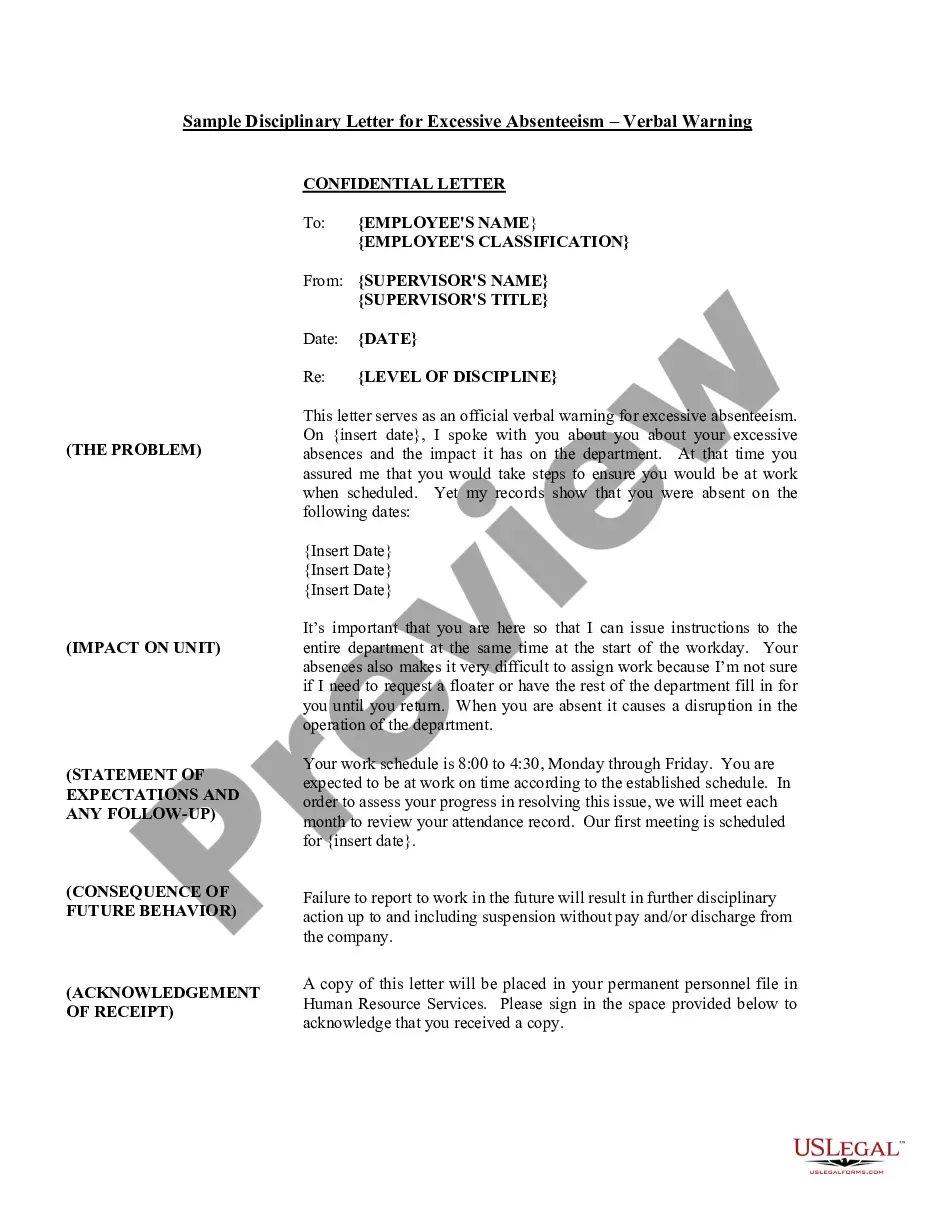
When you receive a verbal warning letter for lateness, it is important to respond thoughtfully. Acknowledge the issue by expressing understanding of the concerns raised in the letter. Then, explain any circumstances that contributed to your lateness, and outline the steps you plan to take to improve punctuality. This demonstrates your commitment to addressing the problem and maintaining a positive relationship with your employer.
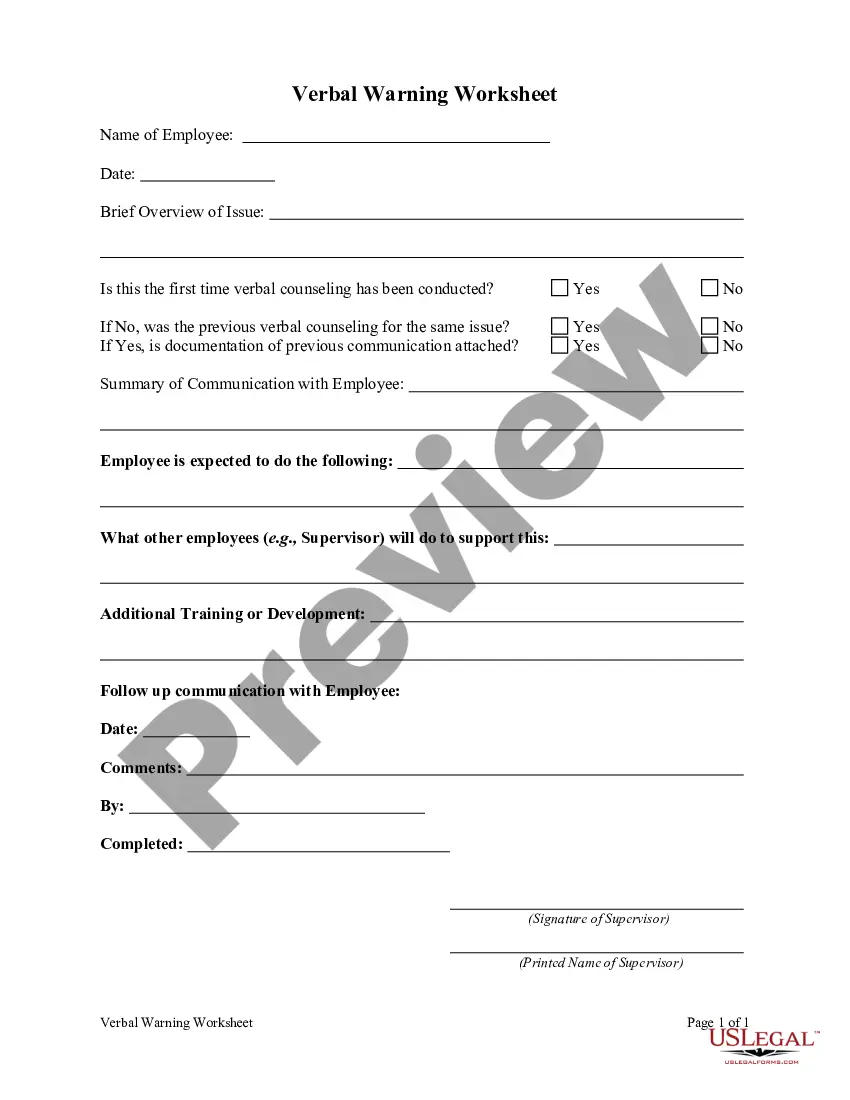
Giving a verbal warning for lateness involves having a private conversation with the employee, addressing the issue without creating a confrontational atmosphere. Be clear about the company policy on punctuality and the importance of adhering to it. Emphasize your commitment to their success by offering assistance in overcoming any challenges they may face. Following up with a verbal warning letter for lateness can solidify the discussion and provide a reference point for both of you.
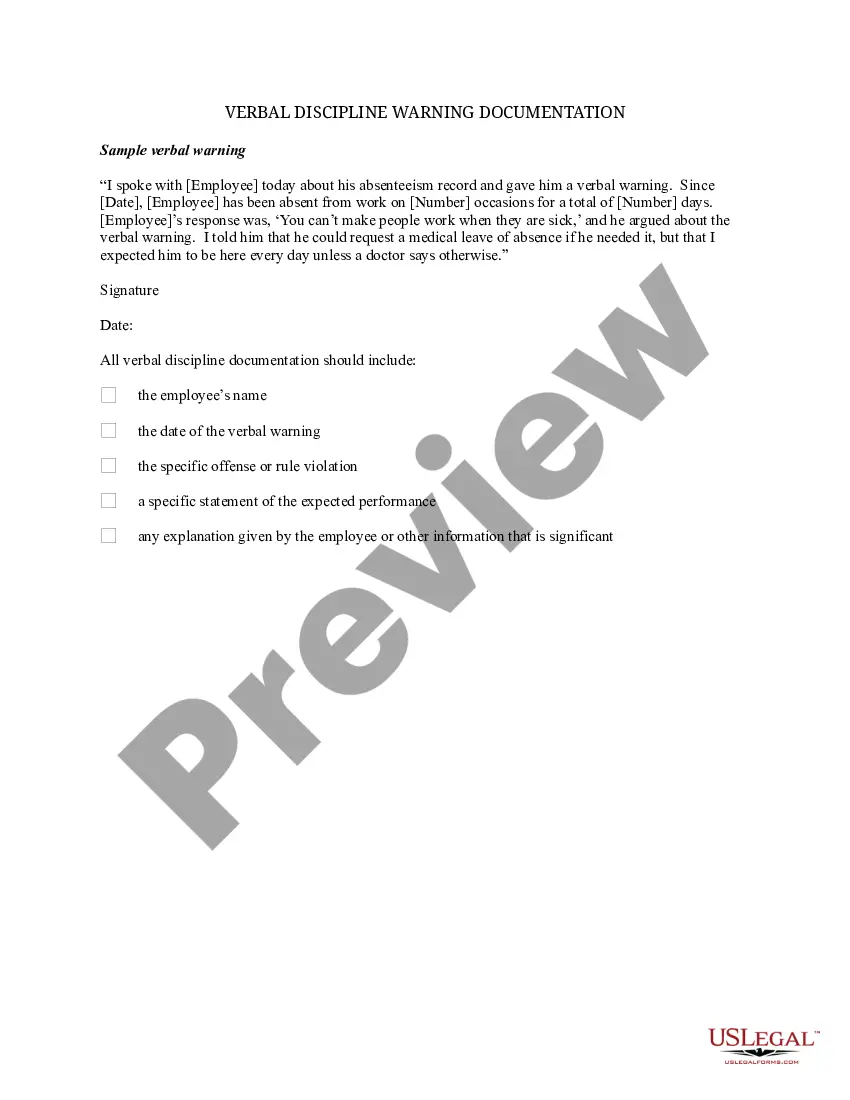
To write a verbal warning, initiate the conversation by addressing the employee respectfully and directly. Discuss the behavior that led to the warning, using specific examples to illustrate the point. Confirm your expectations going forward and provide support for improvement. Document the conversation afterward, as a verbal warning letter for lateness can clarify the points covered.
Writing up a verbal warning requires careful documentation of the conversation. First, capture the date, time, and attendees of the discussion. Then, summarize the key points discussed, especially focusing on the employee's behavior and the expectations set. Following up with a verbal warning letter for lateness can formalize the conversation and ensure mutual understanding.
Writing a warning letter for punctuality involves an introduction that outlines the purpose of the letter, followed by specific incidences of lateness. Clearly restate the reasons why punctuality is vital to the team and the organization. Include a plan for improvement and the potential consequences if the issue persists. An effective verbal warning letter for lateness can support this written warning by providing a precedent for the discussion.
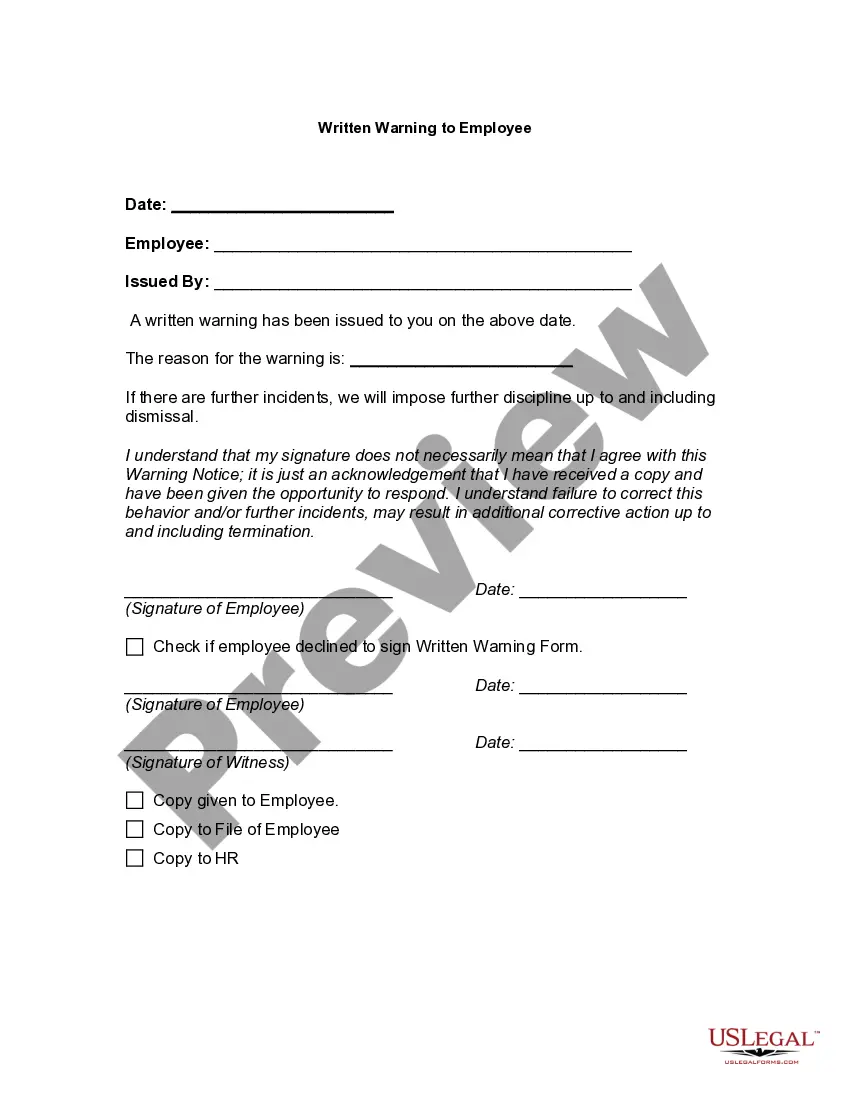
A written warning for lateness should clearly state the employee's name, the date, and the specifics of their tardiness. Include the expectations for punctuality and the consequences of failing to improve. Make sure the tone remains professional and constructive, emphasizing your desire for the employee to succeed. Utilizing a verbal warning letter for lateness can also enhance the clarity of this written document.
To write a verbal warning for lateness, first outline the reasons for the warning and include specific instances of tardiness. It helps to document the conversation to ensure clarity for both you and the employee. Remember to focus on the expectations moving forward and encourage improvement, establishing a positive path for the individual. A verbal warning letter for lateness can also serve as a reference for future discussions.
Yes, you can issue a written warning for being late. This document serves to formally address punctuality issues and holds the employee accountable. It is important to provide clear examples of the tardiness and to explain the potential consequences of continued lateness. Using a verbal warning letter for lateness can also complement this written warning.
When writing a warning letter for lateness, begin with the date and a clear subject line. Include specific details about the employee's lateness, referencing any previous conversations. Specify the expectations for improvement and outline potential consequences for continued tardiness. You can use US Legal Forms as a resource to create a professional and effective warning letter for lateness.
To give a verbal warning, schedule a private meeting with the employee to discuss the lateness issue. Use clear and direct language to explain the problem and the consequences of continued behavior. It is beneficial to create an action plan, outlining steps the employee can take to improve. Consider following up with a written verbal warning letter for lateness to ensure clarity.