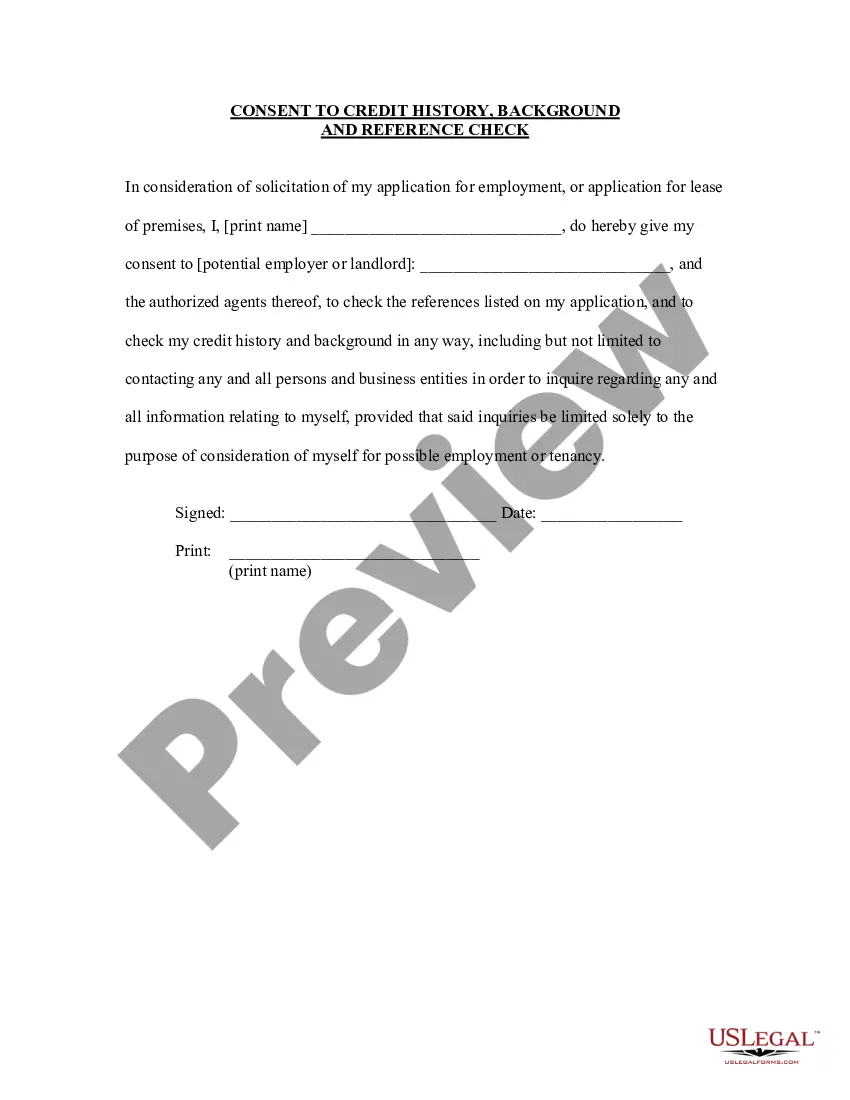
Credit Report For Background Check
Description
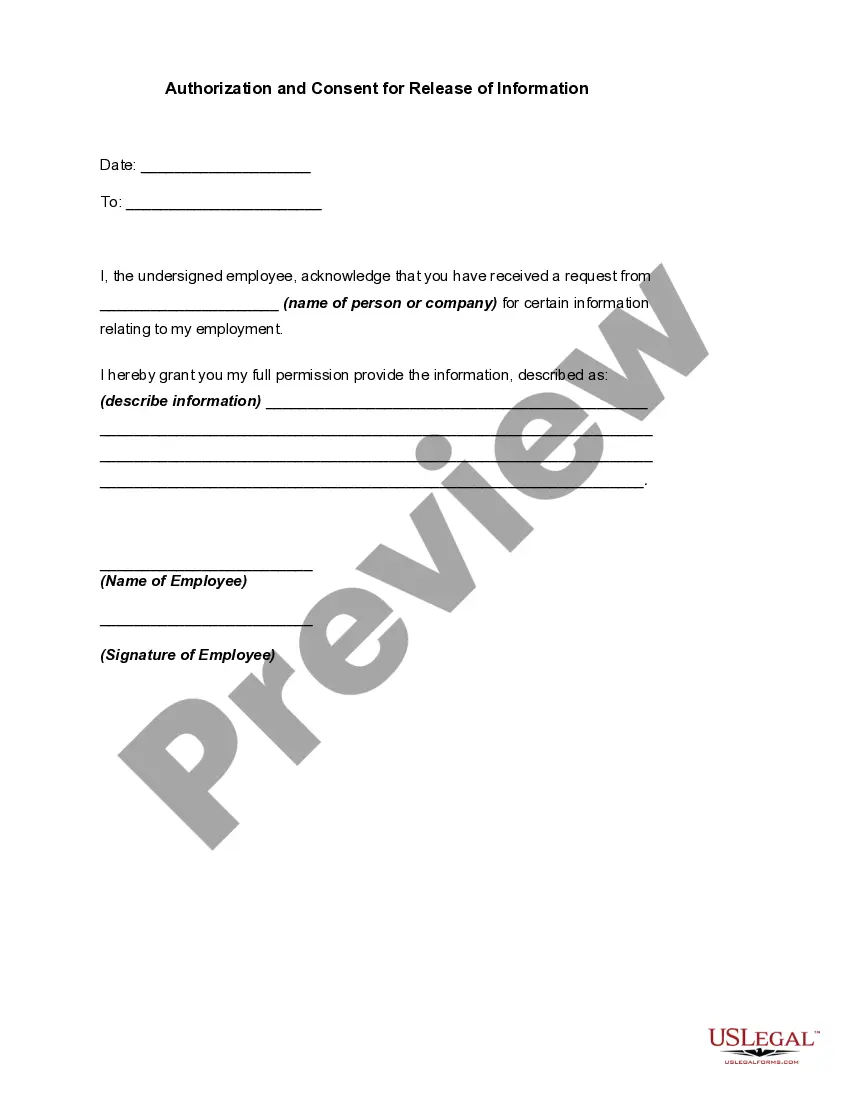
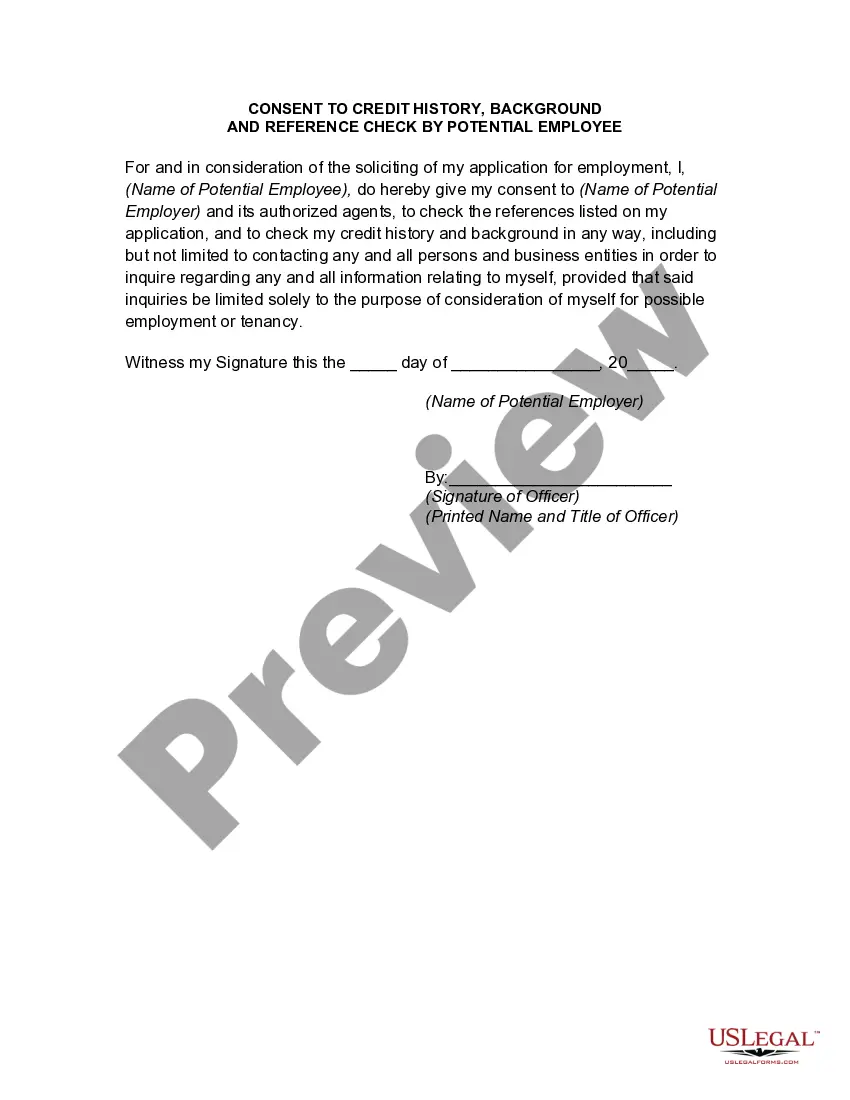
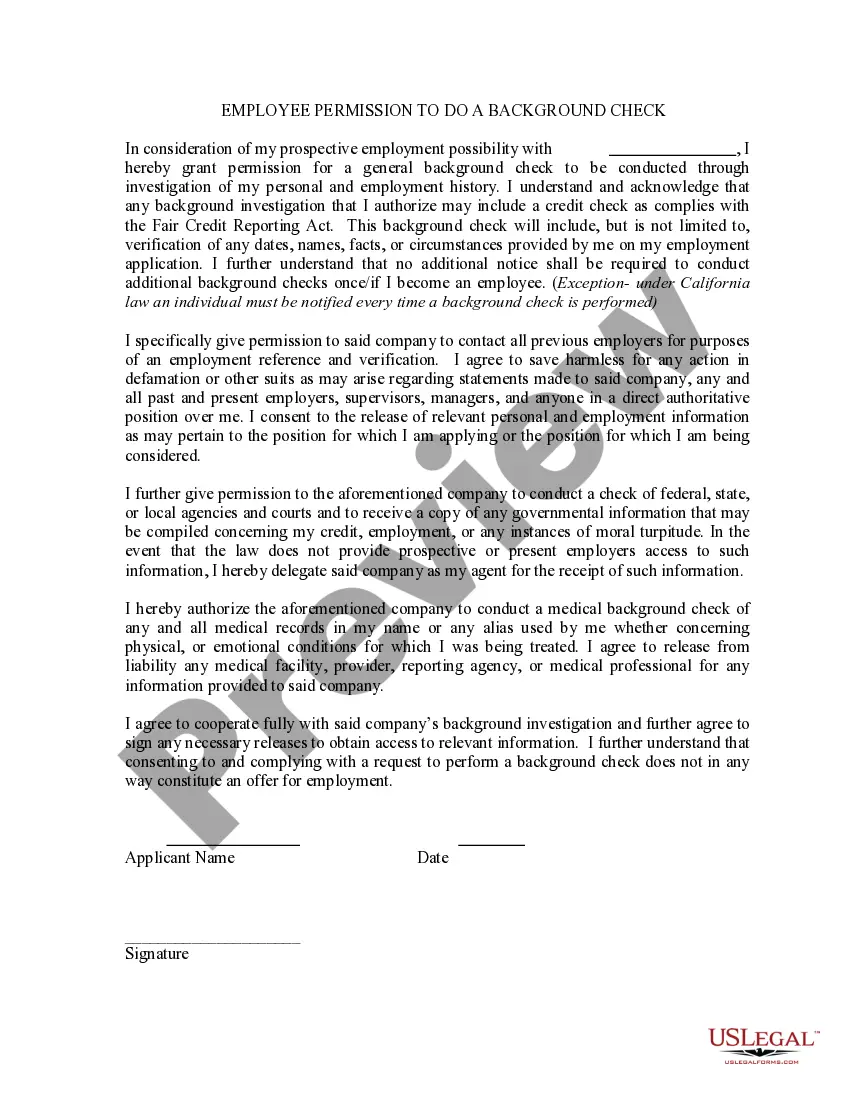
Get your form ready online
Our built-in tools help you complete, sign, share, and store your documents in one place.
Make edits, fill in missing information, and update formatting in US Legal Forms—just like you would in MS Word.
Download a copy, print it, send it by email, or mail it via USPS—whatever works best for your next step.
Sign and collect signatures with our SignNow integration. Send to multiple recipients, set reminders, and more. Go Premium to unlock E-Sign.
If this form requires notarization, complete it online through a secure video call—no need to meet a notary in person or wait for an appointment.
We protect your documents and personal data by following strict security and privacy standards.

Make edits, fill in missing information, and update formatting in US Legal Forms—just like you would in MS Word.

Download a copy, print it, send it by email, or mail it via USPS—whatever works best for your next step.

Sign and collect signatures with our SignNow integration. Send to multiple recipients, set reminders, and more. Go Premium to unlock E-Sign.

If this form requires notarization, complete it online through a secure video call—no need to meet a notary in person or wait for an appointment.

We protect your documents and personal data by following strict security and privacy standards.
Looking for another form?
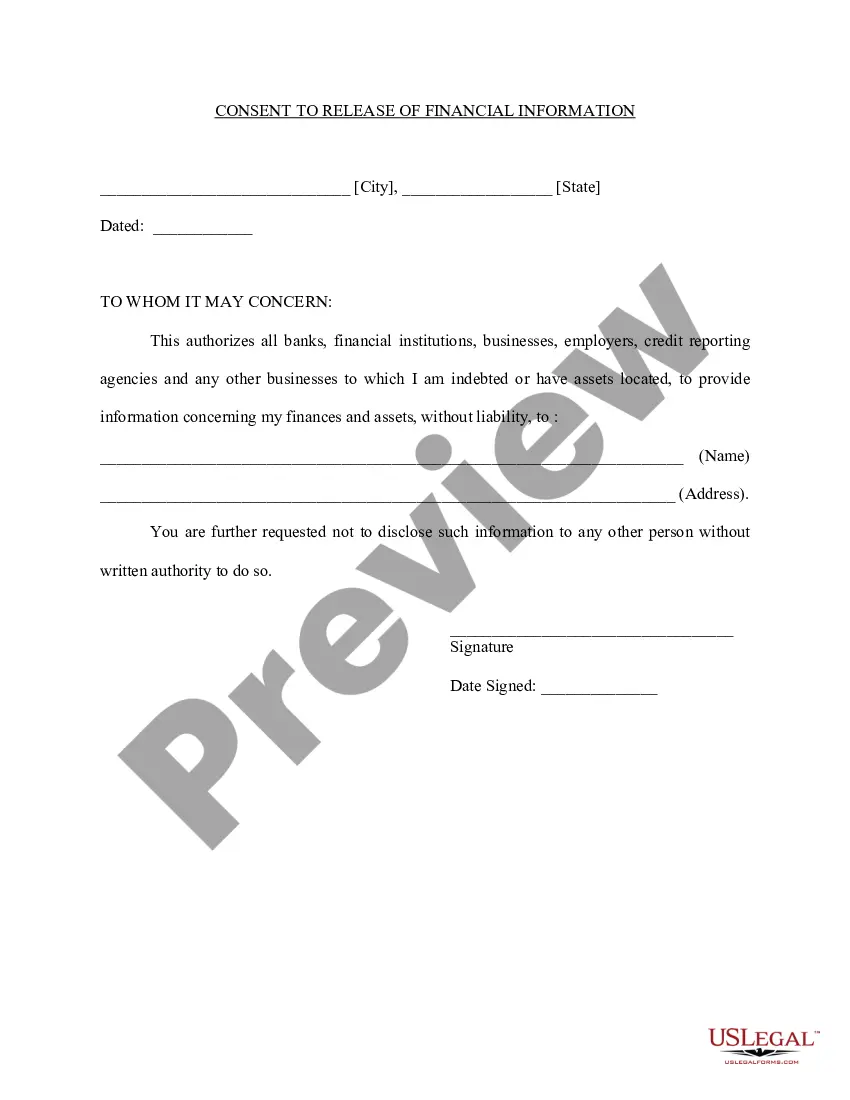




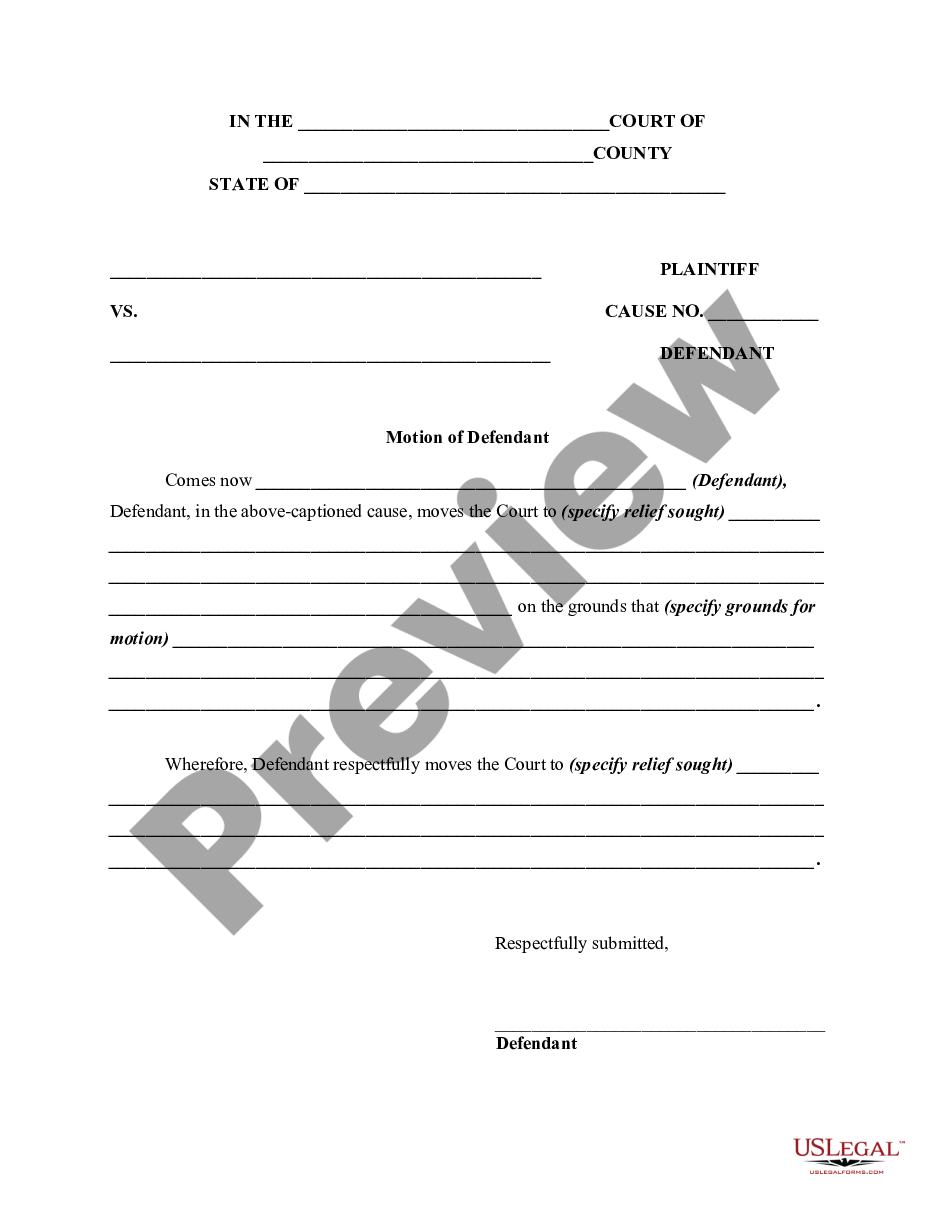



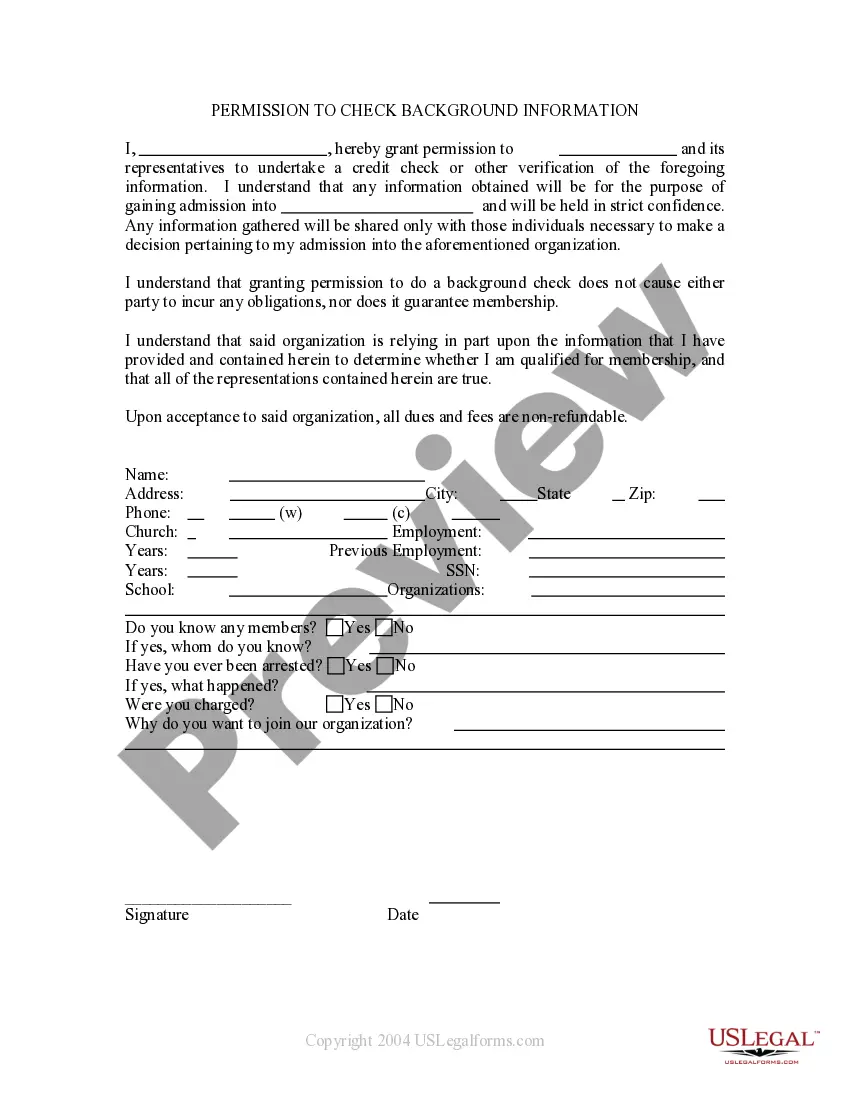
How to fill out Consent To Credit History Background And Reference Check?
- If you are a returning user, log in to your account to find and download your needed form. Ensure that your subscription is active; if it's expired, simply renew it based on your payment plan.
- For first-time users, start by reviewing the available templates. Check the Preview mode and form descriptions to select the correct one that matches your needs and local jurisdiction requirements.
- Should you need a different template, utilize the Search tool to locate the appropriate document that fulfills your criteria.
- Once a suitable document is found, click the Buy Now button and select a subscription plan. You’ll need to create an account to gain full access to the legal form library.
- Complete your purchase by entering your credit card information or using your PayPal account for payment.
- Finally, download your form. Save it on your device, and you can access it anytime from the My Forms section of your profile.
US Legal Forms empowers individuals and attorneys to quickly execute legal documents. With over 85,000 fillable and editable forms available, you can be confident in finding the right template.
In conclusion, obtaining a credit report for a background check is streamlined with US Legal Forms. Don’t wait—start your journey towards valuable documentation today!
Form popularity
FAQ
Yes, you can be denied a job based on your credit history. Employers often use a credit report for a background check to gauge your reliability and financial stability. If your report reveals negative marks, such as late payments or bankruptcies, they may decide it poses a risk for your fit within the company.
There is no universal minimum credit score for a job; it varies by employer and industry. Generally, positions involving financial responsibilities may require higher credit scores. Therefore, it is crucial to check your credit report for a background check and understand how your financial history may influence potential job offers.
Yes, collections typically show up on a background check and can impact your job prospects. A credit report for a background check will include information about any accounts sent to collections, which indicates unpaid debts. Employers may see this as a sign of financial irresponsibility, affecting their hiring decisions.
Yes, you can lose a job offer due to bad credit. Many employers use a credit report for a background check to make informed hiring decisions. If your report reveals significant financial issues, they may decide to withdraw the job offer, believing it reflects on your overall reliability and judgment.
It is possible for a job to not hire you based on your credit score. When employers review your credit report for a background check, they may consider your score as a reflection of your financial stability and trustworthiness. A low credit score may lead them to question your ability to manage responsibilities, especially in positions requiring financial oversight.
Yes, a credit report typically shows up on a background check, especially if an employer specifically requests it as part of the hiring process. A credit report for a background check provides insight into your credit history, payment behaviors, and outstanding debts. This information helps employers assess your financial responsibility, which can be important in various job roles.
Yes, you can be denied a job based on your financial history, specifically if an employer conducts a credit report for a background check. Employers may look at your debt levels, particularly for positions that involve financial responsibility. High levels of debt may raise concerns about your reliability and decision-making skills in a professional environment.
Having bad credit does not necessarily prevent you from getting hired. Some employers look past a poor credit report for background check when they find strong credentials or skills in a candidate. Focus on showcasing your qualifications and demonstrate your reliability in other ways to boost your chances of landing the job.
To explain bad credit to a potential landlord, accurately describe the circumstances that led to your credit issues. Emphasize your commitment to making timely rent payments and improving your credit. Providing evidence of financial responsibility, such as steady income or references, can further help alleviate concerns related to your credit report for background check.
Yes, employers can deny a job based on bad credit, especially if the position involves financial responsibilities. They may view a poor credit report for background check as a risk factor. However, it’s important to know that many employers consider the entire context of your application and may give you a chance to explain your situation.