Landlord For Tenant Law
Description
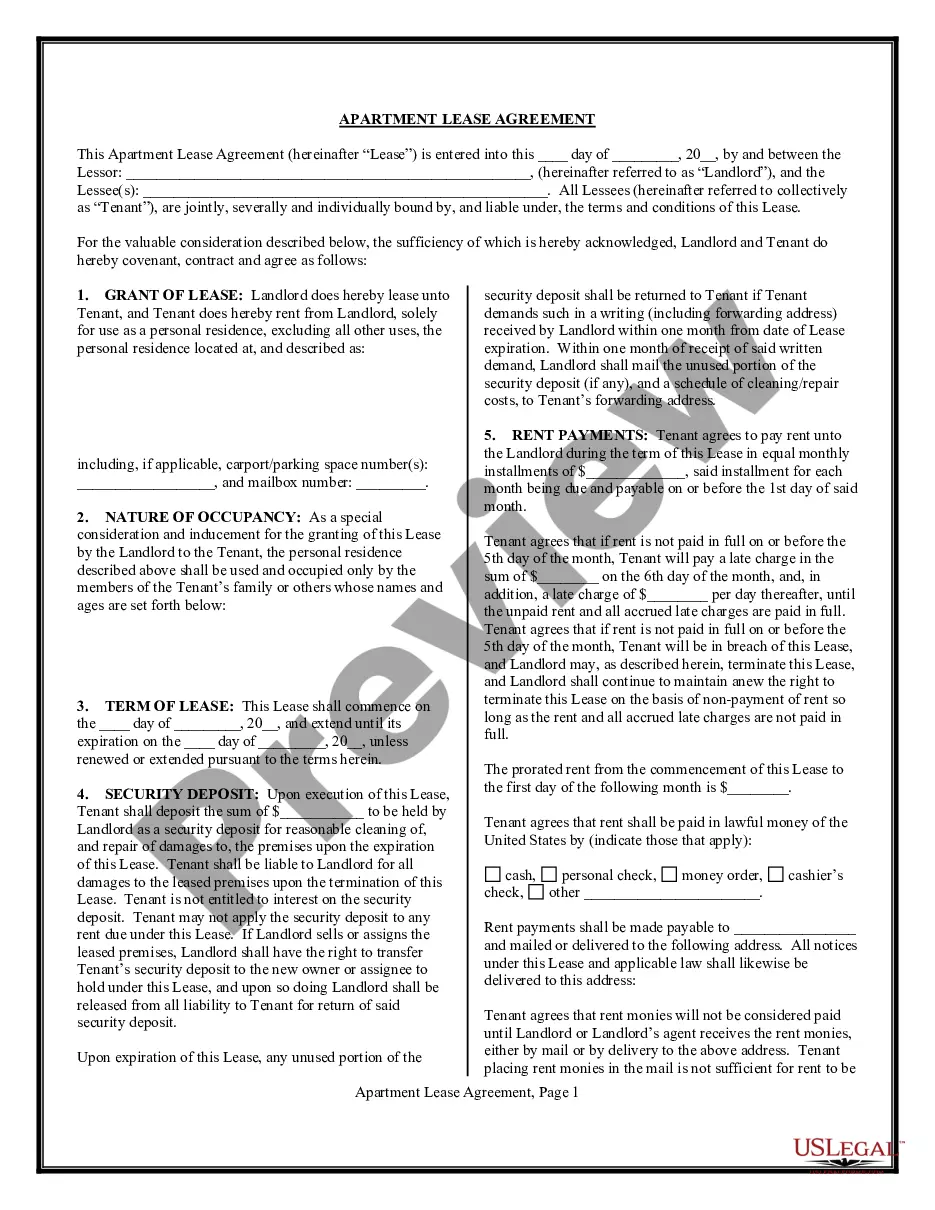
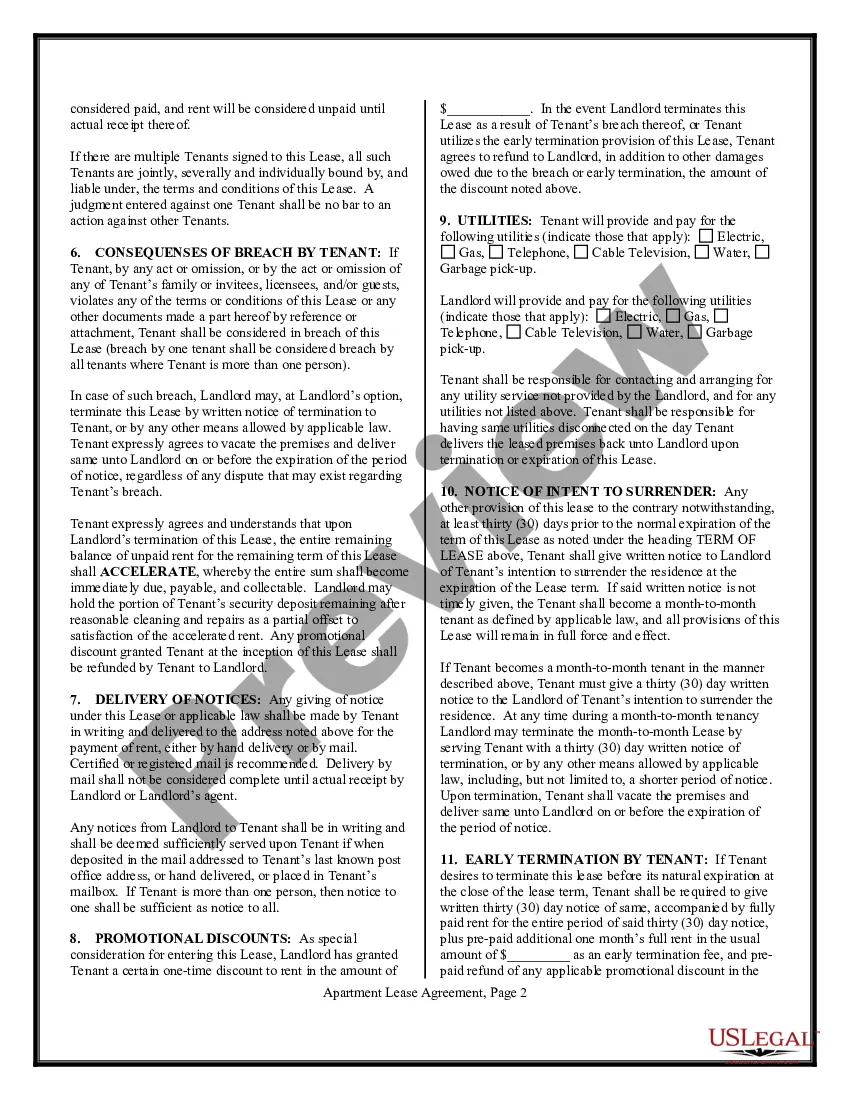
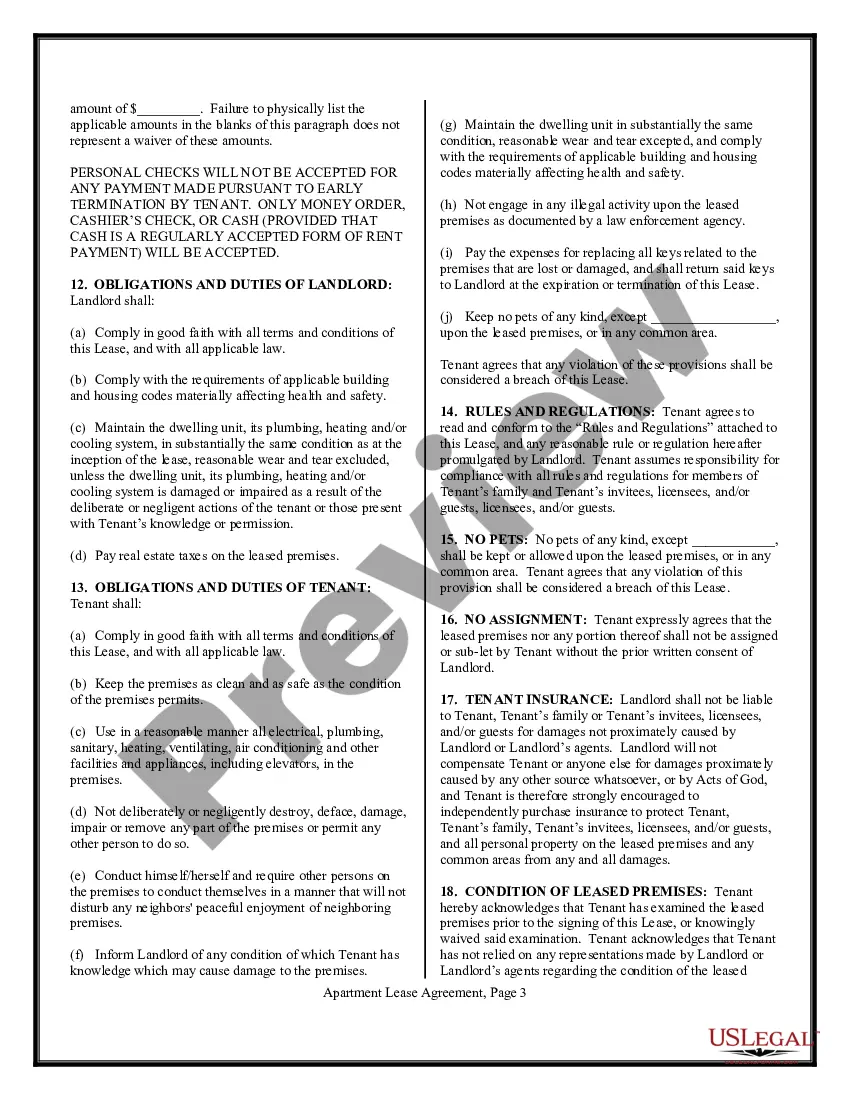
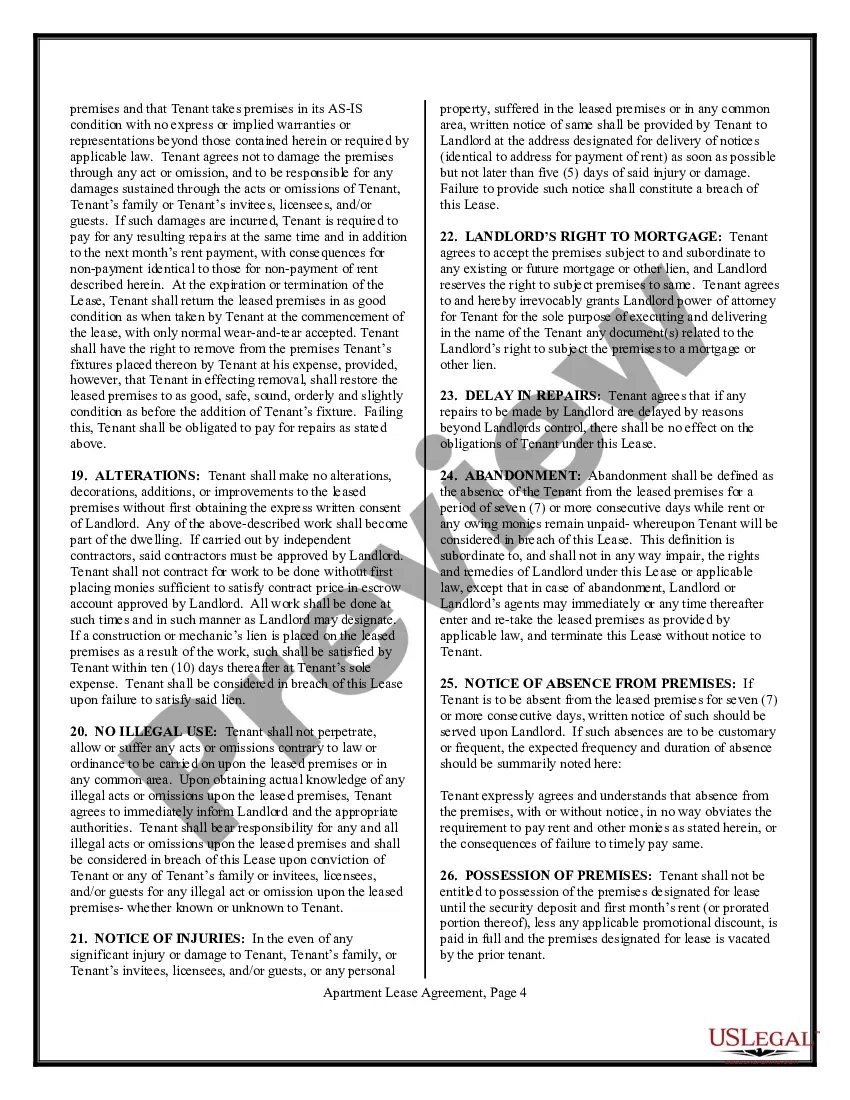
Get your form ready online
Our built-in tools help you complete, sign, share, and store your documents in one place.
Make edits, fill in missing information, and update formatting in US Legal Forms—just like you would in MS Word.
Download a copy, print it, send it by email, or mail it via USPS—whatever works best for your next step.
Sign and collect signatures with our SignNow integration. Send to multiple recipients, set reminders, and more. Go Premium to unlock E-Sign.
If this form requires notarization, complete it online through a secure video call—no need to meet a notary in person or wait for an appointment.
We protect your documents and personal data by following strict security and privacy standards.

Make edits, fill in missing information, and update formatting in US Legal Forms—just like you would in MS Word.

Download a copy, print it, send it by email, or mail it via USPS—whatever works best for your next step.

Sign and collect signatures with our SignNow integration. Send to multiple recipients, set reminders, and more. Go Premium to unlock E-Sign.

If this form requires notarization, complete it online through a secure video call—no need to meet a notary in person or wait for an appointment.

We protect your documents and personal data by following strict security and privacy standards.
Looking for another form?

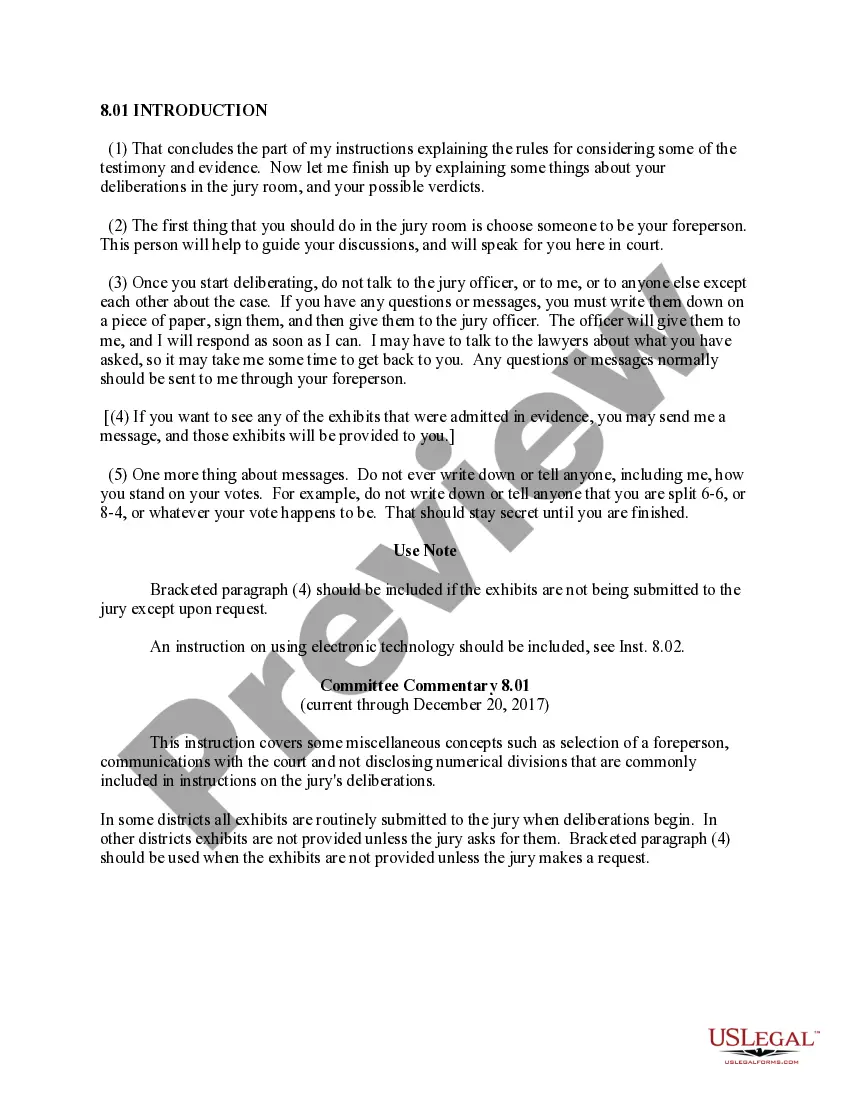





How to fill out Apartment Lease Agreement?
It’s widely known that you cannot transform into a legal expert in a single night, nor can you swiftly understand how to adequately prepare Landlord For Tenant Law without possessing a distinct set of capabilities.
Drafting legal documents is a lengthy process that demands specialized training and expertise. So why not entrust the creation of the Landlord For Tenant Law to the experts.
With US Legal Forms, which boasts one of the largest collections of legal documents, you can find everything from court filings to templates for internal business communications. We understand how important compliance with federal and state laws is.
You can access your forms again from the My documents section whenever you wish. If you are already a customer, simply Log In, and find and download the template from the same section.
No matter the reason for your documents—whether financial and legal, or personal—our site has you covered. Experience US Legal Forms today!
- Locate the form you require using the search feature at the top of the webpage.
- Review it (if this option is available) and check the accompanying description to ensure that Landlord For Tenant Law is what you are looking for.
- Restart your search if you need a different document.
- Create a free account and select a subscription plan to purchase the form.
- Click Buy now. Once the payment is completed, you can download the Landlord For Tenant Law, fill it out, print it, and send or mail it to the appropriate parties.
Form popularity
FAQ
Filling out a tenant verification form online typically involves visiting a specific platform that offers this service. Begin by entering the necessary tenant details such as name and address, followed by their rental history and payment compliance. Utilizing an efficient service like uslegalforms can simplify this process while ensuring adherence to landlord for tenant law.
In general, a landlord is not directly responsible for tenant damage to a neighbor's property, but liability can vary based on the circumstances. Under the landlord for tenant law, a landlord may be liable if they were aware of problematic behavior by the tenant and did not take action. It is crucial to document instances of damage and communicate with both the tenant and the landlord. For more detailed guidance, the U.S. Legal Forms platform offers resources to help landlords navigate these situations.
Pennsylvania state law limits how much a landlord can charge for a security deposit (two months' rent for the first year of renting and one month's rent during subsequent years), when it must be returned (within 30 days after a tenant moves), and sets other restrictions on deposits.
Under the right to a safe and habitable home, a landlord cannot force a tenant to move into a home or unit ?as-is? and cannot demand that the tenant be responsible for repairs. To be safe, and habitable, a unit or home should have: Working smoke alarms. Working hot water.
Rent Control Laws ing to the AB-1482 from the California Tenant Protection Act), any rent increase is capped at 5% plus inflation or 10% of the lowest price paid in the last 12 months. These laws started in January 2020, and it's expected to last until January 2030. You can read more about this measure here.
Removal from premises The landlord may not confiscate your personal belongings, turn off your utilities, lock you out of your apartment, or use force to remove you. If the small claims court judge rules in the landlord's favor, the judge may issue a court order requiring you to leave the property.
Michigan and U.S. fair housing laws say that landlords cannot discriminate against tenants or applicants because of their race, color, religion, sex, familial status (kids under 18), national origin, disability, age, or marital status.