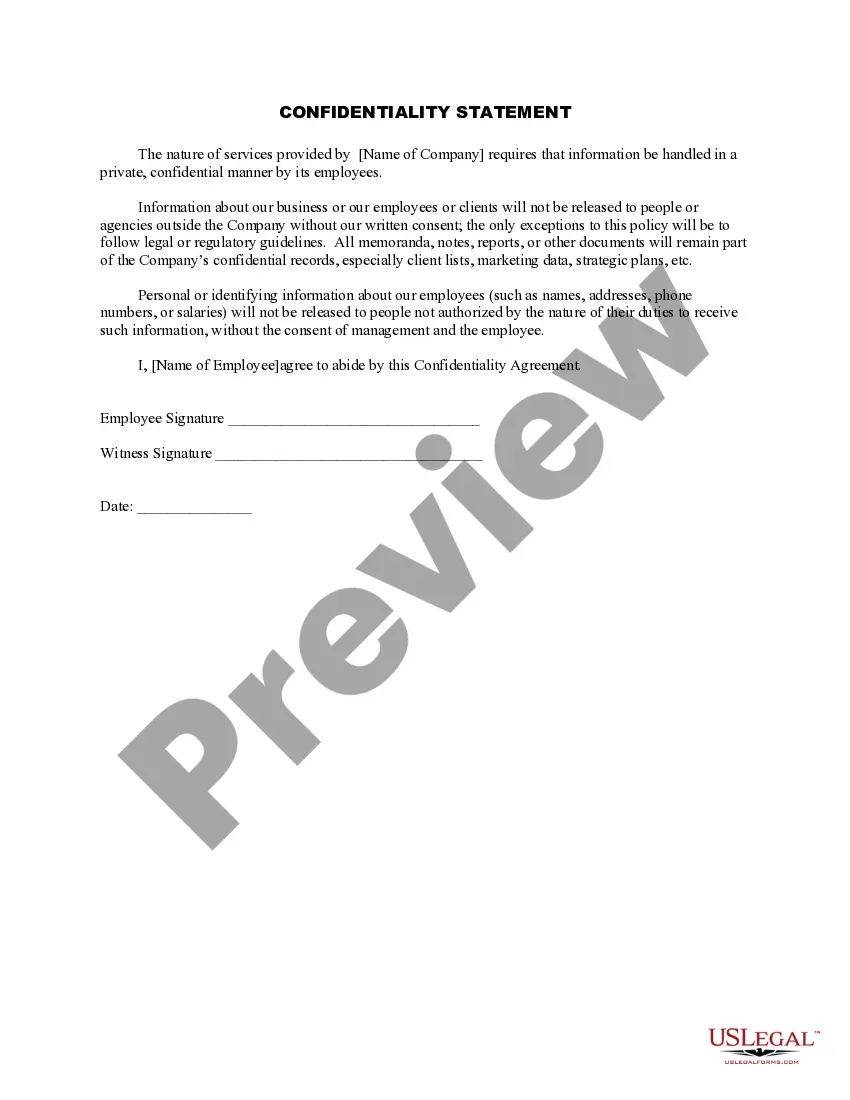
Confidentiality Agreement With Company
Description
Get your form ready online
Our built-in tools help you complete, sign, share, and store your documents in one place.
Make edits, fill in missing information, and update formatting in US Legal Forms—just like you would in MS Word.
Download a copy, print it, send it by email, or mail it via USPS—whatever works best for your next step.
Sign and collect signatures with our SignNow integration. Send to multiple recipients, set reminders, and more. Go Premium to unlock E-Sign.
If this form requires notarization, complete it online through a secure video call—no need to meet a notary in person or wait for an appointment.
We protect your documents and personal data by following strict security and privacy standards.

Make edits, fill in missing information, and update formatting in US Legal Forms—just like you would in MS Word.

Download a copy, print it, send it by email, or mail it via USPS—whatever works best for your next step.

Sign and collect signatures with our SignNow integration. Send to multiple recipients, set reminders, and more. Go Premium to unlock E-Sign.

If this form requires notarization, complete it online through a secure video call—no need to meet a notary in person or wait for an appointment.

We protect your documents and personal data by following strict security and privacy standards.
Looking for another form?








How to fill out Confidentiality Statement And Agreement For An Employee?
Creating legal documents from the ground up can frequently be intimidating.
Certain instances may require extensive research and significant financial outlay.
If you’re looking for a more straightforward and economical method of generating a Confidentiality Agreement With Company or any other documents without unnecessary obstacles, US Legal Forms is readily available to assist you.
Our online repository of over 85,000 current legal documents covers nearly every aspect of your financial, legal, and personal affairs. With just a few clicks, you can swiftly obtain state- and county-compliant forms meticulously prepared by our legal experts.
US Legal Forms enjoys an impeccable reputation and boasts over 25 years of experience. Join us today and make document preparation a straightforward and efficient process!
- Utilize our website whenever you require a dependable and trustworthy service to efficiently find and download the Confidentiality Agreement With Company.
- If you’re already familiar with our services and have an existing account, simply Log In to your account, choose the form, and download it or access it again later in the My documents section.
- Do not have an account? No worries. Registering takes minimal time and allows you to browse the catalog.
- However, before proceeding to download the Confidentiality Agreement With Company, consider these suggestions.
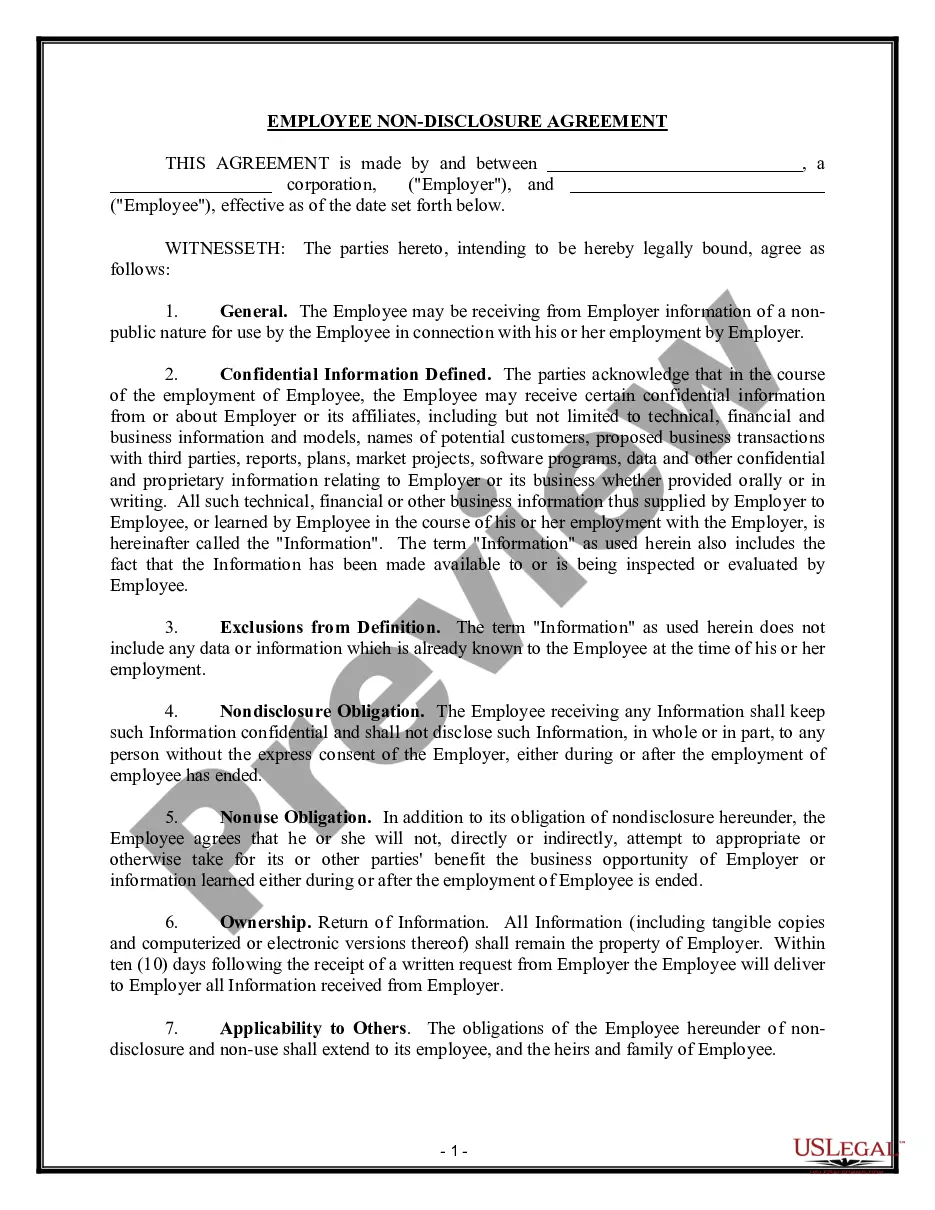
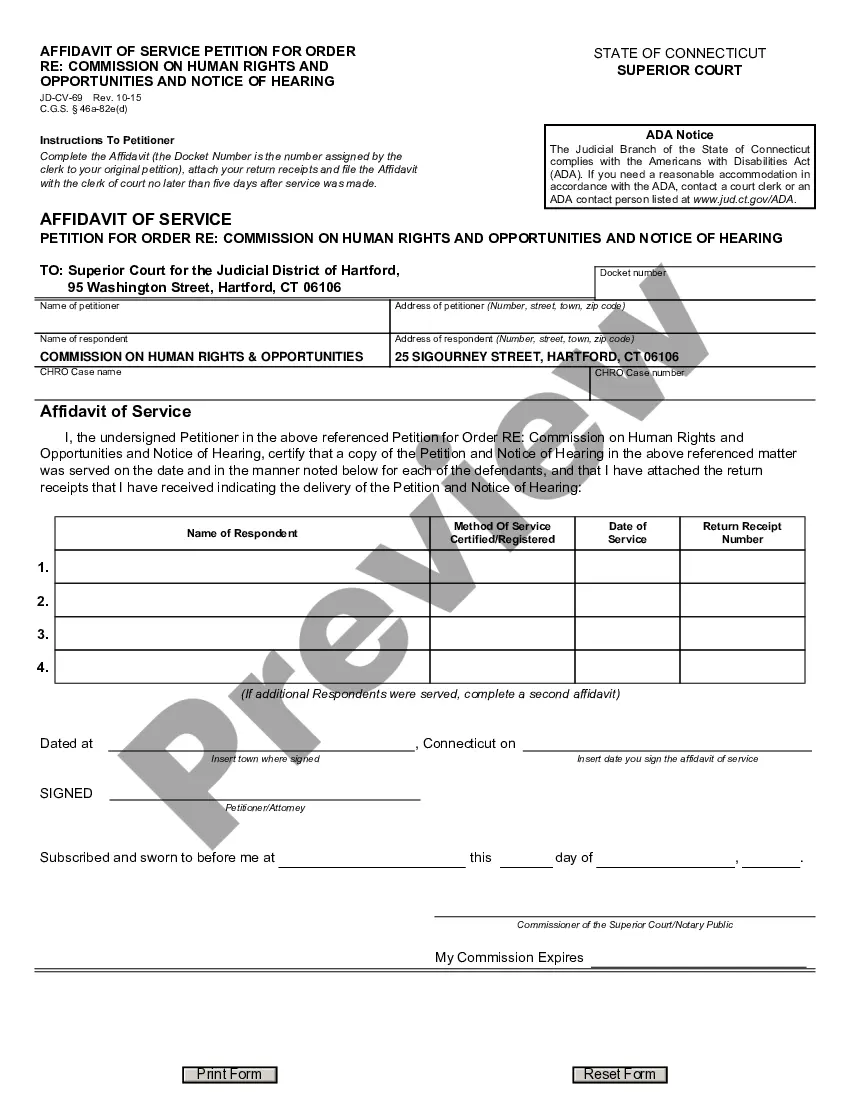
- Review the document preview and details to ensure you have located the correct document.
Form popularity
FAQ
An example of a confidentiality agreement with a company typically includes sections such as the definition of confidential information, the obligations of both parties, and the term of confidentiality. For instance, it might state that all trade secrets, client lists, and financial data are confidential. You can find various examples and templates on US Legal Forms to guide you in creating a comprehensive agreement tailored to your needs.
To write a statement of confidentiality for a business, start by clearly stating your intent to protect sensitive information. Include a definition of what constitutes confidential information and specify how it should be handled. You may also want to address the consequences of unauthorized disclosure. Consider using a confidentiality agreement with a company as a formal document to reinforce this statement.
Writing a simple confidentiality agreement with a company involves a few key steps. Begin with a title that clearly states it is a confidentiality agreement. Then, include sections that define the parties, describe the confidential information, and outline the obligations of each party. You can use templates available on platforms like US Legal Forms to simplify the process and ensure all important aspects are covered.
To fill out a confidentiality agreement with a company, start by identifying the parties involved, including their names and addresses. Next, clearly outline the confidential information covered by the agreement. Ensure to specify the duration of the confidentiality obligation and any exclusions. Finally, have both parties sign and date the agreement to make it legally binding.
A company confidentiality agreement is a specific type of contract that outlines the handling of confidential information within a business context. It protects sensitive data shared between employees, partners, or clients, ensuring that all parties comply with confidentiality standards. This agreement is vital for maintaining competitive advantage and fostering trust. If you need a reliable confidentiality agreement with a company, USLegalForms offers customizable solutions to meet your needs.
Signing a Non-Disclosure Agreement (NDA) is a serious commitment that binds you to confidentiality. By signing, you agree not to disclose sensitive information, which can have legal implications if breached. It is essential to understand the terms and conditions before signing, as violations can lead to legal action. When you enter into a confidentiality agreement with a company, remember that it reflects your dedication to protecting valuable information.
The enforceability of a confidentiality agreement largely depends on its clarity and the specific legal standards in your jurisdiction. If the agreement clearly defines confidential information and the obligations of each party, it is likely to be upheld in court. Additionally, courts often consider the reasonableness of the agreement's terms. To ensure you have a strong confidentiality agreement with a company, consider using resources like USLegalForms to create a tailored document.
A confidentiality agreement in business is a legally binding contract that protects sensitive information shared between parties. It establishes a framework for handling confidential data, ensuring that both parties understand their responsibilities. Such agreements are crucial for maintaining trust and safeguarding proprietary information. When entering a business relationship, a confidentiality agreement with a company can be a vital tool for protecting your interests.
Confidentiality agreements, or CDAs, are generally enforceable as long as they meet specific legal requirements. These include clarity in terms, the necessity for confidentiality, and consideration provided by both parties. However, enforcement can vary based on jurisdiction and the nature of the information protected. When you draft a confidentiality agreement with a company, ensure it is clear and comprehensive to enhance its enforceability.
Breaking HR confidentiality can lead to severe repercussions for both the individual and the company. It may result in disciplinary action, including termination of employment. Furthermore, the company may pursue legal action if the breach harms its interests. A confidentiality agreement with a company often outlines these consequences to emphasize the importance of maintaining confidentiality.