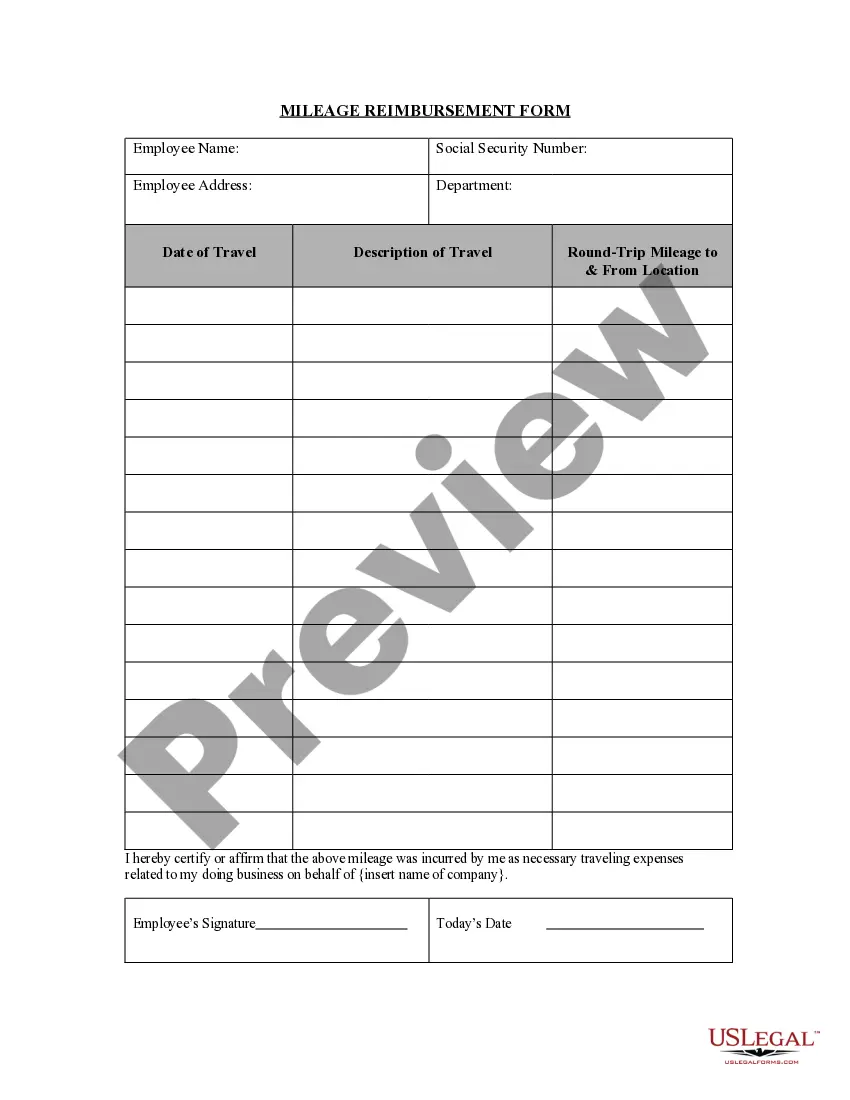
Mileage Form Template For Angular
Description
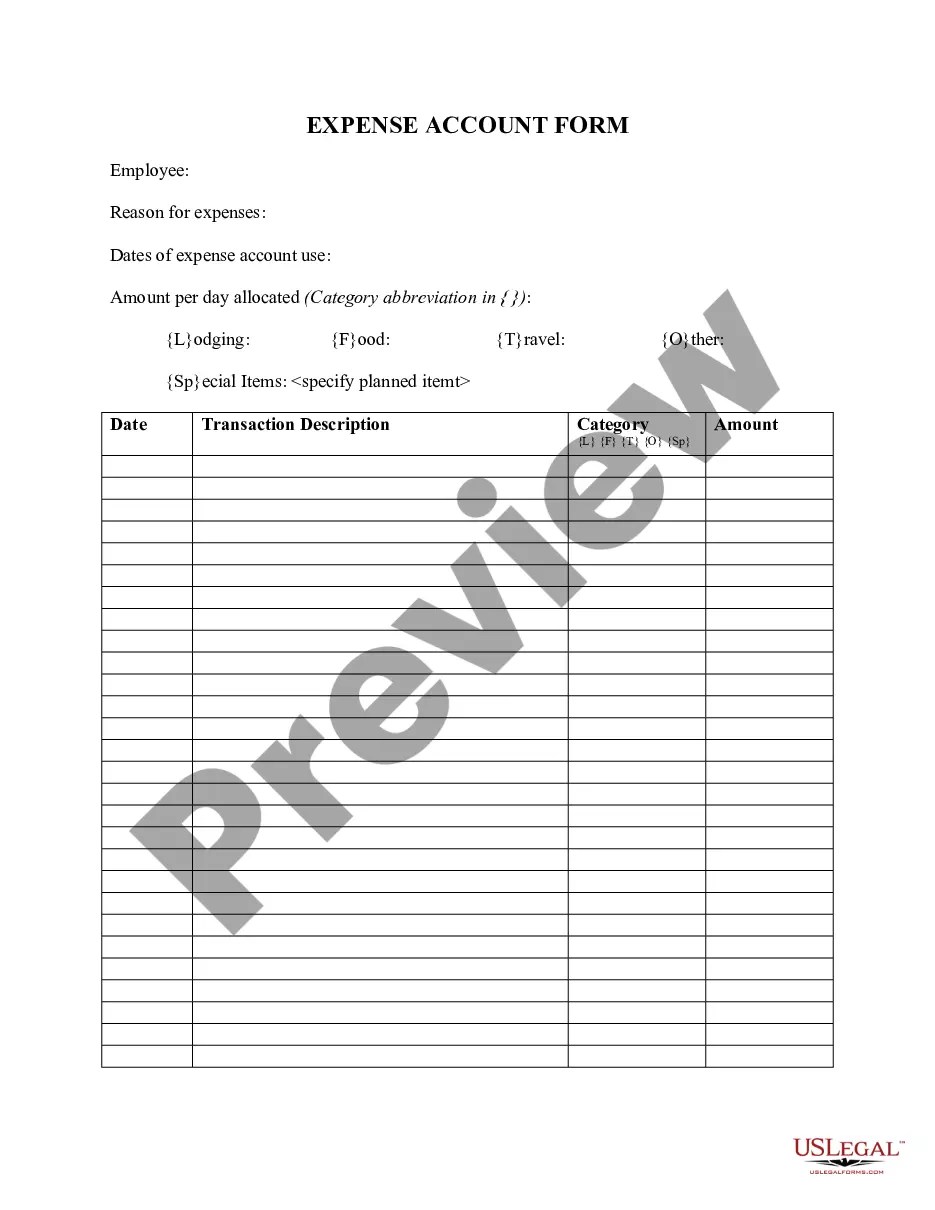
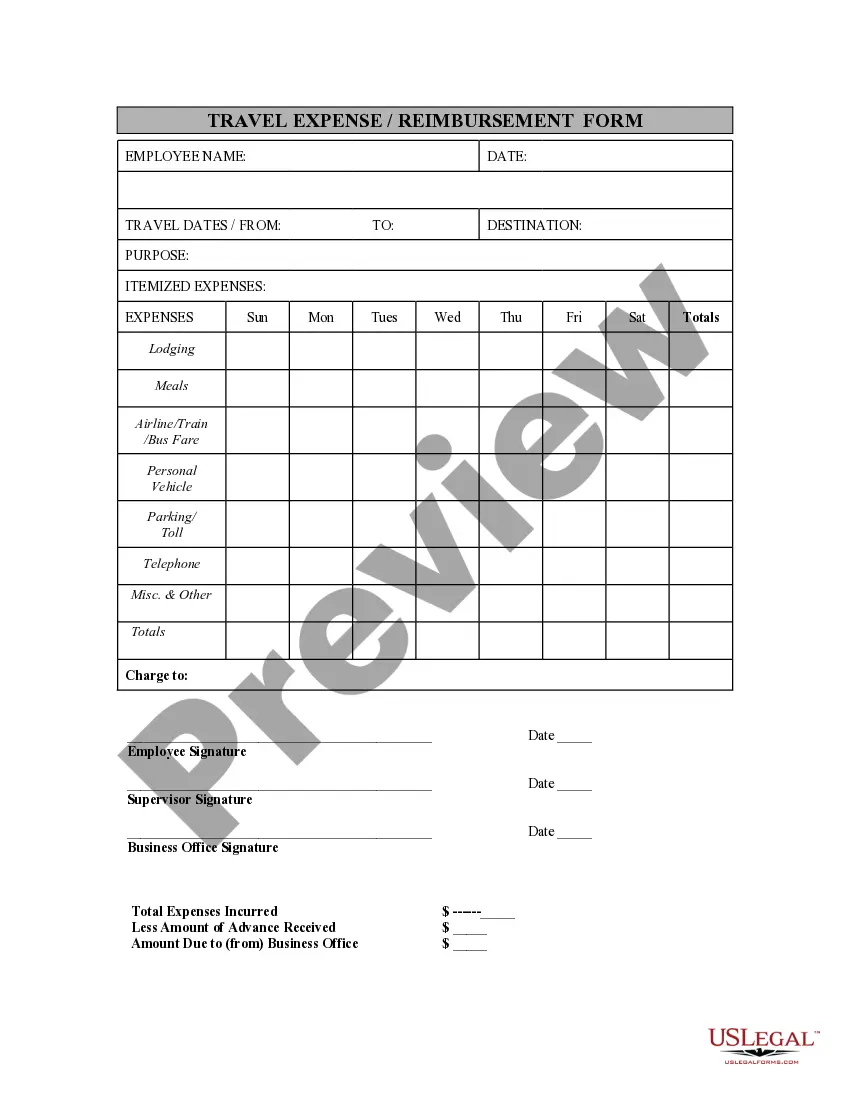
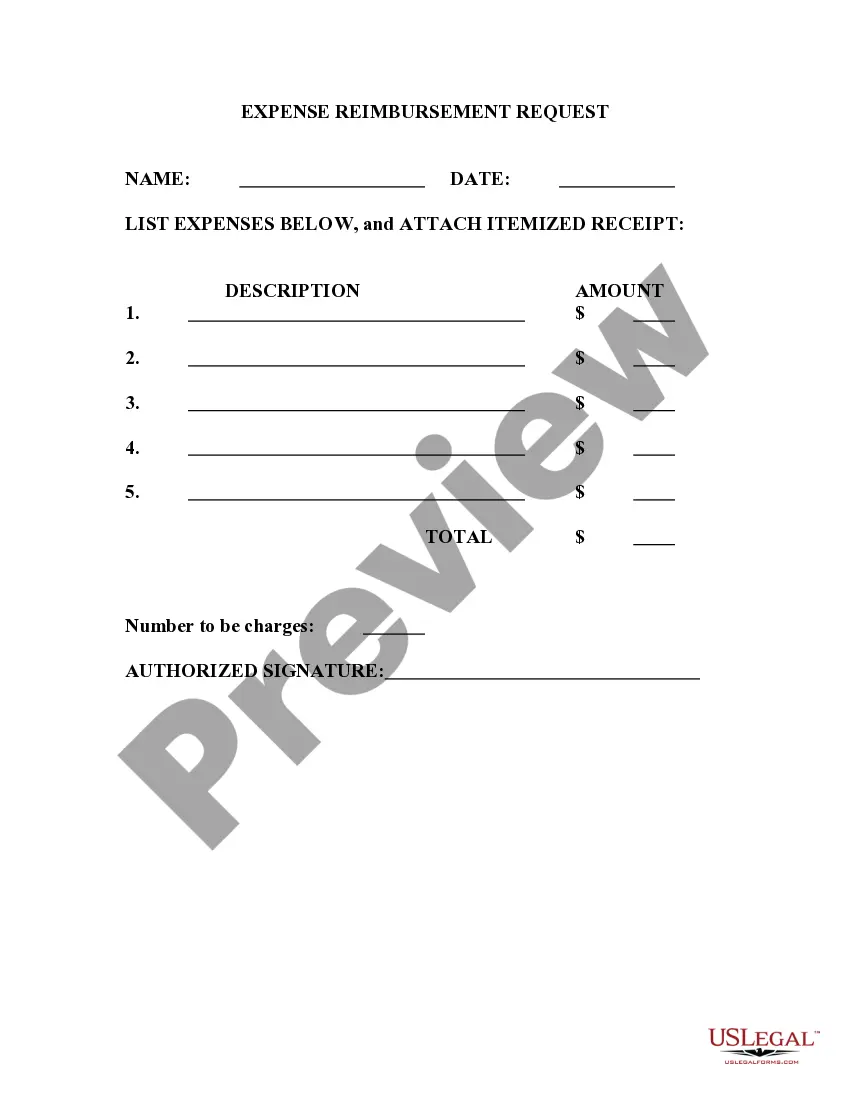
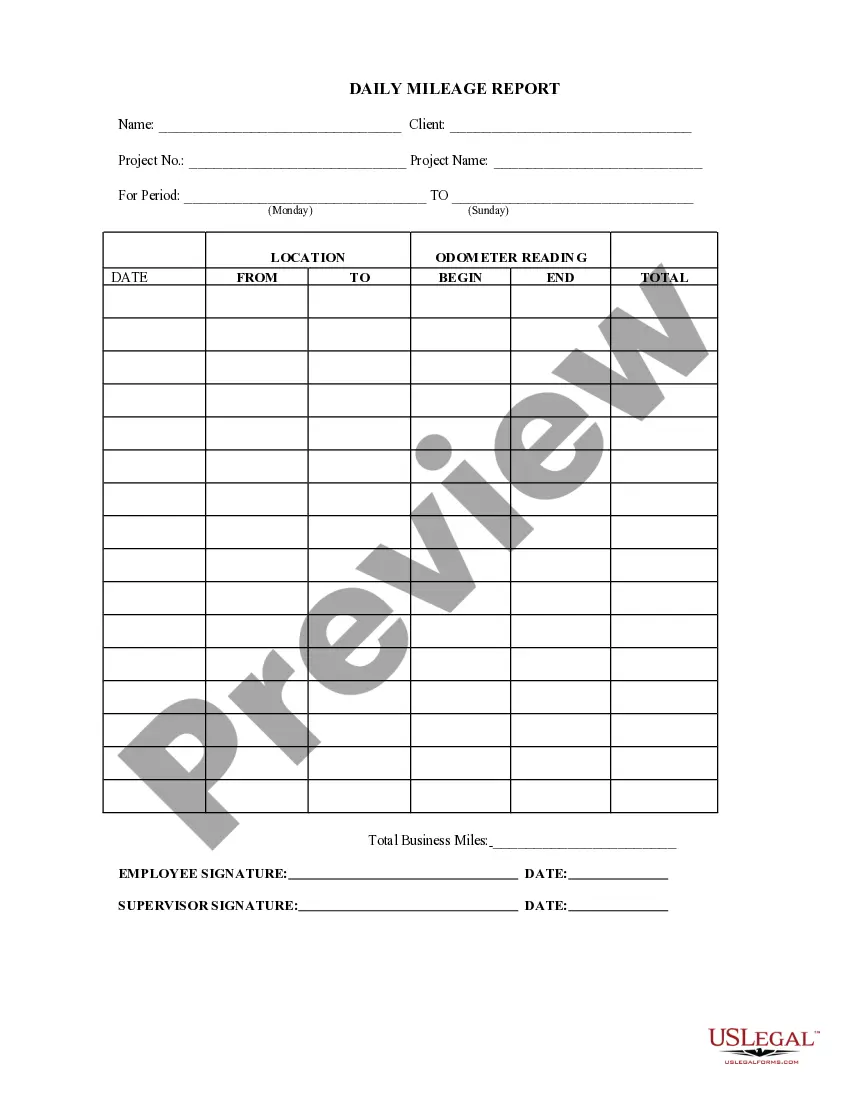
How to fill out Mileage Reimbursement Form?
The Mileage Form Template For Angular you observe on this page is a versatile legal template crafted by experienced lawyers in accordance with federal and local regulations.
For over 25 years, US Legal Forms has offered individuals, businesses, and attorneys more than 85,000 validated, state-specific documents suitable for any personal and business circumstance. It’s the fastest, easiest, and most dependable means of acquiring the paperwork you require, as the service assures bank-level data protection and anti-malware safeguards.
Print the template to fill it out manually. Alternatively, employ an online multifunctional PDF editor to quickly and accurately complete and sign your form with a legally-binding electronic signature.
- Search for the document you require and review it.
- Browse through the example you're looking for and preview it or review the form description to confirm it meets your requirements. If it doesn't, utilize the search feature to find the correct one.
- Click Buy Now once you have found the template you want.
- Select a pricing plan that is right for you and create an account. Use PayPal or a credit card for a quick payment. If you already possess an account, Log In and check your subscription to continue.
- Choose the format you prefer for your Mileage Form Template For Angular (PDF, DOCX, RTF) and download the sample onto your device.
Form popularity
FAQ
Let's take a look at each column, one at a time: Trip Name: Use this to specify the purpose of your trip. ... Date: Here's when you took the trip. ... Start and End: The beginning and ending addresses allow the IRS to verify the mileage if required. ... Miles: Enter the exact distance you drove.
To pre-populate form fields, use the data property of a Survey instance. This property contains survey result data as an object in which keys are question names and values are answers. To manage the survey result data, assign a new object to the data property.
At the start of each trip, record the odometer reading and list the purpose, starting location, ending location, and date of the trip. After the trip, the final odometer must be recorded and then subtracted from the initial reading to find the total mileage for the trip.
To get access to the NgForm and the overall form status, declare a template reference variable. Edit the template file hero-form.component.html . Update the <form> tag with a template reference variable, #heroForm , and set its value as follows. ... Run the app. Start typing in the Name input box.