Record Absence Form With Time Slots
Description
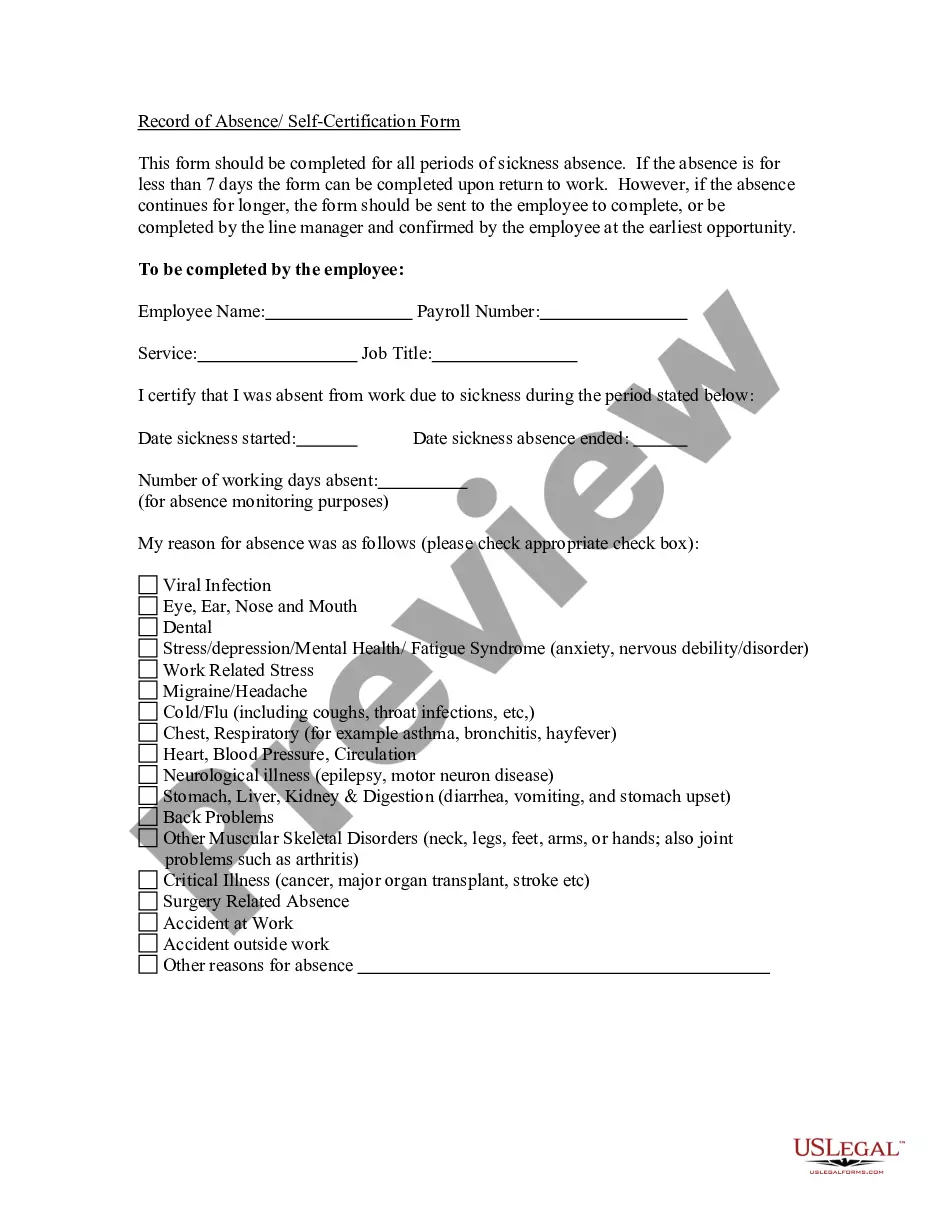
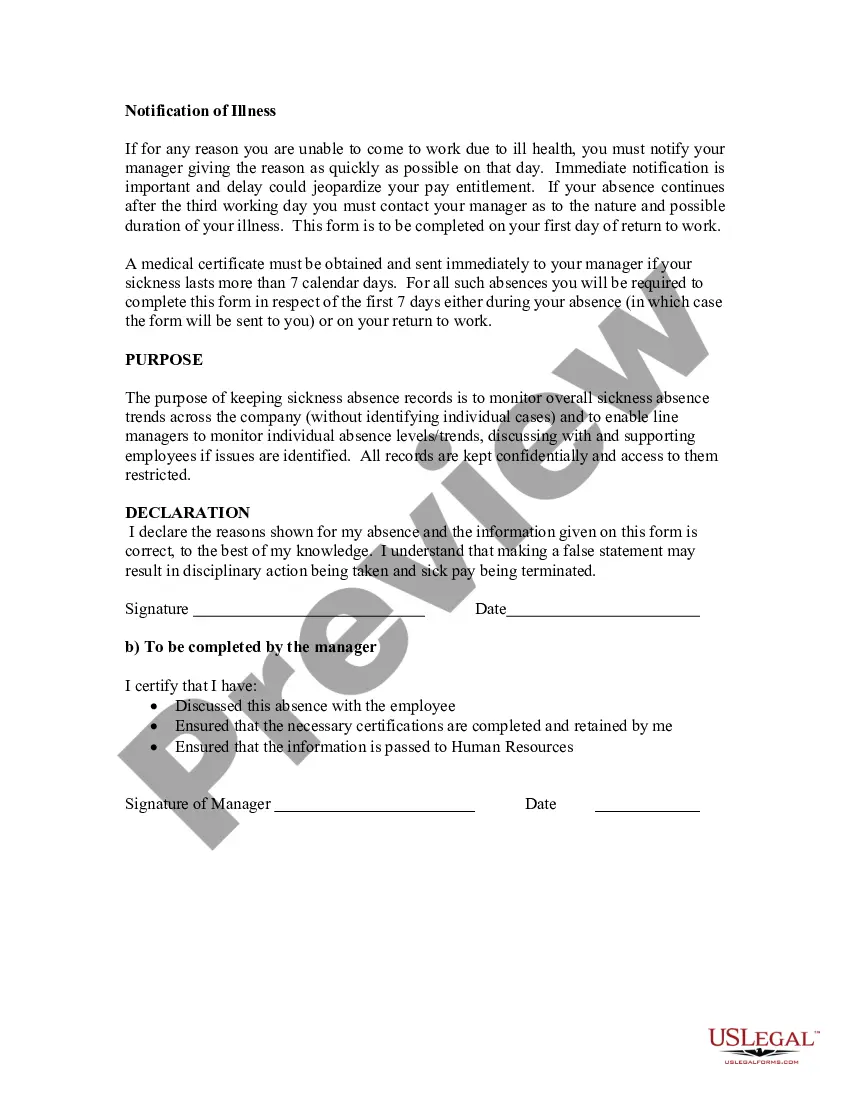
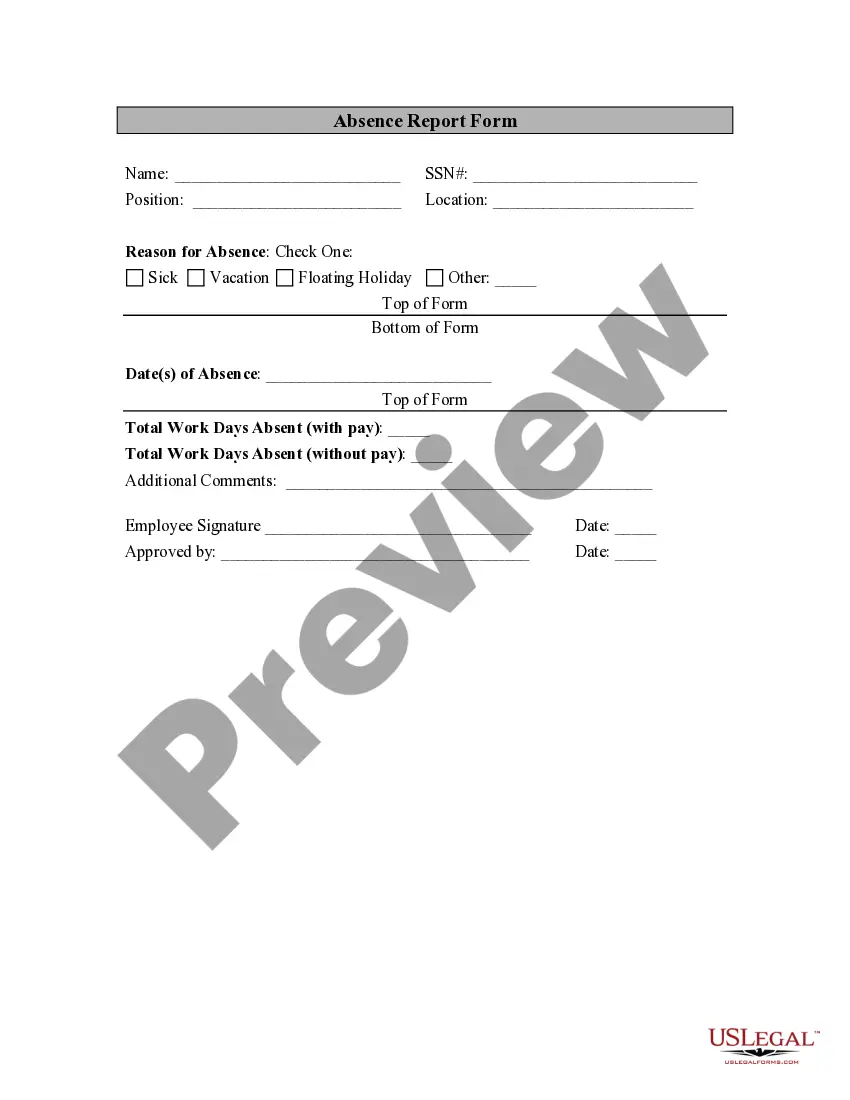
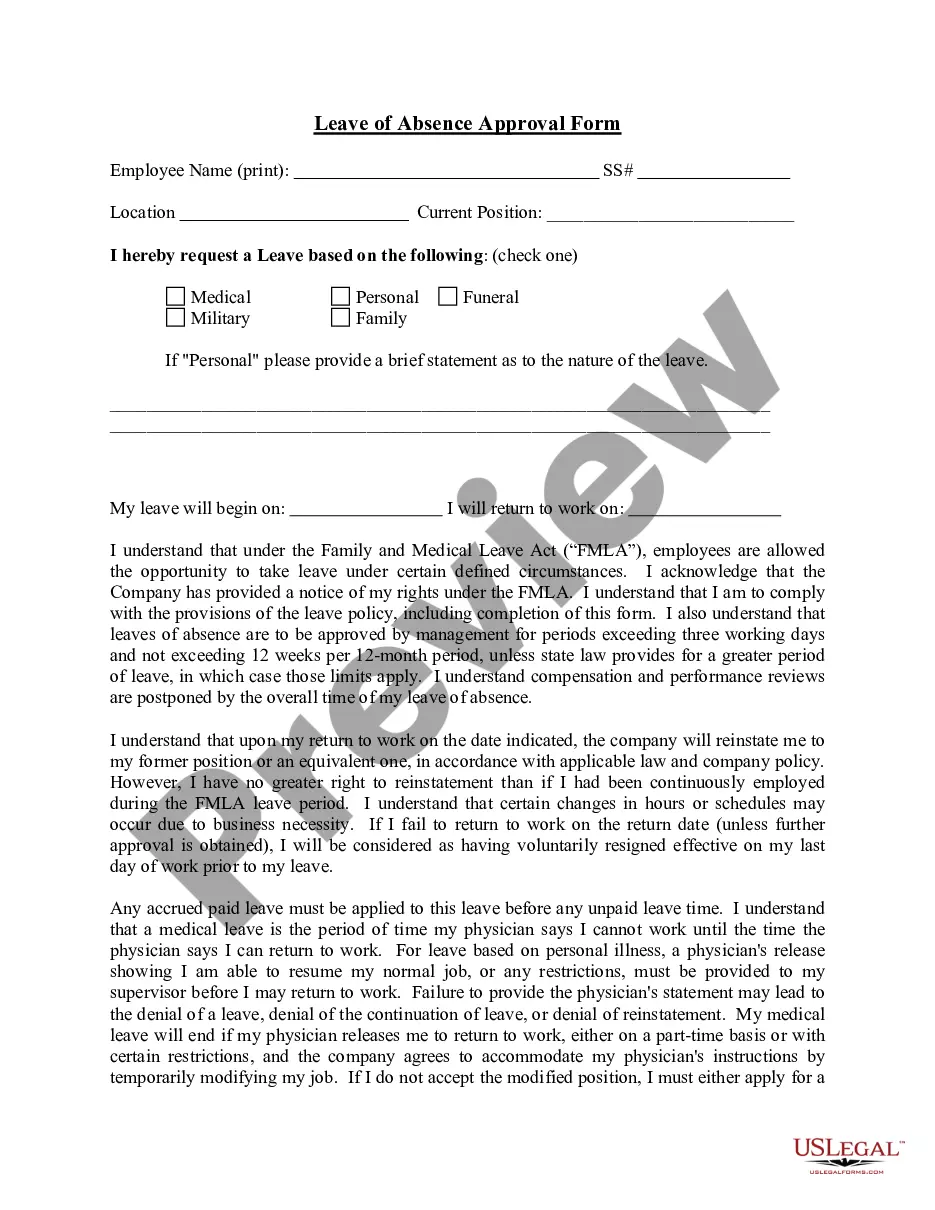

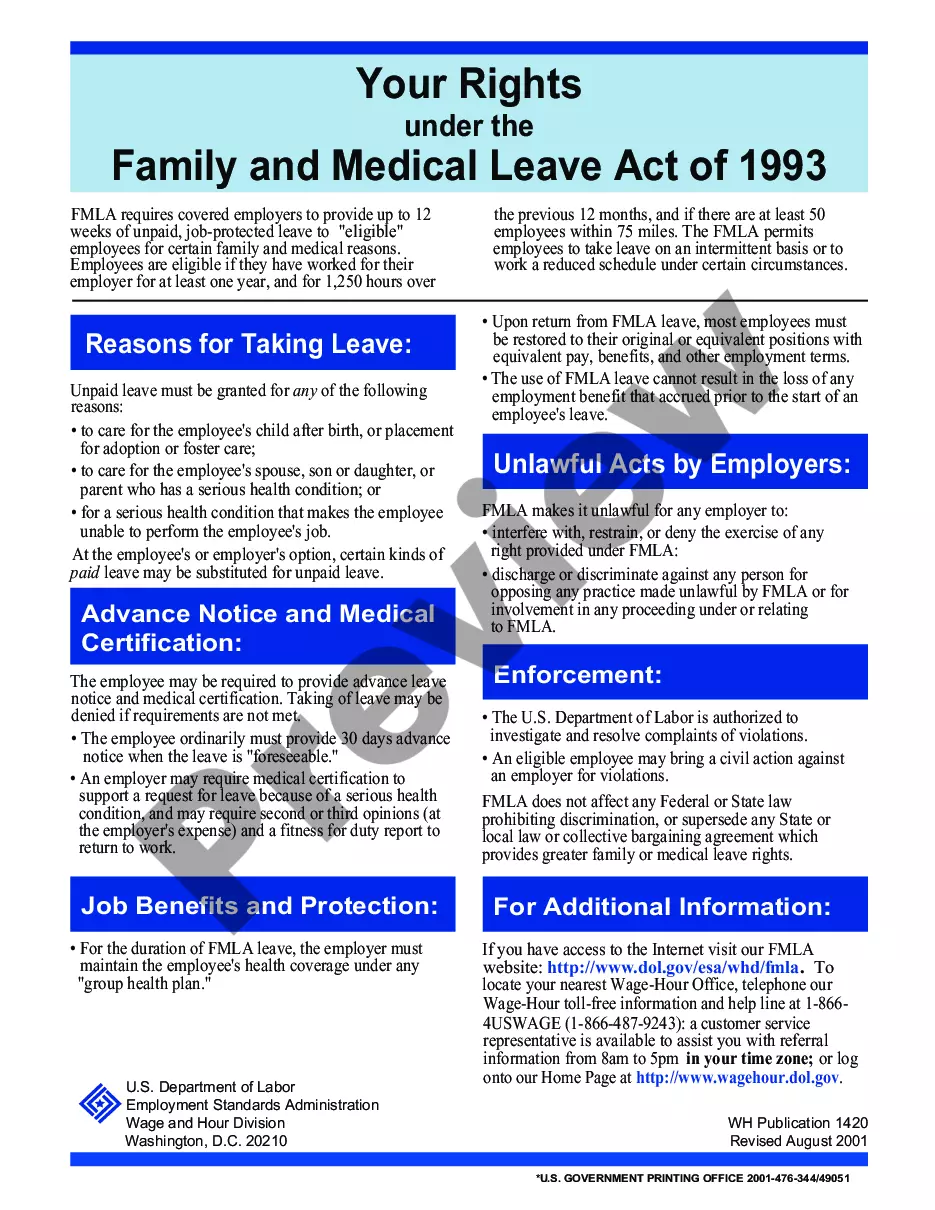
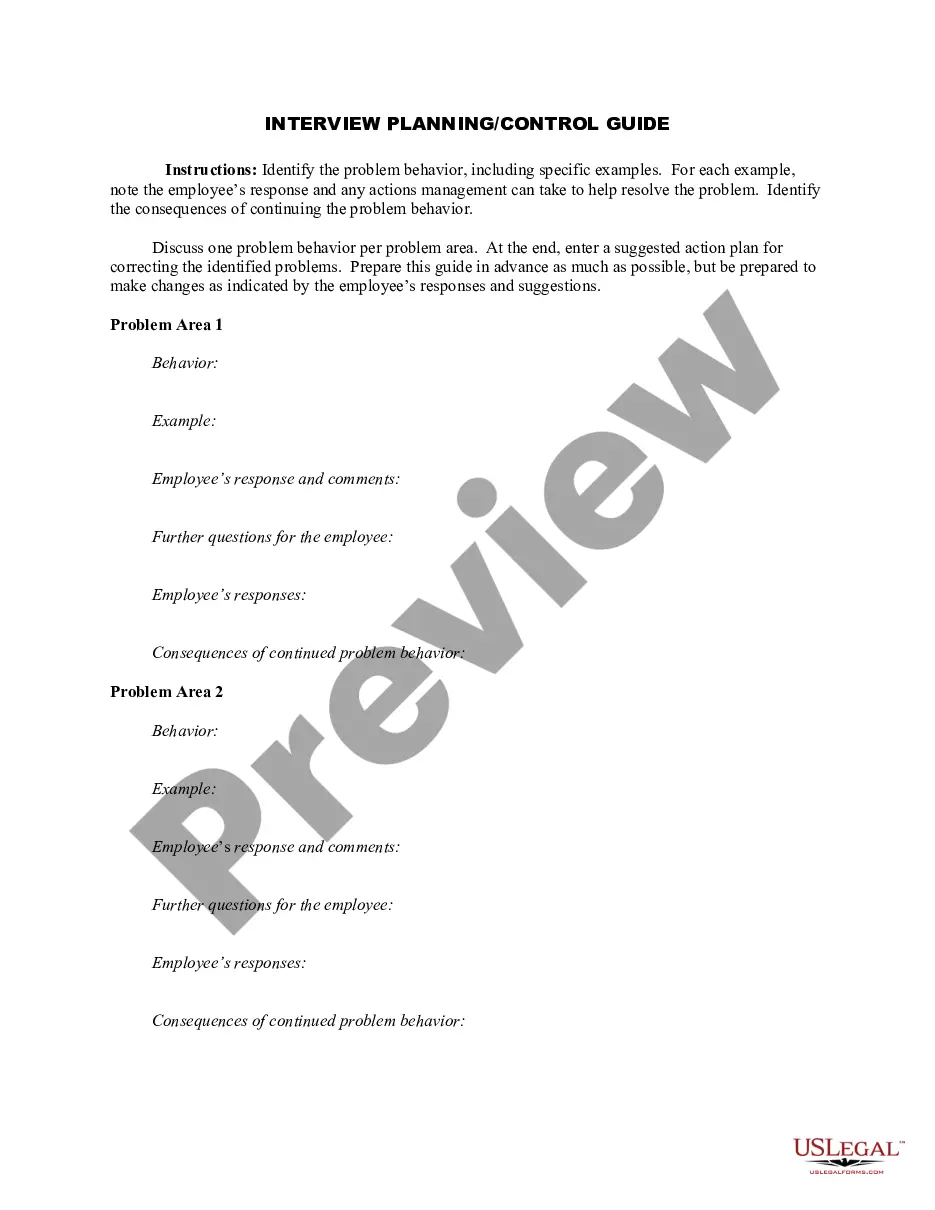


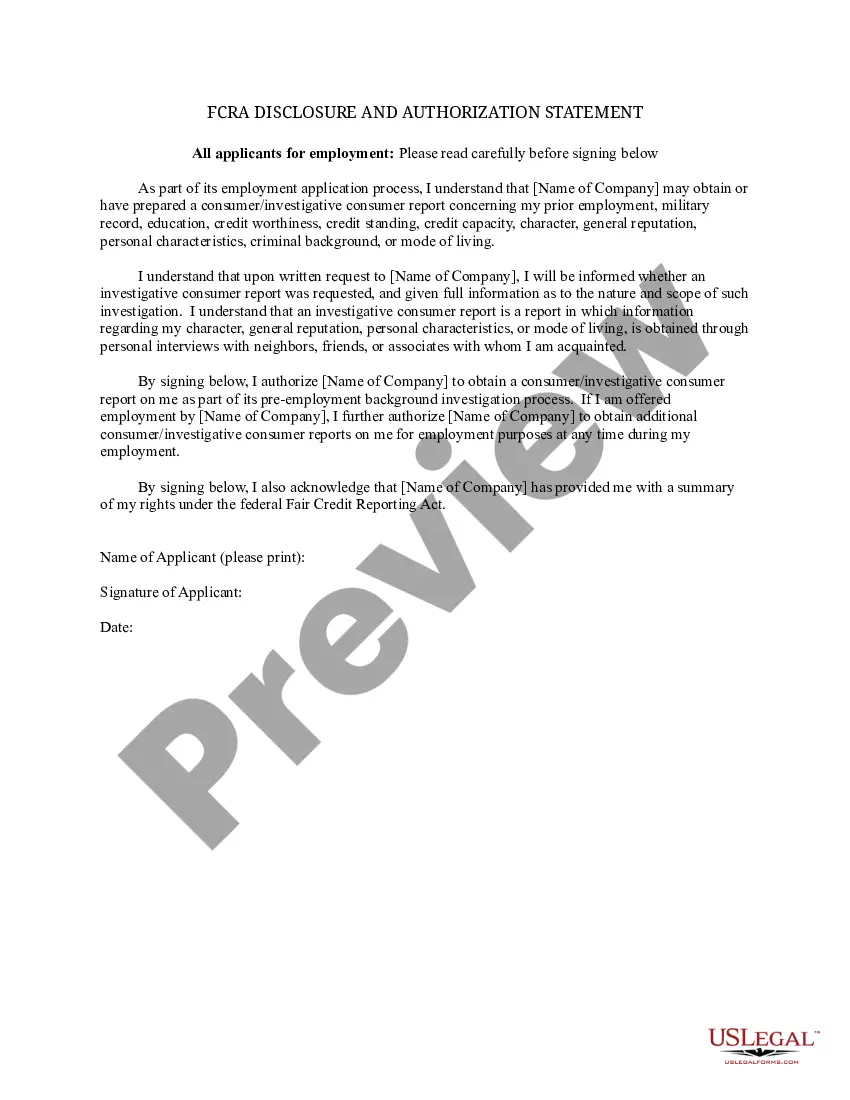


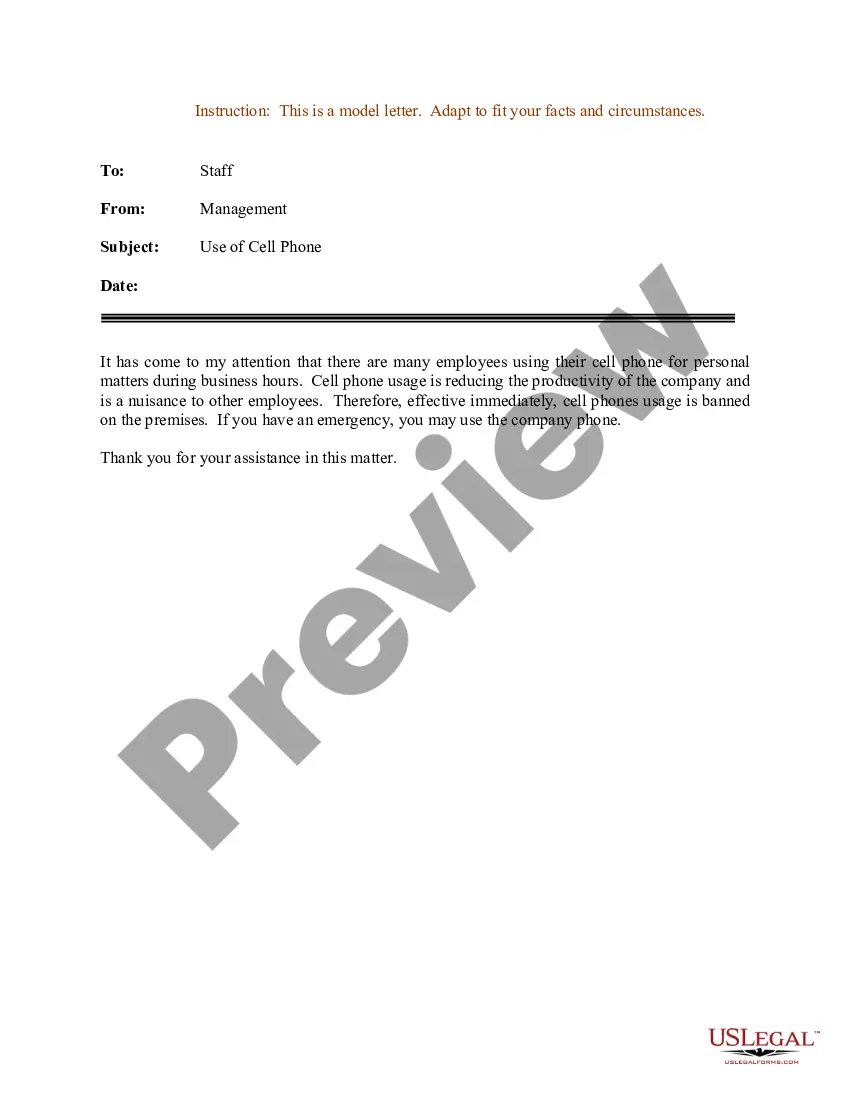
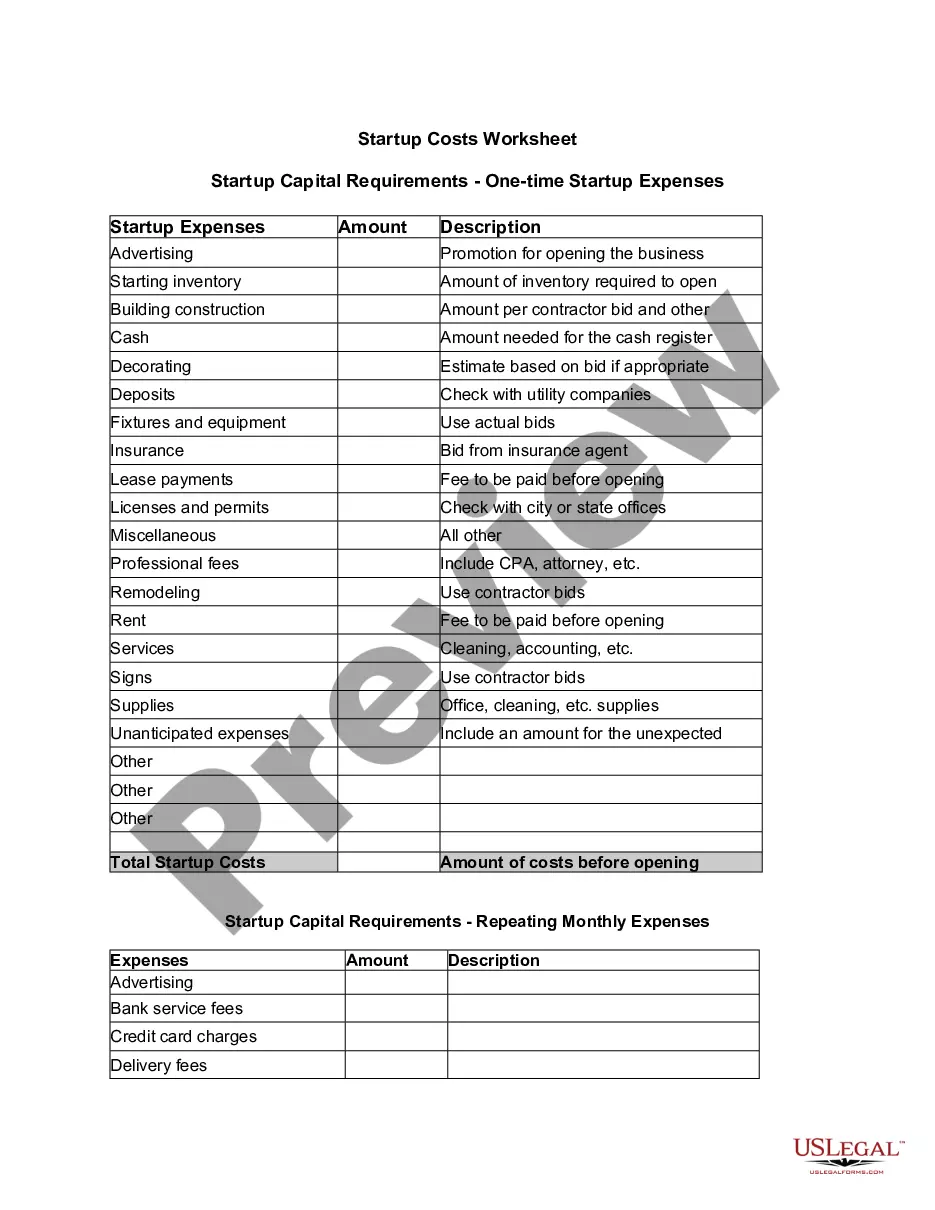
How to fill out Record Of Absence - Self-Certification Form?
Legal administration can be perplexing, even for the most adept professionals.
When you're in search of a Record Absence Form With Time Slots and don’t have the opportunity to spend time looking for the correct and current version, the procedures can be stressful.
Access a valuable resource pool of articles, tutorials, and guides relevant to your circumstances and needs.
Save time and effort hunting for the forms you need, and use US Legal Forms’ advanced search and Review tool to find Record Absence Form With Time Slots and acquire it.
Take advantage of the US Legal Forms web catalog, backed by 25 years of experience and reliability. Upgrade your daily document management into a seamless and user-friendly process today.
- If you have a membership, Log In to your US Legal Forms account, search for the form, and retrieve it.
- Check your My documents tab to review the documents you've previously downloaded and organize your folders as desired.
- If it’s your first time using US Legal Forms, create a free account to gain unlimited access to all the benefits of the library.
- Next, ensure this is the right form by previewing it and reviewing its details.
- Confirm that the template is accepted in your state or county.
- Click Buy Now when you are ready.
- Select a subscription plan.
- Choose the format you want, and Download, complete, eSign, print, and send your document.
- Obtain access to region- or county-specific legal and organizational forms.
- US Legal Forms addresses any needs you might have, from personal to business documentation, all in one location.
- Use enhanced tools to complete and manage your Record Absence Form With Time Slots.
Form popularity
FAQ
The phrase ?affairs in order? generally refers to organizing one's personal and financial matters, such as creating a will, identifying an executor or trustee, and arranging for end-of-life care, including management of healthcare and personal financial and business matters, if necessary, due to incapacity.
Getting Your Affairs In Order Prepare Your Survivors. When you die, your survivors will have important decisions to make. ... Organize Your Files. ... Locate Important Papers. ... Make Funeral Arrangements. ... Get Certified Copies of the Death Certificate. ... Contact the Executor. ... Notify the Retirement System. ... Visit or Call Social Security.
Estate planning: 11 things to do before you die Gather important documents and contact innformation. Execute a last will and testament. Complete a living will or advance directive. Put in place a power of attorney. Consider a living trust. Update your beneficiaries. Secure your digital assets. Plan final arrangements.
When your documents or papers are ?in order,? they are complete and legal and correct.
The doctor is telling them that they have a short time to live and that they should get their affairs in order.
Here are some examples of documentation that could be included in your in case of death file: Will. Living trust. Power of attorney. Life insurance policy. Birth certificate. Marriage license. Bank and credit card accounts. Loan documents.
Common documents include a will, durable power of attorney for finances, and a living trust. A will specifies how your estate ? your property, money, and other assets ? will be distributed and managed when you die.