Lay Off Without Pay
Description
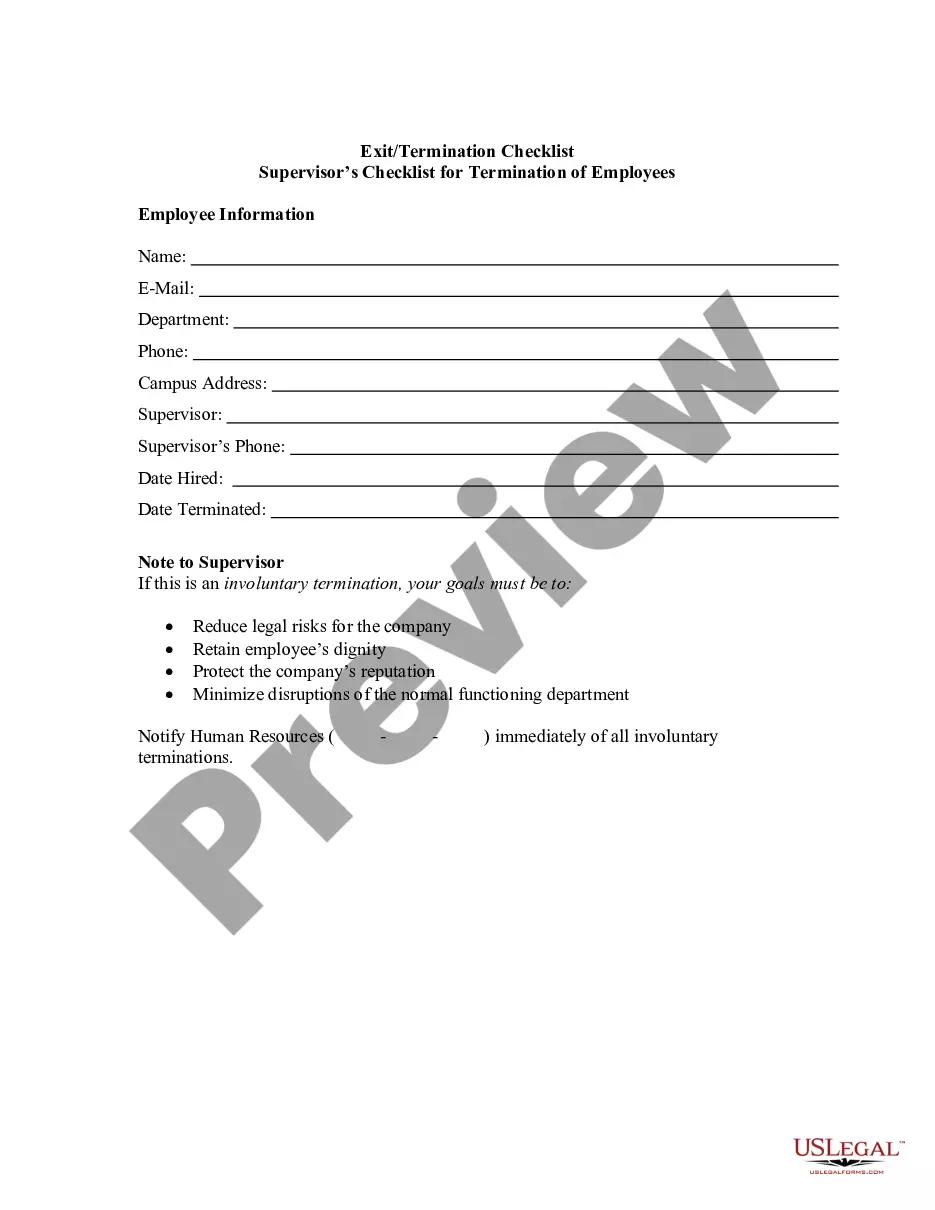
Get your form ready online
Our built-in tools help you complete, sign, share, and store your documents in one place.
Make edits, fill in missing information, and update formatting in US Legal Forms—just like you would in MS Word.
Download a copy, print it, send it by email, or mail it via USPS—whatever works best for your next step.
Sign and collect signatures with our SignNow integration. Send to multiple recipients, set reminders, and more. Go Premium to unlock E-Sign.
If this form requires notarization, complete it online through a secure video call—no need to meet a notary in person or wait for an appointment.
We protect your documents and personal data by following strict security and privacy standards.

Make edits, fill in missing information, and update formatting in US Legal Forms—just like you would in MS Word.

Download a copy, print it, send it by email, or mail it via USPS—whatever works best for your next step.

Sign and collect signatures with our SignNow integration. Send to multiple recipients, set reminders, and more. Go Premium to unlock E-Sign.

If this form requires notarization, complete it online through a secure video call—no need to meet a notary in person or wait for an appointment.

We protect your documents and personal data by following strict security and privacy standards.
Looking for another form?

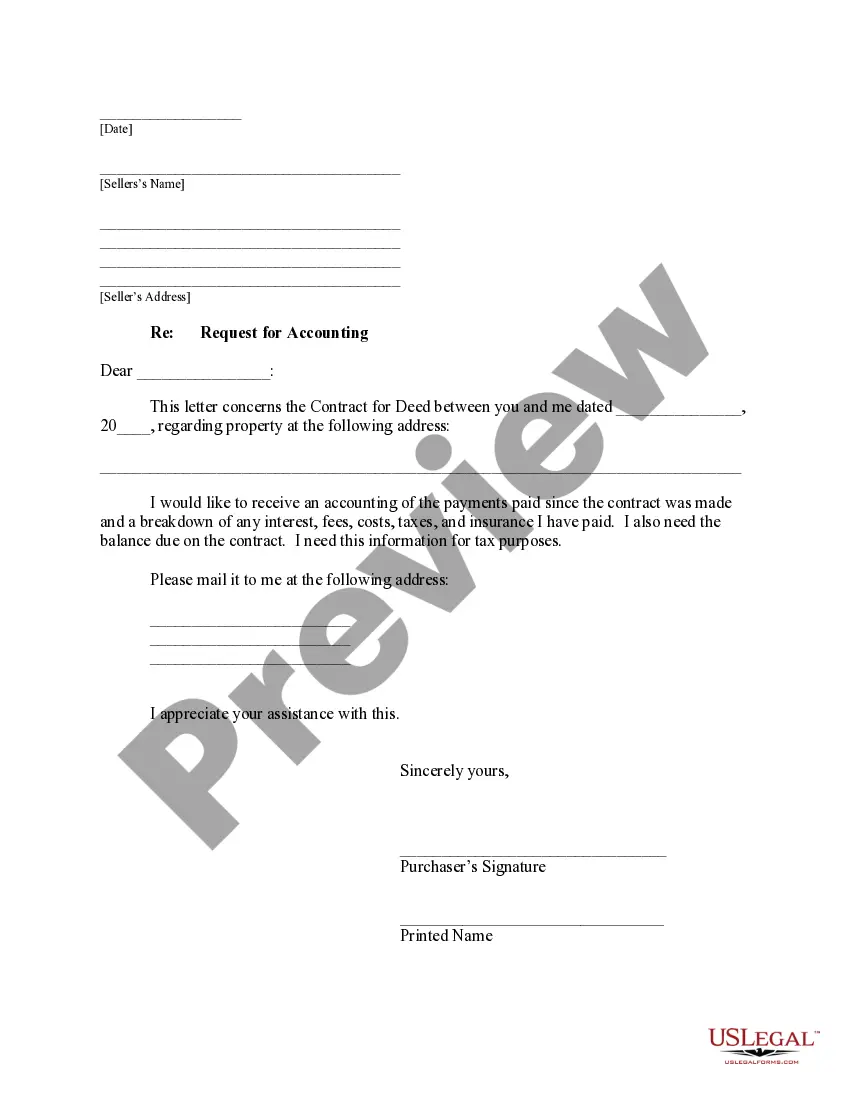
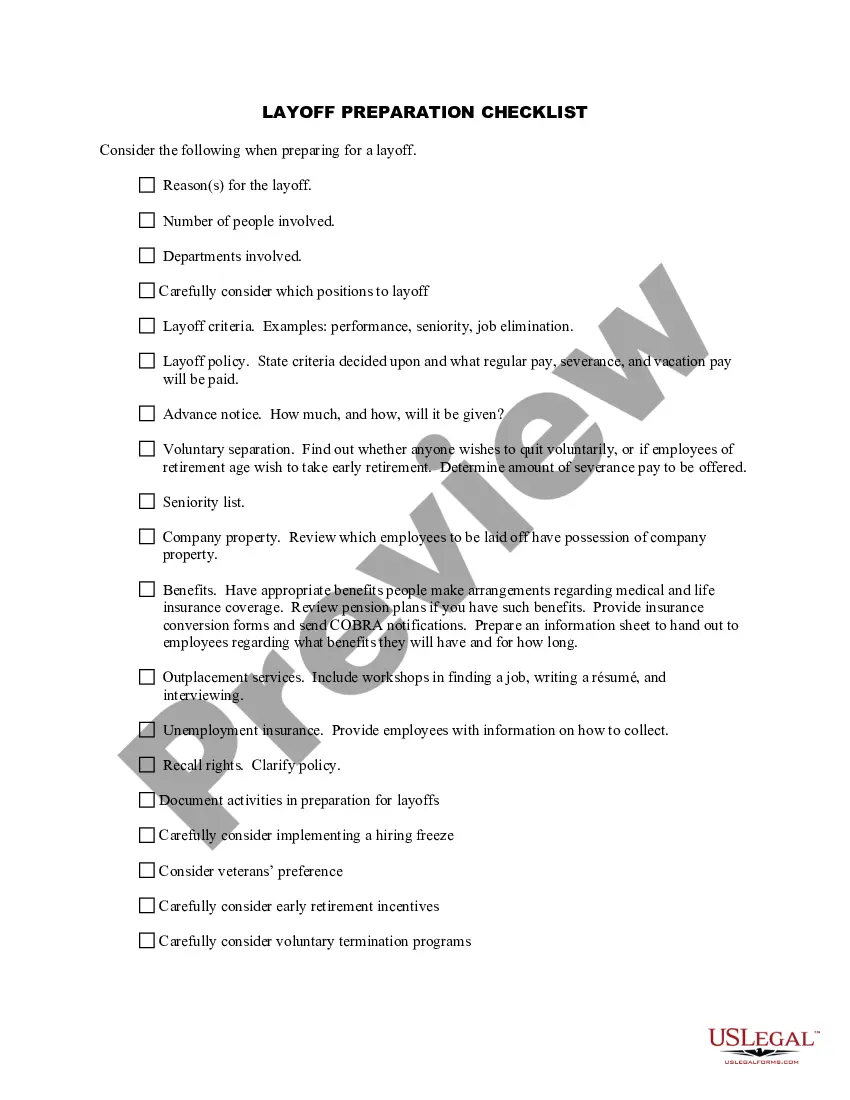
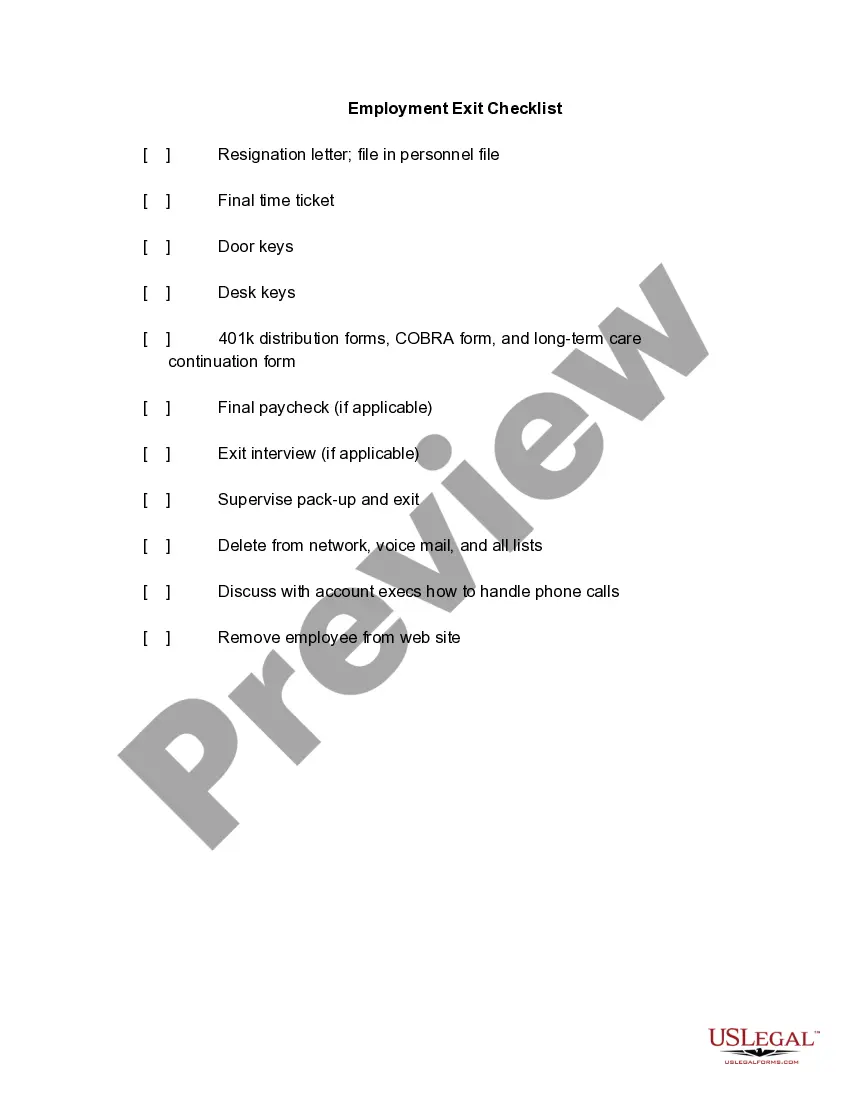
How to fill out Layoff Preparation Checklist?
Whether for business purposes or for personal matters, everyone has to manage legal situations at some point in their life. Filling out legal documents needs careful attention, beginning from picking the proper form sample. For example, when you select a wrong edition of the Lay Off Without Pay, it will be declined when you send it. It is therefore important to have a dependable source of legal papers like US Legal Forms.
If you need to get a Lay Off Without Pay sample, stick to these simple steps:
- Find the sample you need by utilizing the search field or catalog navigation.
- Check out the form’s description to ensure it suits your situation, state, and county.
- Click on the form’s preview to examine it.
- If it is the wrong document, go back to the search function to find the Lay Off Without Pay sample you need.
- Get the template when it meets your needs.
- If you have a US Legal Forms account, click Log in to gain access to previously saved templates in My Forms.
- If you don’t have an account yet, you may download the form by clicking Buy now.
- Select the proper pricing option.
- Complete the account registration form.
- Choose your transaction method: you can use a credit card or PayPal account.
- Select the document format you want and download the Lay Off Without Pay.
- When it is downloaded, you are able to fill out the form with the help of editing software or print it and finish it manually.
With a substantial US Legal Forms catalog at hand, you do not have to spend time seeking for the appropriate sample across the web. Make use of the library’s straightforward navigation to find the correct form for any situation.
Form popularity
FAQ
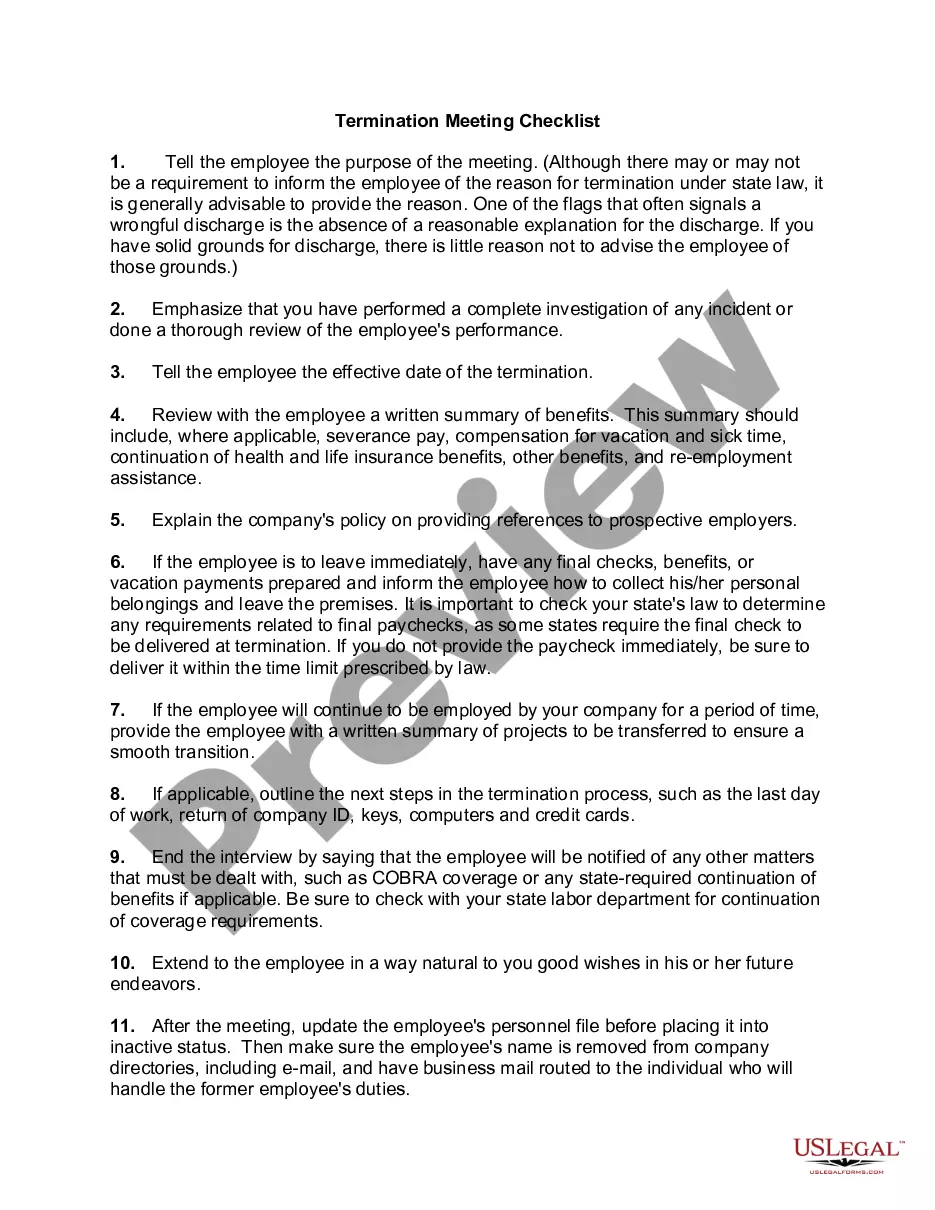
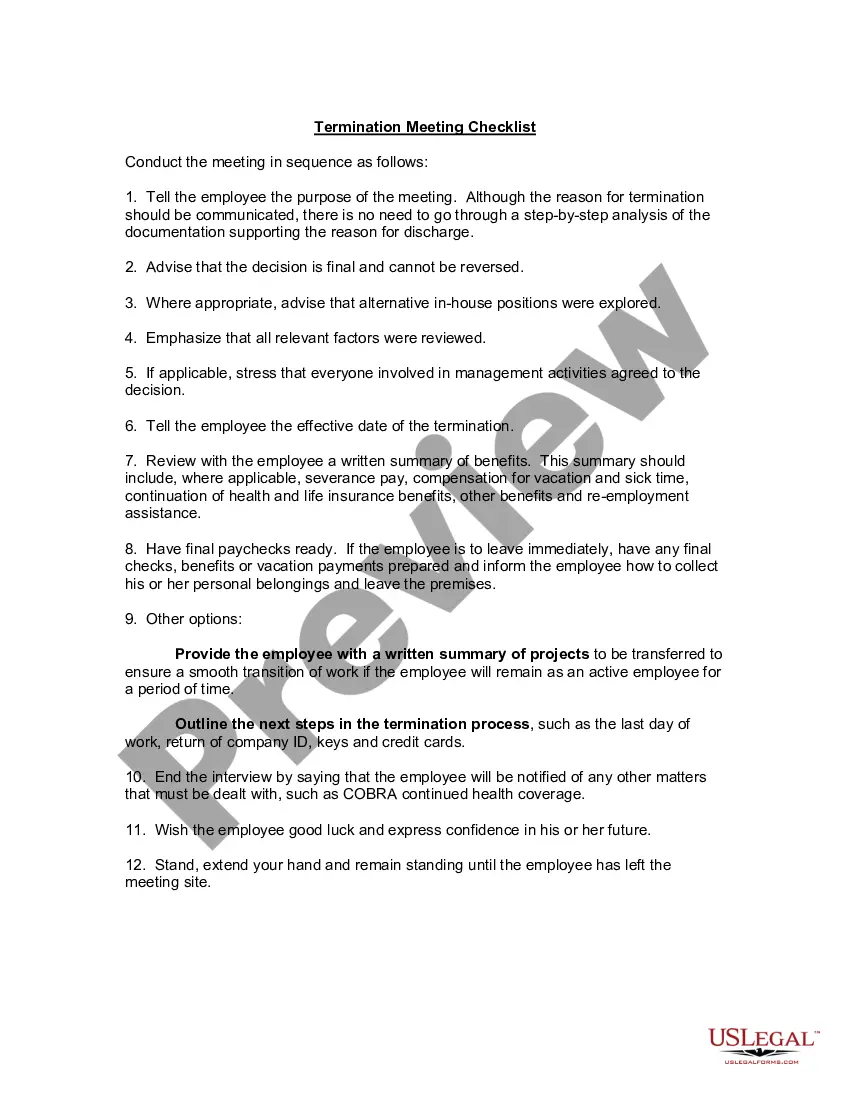
In most cases, companies aren't legally required to pay workers or offer benefits once their employment ends. But they're often motivated to do so to shield themselves from liability and to help defuse any hard feelings by tiding workers over while they search for new opportunities.
How to write a layoff letter Address the employee directly. Start your letter by addressing it directly to the employee. ... Be direct and concise. ... Express appreciation. ... Provide guidance. ... List relevant resources. ... Determine the time frame. ... Include your details.
Keep it simple: You do not need to give a lengthy explanation. Avoid the words ?I was fired.? Opt instead for ?I was let go? or ?We mutually agreed that it was not the right fit for both parties.? Talk about what you learned from it. For example: ?I took a role that was 100% remote and that wasn't the right fit for me.
What does ?Terminated without cause?? If you are terminated without cause, it means that your employer lets you go for any reason other than serious workplace misconduct. For instance, this reason could be economic-based, due to a company restructure, or because the company no longer requires someone to do your job.
Severance pay is often granted to employees upon termination of employment. It is usually based on length of employment for which an employee is eligible upon termination. There is no requirement in the Fair Labor Standards Act (FLSA) for severance pay.