Final Pay For Deceased Employee
Description
Get your form ready online
Our built-in tools help you complete, sign, share, and store your documents in one place.
Make edits, fill in missing information, and update formatting in US Legal Forms—just like you would in MS Word.
Download a copy, print it, send it by email, or mail it via USPS—whatever works best for your next step.
Sign and collect signatures with our SignNow integration. Send to multiple recipients, set reminders, and more. Go Premium to unlock E-Sign.
If this form requires notarization, complete it online through a secure video call—no need to meet a notary in person or wait for an appointment.
We protect your documents and personal data by following strict security and privacy standards.

Make edits, fill in missing information, and update formatting in US Legal Forms—just like you would in MS Word.

Download a copy, print it, send it by email, or mail it via USPS—whatever works best for your next step.

Sign and collect signatures with our SignNow integration. Send to multiple recipients, set reminders, and more. Go Premium to unlock E-Sign.

If this form requires notarization, complete it online through a secure video call—no need to meet a notary in person or wait for an appointment.

We protect your documents and personal data by following strict security and privacy standards.
Looking for another form?
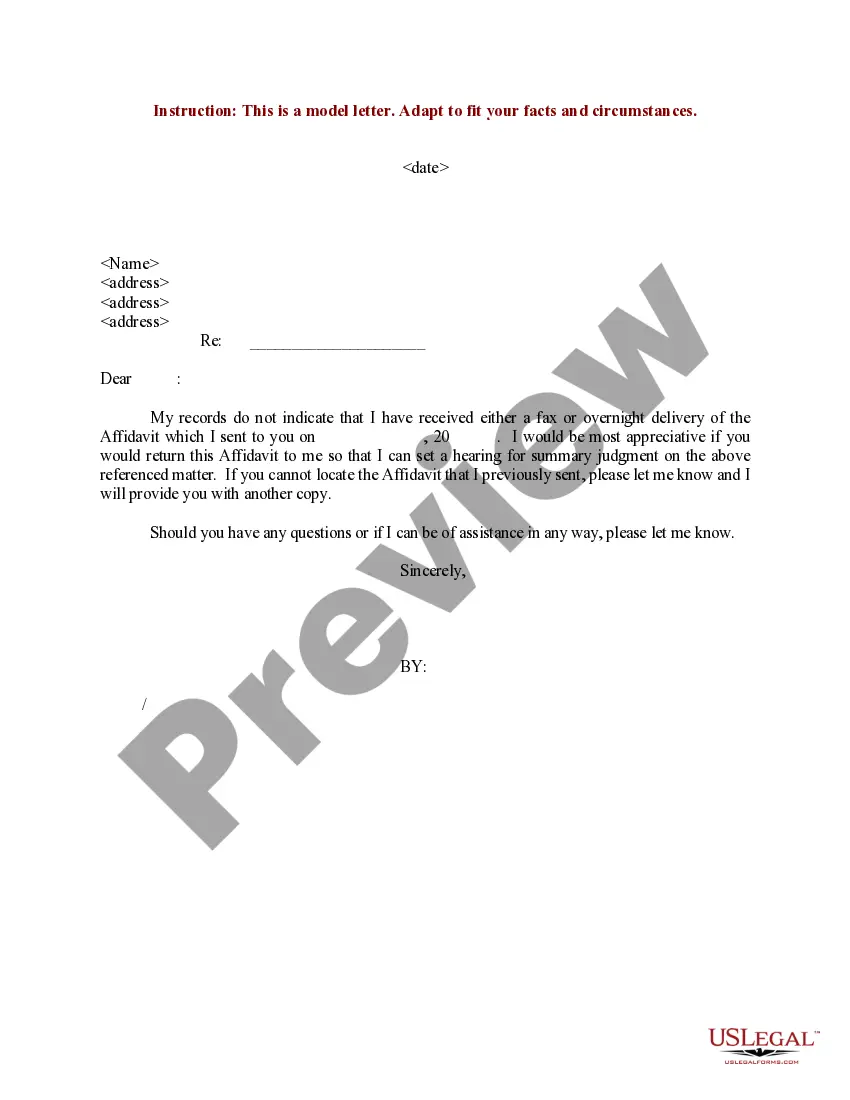


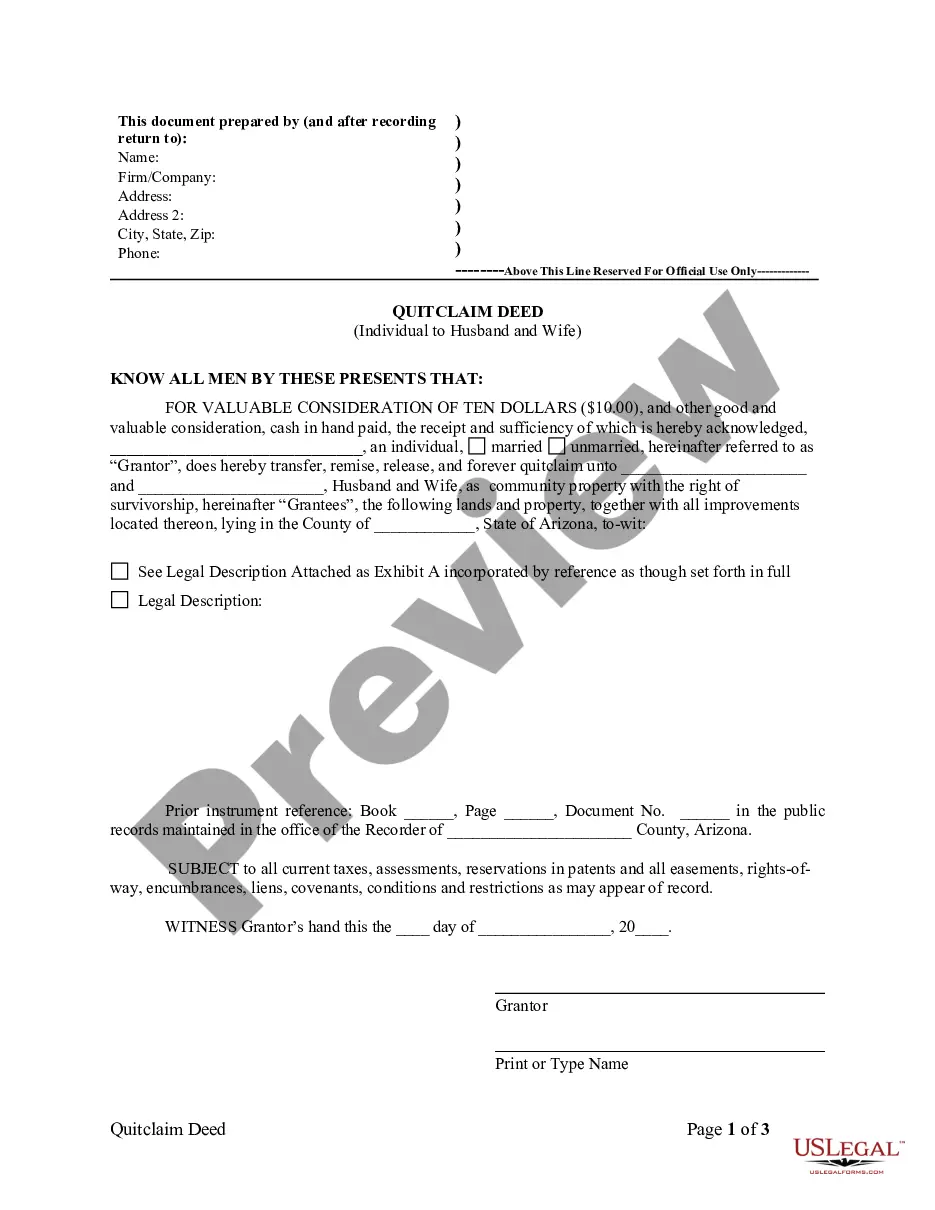



How to fill out Termination Meeting Checklist?
Regardless of whether it's for corporate reasons or personal issues, everyone eventually has to handle legal matters in their lifetime. Filling out legal documents requires meticulous care, starting with choosing the appropriate form template.
For example, if you select an incorrect edition of a Final Pay For Deceased Employee, it will be rejected upon submission. Therefore, it's crucial to obtain a trustworthy source for legal documents, such as US Legal Forms.
With an extensive catalog from US Legal Forms available, you never have to waste time searching for the correct template online. Utilize the library’s straightforward navigation to find the suitable template for any event.
- Acquire the necessary sample using the search box or browse the catalog.
- Review the description of the form to ensure it aligns with your needs, state, and locality.
- Click on the form’s preview to inspect it.
- If it turns out to be the incorrect form, return to the search feature to find the Final Pay For Deceased Employee sample you need.
- Download the file once it meets your criteria.
- If you already have a US Legal Forms account, simply click Log in to access previously stored documents in My documents.
- If you haven’t created an account yet, you can acquire the form by clicking Buy now.
- Select the appropriate pricing option.
- Complete the account registration form.
- Choose your payment method: a credit card or PayPal account.
- Select the desired file format and download the Final Pay For Deceased Employee.
- After downloading, you can fill out the form using editing software or print it and complete it by hand.
Form popularity
FAQ
When an employee dies, it is crucial to address the final pay for the deceased employee promptly. Start by verifying the employee's status and gathering necessary documentation, such as their final hours worked and any unused vacation or sick leave. Next, ensure that any applicable benefits are processed, as this will affect the final paycheck. Lastly, consider using platforms like US Legal Forms to streamline the paperwork and ensure compliance with legal requirements regarding the final pay for the deceased employee.
If an employee dies, the employer should first verify the details and then notify relevant parties, such as HR and payroll. Next, they should prepare to pay the final pay for the deceased employee accurately and promptly. Creating a compassionate environment for the family is crucial during this sensitive time. Employers may also want to review their policies and consider resources, like USLegalForms, to ensure lawful compliance during this process.
To make a final payment to a deceased employee, collect all outstanding wages and benefits owed. After determining the correct amount, issue the payment to the employee's estate or designated representative. Ensure to keep a record of this transaction for your business records. Utilizing resources from USLegalForms can help you create the necessary documentation to facilitate a smooth process regarding final pay for a deceased employee.
In Texas, the final paycheck for a deceased employee typically goes to the employee's estate or designated beneficiary. This means that the employer should issue the payment to the executor of the estate or the closest living relative. It's important to check legal documentation to ensure proper disbursement and compliance with state laws regarding the final pay for the deceased employee.
When an employee dies, the employer must handle the final pay for the deceased employee promptly. This includes figuring out any pay owed, such as wages or accrued vacation time. Additionally, the employer should provide necessary documentation for the family, such as W-2 forms. It's essential to communicate clearly with the employee's family to ensure they understand the process.
When an employee dies, the employer must handle several important steps to address the issue of final pay for the deceased employee. First, it's crucial to notify the relevant authorities and follow state laws regarding employee death. Next, the employer should review the deceased employee's paycheck status and ensure timely settlement of all outstanding wages, including any unused vacation or sick leave. Additionally, consult with legal or HR professionals to determine if any benefits, such as life insurance payouts, apply in this situation.
In the event wages are still owed the employee at the time of death, the employer must issue a check made to the beneficiary, successor, or to the estate of the employee. There may be tax implications, and you should consult with a tax expert before issuing the check.
First, cancel the check. Then, issue a new check to the employee's beneficiary or estate. You will still withhold any payroll taxes that the original paycheck was subject to. You should report the wages and payroll taxes on the deceased employee's W-2 Form with the year's wages and payroll tax withholdings.
An employee must complete the Last Warrant Designation form to designate an individual to receive their final pay for time worked and payment of leave balances in the event of the employee's death.
In California, employers should first inquire of the deceased employee's family of the deceased's estate will be subject to probate. If the estate will be probated (either due to the size of the estate or nature of assets), then the employer can issue the final paycheck to the estate of the deceased employee.