Position Exempt
Description
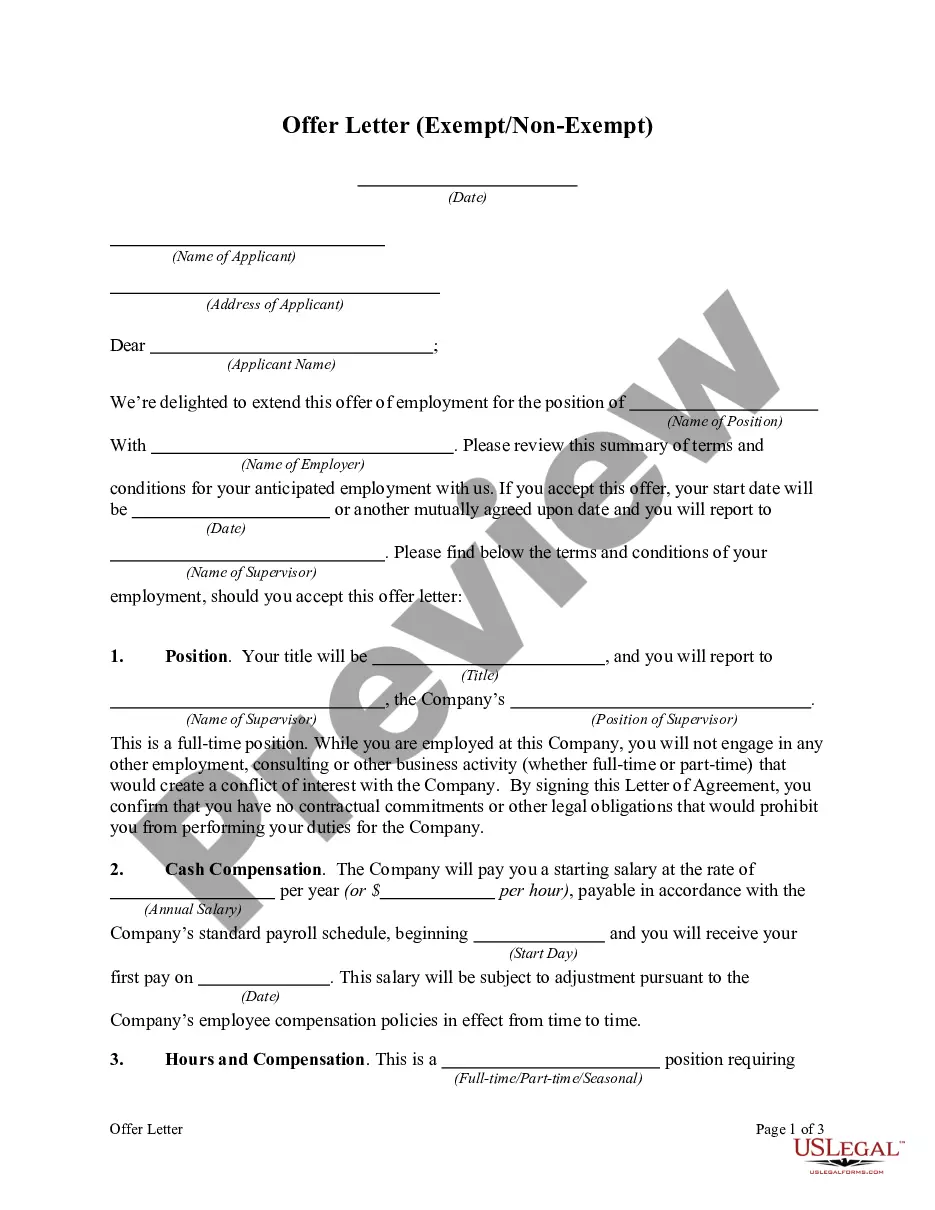
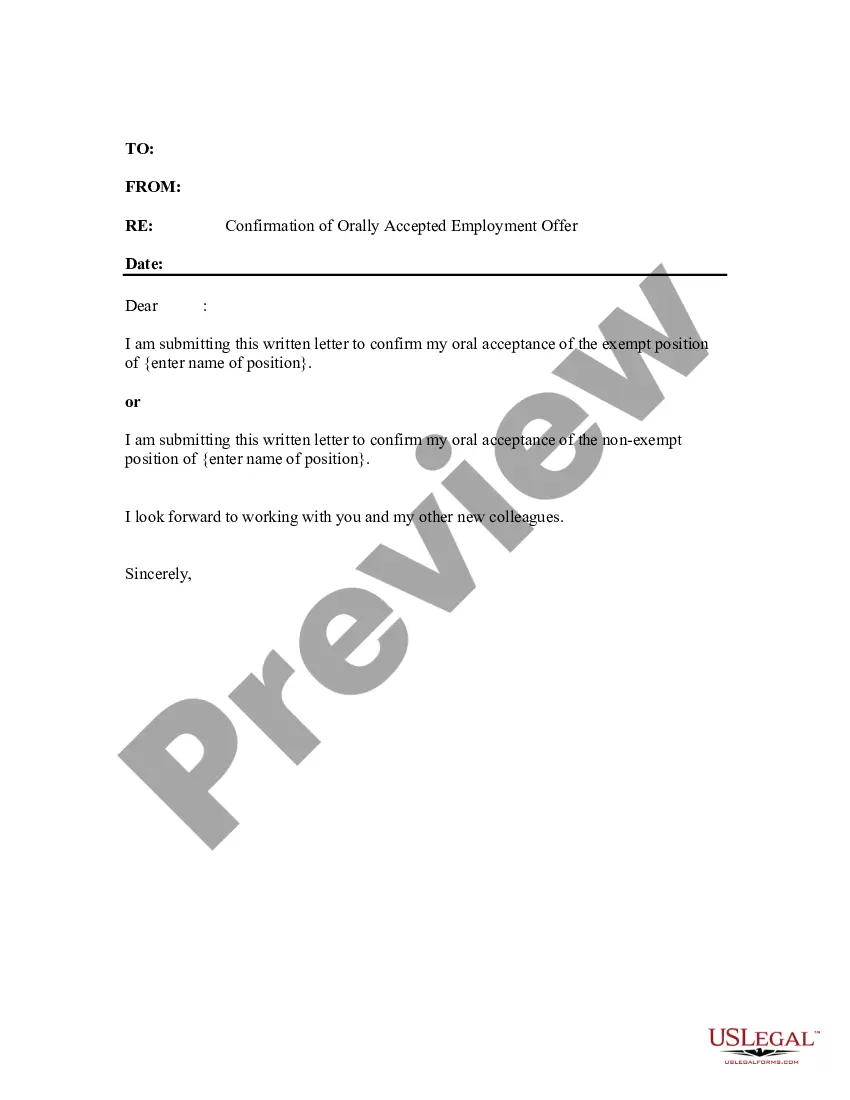
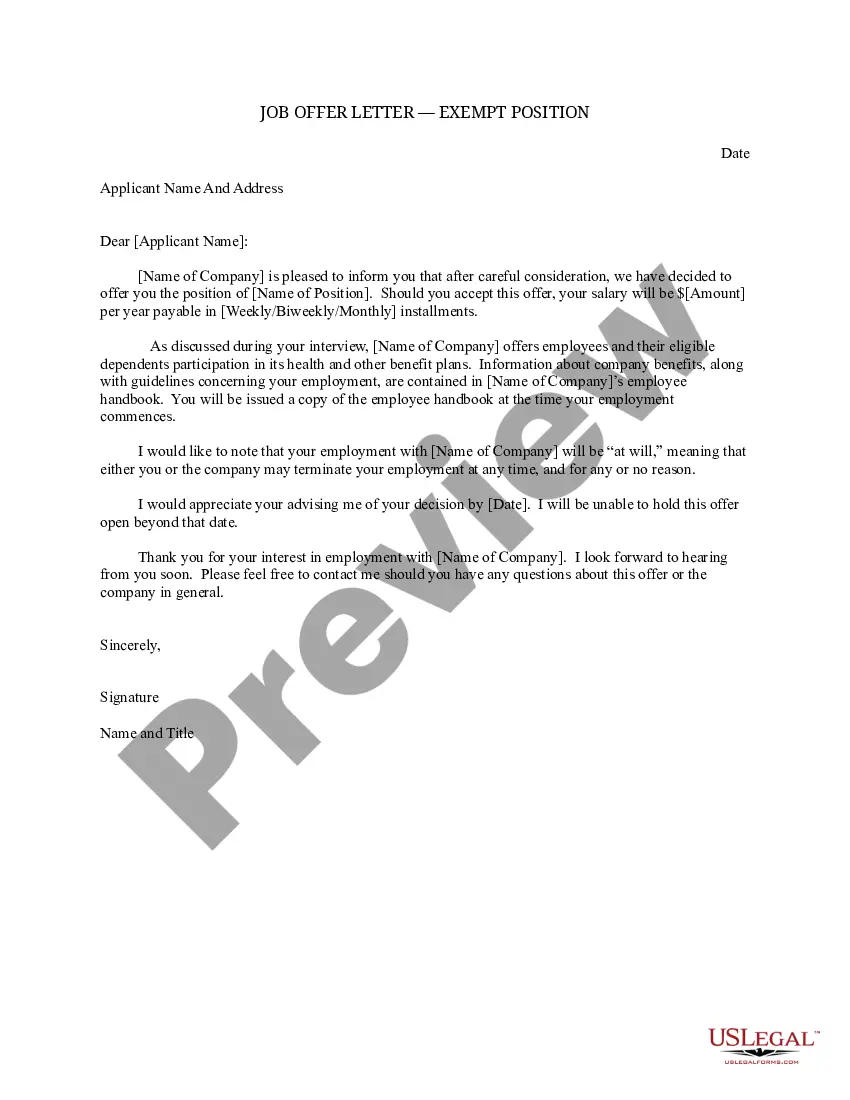
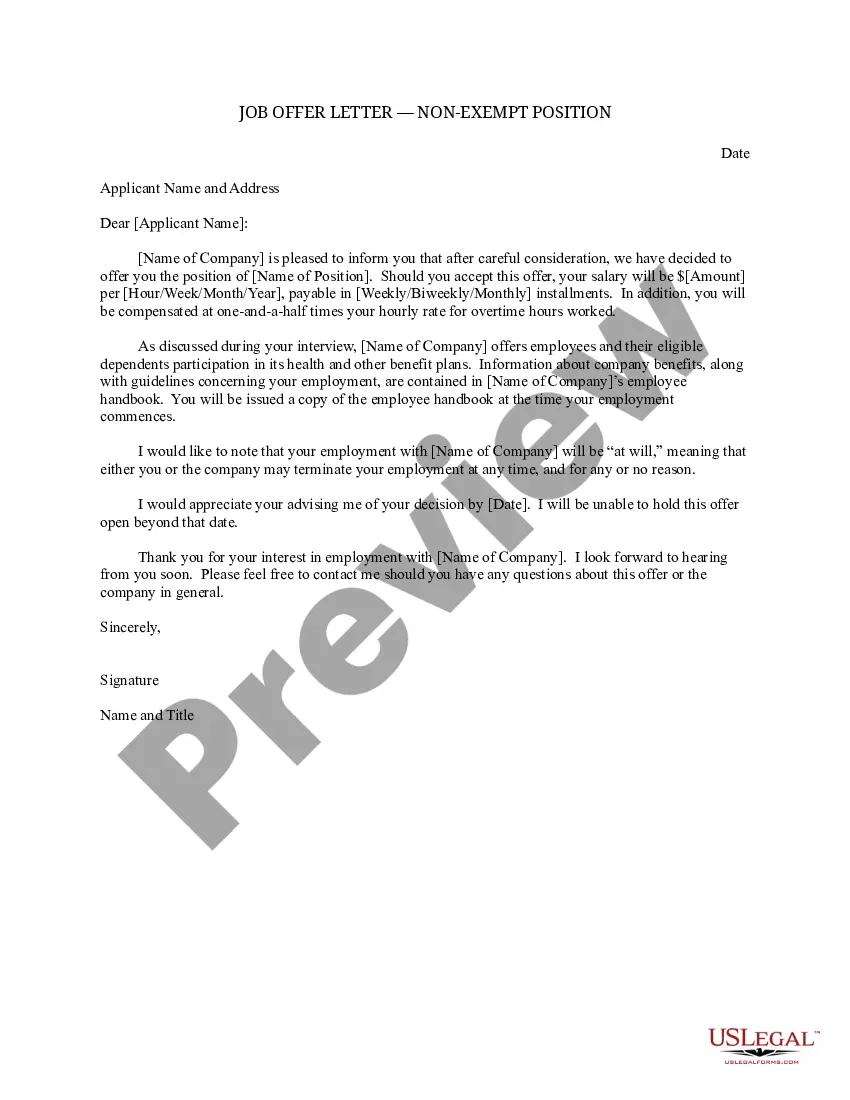
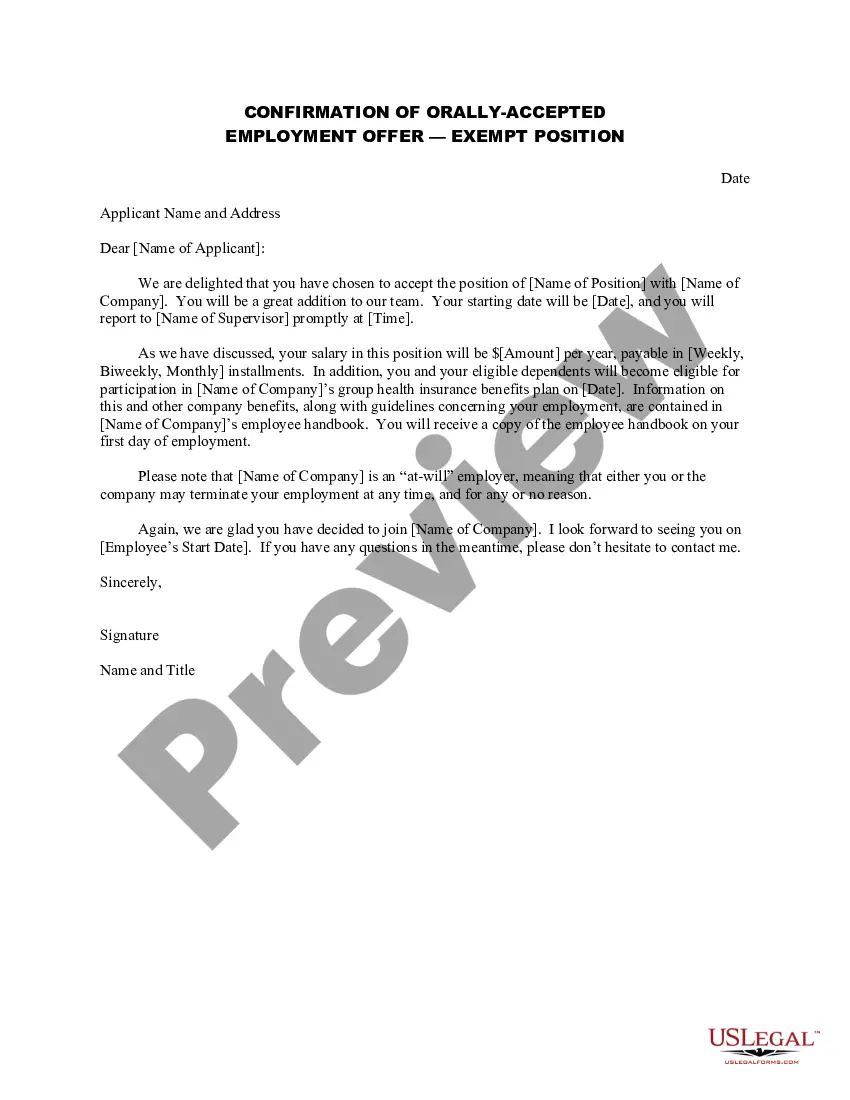

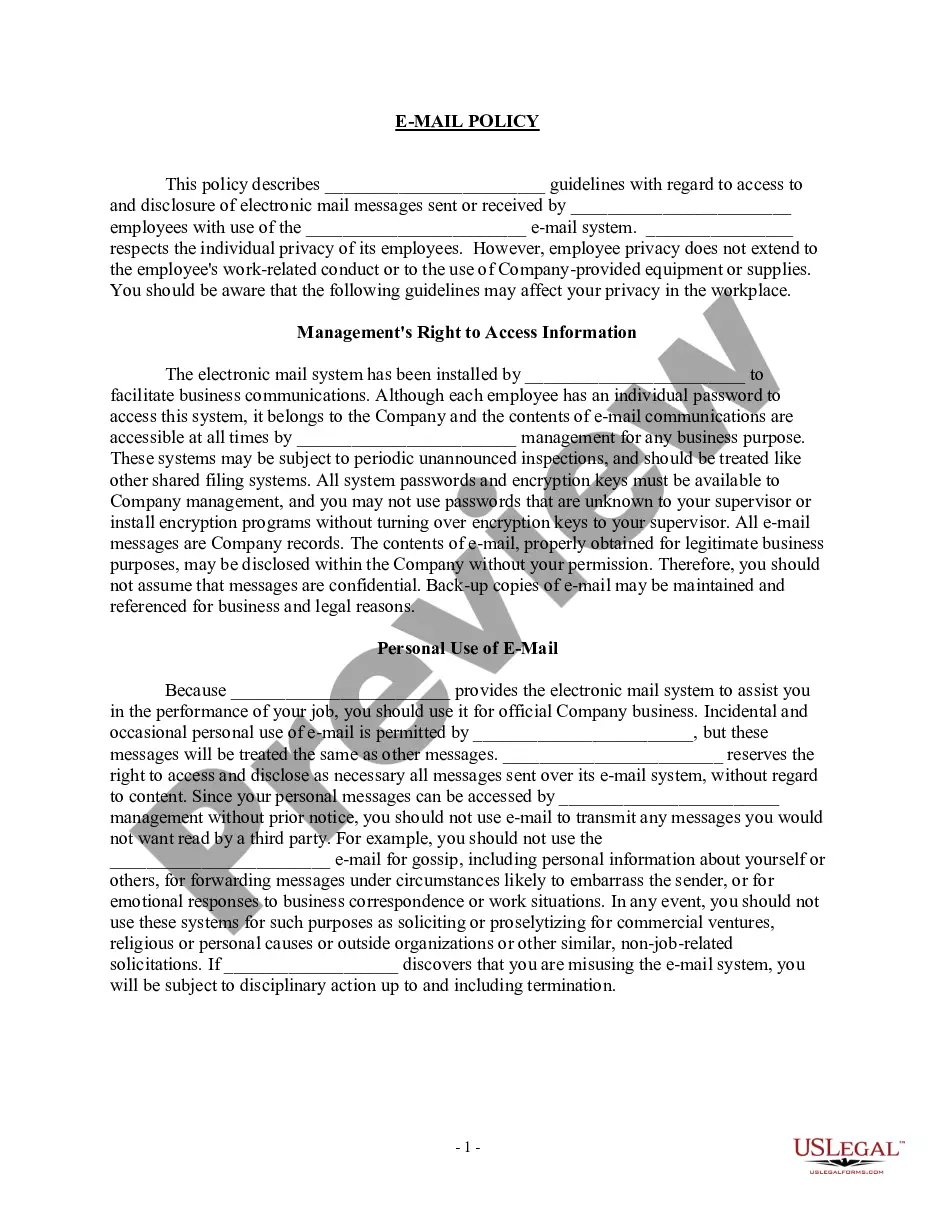
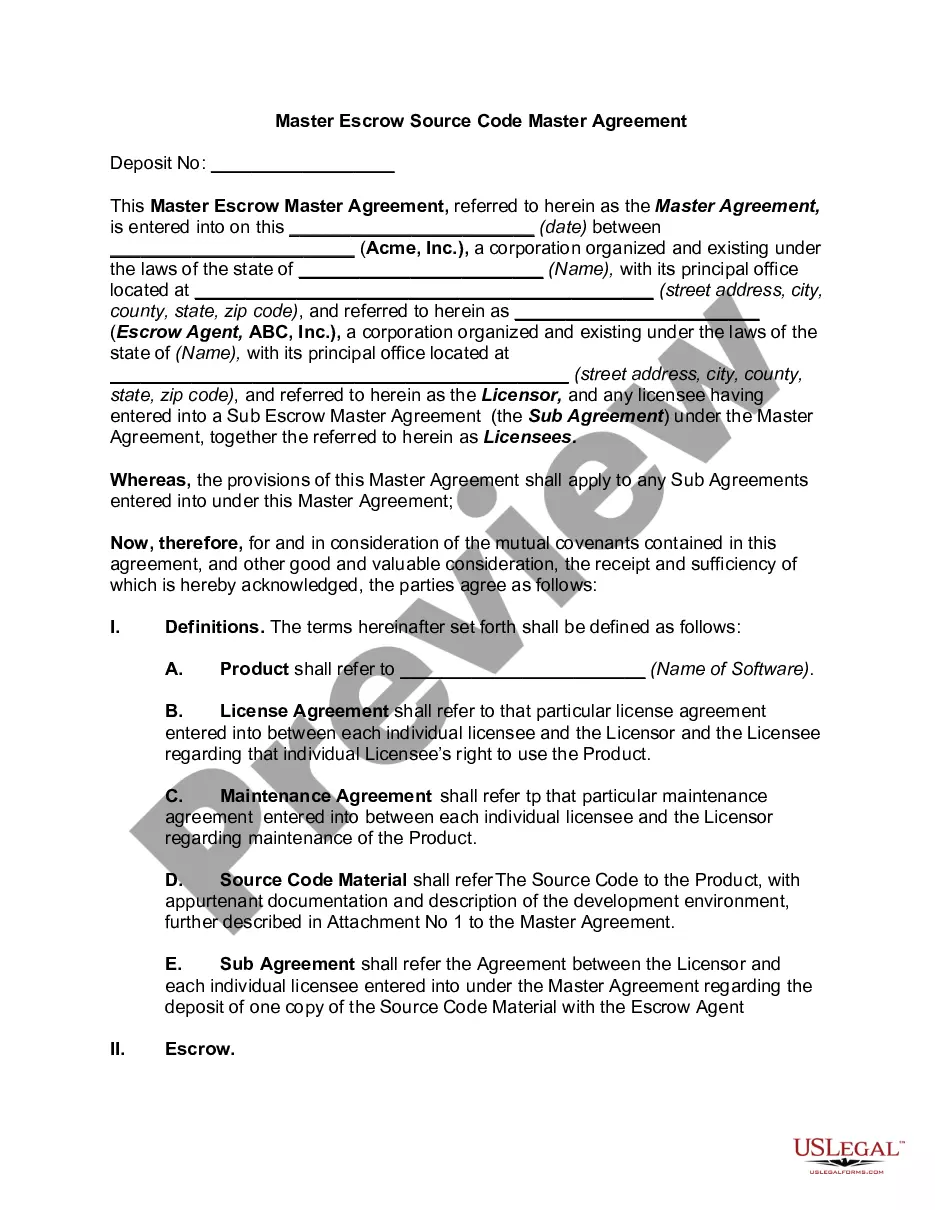
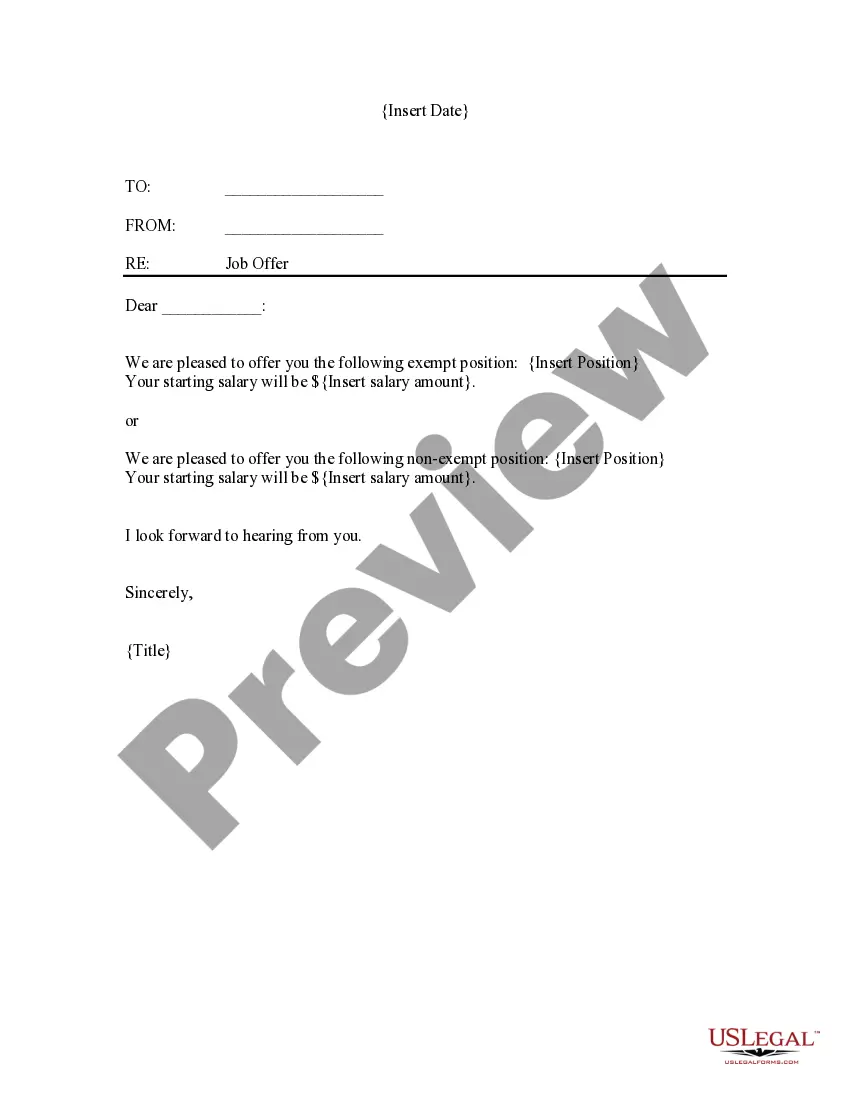
How to fill out Job Offer Letter - Exempt Or Nonexempt Position?
- If you are a returning user of US Legal Forms, log into your account and click the Download button to retrieve the desired template. Ensure your subscription is active; renew if necessary.
- For new users, start by browsing the extensive online library, containing over 85,000 editable legal forms. Check the Preview mode and form descriptions to confirm you've selected the right one according to your local jurisdiction.
- Should you require additional templates, utilize the Search tab at the top of the page to find alternatives that match your needs. Once satisfied, proceed to the next step.
- Click on the Buy Now button and choose the subscription plan that suits you. You’ll need to register your account to gain access to the full library of resources.
- Complete your purchase by entering your credit card information or opting for PayPal. This will secure your access to the necessary forms.
- Download your chosen document and save it on your device. You can always find it later in the My Forms section of your profile.
In conclusion, US Legal Forms simplifies the often tedious process of legal document preparation. With unparalleled access to a robust collection of forms and expert assistance, you can ensure that your documents are complete and accurate.
Don't hesitate to start your journey to legal efficiency today!
Form popularity
FAQ
Federal law, primarily the Fair Labor Standards Act, outlines the criteria for exempt employees. This law defines what qualifies a position exempt, including salary thresholds and specific job duties. Staying informed about these regulations helps you adequately classify employees and avoid potential legal challenges.
To make a role exempt, first evaluate if the position meets the job duties and salary tests required by law. If the role qualifies, ensure proper documentation and communication with your HR department for payroll adjustment. Additionally, properly defining the role's responsibilities helps establish its status as position exempt and avoid compliance issues.
An exempt position typically includes roles that meet specific salary thresholds and duties under the Fair Labor Standards Act. Common examples of exempt positions include executive, professional, and administrative roles. If you find a position aligns with these criteria, this may qualify the position exempt, allowing for different payroll regulations.
The three primary factors to determine if a position is exempt revolve around salary level, salary basis, and job duties. First, the employee's salary must exceed a certain threshold established by the Fair Labor Standards Act. Next, the job duties must meet specific criteria to classify the position exempt from minimum wage and overtime regulations.
To make your employee tax exempt, you must complete a new W-4 form and indicate the necessary allowances. Ensure your employee meets specific criteria for being classified as exempt. After this, submit the updated form to your payroll department. This process will assist you in classifying the position exempt for tax purposes.
When your position is deemed exempt, it signifies that you are not entitled to overtime compensation, regardless of the number of hours worked. This classification typically involves salaried employees engaged in tasks requiring specialized knowledge or managerial duties. Being exempt can imply a degree of autonomy and trust from your employer, as well as a commitment to fulfilling job responsibilities without a strict hourly schedule.
A position is considered salary exempt when it meets specific criteria regarding salary threshold and job responsibilities. Typically, this includes roles that require higher levels of expertise or management responsibilities that primarily involve strategic decision-making. Familiarizing yourself with these elements ensures that you understand the characteristics of a position exempt classification.
Deciding if a position is exempt requires a thorough review of the job responsibilities and applicable regulations. Focus on essential functions such as decision-making authority and the need for specialized knowledge. For clarity, leveraging resources such as the uslegalforms platform can help you navigate these decisions more effectively.
No, an employer cannot arbitrarily classify a position as exempt without justification. The classification must be based on specific duties that align with FLSA criteria. Misclassification can lead to legal issues, so it is crucial for employers to understand the definitions surrounding the position exempt classification.
Classifying a job as exempt or nonexempt involves analyzing the specific duties, salary, and nature of the work. Positions where employees hold managerial responsibilities or require advanced skills typically fall under the exempt category. Keeping detailed records and descriptions of job responsibilities can facilitate a clear classification process.