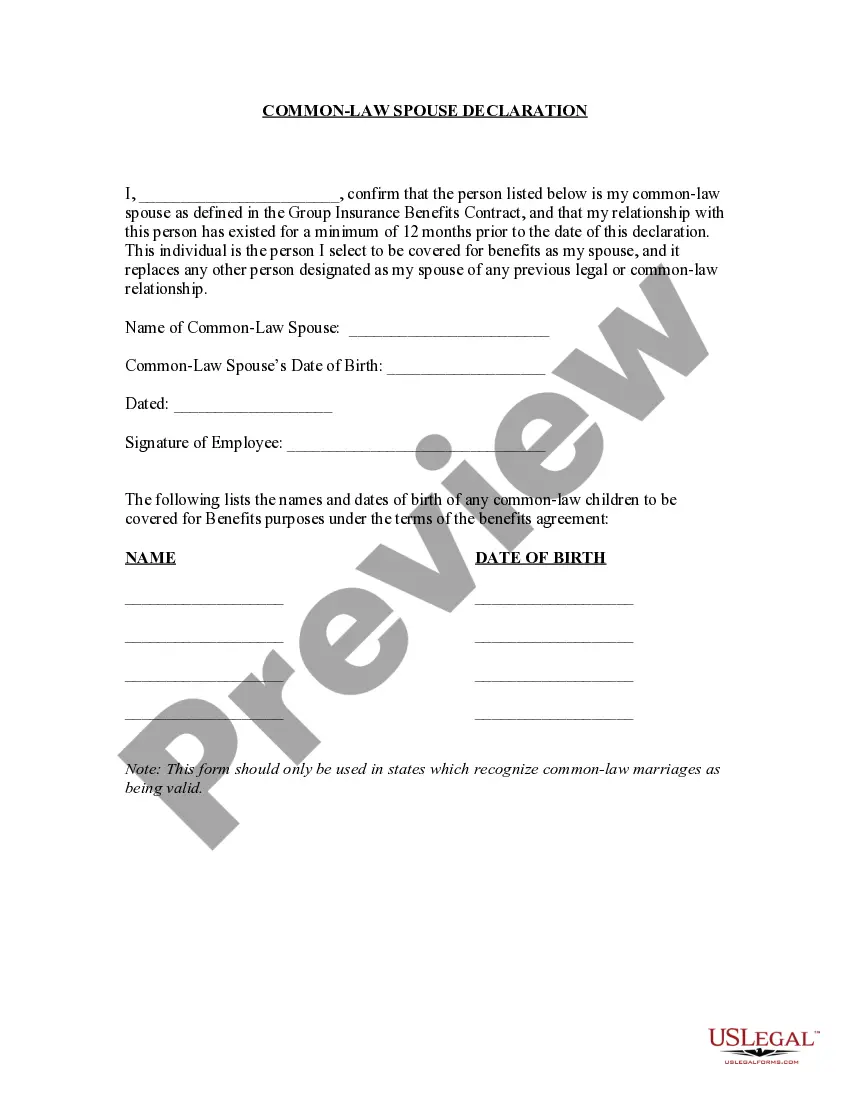
Marriages Common Recognize Without Divorce
Description
Get your form ready online
Our built-in tools help you complete, sign, share, and store your documents in one place.
Make edits, fill in missing information, and update formatting in US Legal Forms—just like you would in MS Word.
Download a copy, print it, send it by email, or mail it via USPS—whatever works best for your next step.
Sign and collect signatures with our SignNow integration. Send to multiple recipients, set reminders, and more. Go Premium to unlock E-Sign.
If this form requires notarization, complete it online through a secure video call—no need to meet a notary in person or wait for an appointment.
We protect your documents and personal data by following strict security and privacy standards.

Make edits, fill in missing information, and update formatting in US Legal Forms—just like you would in MS Word.

Download a copy, print it, send it by email, or mail it via USPS—whatever works best for your next step.

Sign and collect signatures with our SignNow integration. Send to multiple recipients, set reminders, and more. Go Premium to unlock E-Sign.

If this form requires notarization, complete it online through a secure video call—no need to meet a notary in person or wait for an appointment.

We protect your documents and personal data by following strict security and privacy standards.
Looking for another form?
How to fill out Common Law Spouse Or Marriage Declaration Or Affidavit?
Accessing legal document examples that comply with federal and state regulations is essential, and the internet provides numerous choices to select from.
However, what's the purpose of spending time hunting for the properly drafted Marriages Common Recognize Without Divorce example online if the US Legal Forms digital library already has such templates consolidated in one location.
US Legal Forms is the most comprehensive online legal repository with over 85,000 editable templates crafted by lawyers for any business and personal requirement.
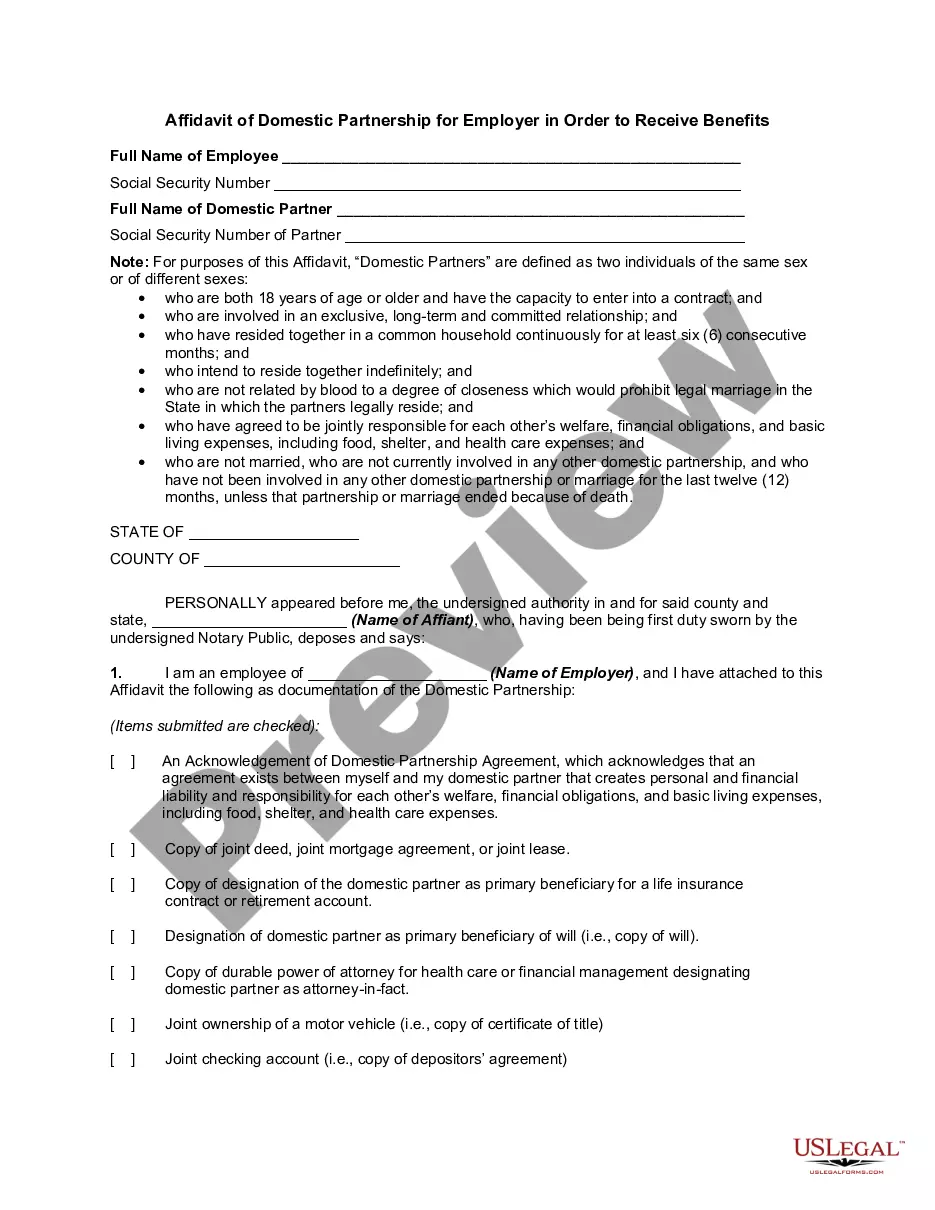
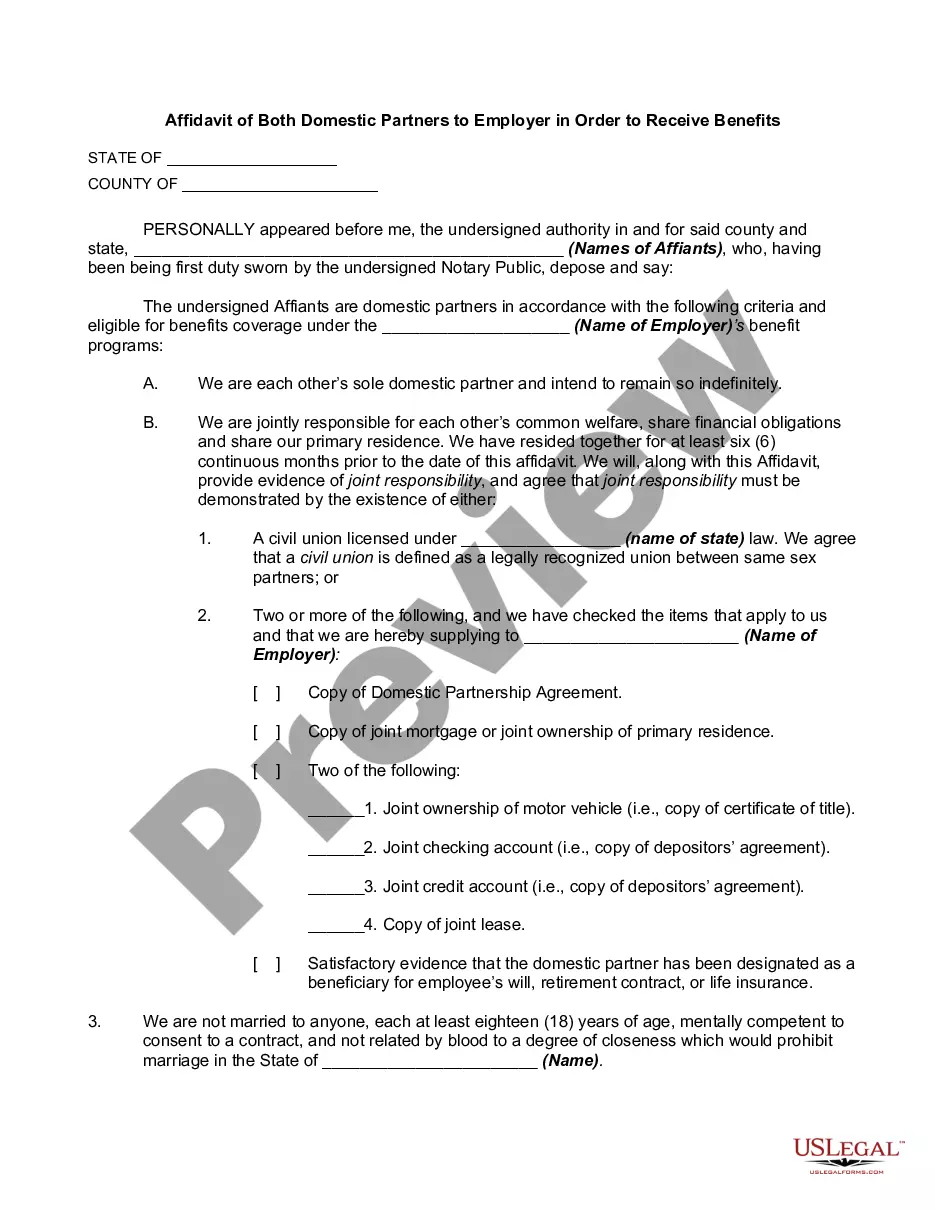
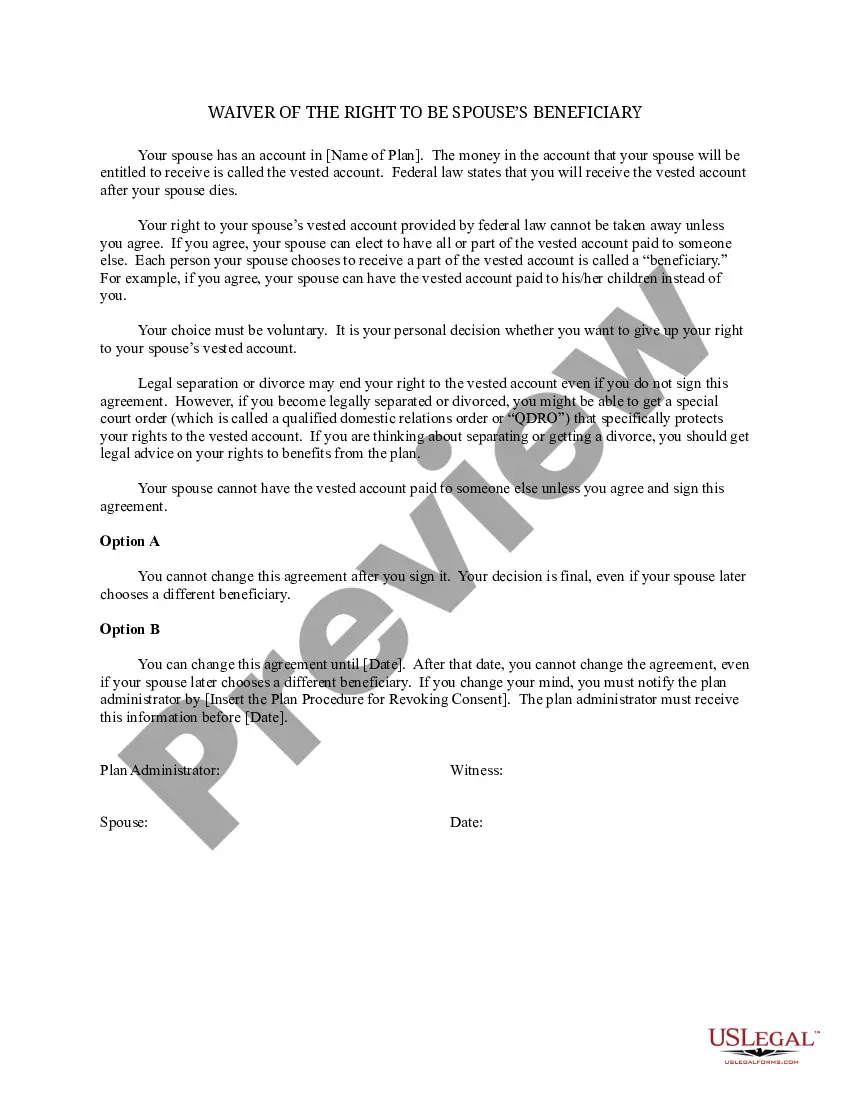
Review the template using the Preview option or through the text description to ensure it meets your requirements.
- They are straightforward to navigate with all files categorized by state and intended use.
- Our experts stay updated with legislative changes, ensuring that your form is current and compliant when obtaining a Marriages Common Recognize Without Divorce from our site.
- Acquiring a Marriages Common Recognize Without Divorce is fast and straightforward for both existing and new clients.
- If you already possess an account with an active subscription, Log In and save the document example you require in your desired format.
- If you are new to our site, follow the instructions below.
Form popularity
FAQ
Property Deeds showing title to property held jointly by both parties in the common-law marriage. Bank statements and checks showing joint ownership of the accounts. Loan documents, leases, mortgages, and promissory notes that show joint financial obligations of the parties.
To be considered physically present at a marriage ceremony, both parties (e.g. sponsor and spouse or principal applicant and accompanying spouse) must have participated in a wedding ceremony in person.
2/3 "Married-physically present" and "Married-not physically present" refers to whether the person was physically present at their marriage ceremony, or if it was a proxy, telephone, fax, internet or similar marriage where one or both parties weren't physically present.
Eight states currently recognize common law marriages: Colorado, Iowa, Kansas, Montana, New Hampshire, South Carolina, Texas, and Utah. There are also some states such as Ohio and Pennsylvania that used to allow common law marriages and still recognize them as valid, but they have since changed their laws.
The law states that marriage is a legal binding contract, and, by marrying again, you're breaking your contract and entering into the second illegally. Bigamy is a class C felony, which means that if you're convicted, you could receive a fine of up to $100,000 or imprisonment for up to 40 years.