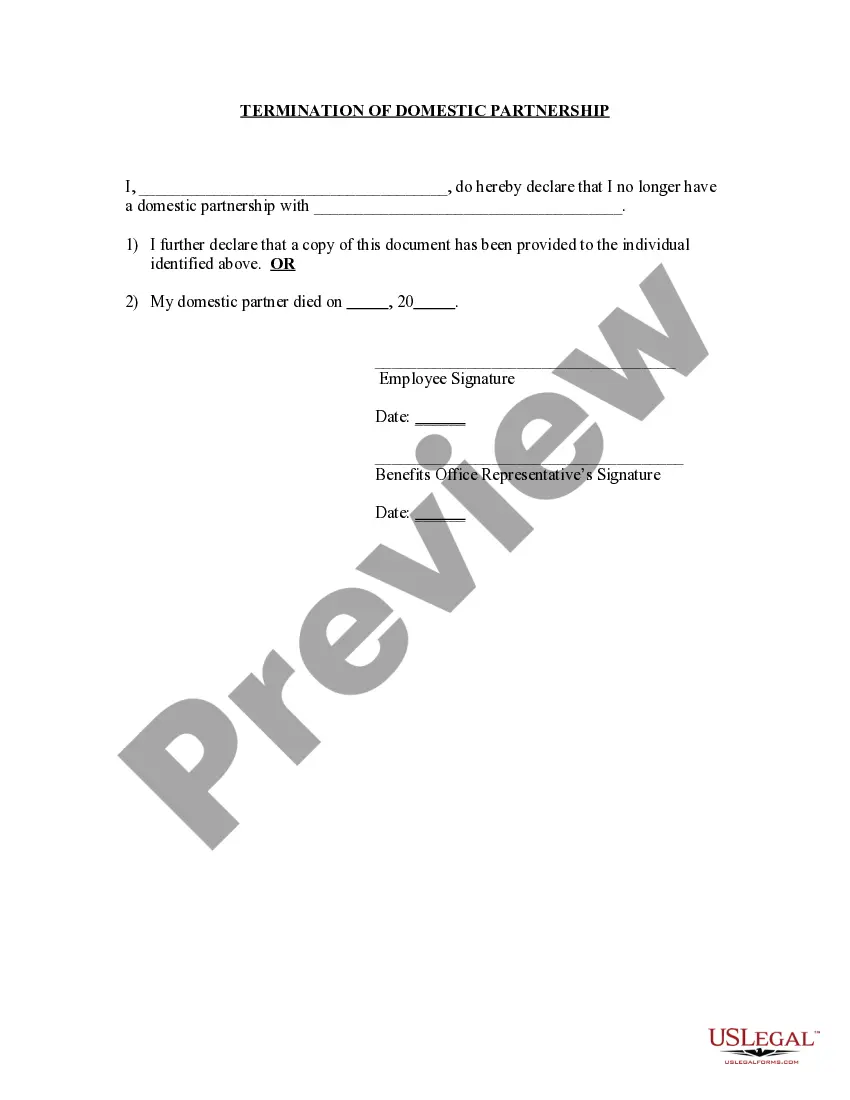
Work Termination
Description
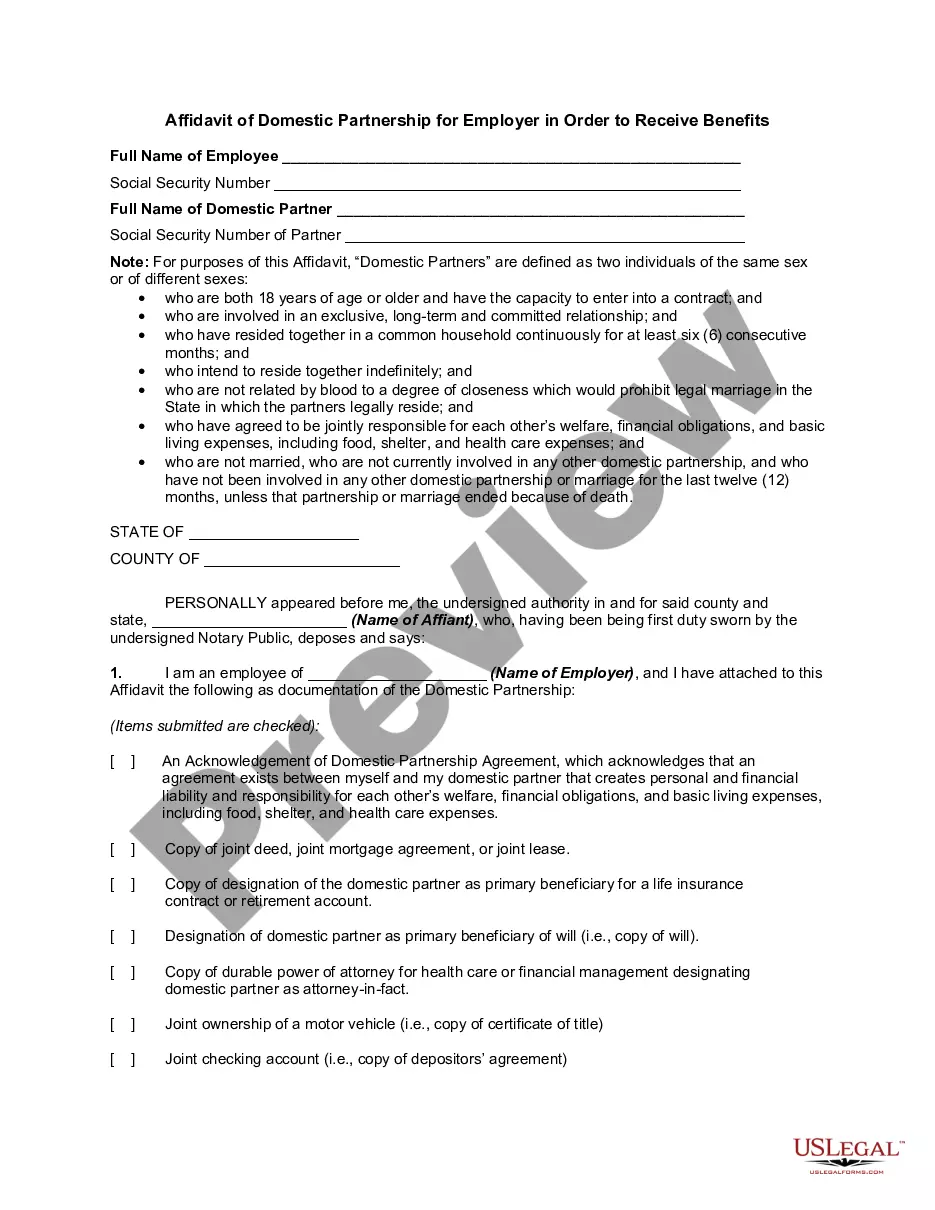
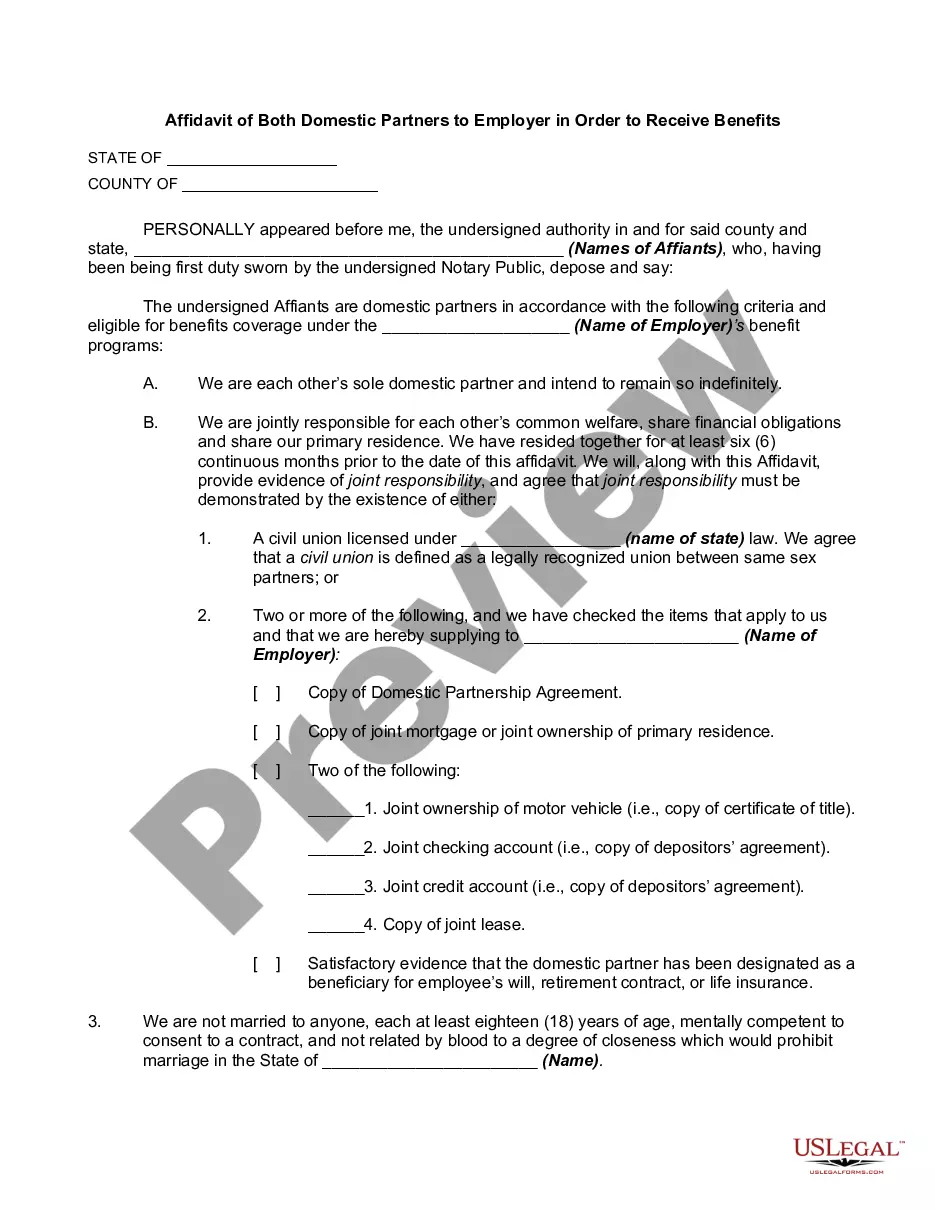
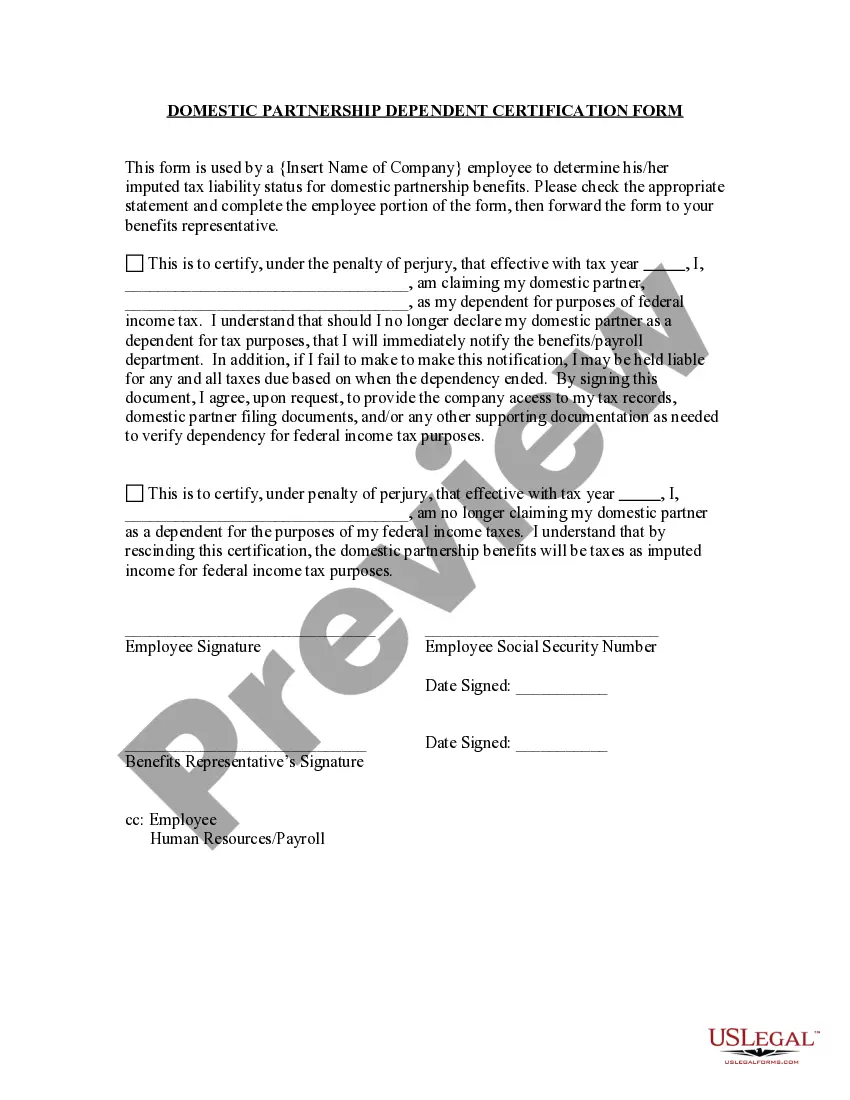
Get your form ready online
Our built-in tools help you complete, sign, share, and store your documents in one place.
Make edits, fill in missing information, and update formatting in US Legal Forms—just like you would in MS Word.
Download a copy, print it, send it by email, or mail it via USPS—whatever works best for your next step.
Sign and collect signatures with our SignNow integration. Send to multiple recipients, set reminders, and more. Go Premium to unlock E-Sign.
If this form requires notarization, complete it online through a secure video call—no need to meet a notary in person or wait for an appointment.
We protect your documents and personal data by following strict security and privacy standards.

Make edits, fill in missing information, and update formatting in US Legal Forms—just like you would in MS Word.

Download a copy, print it, send it by email, or mail it via USPS—whatever works best for your next step.

Sign and collect signatures with our SignNow integration. Send to multiple recipients, set reminders, and more. Go Premium to unlock E-Sign.

If this form requires notarization, complete it online through a secure video call—no need to meet a notary in person or wait for an appointment.

We protect your documents and personal data by following strict security and privacy standards.
Looking for another form?

How to fill out Termination Of Domestic Partnership?
- Log in to your US Legal Forms account if you are a returning user. Verify that your subscription is active before proceeding.
- Explore the 'Preview' mode to examine form descriptions. Confirm that you select the form that aligns with your pre-requisites and complies with your local laws.
- If necessary, utilize the Search feature to find alternate templates should the current selection not meet your requirements.
- Initiate your purchase by clicking 'Buy Now' and select a subscription plan that suits your needs. Make sure to set up your account to access the complete library.
- Complete the payment process using either a credit card or PayPal to finalize your subscription.
- Download the completed form to your device, so you can fill it out as needed. Retrieve it anytime from the 'My Forms' section of your profile.
In conclusion, US Legal Forms serves as an invaluable resource for any individual or attorney facing work termination scenarios. By following these straightforward steps, you'll ensure that your legal documents are accurate and compliant.
Ready to simplify your legal documentation? Visit US Legal Forms today!
Form popularity
FAQ
While 'terminate' and 'fired' are often used interchangeably, there can be subtle differences. 'Terminate' might imply a formal process ending employment, while 'fired' typically refers to dismissal over a specific issue. Regardless of terminology, both result in work termination, and understanding your situation is essential.
In many cases, employers can terminate employees without prior warning due to at-will employment policies. However, best practices often encourage providing warnings or a chance for improvement first. Understanding your rights and seeking legal advice can clarify the process of work termination.
Workers can face termination for various reasons, such as lack of productivity, failure to comply with workplace standards, or behavioral issues. Additionally, economic factors, restructuring, and layoffs can also result in termination. Understanding your workplace’s expectations can help improve job security.
To terminate an employee, employers typically need valid cause, which may include documented performance issues or misconduct. In many states, ensuring compliance with labor laws and workplace policies is also crucial. Always consider consulting a legal professional for best practices regarding work termination.
Winning a wrongful termination case often involves demonstrating that your dismissal was illegal or violated an employment contract. Gathering evidence such as emails, performance reviews, and witness statements can support your claim. Consulting legal resources, like the UsLegalForms platform, can provide valuable assistance and guidance.
The primary reason for work termination tends to be poor job performance. Employers generally seek employees who meet productivity standards and achieve their goals. Consistent failure to perform may lead to a decision to end employment.
You can face work termination for various reasons. Common causes include poor performance, violating company policies, or engaging in unacceptable behavior. Keeping open communication with your employer can often help prevent misunderstandings that lead to termination.
To politely terminate employment, express gratitude for the employee’s contributions and provide an honest explanation for the decision. Use a compassionate tone and offer support where necessary. This respectful approach is essential during discussions of work termination.
In writing a termination of employment, start with the date, followed by employee details, and state the reason clearly. Keep the tone professional and ensure you include next steps for the employee. This helps both parties manage the effects of work termination.
When terminating an employee, it’s important to be clear and concise. You might say, 'We have decided to end your employment due to specific reasons, which we will discuss.' This transparency helps manage expectations around work termination.