Domestic Partnership Partner For The Law
Description
Get your form ready online
Our built-in tools help you complete, sign, share, and store your documents in one place.
Make edits, fill in missing information, and update formatting in US Legal Forms—just like you would in MS Word.
Download a copy, print it, send it by email, or mail it via USPS—whatever works best for your next step.
Sign and collect signatures with our SignNow integration. Send to multiple recipients, set reminders, and more. Go Premium to unlock E-Sign.
If this form requires notarization, complete it online through a secure video call—no need to meet a notary in person or wait for an appointment.
We protect your documents and personal data by following strict security and privacy standards.

Make edits, fill in missing information, and update formatting in US Legal Forms—just like you would in MS Word.

Download a copy, print it, send it by email, or mail it via USPS—whatever works best for your next step.

Sign and collect signatures with our SignNow integration. Send to multiple recipients, set reminders, and more. Go Premium to unlock E-Sign.

If this form requires notarization, complete it online through a secure video call—no need to meet a notary in person or wait for an appointment.

We protect your documents and personal data by following strict security and privacy standards.
Looking for another form?


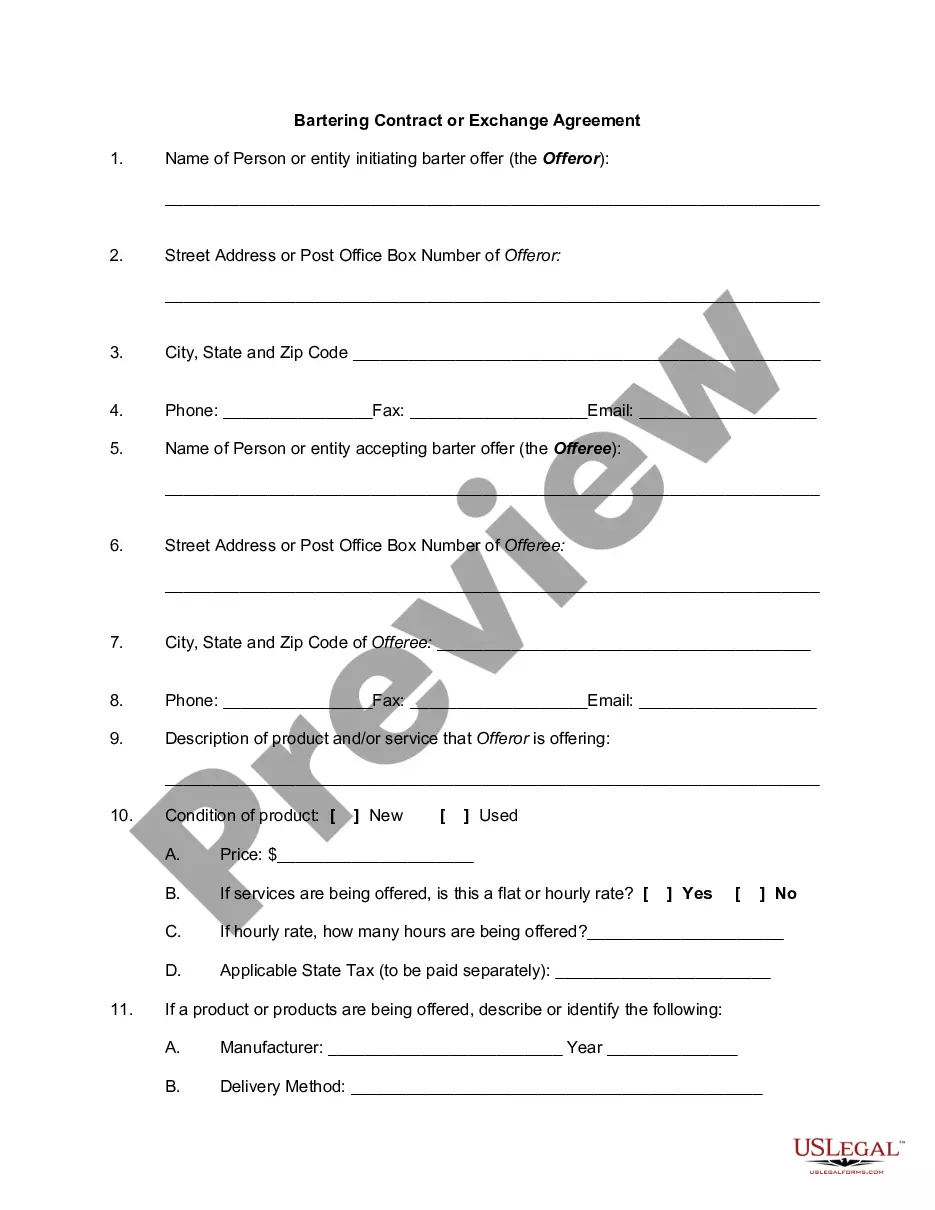


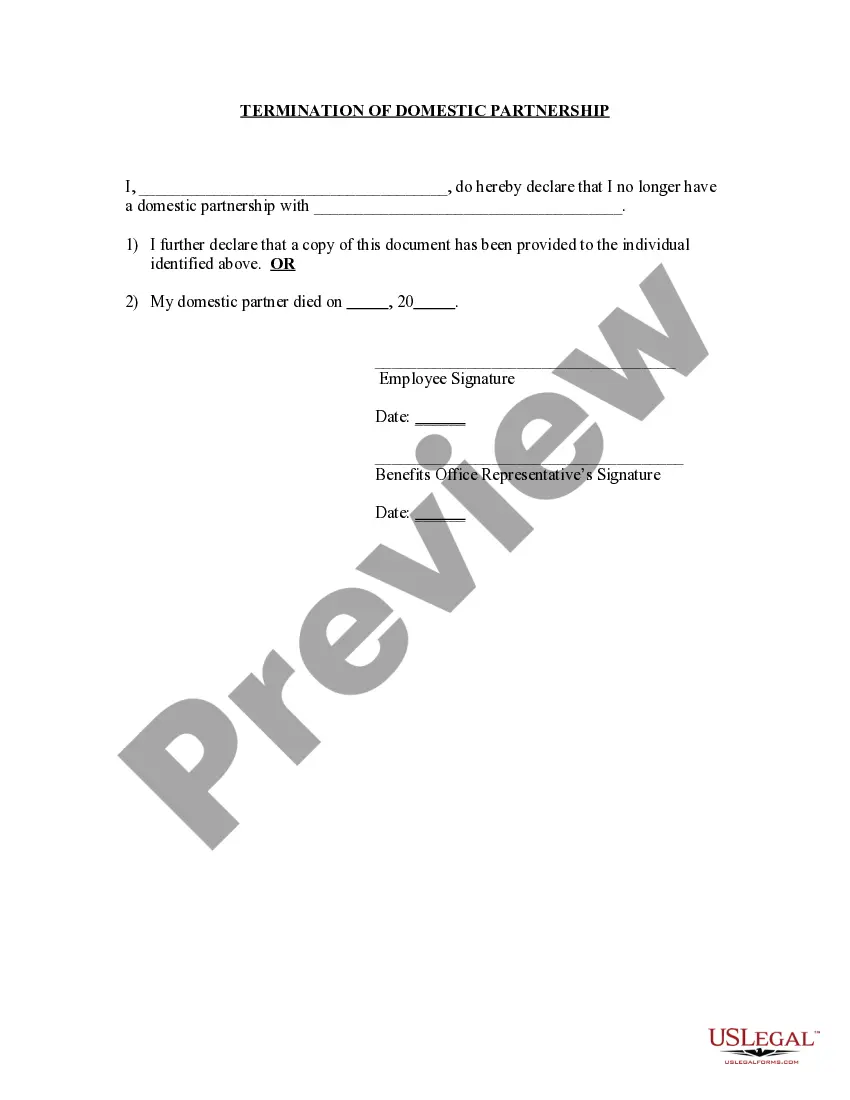
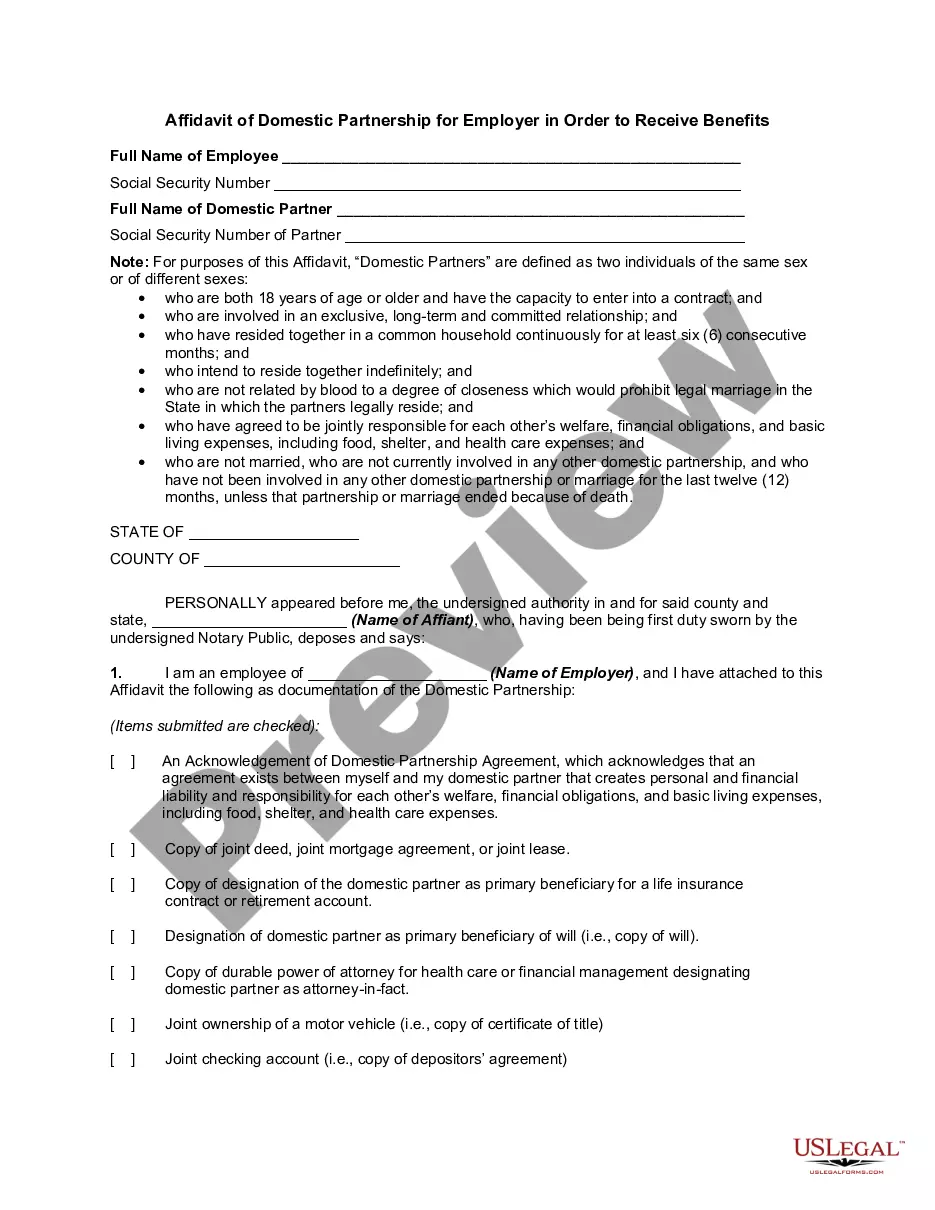
How to fill out Termination Of Domestic Partnership?
- Log into your US Legal Forms account if you’ve used our service before. Ensure your subscription is active; renew it if necessary.
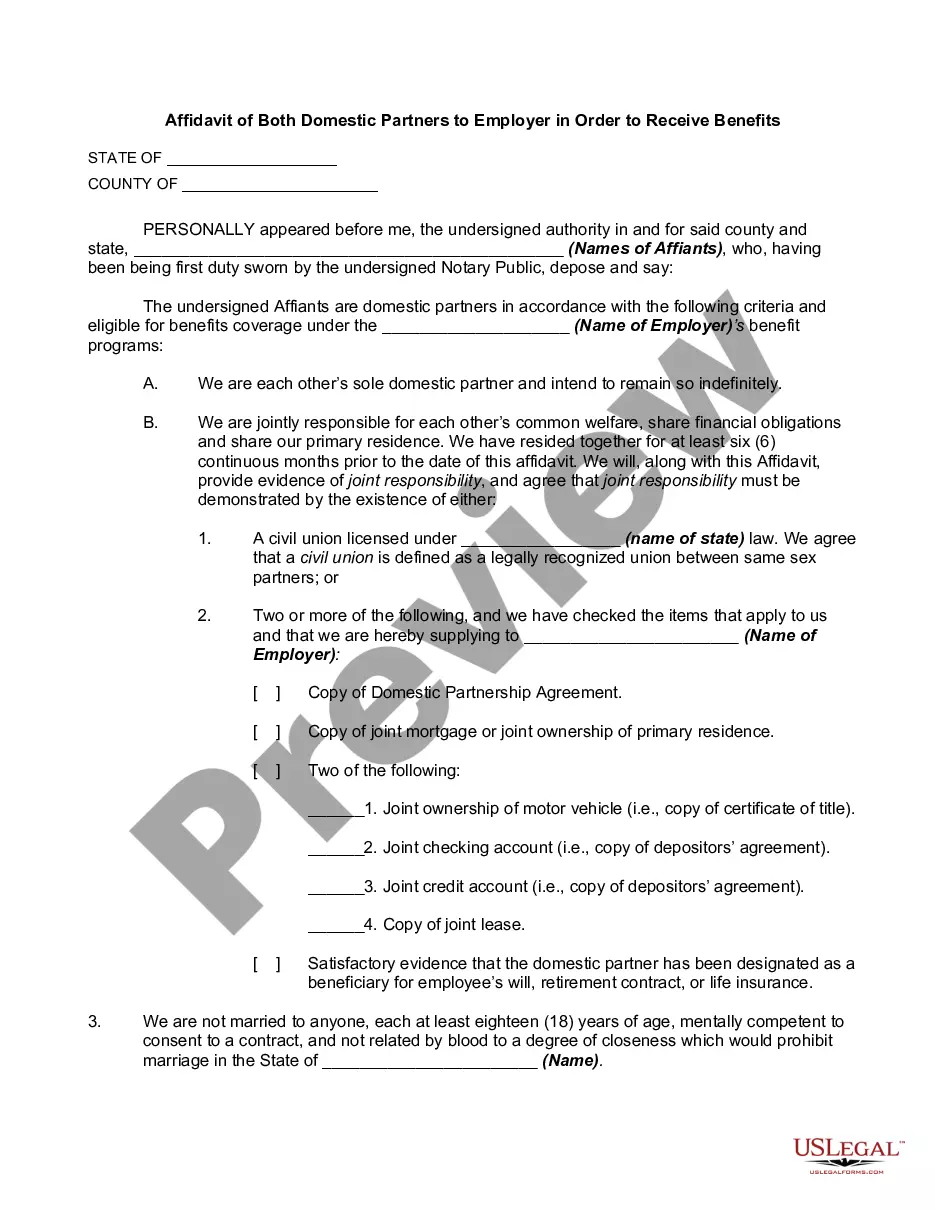
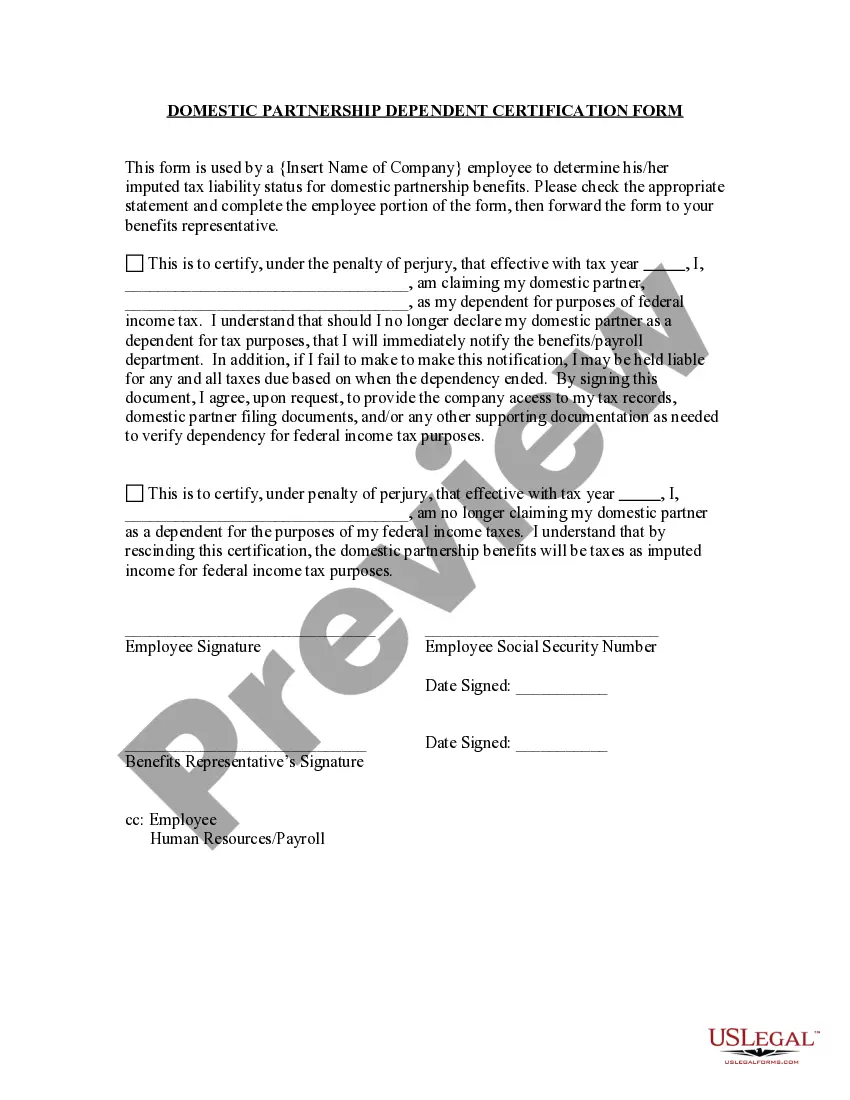
- If this is your first time, start by checking the Preview mode and form description to find the document that best suits your needs and complies with local regulations.
- Don’t hesitate to search for alternative templates if you find any discrepancies. Use the Search tab above for better options.
- Once you’ve selected the right form, click on the Buy Now button and choose your preferred subscription plan. Remember, you’ll need to register an account to access our vast library.
- Complete your purchase by entering your payment details via credit card or PayPal.
- Finally, download your form and save it on your device. You can also access it anytime through the My Forms menu in your profile.
US Legal Forms empowers users to streamline the legal document process with our robust collection and user-friendly platform. With over 85,000 fillable and editable forms available, you’ll find exactly what you need.
Don't let legal uncertainties hold you back. Start your journey to perfecting your domestic partnership today with US Legal Forms—your trusted resource for legal needs!
Form popularity
FAQ
Whether you can claim your girlfriend as a domestic partner depends on state laws governing domestic partnerships. Some states allow for several types of relationships to qualify, while others have stricter regulations. To correctly navigate this and understand your options, utilizing platforms like UsLegalForms can provide insightful assistance.
The IRS does not recognize domestic partnerships for tax purposes. This means that domestic partners often file their taxes as single individuals, which can affect deductions and benefits. To stay informed about your tax responsibilities as a domestic partnership partner for the law, consider consulting a tax professional.
Federal law does not recognize domestic partnerships, which can create challenges regarding benefits and tax implications. This lack of recognition means that rights granted at the state level may not extend to federal rights. For guidance, partnering with resources like UsLegalForms can provide clarity on navigating these complexities.
Yes, for a domestic partnership to be legally recognized, it typically must be formalized by filing appropriate paperwork with your state. Ensure that both partners meet the legal requirements set forth by your state to ensure protection under the law. This is crucial for anyone seeking the security that comes with being a domestic partnership partner for the law.
A domestic partnership is typically legally binding, granting couples similar rights to marriage under state law. The specific legal implications can differ from state to state. If you're considering a domestic partnership, it’s beneficial to review the terms carefully and consult resources like UsLegalForms to ensure your partnership meets legal standards.
The federal government does not officially recognize domestic partnerships. However, several states allow these legal statuses. It's important to note that recognition can vary by state, which means it's wise to consult a professional to understand your rights as a domestic partnership partner for the law.
The timeframe to be considered a domestic partner varies significantly depending on your state's laws. Some states require a period of cohabitation or joint responsibility for a certain duration before granting domestic partnership status. To better understand this timeline, consider consulting resources like US Legal Forms to assist you in navigating the specific requirements and ensuring your partnership is legally recognized.
Having a girlfriend does not automatically define your relationship as a domestic partnership partner for the law. A domestic partnership typically requires legal recognition and specific commitments between partners. To determine if your girlfriend qualifies as a domestic partner, you should review the laws in your state and consider whether your relationship meets the necessary criteria, such as cohabitation and shared financial responsibilities.
Your live-in girlfriend may qualify as a domestic partnership partner for the law, but this status depends on several factors. Generally, a domestic partnership involves a committed relationship where both partners share a domestic life and financial responsibilities. Each state has specific criteria, so it's essential to check local regulations to confirm whether your relationship meets the requirements for domestic partnership.
The IRS does not recognize domestic partners for federal tax purposes, meaning that they cannot be claimed the same way as a spouse. Generally, for IRS purposes, a domestic partner is an individual with whom you share a committed relationship, but tax benefits are limited. To navigate tax filings with your domestic partnership partner for the law, it's advisable to consult a tax professional for guidance.