Polygraphic
Description
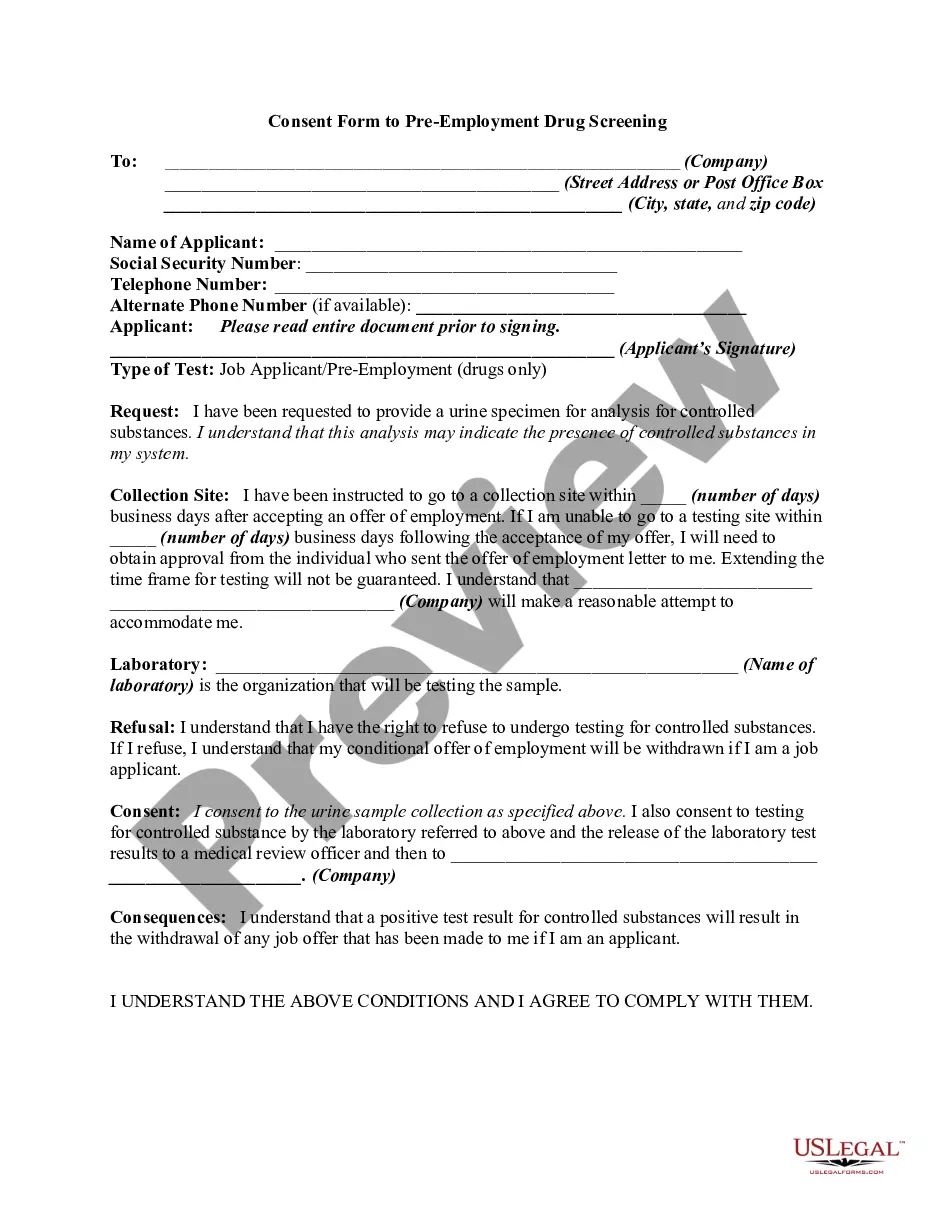
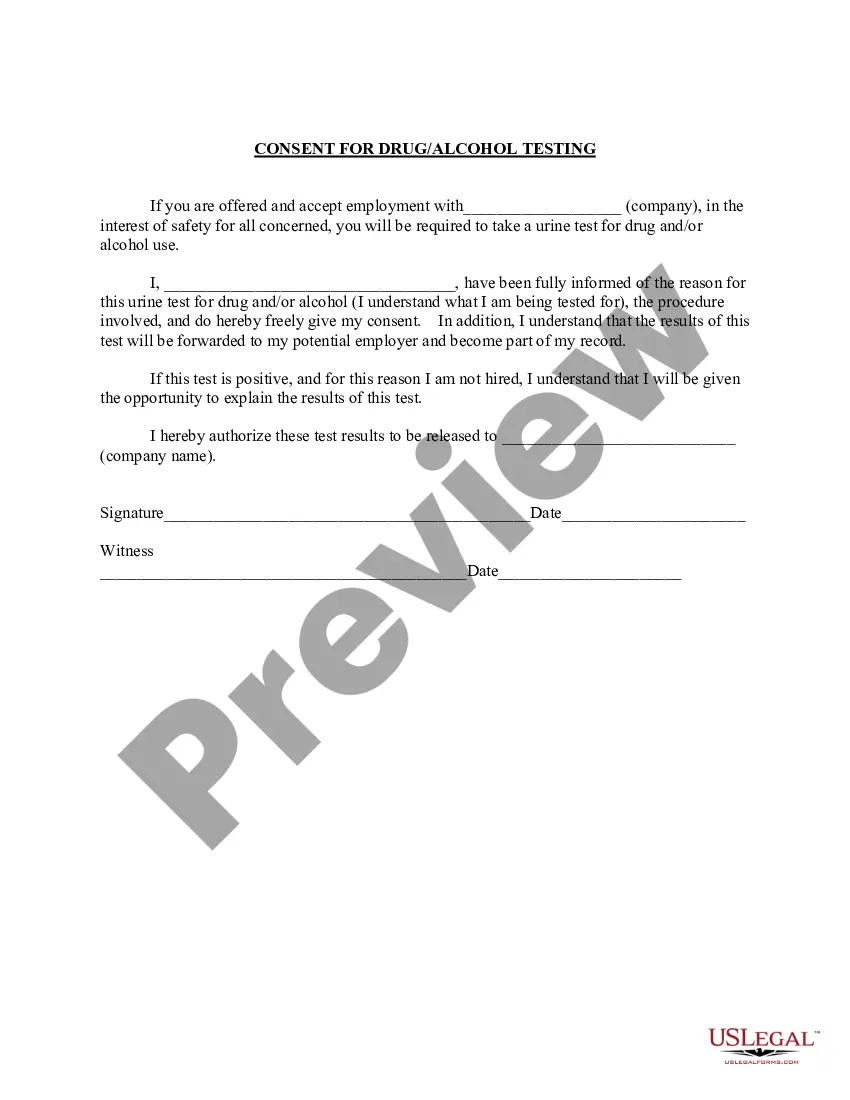
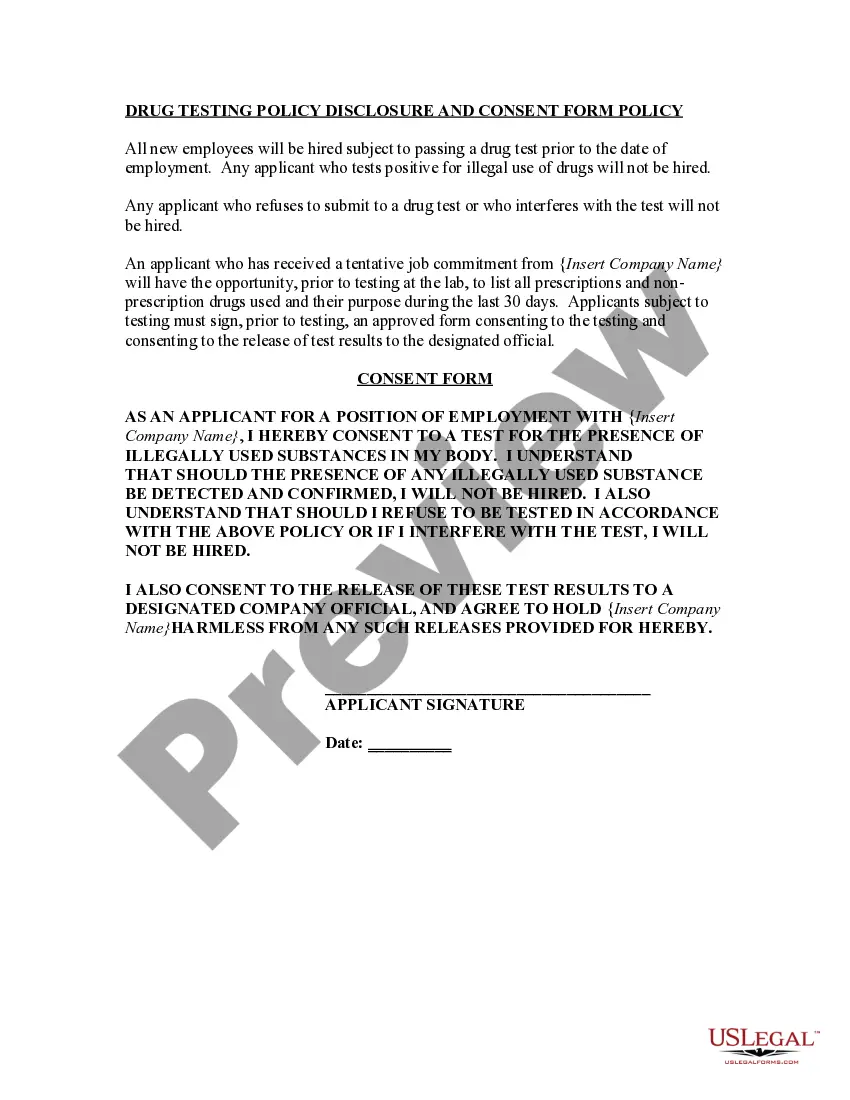
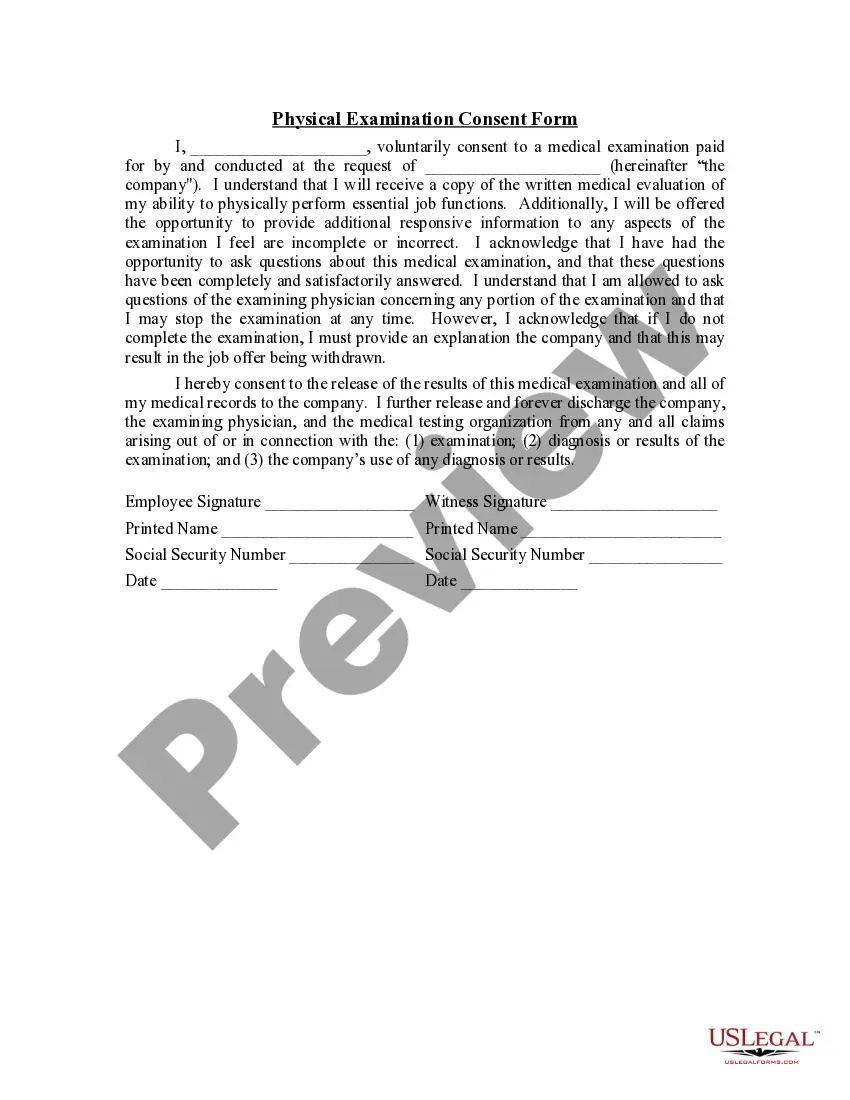
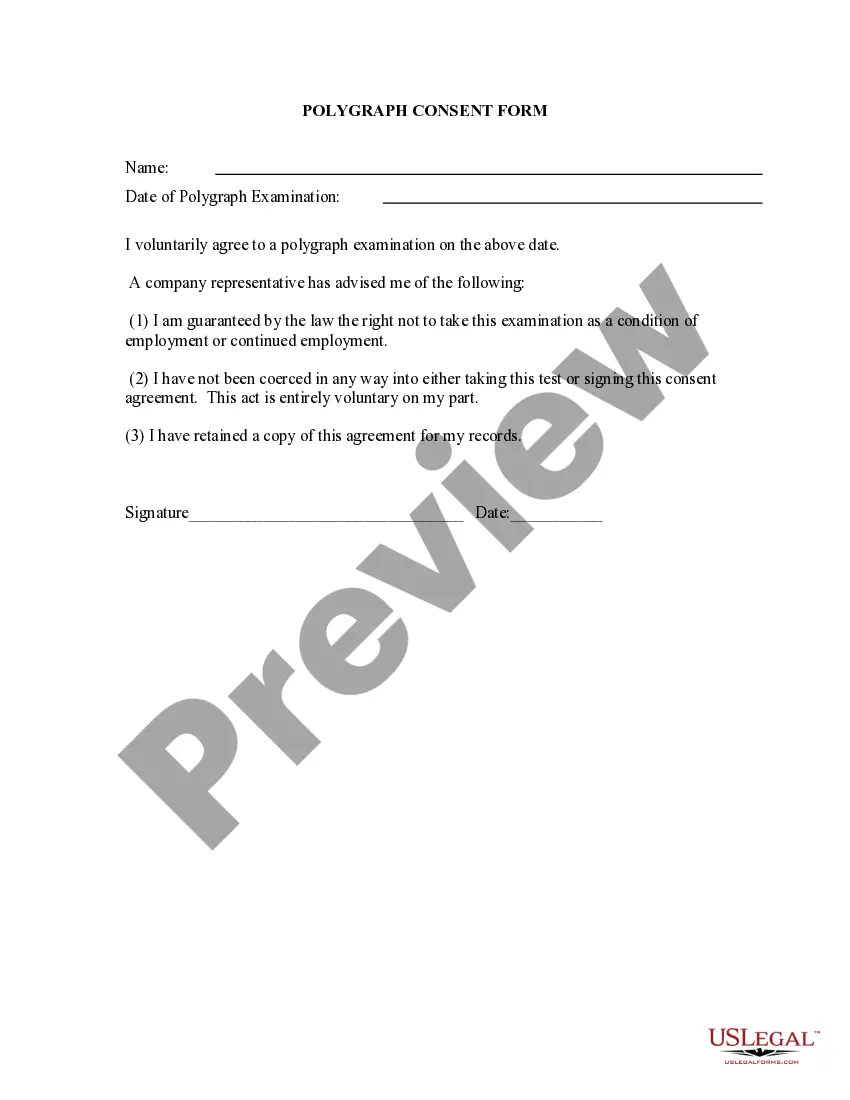
How to fill out Polygraph Consent Form?
- If you're a returning user, log in to your account to get the necessary document. Ensure your subscription is active and renew it if needed.
- For new users, start by previewing the desired document and reviewing its description for relevance to your jurisdiction.
- If the form doesn't fit your needs, utilize the Search tab to find a suitable alternative before proceeding.
- Once you’ve found the correct document, click on the 'Buy Now' button and select your preferred subscription plan. Creating an account is necessary to unlock our complete library.
- Finalize your purchase by entering your payment details via credit card or PayPal.
- After purchasing, download your document to your device and access it anytime in the My Forms section of your profile.
With a robust collection of over 85,000 legal forms, US Legal Forms stands out from the competition by offering more resources at similar price points. Our platform not only provides easily editable documents but also access to premium experts for guidance when needed.
In conclusion, using US Legal Forms for your polygraphic needs ensures you have quick and reliable access to essential legal documents. Start your journey to simplified legal processes today!
Form popularity
FAQ
To obtain polygraph certification, you need to complete an accredited training program, followed by a written and practical exam. Many organizations, including the American Polygraph Association, offer resources and guidance for certification. Taking the time to thoroughly prepare will enhance your understanding of polygraphic techniques and ethical considerations. By achieving certification, you can significantly boost your credibility in the field.
Becoming a polygrapher typically takes about 6 to 12 months. This includes completing a training program that covers the principles of polygraphic testing, ethical practices, and practical skills. Many programs also require internships or hands-on experience, which can extend the timeframe. With dedication and commitment, you can start your career in the polygraphic field in under a year.
A polygraphic examiner is a trained professional who conducts polygraph tests to help determine the truthfulness of an individual's responses. They interpret physiological data to identify stress indicators during questioning. Engaging a skilled polygraphic examiner can be critical for businesses and law enforcement seeking reliable insights in sensitive matters.
In Greek, the word polygraph combines 'poly,' meaning many, and 'graph,' meaning to write. Thus, a polygraph relates to writing or recording multiple physiological signals. Understanding the origin of the term adds depth to its significance in discussions surrounding deception detection.
The word polygraphic refers to anything related to the use of polygraphs, particularly in the context of evaluating truthfulness. It embodies the examination of multiple physiological indicators simultaneously. Being familiar with polygraphic techniques can significantly aid professionals in legal and investigative fields.
A polygraphic cipher is a type of cipher that encrypts data by transforming multiple letters at a time rather than a single letter. This method increases the complexity and security of the coded message, making it harder to decrypt without the proper key. Understanding polygraphic ciphers can be beneficial for those interested in cryptography and security.
Polygraphy in criminology refers to the study and use of polygraphs in criminal investigations to assess truthfulness. By examining physiological responses during questioning, law enforcement can evaluate suspects’ honesty. This method enhances investigative processes and can lead to more informed decisions in legal settings.
The term polygraphic pertains to methods or practices that involve the use of a polygraph to analyze physiological responses. It is often associated with approaches used to detect deception by analyzing how a person reacts to specific questions. A polygraphic examination provides crucial insights in legal contexts, making it an essential tool for investigators.
The best definition of polygraph is a device designed to measure and record physiological responses of an individual during questioning. It captures data like heart rate, blood pressure, and galvanic skin response, which can indicate stress levels related to truthfulness. Polygraphs are often used in criminal investigations, employment screenings, and other settings.
A polygraphist is a professional who administers and interprets polygraph tests, sometimes referred to as lie detector tests. Their role involves measuring physiological responses, such as heart rate and respiration, to determine truthfulness. Becoming a polygraphist requires specialized training and certification, ensuring they are skilled in using polygraphic equipment effectively.