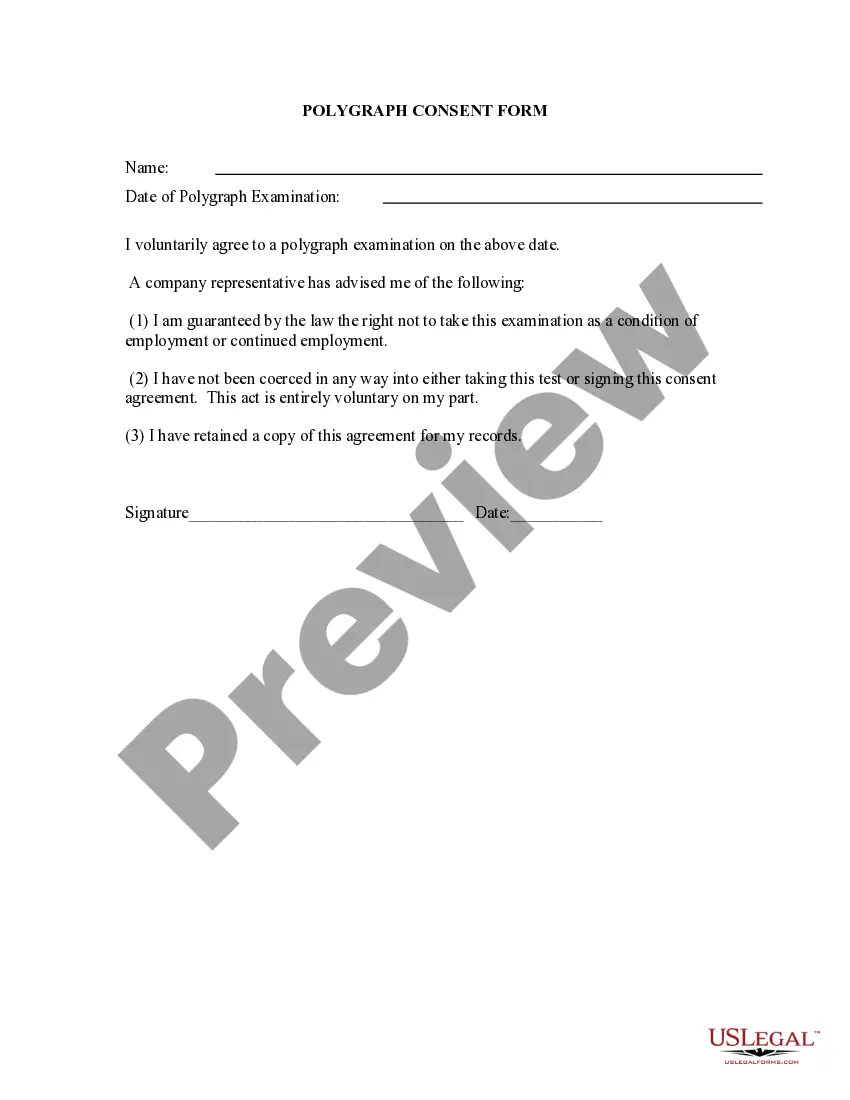
Polygraph
Description
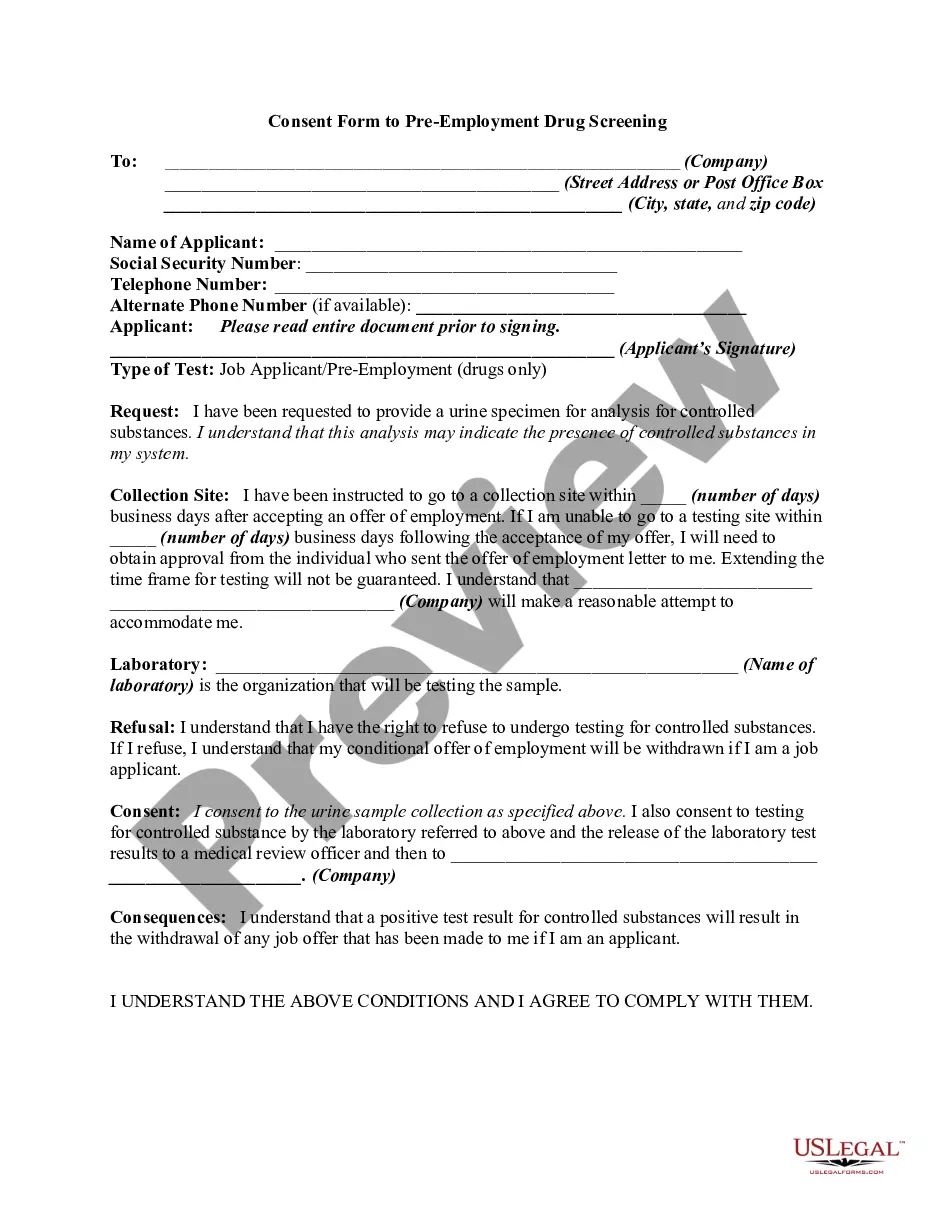
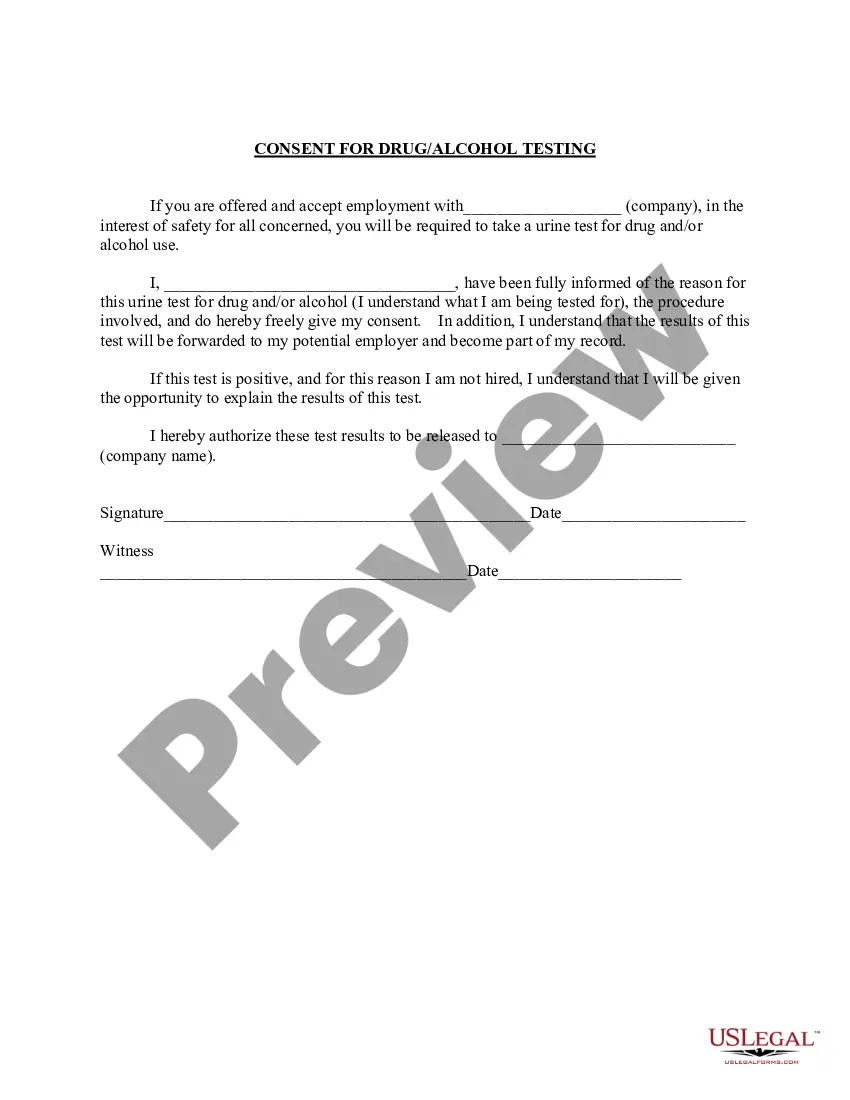
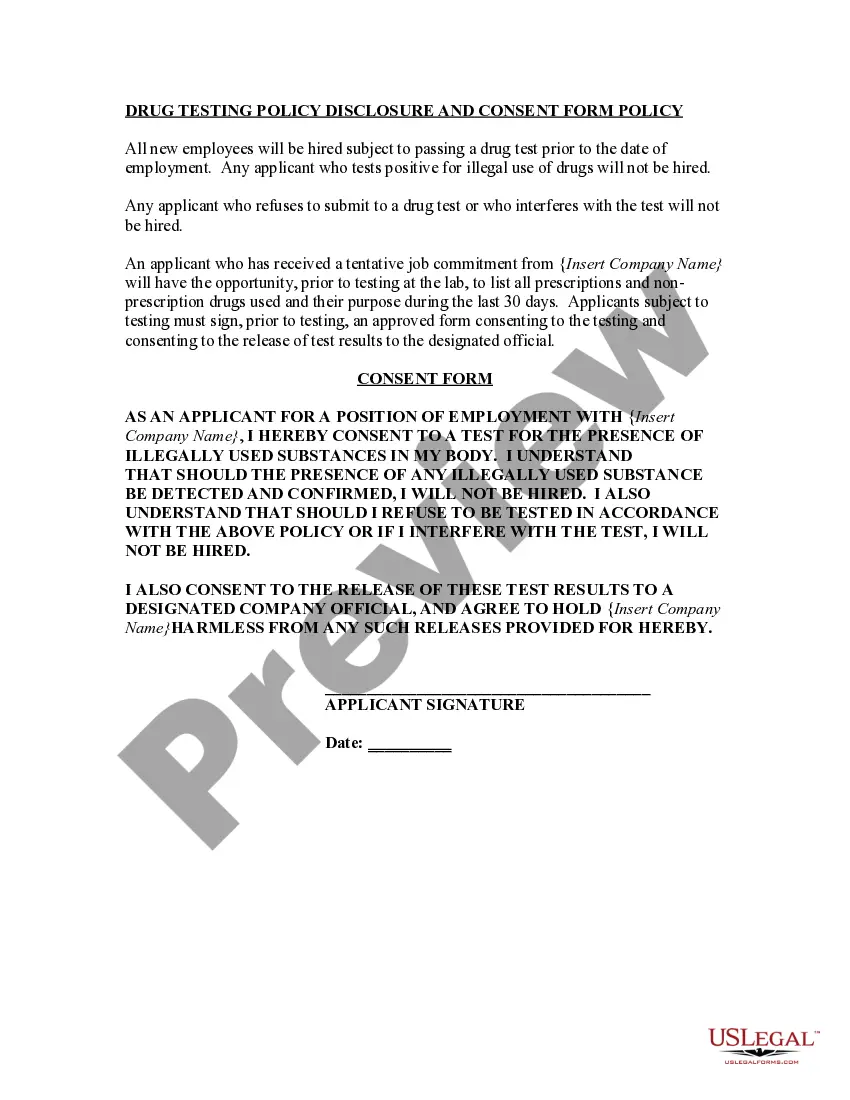
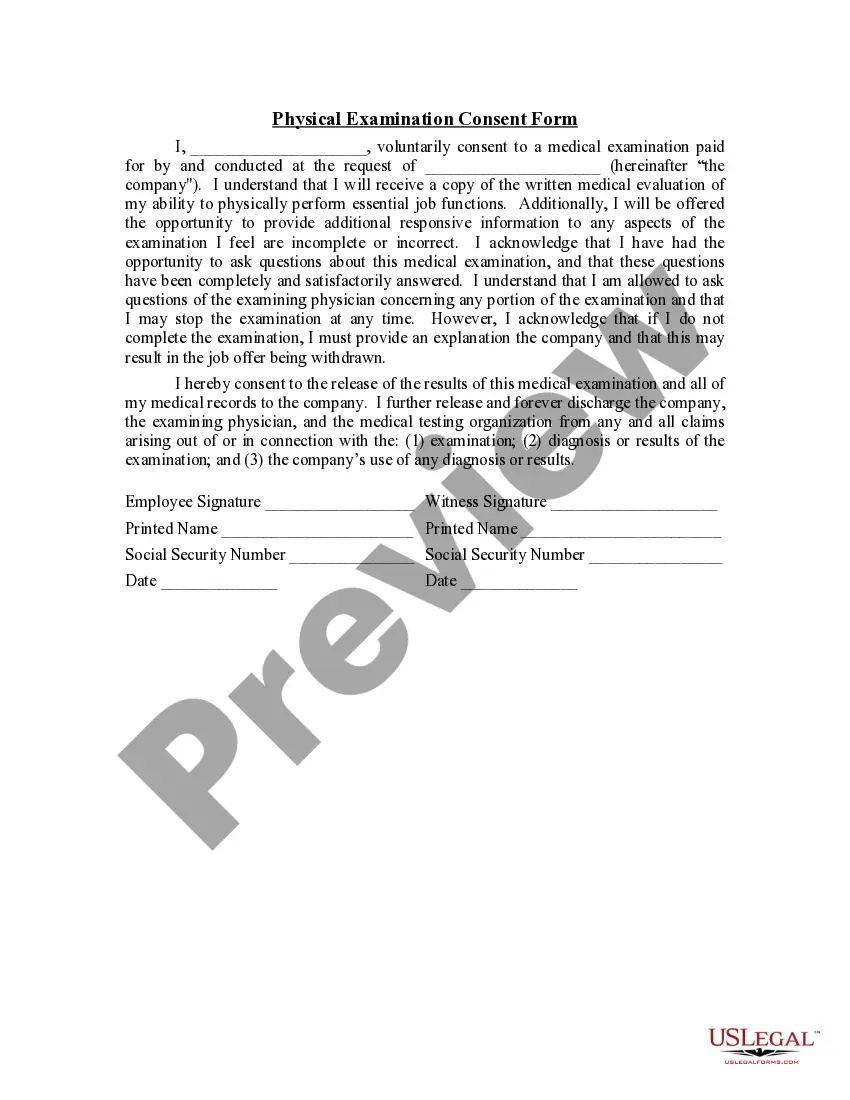

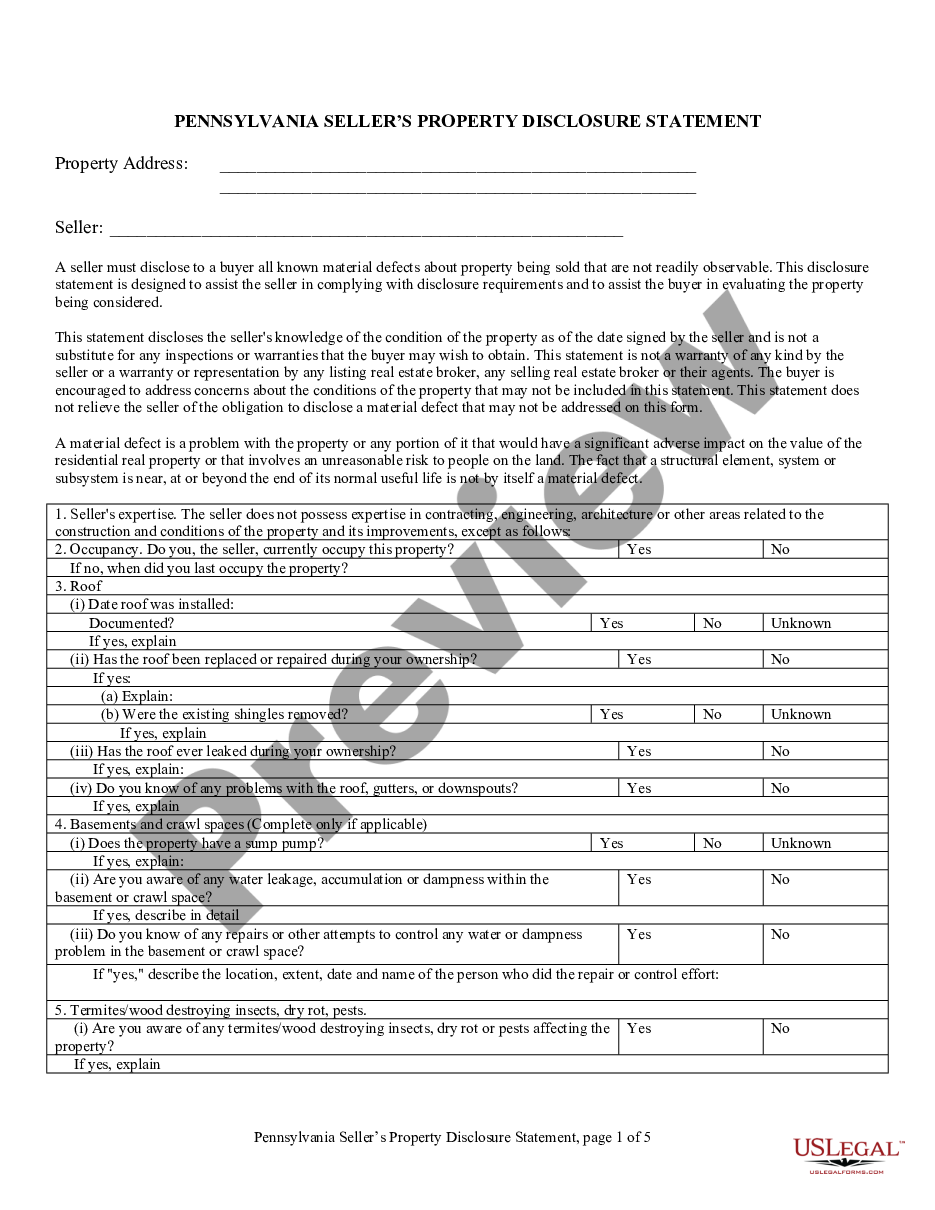
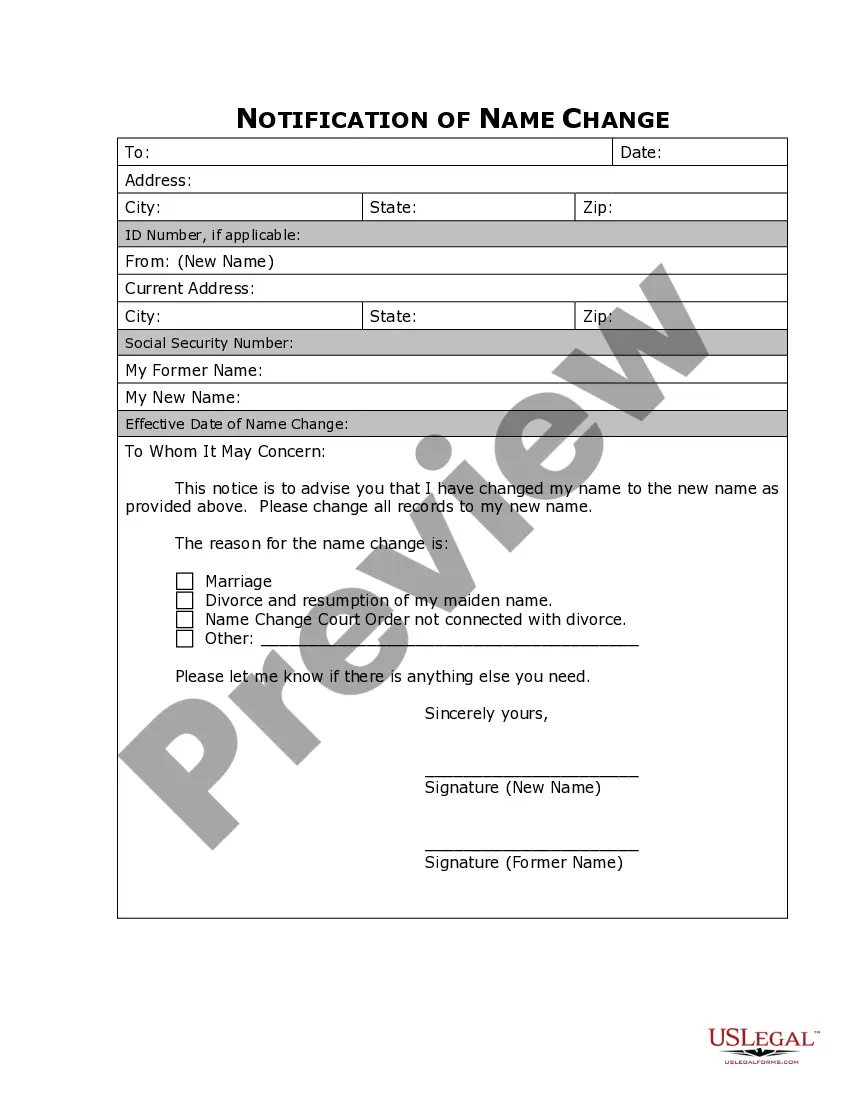
How to fill out Polygraph Consent Form?
- If you are an existing user, log in to your account and ensure your subscription is active. Click the Download button to obtain your desired form template.
- For new users, start by checking the Preview mode to examine potential polygraph form options. Verify the description to ensure compliance with your jurisdiction.
- If you need another template, utilize the Search tab to find additional options that suit your needs.
- Once you find the correct form, select the Buy Now button, choose your subscription plan, and create an account for full access.
- Complete the purchase by entering your payment details or logging in with PayPal.
- Finally, download the template to your device and access it anytime in the My Forms section of your profile.
By following these straightforward steps, you can easily obtain the polygraph forms you require through US Legal Forms.
Start your journey towards effortless legal document management today. Subscribe now and access the resources you need!
Form popularity
FAQ
Yes, it is still possible to get hired even if you fail a polygraph, but it largely depends on the employer and the specific job requirements. Many companies take a holistic approach by also considering your skills, background, and reasons for the failed test. Being upfront about your situation and demonstrating your strengths can help improve your chances. You can also explore legal advice through resources like US Legal Forms to guide you in these discussions.
Failing a polygraph for a job can lead to disqualification from the hiring process or even termination if you have already been hired. Employers often take these results seriously and may require further evaluations or investigations. It's wise to communicate with your employer if this situation arises, as they might consider your overall qualifications and experience. US Legal Forms can help you find informative templates to address these circumstances.
Failing a polygraph may jeopardize your security clearance, especially in sensitive roles. Authorities often interpret a failed test as a potential risk to national security or safety. If you are concerned about this possibility, it’s important to review your agency's protocols and seek legal advice if needed. Platforms like US Legal Forms provide resources to better understand your options.
Yes, you could face dismissal if you fail a polygraph test, particularly in certain roles such as law enforcement or government positions. Employers often view failure as a significant risk to trust and safety. If you are in such a position, it's crucial to understand your rights and the specific policies of your employer. Additionally, consulting resources like US Legal Forms can help you navigate this situation effectively.
The accuracy of a polygraph can vary depending on several factors, including the examiner's skill and the testing conditions. Generally, studies suggest polygraphs can be around 70% to 90% accurate. However, this means there’s still a chance for false positives or negatives. Therefore, it is essential to consider results alongside other evidence when evaluating truthfulness.
The best way to pass a polygraph test involves thorough preparation and maintaining honesty. Familiarizing yourself with common questions can boost your confidence, while practicing relaxation techniques can help manage anxiety. Also, ensuring that you are clear and truthful in your responses gives you the best chance of success. Many individuals have found resources like US Legal Forms beneficial in understanding the testing process better.
During a polygraph test, you can expect questions related to honesty about your past actions and experiences. Common inquiries include whether you have committed a specific crime or withheld information. These questions often require straightforward answers. Being prepared with clear, honest responses aids in achieving accurate results.
The difficulty of passing a polygraph test largely depends on your approach to honesty and openness. If you respond truthfully, you significantly reduce any complications during the examination. However, if you have anything to hide, navigating the test can become challenging. Thus, understanding the process and preparing accordingly can make a considerable difference.
Various factors can throw off a lie detector test, such as physiological responses like elevated heart rate or sweating. Anxiety and nervousness may produce misleading results, causing the examiner to suspect deception. Additionally, medications and past traumas can affect how your body reacts. To avoid these pitfalls, consider employing relaxation techniques before the test.
To pass a polygraph test easily, prepare in advance by familiarizing yourself with common procedures. Maintain honesty throughout your responses; this simple approach significantly enhances your chances of success. Additionally, practice relaxation techniques to help manage any nervousness during the test. Staying calm and collected allows your true responses to shine through.