Work Employee Policy For Menopause
Description
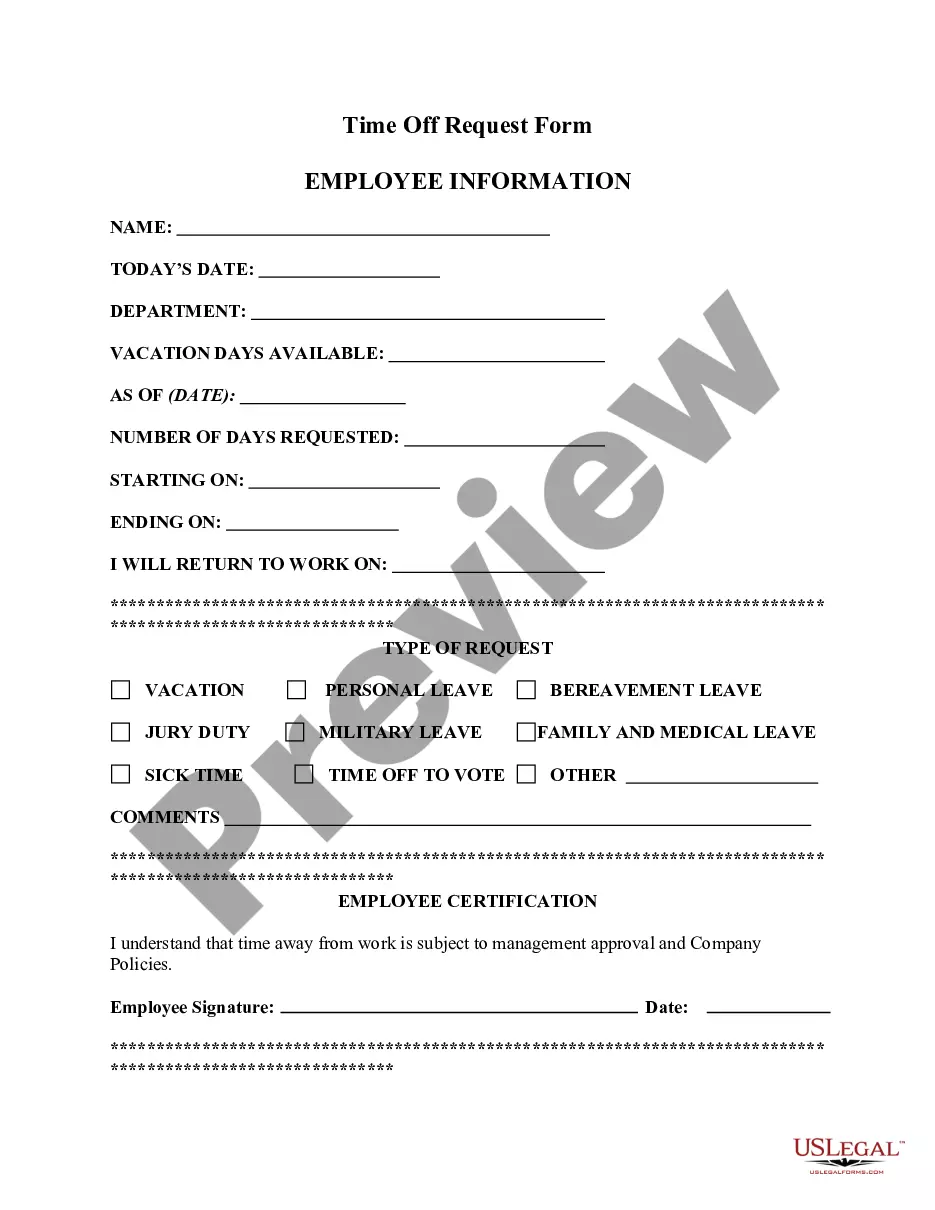

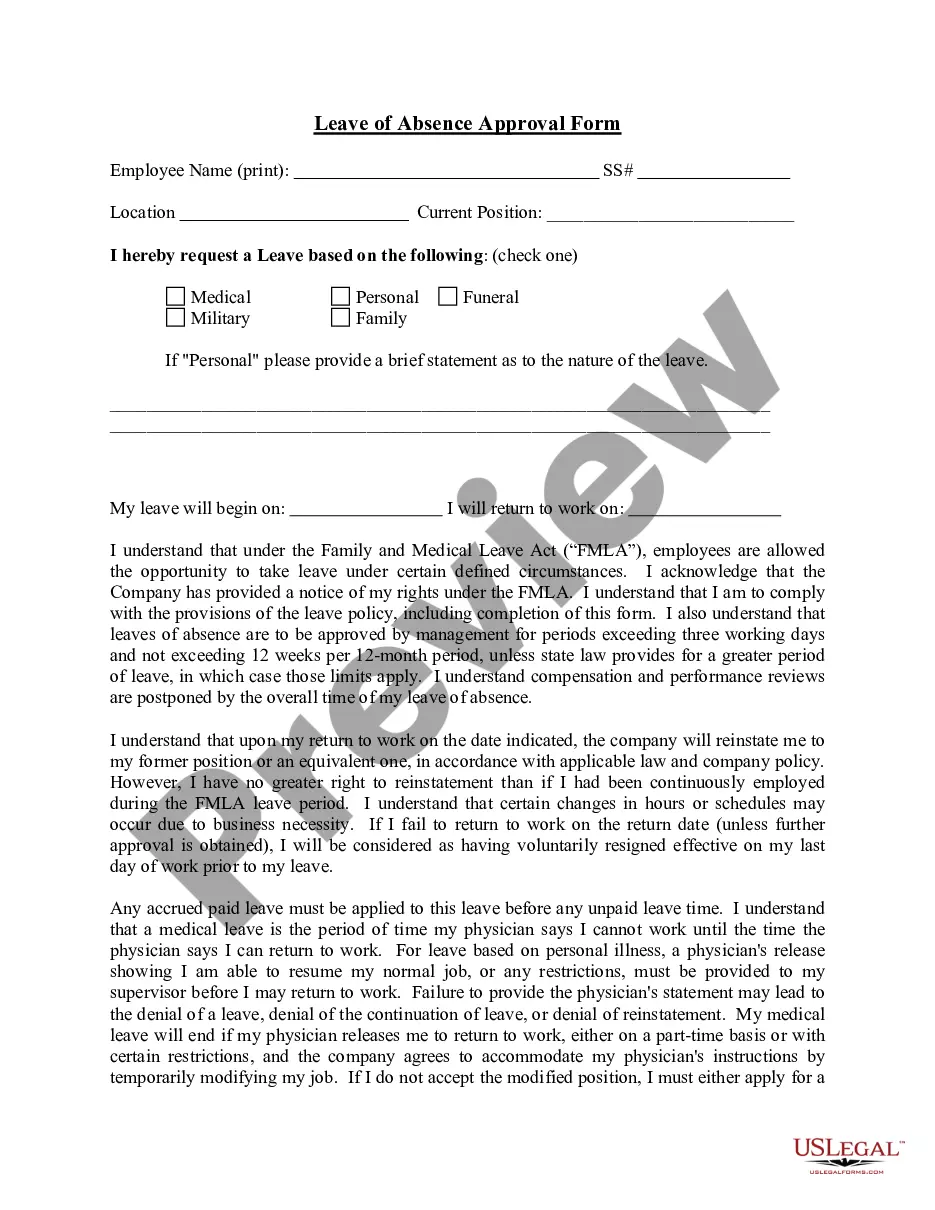
Get your form ready online
Our built-in tools help you complete, sign, share, and store your documents in one place.
Make edits, fill in missing information, and update formatting in US Legal Forms—just like you would in MS Word.
Download a copy, print it, send it by email, or mail it via USPS—whatever works best for your next step.
Sign and collect signatures with our SignNow integration. Send to multiple recipients, set reminders, and more. Go Premium to unlock E-Sign.
If this form requires notarization, complete it online through a secure video call—no need to meet a notary in person or wait for an appointment.
We protect your documents and personal data by following strict security and privacy standards.

Make edits, fill in missing information, and update formatting in US Legal Forms—just like you would in MS Word.

Download a copy, print it, send it by email, or mail it via USPS—whatever works best for your next step.

Sign and collect signatures with our SignNow integration. Send to multiple recipients, set reminders, and more. Go Premium to unlock E-Sign.

If this form requires notarization, complete it online through a secure video call—no need to meet a notary in person or wait for an appointment.

We protect your documents and personal data by following strict security and privacy standards.
Looking for another form?









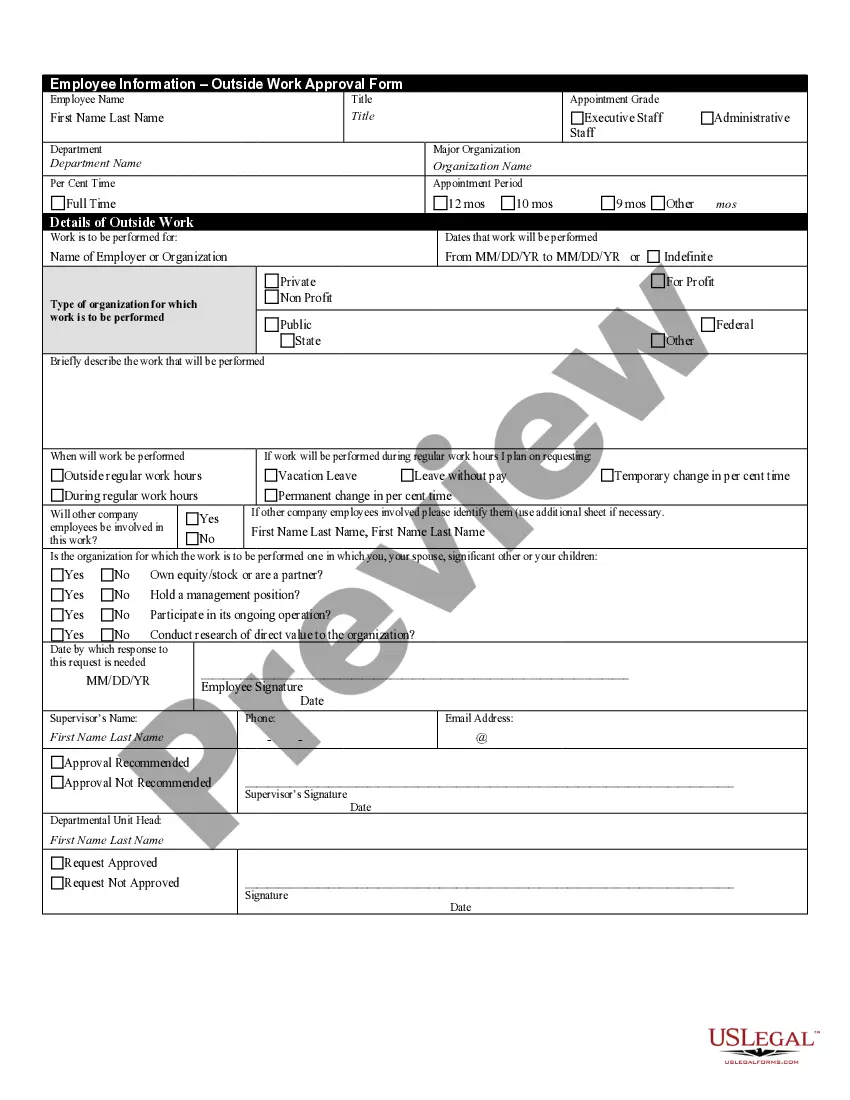
How to fill out Outside Work Approval Form?
Whether for commercial reasons or for personal issues, everyone must confront legal circumstances sooner or later in their existence.
Completing legal paperwork requires meticulous attention, commencing with selecting the appropriate form template.
Once it is downloaded, you can fill out the form using editing software or print it and complete it by hand. With an extensive US Legal Forms catalog available, you do not have to waste time searching for the correct sample online. Utilize the library’s user-friendly navigation to find the suitable form for any situation.
- For instance, if you pick an incorrect version of the Work Employee Policy For Menopause, it will be rejected upon submission.
- Thus, it is vital to have a reliable source of legal documents like US Legal Forms.
- If you need to obtain a Work Employee Policy For Menopause template, follow these straightforward steps.
- Locate the sample you require using the search bar or catalog navigation.
- Review the form’s details to ensure it aligns with your situation, state, and locality.
- Click on the form’s preview to inspect it.
- If it is the incorrect form, return to the search feature to find the Work Employee Policy For Menopause sample you need.
- Download the template if it suits your requirements.
- If you already possess a US Legal Forms account, simply click Log in to access previously saved documents in My documents.
- If you do not have an account yet, you can acquire the form by clicking Buy now.
- Choose the correct pricing option.
- Complete the profile registration form.
- Select your payment method: you can utilize a credit card or PayPal account.
- Choose the document format you desire and download the Work Employee Policy For Menopause.
Form popularity
FAQ
A workplace policy for menopause outlines how an organization supports employees experiencing menopausal symptoms. This may include flexible working hours, access to health resources, and training for managers on the topic. By implementing a thoughtful work employee policy for menopause, companies can enhance employee well-being and productivity. Utilizing platforms like uslegalforms can assist organizations in drafting effective policies tailored to their specific needs.
You are officially in menopause when you have not had a menstrual period for 12 consecutive months. This stage typically occurs in women between the ages of 45 and 55. Understanding this timeline is important for both employees and employers, particularly when developing a comprehensive work employee policy for menopause. This knowledge helps in recognizing symptoms and providing appropriate support in the workplace.
Menopause can be considered a protected characteristic under various anti-discrimination laws. This means that employers cannot treat employees unfairly due to menopausal symptoms. By recognizing menopause in your work employee policy for menopause, you help create an inclusive workplace. It's crucial for companies to educate their staff on these protections to foster understanding and support.
Workplace protections for menopause include provisions that prevent discrimination based on menopausal symptoms. Employers must ensure that policies related to health and well-being encompass menopause. This aligns with the broader work employee policy for menopause, promoting a supportive environment. Organizations should also provide reasonable accommodations to help employees manage symptoms effectively.
Workplace protection for menopause refers to the rights and accommodations provided to employees experiencing menopause symptoms. This can include flexible working hours, adjustments to the work environment, and a clear work employee policy for menopause. Employers are encouraged to foster an inclusive atmosphere that addresses these health issues. For detailed guidance on establishing such protections, consider exploring the resources offered by USLegalForms.
While there is no federal law mandating a menopause policy, many companies are recognizing the importance of having a work employee policy for menopause. Such policies can help create a supportive workplace environment and improve employee well-being. Organizations that implement these policies often see enhanced employee satisfaction and retention. You can encourage your employer to consider creating or updating their policy for menopause, potentially using resources available on USLegalForms.
Yes, you may qualify for short-term disability for menopause if your symptoms significantly impair your ability to work. Many employers have a work employee policy for menopause that outlines the specific conditions under which employees can apply for this type of leave. It's essential to review your company’s policy and speak with HR about the documentation required. Utilizing platforms like USLegalForms can help you find the necessary forms and guidance for your application.
Reasonable adjustments at work for menopause may include flexible working hours, temperature control measures, and designated break areas. These adjustments are part of a proactive work employee policy for menopause that aims to accommodate individual needs. By providing such adjustments, employers not only enhance productivity but also show their commitment to employee health and happiness.
The employer policy for menopause outlines the rights and support available to employees undergoing this natural transition. A well-defined work employee policy for menopause should address issues like reasonable adjustments, health benefits, and training for staff. By establishing clear policies, employers demonstrate their commitment to employee well-being and promote a positive work environment.
Companies can support employees experiencing menopause by implementing a comprehensive work employee policy for menopause. This policy should include flexible working arrangements, access to counseling services, and training for managers to foster understanding. Moreover, creating a supportive workplace culture encourages open conversations about menopause, helping employees feel valued and understood.