Refuse Drug Test For Cps
Description
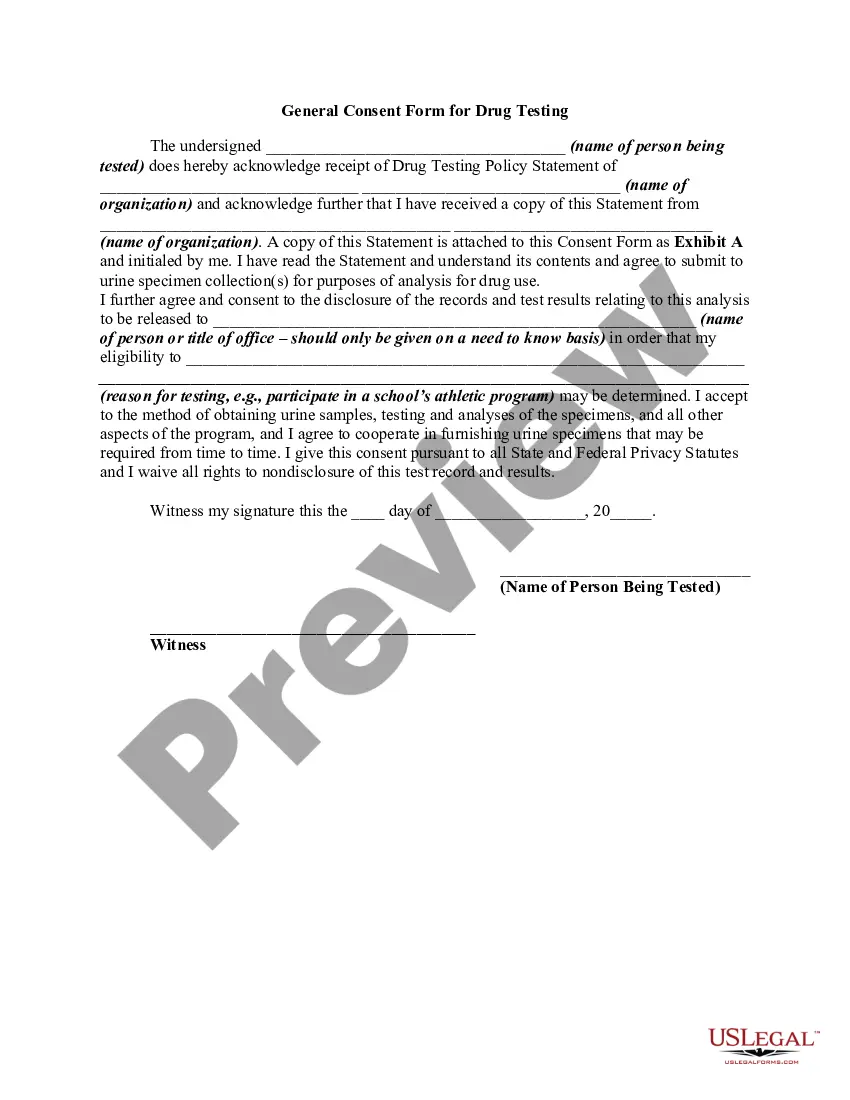
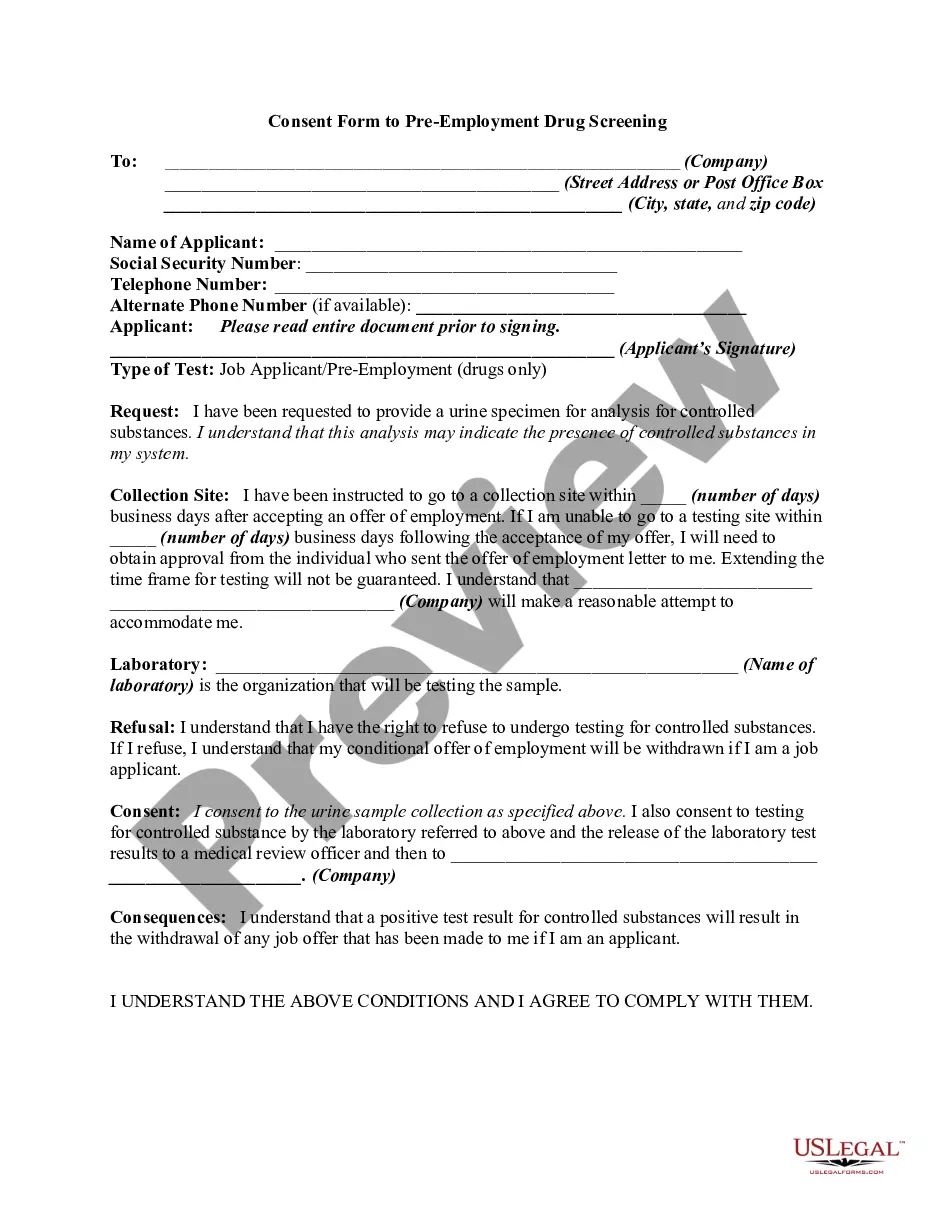
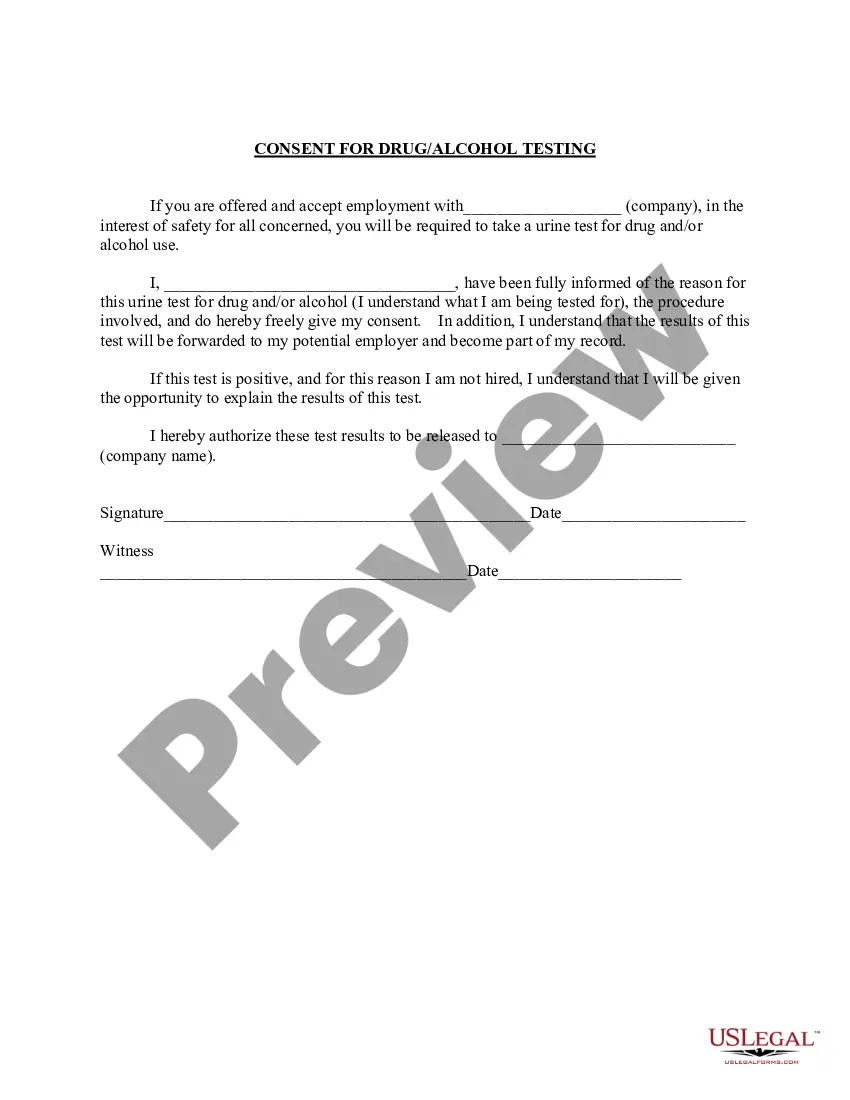
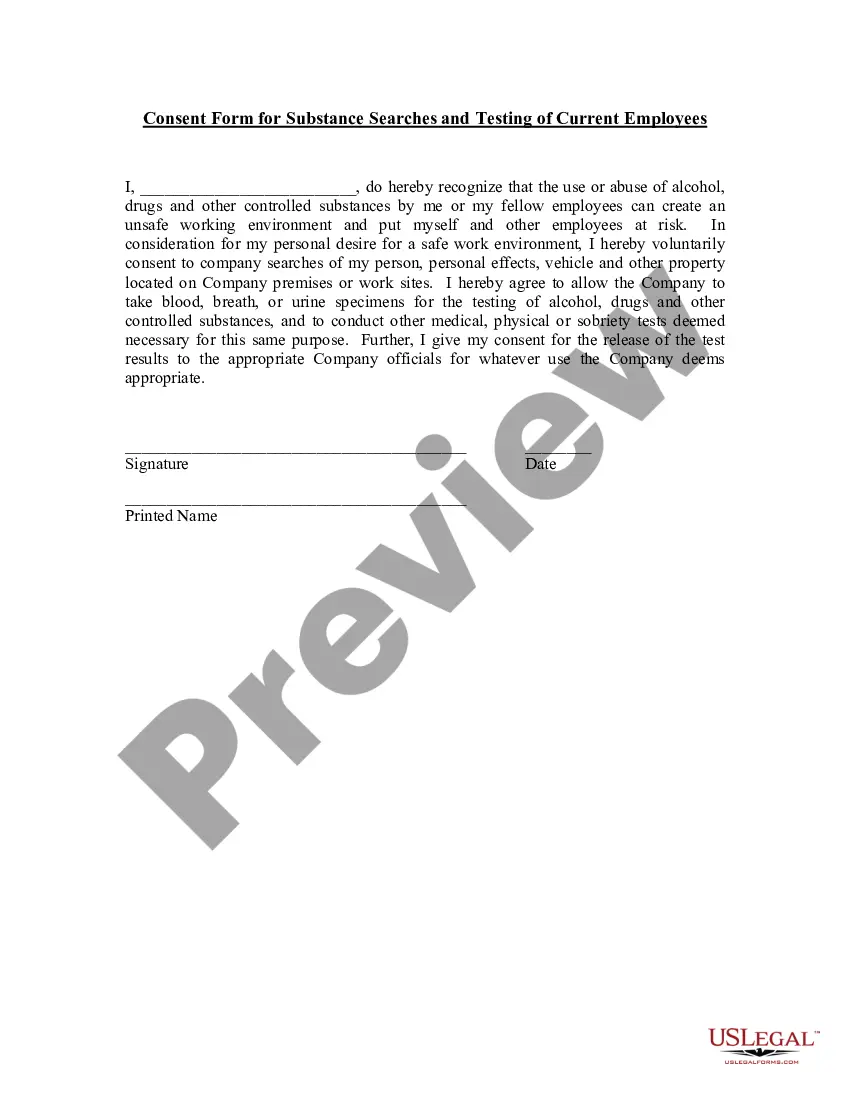
Get your form ready online
Our built-in tools help you complete, sign, share, and store your documents in one place.
Make edits, fill in missing information, and update formatting in US Legal Forms—just like you would in MS Word.
Download a copy, print it, send it by email, or mail it via USPS—whatever works best for your next step.
Sign and collect signatures with our SignNow integration. Send to multiple recipients, set reminders, and more. Go Premium to unlock E-Sign.
If this form requires notarization, complete it online through a secure video call—no need to meet a notary in person or wait for an appointment.
We protect your documents and personal data by following strict security and privacy standards.

Make edits, fill in missing information, and update formatting in US Legal Forms—just like you would in MS Word.

Download a copy, print it, send it by email, or mail it via USPS—whatever works best for your next step.

Sign and collect signatures with our SignNow integration. Send to multiple recipients, set reminders, and more. Go Premium to unlock E-Sign.

If this form requires notarization, complete it online through a secure video call—no need to meet a notary in person or wait for an appointment.

We protect your documents and personal data by following strict security and privacy standards.
Looking for another form?
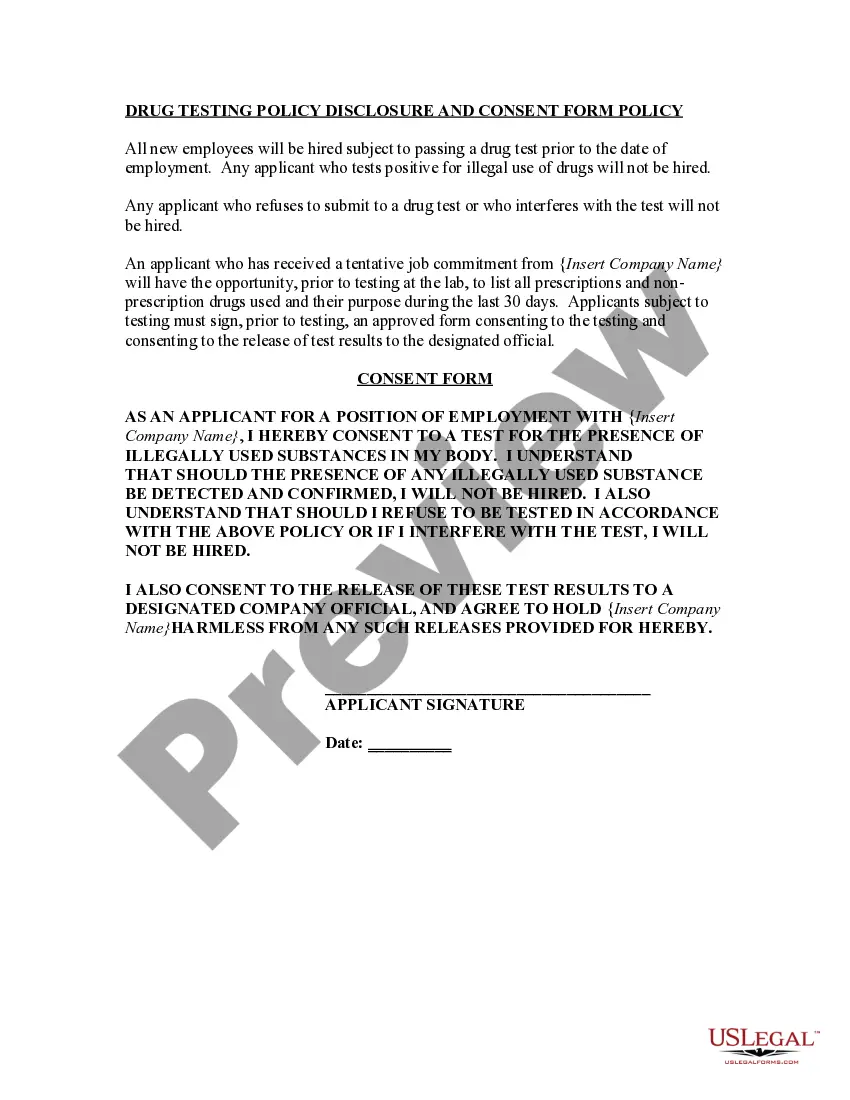
How to fill out Drug Testing Policy Disclosure And Consent Form?
Legal administration can be perplexing, even for experienced experts.
If you find yourself seeking a Refuse Drug Test For Cps and don't have the opportunity to spend on finding the correct and current version, the processes may be hefty.
US Legal Forms accommodates all requests you might have, from personal to corporate paperwork, all in one convenient location.
Leverage modern tools to fill out and manage your Refuse Drug Test For Cps.
Here are the steps to take after securing the form you need: Validate this is the appropriate document by previewing it and reviewing its description.
- Gain entry to a valuable resource hub of articles, guides, manuals, and materials relevant to your situation and requirements.
- Conserve effort and time searching for the documents you need, and utilize US Legal Forms' sophisticated search and Review tool to find Refuse Drug Test For Cps and obtain it.
- If you possess a membership, Log Into your US Legal Forms account, search for the form, and download it.
- Check the My documents tab to review the documents you have already saved and to manage your files as needed.
- If you are a first-time user of US Legal Forms, create an account and gain unlimited access to all benefits of the library.
- Utilize a comprehensive online form repository that can transform the way you handle these matters effectively.
- US Legal Forms stands out as a front-runner in providing internet legal documents, boasting over 85,000 state-specific legal forms accessible to you at any time.
- Access state or county-specific legal and business documents.
Form popularity
FAQ
You have the right to say no to a drug test, but this choice can have serious implications in a child custody scenario. Refusing a drug test for CPS could lead to assumptions about your behavior and the well-being of your child. It’s important to weigh the risks and benefits of such a decision carefully. For more clarity on your legal situation and options, USLegalForms can assist you in navigating these complexities effectively.
CPS can take your child if you refuse a drug test for CPS, but it depends on the specific circumstances of the case. If the agency believes there is evidence of drug use that endangers your child's welfare, a refusal can be viewed negatively. It's crucial to understand that cooperating with a drug test may provide a better opportunity to demonstrate your commitment to your child’s safety. If you are facing these challenges, consider seeking guidance from USLegalForms to understand your rights and create a strong defense.
Refusing a court-ordered drug test can result in immediate legal consequences, including contempt of court charges. This refusal might be interpreted by the court as a sign of noncompliance, which can affect custody arrangements and parental rights. It’s vital to understand the importance of complying with court orders and seek legal advice if you have concerns about the drug testing process.
Yes, if CPS determines you fail a drug test, they may take your child into protective custody, especially if they believe your substance use poses a risk to your child's safety. Failing a drug test can severely impact your parental rights and lead to court involvement. It is important to address any concerns related to substance use proactively by seeking help and legal guidance.
While you may feel compelled to refuse a drug test from DCF, doing so can have significant repercussions, similar to those when dealing with CPS. A refusal could signal to authorities that you have something to hide, potentially leading to further complications. It's crucial to understand your rights and consult with legal professionals to navigate this situation effectively.
To effectively fight a refusal drug test, you should consult with an attorney experienced in family law and CPS cases. Your attorney can help you present valid reasons for your refusal and guide you through the legal process. Additionally, gathering evidence that supports your position, such as clean drug tests or testimonials, can bolster your case.
If you decline a drug test requested by CPS, they may view this as a sign of potential substance abuse or noncompliance. This reaction can lead to further investigations, legal actions, or court orders, impacting your parental rights. It is advisable to weigh the risks carefully and consider the implications of refusing a drug test for CPS.
When interacting with CPS, avoid making statements that could imply wrongdoing or raise suspicions about your parenting. For instance, do not admit to using drugs or neglecting your child. Stay calm and focused on answering questions factually and honestly, while also being aware of your rights.
Refusing a drug test for CPS can lead to serious consequences, including the potential for your child being removed from your custody. CPS may interpret your refusal as an indication of possible substance abuse, which can negatively impact your case. It’s essential to approach this situation carefully and consider seeking legal advice to navigate these challenges.
Refusing a drug test for CPS can sometimes lead to more severe consequences than failing one. When you refuse a drug test, CPS may interpret this as an admission of guilt or noncompliance. It's crucial to weigh your options carefully. Consulting with legal experts or utilizing platforms like US Legal Forms can help you navigate this situation more effectively.