Settlement Lump Sum Withdrawal Pension
Description
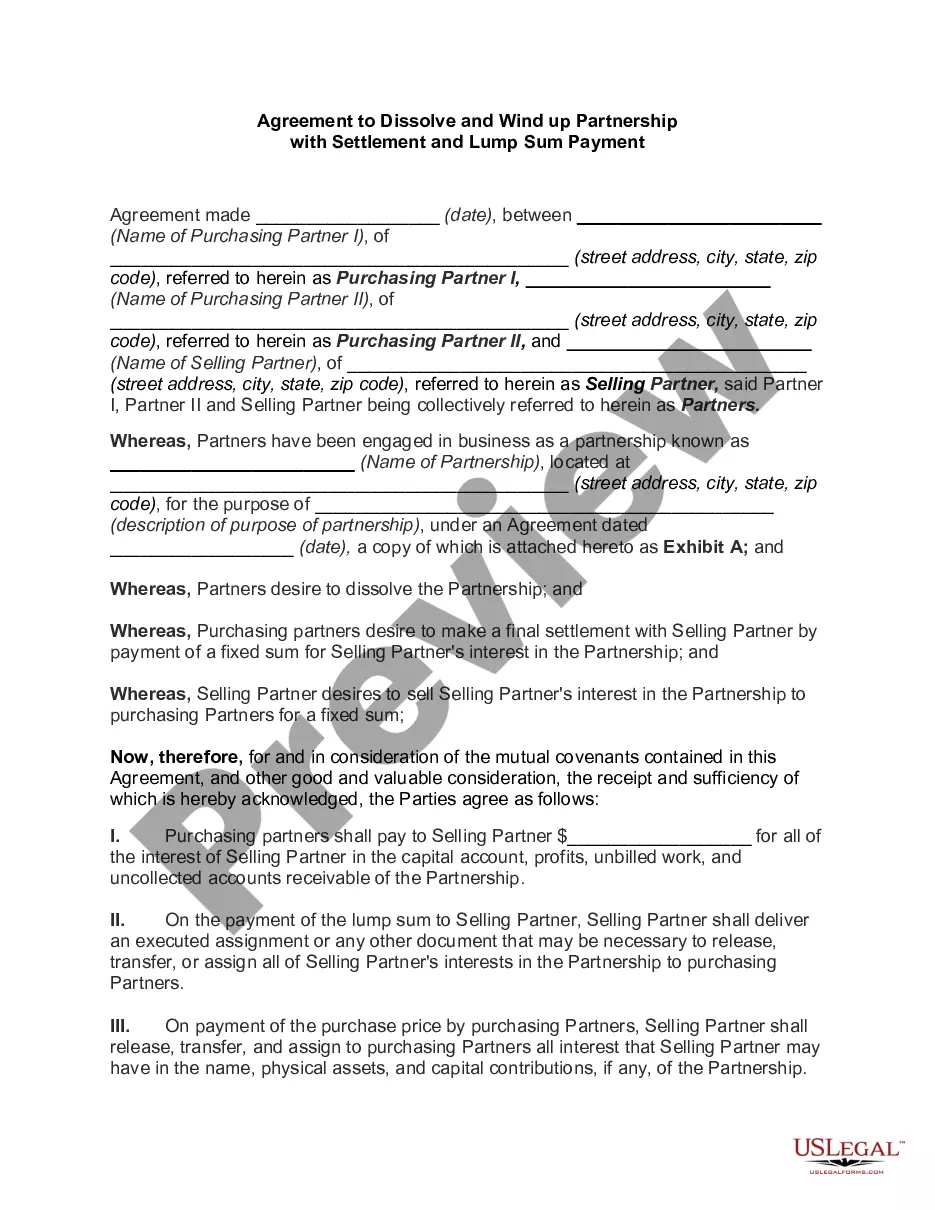
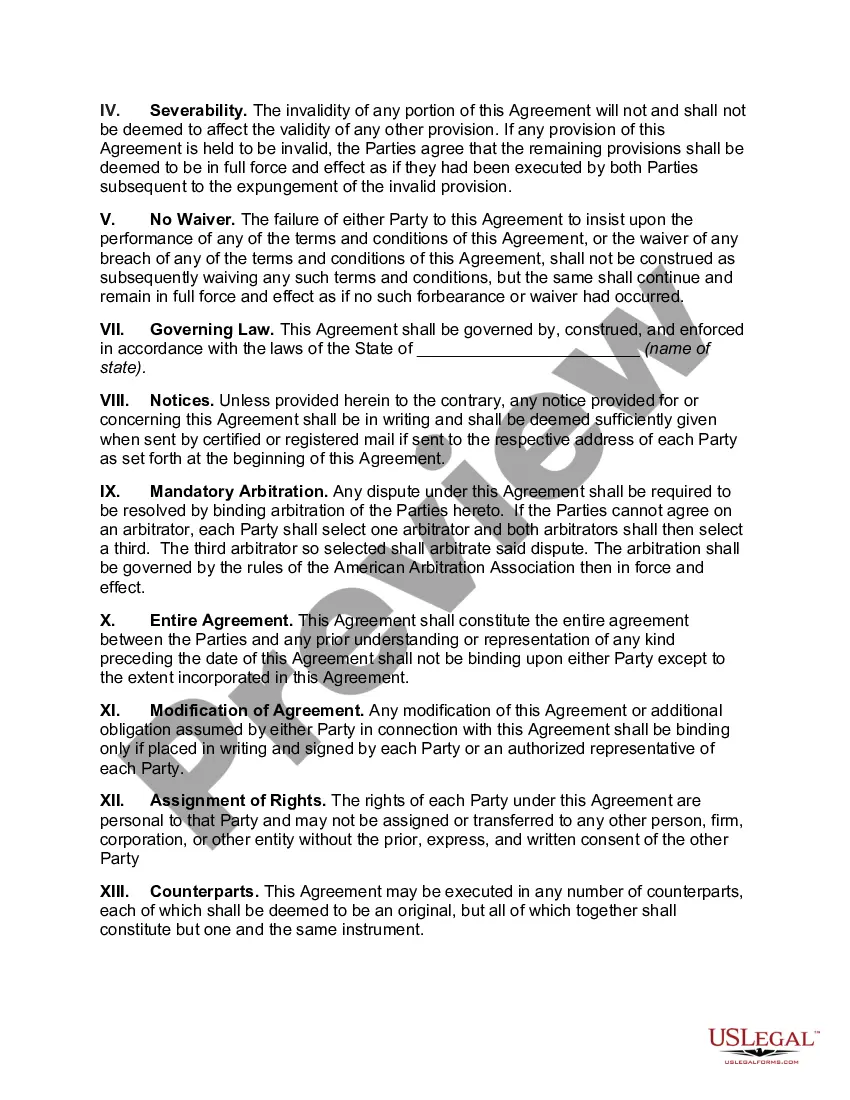
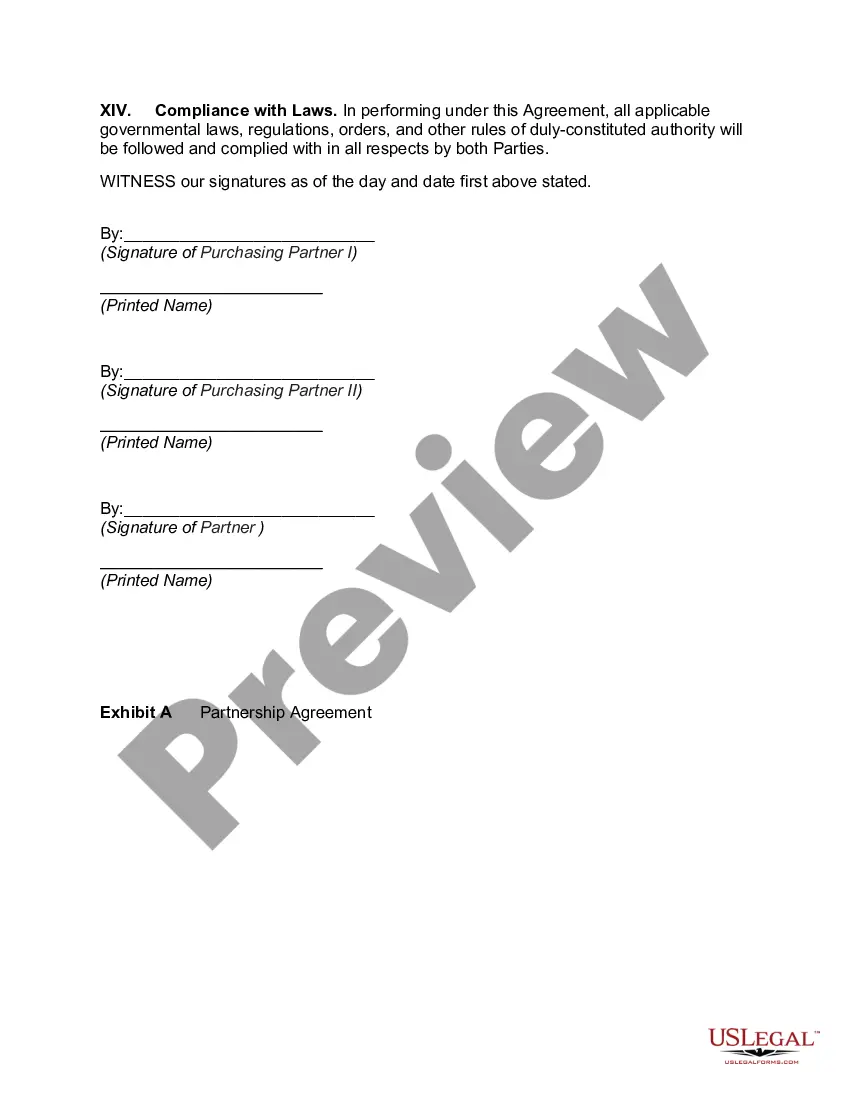

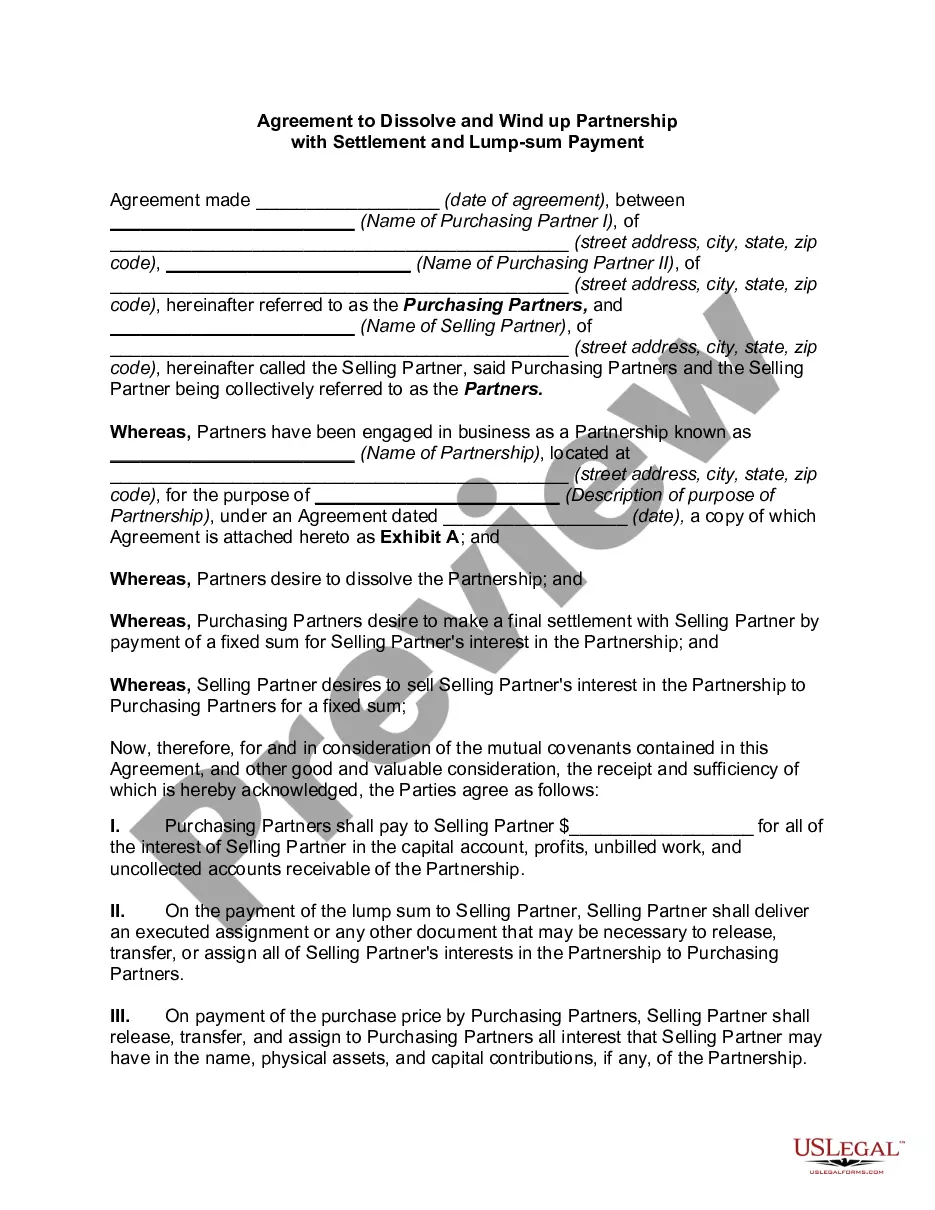
Get your form ready online
Our built-in tools help you complete, sign, share, and store your documents in one place.
Make edits, fill in missing information, and update formatting in US Legal Forms—just like you would in MS Word.
Download a copy, print it, send it by email, or mail it via USPS—whatever works best for your next step.
Sign and collect signatures with our SignNow integration. Send to multiple recipients, set reminders, and more. Go Premium to unlock E-Sign.
If this form requires notarization, complete it online through a secure video call—no need to meet a notary in person or wait for an appointment.
We protect your documents and personal data by following strict security and privacy standards.

Make edits, fill in missing information, and update formatting in US Legal Forms—just like you would in MS Word.

Download a copy, print it, send it by email, or mail it via USPS—whatever works best for your next step.

Sign and collect signatures with our SignNow integration. Send to multiple recipients, set reminders, and more. Go Premium to unlock E-Sign.

If this form requires notarization, complete it online through a secure video call—no need to meet a notary in person or wait for an appointment.

We protect your documents and personal data by following strict security and privacy standards.
Looking for another form?

How to fill out Agreement To Dissolve And Wind Up Partnership With Settlement And Lump Sum Payment?
Managing legal documents can be daunting, even for the most experienced professionals.
If you are looking for a Settlement Lump Sum Withdrawal Pension and lack the time to search for the appropriate and updated version, the process can be stressful.
With US Legal Forms, you can.
Access legal and business forms specific to your state or county.
If you are a new user of US Legal Forms, create a free account to gain unlimited access to all the platform's benefits. Here are the steps to follow once you have the form you need.
- US Legal Forms addresses all your needs, from personal to business documents, in one location.
- Utilize cutting-edge tools to fill out and manage your Settlement Lump Sum Withdrawal Pension.
- View a resource library of articles, guides, and handbooks related to your situation and needs.
- Save time and effort searching for the documents you require by using US Legal Forms’ advanced search and Review feature to discover and download your Settlement Lump Sum Withdrawal Pension.
- If you have a monthly subscription, Log In to your US Legal Forms profile, search for the required form, and download it.
- A comprehensive online form library could significantly benefit those aiming to handle these matters efficiently.
- US Legal Forms is a leader in online legal forms, offering over 85,000 state-specific legal documents available at all times.
Form popularity
FAQ
Deciding to take a settlement lump sum withdrawal pension can be beneficial, but it depends on your financial situation. For some, having immediate access to funds makes sense, especially if they have pressing financial needs. However, it’s important to consider the long-term implications and potential tax consequences before making this decision.
If you take a lump-sum distribution, even using Form 4972, the retirement plan administrator typically withholds 20% of your withdrawal and sends it to the IRS on your behalf. If your ultimate tax liability is lower than 20%, you can claim that part back when you file your taxes.
Transfer or Rollover Options You may be able to defer tax on all or part of a lump-sum distribution by requesting the payer to directly roll over the taxable portion into an individual retirement arrangement (IRA) or to an eligible retirement plan.
Investors can avoid taxes on a lump sum pension payout by rolling over the proceeds into an individual retirement account (IRA) or other eligible retirement accounts.
Tax Treatment of Pension Distributions When a retiree receives a lump sum pension payout, not only is this ordinary income, but the payout could push their income into a higher tax bracket. Depending on the size of the pension payout, it could also trigger additional investment taxes on other sources of income.
You can roll all or part of the lump sum payment into an IRA and defer paying taxes on that amount. Your pension plan can either transfer the payment directly to the IRA or send you a check, which you then put into an IRA or other eligible plan.