Settlement Lump Sum Withdrawal 401k
Description
Get your form ready online
Our built-in tools help you complete, sign, share, and store your documents in one place.
Make edits, fill in missing information, and update formatting in US Legal Forms—just like you would in MS Word.
Download a copy, print it, send it by email, or mail it via USPS—whatever works best for your next step.
Sign and collect signatures with our SignNow integration. Send to multiple recipients, set reminders, and more. Go Premium to unlock E-Sign.
If this form requires notarization, complete it online through a secure video call—no need to meet a notary in person or wait for an appointment.
We protect your documents and personal data by following strict security and privacy standards.

Make edits, fill in missing information, and update formatting in US Legal Forms—just like you would in MS Word.

Download a copy, print it, send it by email, or mail it via USPS—whatever works best for your next step.

Sign and collect signatures with our SignNow integration. Send to multiple recipients, set reminders, and more. Go Premium to unlock E-Sign.

If this form requires notarization, complete it online through a secure video call—no need to meet a notary in person or wait for an appointment.

We protect your documents and personal data by following strict security and privacy standards.
Looking for another form?


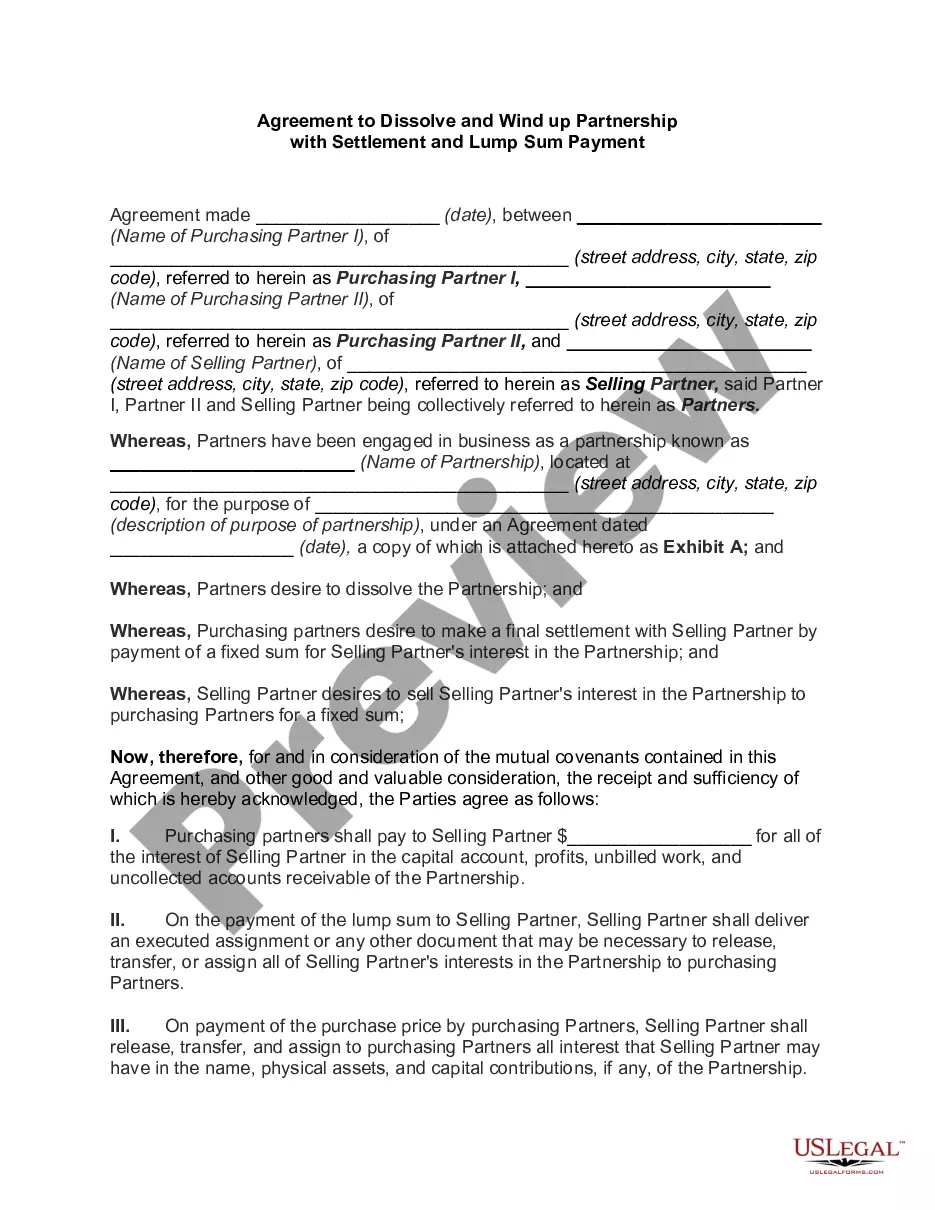
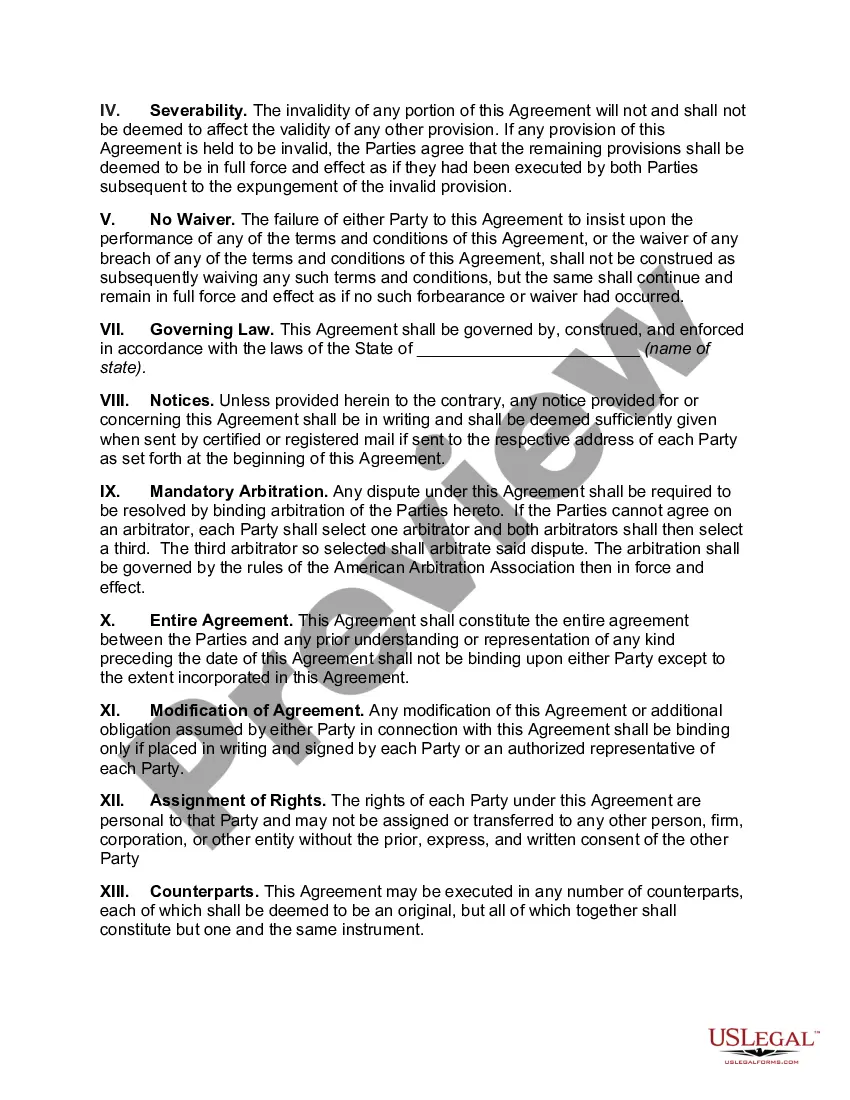
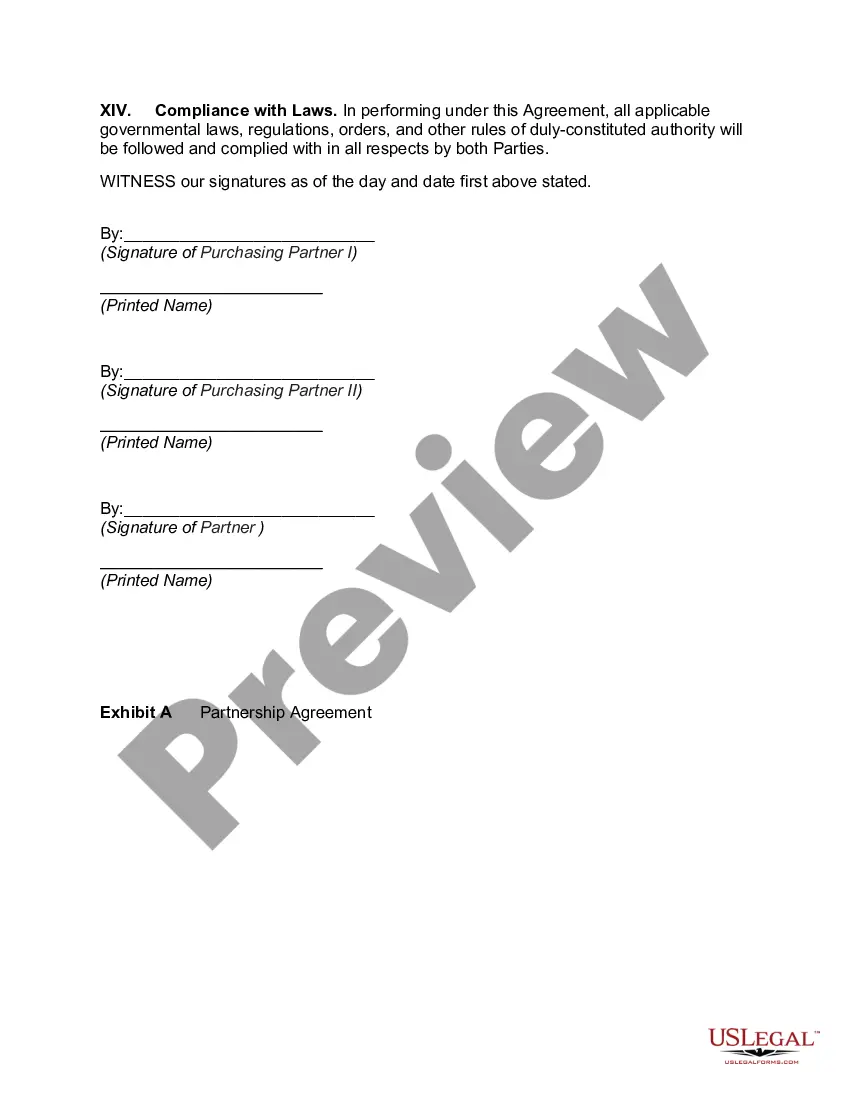
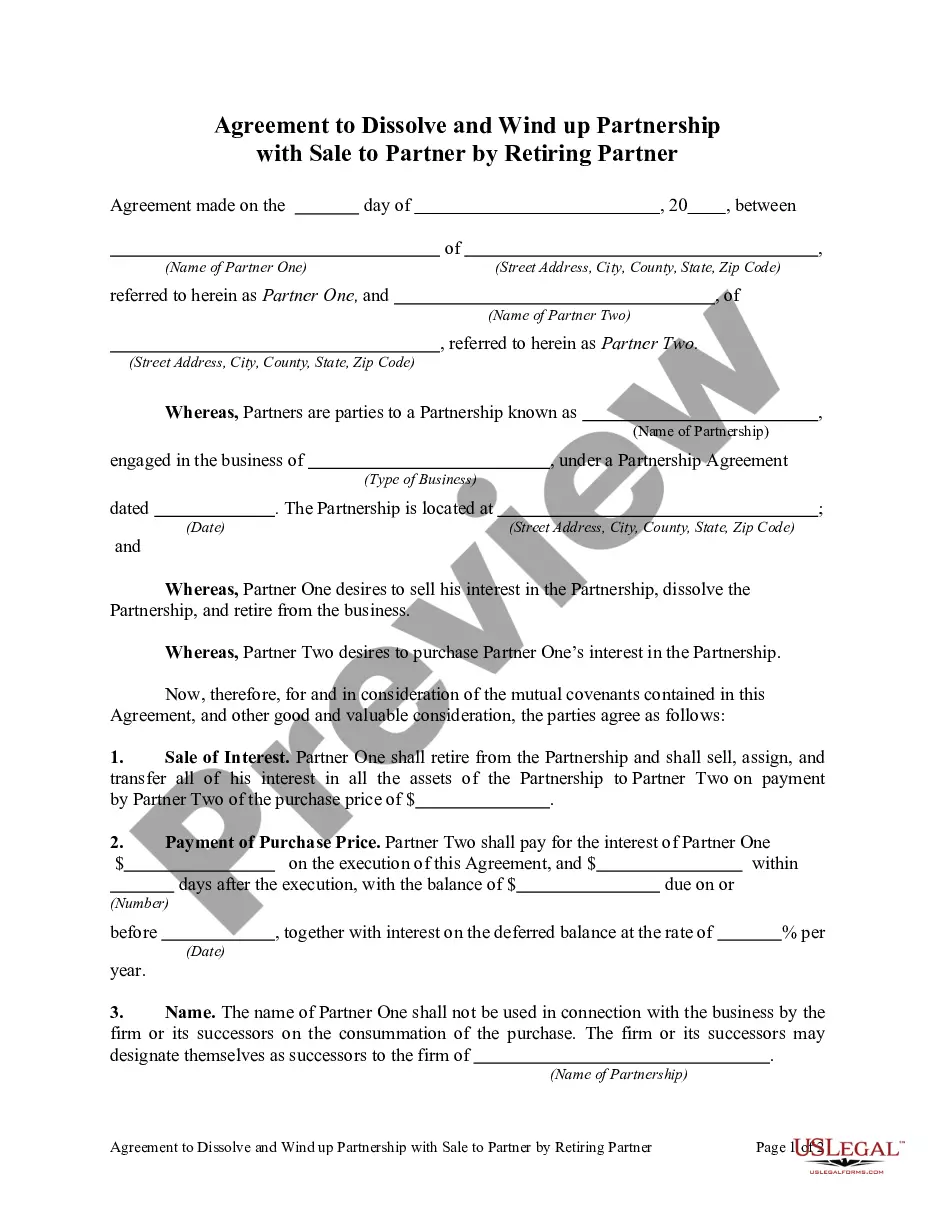
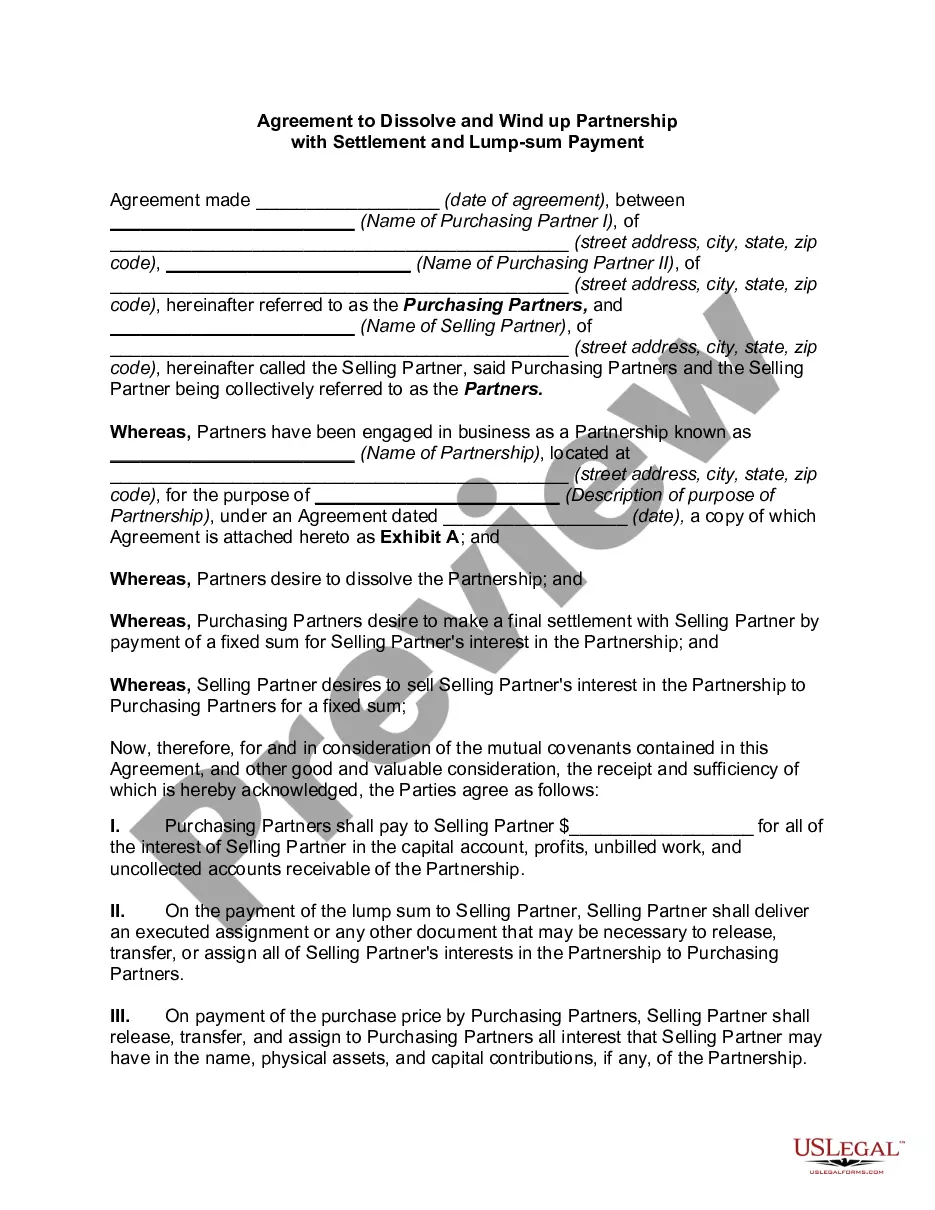
How to fill out Agreement To Dissolve And Wind Up Partnership With Settlement And Lump Sum Payment?
The Settlement Lump Sum Withdrawal 401k you see on this page is a versatile formal template crafted by expert attorneys in accordance with federal and local laws.
For over 25 years, US Legal Forms has supplied individuals, organizations, and legal professionals with over 85,000 verified, state-specific documents for any business or personal situation. It is the fastest, simplest, and most trustworthy method to acquire the forms you require, as the service assures the utmost level of data security and anti-malware safeguards.
Register for US Legal Forms to have verified legal templates ready for all of life’s situations.
- Search for the document you require and review it.
- Browse the file you found and preview it or review the form description to ensure it meets your needs. If it doesn’t, use the search bar to locate the correct one. Click Buy Now when you have found the template you require.
- Choose and Log In.
- Pick a payment plan that fits you and sign up for an account. Use PayPal or a credit card to make a swift payment. If you already possess an account, Log In and check your subscription to proceed.
- Obtain the editable template.
- Choose the format you prefer for your Settlement Lump Sum Withdrawal 401k (PDF, Word, RTF) and download the sample to your device.
- Fill out and sign the documents.
- Print the template to complete it manually. Alternatively, employ an online multifunctional PDF editor to quickly and accurately fill out and electronically sign your form.
- Re-download your documents if needed.
- Utilize the same document again whenever necessary. Access the My documents section in your profile to re-download any forms you saved earlier.
Form popularity
FAQ
To avoid the 20% penalty on a 401k withdrawal, you should ensure that your withdrawal meets specific exceptions, such as being over 59½, facing disability, or settling medical expenses. Another strategy is to roll over your 401k funds into an IRA or another retirement account, preserving your savings while avoiding immediate penalties. Considering these options can be beneficial when evaluating a settlement lump sum withdrawal 401k.
When you leave your current employer, you can withdraw your 401(k) funds in a lump sum. To do this, simply instruct your 401(k) plan administrator to cut you a check. Then you're free to do whatever you please with those funds.
If you're taking out funds from your retirement account prior to 59½ (and the coronavirus exception or other exceptions don't apply), use IRS Form 5329 to report the amount of 10% additional tax you owe on an early distribution or to claim an exception to the 10% additional tax.
File Form 1099-R for each person to whom you have made a designated distribution or are treated as having made a distribution of $10 or more from: Profit-sharing or retirement plans.
Deferring Social Security payments, rolling over old 401(k)s, setting up IRAs to avoid the mandatory 20% federal income tax, and keeping your capital gains taxes low are among the best strategies for reducing taxes on your 401(k) withdrawal.
Mandatory Withholding Mandatory income tax withholding of 20% applies to most taxable distributions paid directly to you in a lump sum from employer retirement plans even if you plan to roll over the taxable amount within 60 days.