Tenant Reimbursement For Repairs
Description
Get your form ready online
Our built-in tools help you complete, sign, share, and store your documents in one place.
Make edits, fill in missing information, and update formatting in US Legal Forms—just like you would in MS Word.
Download a copy, print it, send it by email, or mail it via USPS—whatever works best for your next step.
Sign and collect signatures with our SignNow integration. Send to multiple recipients, set reminders, and more. Go Premium to unlock E-Sign.
If this form requires notarization, complete it online through a secure video call—no need to meet a notary in person or wait for an appointment.
We protect your documents and personal data by following strict security and privacy standards.

Make edits, fill in missing information, and update formatting in US Legal Forms—just like you would in MS Word.

Download a copy, print it, send it by email, or mail it via USPS—whatever works best for your next step.

Sign and collect signatures with our SignNow integration. Send to multiple recipients, set reminders, and more. Go Premium to unlock E-Sign.

If this form requires notarization, complete it online through a secure video call—no need to meet a notary in person or wait for an appointment.

We protect your documents and personal data by following strict security and privacy standards.
Looking for another form?


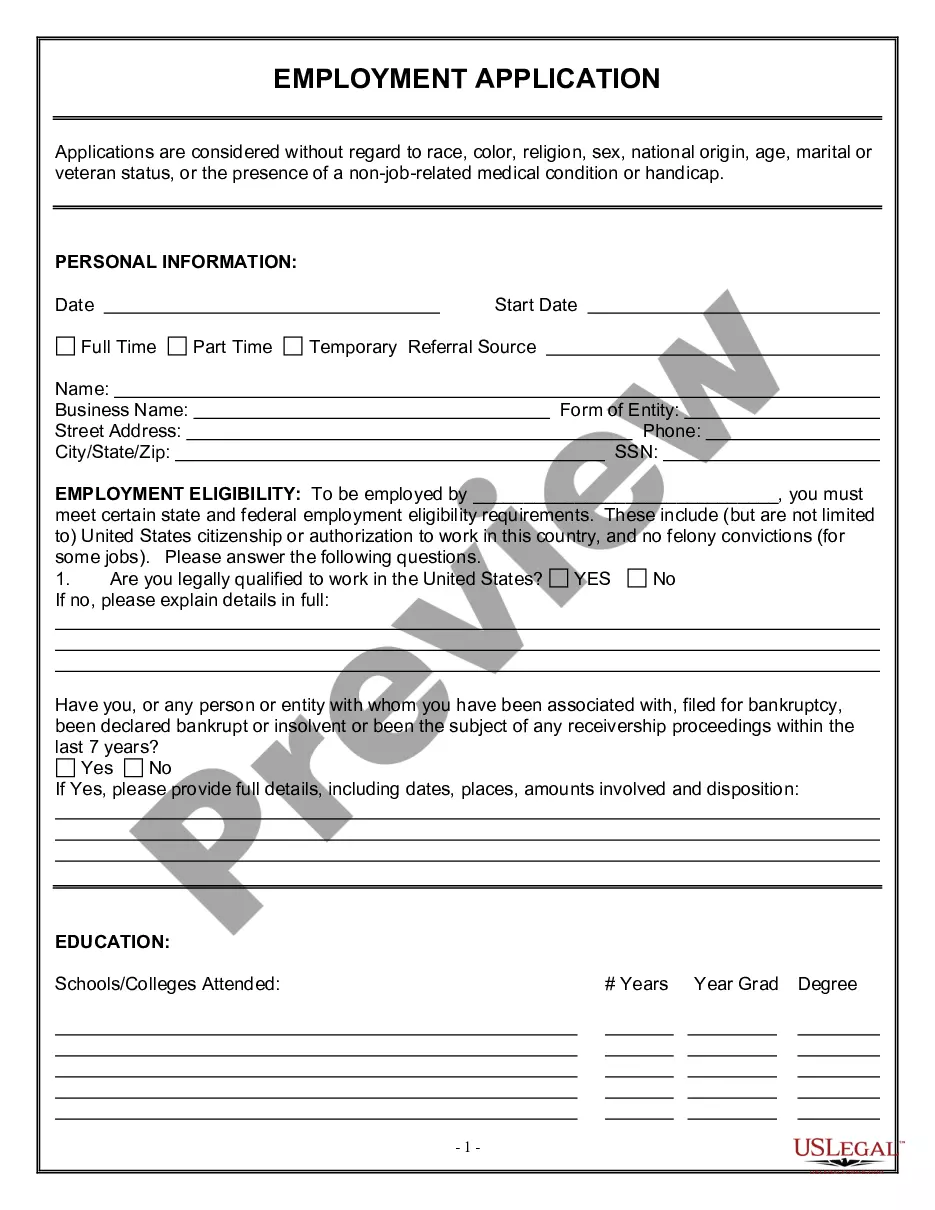


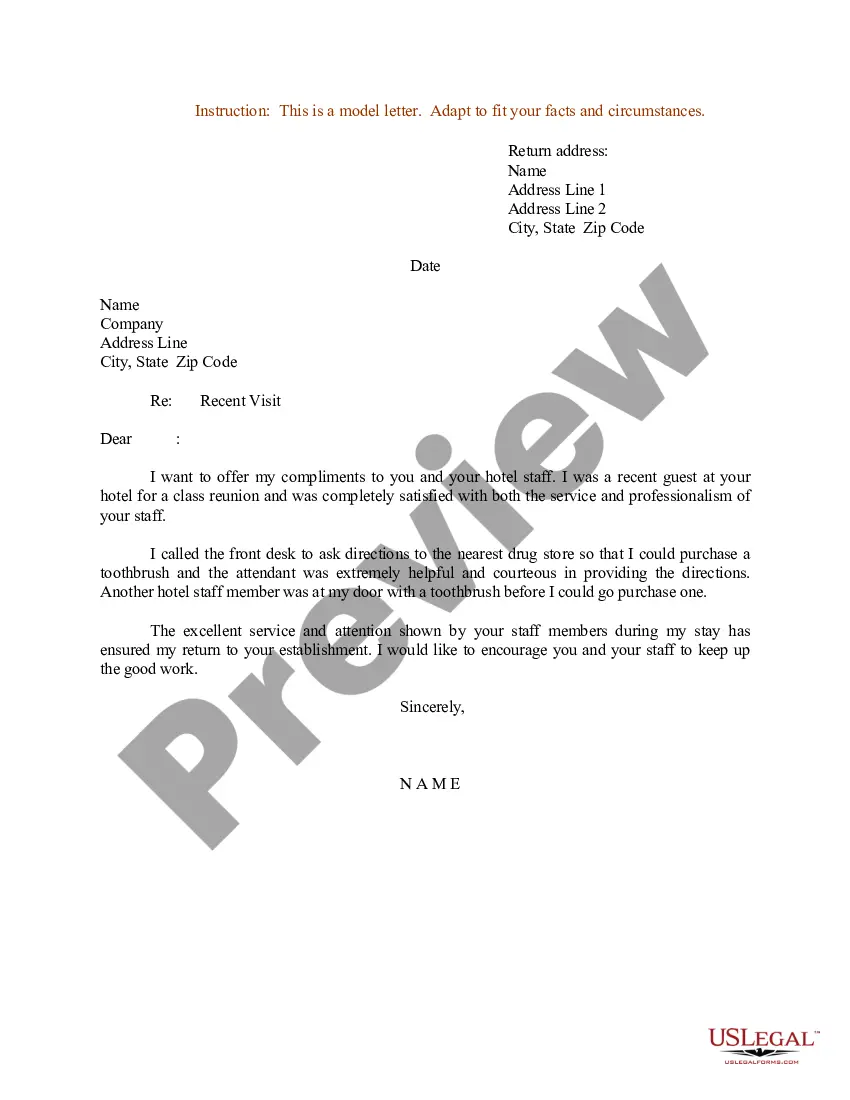

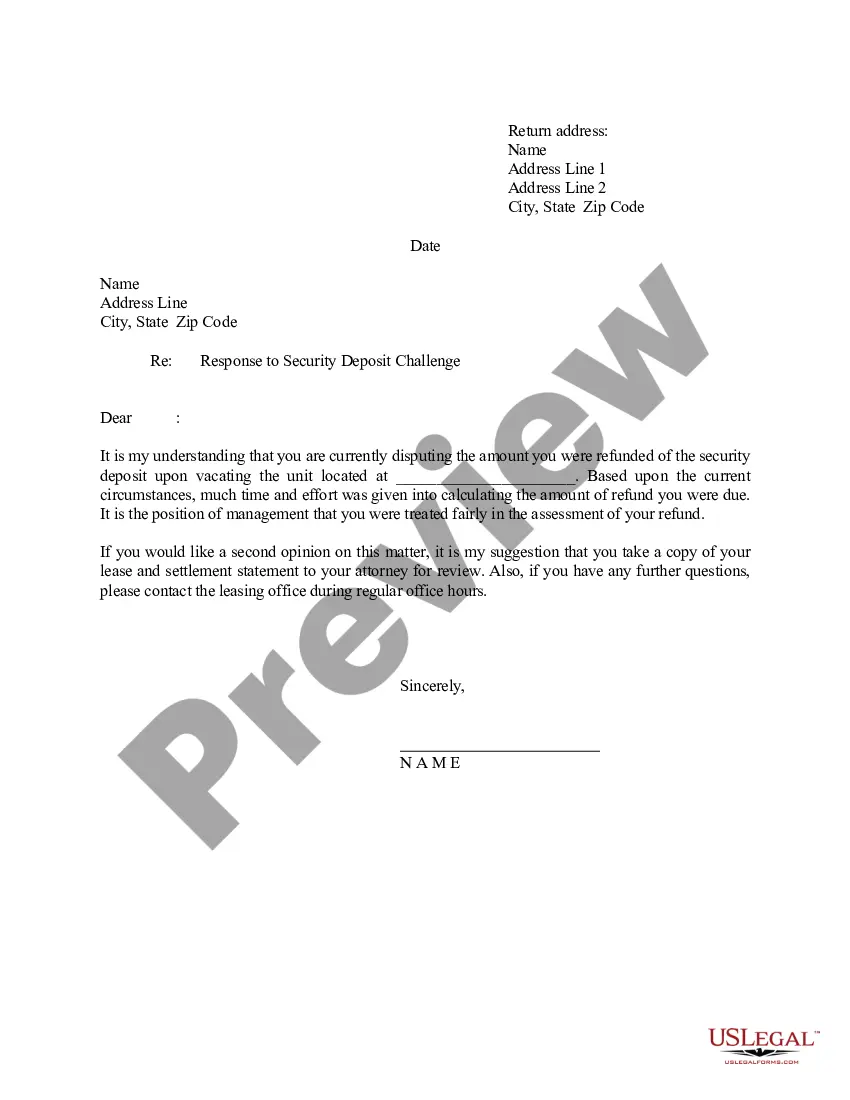
How to fill out Letter - To Tenant In Response To A Challenge To The Security Deposit Refund?
Whether for corporate intents or personal matters, everyone must contend with legal circumstances at some stage in their life.
Completing legal documents necessitates meticulous care, beginning with choosing the right form template.
Once saved, you can fill out the form using editing software or print it and complete it by hand. With an extensive catalog of US Legal Forms available, you never have to waste time searching the internet for the correct template. Utilize the library’s user-friendly navigation to find the right form for any circumstance.
- For example, if you choose an incorrect version of a Tenant Reimbursement For Repairs, it will be denied when submitted.
- Thus, it is vital to find a reliable source of legal documents like US Legal Forms.
- If you need to obtain a Tenant Reimbursement For Repairs template, follow these straightforward steps.
- Acquire the template you require by using the search bar or browsing the catalog.
- Review the form’s description to ensure it aligns with your situation, state, and county.
- Click on the form’s preview to examine it.
- If it is not the correct form, go back to the search option to find the Tenant Reimbursement For Repairs template you need.
- Download the template if it fulfills your requirements.
- If you already possess a US Legal Forms account, click Log in to access previously saved templates in My documents.
- If you do not have an account yet, you may acquire the form by clicking Buy now.
- Select the appropriate pricing choice.
- Complete the account registration form.
- Select your payment method: utilize a credit card or PayPal account.
- Pick the document format you prefer and download the Tenant Reimbursement For Repairs.
Form popularity
FAQ
To write a letter to a tenant for repairs, start with a friendly greeting and clearly explain what repairs are needed. Specify the timeline for completing the work and mention any arrangements for tenant reimbursement for repairs if they apply. Being clear and direct fosters good communication between you and your tenant, ensuring everyone understands the next steps.
Tenant reimbursable expenses refer to costs incurred by tenants for repairs that benefit the rental property. These can include necessary repairs to plumbing, electrical systems, or safety features. It's essential for tenants to keep all receipts and documents related to these expenses, as they can request tenant reimbursement for repairs from their landlords. Understanding these expenses can help both parties communicate effectively.
Writing a formal letter to a tenant involves using a respectful tone and clear language. Begin with a formal greeting and state the purpose of the letter upfront. If the topic includes tenant reimbursement for repairs, explain why it is necessary and what steps will be taken. Close with a professional sign-off and your contact details.
When writing a letter to a landlord requesting repairs, be concise and professional. Start with the date and your address, then explain the issue in a clear manner. Mention your concern regarding tenant reimbursement for repairs, if applicable, and request a timeline for when the repairs will be made. Always thank them for their attention.
To write an effective request letter for repair, begin by clearly stating the issue. Describe the problem in detail and mention when it occurred. Include a request for tenant reimbursement for repairs if you plan to cover the costs upfront. Lastly, provide your contact information for any follow-up.
Tenants in Florida are responsible for maintaining the rental property and should avoid causing unnecessary damage. However, when necessary repairs arise, tenants may not be liable for costs if they've notified landlords appropriately. If landlords fail to act, tenants can pursue tenant reimbursement for repairs they undertake. This balance of responsibilities ensures that both parties uphold their duties and maintain a harmonious renting relationship.
In Florida, landlords have specific obligations to ensure their rental properties are safe and habitable, making tenant reimbursement for repairs a key consideration. They must address any repairs needed to maintain basic living conditions, including plumbing, electrical, and structural issues. If a landlord ignores repair requests, tenants may have the right to act and seek reimbursement. Knowing these obligations protects tenants and offers them clear pathways to ensure their rights are upheld.
The new law in Florida for renters enhances tenant rights, especially regarding tenant reimbursement for repairs. This law allows tenants to seek reimbursement if a landlord fails to address necessary repairs in a timely fashion. If a repair affects a tenant's health or safety, they may take action to handle it themselves and later request reimbursement from the landlord. Understanding this law is crucial for both renters and landlords to maintain a fair rental environment.
A tenant reimbursement refers to the process where a landlord compensates a tenant for expenses incurred from repairs or improvements made to the rental unit. This often includes issues like maintenance or renovations agreed upon in advance. Familiarizing yourself with tenant reimbursement for repairs can help you navigate the financial aspects of renting effectively.
Tenant improvements coverage is insurance that protects tenants' renovations made to a leased property. This type of coverage typically compensates for damages or loss of investments if the property becomes uninhabitable. For tenants, understanding tenant reimbursement for repairs includes knowing what insurance might cover when renovations take place.