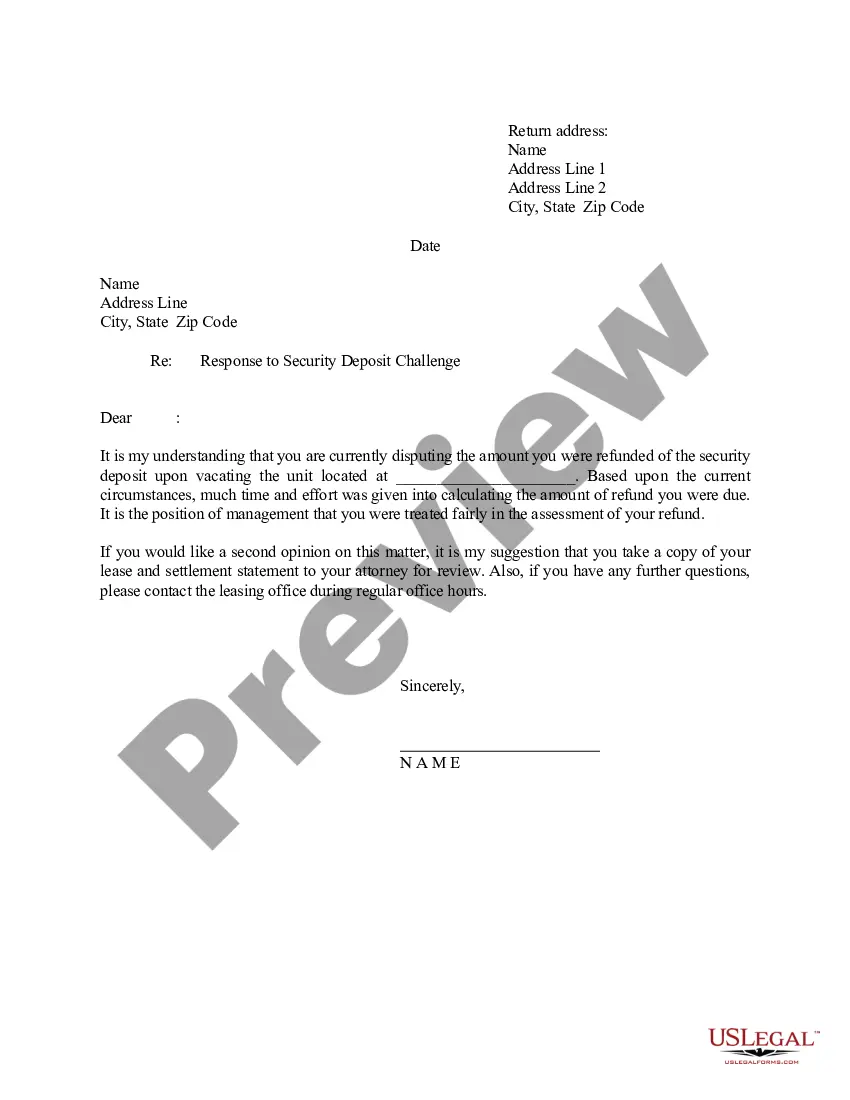
Security Refund With Company
Description
Get your form ready online
Our built-in tools help you complete, sign, share, and store your documents in one place.
Make edits, fill in missing information, and update formatting in US Legal Forms—just like you would in MS Word.
Download a copy, print it, send it by email, or mail it via USPS—whatever works best for your next step.
Sign and collect signatures with our SignNow integration. Send to multiple recipients, set reminders, and more. Go Premium to unlock E-Sign.
If this form requires notarization, complete it online through a secure video call—no need to meet a notary in person or wait for an appointment.
We protect your documents and personal data by following strict security and privacy standards.

Make edits, fill in missing information, and update formatting in US Legal Forms—just like you would in MS Word.

Download a copy, print it, send it by email, or mail it via USPS—whatever works best for your next step.

Sign and collect signatures with our SignNow integration. Send to multiple recipients, set reminders, and more. Go Premium to unlock E-Sign.

If this form requires notarization, complete it online through a secure video call—no need to meet a notary in person or wait for an appointment.

We protect your documents and personal data by following strict security and privacy standards.
Looking for another form?

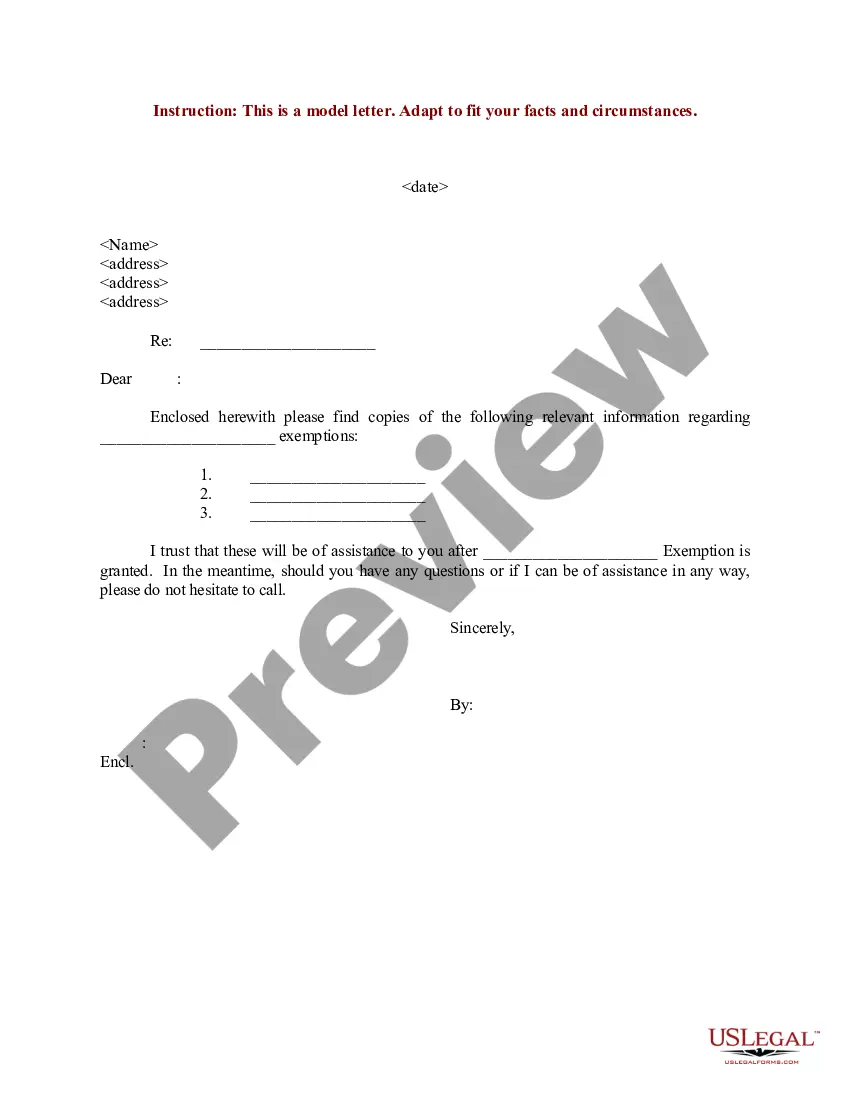
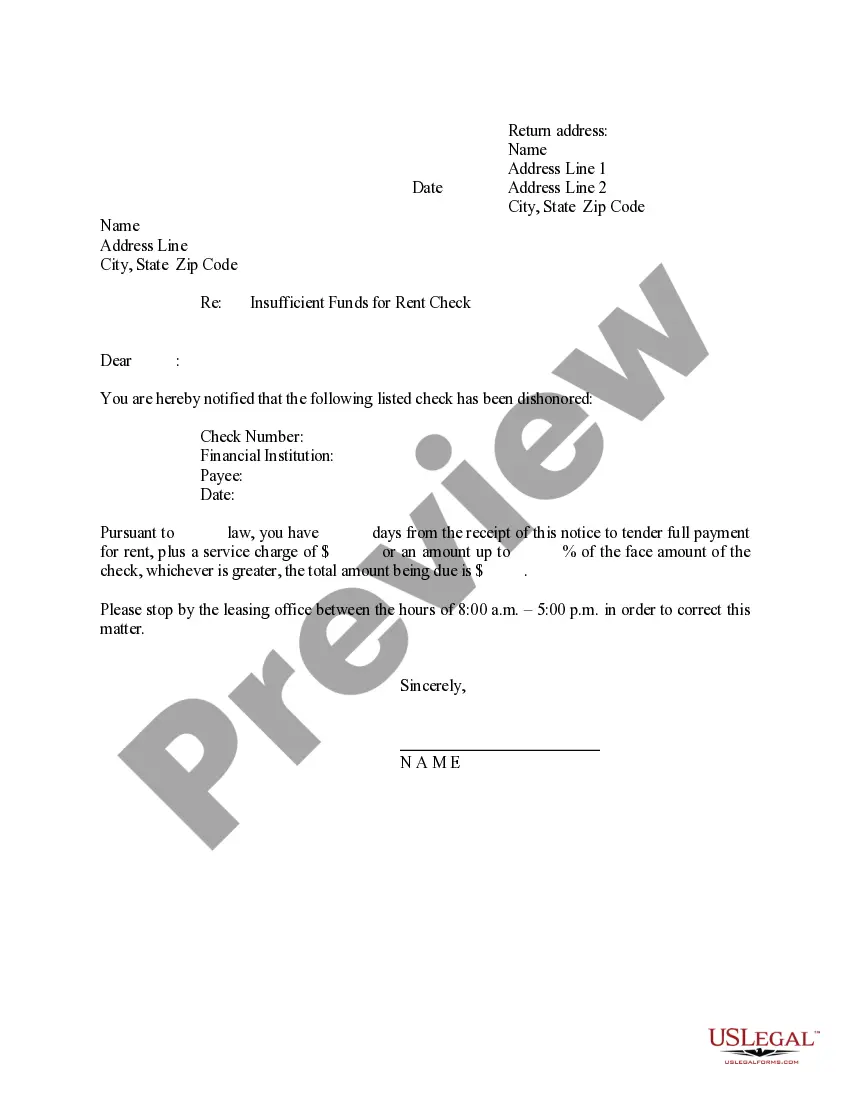
How to fill out Letter - To Tenant In Response To A Challenge To The Security Deposit Refund?
Acquiring legal document examples that comply with federal and regional laws is essential, and the internet provides various choices.
However, what's the benefit of spending time searching for the correct Security Refund With Company sample online if the US Legal Forms digital repository already compiles such templates in one location.
US Legal Forms is the largest online legal repository boasting over 85,000 fillable templates created by attorneys for any professional or personal situation. They are easy to navigate with all documents categorized by state and intended use. Our experts keep pace with legal updates, ensuring your documents are current and compliant when obtaining a Security Refund With Company from our site.
Click Buy Now when you’ve located the correct form and select a subscription plan. Create an account or sign in and make a payment via PayPal or a credit card. Choose the preferred format for your Security Refund With Company and download it. All templates you find through US Legal Forms are reusable. To re-download and complete forms previously acquired, access the My documents section in your profile. Take advantage of the most comprehensive and user-friendly legal document service!
- Obtaining a Security Refund With Company is fast and straightforward for both existing and new users.
- If you already possess an account with an active subscription, Log In and store the document sample you require in the appropriate format.
- If you are new to our site, follow the steps below.
- Review the template using the Preview feature or through the text outline to confirm it suits your requirements.
- If necessary, find another sample using the search tool at the top of the page.
Form popularity
FAQ
To request a refund for a security deposit, first, review your lease agreement for details on the return process. Write a formal request to your landlord, outlining your request for a security refund with company, and include your new address for any returned funds. Follow up if you do not receive a response within a reasonable time, and consider using resources like uslegalforms to help you create an effective request.
In Colorado, landlords must return security deposits within 30 days after a tenant vacates the property. They are required to provide an itemized statement of any deductions made from the deposit. If you believe you are owed a security refund with company, you can take legal action if the landlord fails to comply with this timeframe or does not provide a proper explanation.
To claim a refund from a company, start by reviewing the company's refund policy. Gather any necessary documentation, such as receipts or order confirmations, to support your claim. Next, contact their customer service department through the preferred communication channel. Clearly explain your situation and request a security refund with company, ensuring you provide all relevant details.
If your landlord does not return your security deposit within 30 days, you may have legal grounds to take action. First, you should communicate with your landlord to inquire about the delay. If the landlord fails to respond or provide a valid reason, you can file a complaint or seek mediation. Utilizing a security refund with company, such as USLegalForms, can help you understand your rights and guide you through the process of recovering your deposit.
Note These steps are only applicable if you use a liability account for security deposits. Step 1: Write a check for the amount to refund. ... Step 2: Create a product or service item. ... Step 3: Create an invoice. ... Step 4: Enter a credit memo. ... Step 5: Apply the credit to the invoice.
Examples of Refundable Security Deposit in a sentence I will pay Refundable Security Deposit of Rs 25,000/- in designated TCIL BANK Account in New Delhi.
Note These steps are only applicable if you use a liability account for security deposits. Step 1: Write a check for the amount to refund. ... Step 2: Create a product or service item. ... Step 3: Create an invoice. ... Step 4: Enter a credit memo. ... Step 5: Apply the credit to the invoice.
The statement must include the: Tenant's name and new address, or address he gave for return of the security deposit. Commencement date of the lease and date it ended. Amount of the security deposit when the tenant moved in. Amount of interest accrued.
Refund of security deposits and other common rules The Model Tenancy Act permits the landlord to deduct rent arrears and other repair charges from the security deposit and refund the remaining deposit when the tenure expires, and the tenant vacates the premises.