Renters Rights With Pets
Description
Get your form ready online
Our built-in tools help you complete, sign, share, and store your documents in one place.
Make edits, fill in missing information, and update formatting in US Legal Forms—just like you would in MS Word.
Download a copy, print it, send it by email, or mail it via USPS—whatever works best for your next step.
Sign and collect signatures with our SignNow integration. Send to multiple recipients, set reminders, and more. Go Premium to unlock E-Sign.
If this form requires notarization, complete it online through a secure video call—no need to meet a notary in person or wait for an appointment.
We protect your documents and personal data by following strict security and privacy standards.

Make edits, fill in missing information, and update formatting in US Legal Forms—just like you would in MS Word.

Download a copy, print it, send it by email, or mail it via USPS—whatever works best for your next step.

Sign and collect signatures with our SignNow integration. Send to multiple recipients, set reminders, and more. Go Premium to unlock E-Sign.

If this form requires notarization, complete it online through a secure video call—no need to meet a notary in person or wait for an appointment.

We protect your documents and personal data by following strict security and privacy standards.
Looking for another form?

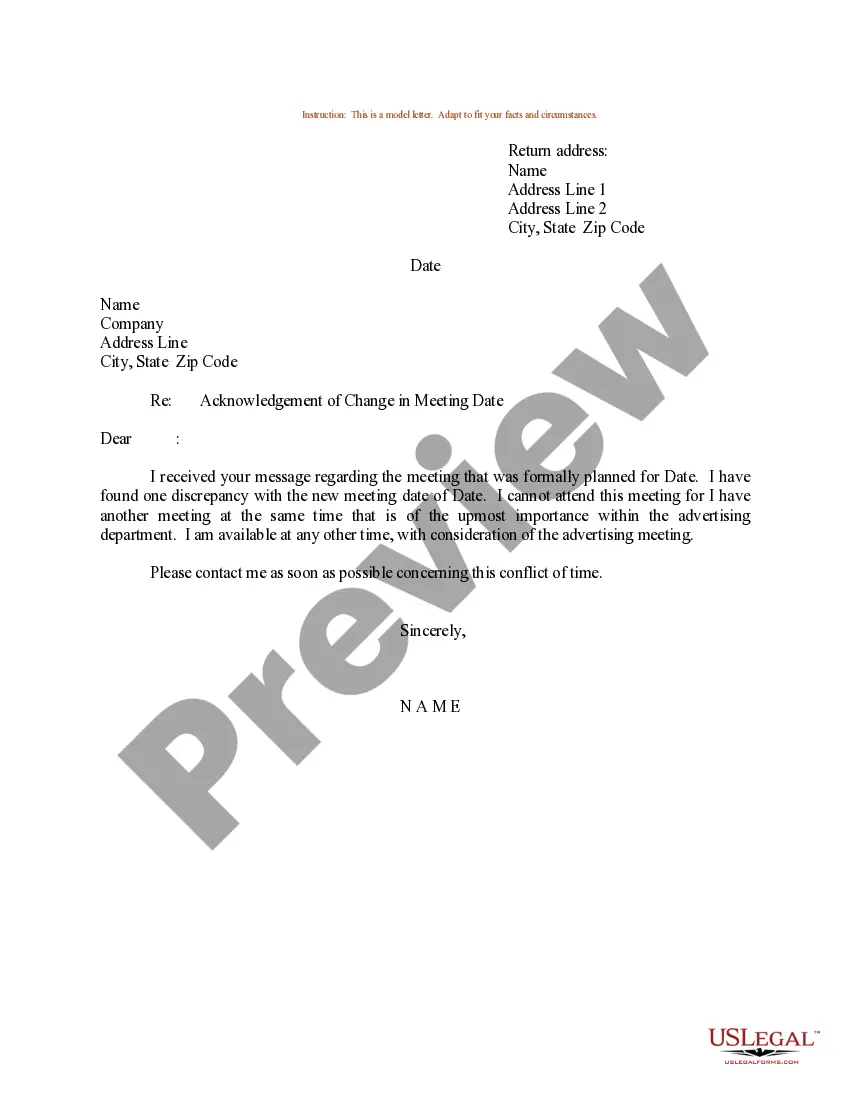





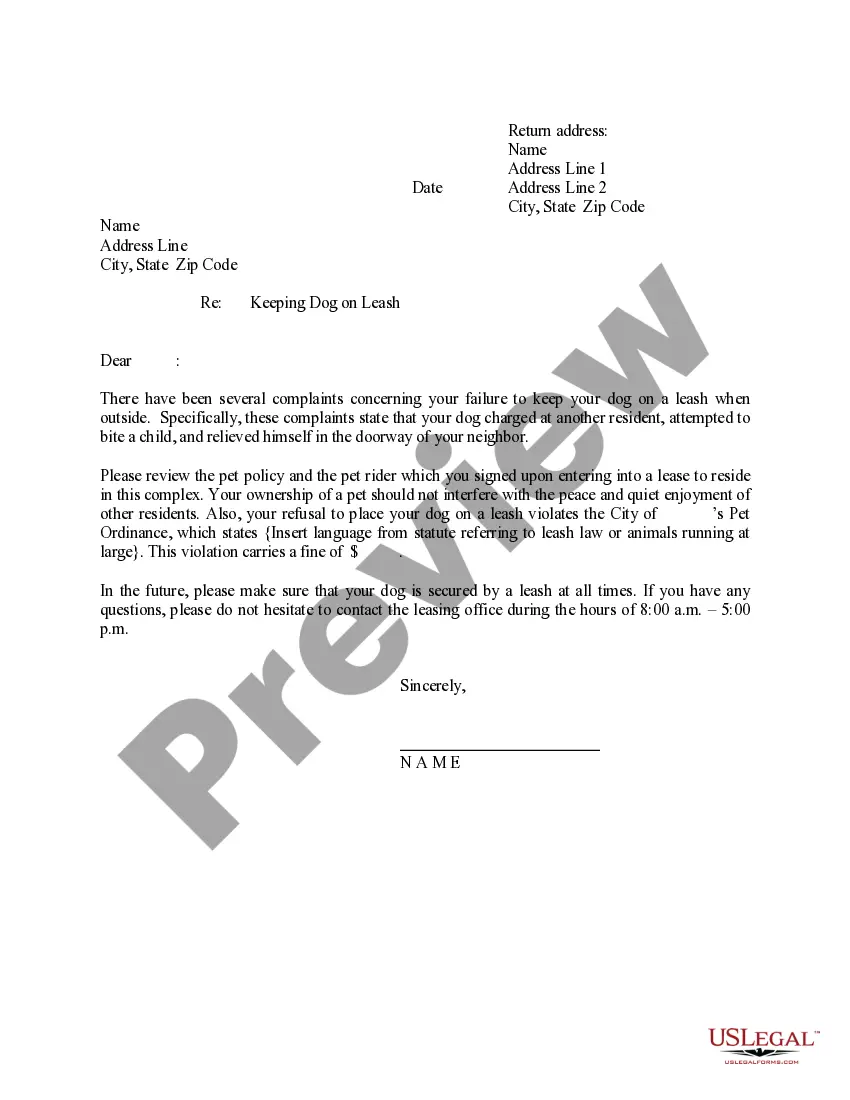
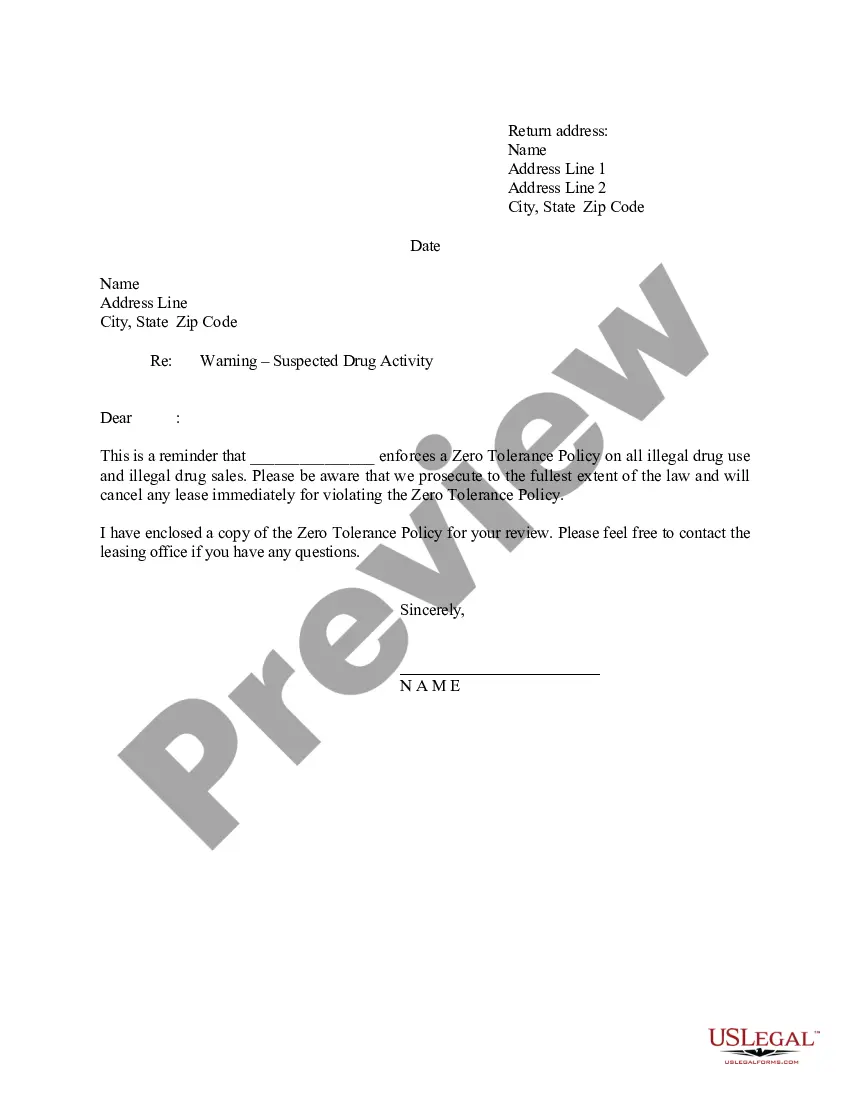
How to fill out Letter - Warning To Renter Regarding The Behavior Of The Renters Dog?
Utilizing legal templates that adhere to federal and local laws is crucial, and the internet presents a multitude of choices.
However, what is the purpose of spending time hunting for the appropriate Renters Rights With Pets example online if the US Legal Forms digital library has already assembled such templates in one location.
US Legal Forms is the largest online legal catalog featuring over 85,000 fillable templates created by attorneys for various business and personal situations. They are easy to navigate, with all documents organized by state and intended use. Our specialists stay abreast of legal updates, ensuring that your form is always current and compliant when you obtain a Renters Rights With Pets from our platform.
All documents accessed through US Legal Forms are reusable. To re-download and complete previously acquired forms, visit the My documents section in your profile. Enjoy the largest and most user-friendly legal documentation service!
- Acquiring a Renters Rights With Pets is quick and straightforward for both existing and new users.
- If you have an account with an active subscription, Log In and save the form sample you need in your chosen format.
- If you are new to our platform, follow the steps outlined below.
- Review the template using the Preview feature or through the text description to verify it fulfills your needs.
- Search for another sample using the search bar at the top of the page if necessary.
- Select Buy Now once you have found the appropriate form and choose a subscription option.
- Create an account or Log In and complete the payment using PayPal or a credit card.
- Choose the format for your Renters Rights With Pets and download it.
Form popularity
FAQ
When informing your landlord about your pet, it's important to be open and proactive. Schedule a conversation, either in person or through a formal letter, and explain your pet's positive traits and any training it has completed. This friendly approach can demonstrate your consideration for renters rights with pets and help maintain a good relationship with your landlord.
Crafting a pet policy involves setting clear guidelines on what is expected from pet owners. Include details about types of acceptable pets, rules regarding pet care and behavior, and any fees or deposits. This proactive approach ensures that renters understand their responsibilities and strengthen renters rights with pets.
The new American pet policy emphasizes inclusivity for pet owners while promoting responsible pet ownership. This policy encourages landlords to evaluate emotional support animals and their impacts on renting conditions. Understanding this policy helps renters better advocate for their rights, particularly when it comes to renters rights with pets.
Navigating a no pet policy can be tricky, but some strategies may help. You might consider approaching your landlord with a pet proposal that outlines your pet’s good behavior and any training completed. Regular communication and demonstrating responsibility can ultimately contribute to positive discussions, especially when exploring renters rights with pets.
To create a pet policy, first consider the specific rules you want to enforce regarding pets in your rental property. Include information about deposit fees, pet behavior expectations, and any breed or size restrictions. Remember, a clear and comprehensive pet policy respects both the landlords' needs and the renters rights with pets, fostering a better living environment for everyone.
Writing a composition about your pet can be an enjoyable task. Start by introducing your pet, mentioning its name, breed, and characteristics. Then, share some anecdotes that highlight your pet's personality and your experiences together. Incorporating details about your pet’s daily routine can make your composition compelling, especially when discussing renters rights with pets.
While circumventing a no-pet policy is generally discouraged, some tenants explore options such as negotiating with their landlord or providing documentation for a service animal. It's crucial to approach the subject with a clear understanding of your renters' rights with pets and the necessary state laws. Building open communication with your landlord increases your chances of finding a favorable solution. If needed, consult legal forms and resources for assistance in making your case.
When your landlord informs you that pets are not allowed, it’s essential to review your lease for specifics. Landlords can place pet restrictions, but they must also notify tenants about these policies upfront. Understanding your renters' rights with pets can help you navigate this conversation with your landlord. Remember, if you have disabilities requiring an assistance animal, these rules may differ, so ensure you understand your rights.
If a landlord discovers a pet on their property in violation of the lease agreement, they typically have the right to take action. This may include issuing fines, requiring the tenant to remove the pet, or potentially starting the eviction process. Protecting your renters' rights with pets means being aware of and respecting the terms of your lease. If you're unsure of your obligations or your landlord's rights, consider consulting legal resources.
In Florida, tenants have several legal rights, including the right to a safe and habitable living space. This also extends to pets, as certain laws protect tenants with service animals. Understanding your renters' rights with pets in Florida can empower you during disputes with your landlord. If you feel your rights are being violated, consider using resources like US Legal Forms to seek guidance.