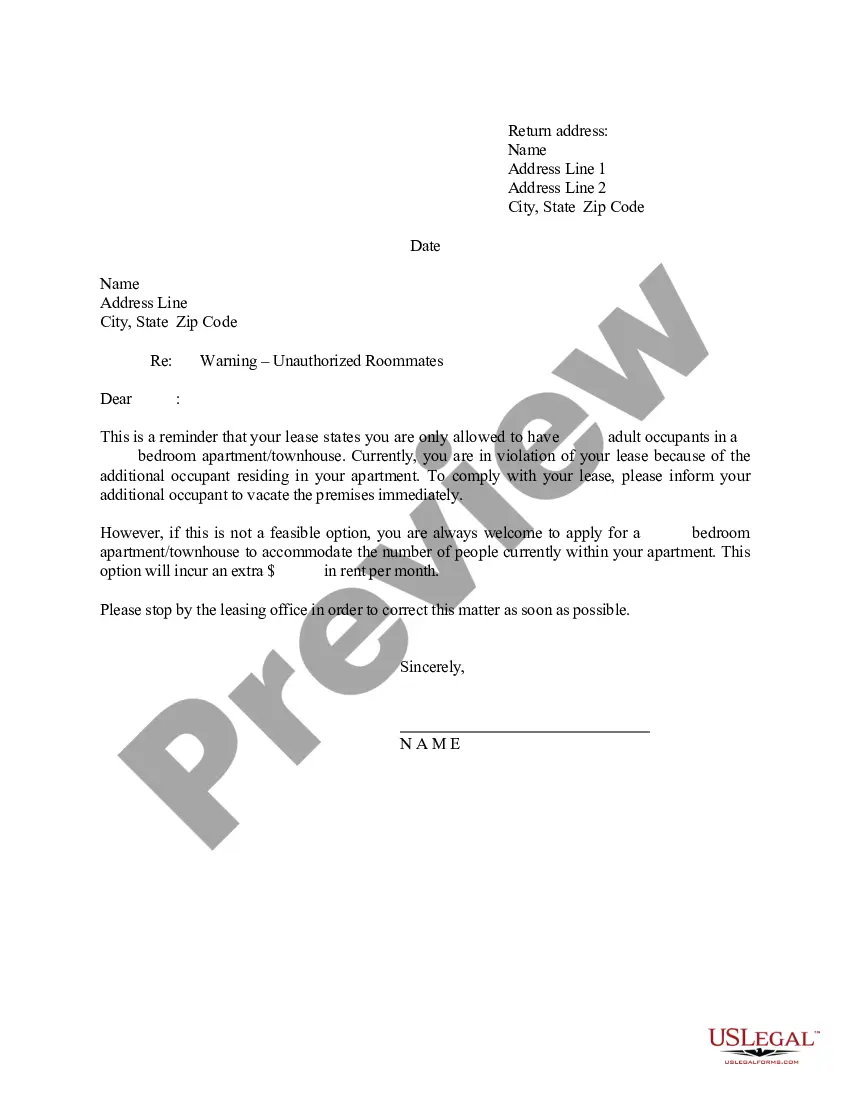
Warning Letter For Insubordination
Description
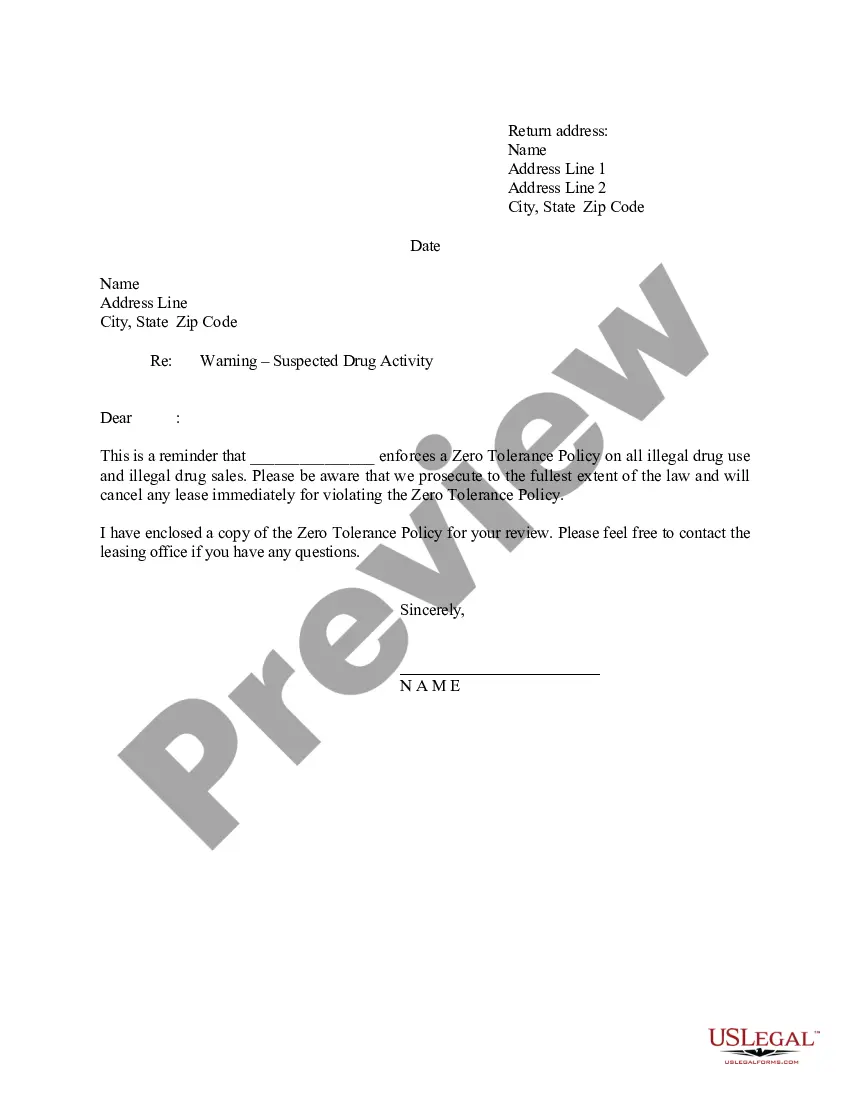
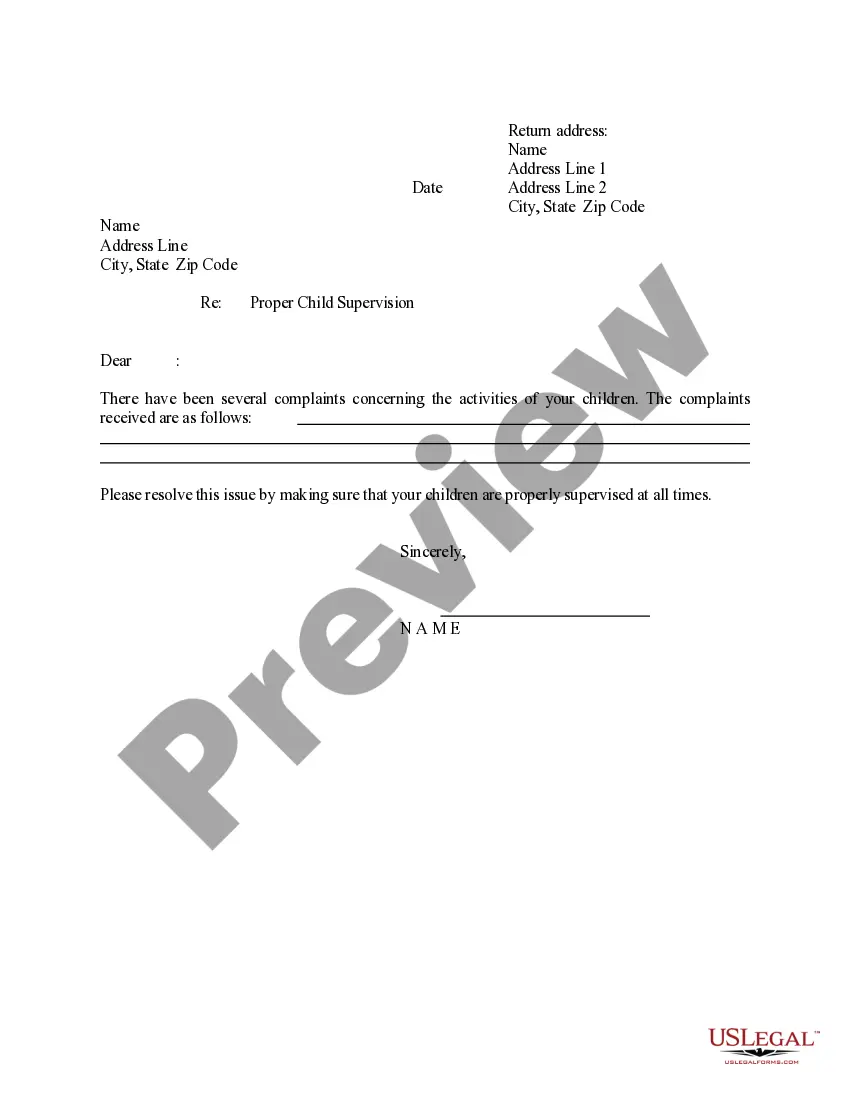
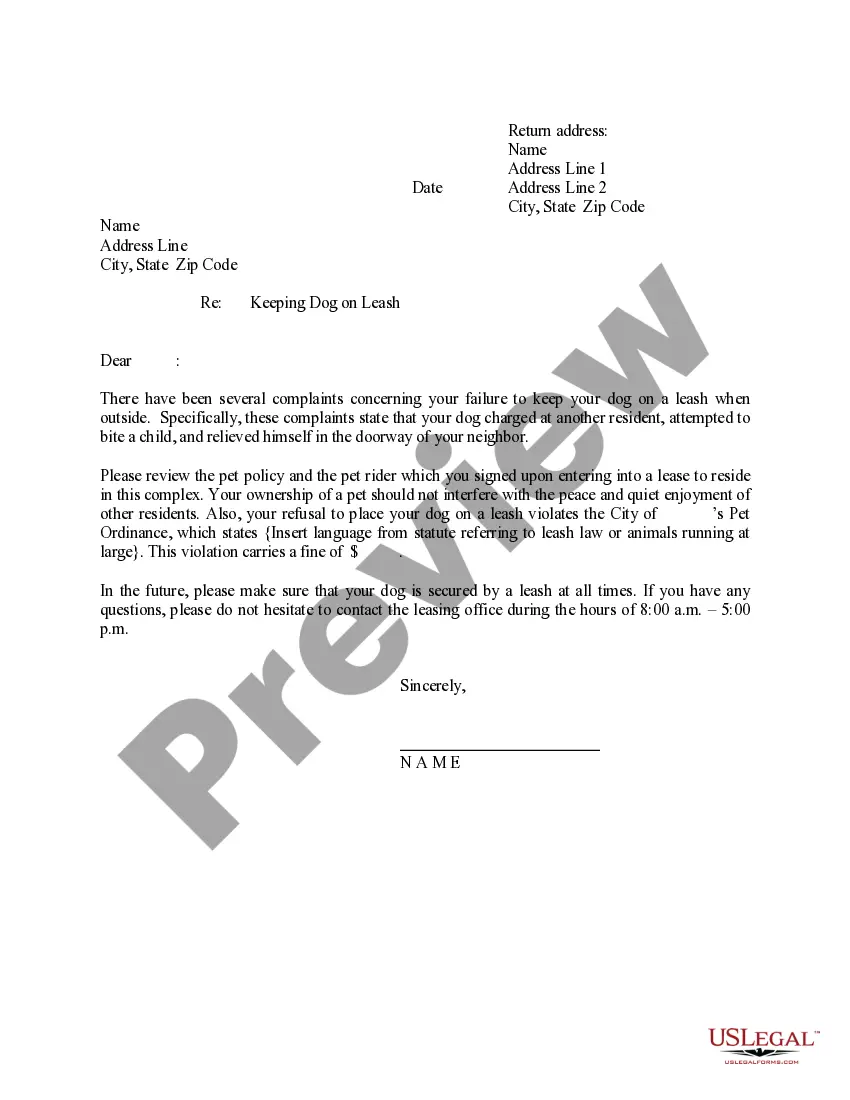
Get your form ready online
Our built-in tools help you complete, sign, share, and store your documents in one place.
Make edits, fill in missing information, and update formatting in US Legal Forms—just like you would in MS Word.
Download a copy, print it, send it by email, or mail it via USPS—whatever works best for your next step.
Sign and collect signatures with our SignNow integration. Send to multiple recipients, set reminders, and more. Go Premium to unlock E-Sign.
If this form requires notarization, complete it online through a secure video call—no need to meet a notary in person or wait for an appointment.
We protect your documents and personal data by following strict security and privacy standards.

Make edits, fill in missing information, and update formatting in US Legal Forms—just like you would in MS Word.

Download a copy, print it, send it by email, or mail it via USPS—whatever works best for your next step.

Sign and collect signatures with our SignNow integration. Send to multiple recipients, set reminders, and more. Go Premium to unlock E-Sign.

If this form requires notarization, complete it online through a secure video call—no need to meet a notary in person or wait for an appointment.

We protect your documents and personal data by following strict security and privacy standards.
Looking for another form?








How to fill out Letter - Warning To Renter Regarding Unauthorized Roommate?
Individuals frequently connect legal documentation with complexity that only an expert can manage.
In a certain sense, this is accurate, as creating a Warning Letter For Insubordination requires considerable expertise in subject matter, including state and local regulations.
However, with US Legal Forms, the process has become simpler: pre-designed legal templates for any life and business scenario relevant to state laws are gathered in a single online directory and are now accessible to all.
All templates in our catalog are reusable: once acquired, they remain saved in your profile, allowing you to access them anytime needed through the My documents tab. Discover all the advantages of utilizing the US Legal Forms platform. Subscribe today!
- US Legal Forms provides over 85k current documents categorized by state and usage area, making it quick to search for a Warning Letter For Insubordination or any other specific template.
- Returning users with an active subscription must Log In to their account and select Download to retrieve the document.
- New users will need to establish an account and subscribe before downloading any documents.
- Follow this step-by-step guide to obtain the Warning Letter For Insubordination.
- Review the page content thoroughly to confirm it meets your requirements.
- Study the form description or view it using the Preview option.
- If the previous template does not suit your needs, search for another one using the Search bar above.
- Once you locate the appropriate Warning Letter For Insubordination, click Buy Now.
- Choose a subscription plan that fits your requirements and financial considerations.
- Create an account or Log In to proceed to the payment page.
- Complete your subscription payment via PayPal or with your credit card.
- Select the format for your document and click Download.
- Print your document or upload it to an online editor for quicker completion.
Form popularity
FAQ
Walking out of a meeting can be seen as insubordination, especially if the employee does so in defiance of authority or without a valid reason. It's important to address such actions swiftly to preserve workplace harmony. A warning letter for insubordination can outline the consequences and encourage better professional conduct in the future.
Rudeness can be a form of insubordination if it directly challenges authority or disrupts the workplace. When an employee speaks disrespectfully to a manager or refuses to collaborate respectfully, it may warrant a warning letter for insubordination. Clear policies on workplace behavior can prevent misunderstandings around this issue.
To report insubordination, gather evidence of the behavior and document specific incidents. You should communicate your concerns to your immediate supervisor or HR department. Providing a clear warning letter for insubordination can support your case and ensure proper action is taken.
An employee engages in insubordination when they refuse to comply with reasonable instructions or show disrespect towards their superiors. Actions like ignoring requests, using offensive language, or challenging a manager's decision can all qualify. Addressing such behavior promptly with a warning letter for insubordination can help maintain a professional workplace.
Insubordination refers to an employee’s refusal to follow a reasonable directive from a supervisor. This behavior disrupts the workplace environment and undermines authority. For example, if a manager gives a directive related to work tasks and the employee openly defies it, this can warrant a warning letter for insubordination.
To write a letter for unprofessional behavior, start by identifying the behavior specifically, such as inappropriate comments or lack of cooperation. Explain why these actions are unacceptable and their potential consequences. The letter should serve as a warning letter for insubordination, aiming to redirect the employee’s behavior positively.
A good sentence for insubordination might be, 'Your refusal to comply with the directives given by your supervisor on date constitutes insubordination and cannot be tolerated in our workplace.' This clear statement identifies the behavior directly, helping set the tone for a warning letter for insubordination.
Writing a warning letter for disrespectful behavior requires clarity and a focus on the specific actions taken. Describe what happened, when it occurred, and the impact it had on the work environment. This clear communication creates a record that reinforces workplace expectations and can guide the employee toward better behavior.
To write a written warning for insubordination, start by stating the date and time of the incident. Then, detail the behavior that violates company policy. Make sure to maintain a professional tone and explain the importance of adhering to workplace rules. This helps the employee understand the seriousness of their actions.
Examples of insubordination can include refusing to follow instructions, openly disrespecting a supervisor, or failing to meet established deadlines. Each of these behaviors disrupts the workplace and undermines authority. It’s essential to document these actions with a warning letter for insubordination to maintain a professional environment.