Notification Extension For Chrome
Description
Get your form ready online
Our built-in tools help you complete, sign, share, and store your documents in one place.
Make edits, fill in missing information, and update formatting in US Legal Forms—just like you would in MS Word.
Download a copy, print it, send it by email, or mail it via USPS—whatever works best for your next step.
Sign and collect signatures with our SignNow integration. Send to multiple recipients, set reminders, and more. Go Premium to unlock E-Sign.
If this form requires notarization, complete it online through a secure video call—no need to meet a notary in person or wait for an appointment.
We protect your documents and personal data by following strict security and privacy standards.

Make edits, fill in missing information, and update formatting in US Legal Forms—just like you would in MS Word.

Download a copy, print it, send it by email, or mail it via USPS—whatever works best for your next step.

Sign and collect signatures with our SignNow integration. Send to multiple recipients, set reminders, and more. Go Premium to unlock E-Sign.

If this form requires notarization, complete it online through a secure video call—no need to meet a notary in person or wait for an appointment.

We protect your documents and personal data by following strict security and privacy standards.
Looking for another form?






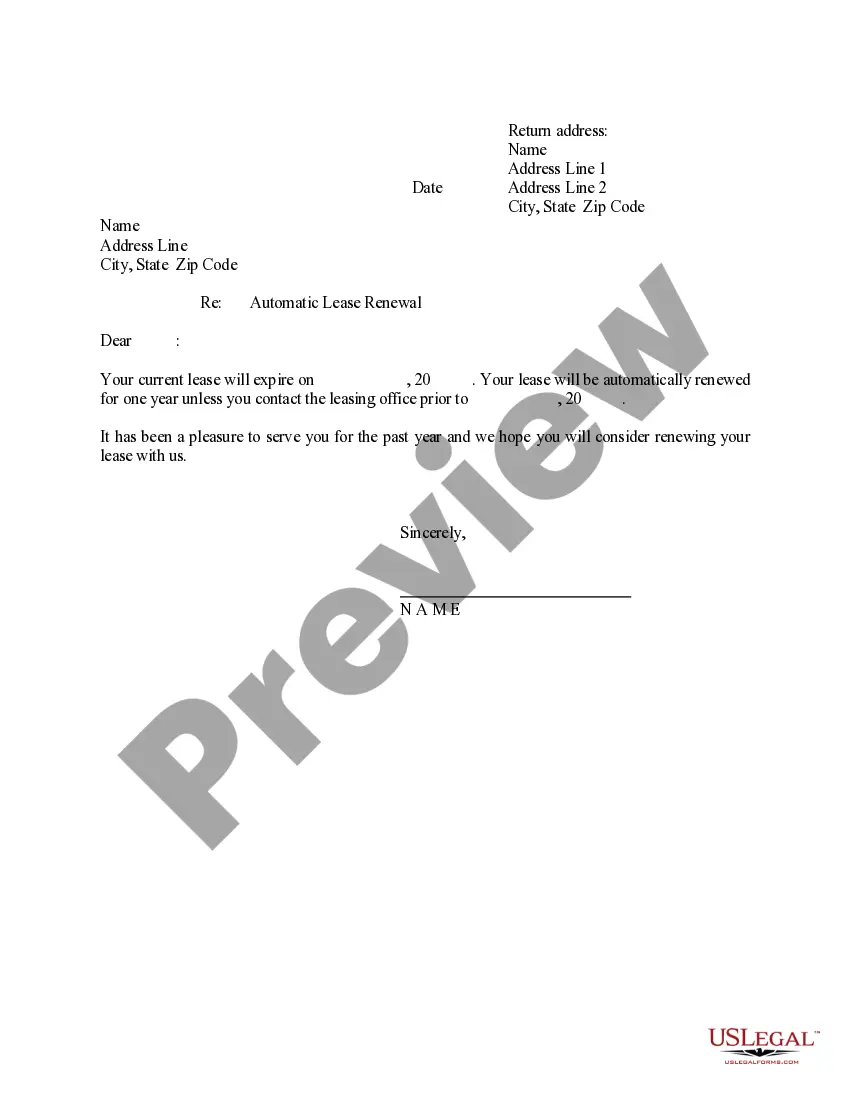
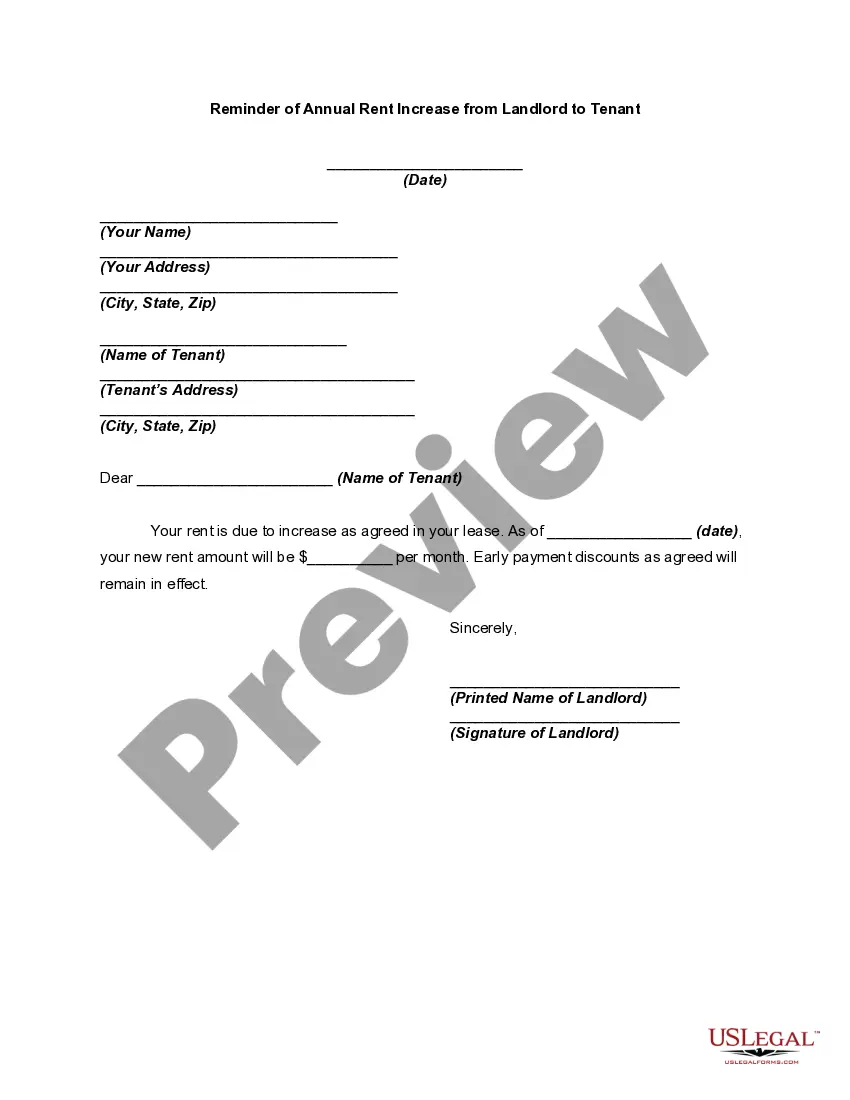
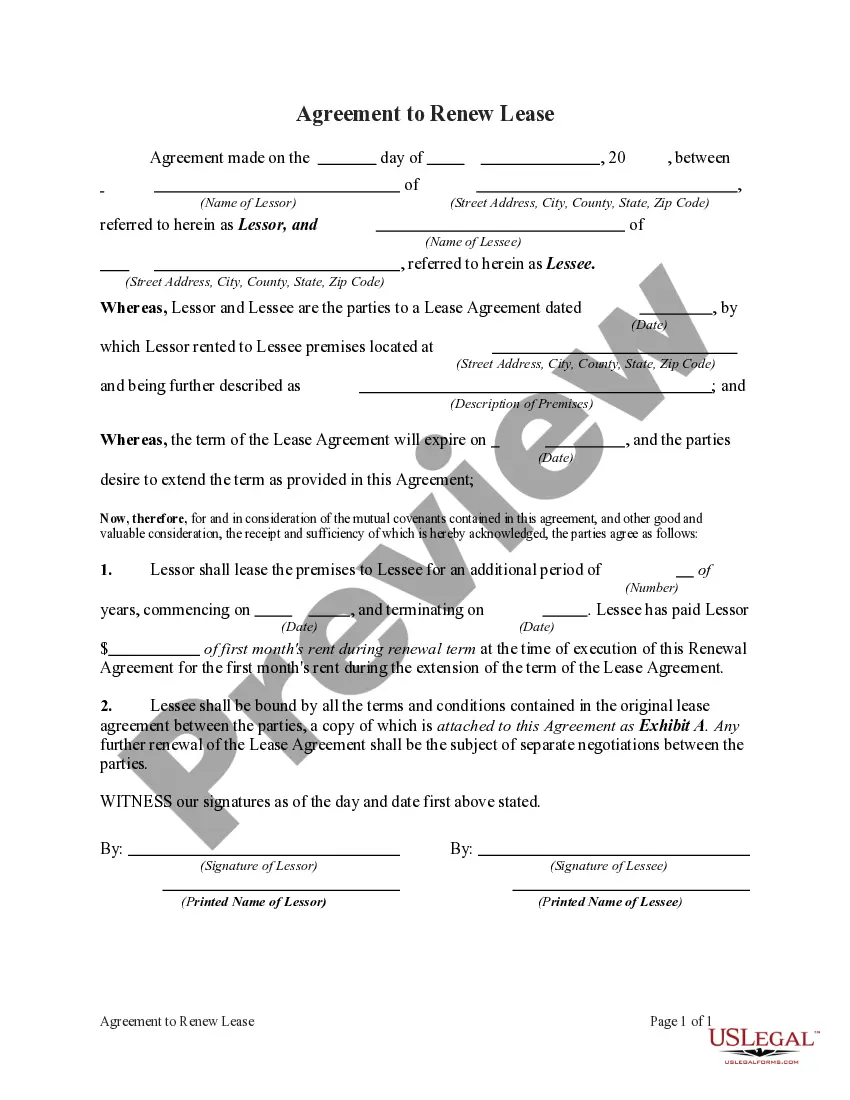
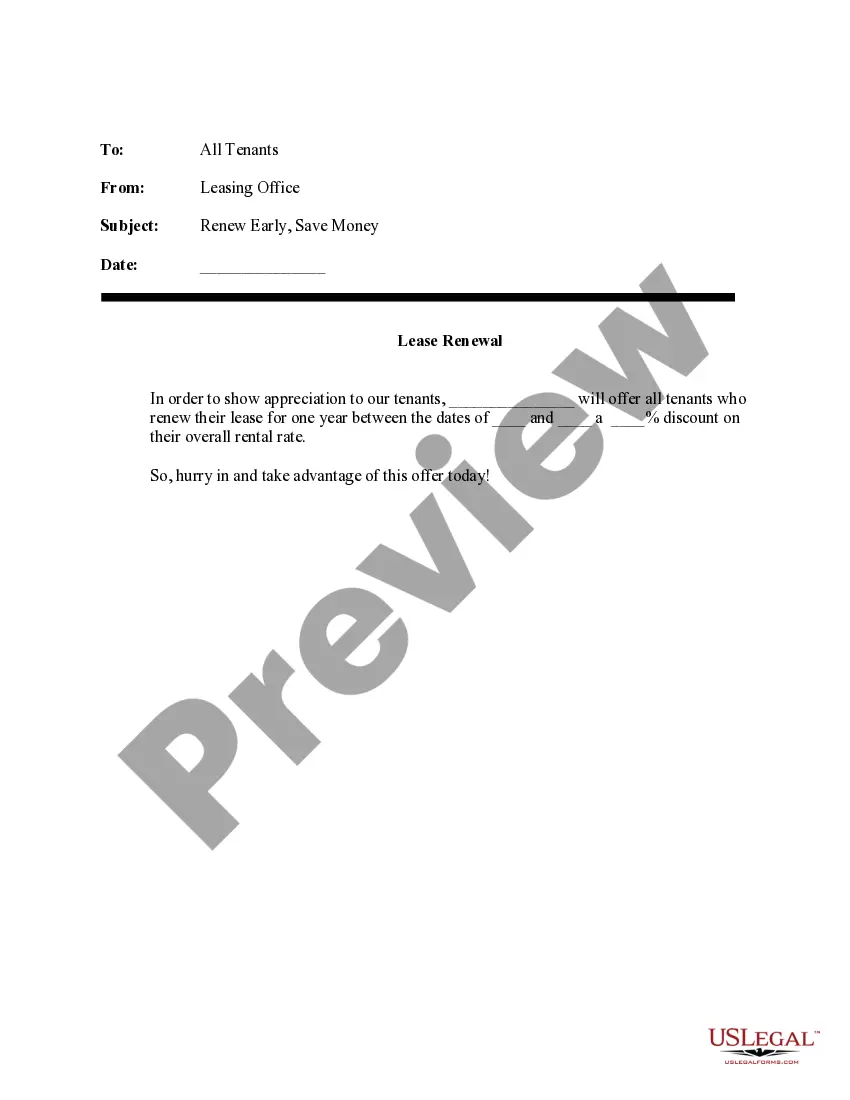
How to fill out Letter - Notification To Renter Of Automatic Lease Renewal?
Whether for commercial reasons or personal issues, everyone must confront legal matters eventually in their lifetime.
Filling out legal paperwork demands meticulous care, starting from selecting the right template.
With an extensive US Legal Forms catalog available, you don’t need to waste time searching for the suitable template online. Make use of the library’s straightforward navigation to find the right template for any situation.
- Locate the template you require by utilizing the search bar or browsing the catalog.
- Review the form’s details to confirm it aligns with your situation, jurisdiction, and county.
- Click on the form’s preview to examine it.
- If it is the wrong form, return to the search feature to locate the Notification Extension For Chrome sample you need.
- Download the document if it fulfills your specifications.
- If you possess a US Legal Forms account, simply click Log in to access previously saved files in My documents.
- In case you do not yet have an account, you may purchase the form by clicking Buy now.
- Select the appropriate pricing option.
- Complete the profile registration form.
- Select your payment method: you can use a credit card or a PayPal account.
- Choose the document format you prefer and download the Notification Extension For Chrome.
- Once it is saved, you can fill out the form using editing software or print it and complete it manually.
Form popularity
FAQ
A public office may refuse disclosure of the requested records if one or more of the following statutory exemptions applies: Medical records. Probation or parole records. Adoption files and records related to adoption proceedings.
Examples of records that are not considered public include: Adoption records. Education records. Medical records.
Ohio's Sunshine Laws give residents access to government meetings and records. Ohio's Public Records Act and Open Meetings Act, also known as "Sunshine Laws," create an open government and help residents observe and take part in government meetings and activities and access records.
The References list citation for an unpublished or unreported decision follows this format: Name v. Name, No. docket number (Court Month Day, Year).
Records include all records kept by any public office as well as records of both non-profit and for-profit private schools. Anyone may request public records and no statement of purpose is required. In fact records requests need not even be submitted in writing and can be made anonymously.
Public records are to be available for inspection during regular business hours. Public records must be made available for inspection promptly. Copies of public records must be made available within a reasonable period of time.
Residential and familial information can include, but is not limited to, their home addresses, emergency contact numbers of the employee's spouse or children, and banking information. ingly, this information should be redacted from a public record before disclosure.
3.4: "All opinions of the courts of appeals issued after may be cited as legal authority and weighted as deemed appropriate by the courts without regard to whether the opinion was published or in what form it was published." (Note: While any district court, whether it be a trial court (Court of Common Pleas ...
Ohio Revised Code 2503.20 still states that, "All such cases shall be reported in ance with this section before they are recognized by and receive the official sanction of any court." Despite this code section, attorneys and judges frequently cite to cases that are not officially reported.
(a) Unpublished opinion Except as provided in (b), an opinion of a California Court of Appeal or superior court appellate division that is not certified for publication or ordered published must not be cited or relied on by a court or a party in any other action.