Defined Benefit Plan Form Withdraw
Description
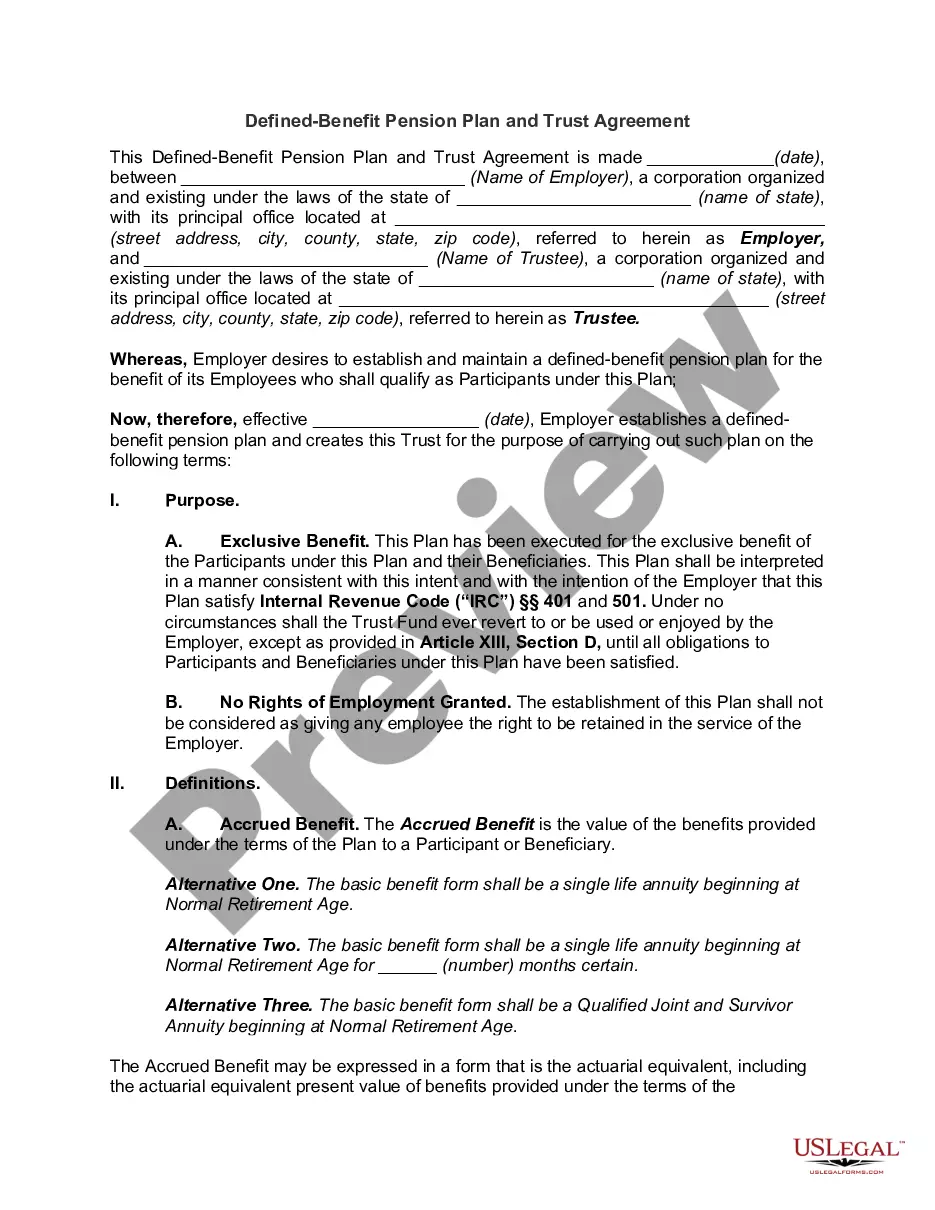
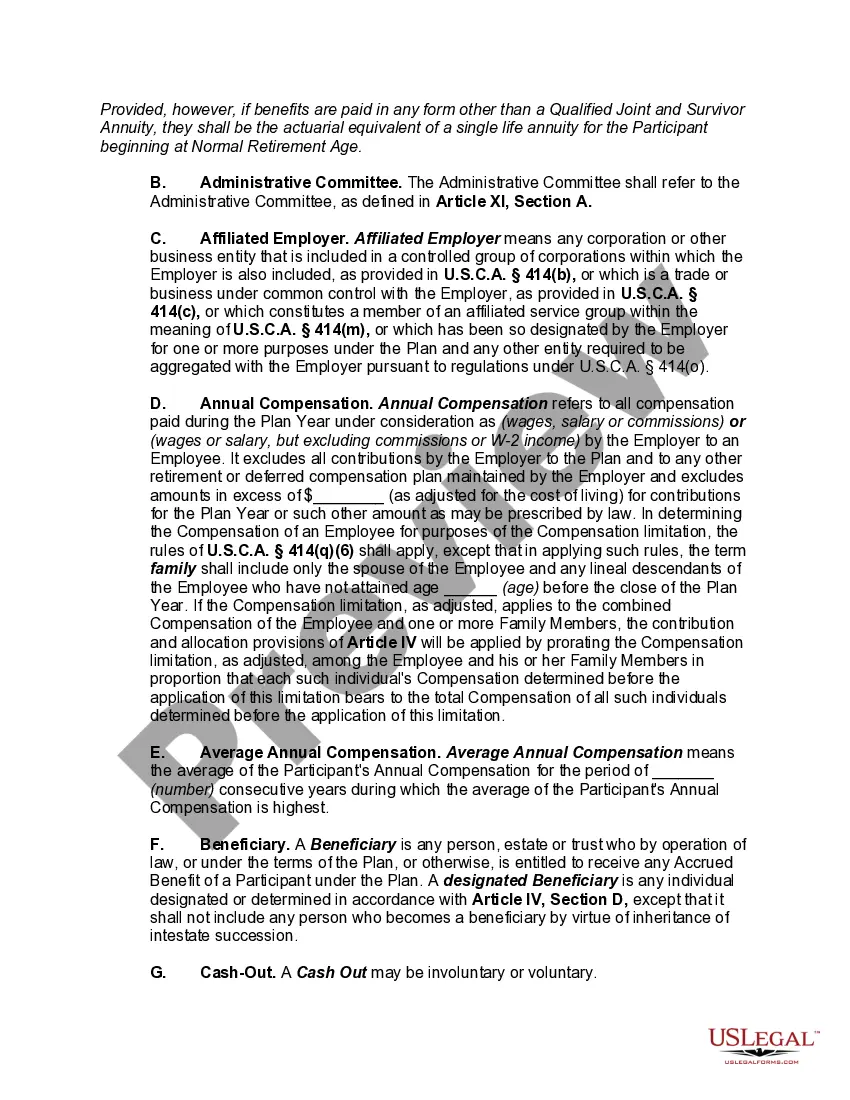
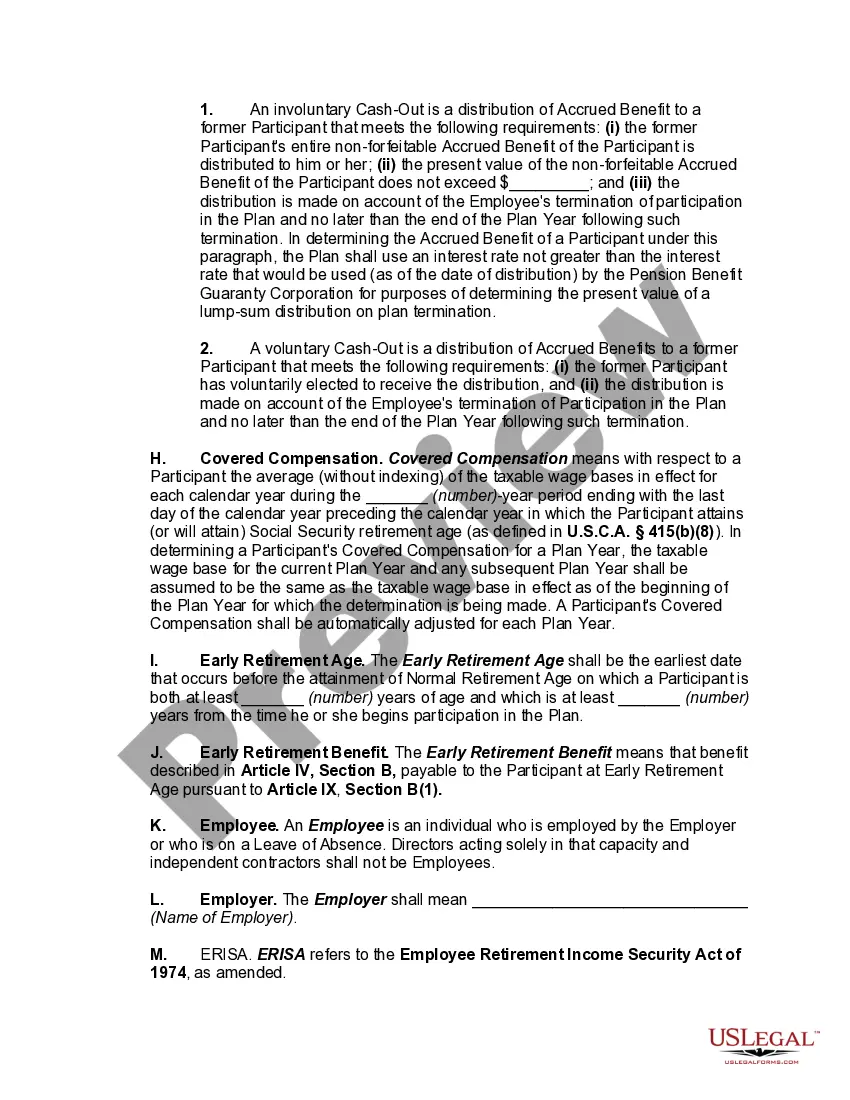
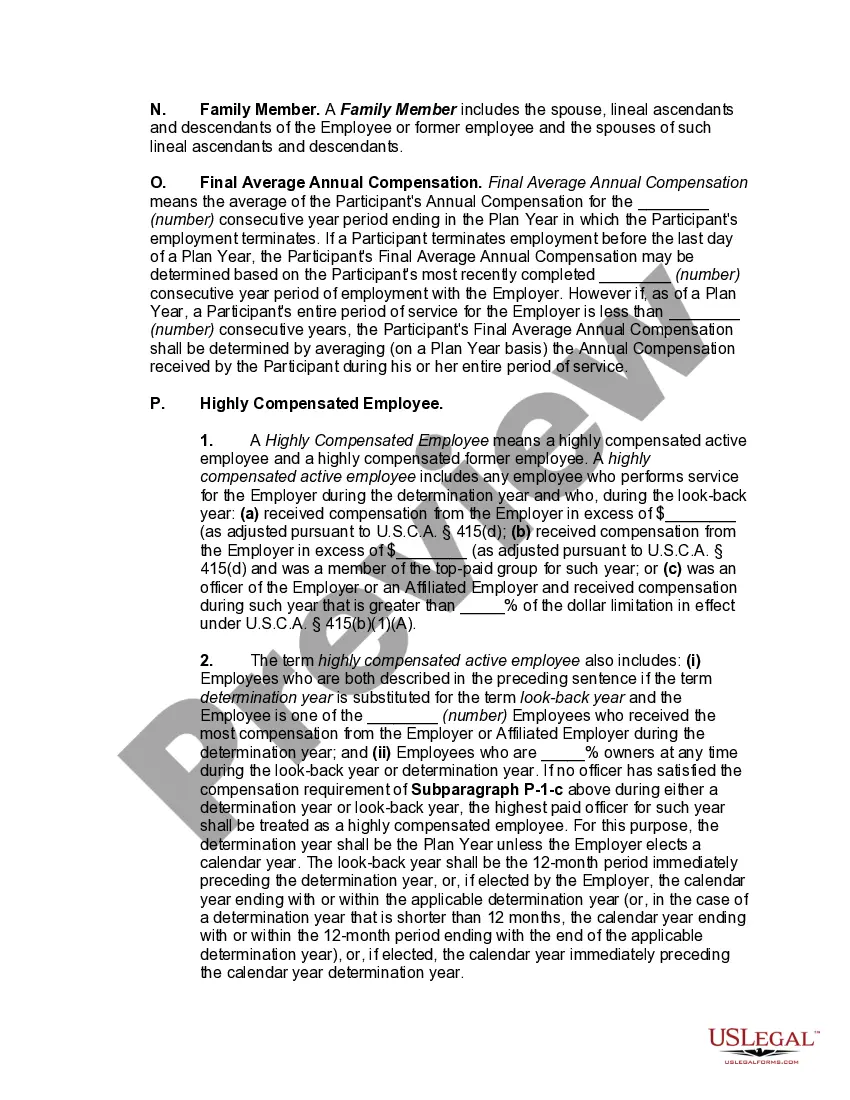
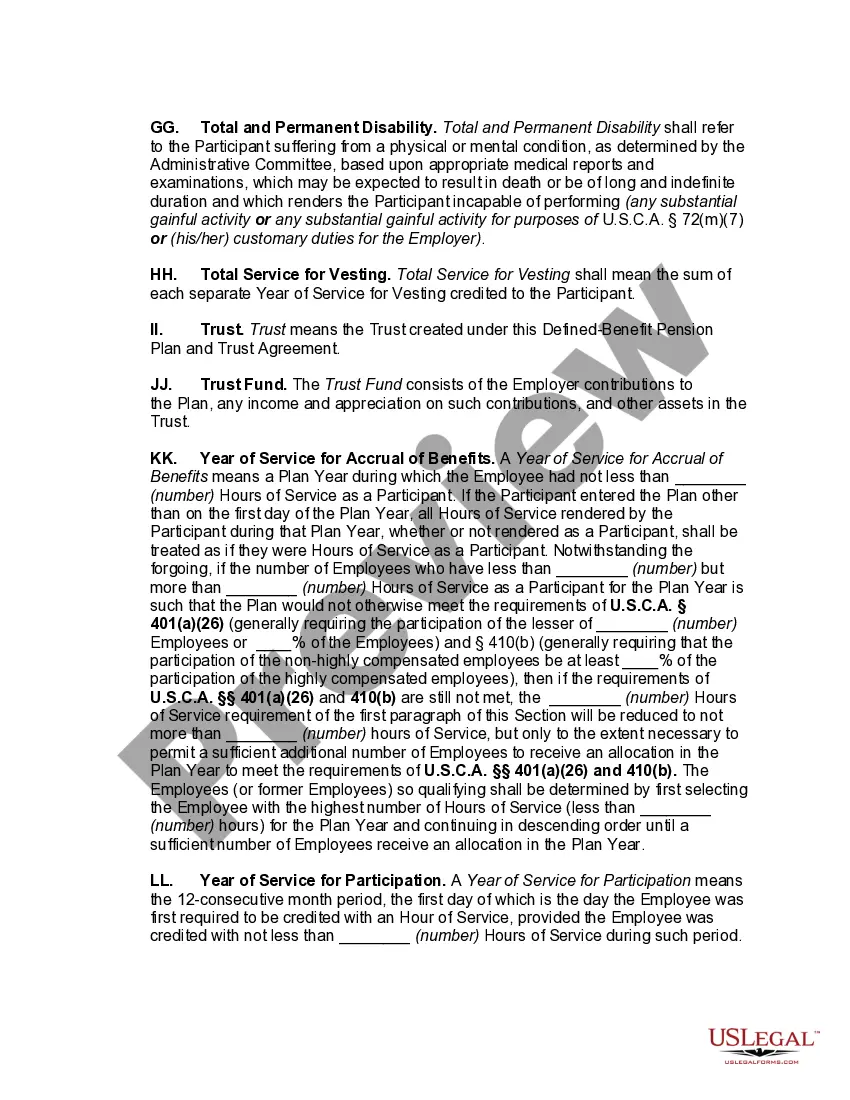
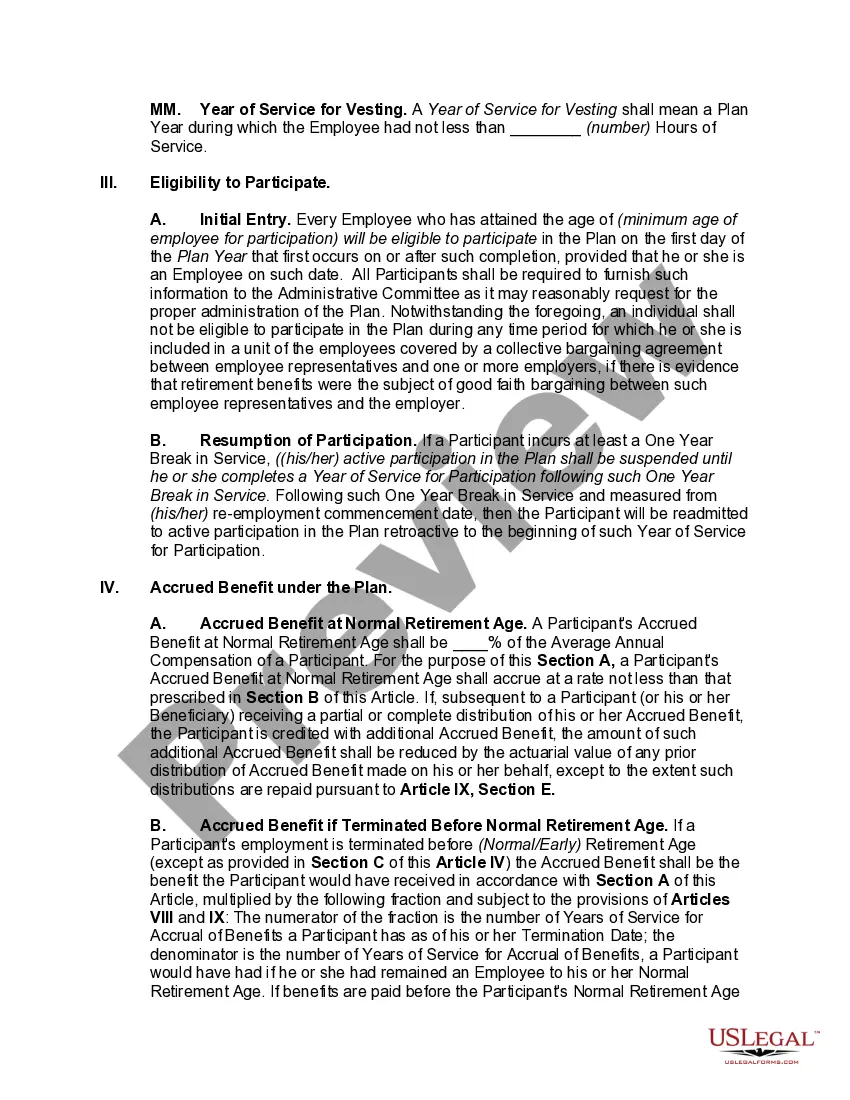

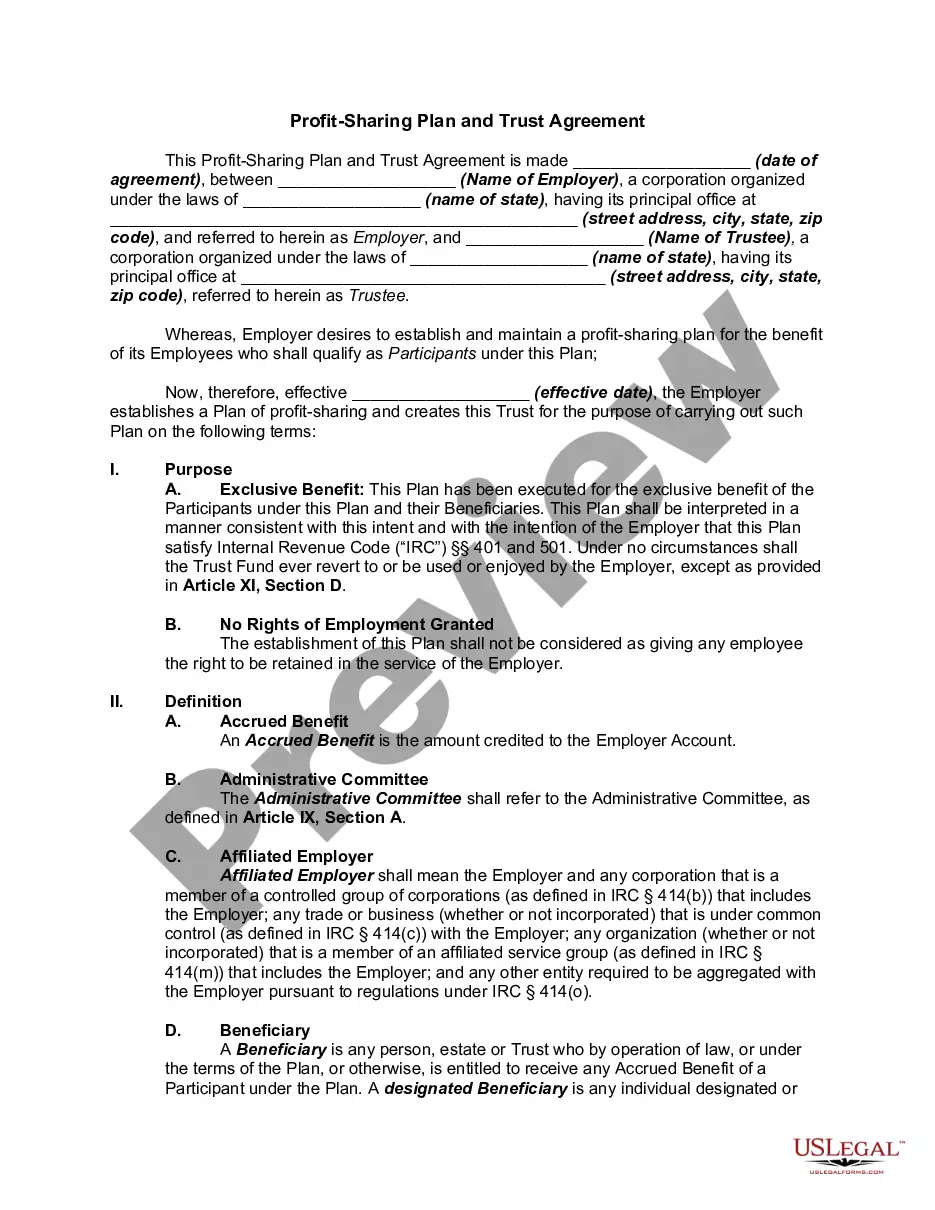
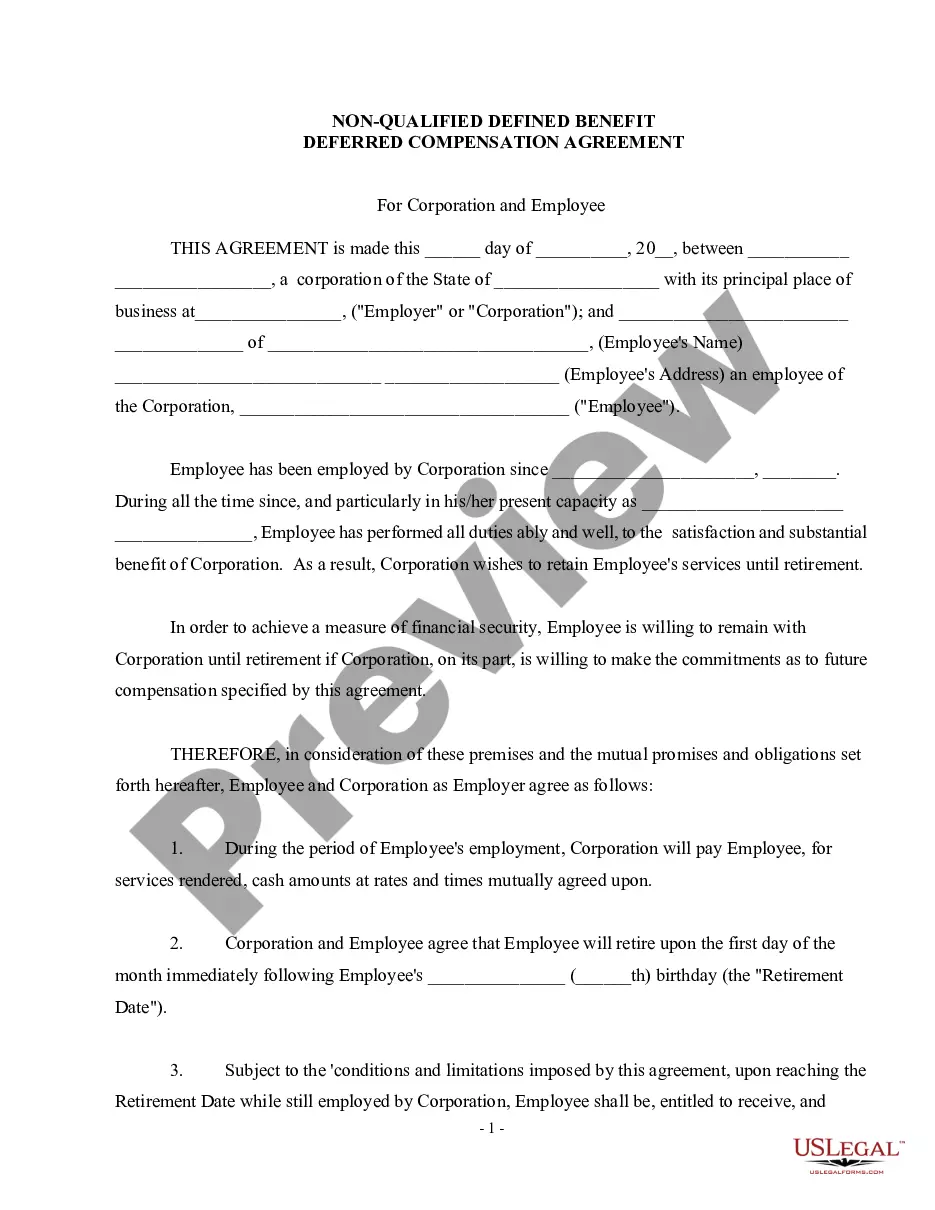

How to fill out Defined-Benefit Pension Plan And Trust Agreement?
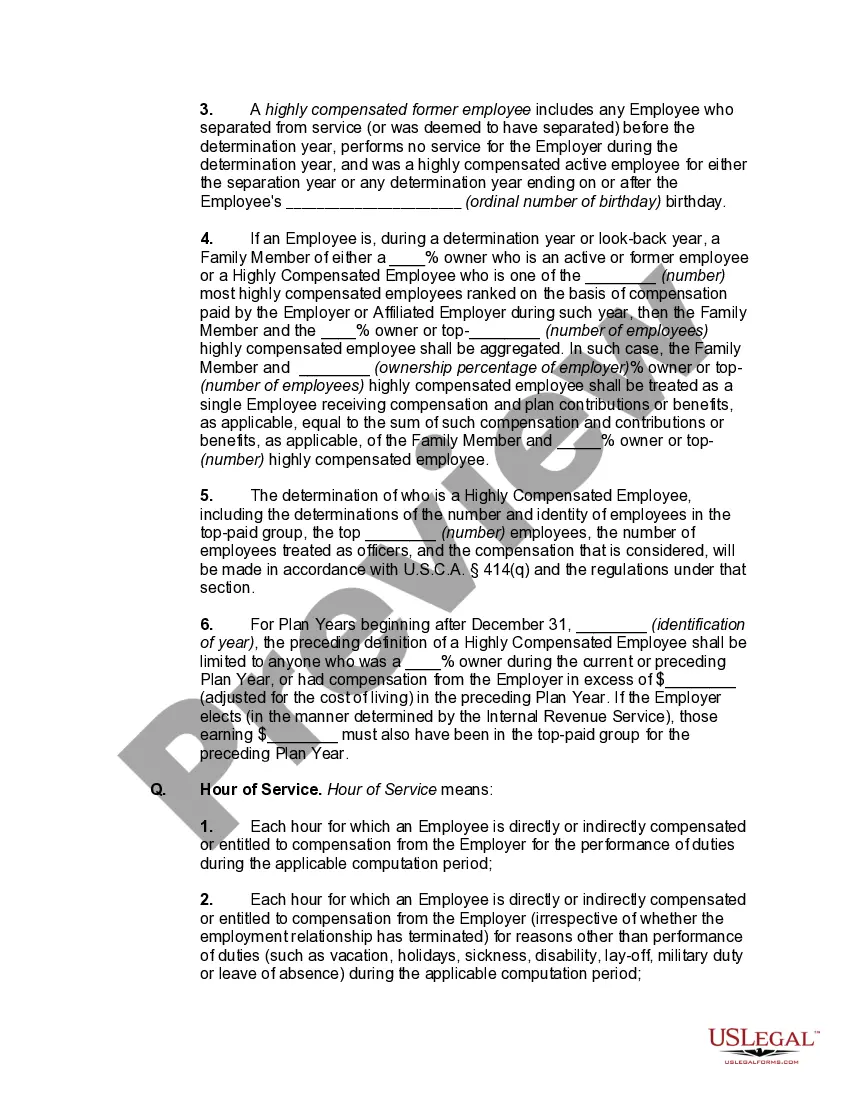
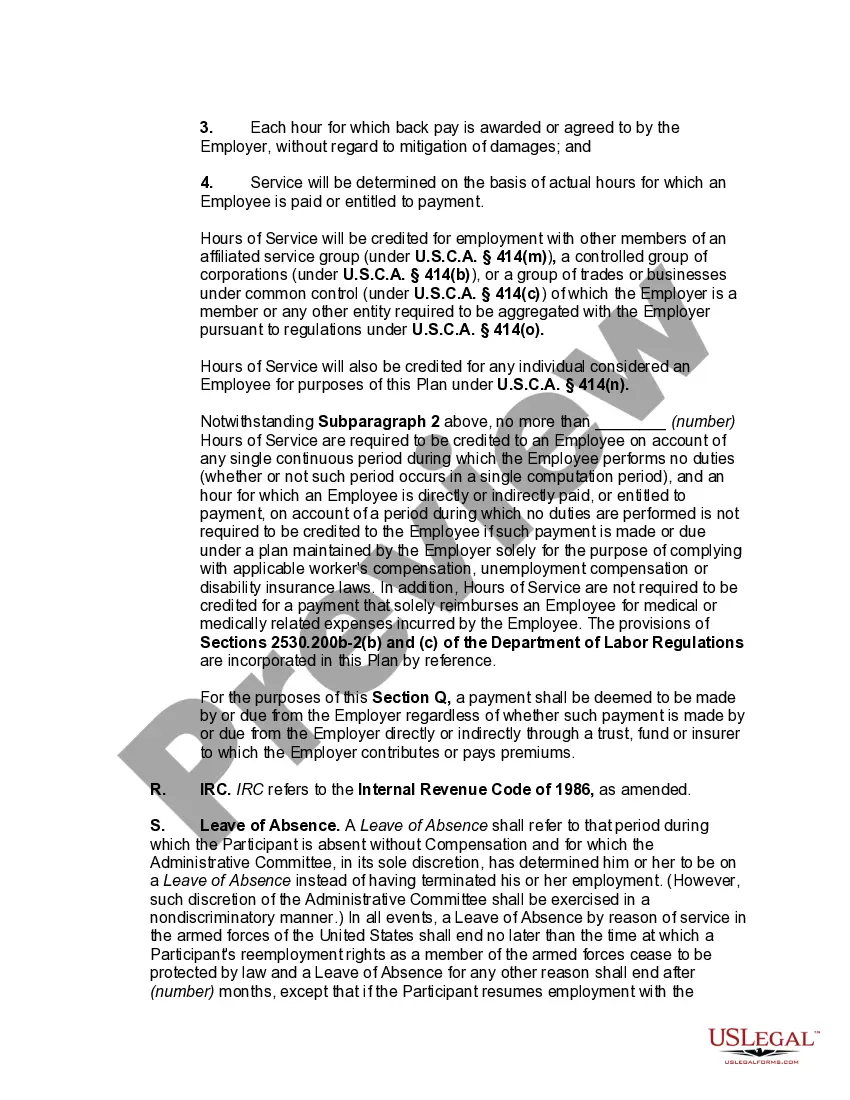
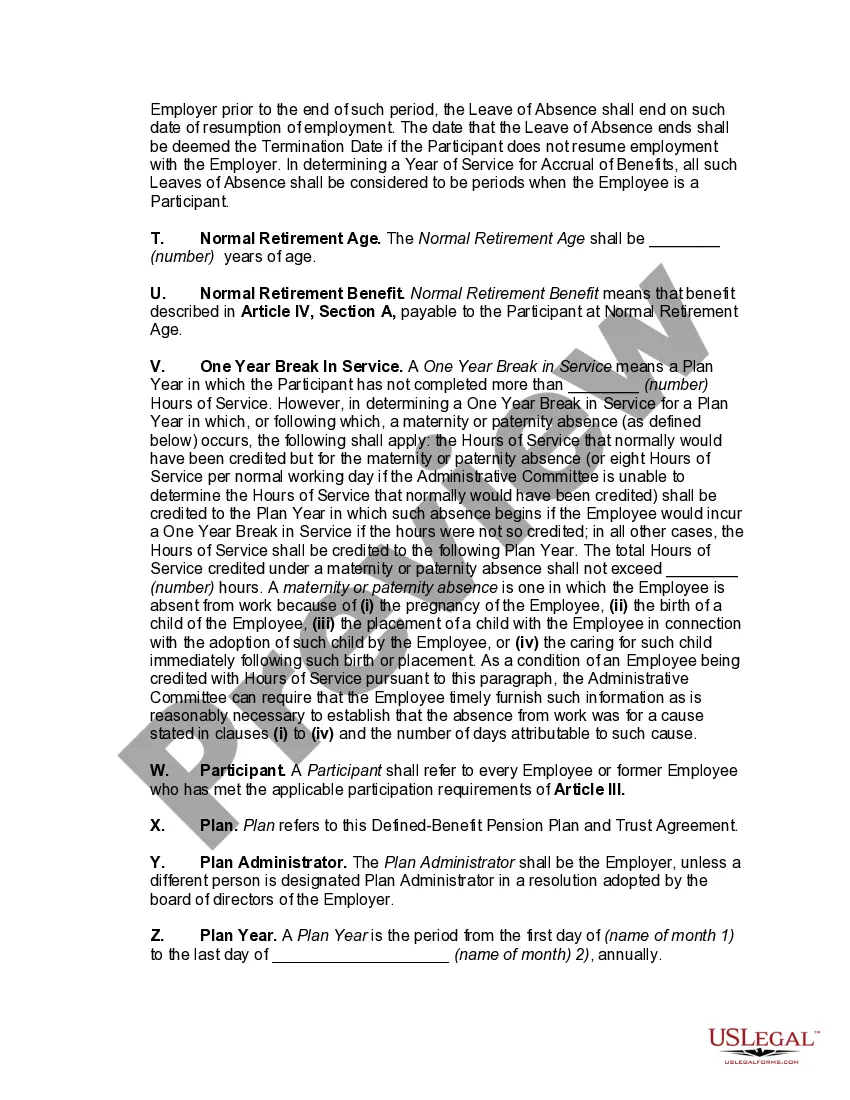
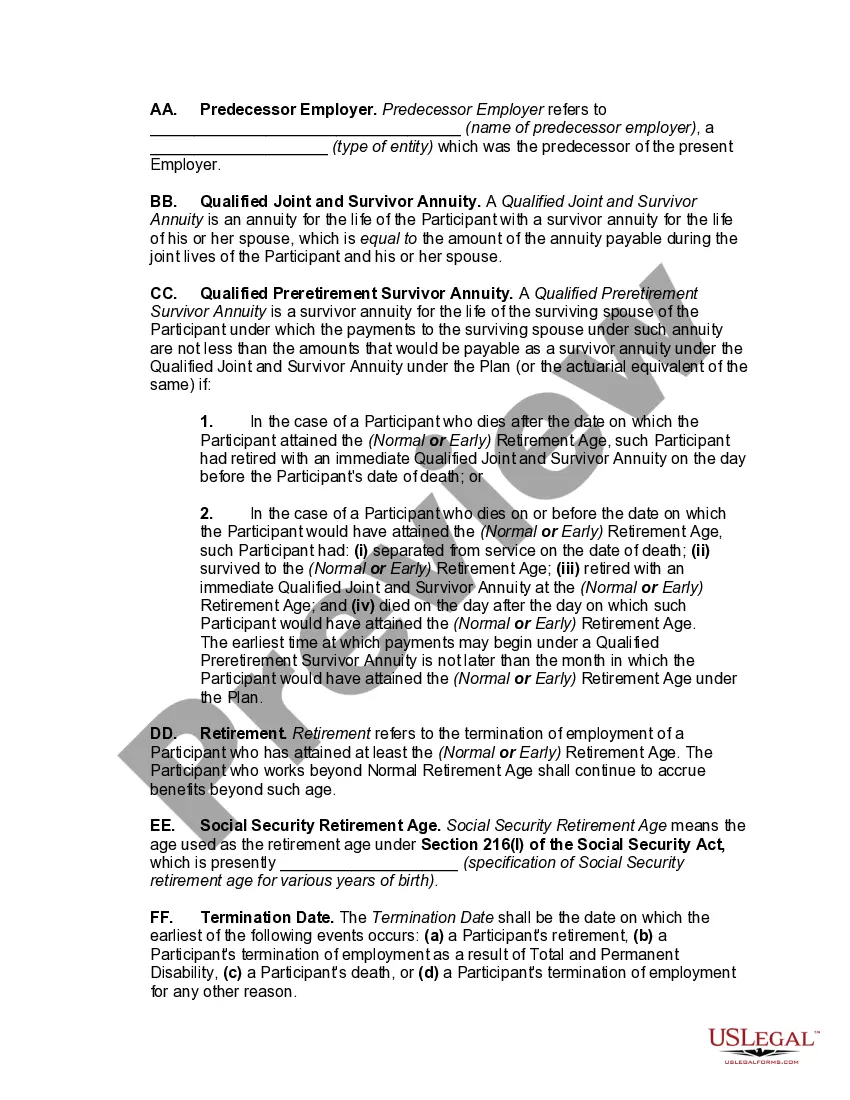
Whether for business purposes or for personal matters, everyone has to handle legal situations at some point in their life. Filling out legal documents demands careful attention, starting with selecting the correct form template. For instance, if you pick a wrong version of the Defined Benefit Plan Form Withdraw, it will be declined once you submit it. It is therefore crucial to have a dependable source of legal documents like US Legal Forms.
If you have to obtain a Defined Benefit Plan Form Withdraw template, stick to these easy steps:
- Find the template you need by using the search field or catalog navigation.
- Look through the form’s information to make sure it matches your case, state, and county.
- Click on the form’s preview to see it.
- If it is the wrong document, go back to the search function to locate the Defined Benefit Plan Form Withdraw sample you require.
- Get the file if it matches your requirements.
- If you already have a US Legal Forms account, just click Log in to access previously saved templates in My Forms.
- If you do not have an account yet, you may download the form by clicking Buy now.
- Pick the correct pricing option.
- Complete the account registration form.
- Choose your transaction method: use a bank card or PayPal account.
- Pick the document format you want and download the Defined Benefit Plan Form Withdraw.
- After it is saved, you are able to fill out the form with the help of editing software or print it and complete it manually.
With a substantial US Legal Forms catalog at hand, you don’t have to spend time searching for the right template across the internet. Make use of the library’s simple navigation to get the proper form for any occasion.
Form popularity
FAQ
Defined Benefit Plan Distributions In general, benefits are not paid until the Plan's specified retirement age. This often is age 62 or 65. However, many small Plans allow the participant to "cash out" their benefit, regardless of age, by electing a lump sum distribution in lieu of annual lifetime payments.
An in-service withdrawal is a withdrawal from a qualified employer-sponsored retirement plan while an employee is still working. A 401(k) is a common example of these plans, but it can also include plans like 403(b).
Understanding 401(k) Hardship Withdrawals Immediate and heavy expenses include the following: Certain expenses to repair casualty losses to a principal residence (such as losses from fires, earthquakes, or floods) Expenses to prevent being foreclosed on or evicted. Home-buying expenses for a principal residence.
Go to Fidelity.com or call 800-343-3548. Use this form to request a one-time withdrawal from a Fidelity Self-Employed 401(k), Profit Sharing, or Money Purchase Plan account. Possible requests include a one-time, immediate distribution; a qualified or direct conversion to a Roth IRA; or a direct rollover.
An in-service withdrawal occurs when an employee takes a distribution from a qualified, employer-sponsored retirement plan, such as a 401(k) account, without leaving the employ of their company.