Landlord Charge For Carpet Cleaning
Description
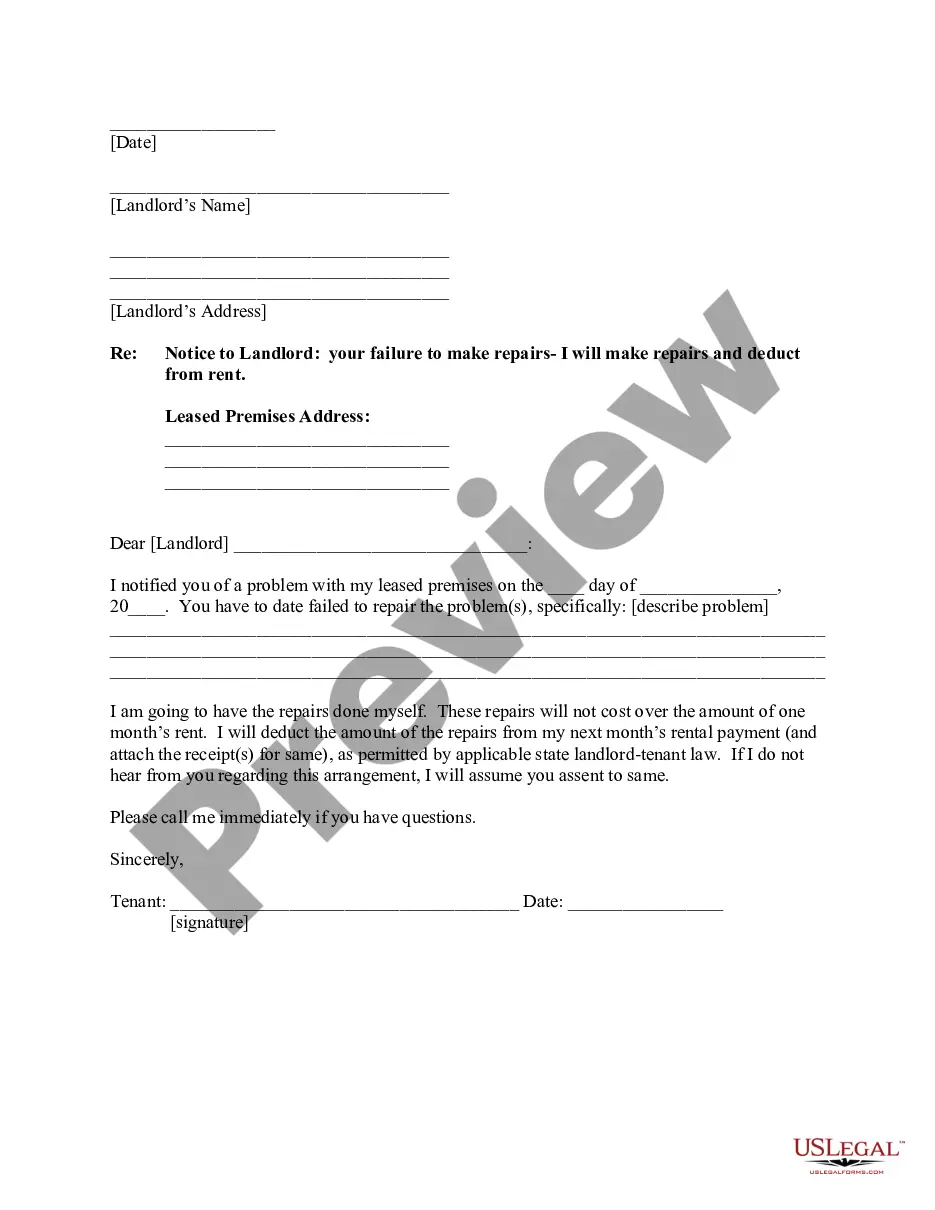

Get your form ready online
Our built-in tools help you complete, sign, share, and store your documents in one place.
Make edits, fill in missing information, and update formatting in US Legal Forms—just like you would in MS Word.
Download a copy, print it, send it by email, or mail it via USPS—whatever works best for your next step.
Sign and collect signatures with our SignNow integration. Send to multiple recipients, set reminders, and more. Go Premium to unlock E-Sign.
If this form requires notarization, complete it online through a secure video call—no need to meet a notary in person or wait for an appointment.
We protect your documents and personal data by following strict security and privacy standards.

Make edits, fill in missing information, and update formatting in US Legal Forms—just like you would in MS Word.

Download a copy, print it, send it by email, or mail it via USPS—whatever works best for your next step.

Sign and collect signatures with our SignNow integration. Send to multiple recipients, set reminders, and more. Go Premium to unlock E-Sign.

If this form requires notarization, complete it online through a secure video call—no need to meet a notary in person or wait for an appointment.

We protect your documents and personal data by following strict security and privacy standards.
Looking for another form?








How to fill out Letter From Tenant To Landlord Containing Notice Of Use Of Repair And Deduct Remedy?
It’s obvious that you can’t become a legal professional overnight, nor can you learn how to quickly draft Landlord Charge For Carpet Cleaning without having a specialized set of skills. Putting together legal forms is a long process requiring a certain education and skills. So why not leave the preparation of the Landlord Charge For Carpet Cleaning to the professionals?
With US Legal Forms, one of the most extensive legal template libraries, you can find anything from court papers to templates for in-office communication. We understand how important compliance and adherence to federal and state laws are. That’s why, on our website, all templates are location specific and up to date.
Here’s start off with our website and get the document you need in mere minutes:
- Discover the form you need with the search bar at the top of the page.
- Preview it (if this option available) and read the supporting description to determine whether Landlord Charge For Carpet Cleaning is what you’re searching for.
- Begin your search over if you need a different form.
- Register for a free account and select a subscription plan to purchase the form.
- Pick Buy now. As soon as the payment is complete, you can get the Landlord Charge For Carpet Cleaning, fill it out, print it, and send or mail it to the designated individuals or organizations.
You can re-gain access to your documents from the My Forms tab at any time. If you’re an existing customer, you can simply log in, and find and download the template from the same tab.
Regardless of the purpose of your documents-be it financial and legal, or personal-our website has you covered. Try US Legal Forms now!
Form popularity
FAQ
The landlord can legally charge you fees to move into a unit. The most common fees are for cleaning. However, fees must be specifically designated as non-refundable and cannot be considered deposits. Under the law, deposits are by nature refundable.
A landlord CANNOT require a tenant to pay for carpet cleaning in advance of moving. Any payments in excess of rent are considered security deposits ATCP 134.02(11). Withholding that money would be considered a withholding from a security deposit, which is illegal absent "unusual damage".
Plan to accept what items will not stand up to tenant charges when they move out, such as stained or worn-out carpets. Since carpet typically shows more wear than hardwood floor, it's important to know that carpet needs to be replaced every 7 years per The Department of Housing and Urban Development.
Examples of reasonable wear and tear These are examples of damages that occur naturally, like when paint is faded by the sun. Or when carpets are worn down by feet walking on them. In other words, the items in your rental unit are being used as intended. As the tenant, you have paid for the right to use them.
There is no law that states how frequently apartment carpeting must be replaced. And this makes sense: Carpets, and how they are used, vary so much from tenancy to tenancy that that no law reasonably could state that a carpet's useful life is X years.