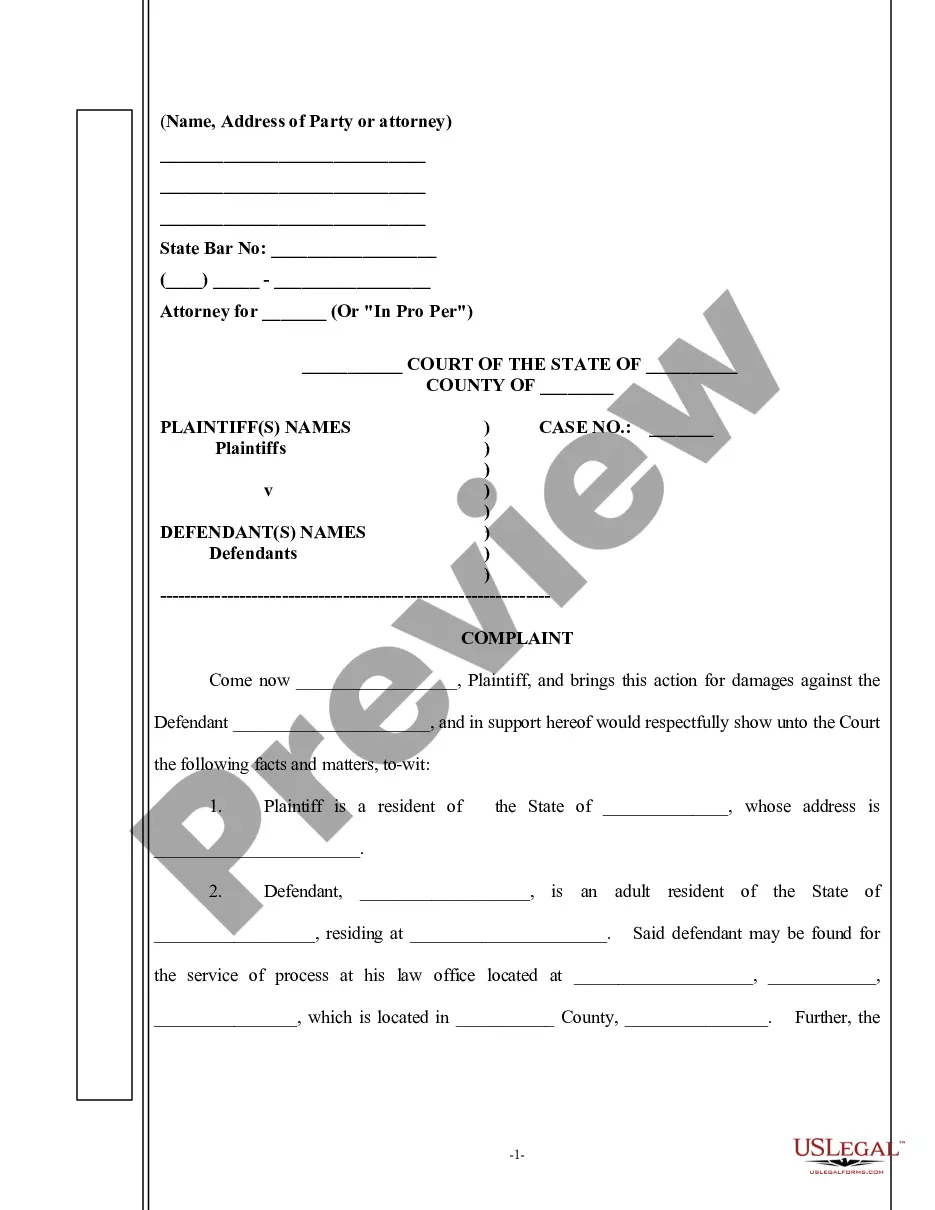
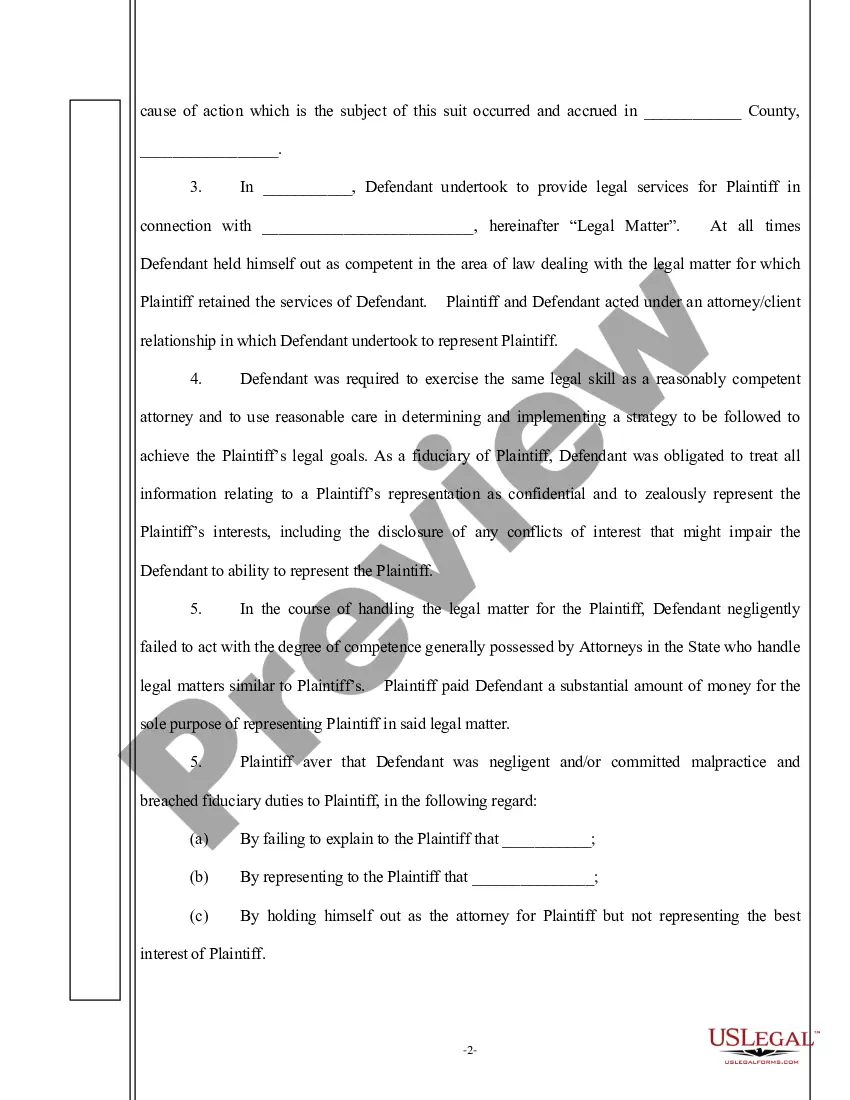
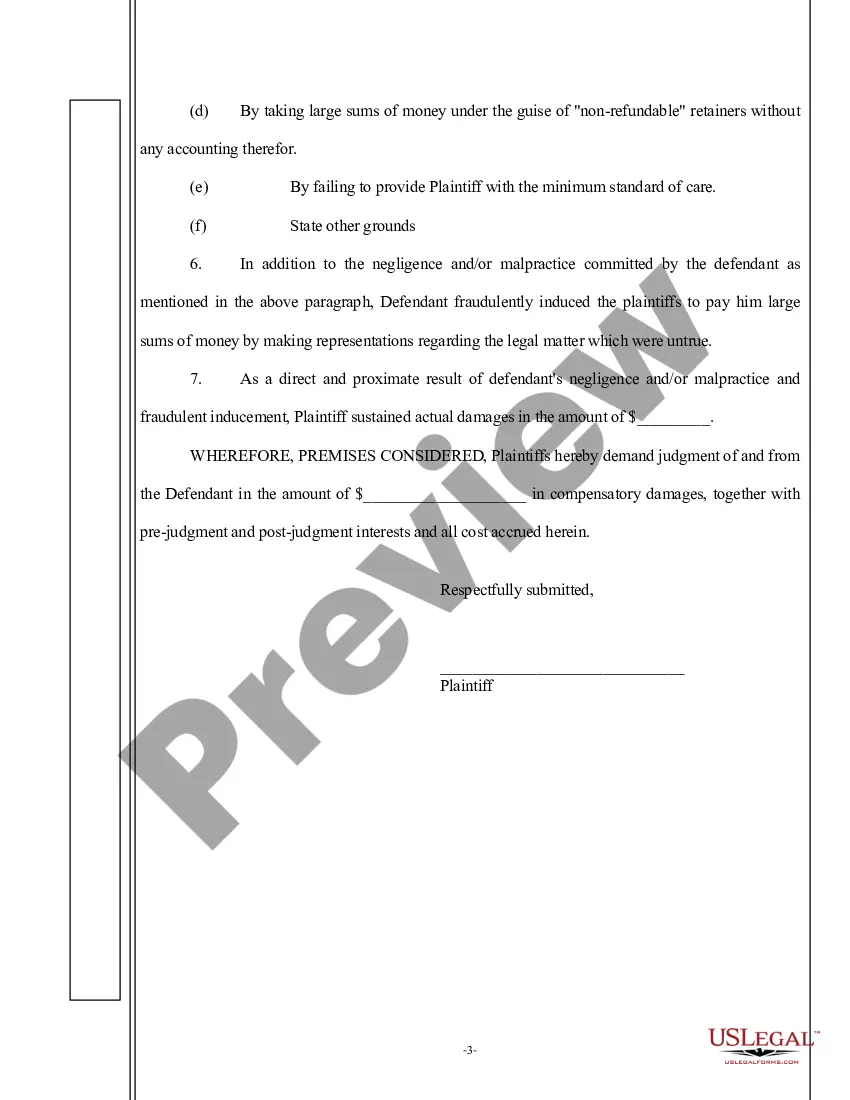
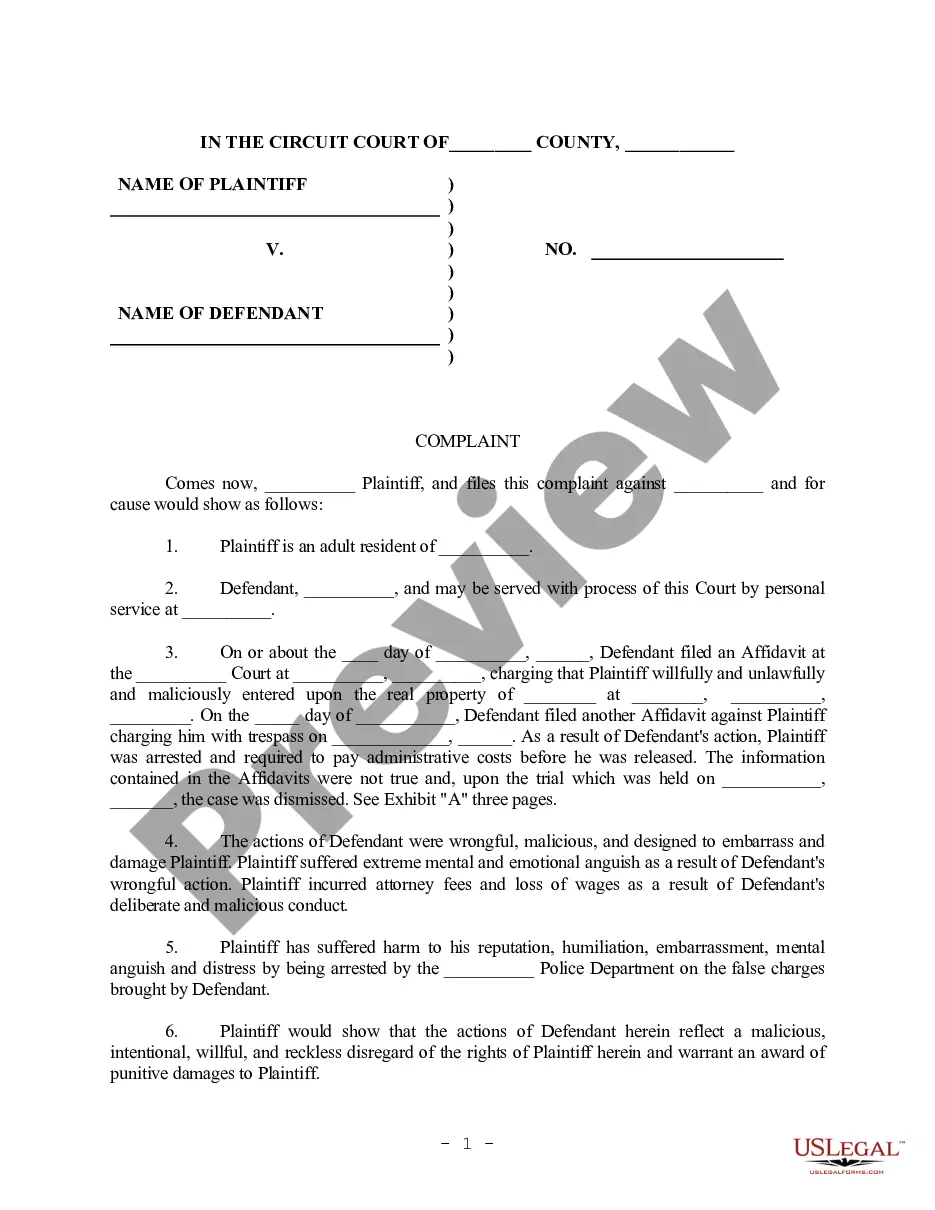
Complaint Civil Action With Multiple Plaintiffs
Description
Get your form ready online
Our built-in tools help you complete, sign, share, and store your documents in one place.
Make edits, fill in missing information, and update formatting in US Legal Forms—just like you would in MS Word.
Download a copy, print it, send it by email, or mail it via USPS—whatever works best for your next step.
Sign and collect signatures with our SignNow integration. Send to multiple recipients, set reminders, and more. Go Premium to unlock E-Sign.
If this form requires notarization, complete it online through a secure video call—no need to meet a notary in person or wait for an appointment.
We protect your documents and personal data by following strict security and privacy standards.

Make edits, fill in missing information, and update formatting in US Legal Forms—just like you would in MS Word.

Download a copy, print it, send it by email, or mail it via USPS—whatever works best for your next step.

Sign and collect signatures with our SignNow integration. Send to multiple recipients, set reminders, and more. Go Premium to unlock E-Sign.

If this form requires notarization, complete it online through a secure video call—no need to meet a notary in person or wait for an appointment.

We protect your documents and personal data by following strict security and privacy standards.
Looking for another form?

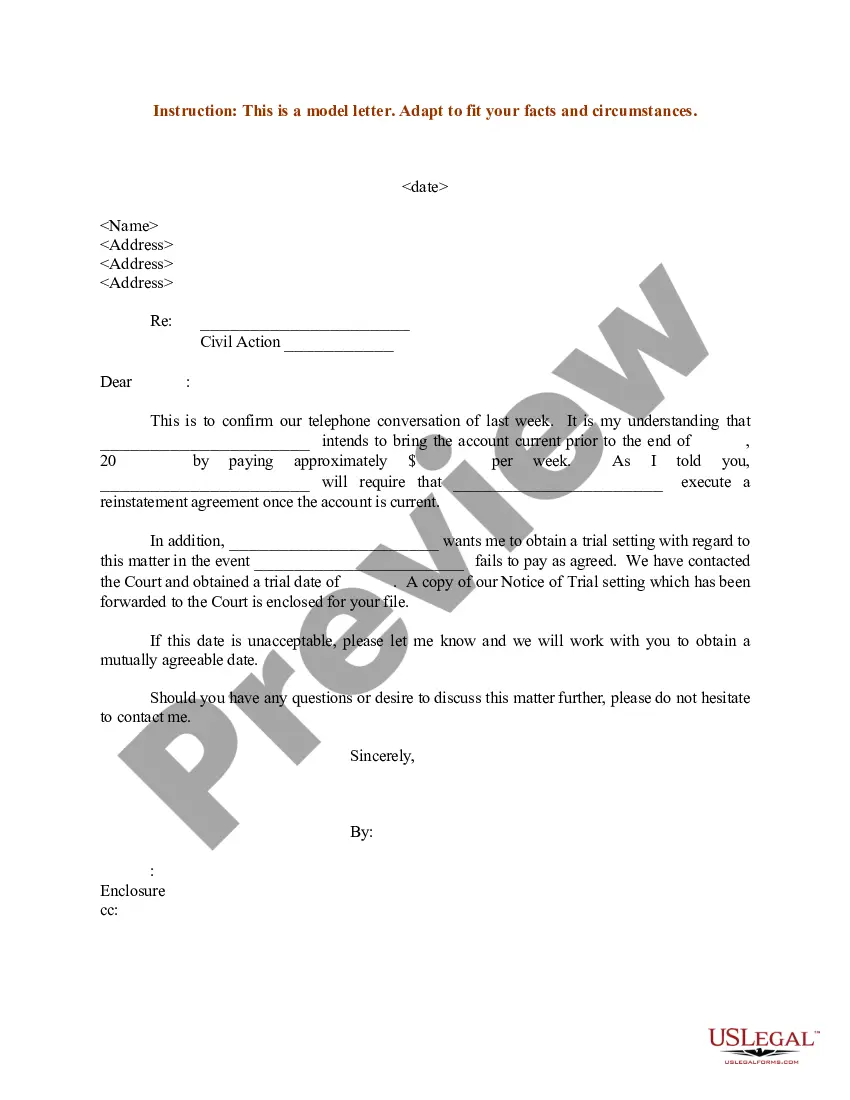
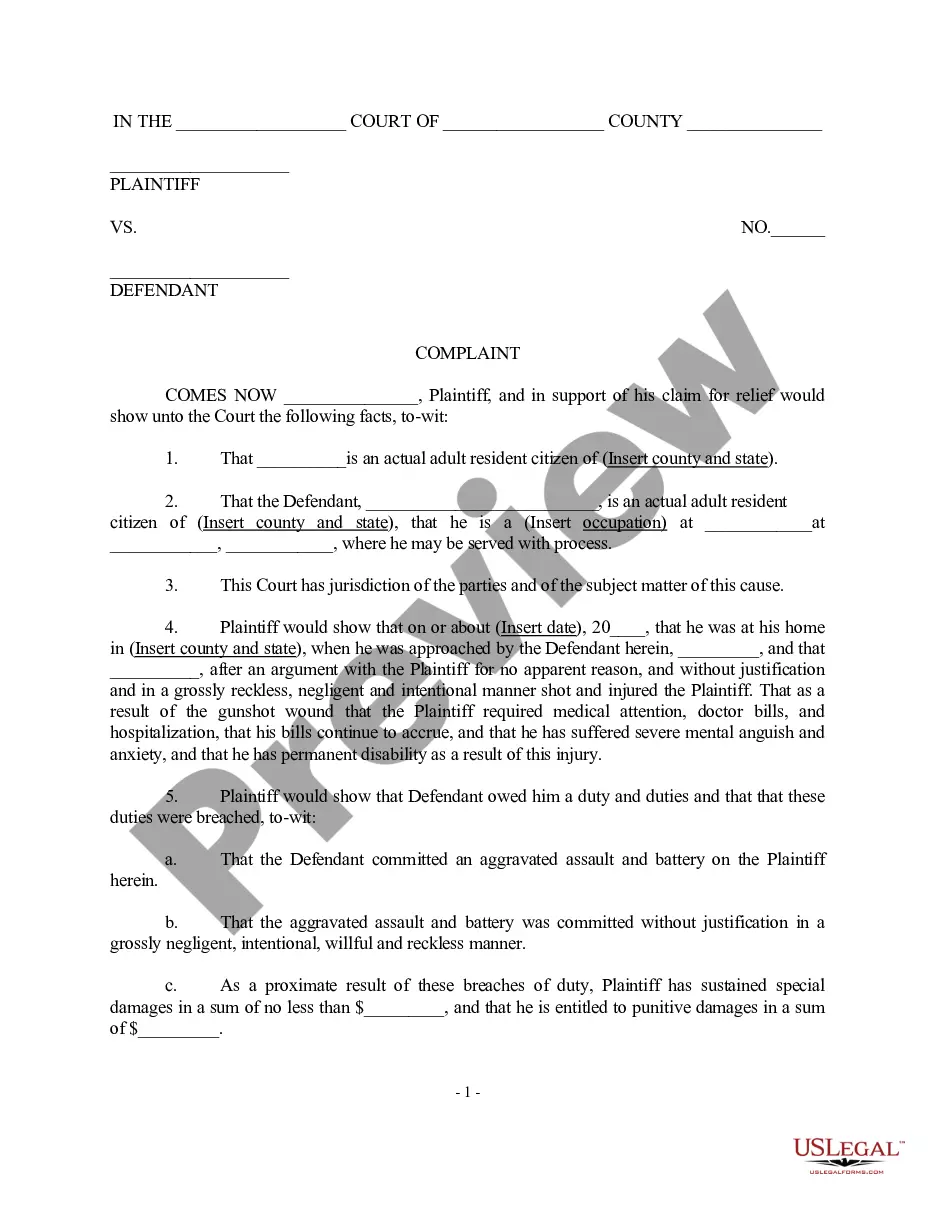
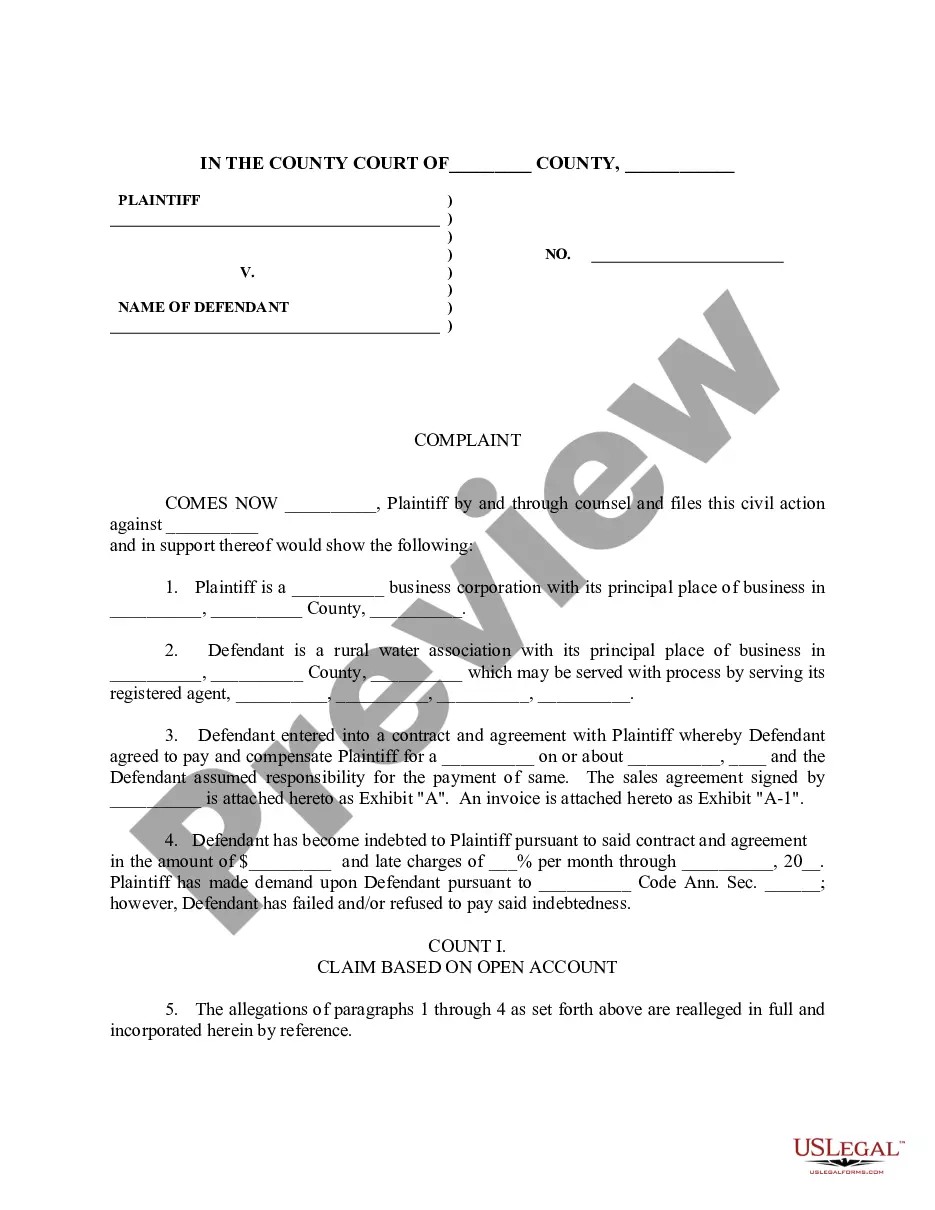
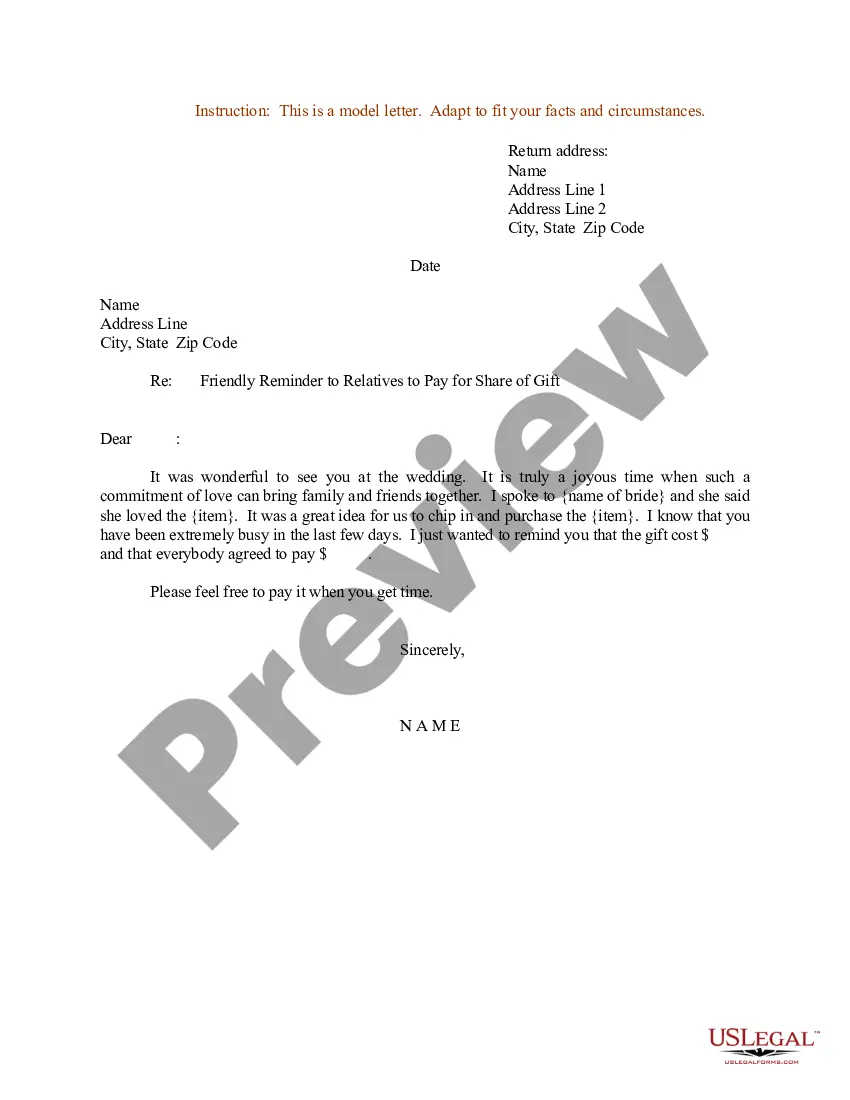
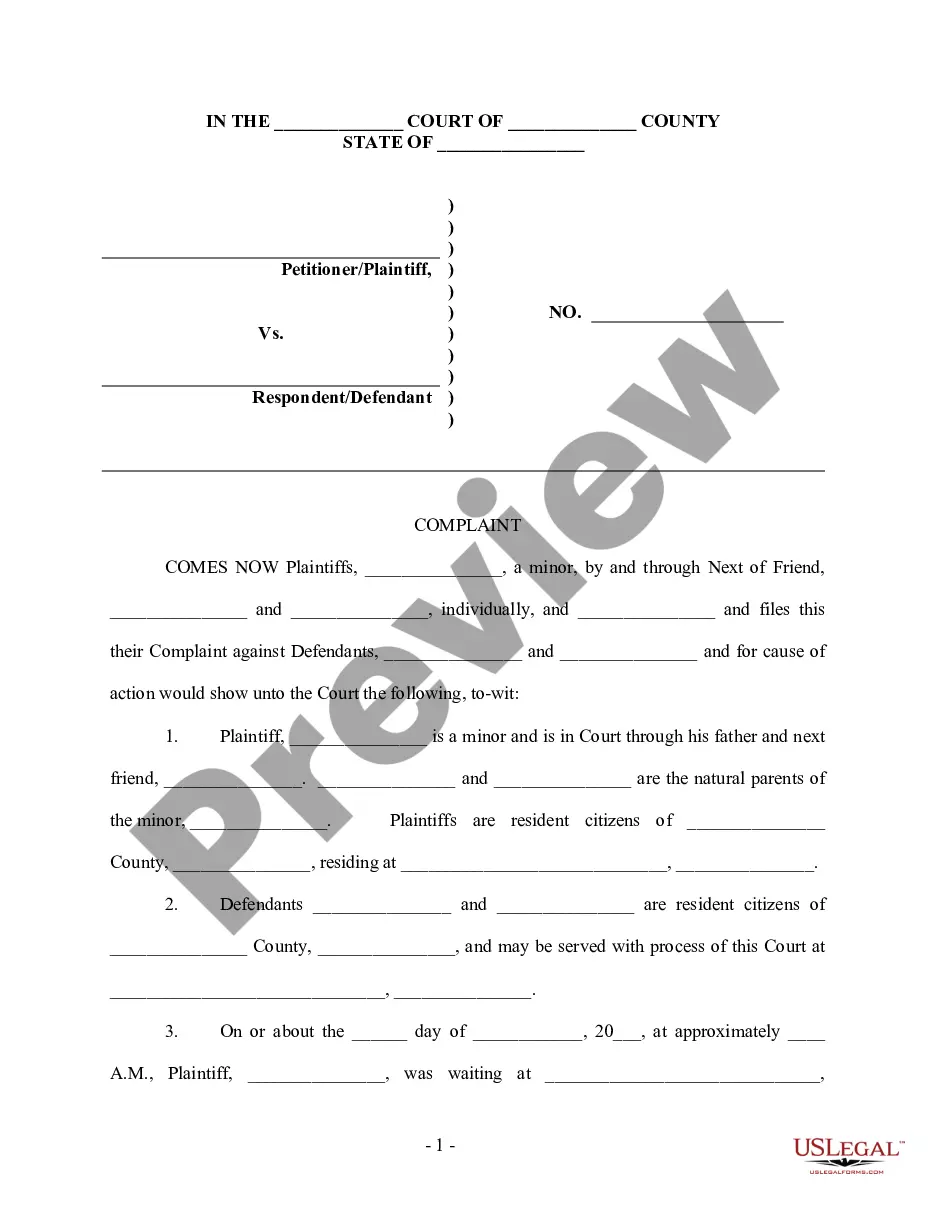

How to fill out Complaint For Legal Malpractice - General Form?
Managing legal documents can be daunting, even for the most seasoned professionals.
When you are looking for a Civil Complaint Action With Several Plaintiffs and don’t have the time to spend searching for the appropriate and current version, the procedures can be taxing.
US Legal Forms addresses any needs you may have, from personal to business documentation, all in one location.
Employ sophisticated tools to complete and oversee your Civil Complaint Action With Multiple Plaintiffs.
Here are the steps to follow after locating the form you need: Confirm this is the correct form by previewing it and reviewing its description. Ensure that the template is valid in your state or county. Click Buy Now when you are ready. Select a subscription plan. Choose the file format you require, and Download, complete, eSign, print, and submit your documents. Enjoy the US Legal Forms online library, backed by 25 years of experience and reliability. Streamline your daily document management into a seamless and user-friendly process today.
- Access a valuable repository of articles, guides, handbooks, and resources pertinent to your circumstances and requirements.
- Save time and effort looking for the documents you require, and utilize US Legal Forms’ advanced search and Review tool to locate and obtain the Civil Complaint Action With Multiple Plaintiffs.
- If you possess a subscription, Log In to your US Legal Forms account, search for the document, and acquire it.
- Check your My documents tab to discover the paperwork you have previously downloaded and to organize your folders as you prefer.
- If this is your first time using US Legal Forms, create an account and gain unlimited access to all the advantages of the library.
- A comprehensive online form repository can be a game changer for anyone looking to navigate these matters efficiently.
- US Legal Forms is an industry leader in online legal forms, offering over 85,000 state-specific legal documents available at any time.
- With US Legal Forms, you can access state- or county-specific legal and business documents.
Form popularity
FAQ
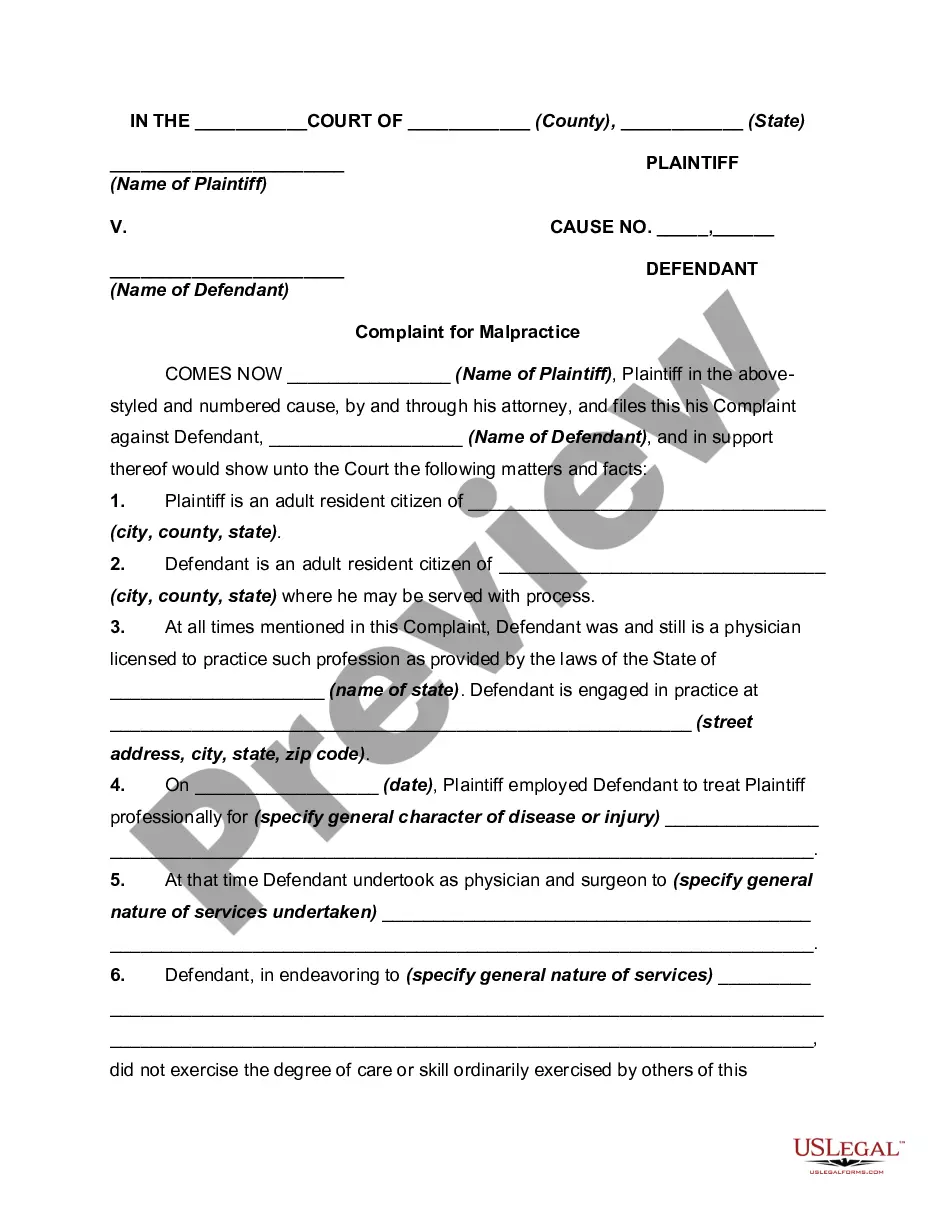
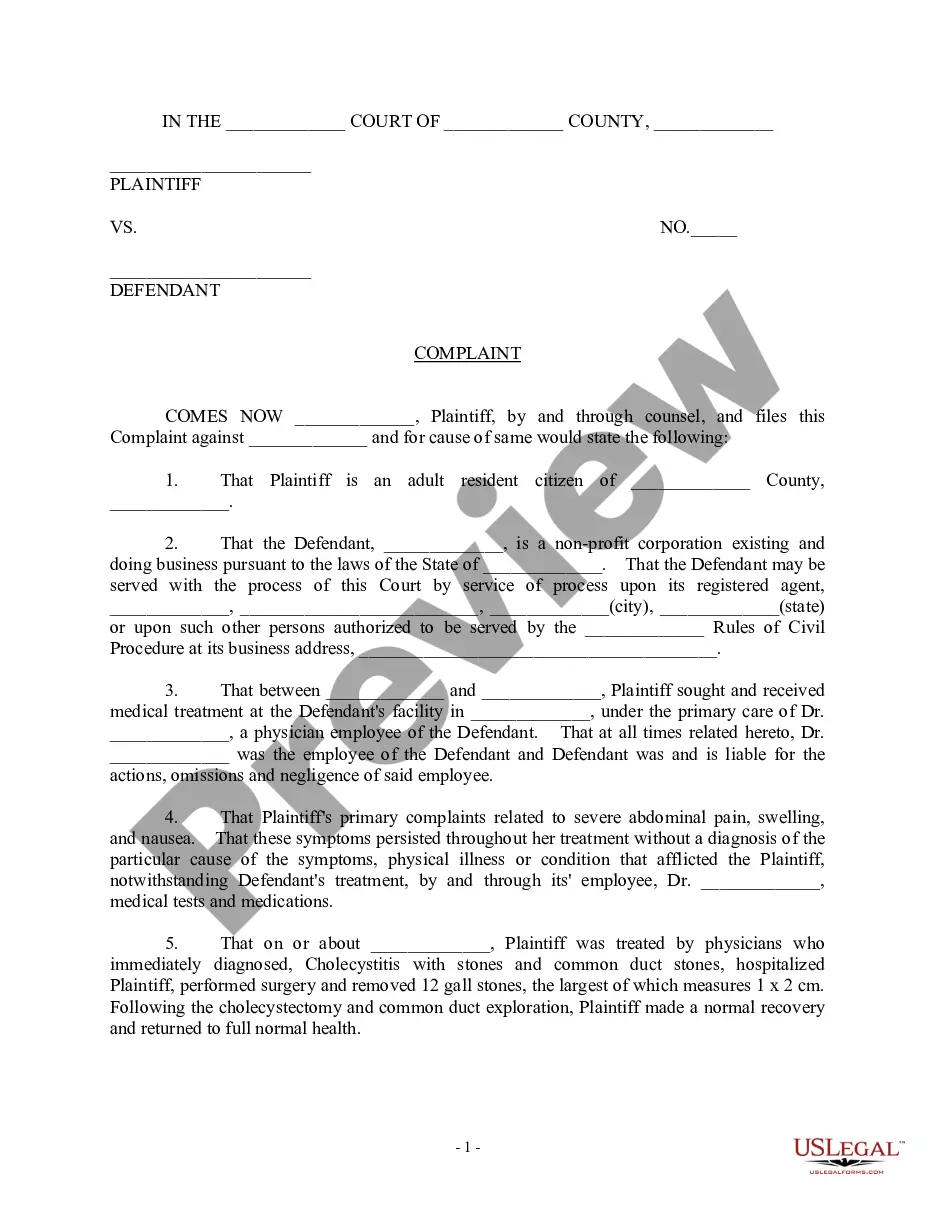
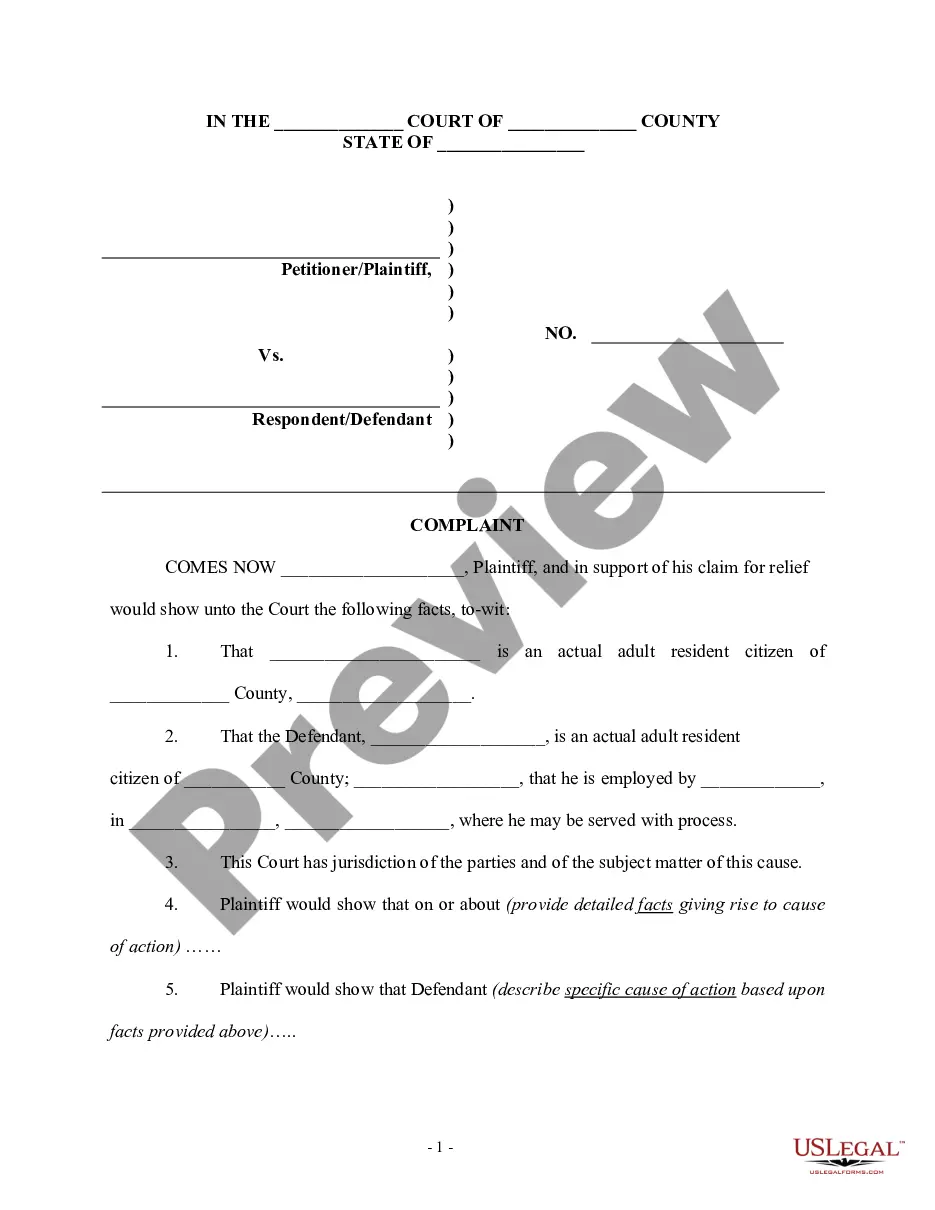
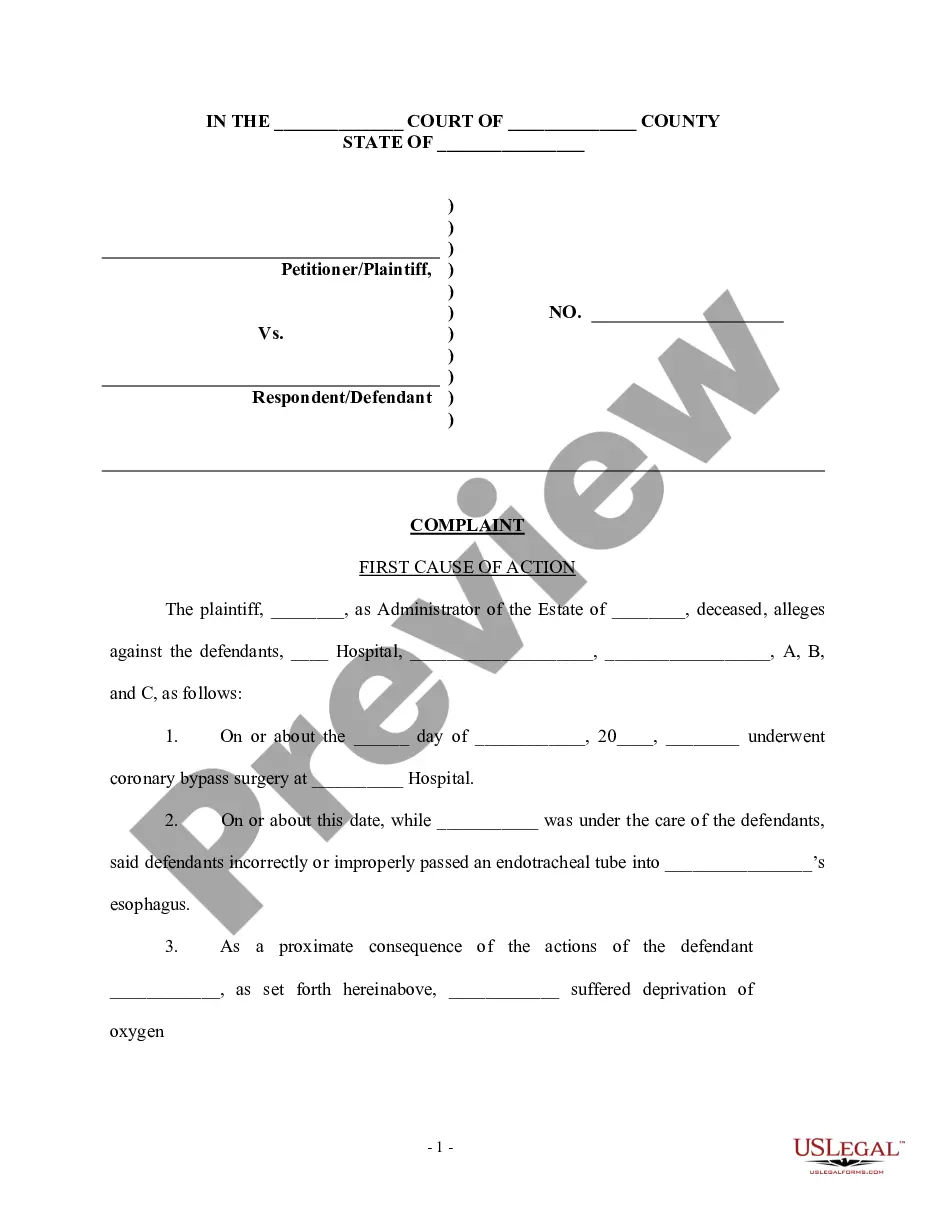
The rule 20 plaintiff gap refers to the requirement that all plaintiffs in a complaint civil action with multiple plaintiffs must have a common claim or right to relief. This rule ensures that related claims are heard together, promoting judicial efficiency and consistency in outcomes. If plaintiffs do not share common questions of law or fact, the court may separate their claims. Using US Legal forms, you can easily navigate the complexities of filing a complaint civil action with multiple plaintiffs, ensuring compliance with these rules.
To list multiple plaintiffs in a complaint, start by clearly identifying each plaintiff in the caption of the document. Following this, include a section within the complaint that outlines the relationship and claims of each plaintiff. This process is crucial in a complaint civil action with multiple plaintiffs, as it ensures that the court understands the roles and claims of each party involved. Using platforms like US Legal Forms can simplify the creation of these documents, ensuring accuracy and compliance with legal standards.
A lawsuit with multiple plaintiffs is commonly referred to as a class action or a joint complaint. In this legal context, a complaint civil action with multiple plaintiffs allows several individuals to come together and file a single lawsuit against one or more defendants. This approach streamlines the legal process, making it easier for plaintiffs to share resources and evidence. It also enhances the chances of achieving a favorable outcome for all involved.
The three most common civil cases are tort claims, contract breaches and landlord/tenant issues. Tort Claim - An act committed by one person that causes harm to another. Tort cases can take many different forms, and can relate to a person's personal safety, safety of their property, and financial security.
Parties - Plaintiffs and defendants (petitioners and respondents) to lawsuits, also known as appellants and appellees in appeals, and their lawyers. petit jury (or trial jury) - A group of citizens who hear the evidence presented by both sides at trial and determine the facts in dispute.
They begin when a plaintiff ? the party seeking relief from an alleged wrong ? files a complaint. The plaintiff can be an individual, organization, business, or governmental body. Allegations involve violations of civil laws and the Constitution, not criminal laws.
If there is more than one defendant listed in the complaint each must respond, or default may be entered against the defendants who do not file an answer. Two defendants can share one answer form, but each must sign the answer and pay a separate filing fee.
Complaint: To start a limited civil lawsuit, the plaintiff (the person who starts the case) files several forms. The first form to complete is the complaint. A complaint is a form that says how the person was hurt or how the dispute arose, who is responsible, and how much the damages are.