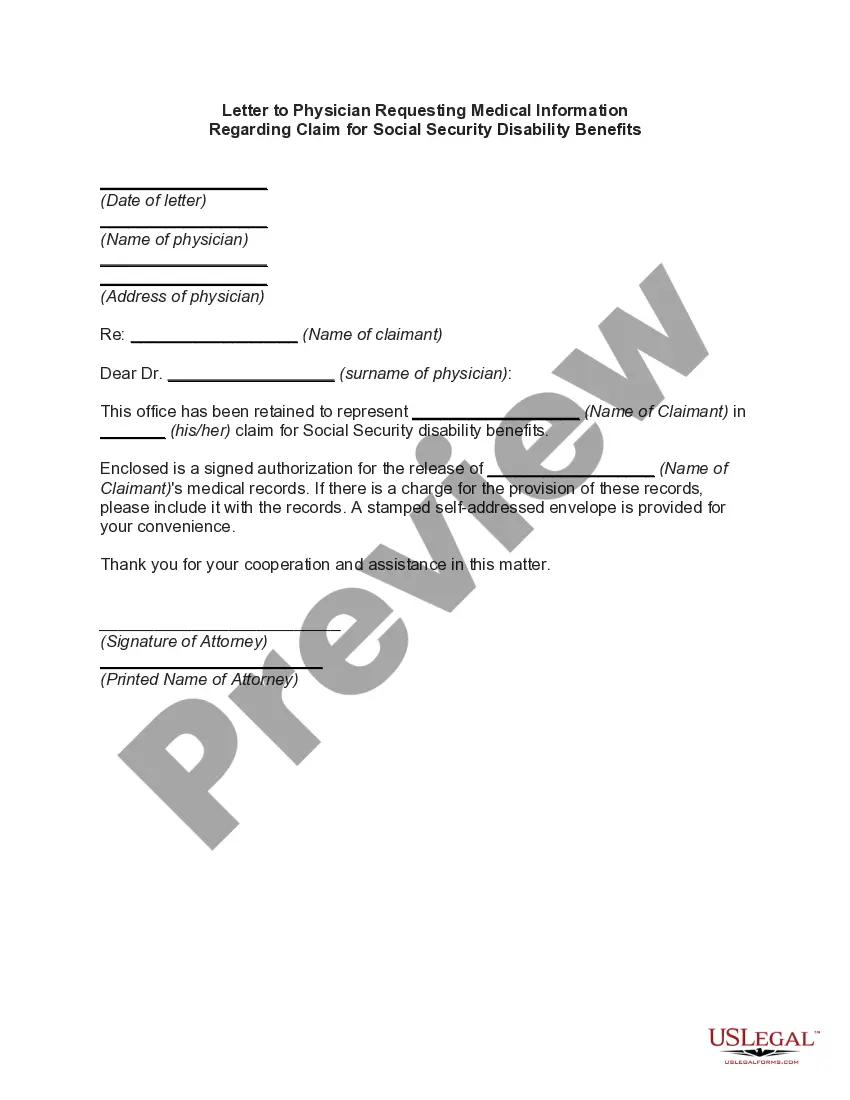
Disability Letter For Mental Health
Description
Get your form ready online
Our built-in tools help you complete, sign, share, and store your documents in one place.
Make edits, fill in missing information, and update formatting in US Legal Forms—just like you would in MS Word.
Download a copy, print it, send it by email, or mail it via USPS—whatever works best for your next step.
Sign and collect signatures with our SignNow integration. Send to multiple recipients, set reminders, and more. Go Premium to unlock E-Sign.
If this form requires notarization, complete it online through a secure video call—no need to meet a notary in person or wait for an appointment.
We protect your documents and personal data by following strict security and privacy standards.
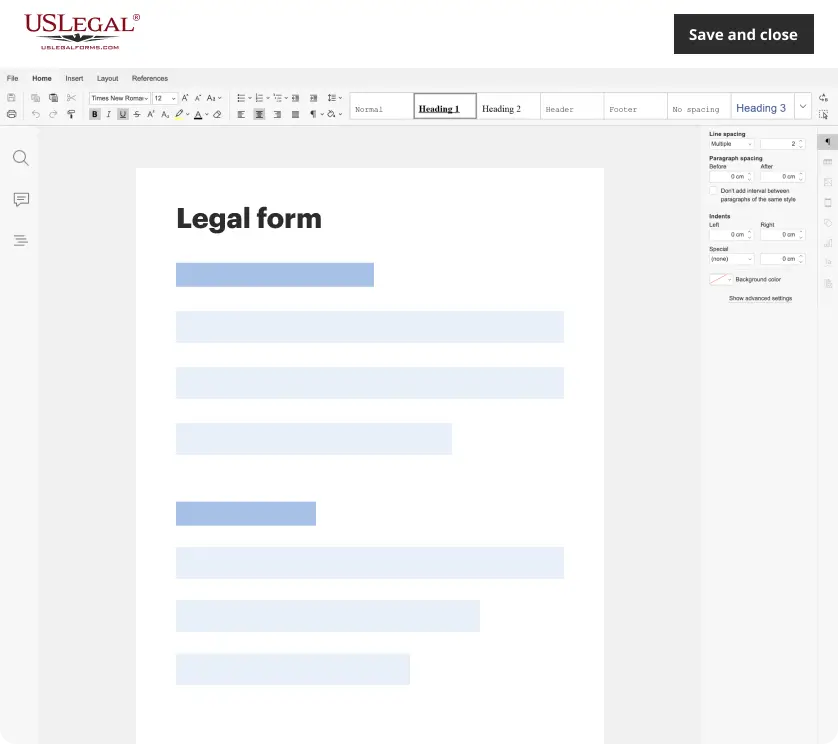
Make edits, fill in missing information, and update formatting in US Legal Forms—just like you would in MS Word.
Download a copy, print it, send it by email, or mail it via USPS—whatever works best for your next step.
Sign and collect signatures with our SignNow integration. Send to multiple recipients, set reminders, and more. Go Premium to unlock E-Sign.
If this form requires notarization, complete it online through a secure video call—no need to meet a notary in person or wait for an appointment.
We protect your documents and personal data by following strict security and privacy standards.
Looking for another form?
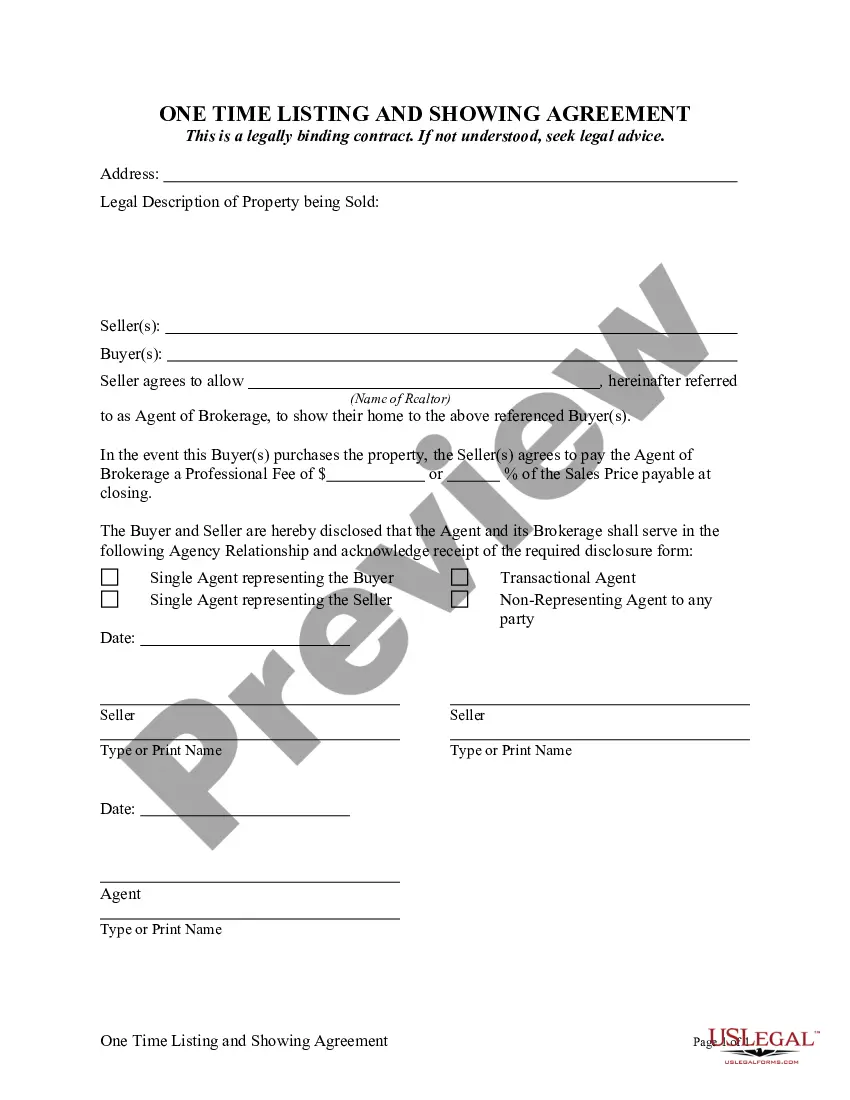

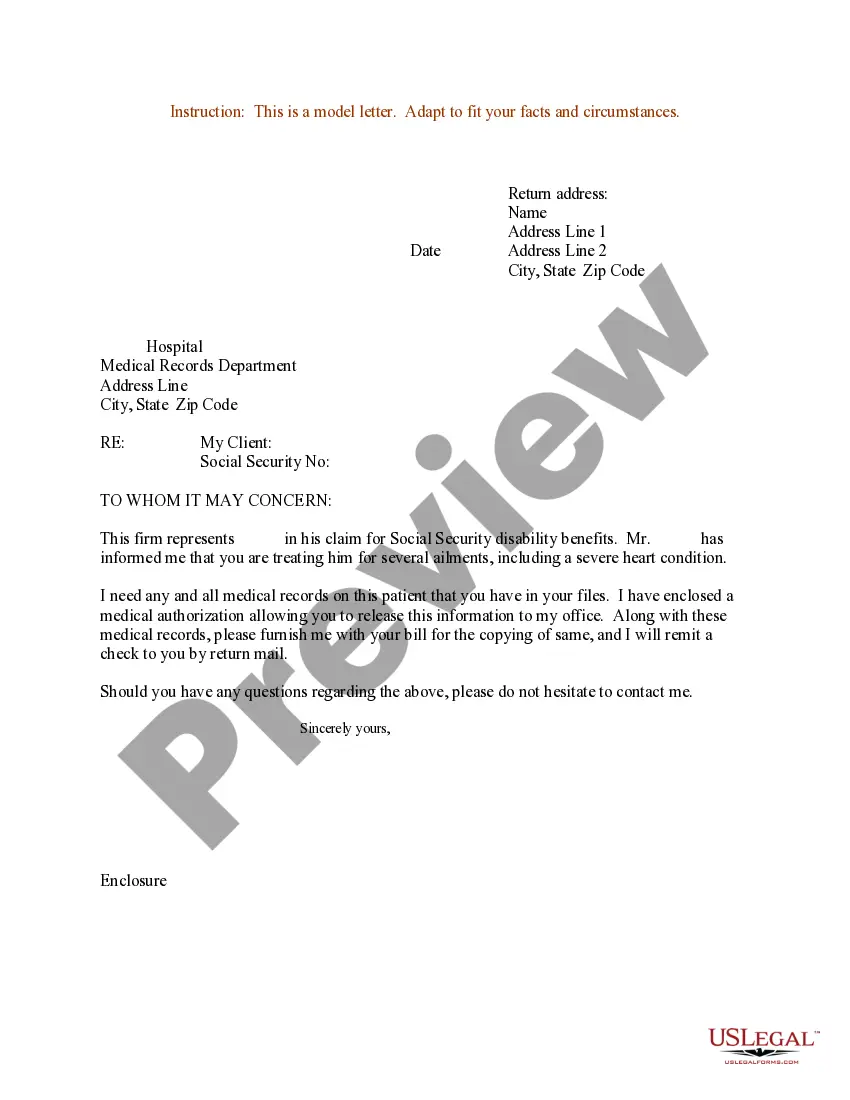
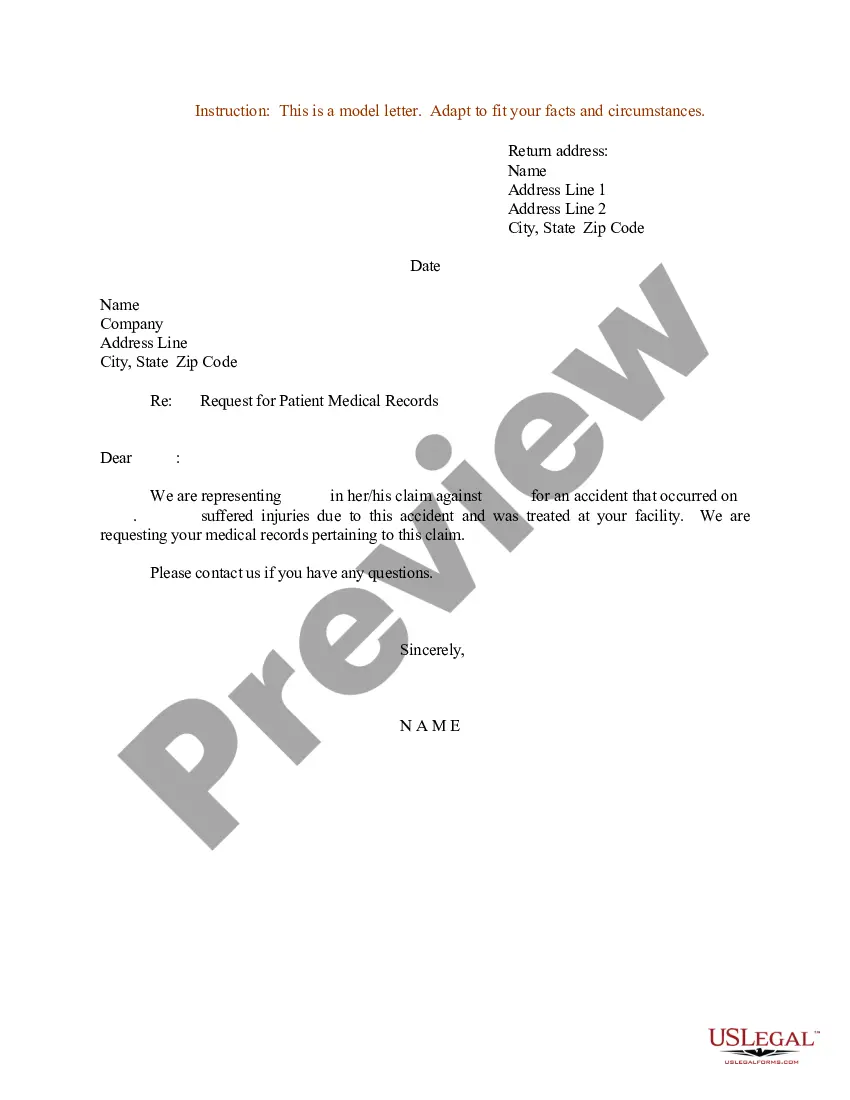
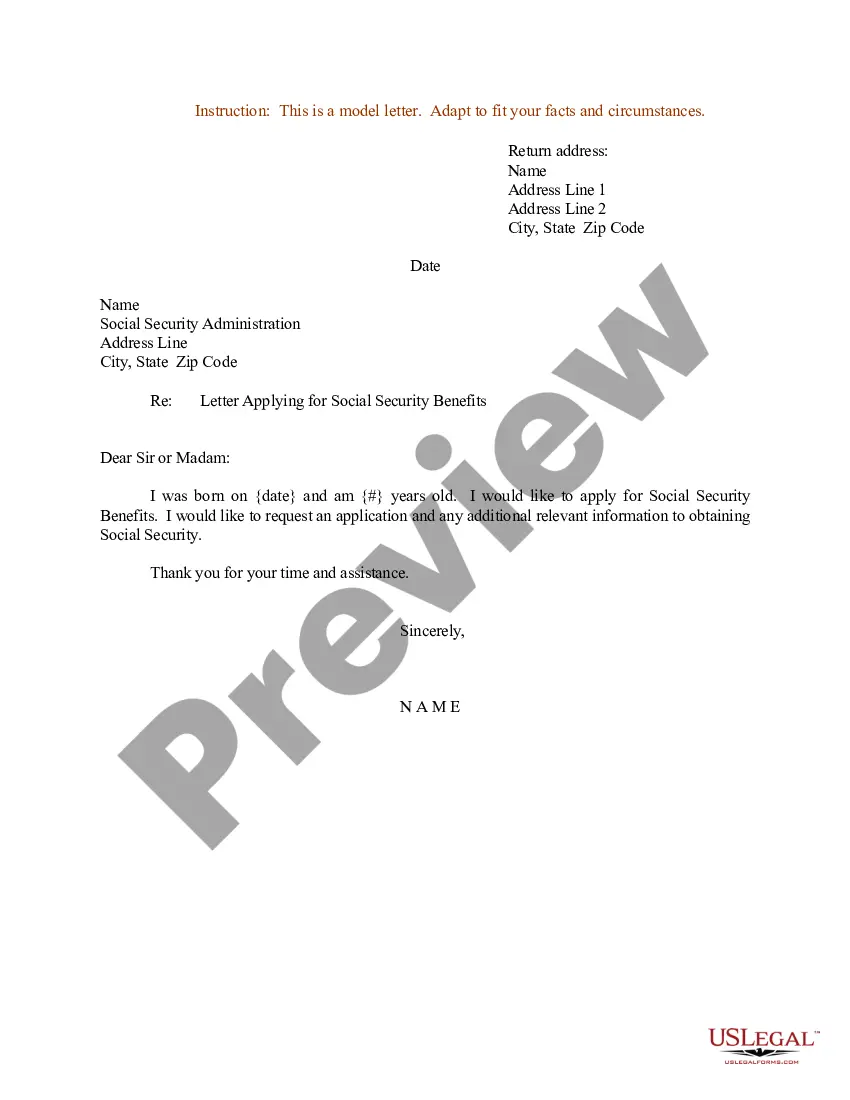
How to fill out Sample Letter For Medical Records Release In Social Security Disability Action?
Regardless of whether it is for commercial reasons or personal matters, everyone eventually has to handle legal circumstances at some point in their lives.
Filling out legal documents requires meticulous care, starting from choosing the correct form template.
Once it is downloaded, you may fill out the form using editing software or print it and complete it by hand. With an extensive US Legal Forms catalog available, there is no need to waste time looking for the proper template online. Utilize the library's intuitive navigation to locate the correct form for any scenario.
- For instance, selecting an incorrect version of a Disability Letter for Mental Health will lead to its rejection upon submission.
- Thus, it is vital to find a trustworthy source for legal paperwork like US Legal Forms.
- If you wish to obtain a Disability Letter For Mental Health template, adhere to these straightforward steps.
- Acquire the template you require by utilizing the search bar or browsing the catalog.
- Examine the information on the form to confirm it aligns with your case, state, and locality.
- Click on the form’s preview to inspect it.
- If it is the wrong document, return to the search function to find the Disability Letter For Mental Health example you need.
- Obtain the template if it fulfills your requirements.
- If you hold a US Legal Forms account, simply click Log in to access previously stored files in My documents.
- If you do not yet have an account, you can acquire the form by clicking Buy now.
- Select the right pricing option.
- Complete the profile registration form.
- Choose your payment method: you can use a credit card or a PayPal account.
- Pick the file format you desire and download the Disability Letter For Mental Health.
Form popularity
FAQ
Mental disability typically includes conditions that significantly impair daily functioning and social interactions. For example, disorders like depression, anxiety, and schizophrenia may qualify as mentally disabled. If you believe you need a disability letter for mental health to access support, USLegalForms can streamline that process for you.
If you don't receive a validation notice within 10 days of the first contact, request one from the debt collector the next time you're contacted. Ask for the debt collector's mailing address at this time as well, in case you decide to request a debt verification letter.
I am requesting proof that I am indeed the party you are asking to pay this debt, and there is some contractual obligation that is binding on me to pay this debt. This is NOT a request for ?verification? or proof of my mailing address, but a request for VALIDATION made pursuant to 15 USC 1692g Sec.
The key is to be thorough in your request for debt verification. In your letter, ask for details on: Why the collector thinks you owe the debt: Ask who the original creditor is and request documentation that verifies you owe the debt, such as a copy of the original contract.
If you've already paid the debt If you're sure that you're talking with a legitimate debt collector, you can send copies of documents that prove you made the payments, including cancelled checks or credit card statements. You may also include copies of any correspondence about settling the debt.
If a debt collector provides a validation notice in the body of an email, the debt collector may, in lieu of including the disclosures permitted by § 1006.34(d)(3)(iv)(A) on the reverse of the validation notice, include them in the same communication below the content of the validation notice.
Provide verification and documentation about why this is a debt that I am required to pay. The amount and age of the debt, including: A copy of the last billing statement sent to me by the original creditor. State the amount of the debt when you obtained it, and when that was.
The Attorney General's debt collection regulations prohibit: Calling you at home more than twice for each debt in any seven-day period, or more than twice for each debt in any 30-day period at some place other than your home, such as your place of work. Calling you at work if you have requested that they not call.
How To Prove a Debt Isn't Yours (and Dispute It) Gather your credit reports and bank statements. Request that debt collectors contact you via mail. Send a debt validation letter within 30 days. Check the reporting limits in your state. File an official identity theft report with the FTC.