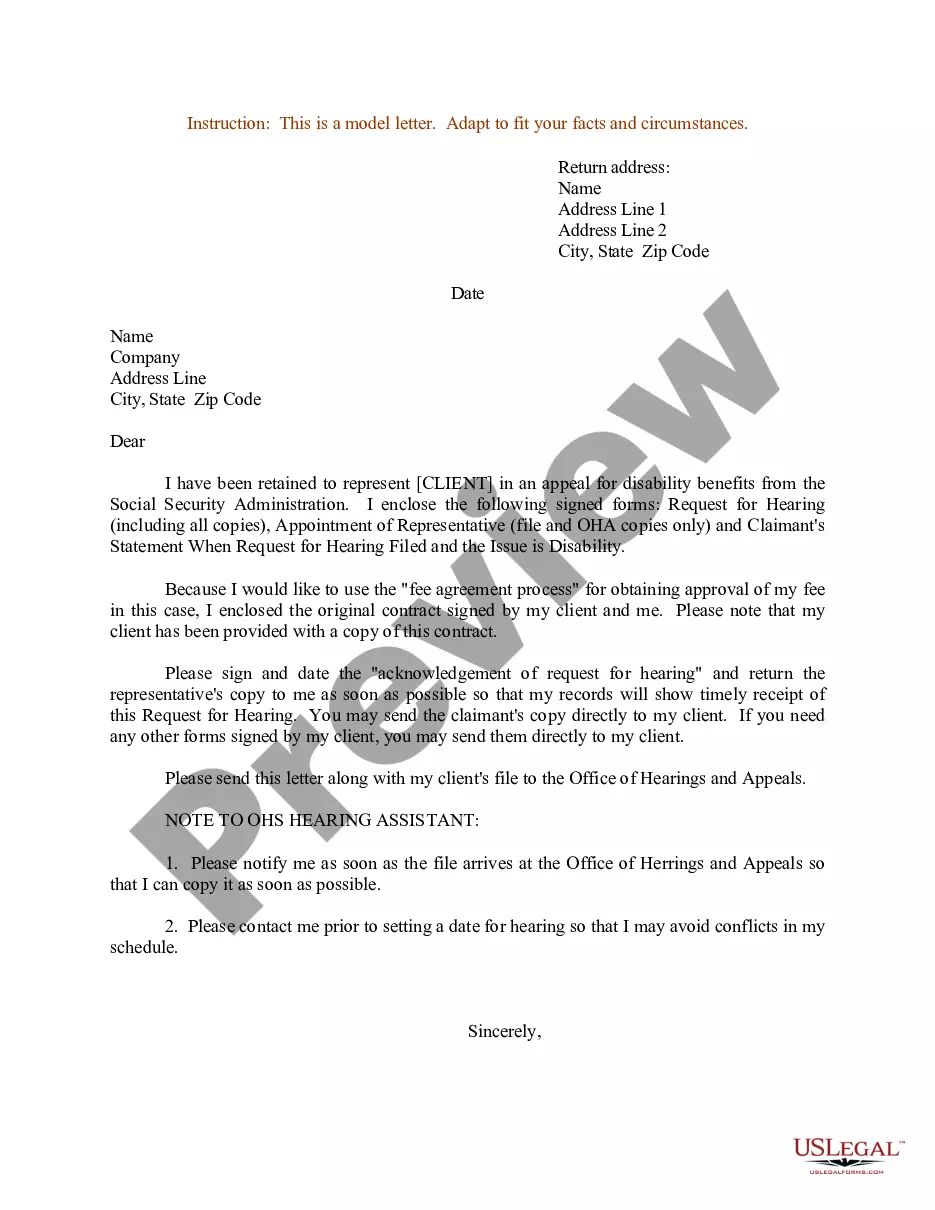
Letter Disability Document For Social Security
Description
Get your form ready online
Our built-in tools help you complete, sign, share, and store your documents in one place.
Make edits, fill in missing information, and update formatting in US Legal Forms—just like you would in MS Word.
Download a copy, print it, send it by email, or mail it via USPS—whatever works best for your next step.
Sign and collect signatures with our SignNow integration. Send to multiple recipients, set reminders, and more. Go Premium to unlock E-Sign.
If this form requires notarization, complete it online through a secure video call—no need to meet a notary in person or wait for an appointment.
We protect your documents and personal data by following strict security and privacy standards.

Make edits, fill in missing information, and update formatting in US Legal Forms—just like you would in MS Word.

Download a copy, print it, send it by email, or mail it via USPS—whatever works best for your next step.

Sign and collect signatures with our SignNow integration. Send to multiple recipients, set reminders, and more. Go Premium to unlock E-Sign.

If this form requires notarization, complete it online through a secure video call—no need to meet a notary in person or wait for an appointment.

We protect your documents and personal data by following strict security and privacy standards.
Looking for another form?
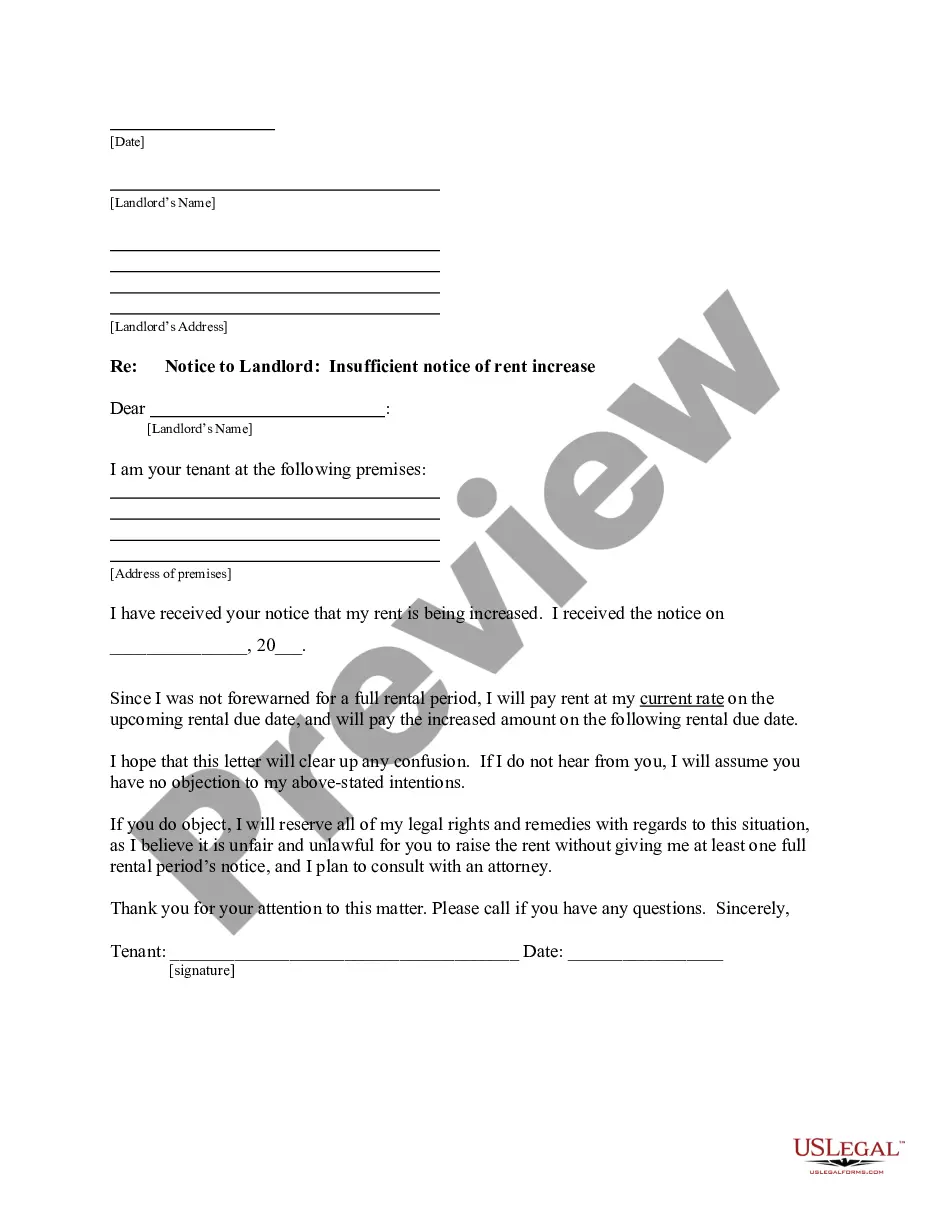
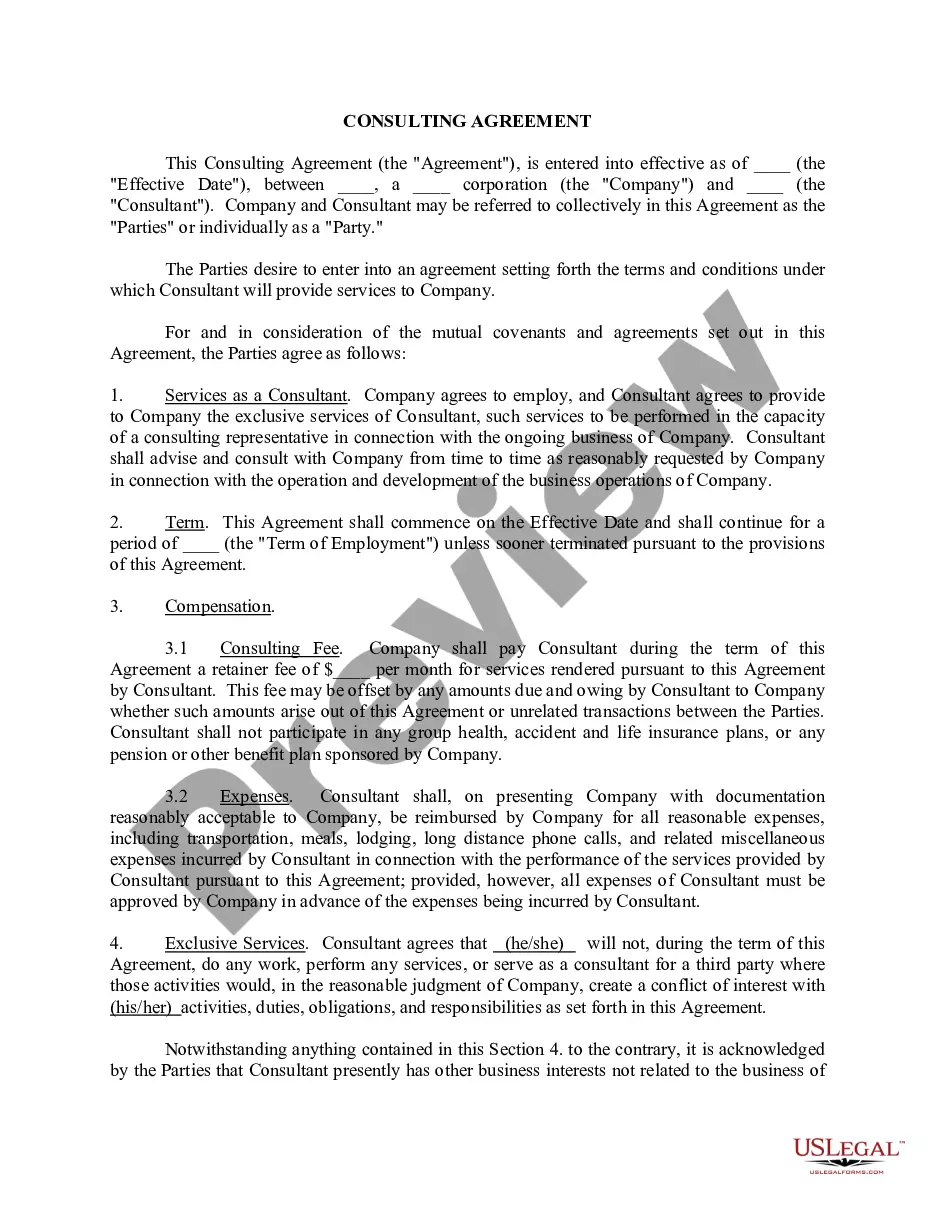
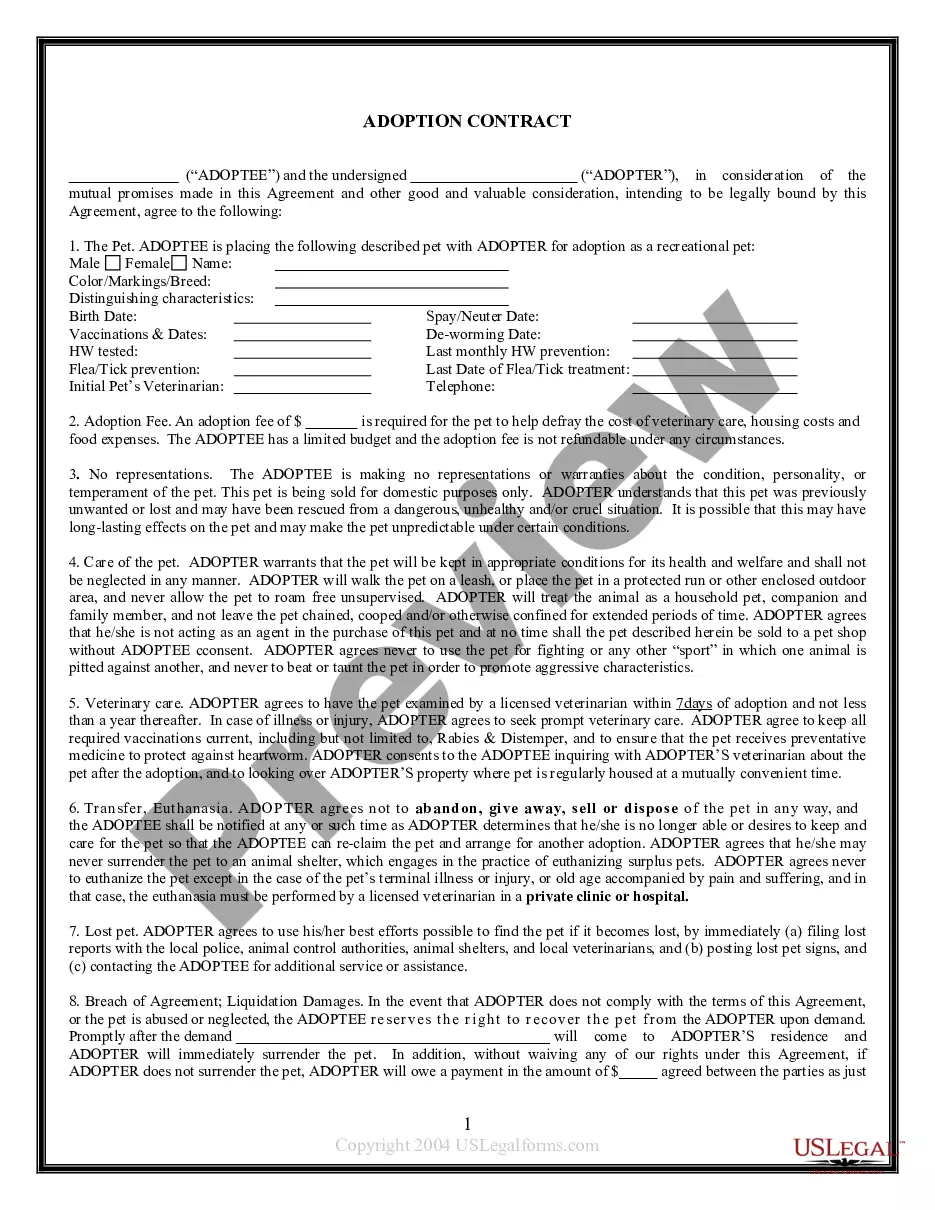
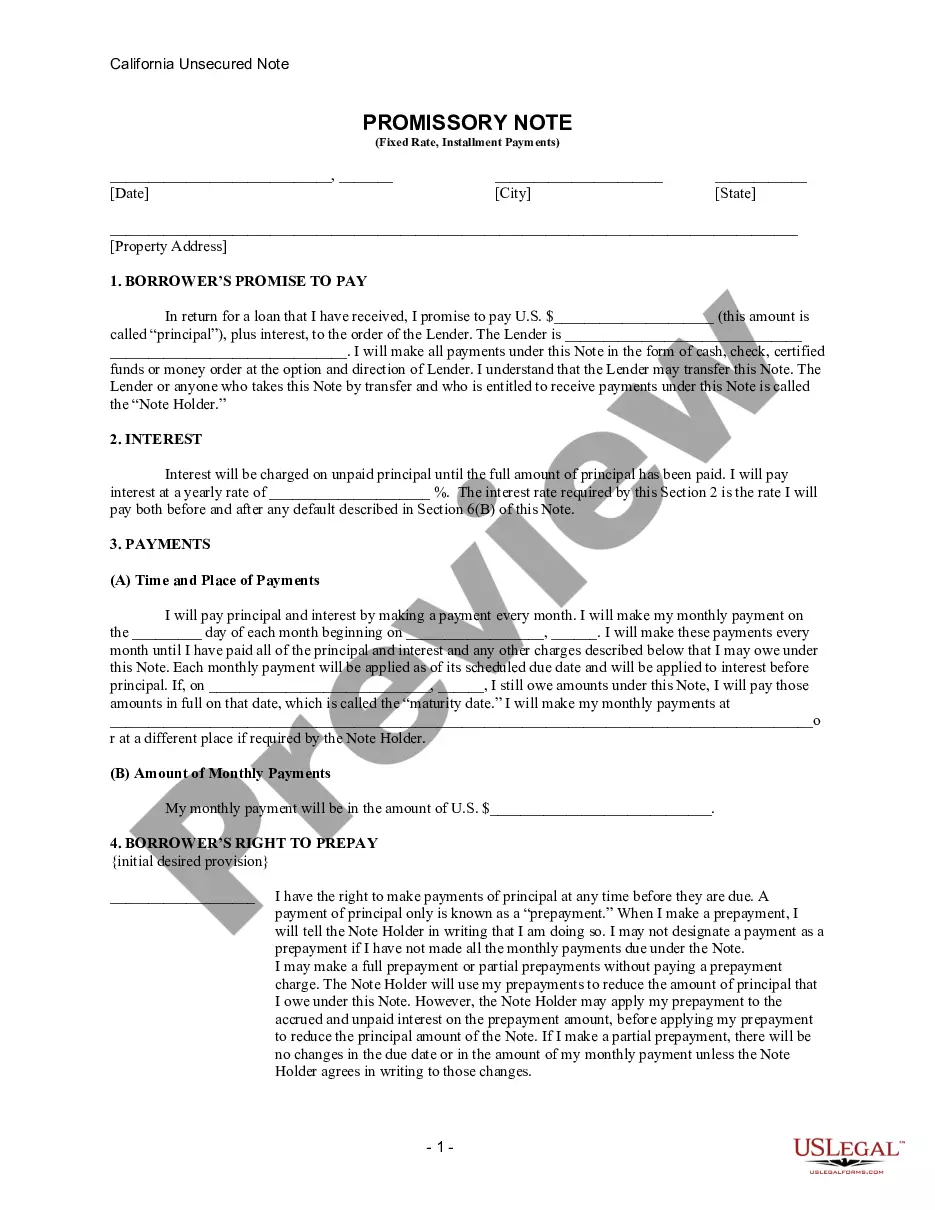
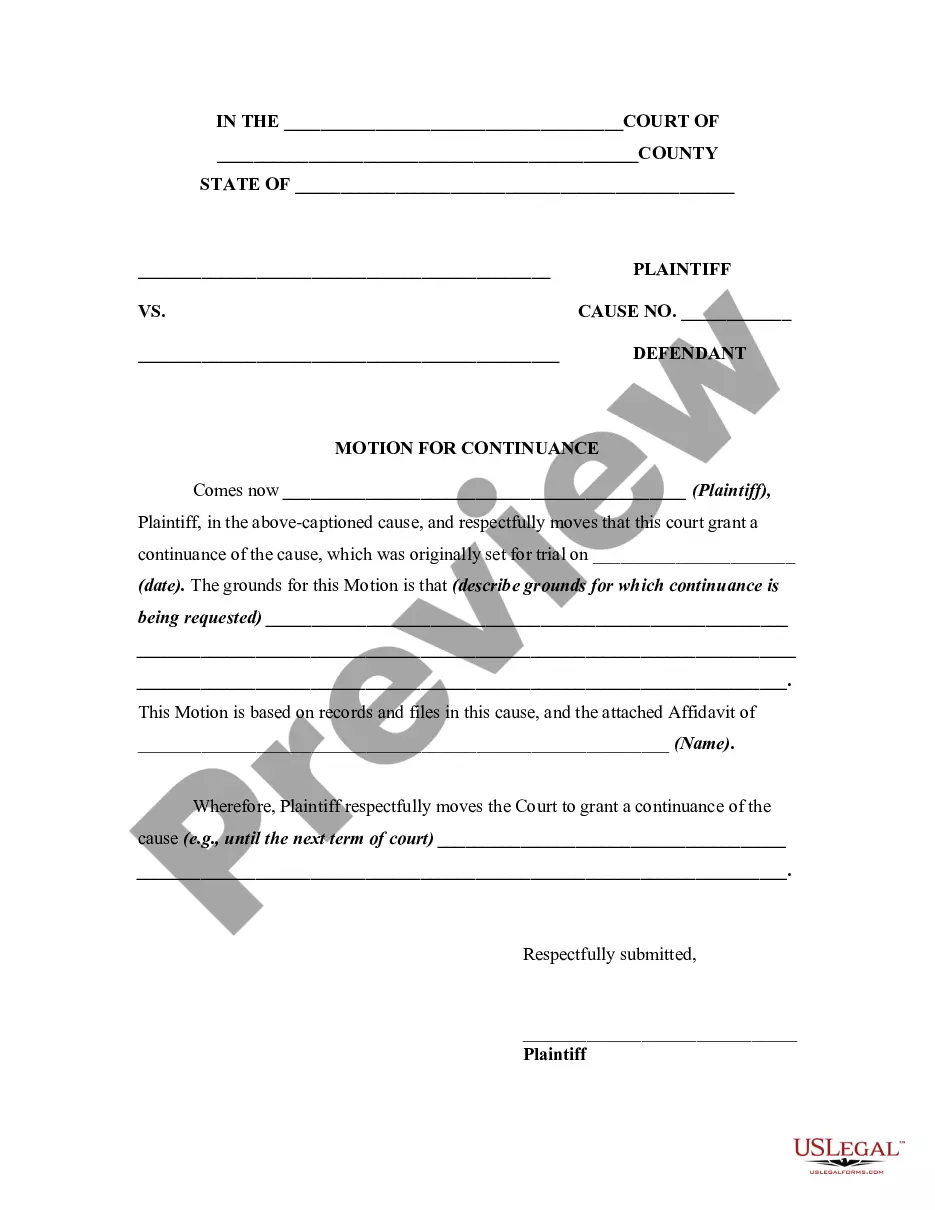

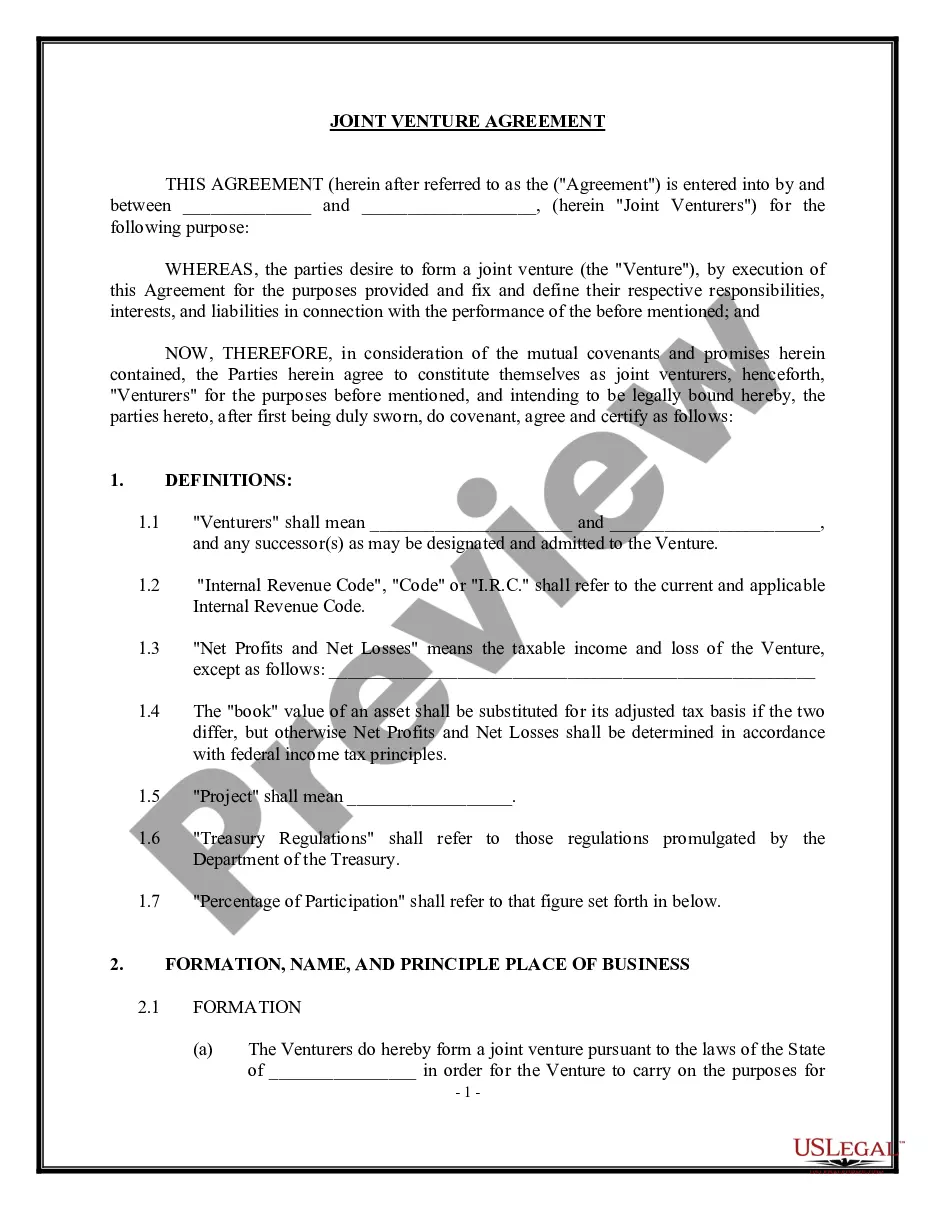
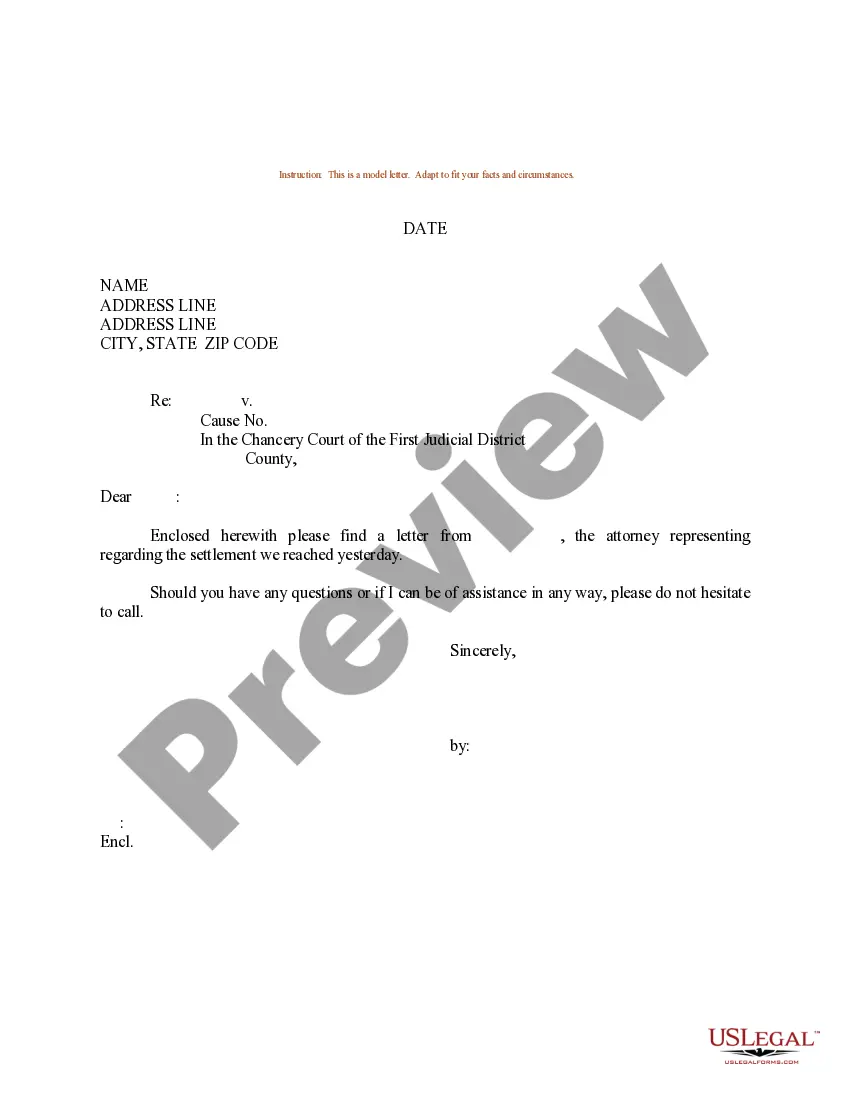
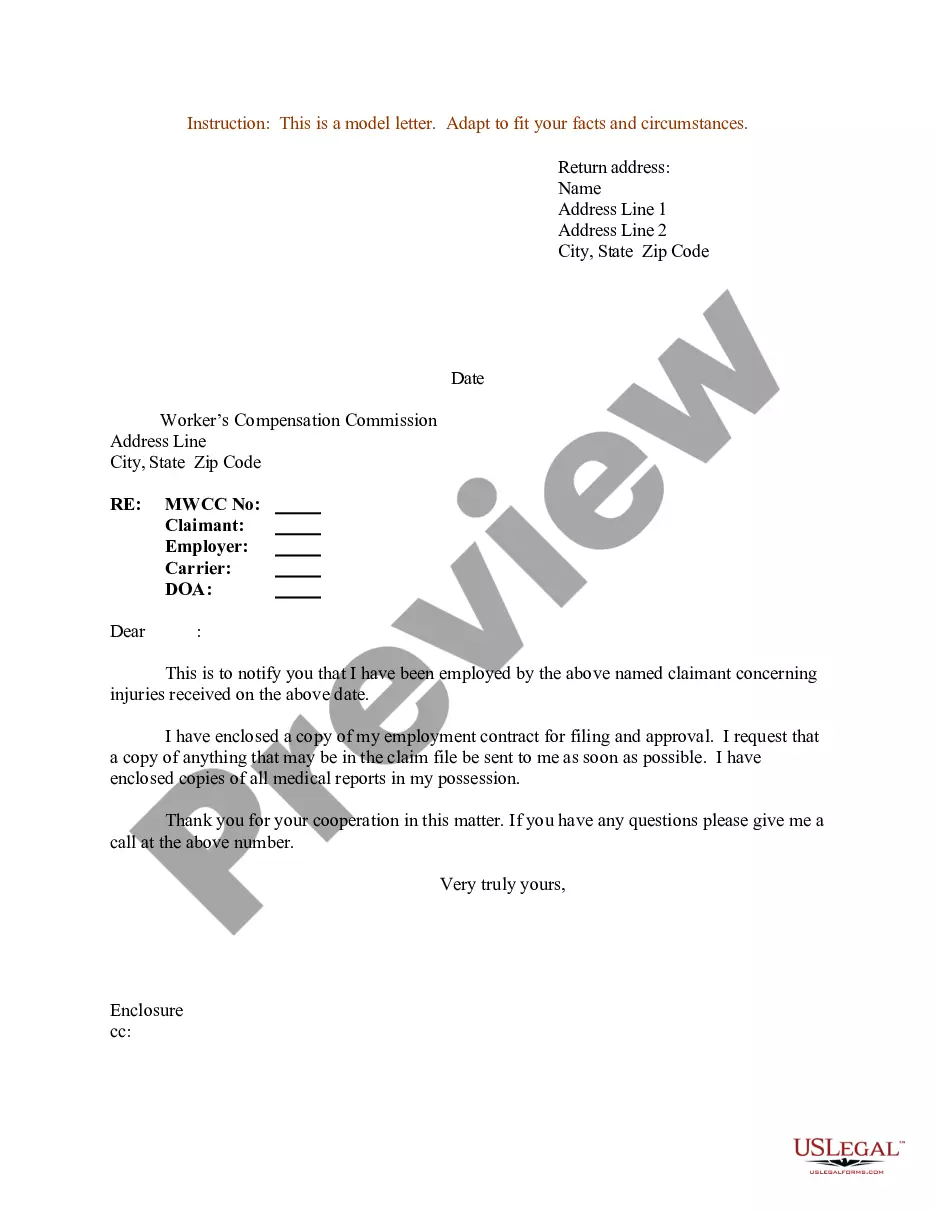
How to fill out Sample Letter For Notification Of Representation In An Appeal For Disability Benefits?
Regardless of whether it's for corporate reasons or personal matters, everyone will inevitably encounter legal scenarios at some point in their lives.
Completing legal documents necessitates meticulous care, starting with selecting the appropriate form template.
With an extensive US Legal Forms catalog available, you won't have to waste time searching for the correct template online. Use the library’s straightforward navigation to find the right form for any event.
- Acquire the form you require by utilizing the search bar or browsing the catalog.
- Review the form’s details to ensure it aligns with your circumstances, state, and locality.
- Click on the form’s preview to examine it.
- If it’s not the correct form, return to the search feature to locate the Letter Disability Document For Social Security template you need.
- Download the template once it meets your requirements.
- If you already possess a US Legal Forms account, simply click Log in to access saved templates in My documents.
- If you haven't created an account yet, you can obtain the form by clicking Buy now.
- Select the suitable pricing option.
- Complete the account registration form.
- Choose your method of payment: a credit card or a PayPal account.
- Select the desired file format and download the Letter Disability Document For Social Security.
- After saving, you can fill out the form using editing software or print it and complete it manually.
Form popularity
FAQ
Optional form. The form created in Subsection (2), or a substantially similar form, is presumed valid under this chapter. Part I: Allows you to name another person to make health care decisions for you when you cannot make decisions or speak for yourself.
The most common types of advance directives are the living will and the durable power of attorney for health care (sometimes known as the medical power of attorney). There are many advance directive formats.
75-2a-117 Optional form. (2) The following form is presumed valid under Subsection (1): Utah Advance Health Care Directive (Pursuant to Utah Code Section 75-2a-117) Part I: Allows you to name another person to make health care decisions for you when you cannot make decisions or speak for yourself.
There are three main disadvantages to using a living will: Living wills have a limited scope; Living wills rely on physician compliance; Living wills are not always given to health care providers.
Whether or not your home state calls for an official notarization by a notary public, every state in the U.S. requires your advance directive to be signed by witnesses. Some states require both witnesses and notary publics to sign advance directives.
The form must be signed by two qualified witnesses or acknowledged before a notary public. Give a copy of the signed and completed form to your physician, to any other health care providers you may have, to any health care institution at which you are receiving care, and to any health care agents you have named.
The advance health care directive requires only one witness (unlike a last will and testament), and does not need to be notarized.
Advance directives need to be in writing. Each state has different forms and requirements for creating legal documents. Depending on where you live, a form may need to be signed by a witness or notarized. You can ask a lawyer to help you with the process, but it is generally not necessary.