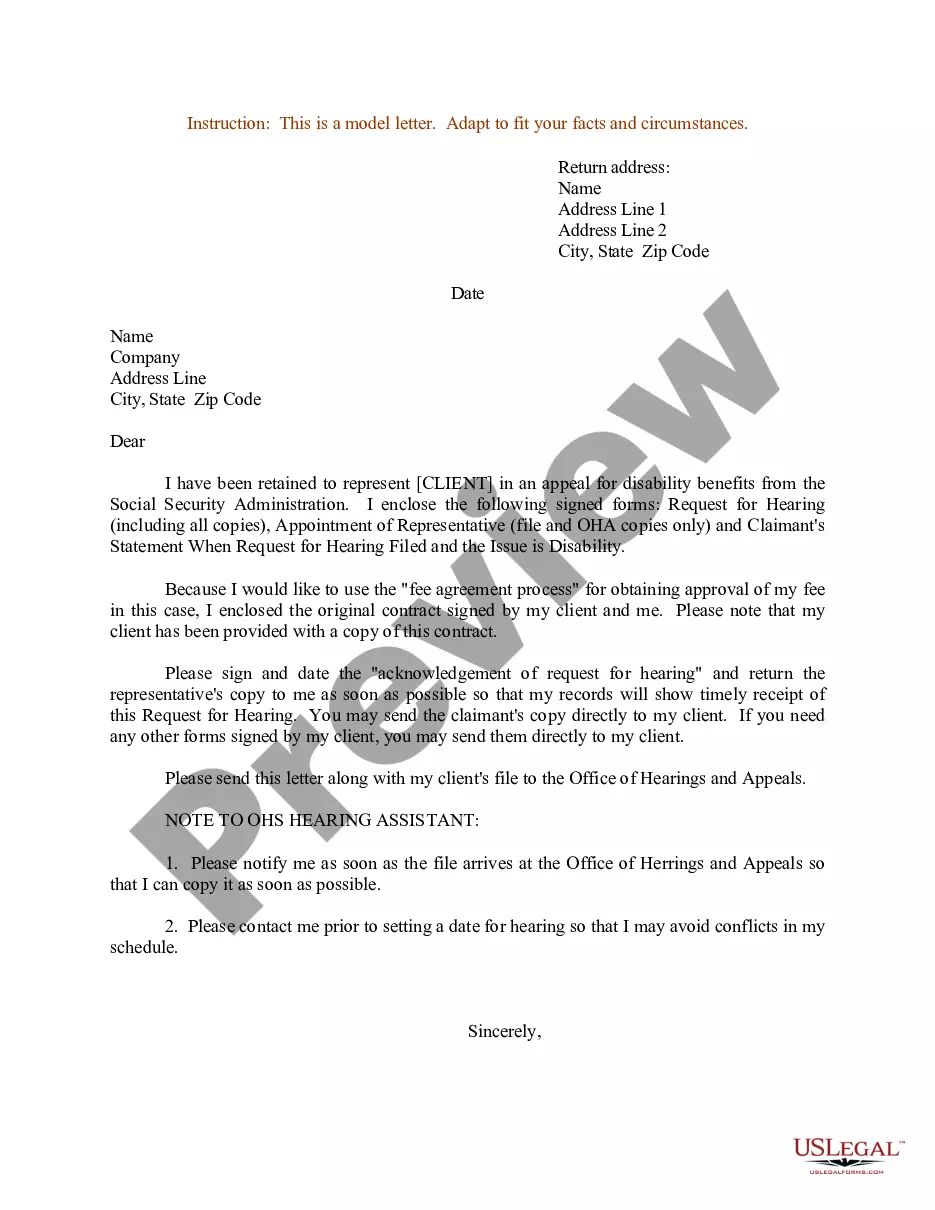
Appeal Letter
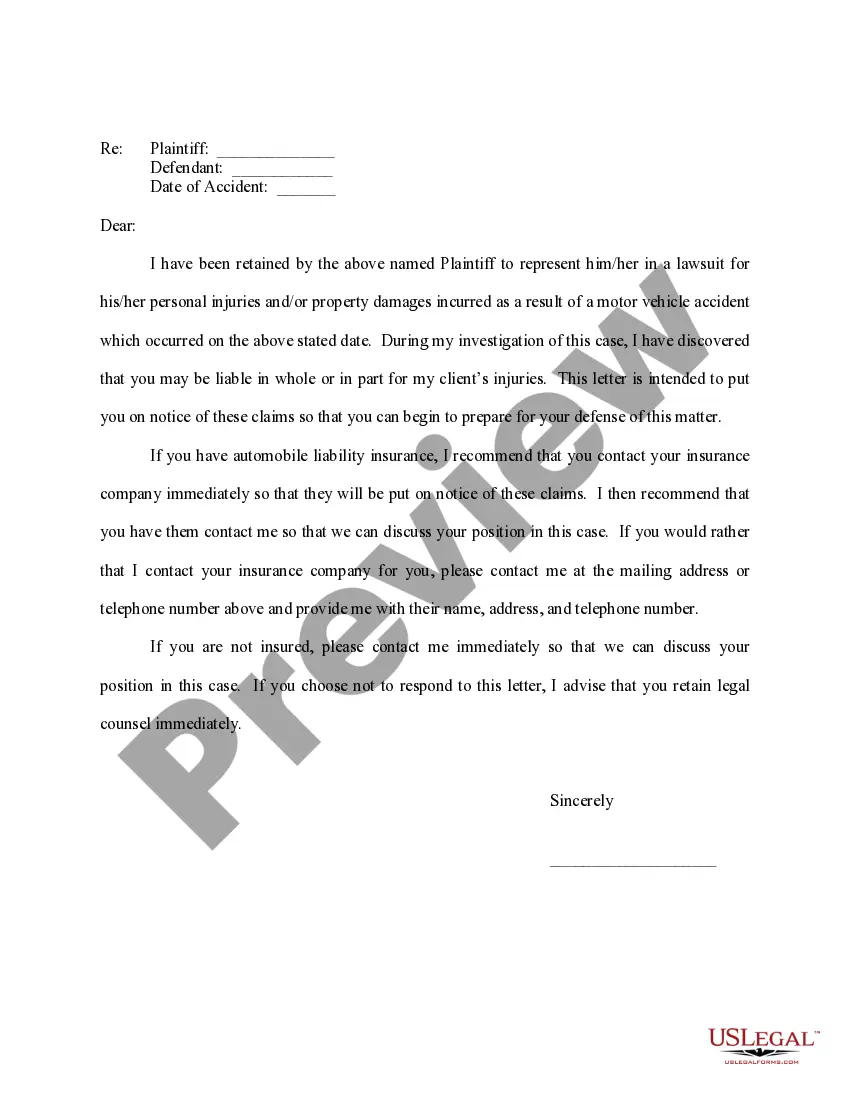
Description
Get your form ready online
Our built-in tools help you complete, sign, share, and store your documents in one place.
Make edits, fill in missing information, and update formatting in US Legal Forms—just like you would in MS Word.
Download a copy, print it, send it by email, or mail it via USPS—whatever works best for your next step.
Sign and collect signatures with our SignNow integration. Send to multiple recipients, set reminders, and more. Go Premium to unlock E-Sign.
If this form requires notarization, complete it online through a secure video call—no need to meet a notary in person or wait for an appointment.
We protect your documents and personal data by following strict security and privacy standards.

Make edits, fill in missing information, and update formatting in US Legal Forms—just like you would in MS Word.

Download a copy, print it, send it by email, or mail it via USPS—whatever works best for your next step.

Sign and collect signatures with our SignNow integration. Send to multiple recipients, set reminders, and more. Go Premium to unlock E-Sign.

If this form requires notarization, complete it online through a secure video call—no need to meet a notary in person or wait for an appointment.

We protect your documents and personal data by following strict security and privacy standards.
Looking for another form?







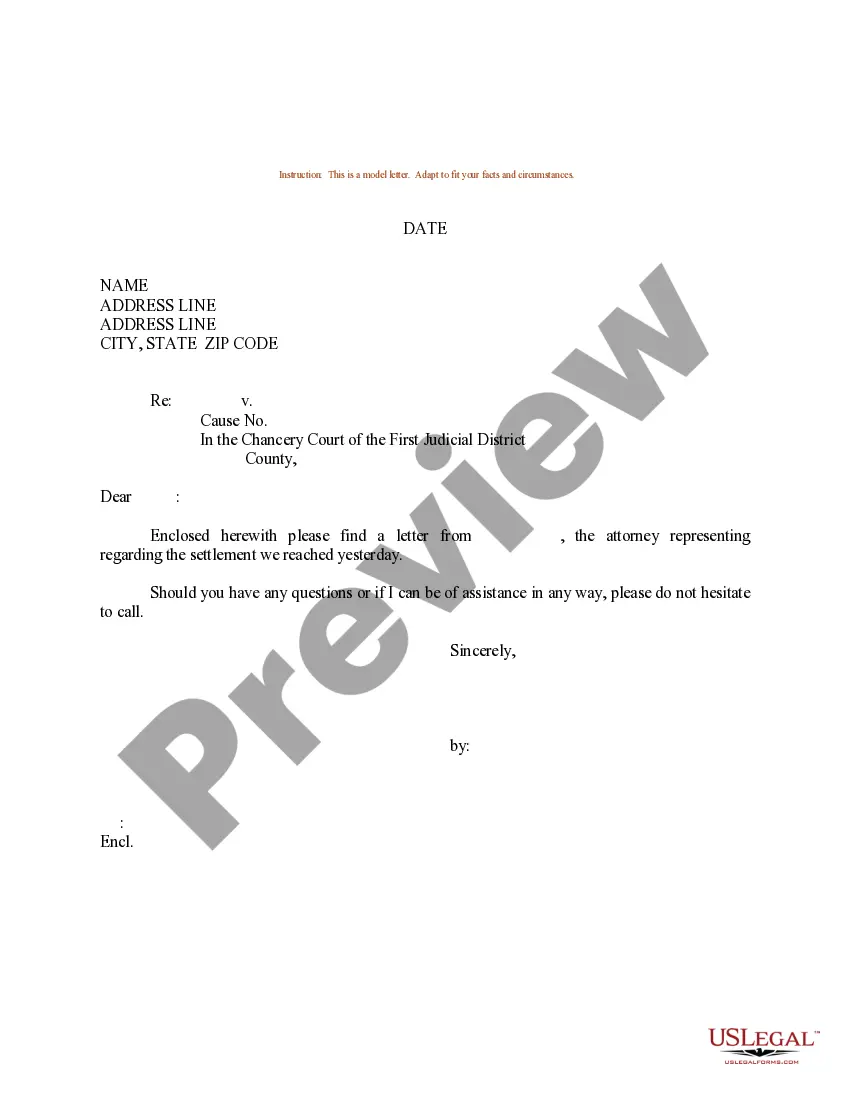
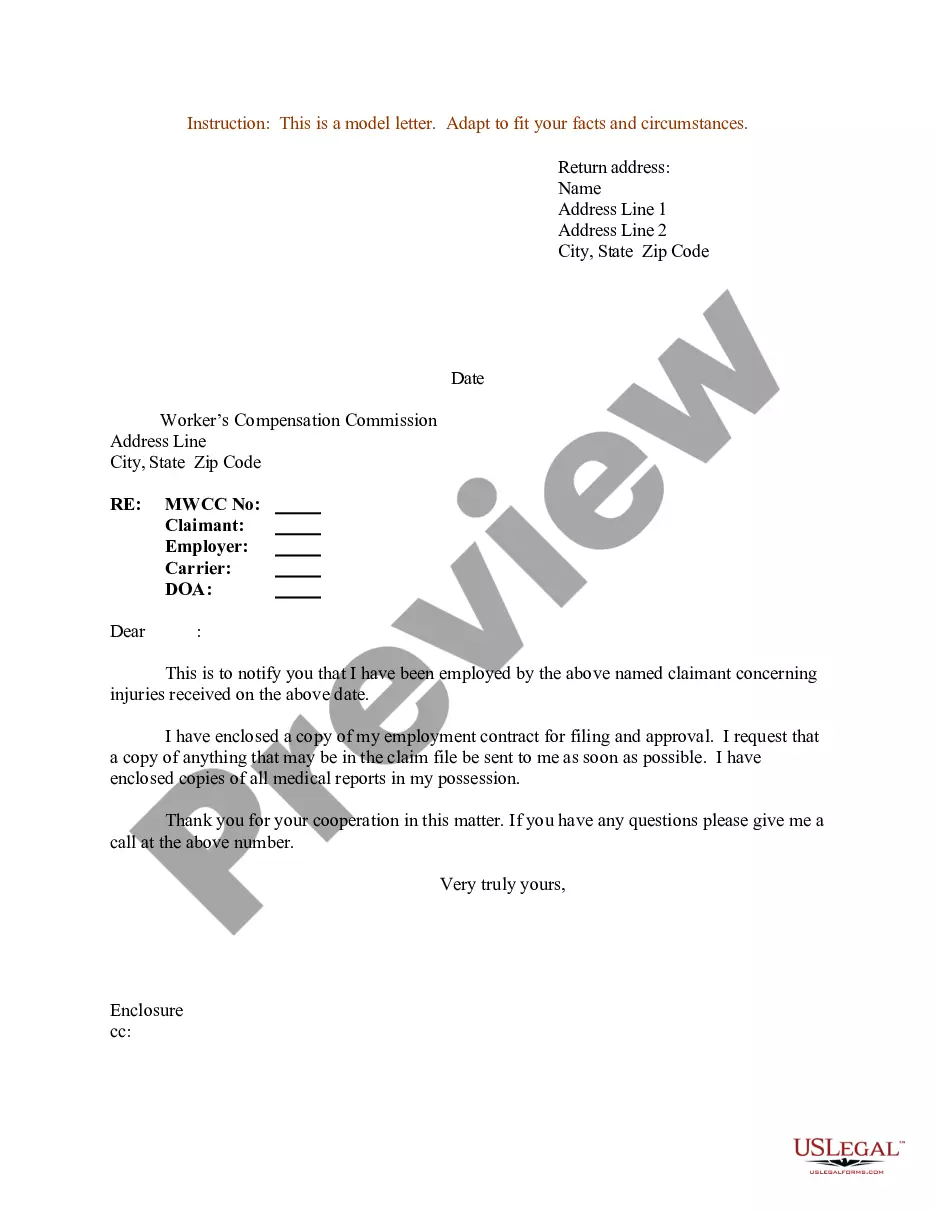
How to fill out Sample Letter For Notification Of Representation In An Appeal For Disability Benefits?
- If you're a returning user, simply log in to your account. Check your subscription status and ensure it's valid before downloading your chosen form template.
- For first-time users, start by browsing the preview mode and descriptions of forms related to appeal letters, ensuring compliance with local jurisdiction requirements.
- Utilize the Search tab for additional templates if the initial choice does not fit your requirements. Finding the accurate template is crucial.
- To proceed, click the Buy Now button next to your selected document. Choose a subscription plan that best fits your needs, and create an account for access to the extensive library.
- Complete the purchase by entering your payment details via credit card or your PayPal account.
- Once purchased, download your appeal letter template and save it on your device. You can retrieve this document anytime from the My Forms section of your profile.
In conclusion, US Legal Forms simplifies the process of creating and submitting an appeal letter with its robust legal library and expert assistance. By following these steps, you can ensure that your letter is precise and legally sound.
Start today to navigate your legal needs with confidence!
Form popularity
FAQ
A strong appeal reason includes new information or evidence that was not considered during the initial review. An example would be recent medical documentation that supports the necessity of a procedure. It's important to articulate why the denial was based on incomplete data and how the additional information affects your case.
An appeal statement summarizes the reasons for your appeal and is essential in your appeal letter. For example, you might say, 'I believe my claim was denied based on incomplete information. I am providing additional documentation that supports my case and requests that you reconsider this decision.' This clearly communicates your intent and reinforces your position.
To write an effective appeal letter, start with a formal greeting and state the intent of your letter right away. Include relevant details such as the reference number, the date of denial, and specific reasons for your appeal. Use a logical structure, and keep your tone respectful while asserting your position as you request a review of your case.
Writing a powerful appeal letter involves clearly stating the purpose of the letter, supporting your claims with strong evidence, and maintaining a professional tone. Use concise language to articulate your point and focus on the facts that support your appeal. End your letter by inviting a prompt review and expressing your willingness to provide further information.
To successfully appeal an insurance denial letter, review the denial carefully and understand the reasons for it. Next, gather evidence that contradicts the denial, such as medical records or bills. In your appeal letter, directly address the insurance company's points and provide a clear rationale for why your claim should be approved.
To write an appeal letter for a denied claim, begin with your contact information and the date. Clearly state that you are appealing the denial, include your policy number, and explain the reasons for your appeal. Be sure to attach any supporting documents that bolster your case, and conclude with a polite request for reconsideration.
Writing a heartfelt appeal letter involves expressing your feelings honestly while remaining respectful and clear. Share your personal story or circumstances that led to the appeal; this adds a layer of sincerity. Use your appeal letter to convey your genuine desire for a resolution, ensuring that your message resonates with the recipient on both emotional and logical levels.
Begin your appeal letter with your name, address, and date at the top, followed by the recipient's contact information. A respectful salutation sets a positive tone. Clearly state the nature of your appeal in the opening paragraph; this helps the reader understand your letter's purpose from the start. Remember, a well-organized approach will make your appeal more persuasive.
To write an appeal letter, start with a formal greeting and a clear subject line that indicates the purpose of your letter. Outline the situation, detail the decision you are appealing, and provide a logical argument supporting your appeal. Be concise, stay focused, and close the letter with a respectful request for reconsideration, highlighting your willingness to provide additional information if needed.
When filing an appeal, it is crucial to state your purpose clearly and respectfully. Begin by mentioning the decision you are appealing and explain why you believe it was made in error. Make sure to present any evidence or new information that supports your case, and express your hope for a reconsideration of the initial decision in your appeal letter.