Debt Collector Sent Letter To Wrong Address
Description
Get your form ready online
Our built-in tools help you complete, sign, share, and store your documents in one place.
Make edits, fill in missing information, and update formatting in US Legal Forms—just like you would in MS Word.
Download a copy, print it, send it by email, or mail it via USPS—whatever works best for your next step.
Sign and collect signatures with our SignNow integration. Send to multiple recipients, set reminders, and more. Go Premium to unlock E-Sign.
If this form requires notarization, complete it online through a secure video call—no need to meet a notary in person or wait for an appointment.
We protect your documents and personal data by following strict security and privacy standards.
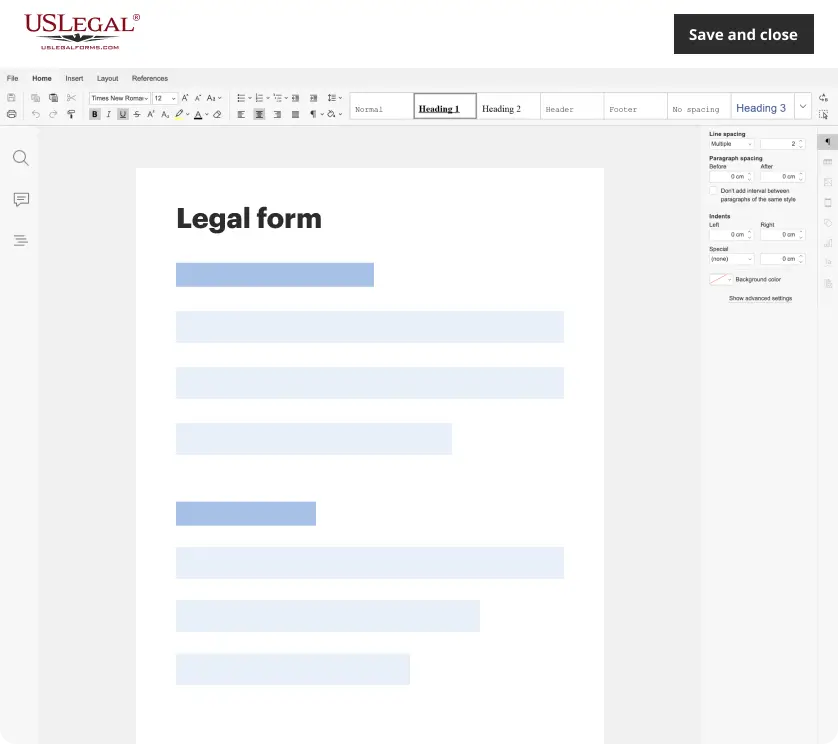
Make edits, fill in missing information, and update formatting in US Legal Forms—just like you would in MS Word.
Download a copy, print it, send it by email, or mail it via USPS—whatever works best for your next step.
Sign and collect signatures with our SignNow integration. Send to multiple recipients, set reminders, and more. Go Premium to unlock E-Sign.
If this form requires notarization, complete it online through a secure video call—no need to meet a notary in person or wait for an appointment.
We protect your documents and personal data by following strict security and privacy standards.
Looking for another form?
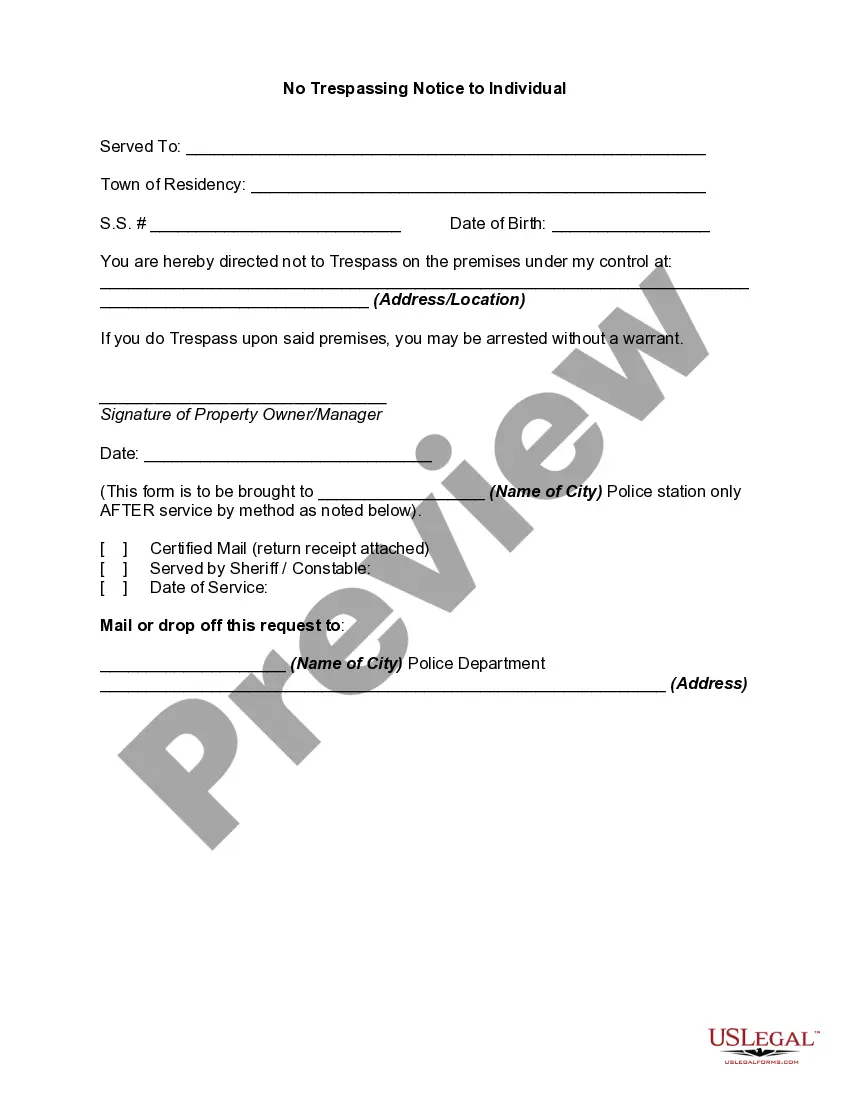

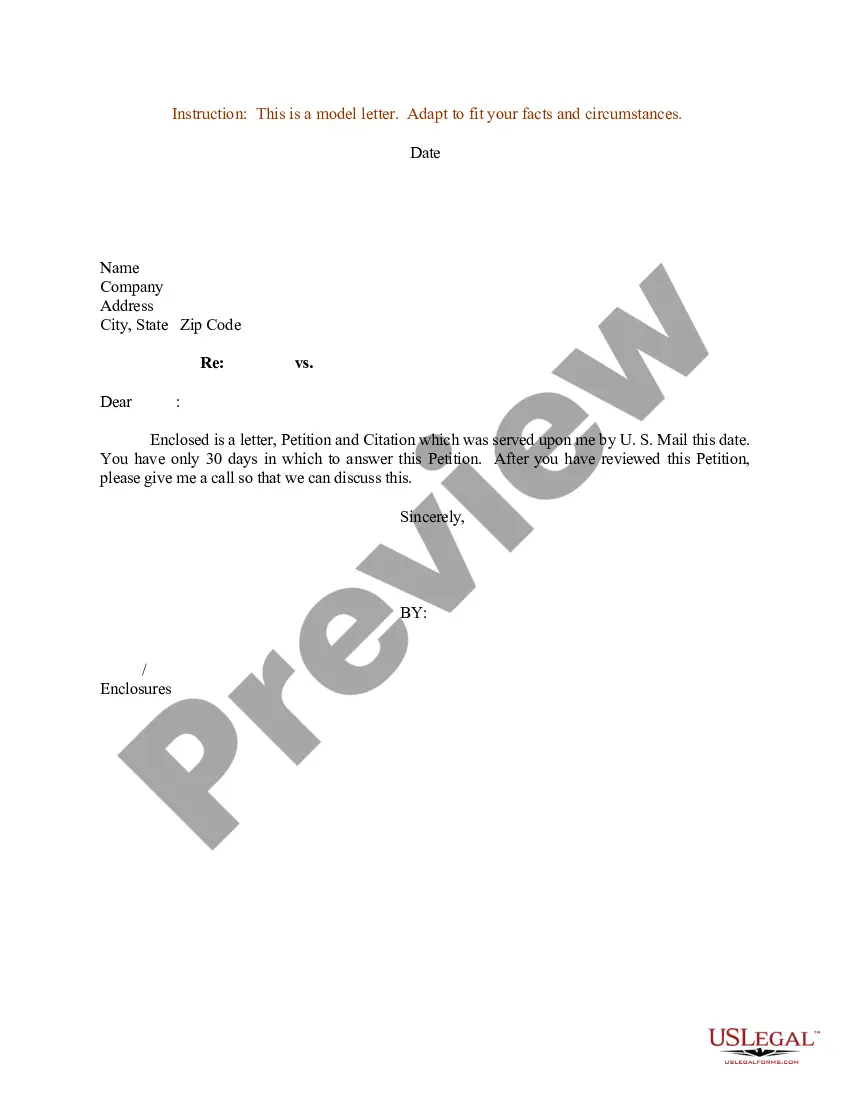
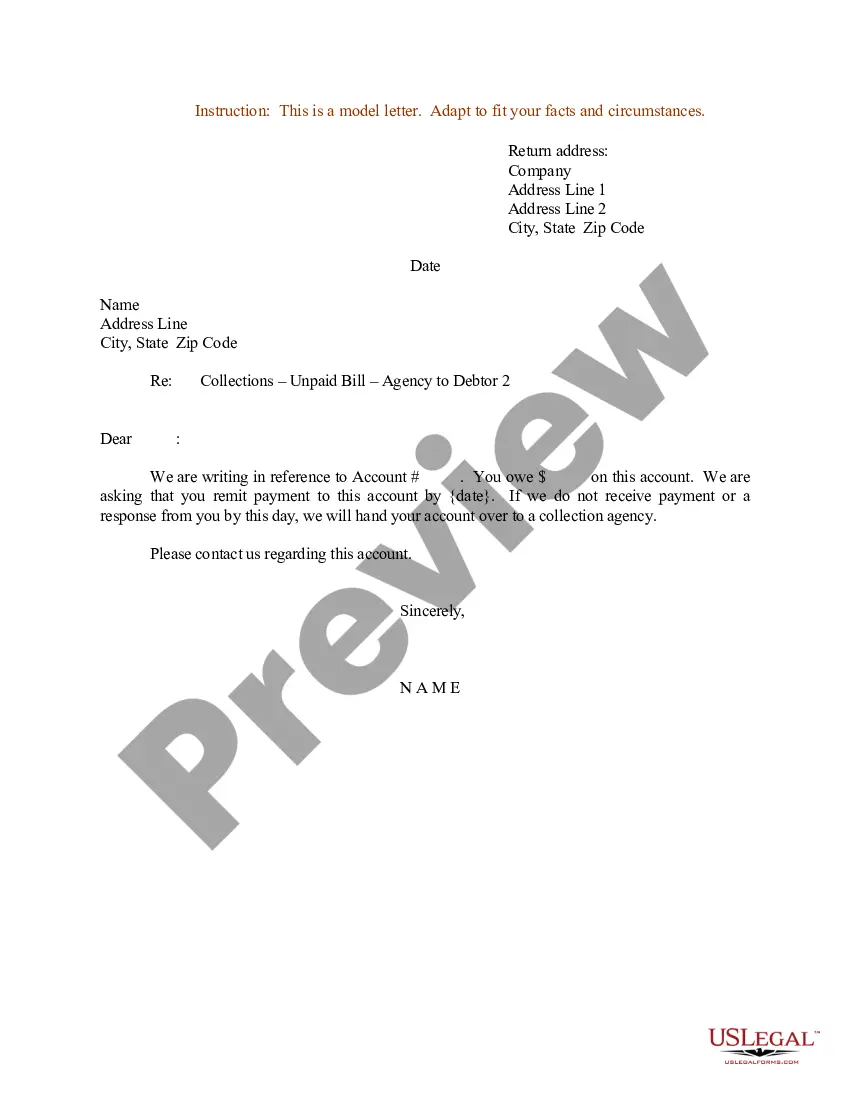
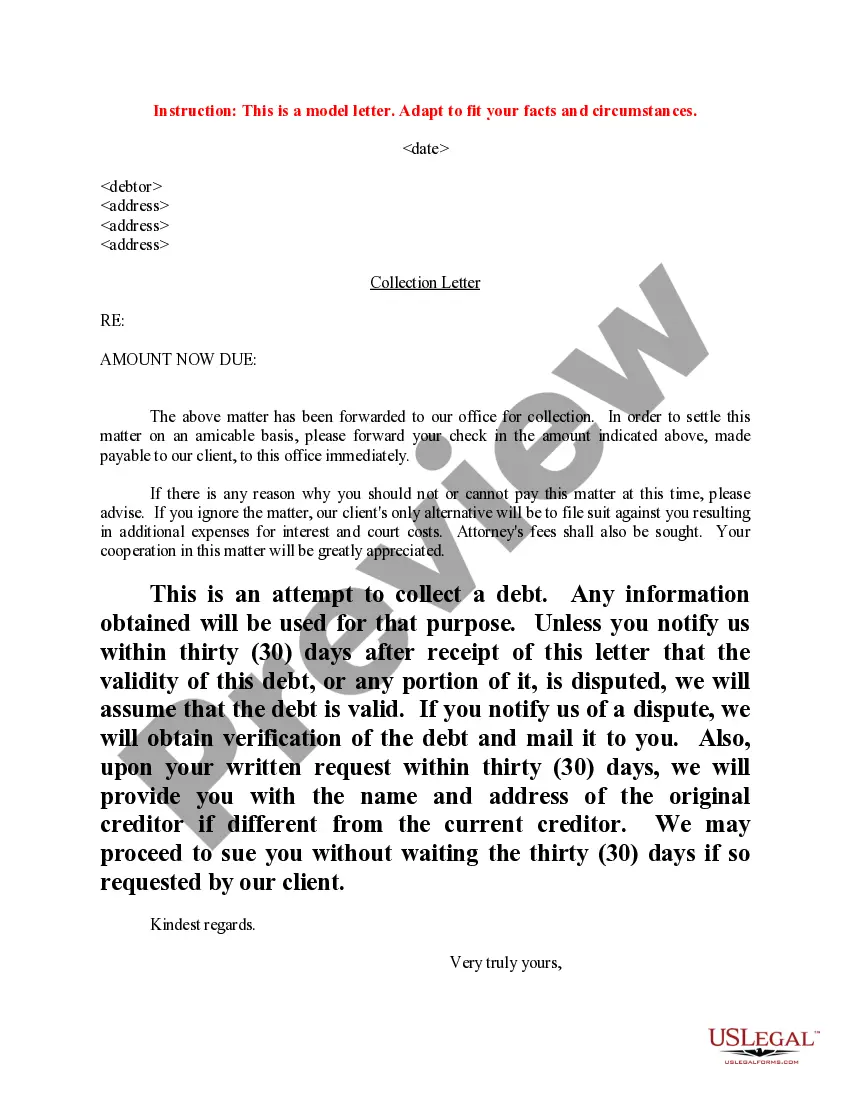
How to fill out Sample Letter For Debt Collection?
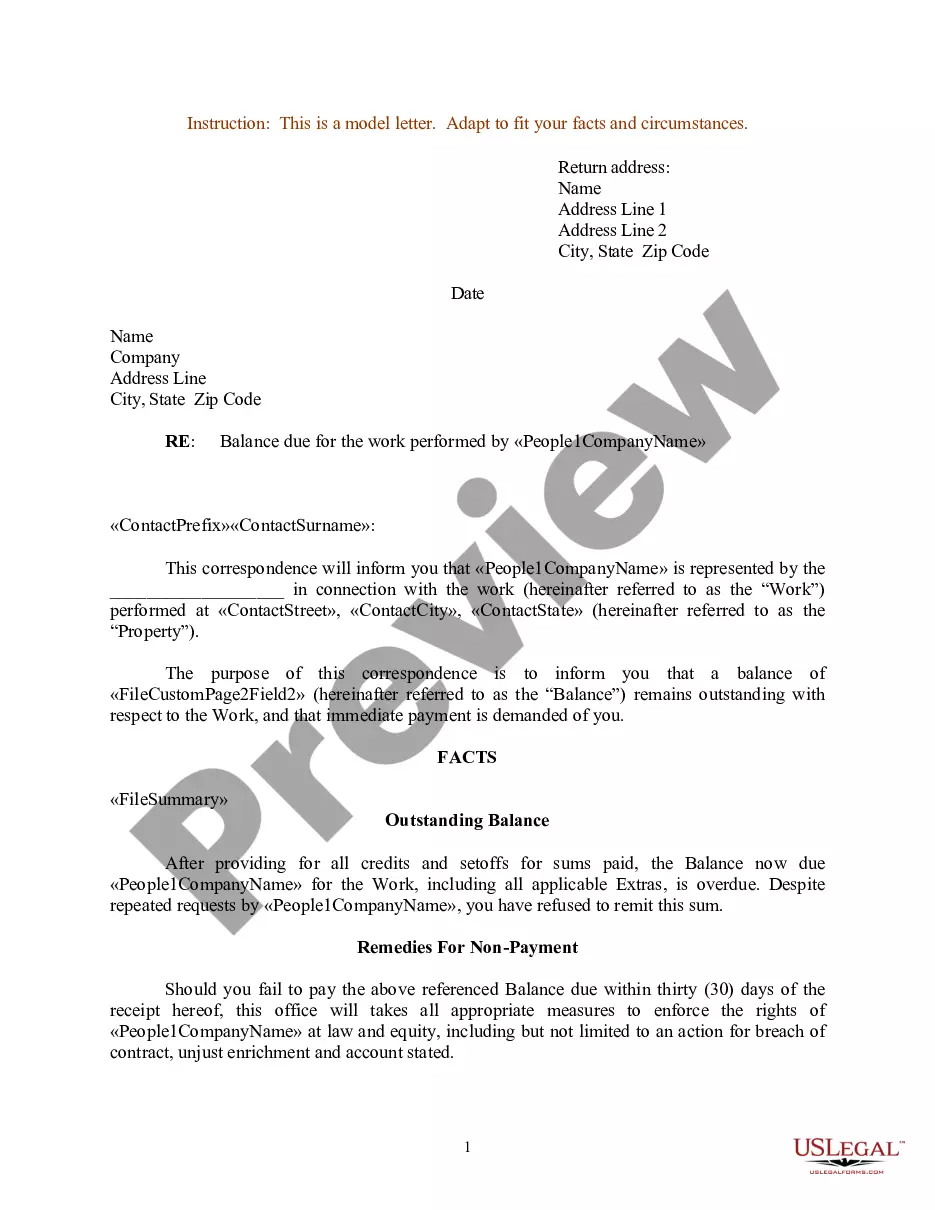
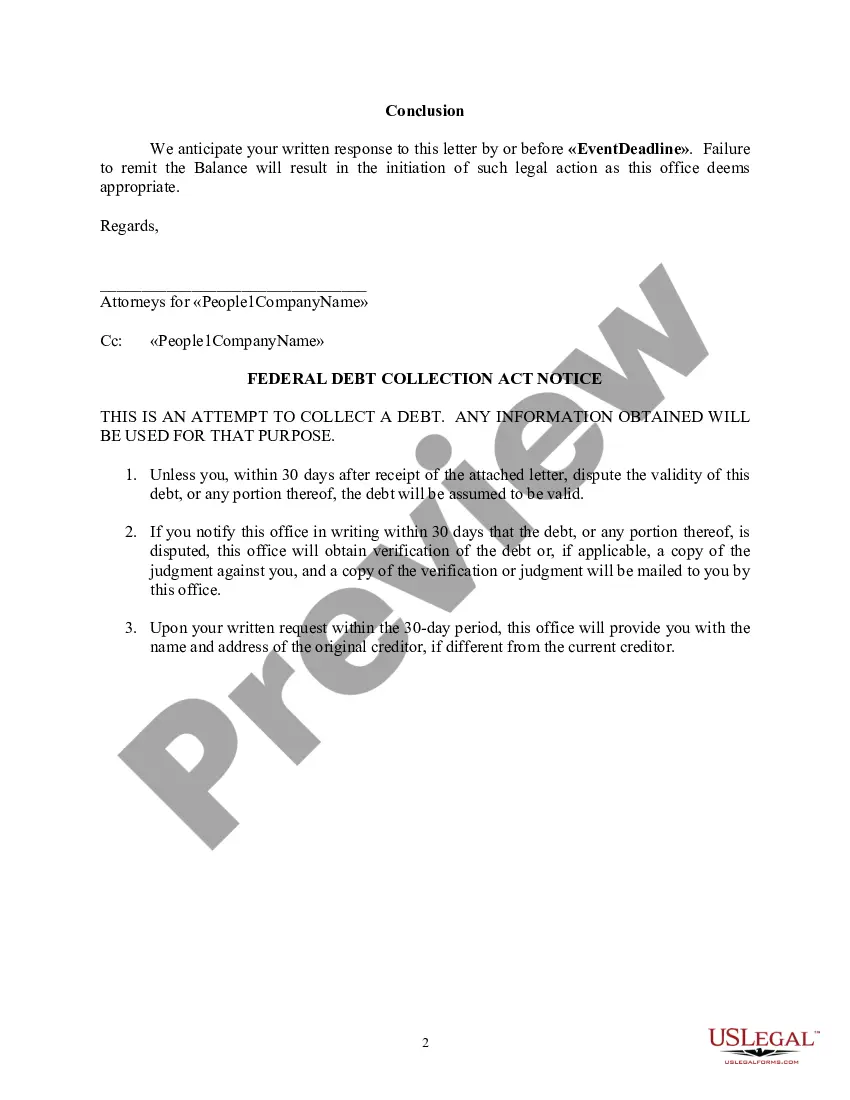
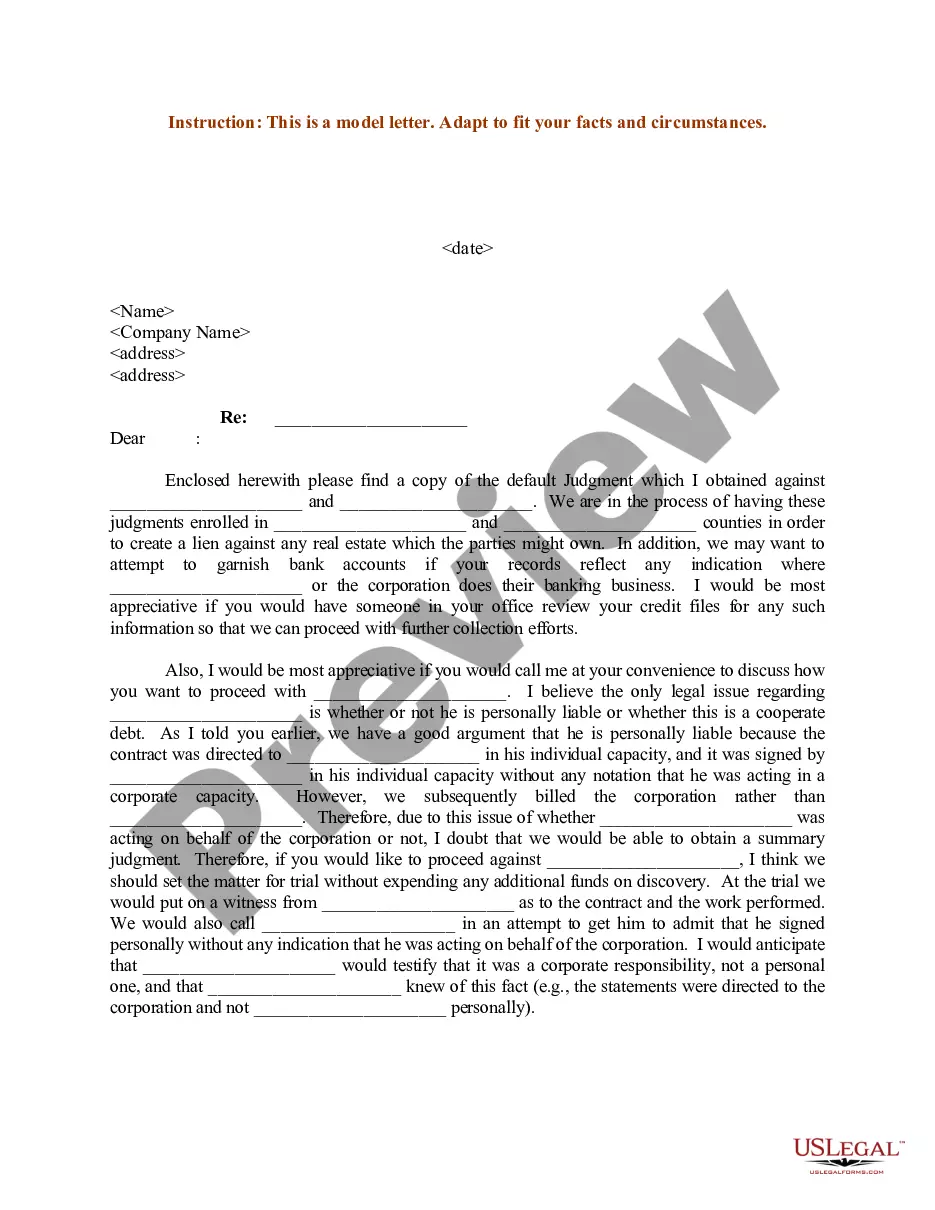
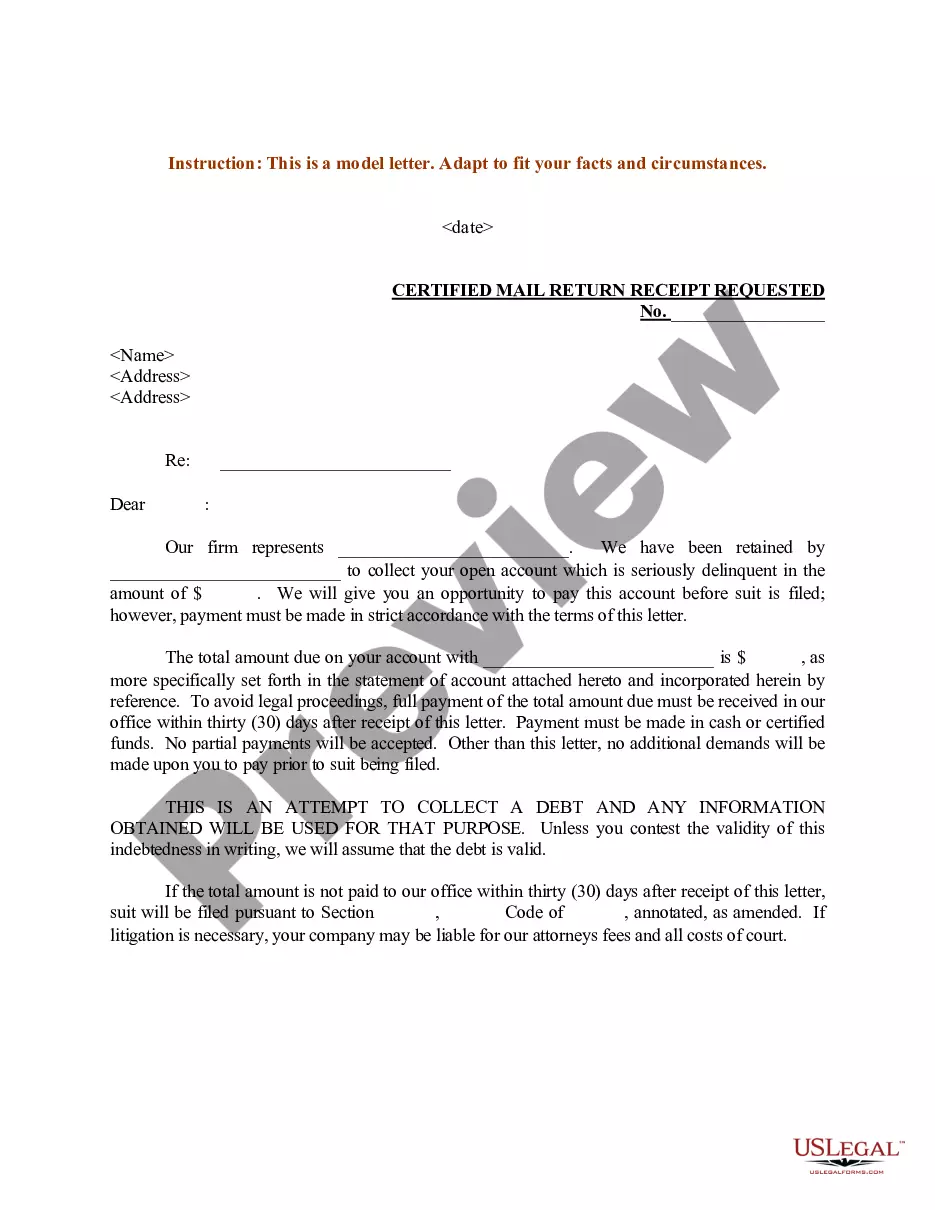
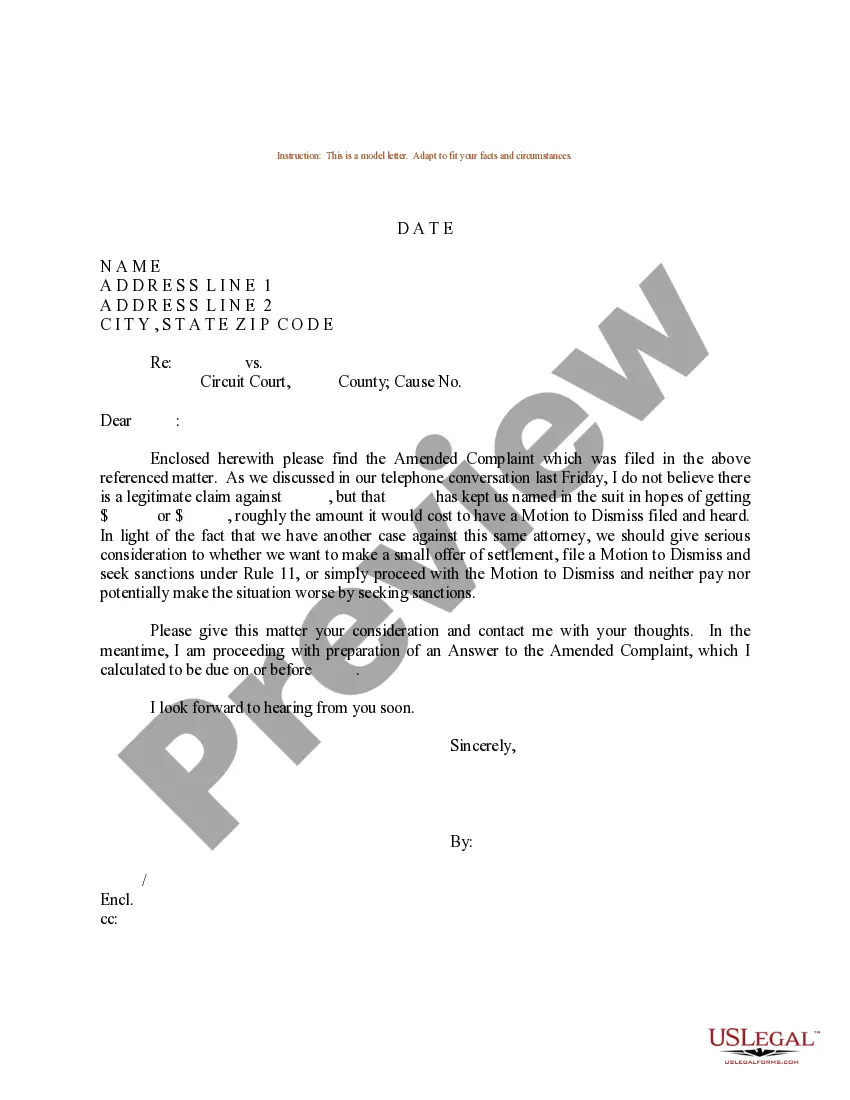
The Debt Collector Transmitted Notification To Incorrect Location you observe on this page is a reusable formal template formulated by expert attorneys in accordance with national and local regulations.
For over 25 years, US Legal Forms has supplied individuals, enterprises, and legal practitioners with over 85,000 verified, state-specific documents for any business and personal situation.
Select the format you desire for your Debt Collector Transmitted Notification To Incorrect Location (PDF, Word, RTF) and download the example onto your device.
- Explore the document you require and verify it.
- Review the sample you searched and examine it or read the form description to ensure it meets your needs. If it doesn’t, utilize the search bar to find the accurate one. Click Buy Now once you have found the template you want.
- Register and Log In.
- Select the payment plan that fits you and create an account. Use PayPal or a credit card for a swift transaction. If you already possess an account, Log In and review your subscription to proceed.
- Acquire the fillable document.
Form popularity
FAQ
If a debt collector sent a letter to the wrong address, it is important to act quickly and check your records. First, confirm that you do not owe the debt listed in the letter. Next, contact the debt collector to inform them of the mistake, and request that they correct their records. Remember, you can also utilize US Legal Forms to draft a dispute letter to formally address the issue and protect your rights.
The phrase you can use is, 'I do not owe this debt.' When you utilize this statement, it might prompt the debt collector to cease communication. Make sure to follow up with written correspondence for your records. Remember, if a debt collector sent letter to wrong address, clarity and documentation are essential for protecting your rights.
The worst a debt collector can do includes harassing you with repeated phone calls, reporting inaccurate debt information to credit bureaus, or even taking legal action against you. However, it's important to know your rights under the Fair Debt Collection Practices Act. You can challenge any unethical behavior and seek remedies if a debt collector sent letter to wrong address. Knowing these rights empowers you to handle the situation effectively.
If a debt collector sends a letter to the wrong address, it's crucial to act promptly. You should contact the collector and inform them of the error. Additionally, keep records of all communications regarding the incorrect address, as this can aid in resolving any potential issues. Maintaining clear documentation can protect you from further actions based on incorrect information related to the debt collector sent letter to wrong address.
The 777 rule with debt collectors emphasizes consumer protection and awareness. It relates to the timeframe that collectors can legally pursue debts. If a debt collector sent a letter to the wrong address, you must recognize that your rights dictate how long they can contact you and the actions they must take regarding uncollectible debts, making it essential to stay informed on your financial rights.
The 777 rule for debt collectors is a guideline that encourages consumers to manage their debts effectively. It states that debt collectors should cease contact after seven years if they have not resolved the debt. If you receive a letter from a debt collector sent to the wrong address, using the 777 rule can help you understand your rights and the importance of communicating your correct address promptly.
Generally, debt becomes uncollectible after a certain period, often around six to seven years, depending on state laws. After this time, a debt collector can no longer pursue legal action to collect the debt. If you receive a debt collector letter sent to a wrong address, it may be a sign that the debt is approaching this time frame, and it's important to verify the legitimacy of the claim.
The seven seven rule for debt refers to two key timelines related to debt collection. It suggests that a debt collector must report collections to credit bureaus within seven days of a missed payment, and a debt can remain on your credit report for seven years. If you receive a letter from a debt collector sent to a wrong address, it may impact your credit score, making it crucial to address the mistake promptly.