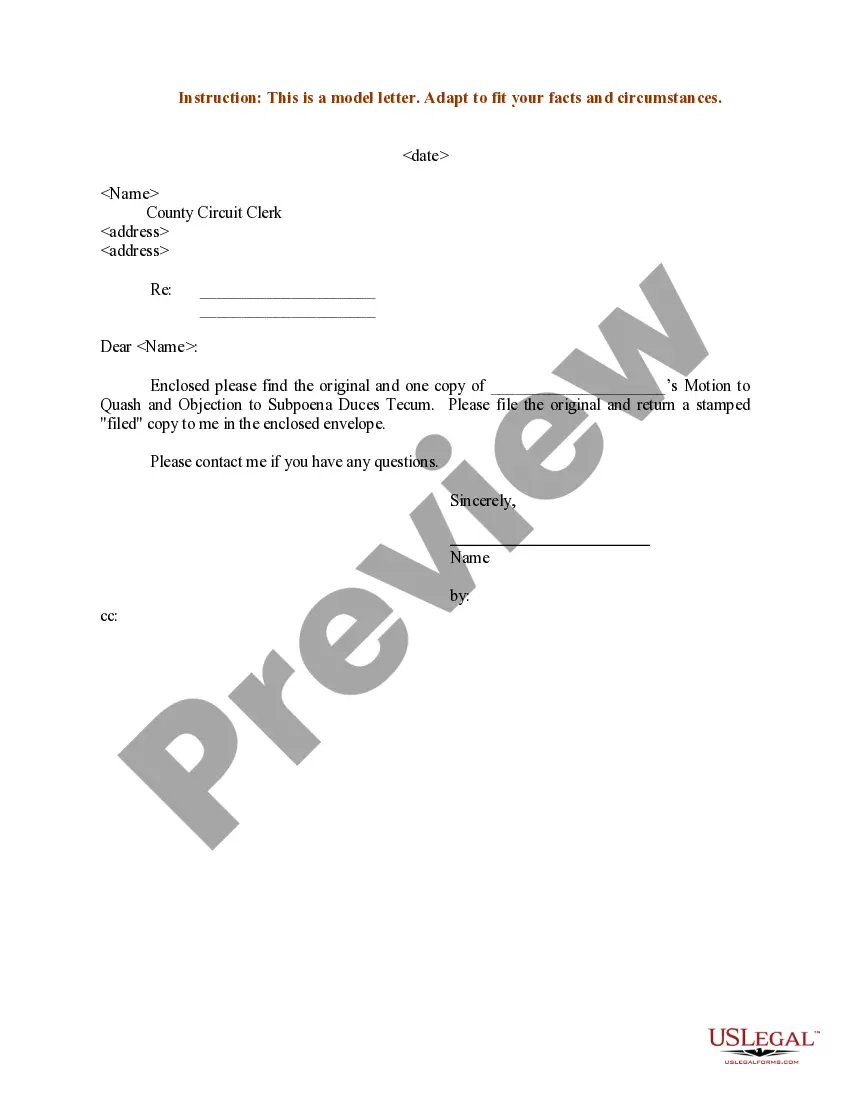
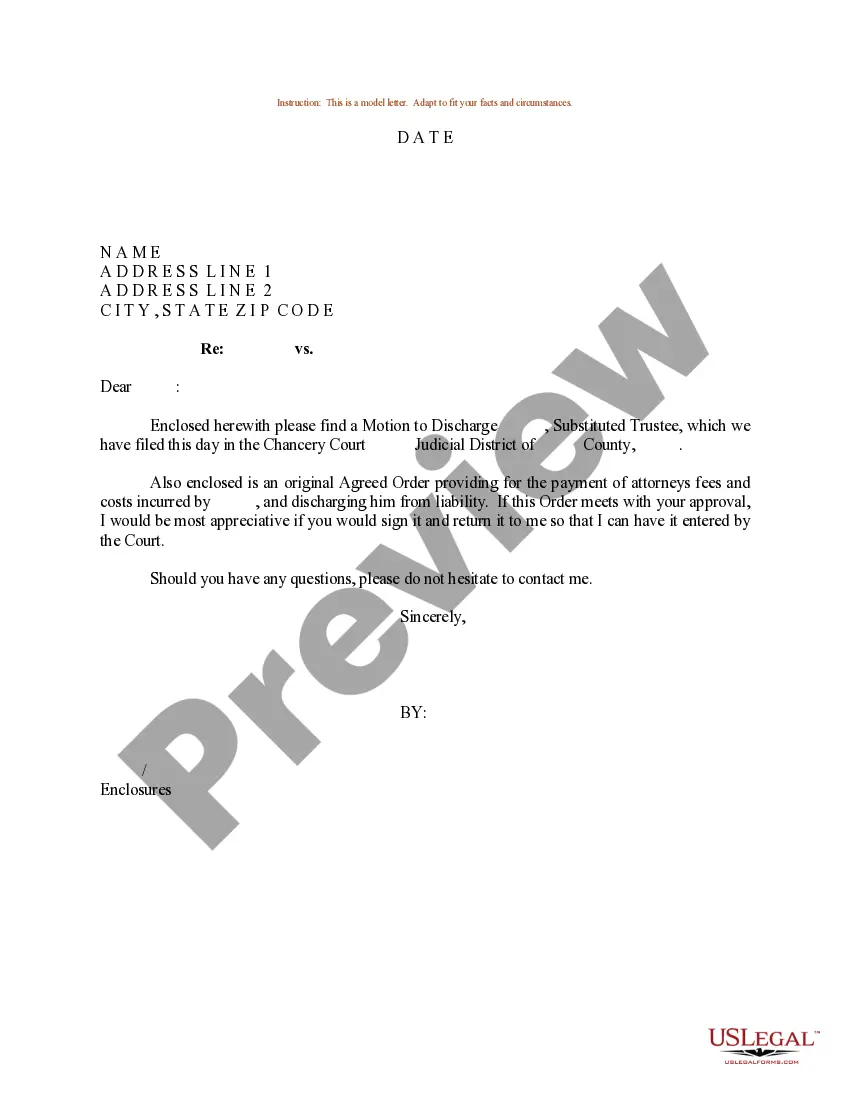
Sample Motion To Quash Subpoena
Description

Get your form ready online
Our built-in tools help you complete, sign, share, and store your documents in one place.
Make edits, fill in missing information, and update formatting in US Legal Forms—just like you would in MS Word.
Download a copy, print it, send it by email, or mail it via USPS—whatever works best for your next step.
Sign and collect signatures with our SignNow integration. Send to multiple recipients, set reminders, and more. Go Premium to unlock E-Sign.
If this form requires notarization, complete it online through a secure video call—no need to meet a notary in person or wait for an appointment.
We protect your documents and personal data by following strict security and privacy standards.

Make edits, fill in missing information, and update formatting in US Legal Forms—just like you would in MS Word.

Download a copy, print it, send it by email, or mail it via USPS—whatever works best for your next step.

Sign and collect signatures with our SignNow integration. Send to multiple recipients, set reminders, and more. Go Premium to unlock E-Sign.

If this form requires notarization, complete it online through a secure video call—no need to meet a notary in person or wait for an appointment.

We protect your documents and personal data by following strict security and privacy standards.
Looking for another form?
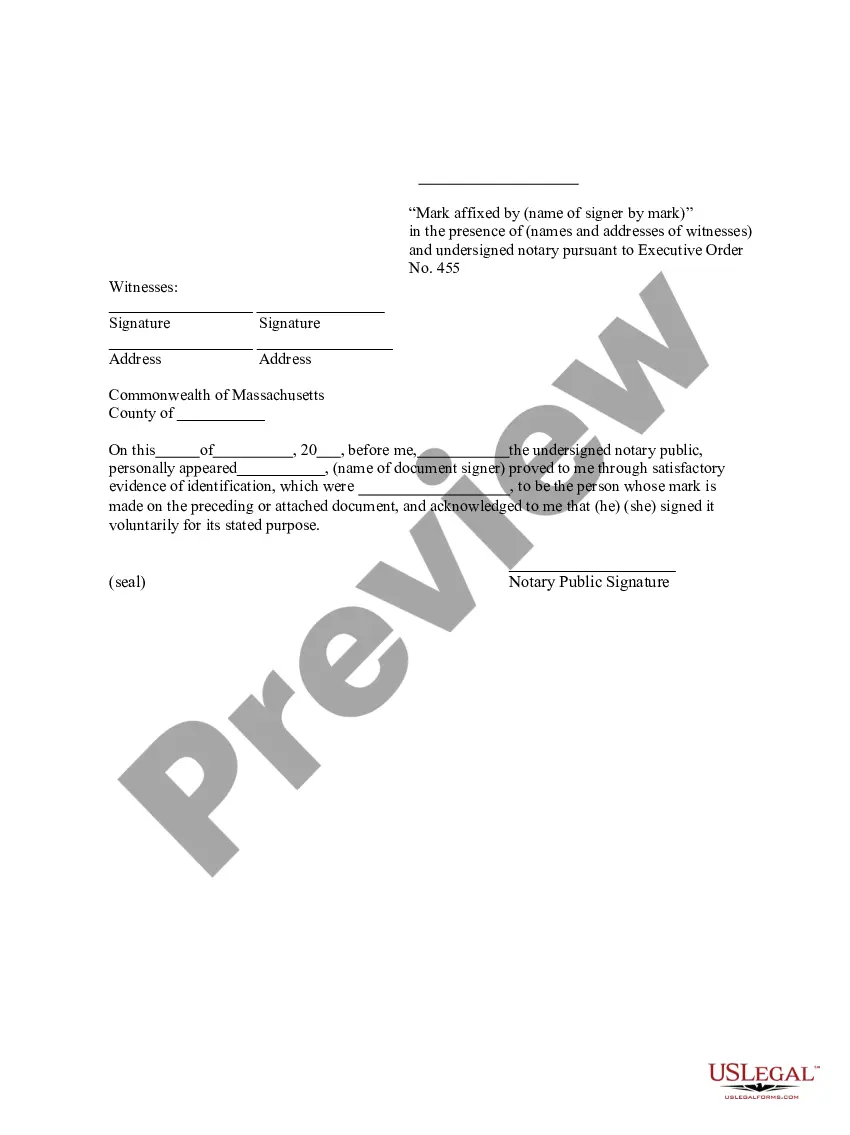
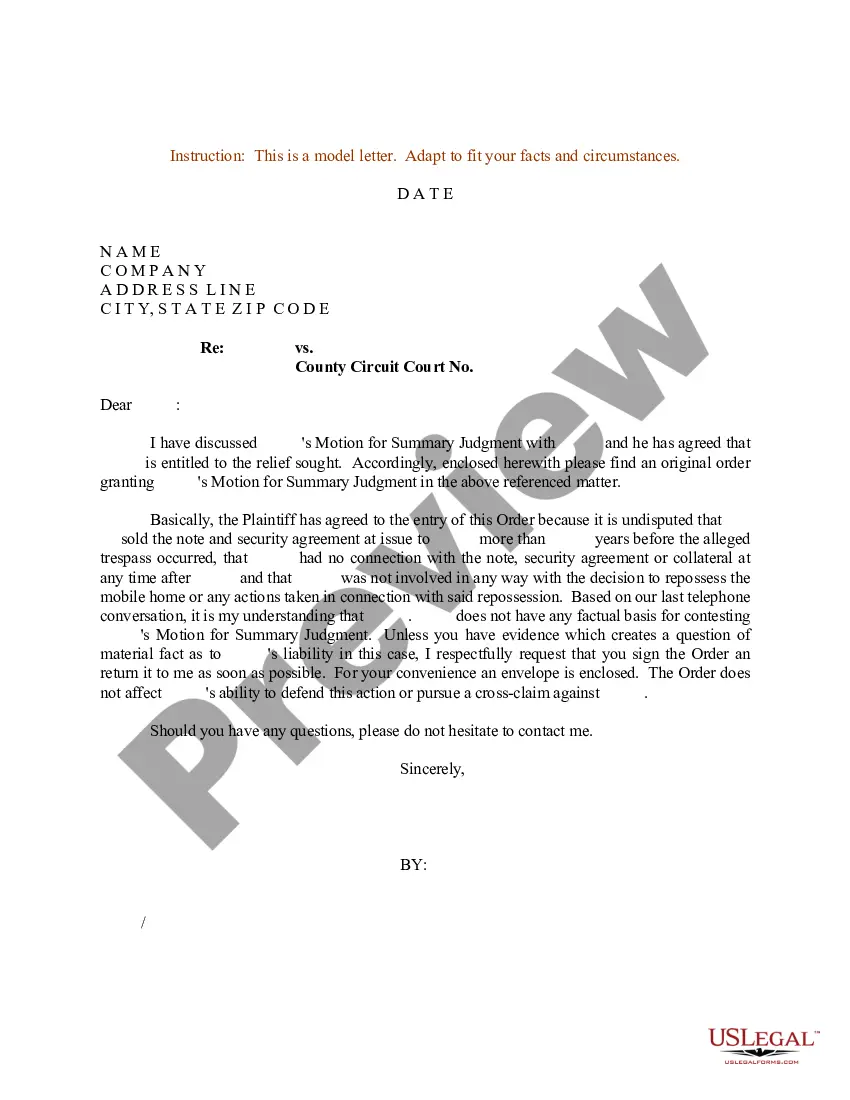
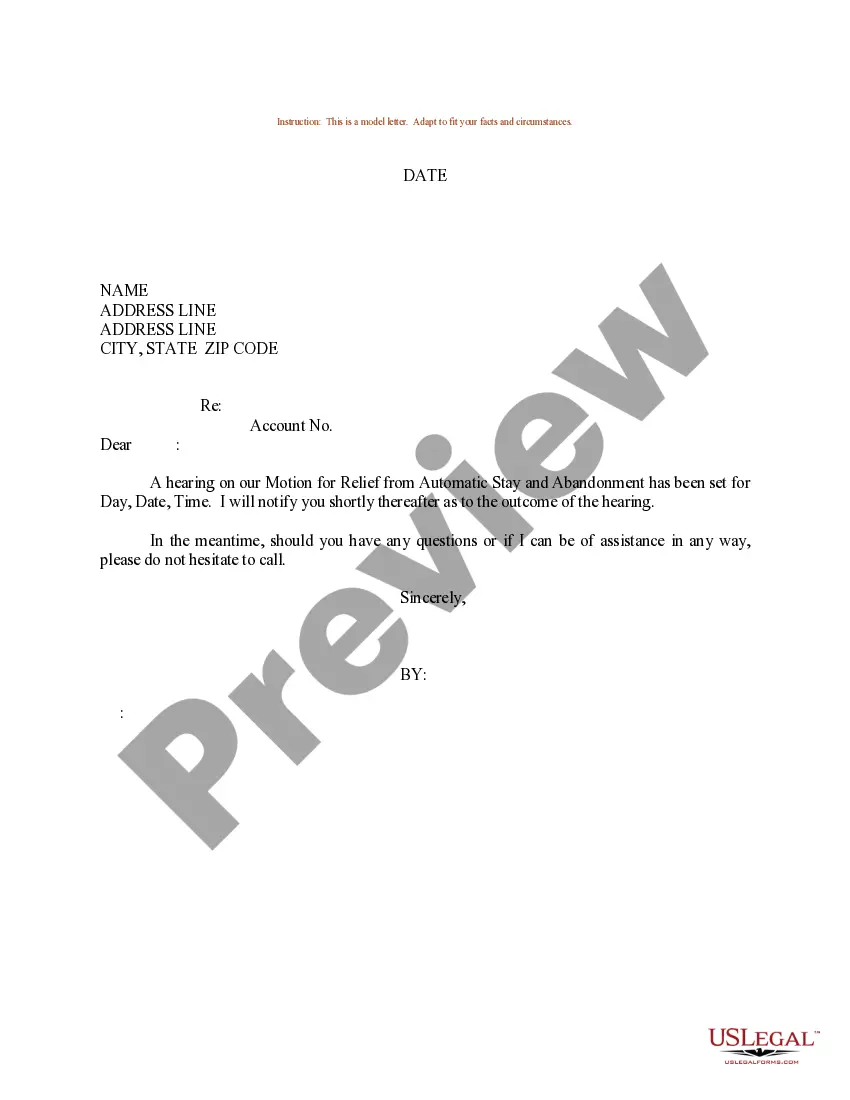
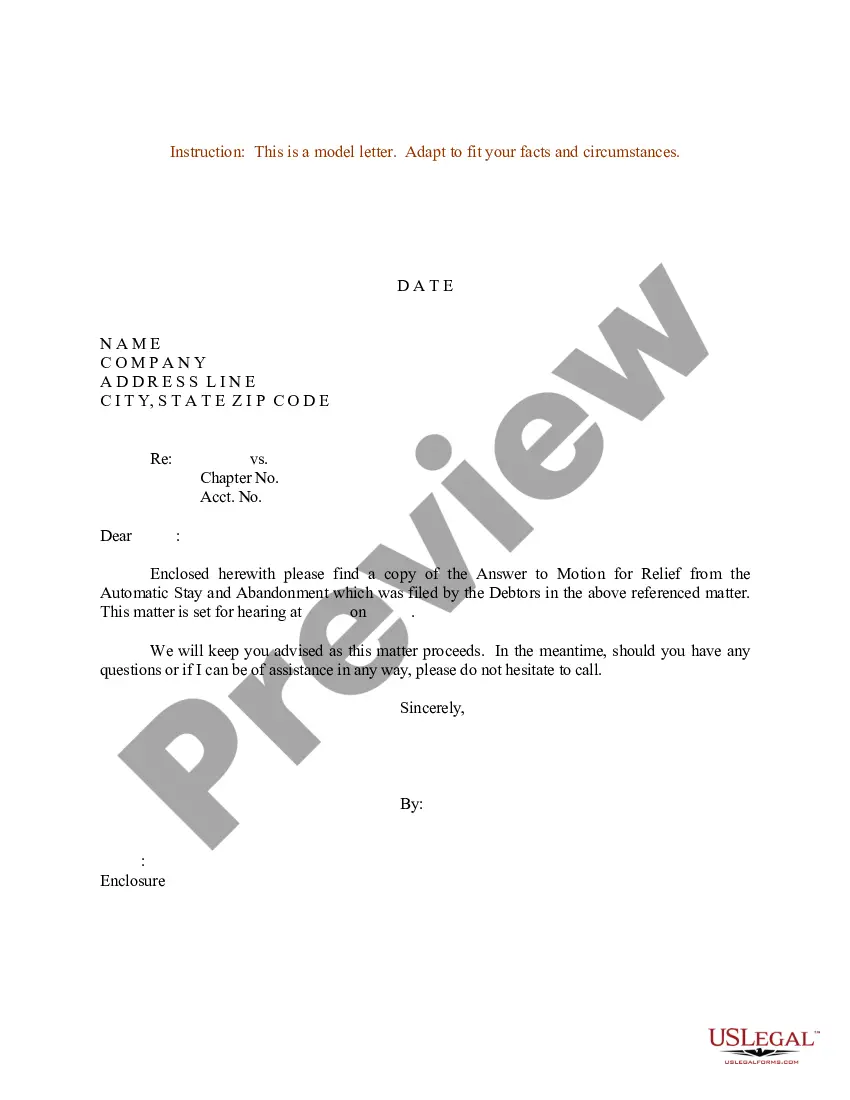
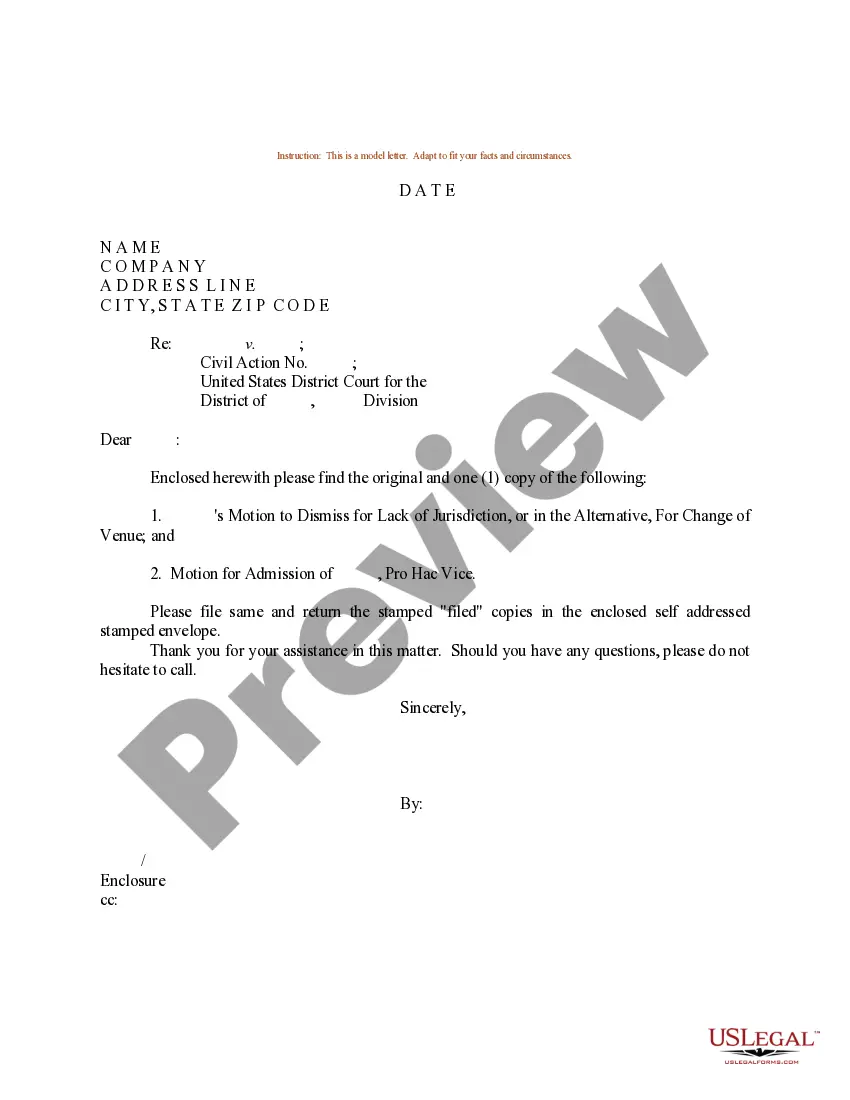
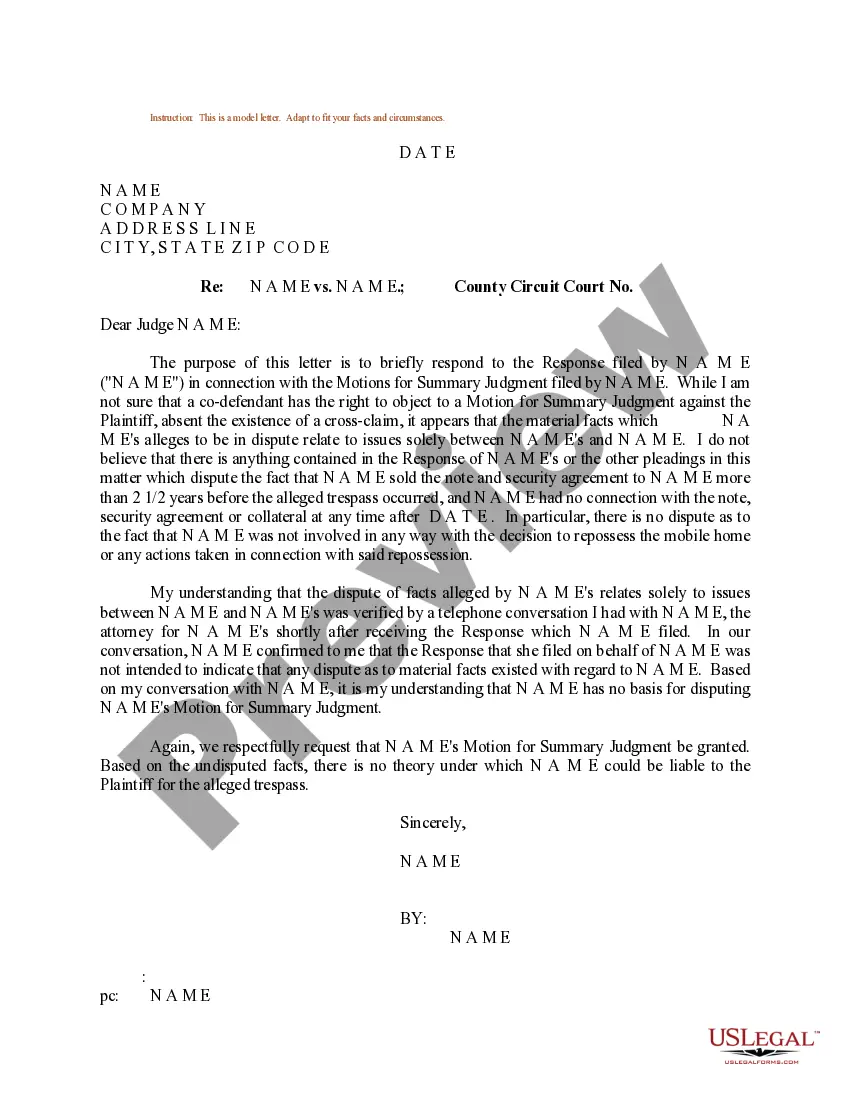
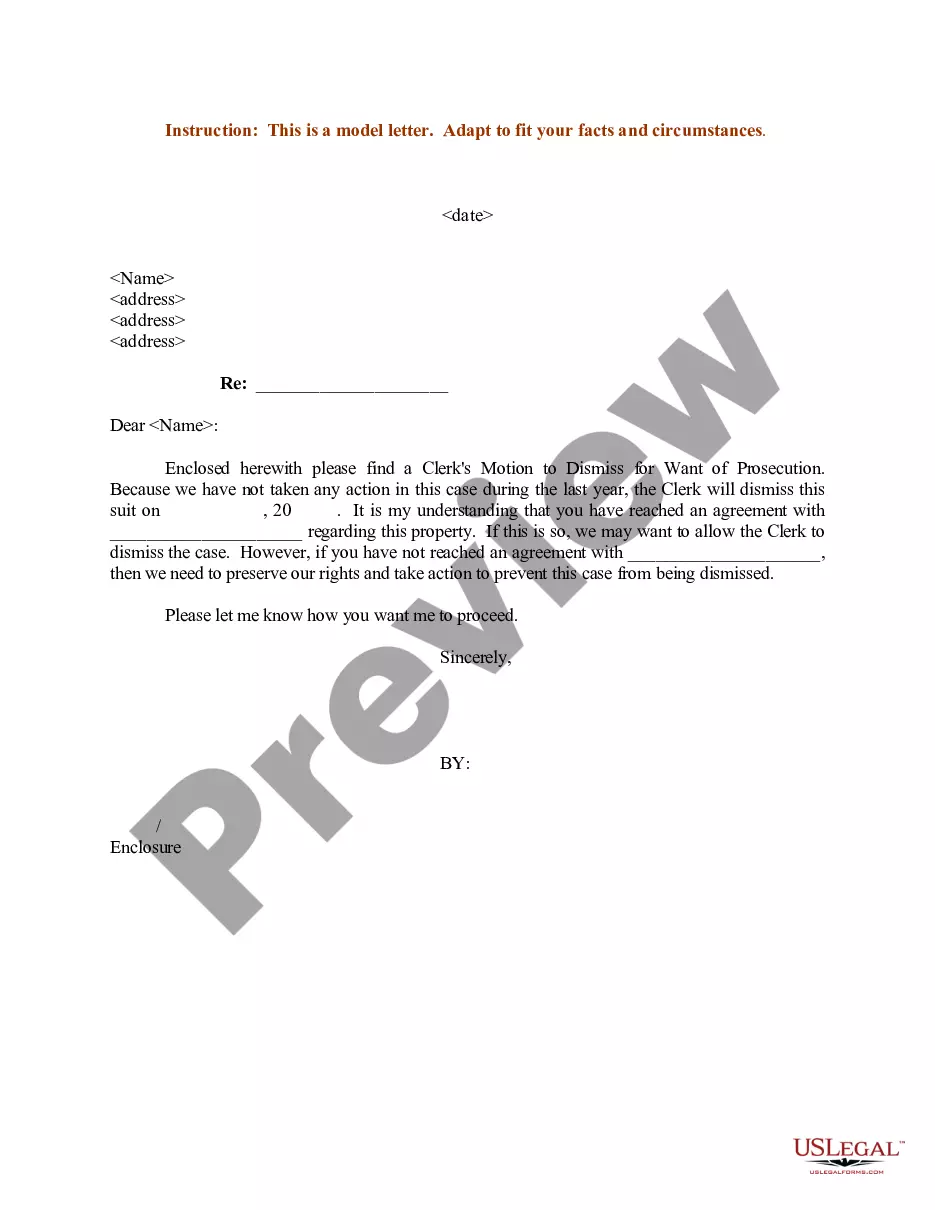
How to fill out Sample Letter For Motion To Quash?
Managing legal paperwork can be daunting, even for seasoned experts.
When you're looking for a Sample Motion To Quash Subpoena and lack the time to search for the accurate and updated version, the process can be challenging.
Tap into a resource pool of articles, guides, and manuals related to your circumstances and requirements.
Save time and energy searching for the documents you need, and use US Legal Forms’ advanced search and Review feature to obtain Sample Motion To Quash Subpoena and download it.
Make sure the template is recognized in your state or county. Choose Buy Now when you are ready. Select a monthly subscription plan. Pick the formatting you desire, and Download, fill out, eSign, print, and deliver your document. Take advantage of the US Legal Forms online library, backed by 25 years of experience and reliability. Transform your daily document management into a straightforward and user-friendly process today.
- If you possess a membership, Log In to your US Legal Forms account, locate the form, and download it.
- Check your My documents tab to review the documents you have previously saved and manage your folders as you wish.
- If it’s your first time using US Legal Forms, set up a free account and gain unlimited access to all the benefits of the library.
- Here are the steps to follow after downloading the form you need.
- Verify this is the right form by previewing it and reviewing its details.
- Access state- or county-specific legal and business paperwork.
- US Legal Forms addresses any needs you might have, from personal to corporate documents, all in one location.
- Utilize advanced tools to fill out and manage your Sample Motion To Quash Subpoena.
Form popularity
FAQ
To quash a subpoena, begin by drafting your motion clearly. Detail the reasons why the subpoena should be invalidated, referencing any legal precedents that support your case. You may also find it helpful to use a sample motion to quash subpoena as a guide for your writing. After preparing your motion, file it with the court and ensure that all relevant parties receive proper notice.
A motion to quash should be filed in the court that issued the subpoena. This is essential because you must challenge the subpoena in the same venue where the legal request originated. When filing your motion, include a copy of the subpoena and any supporting documents. Using a sample motion to quash subpoena can also streamline this process, making it easier to format your filing correctly.
Writing a motion to quash a subpoena involves several key steps, including providing a caption, stating your request clearly, and outlining the facts and legal grounds for quashing. Be precise in your explanations, and ensure that all relevant documents are attached to support your claims. If you are unsure where to start, a sample motion to quash subpoena can offer a useful template to follow, making the process more manageable.
To get a subpoena squashed, you typically need to file a motion in court that outlines your reasons. This involves detailing why the subpoena is invalid or burdensome. It's important to act promptly, as there are deadlines for responding. Utilizing a sample motion to quash subpoena can streamline your drafting process and strengthen your case.
Valid reasons to get out of a subpoena may include personal hardship, the presence of privileged information, or lack of jurisdiction. For instance, if compliance would cause significant burden or if the information requested is protected under attorney-client privilege, you can seek to have the subpoena quashed. Evaluating your specific situation is crucial. A sample motion to quash subpoena can help illustrate these arguments effectively.
The basis to quash a subpoena includes several factors such as lack of relevance, overbreadth, or improper service. If the subpoena demands information that does not pertain to the case, you can argue that it should be quashed. Understanding these legal grounds is essential for crafting a strong response. A sample motion to quash subpoena can serve as a valuable guide for your argument.
Filing a motion to quash subpoena allows you to challenge the validity of the subpoena issued against you. This step is crucial if you believe the subpoena demands irrelevant information, imposes an undue burden, or violates your rights. A well-crafted Sample motion to quash subpoena can protect your interests by demonstrating the reasons why compliance may be inappropriate. Utilizing platforms like US Legal Forms can help you create a tailored motion that meets legal standards while addressing your specific situation.
The grounds for quashing a subpoena often include the subpoena being overly broad, not relevant to the case, or imposing an undue burden on the recipient. Furthermore, if the subpoena requests information that is protected by privilege, it can also be quashed. Seeking out a well-crafted sample motion to quash subpoena can provide additional context for your case.
An example of a motion to quash includes a document that outlines the subpoena details, the reasons for quashing, and any legal precedents supporting your position. This motion should be formal and structured, adhering to the court's procedural requirements. For more guidance, consider looking at a sample motion to quash subpoena on US Legal Forms.
To squash a subpoena, you must file a motion to quash with the court that issued it. In your motion, outline your arguments and legal support for why the court should grant your request. Referencing a sample motion to quash subpoena can help you understand the necessary components for effective submission.