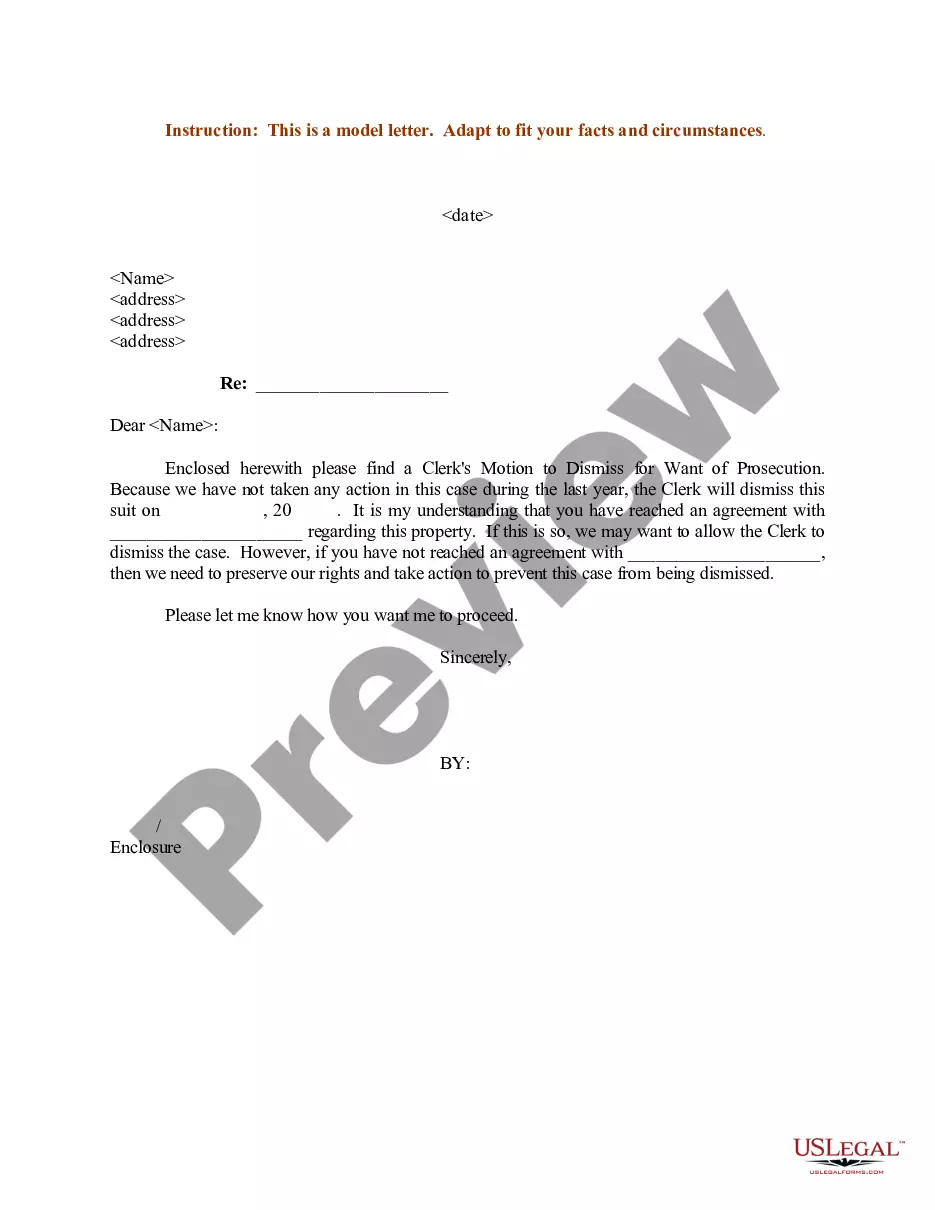
Motion For Trial On Merits
Description
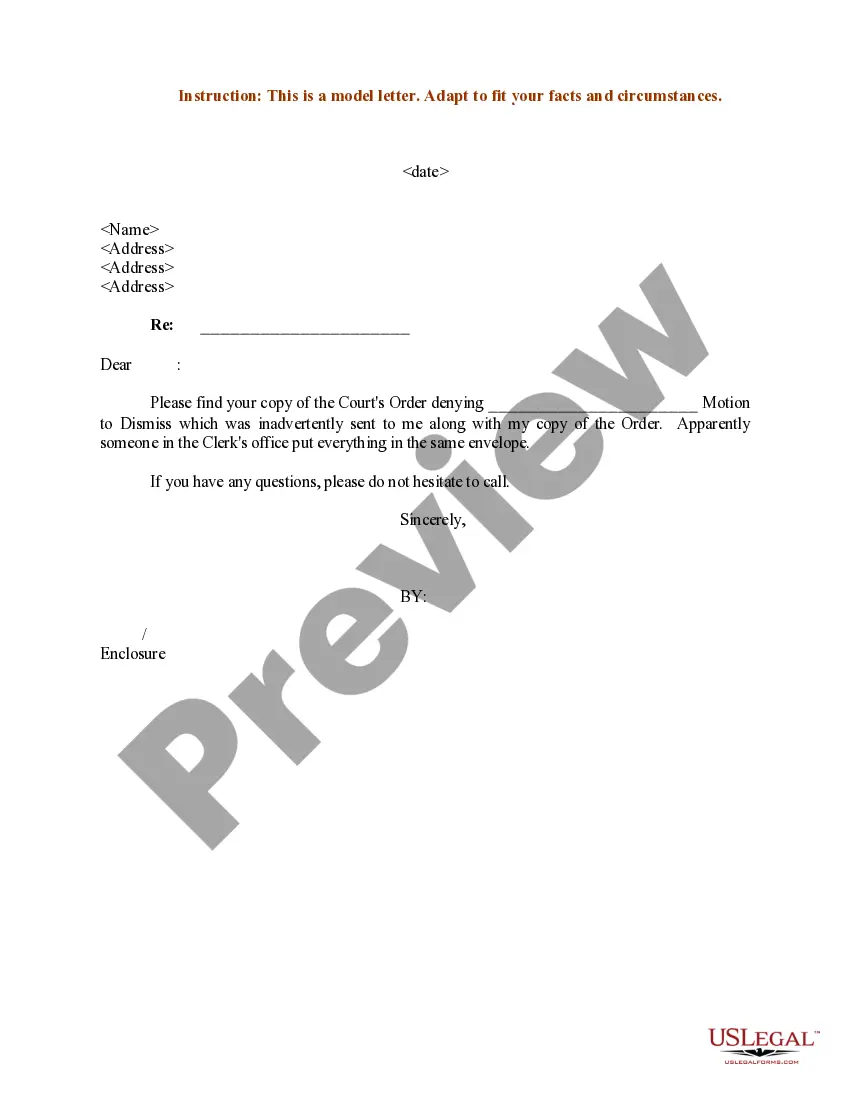
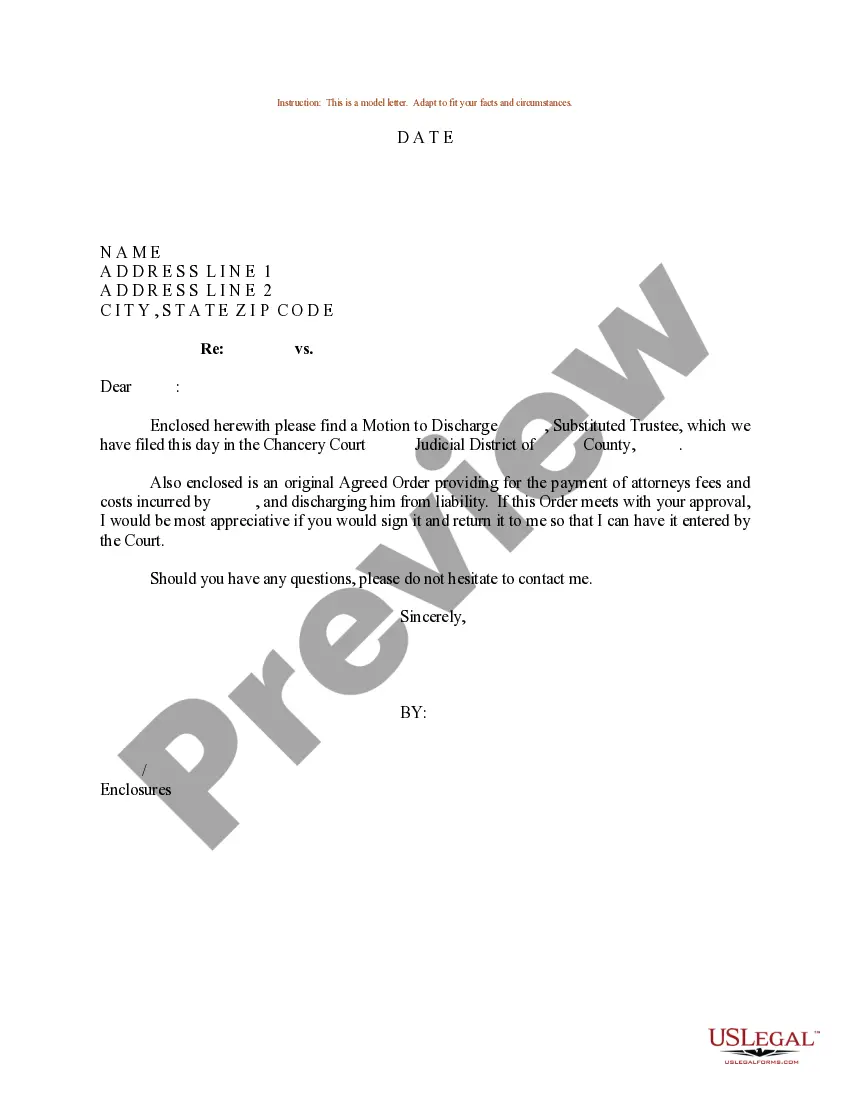
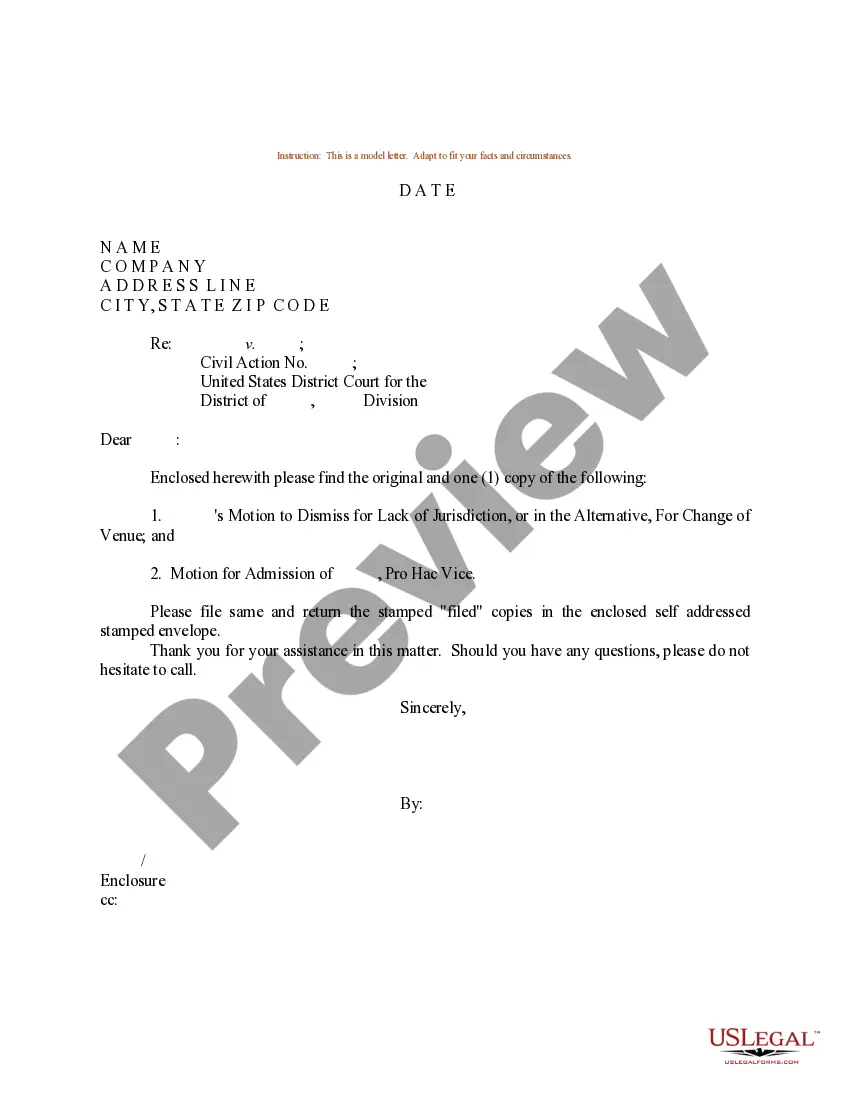
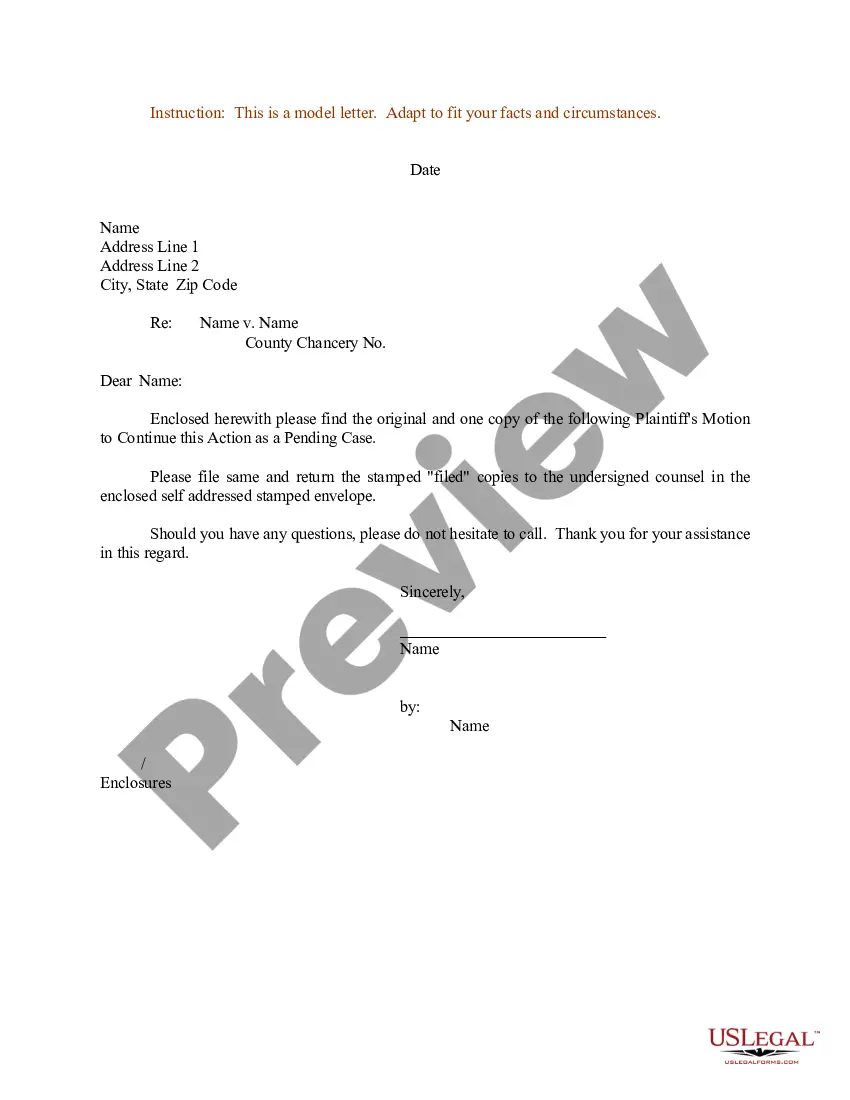
Get your form ready online
Our built-in tools help you complete, sign, share, and store your documents in one place.
Make edits, fill in missing information, and update formatting in US Legal Forms—just like you would in MS Word.
Download a copy, print it, send it by email, or mail it via USPS—whatever works best for your next step.
Sign and collect signatures with our SignNow integration. Send to multiple recipients, set reminders, and more. Go Premium to unlock E-Sign.
If this form requires notarization, complete it online through a secure video call—no need to meet a notary in person or wait for an appointment.
We protect your documents and personal data by following strict security and privacy standards.

Make edits, fill in missing information, and update formatting in US Legal Forms—just like you would in MS Word.

Download a copy, print it, send it by email, or mail it via USPS—whatever works best for your next step.

Sign and collect signatures with our SignNow integration. Send to multiple recipients, set reminders, and more. Go Premium to unlock E-Sign.

If this form requires notarization, complete it online through a secure video call—no need to meet a notary in person or wait for an appointment.

We protect your documents and personal data by following strict security and privacy standards.
Looking for another form?
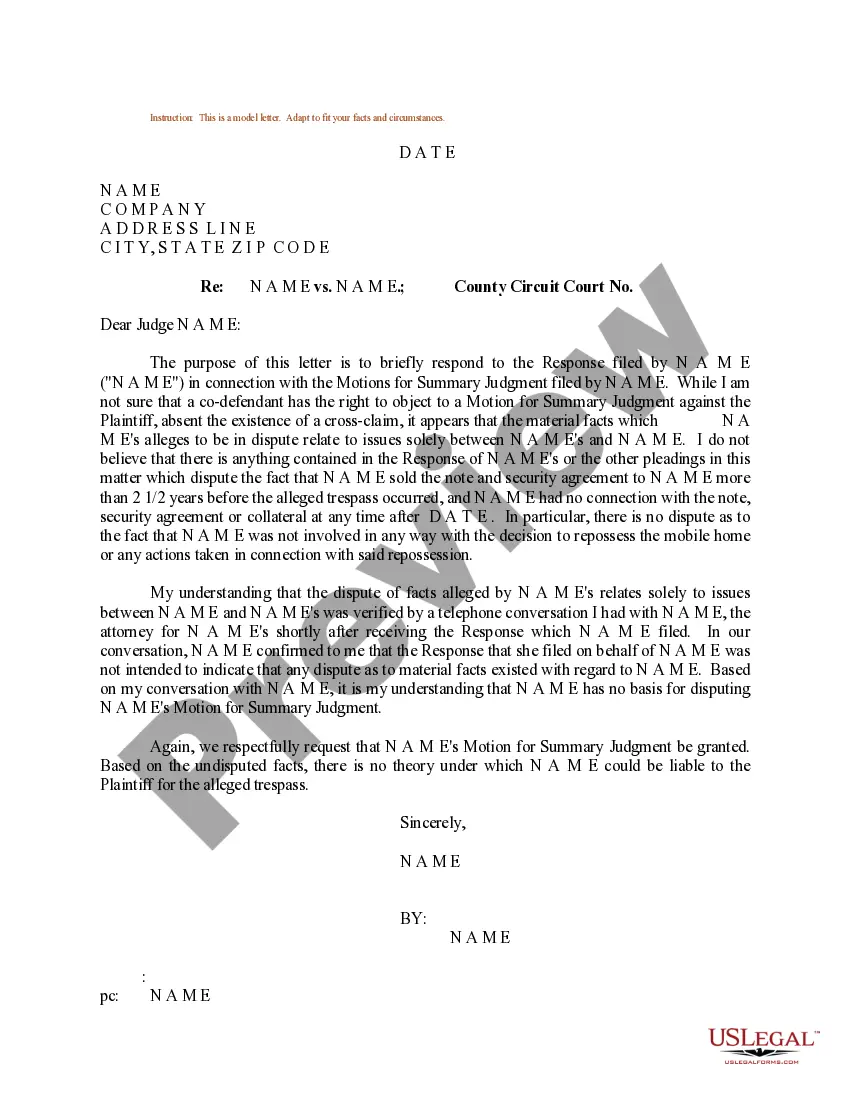
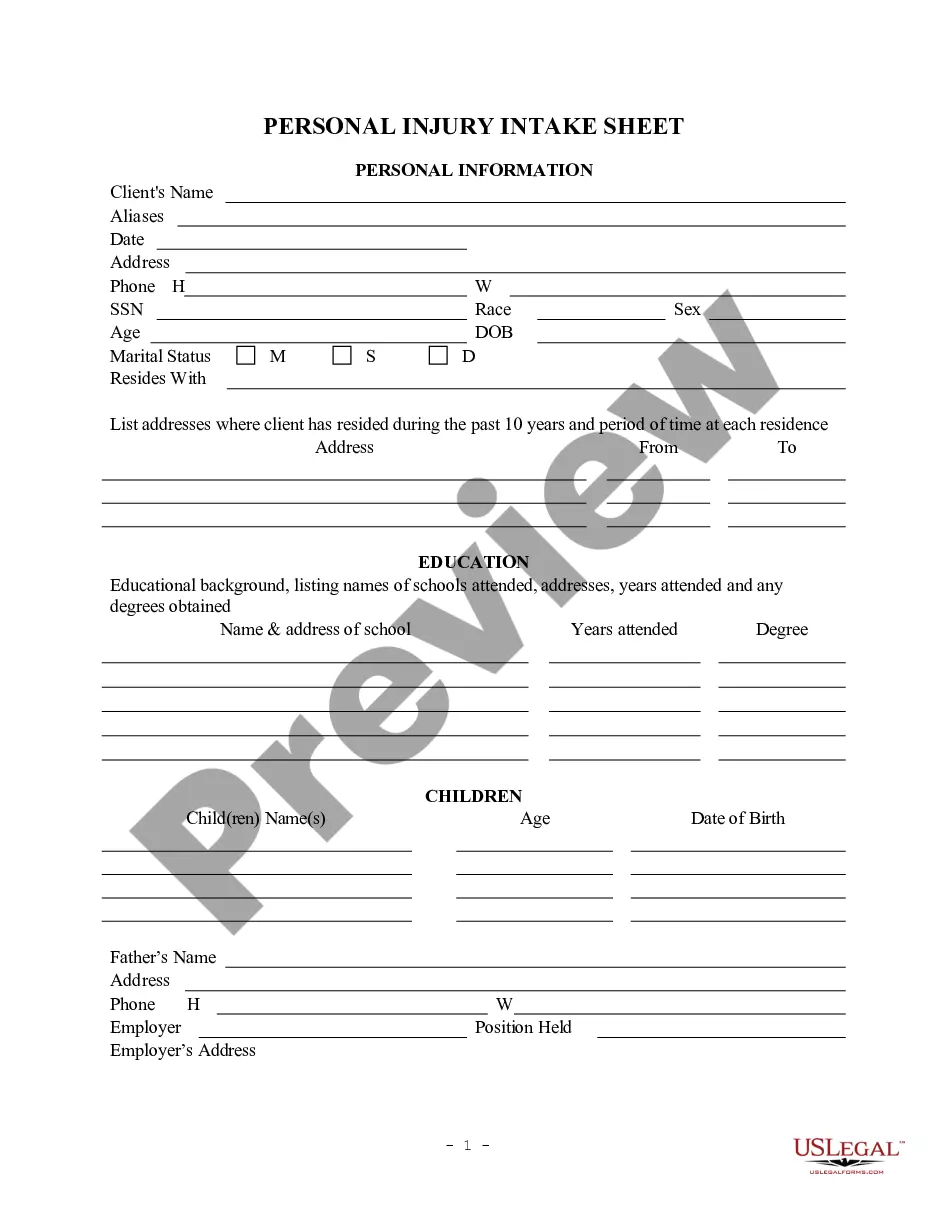
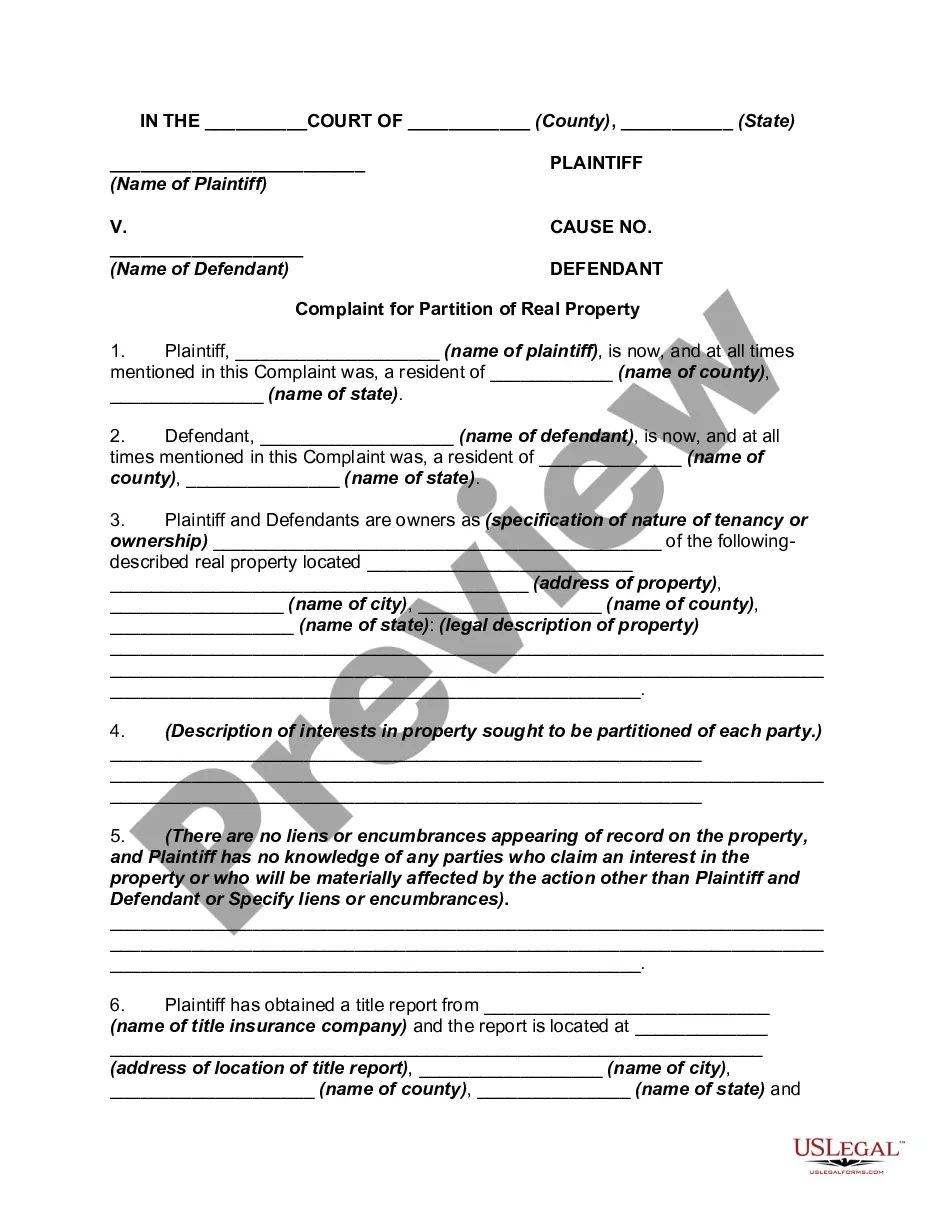
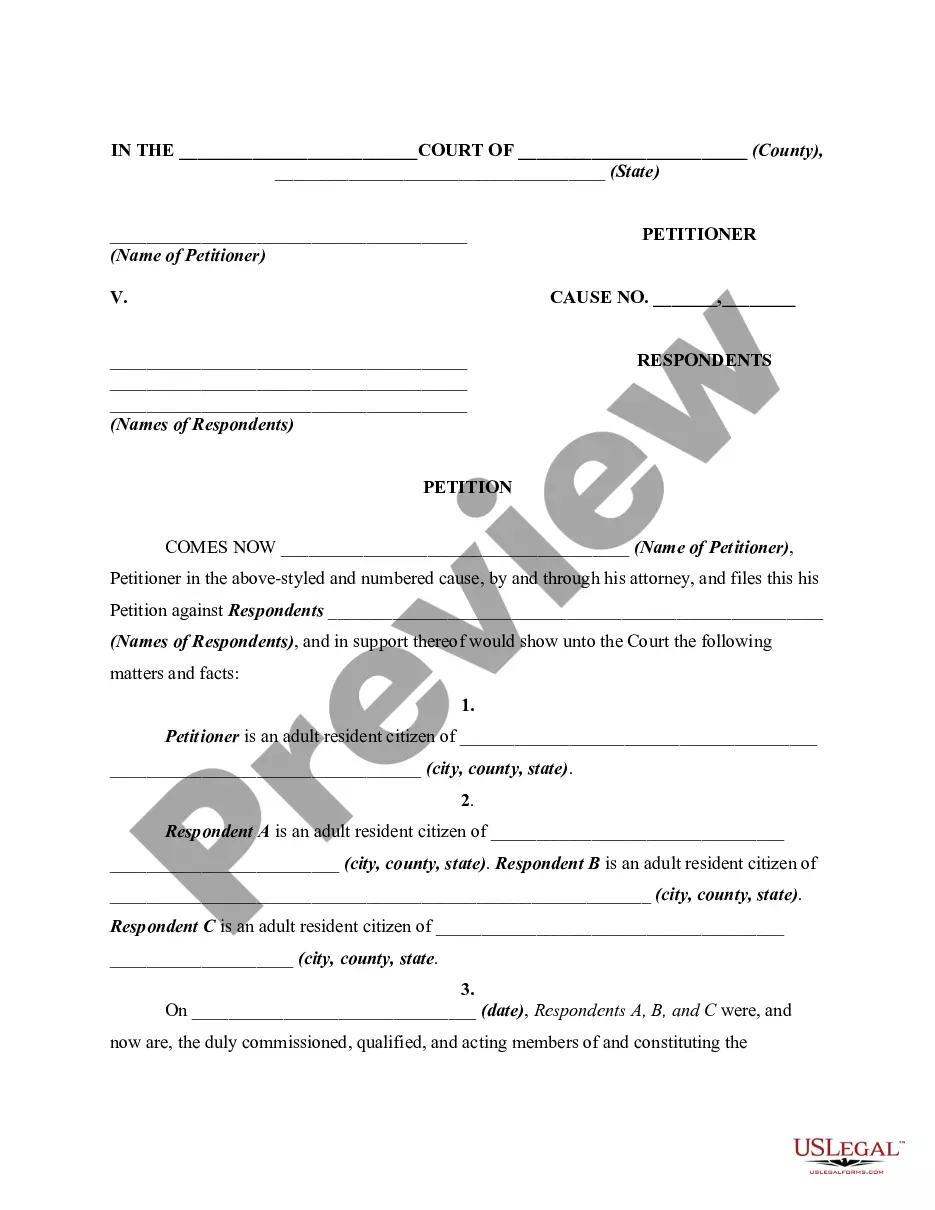
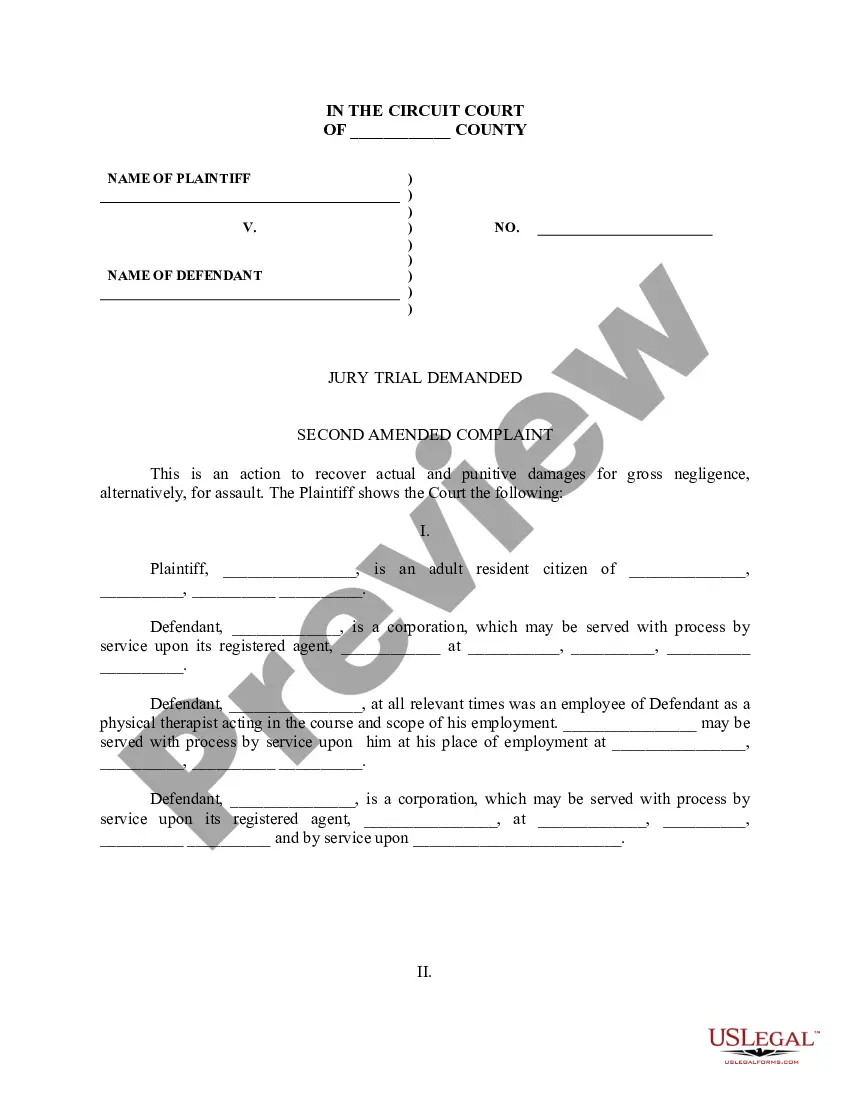
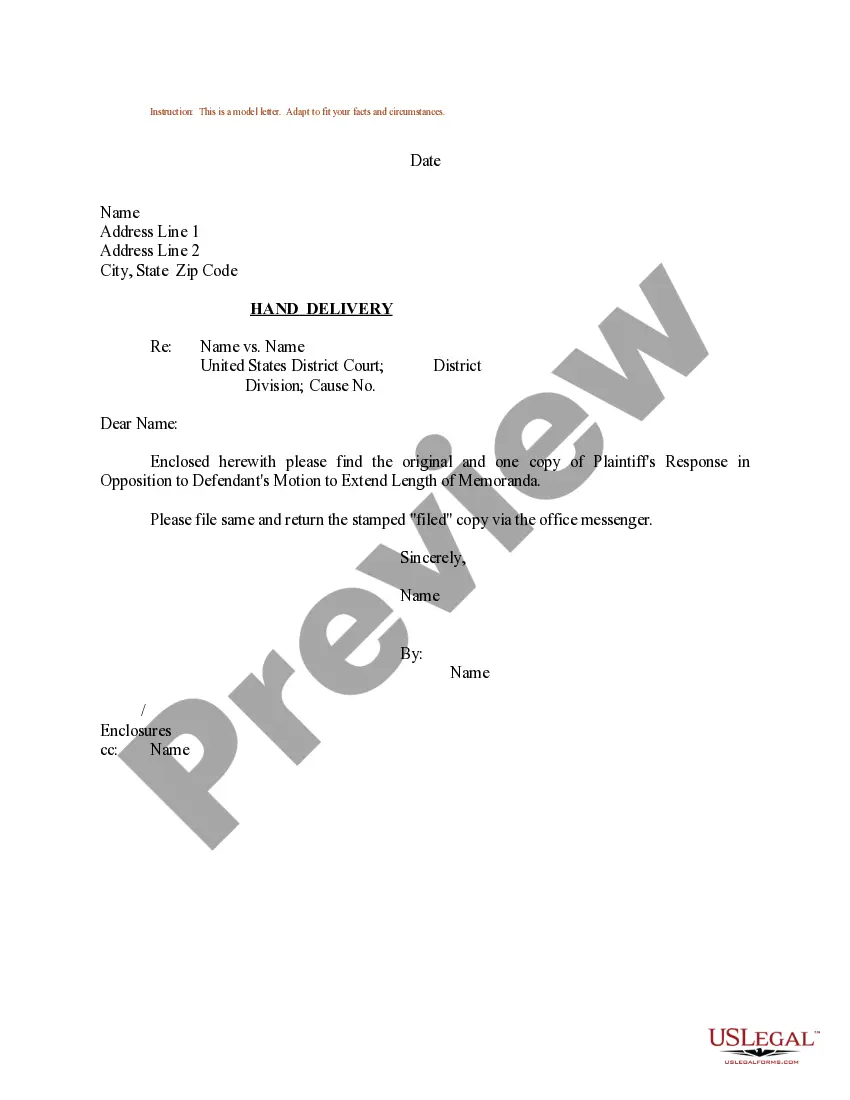
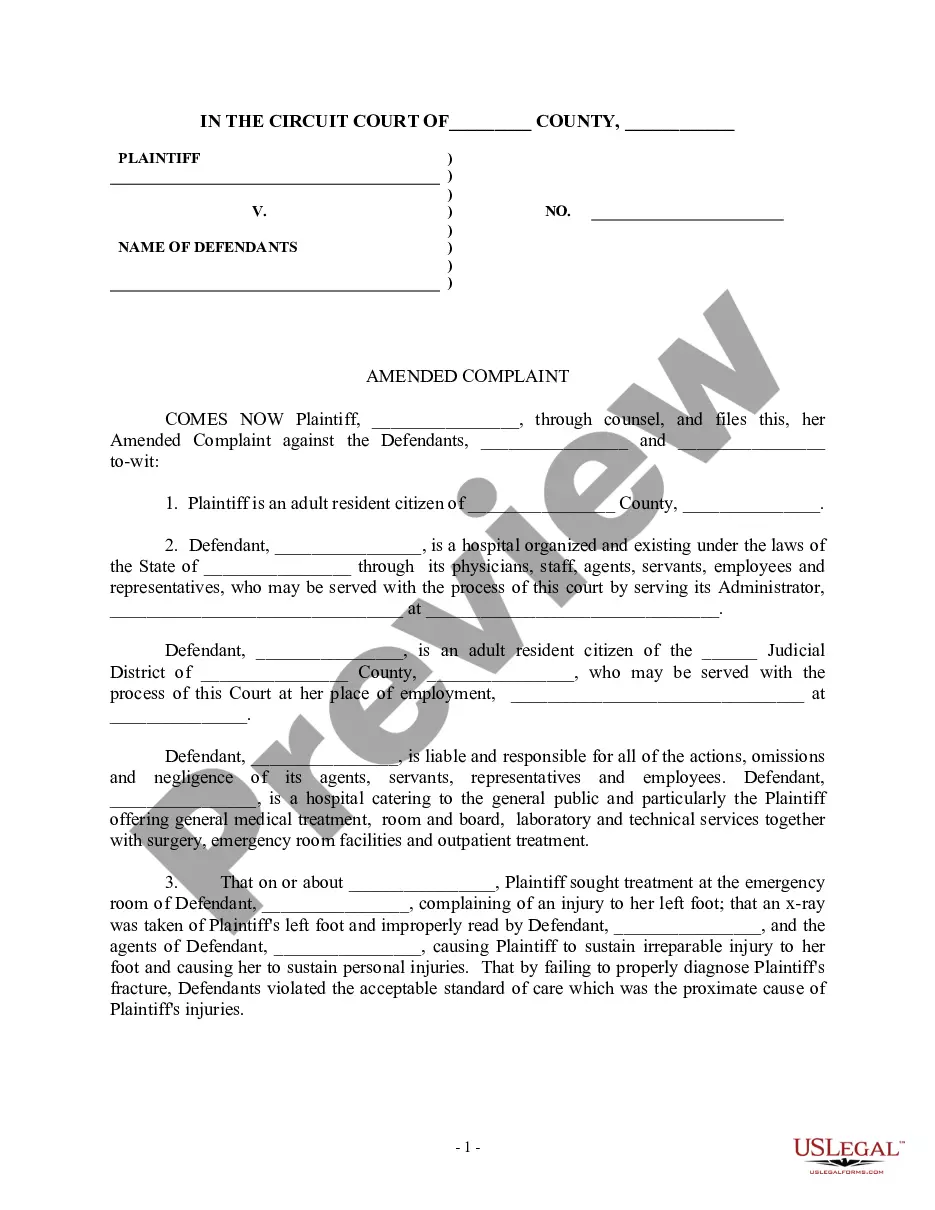
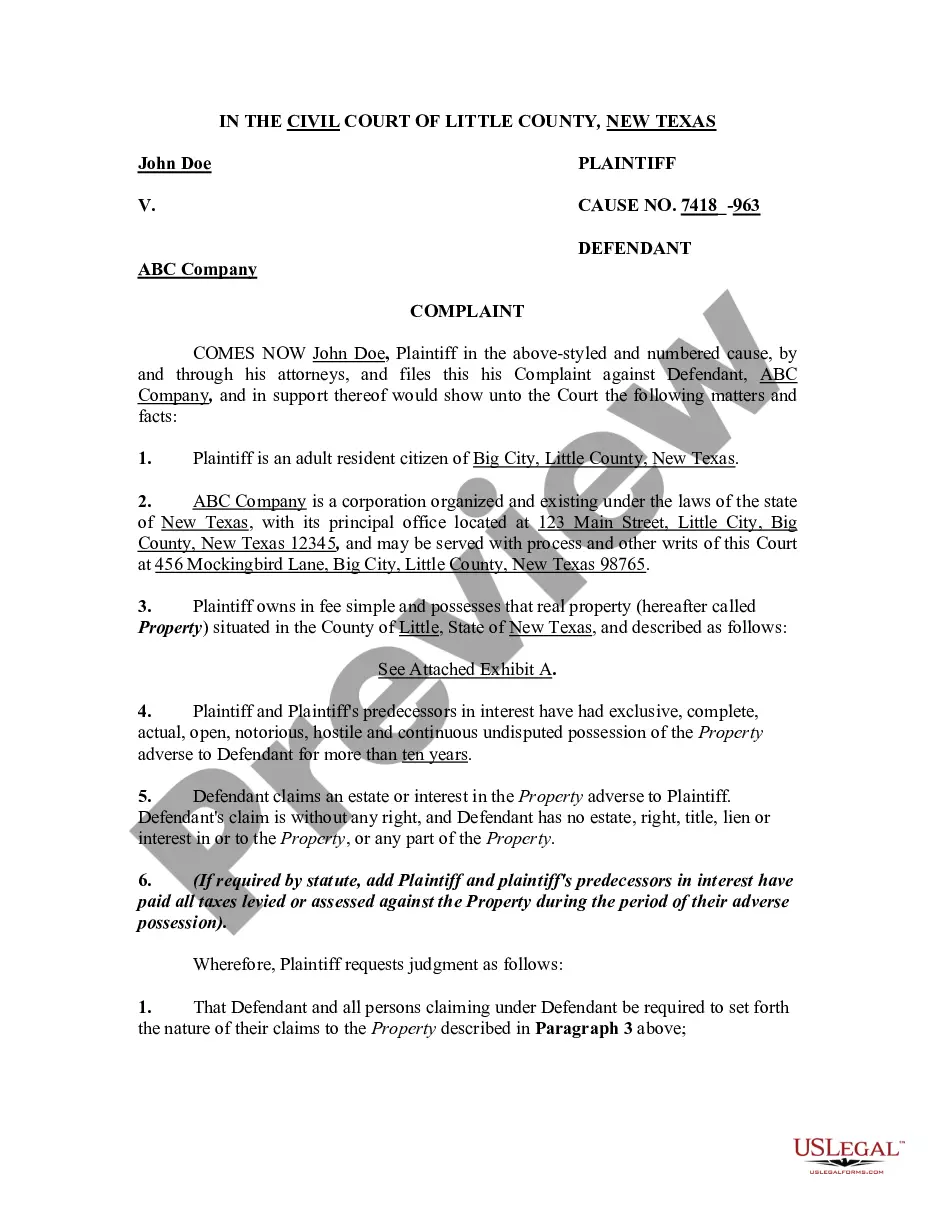
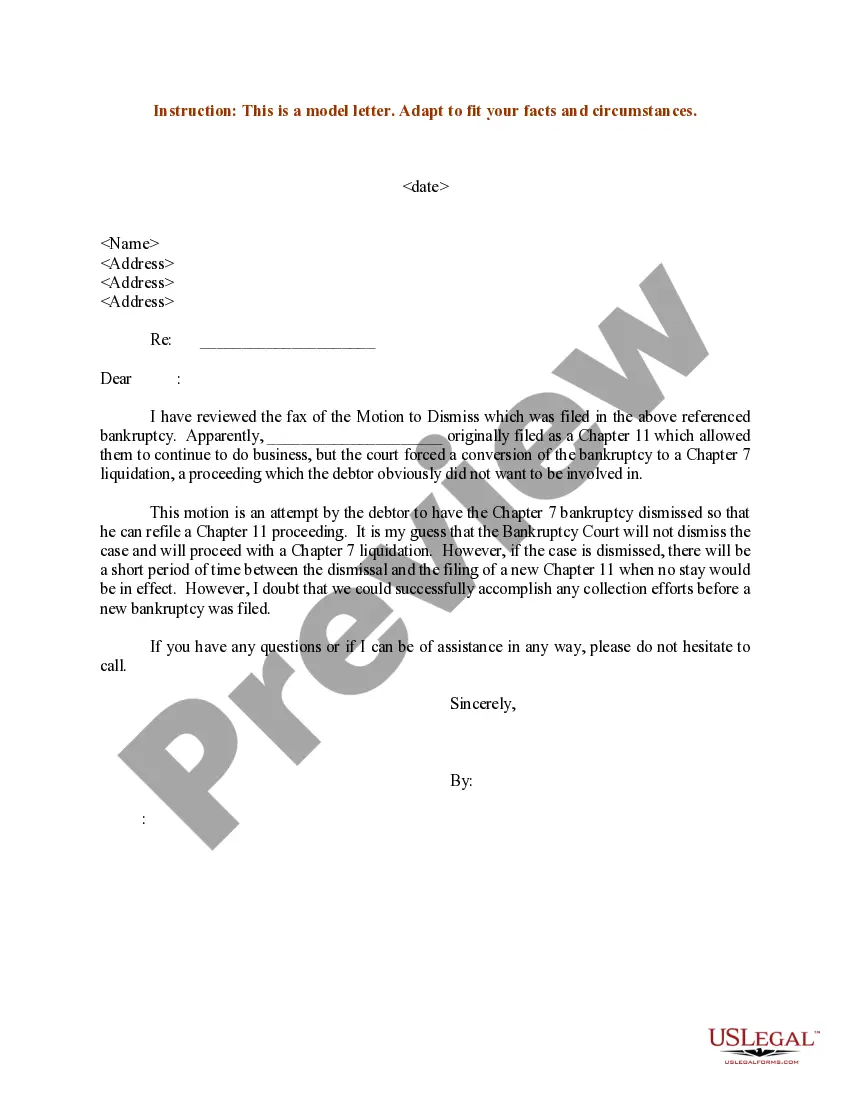
How to fill out Sample Letter For Motion To Dismiss For Want Of Prosecution?
Managing legal documents can be exasperating, even for the most adept professionals.
When you are looking for a Motion For Trial On Merits and can't find the time to dedicate to tracking down the correct and updated version, the processes can be stressful.
US Legal Forms meets all your requirements, whether they are personal or business-related, in a single location.
Employ sophisticated tools to complete and oversee your Motion For Trial On Merits.
Here are the actions to take after securing the form you need: Confirm that this is the correct form by viewing it and checking its description.
- Access a wealth of articles, guidelines, and manuals relevant to your circumstances and requirements.
- Save time and effort searching for the documents you require, and utilize US Legal Forms’ advanced search and Review feature to obtain Motion For Trial On Merits.
- If you possess a membership, Log In to your US Legal Forms account, find the form, and acquire it.
- Check your My documents tab to revisit the documents you've previously downloaded and manage your folders as desired.
- If this is your first time with US Legal Forms, create a free account and unlock full access to all platform benefits.
- Utilize a robust online form repository that can revolutionize how anyone handles these situations efficiently.
- US Legal Forms is a leading provider of online legal documents, boasting over 85,000 state-tailored legal forms accessible at any time.
- Leverage state- or county-specific legal and organizational forms.
Form popularity
FAQ
A trial on merits in divorce proceedings involves a court hearing where the judge evaluates the evidence regarding asset division, custody, and other key issues. This type of trial focuses on the substantive claims made by both parties, aiming to reach a fair resolution. It is essential for individuals seeking clarity and justice in their divorce case. If you are facing such a situation, understanding how to prepare for a motion for trial on merits can greatly enhance your chances of a favorable outcome.
Rule 59 allows a party to request a new trial based on specific grounds, such as newly discovered evidence or procedural errors that could have affected the outcome. This rule is designed to ensure fairness in judicial proceedings. If you believe there were significant issues during your original trial, you might consider filing a motion for trial on merits under this rule. Utilizing resources from US Legal Forms can help you navigate this process effectively.
When a case is decided on the merits, it means the court has evaluated the core issues and evidence involved, leading to a final ruling. This decision reflects a comprehensive consideration of all relevant factors, rather than being influenced by procedural issues or technicalities. Such a ruling is often seen as more definitive. If you are preparing for a motion for trial on merits, knowing this distinction can be very beneficial.
'On the merits' means that a decision is made based on the substantive issues and facts of the case, rather than procedural technicalities. When a court rules on the merits, it evaluates the strengths and weaknesses of the arguments and evidence presented. This approach is essential for ensuring that justice is served. Understanding this term is key when considering a motion for trial on merits.
A hearing on the merits of the case refers to a court session where the judge examines the substantive issues of the case. During this hearing, both parties present evidence and arguments to support their positions. The goal is to determine the truth of the matter based on the facts presented. This process is crucial for moving forward with a motion for trial on merits.
Yes, you can file motions during a trial, and this is often necessary to address issues that arise in real-time. For instance, you may file a motion for trial on merits if new evidence emerges that could impact the case's outcome. Being able to file motions during trial allows parties to adapt their strategies and ensure that the court considers all relevant information before reaching a decision.
A merits hearing is not exactly the same as a full trial, but it serves a similar purpose by allowing the court to review the substantive issues of a case. During a merits hearing, the judge evaluates evidence and arguments, often leading to a decision based on the merits of the case. A motion for trial on merits may precede this hearing, setting the stage for a more comprehensive examination of the issues involved.
A motion for trial on the merits is a formal request made to the court to conduct a trial that focuses on the essential facts and legal arguments. This type of motion allows parties to present their evidence and testimonies, ultimately providing the court with the necessary information to make a reasoned judgment. Utilizing a motion for trial on merits can be crucial in ensuring that all relevant issues are thoroughly examined.
A trial on merits motion refers to a request for the court to evaluate and decide the core issues of a case based on the evidence presented. This motion aims to establish the facts and legal arguments that will determine the outcome of the case. By filing a motion for trial on merits, parties seek a resolution that reflects the true nature of their claims and defenses.
When a case is decided on merits, it means the court has evaluated the substantive issues of the case rather than procedural aspects. This decision typically results from a motion for trial on merits, where the court considers evidence and arguments from both sides. A decision on merits can lead to a final judgment, closing the case based on the facts and legal principles involved.