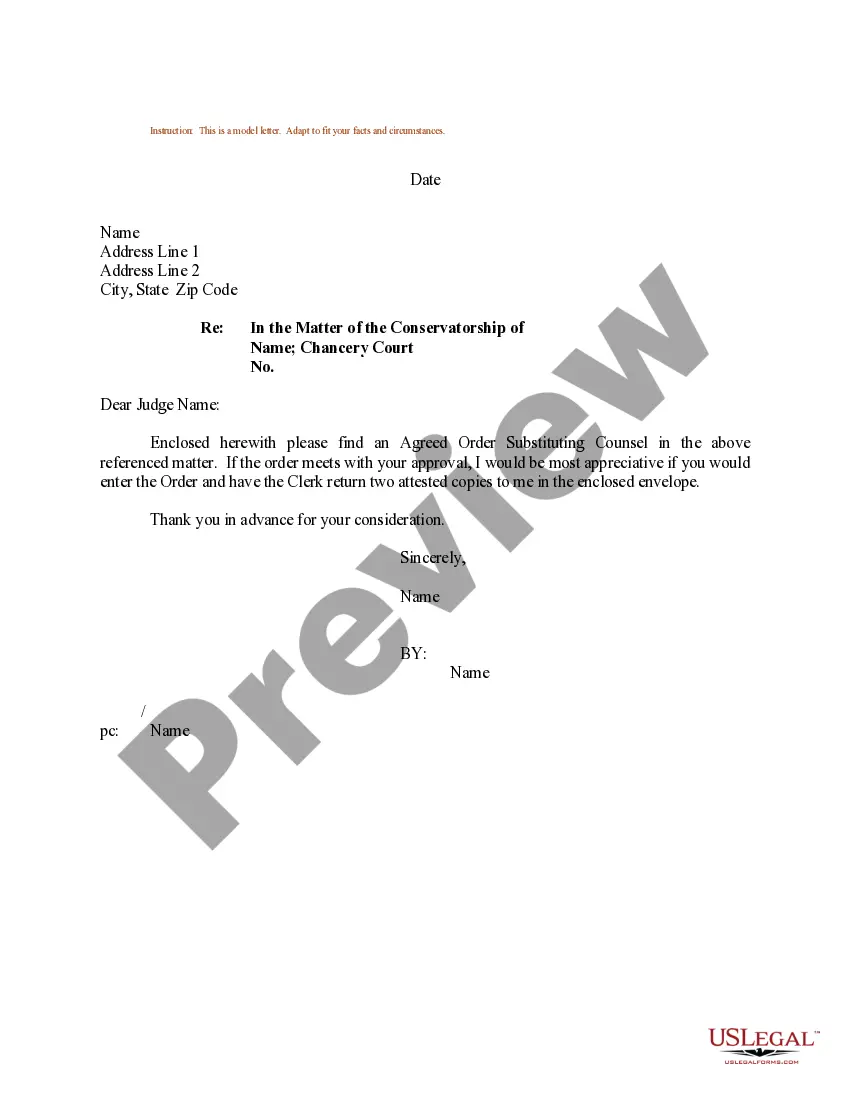
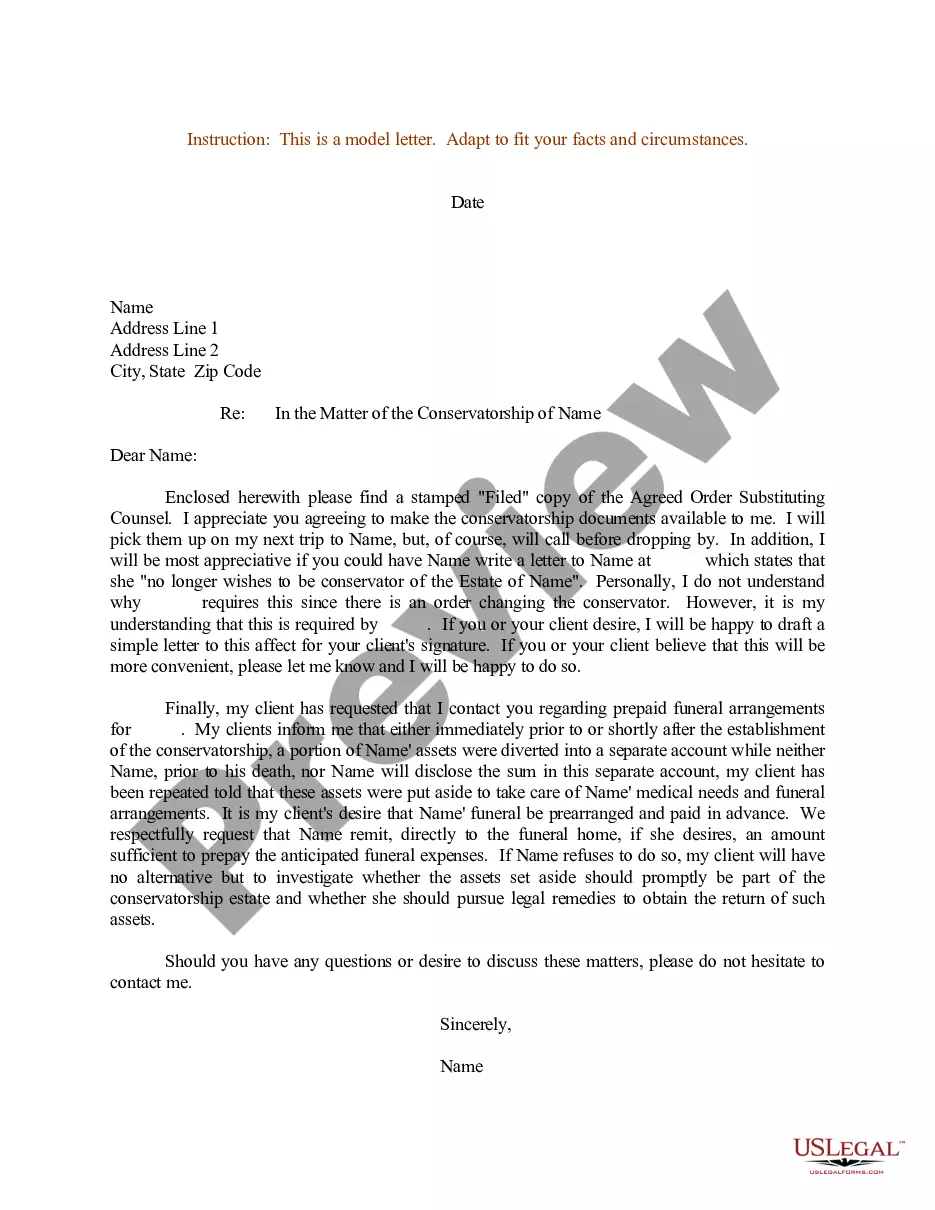
Substitution Of Counsel Within Firm
Description
Get your form ready online
Our built-in tools help you complete, sign, share, and store your documents in one place.
Make edits, fill in missing information, and update formatting in US Legal Forms—just like you would in MS Word.
Download a copy, print it, send it by email, or mail it via USPS—whatever works best for your next step.
Sign and collect signatures with our SignNow integration. Send to multiple recipients, set reminders, and more. Go Premium to unlock E-Sign.
If this form requires notarization, complete it online through a secure video call—no need to meet a notary in person or wait for an appointment.
We protect your documents and personal data by following strict security and privacy standards.

Make edits, fill in missing information, and update formatting in US Legal Forms—just like you would in MS Word.

Download a copy, print it, send it by email, or mail it via USPS—whatever works best for your next step.

Sign and collect signatures with our SignNow integration. Send to multiple recipients, set reminders, and more. Go Premium to unlock E-Sign.

If this form requires notarization, complete it online through a secure video call—no need to meet a notary in person or wait for an appointment.

We protect your documents and personal data by following strict security and privacy standards.
Looking for another form?
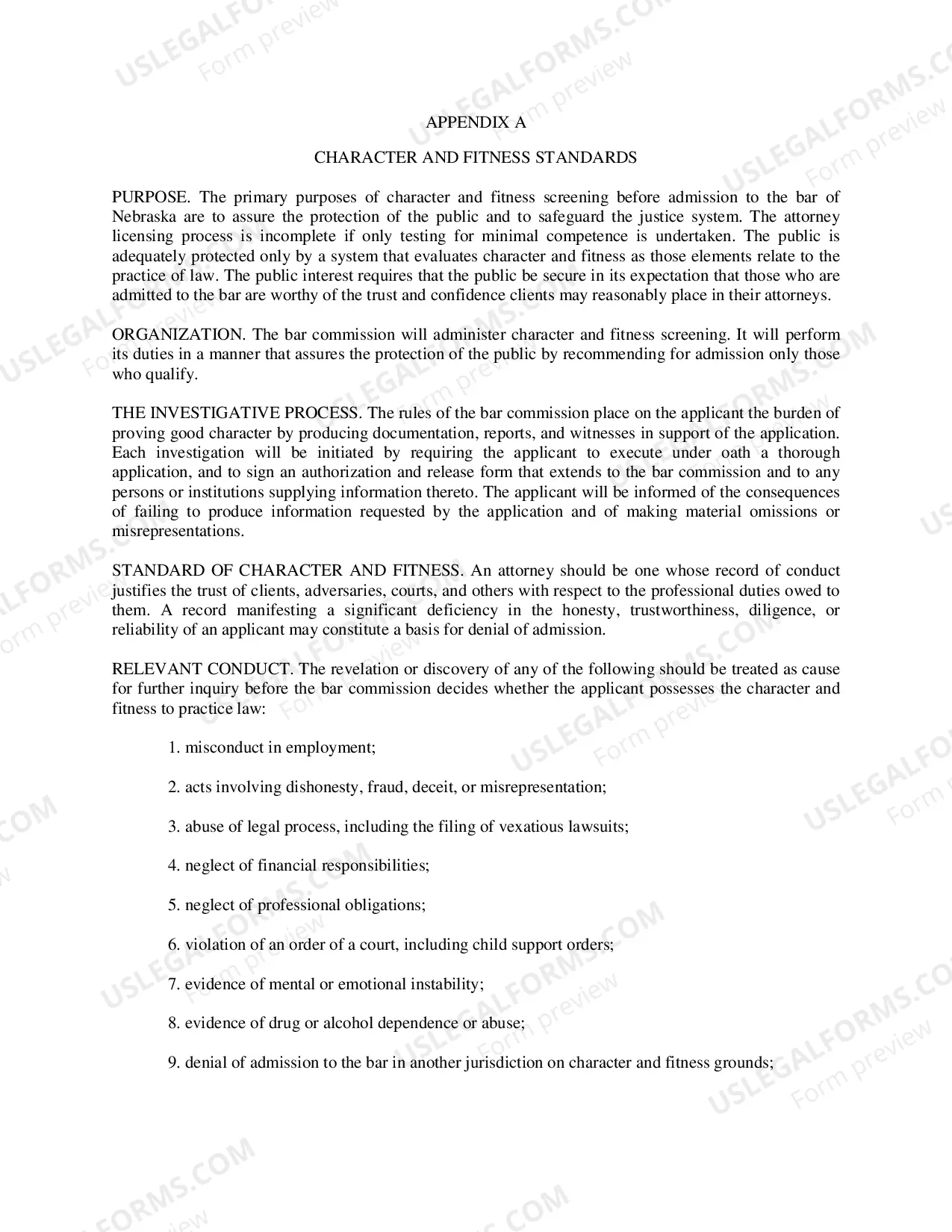

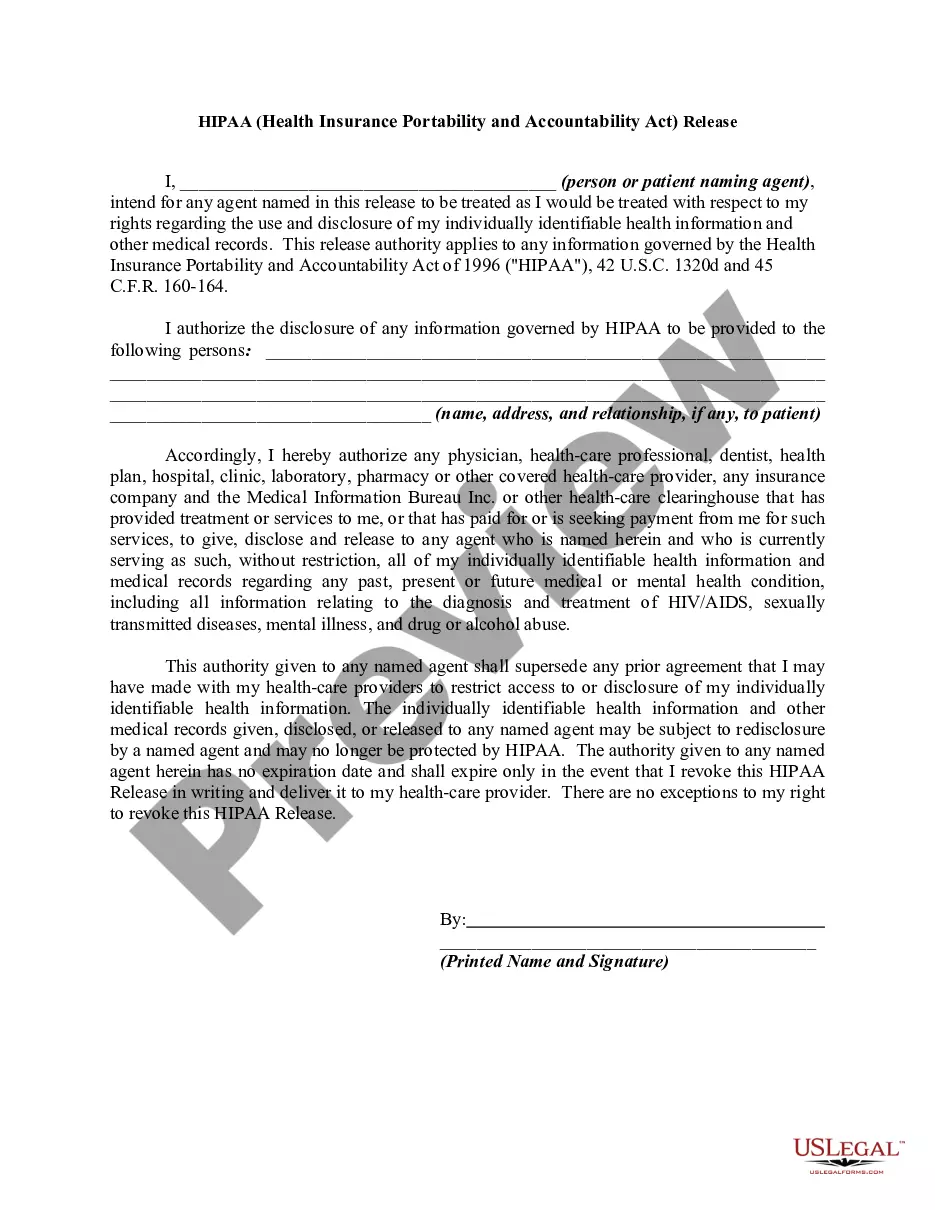
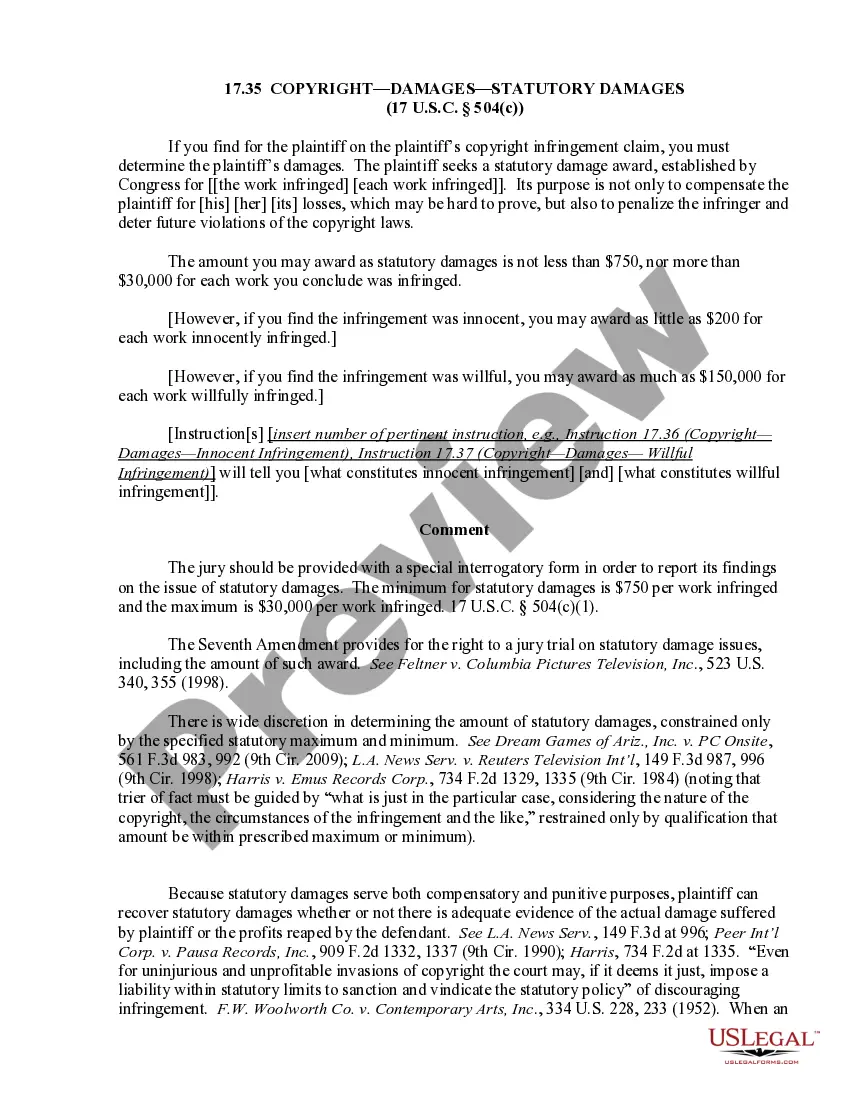
How to fill out Sample Letter For Motion For Substitute Counsel Of Record?
The Replacement of Legal Counsel Within the Firm displayed on this page is a versatile legal template crafted by expert attorneys in accordance with federal and local laws.
For over 25 years, US Legal Forms has been assisting individuals, businesses, and legal practitioners with more than 85,000 validated, state-specific documents for any personal or business need. It's the quickest, easiest, and most reliable method to acquire the documents you require, as the service ensures the utmost level of data protection and anti-malware security.
Register with US Legal Forms to have authenticated legal templates for all of life's situations at your fingertips.
- Search for the document you require and assess it.
- Browse through the example you found, preview it or check the document description to confirm it meets your needs. If it doesn't, use the search field to locate the correct one. Click Buy Now when you've found the template you want.
- Register and Log In to your account.
- Choose the pricing option that works best for you and create an account. Use PayPal or a credit card to complete a fast payment. If you already possess an account, Log In and check your subscription to continue.
- Obtain the editable template.
- Select the format you prefer for your Replacement of Legal Counsel Within the Firm (PDF, Word, RTF) and download the sample to your device.
- Fill out and sign the document.
- Print the template to fill it out manually. Alternatively, use an online multifunctional PDF editor to quickly and accurately complete and sign your form with an electronic signature.
- Download your documents again.
- Utilize the same document again whenever necessary. Access the My documents tab in your profile to re-download any forms you have downloaded previously.
Form popularity
FAQ
When you address opposing counsel, it's essential to be respectful and professional. Begin by using their official title and last name, unless they indicate otherwise. Clearly communicate your points while ensuring you remain courteous, which aids in maintaining a cooperative atmosphere. If you're navigating a substitution of counsel within your firm, being straightforward and clear can facilitate smoother interactions.
To file insufficient counsel, you must first understand the grounds for your concerns. Collect all relevant documentation that demonstrates how your current legal representation is lacking. Once you have established your case, you can initiate a formal request for substitution of counsel within your firm. If needed, consider using U.S. Legal Forms to access templates and guides that can simplify this process.
There are several ethical reasons a lawyer may withdraw as counsel, including conflicts of interest, lack of competence to handle the case, or the client's insistence on pursuing an illegal course of action. Withdrawal is a serious decision, and an attorney must notify the client and seek a court order when necessary. Understanding the concept of substitution of counsel within a firm can help ensure a smooth transition if withdrawal becomes necessary.
An order granting substitution of counsel is a legal document that allows a new attorney to replace the current attorney representing a client in a case. This order is essential to ensure that the new attorney has the authority to act on behalf of the client. When considering substitution of counsel within a firm, it's important for both the client and the new counsel to adhere to the legal requirements outlined in the order.
An example of a motion to substitute counsel can be seen when a client wishes to appoint a new attorney due to specific circumstances. This motion would outline the reasons for the change, such as a conflict of interest or a disagreement on legal strategy. It is a formal request to the court that facilitates the substitution of counsel within firm, ensuring continuity in legal representation.
The order of substitution typically involves filing a notice with the court, indicating that the original counsel is being replaced. This notice must usually be signed by both the outgoing and incoming attorneys, confirming their agreement with the substitution of counsel within firm. Once filed, the court will acknowledge the change, allowing the new counsel to take over the case.
Substitution of counsel within firm can occur for several reasons, including a conflict of interest, changes in the client's needs, or dissatisfaction with previous representation. Sometimes, the original attorney may have personal reasons for stepping back from the case. Whatever the reason, this process ensures that the client continues to receive competent legal support.
A counsel substitute is a legal representative that takes over the responsibilities of a previous attorney or legal counsel. This process, known as substitution of counsel within firm, is often necessary when a client requires a different approach to their legal representation. The new counsel steps in to ensure that the client's interests are effectively represented, adhering to all legal standards.