Letter Regarding Conservatorship Within A Company
Description
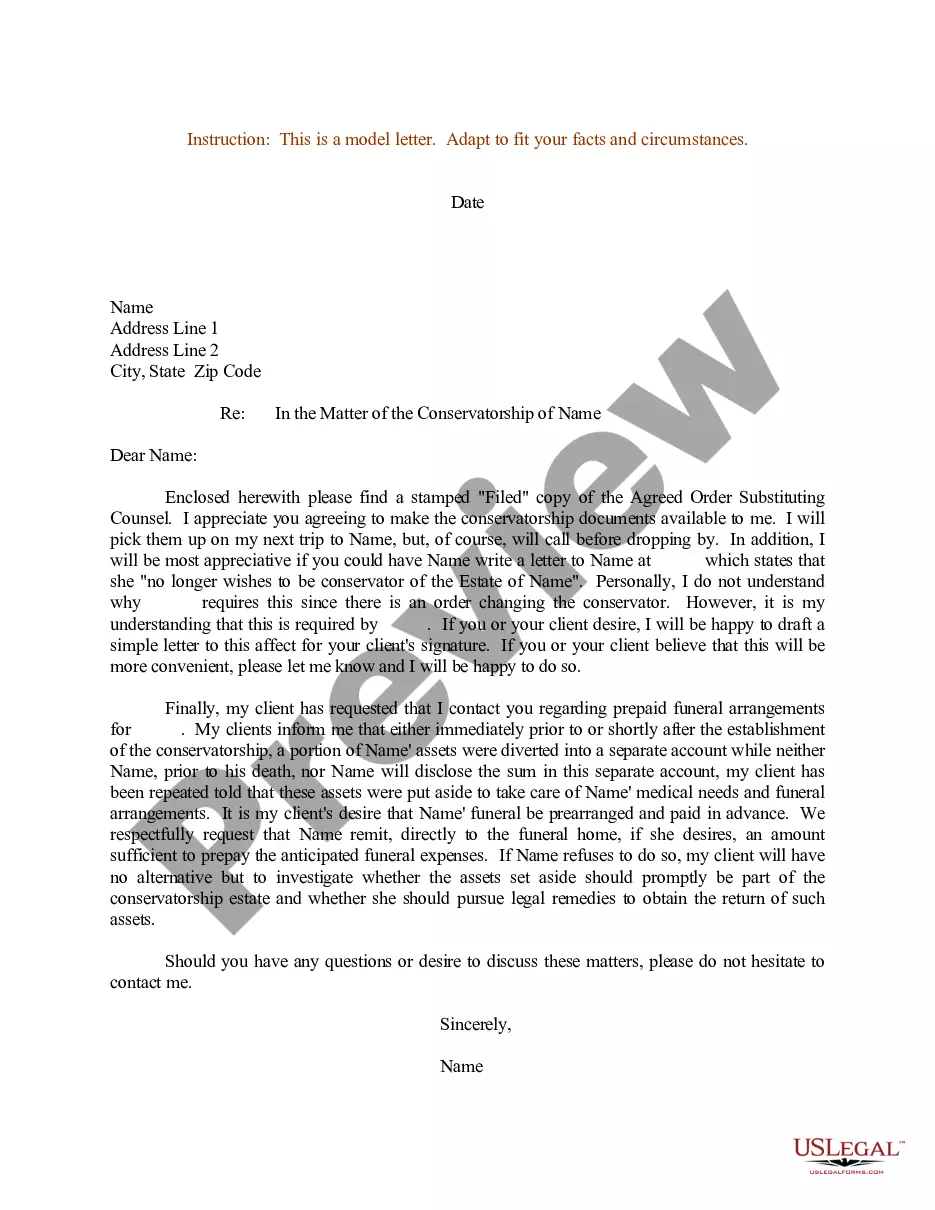


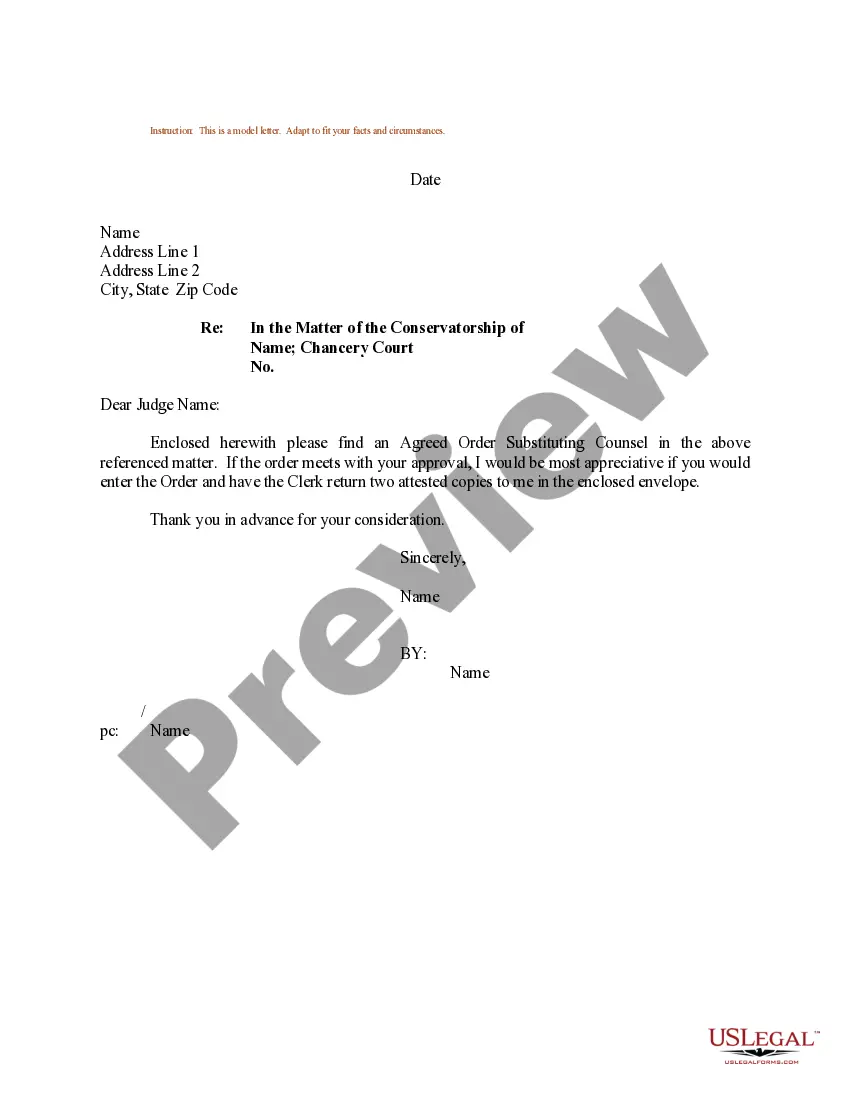
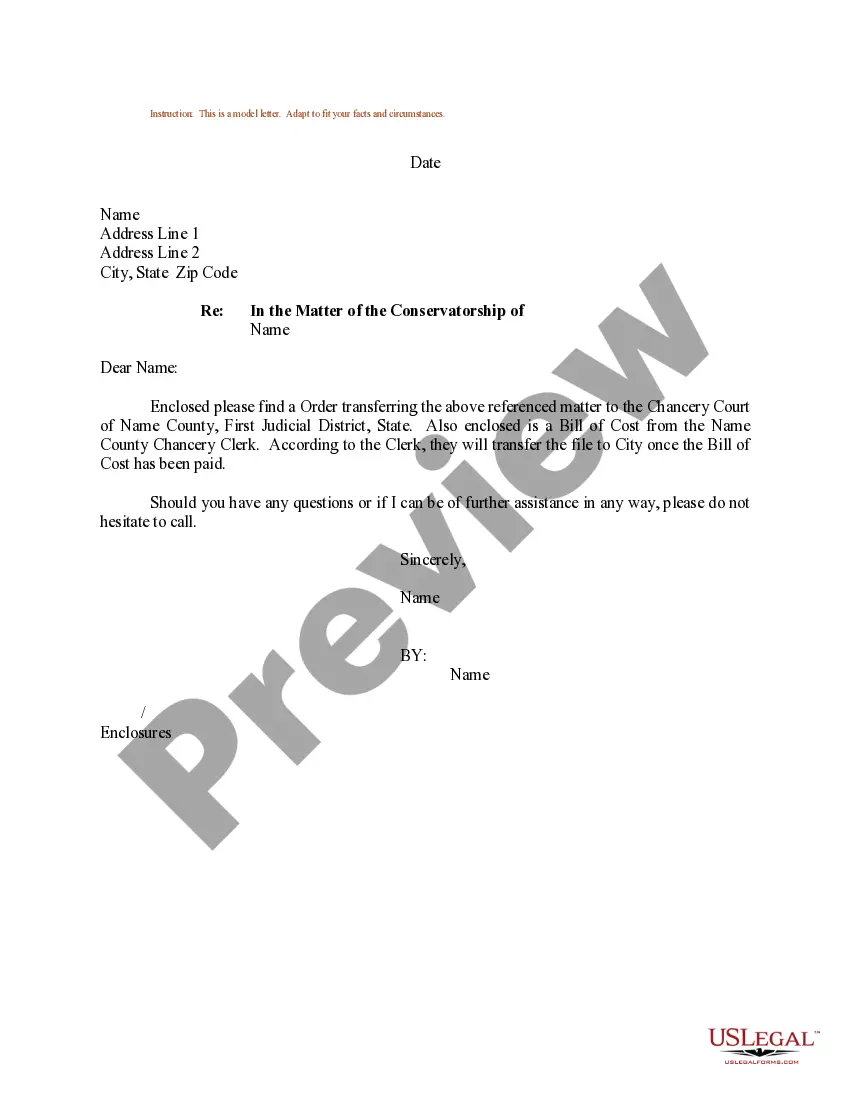
Get your form ready online
Our built-in tools help you complete, sign, share, and store your documents in one place.
Make edits, fill in missing information, and update formatting in US Legal Forms—just like you would in MS Word.
Download a copy, print it, send it by email, or mail it via USPS—whatever works best for your next step.
Sign and collect signatures with our SignNow integration. Send to multiple recipients, set reminders, and more. Go Premium to unlock E-Sign.
If this form requires notarization, complete it online through a secure video call—no need to meet a notary in person or wait for an appointment.
We protect your documents and personal data by following strict security and privacy standards.

Make edits, fill in missing information, and update formatting in US Legal Forms—just like you would in MS Word.

Download a copy, print it, send it by email, or mail it via USPS—whatever works best for your next step.

Sign and collect signatures with our SignNow integration. Send to multiple recipients, set reminders, and more. Go Premium to unlock E-Sign.

If this form requires notarization, complete it online through a secure video call—no need to meet a notary in person or wait for an appointment.

We protect your documents and personal data by following strict security and privacy standards.
Looking for another form?






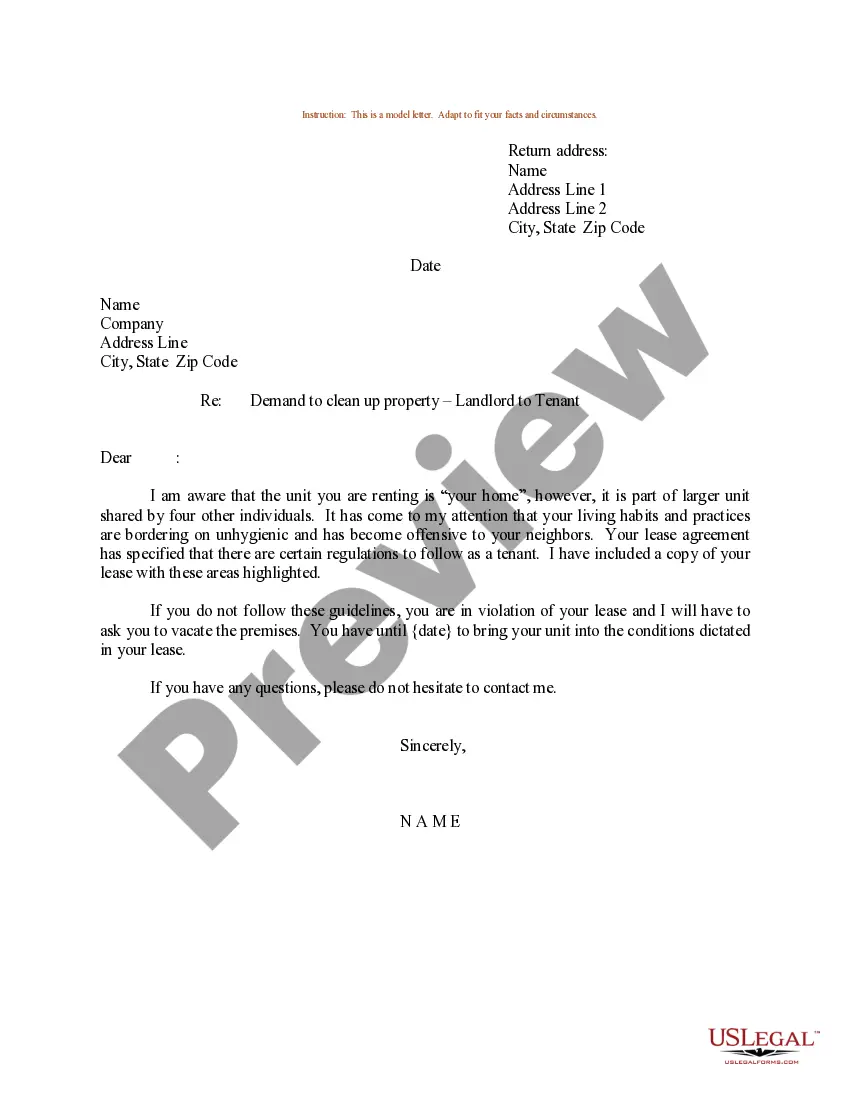
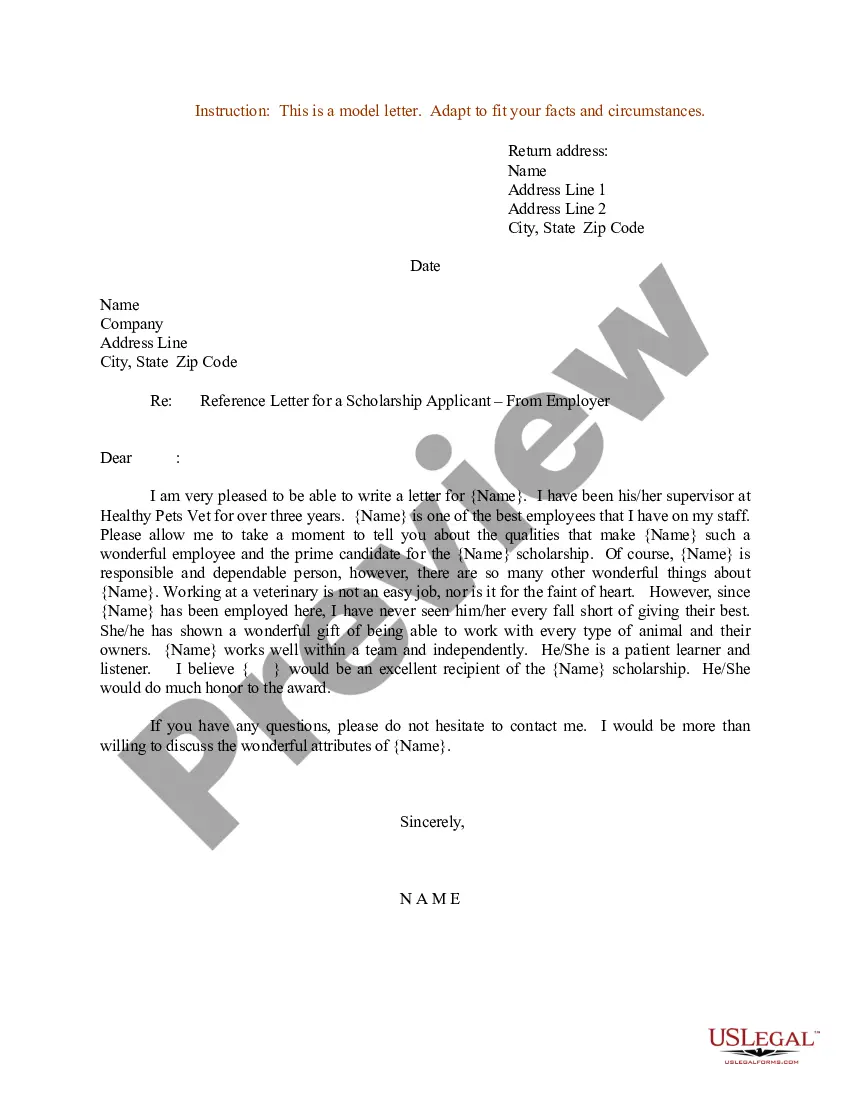
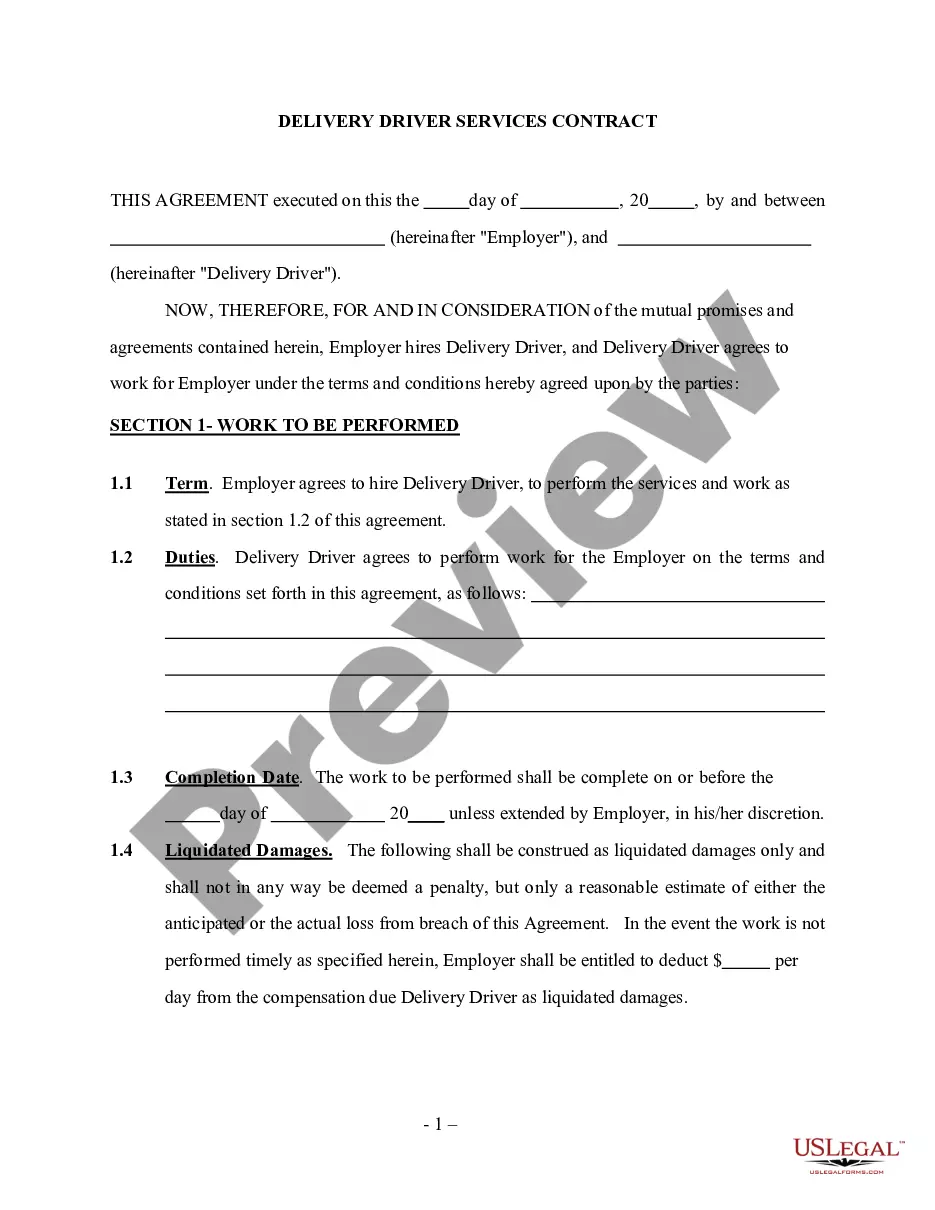
How to fill out Sample Letter Regarding Conservatorship - Agreed Order Substituting Counsel?
It’s clear that you cannot become a legal specialist instantly, nor can you learn how to swiftly draft a Letter Regarding Conservatorship Within A Company without possessing a specific skill set.
Drafting legal documents is a lengthy process that demands particular education and expertise. So why not leave the drafting of the Letter Regarding Conservatorship Within A Company to the experts.
With US Legal Forms, one of the largest legal template repositories, you can access everything from court papers to templates for internal corporate correspondence. We understand how important compliance and adherence to federal and state regulations are. That’s why, on our platform, all documents are location specific and up to date.
Select Buy now. Once the payment is completed, you can download the Letter Regarding Conservatorship Within A Company, complete it, print it, and send or mail it to the intended individuals or organizations.
You can access your documents again from the My documents tab at any time. If you’re a current client, you can simply Log In, and find and download the template from the same tab.
- Start off with our website and obtain the document you need in just a few minutes.
- Find the document you require using the search bar at the top of the page.
- Preview it (if this option is available) and review the supporting description to determine if the Letter Regarding Conservatorship Within A Company is what you need.
- Begin your search again if you require a different document.
- Register for a free account and select a subscription plan to purchase the form.
Form popularity
FAQ
In Connecticut, conservatorship involves a legal process where a court appoints a conservator to manage the affairs of someone deemed unable to do so themselves. The conservator is responsible for making decisions in the best interest of the individual, covering areas like healthcare and financial matters. To initiate this, a Letter regarding conservatorship within a company can provide essential guidance and documentation, simplifying the overall process.
Under conservatorship, an individual may lose certain rights, including the ability to make personal and financial decisions. This often means they cannot manage their own finances, enter contracts, or make medical decisions without consent from the conservator. If you need a structured approach to navigate this process, consider using a Letter regarding conservatorship within a company to ensure clarity and legal compliance.
To write a formal letter for guardianship, start by addressing the judge, including the case number if available. Clearly state your relationship to the individual and your reasons for requesting guardianship. Be sure to outline your qualifications and how you plan to act in the best interests of the individual. A letter regarding conservatorship within a company may also follow a similar format, emphasizing the importance of the conservator's role in managing the individual’s affairs.
Yes, writing a letter to the judge can be beneficial in a conservatorship case. This letter can express your concerns, outline your relationship with the individual, and provide relevant information that may assist the judge in making a decision. Including a well-crafted letter regarding conservatorship within a company can also help establish the importance of appointing a qualified conservator to manage the individual's affairs effectively.
To start the process of conservatorship, you must first file a petition in the appropriate court. This petition should detail the reasons for seeking conservatorship and include supporting documents, such as medical evaluations. Once the court reviews the petition, a hearing will be scheduled, allowing interested parties to present their views. Using a letter regarding conservatorship within a company can help clarify the roles and responsibilities of the conservator during this process.
A letter of conservatorship is a legal document that establishes a conservator's authority to manage the financial and personal affairs of an individual who is unable to do so. This letter is crucial for initiating the conservatorship process and provides the necessary legal backing for the conservator to act on behalf of the individual. In the context of a company, a letter regarding conservatorship within a company outlines the responsibilities and powers granted to the conservator to ensure proper management.
At the very top of the letter, put the date on which you write the letter. The date should be left-justified. Address the judge with the proper address and salutation. Below the date, provide the official name and address of the judge.
In the letter heading, include basic details like names and addresses. The parents' information goes first, with their full names and addresses. Then two lines down put the date the letter will be signed. The next block is about the intended guardian, who is also the letter's recipient.
State the court's decision to officially appoint a conservator. The conservator can use this form to prove they are the conservator to others.
Conservator of the person: A person appointed by the court to make decisions about personal matters for the conservatee, including decisions about medical care, food, clothing, where the person will live (In some states there are rules about placing someone in a locked mental institution against his or her will).