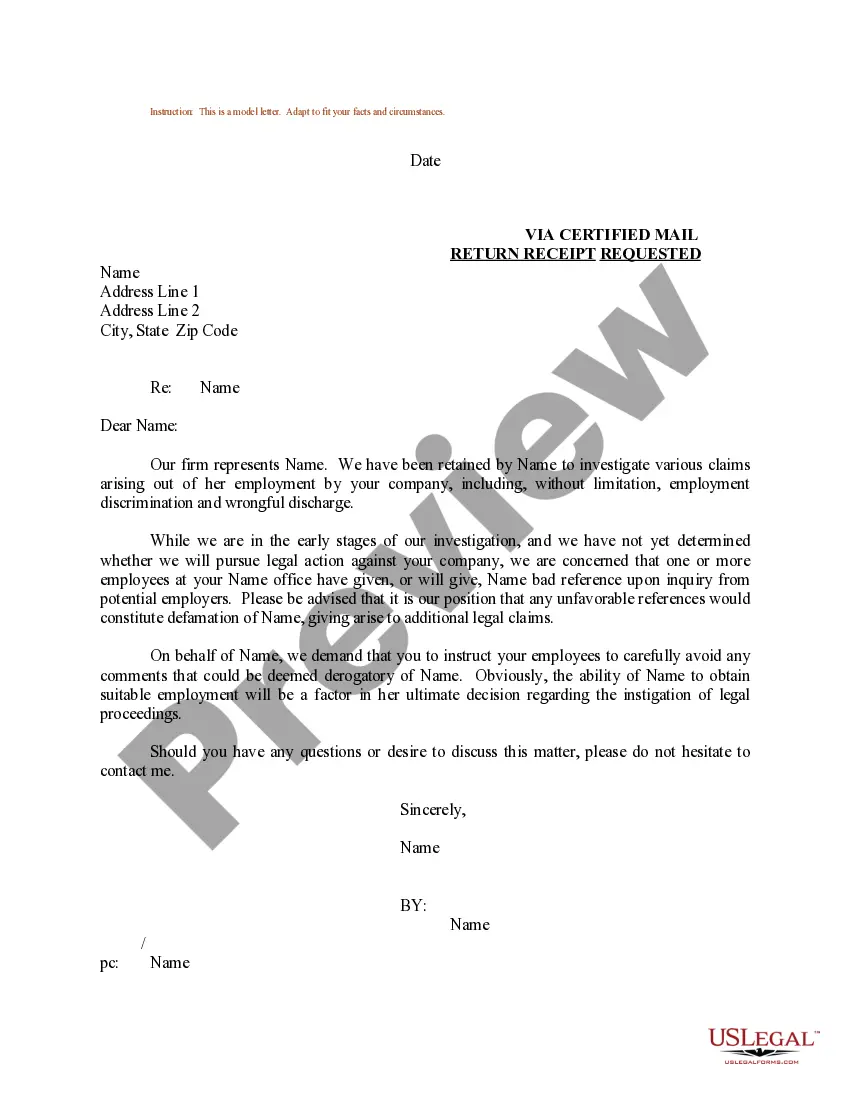
Wrongful Withholding Of Property
Description
Get your form ready online
Our built-in tools help you complete, sign, share, and store your documents in one place.
Make edits, fill in missing information, and update formatting in US Legal Forms—just like you would in MS Word.
Download a copy, print it, send it by email, or mail it via USPS—whatever works best for your next step.
Sign and collect signatures with our SignNow integration. Send to multiple recipients, set reminders, and more. Go Premium to unlock E-Sign.
If this form requires notarization, complete it online through a secure video call—no need to meet a notary in person or wait for an appointment.
We protect your documents and personal data by following strict security and privacy standards.

Make edits, fill in missing information, and update formatting in US Legal Forms—just like you would in MS Word.

Download a copy, print it, send it by email, or mail it via USPS—whatever works best for your next step.

Sign and collect signatures with our SignNow integration. Send to multiple recipients, set reminders, and more. Go Premium to unlock E-Sign.

If this form requires notarization, complete it online through a secure video call—no need to meet a notary in person or wait for an appointment.

We protect your documents and personal data by following strict security and privacy standards.
Looking for another form?
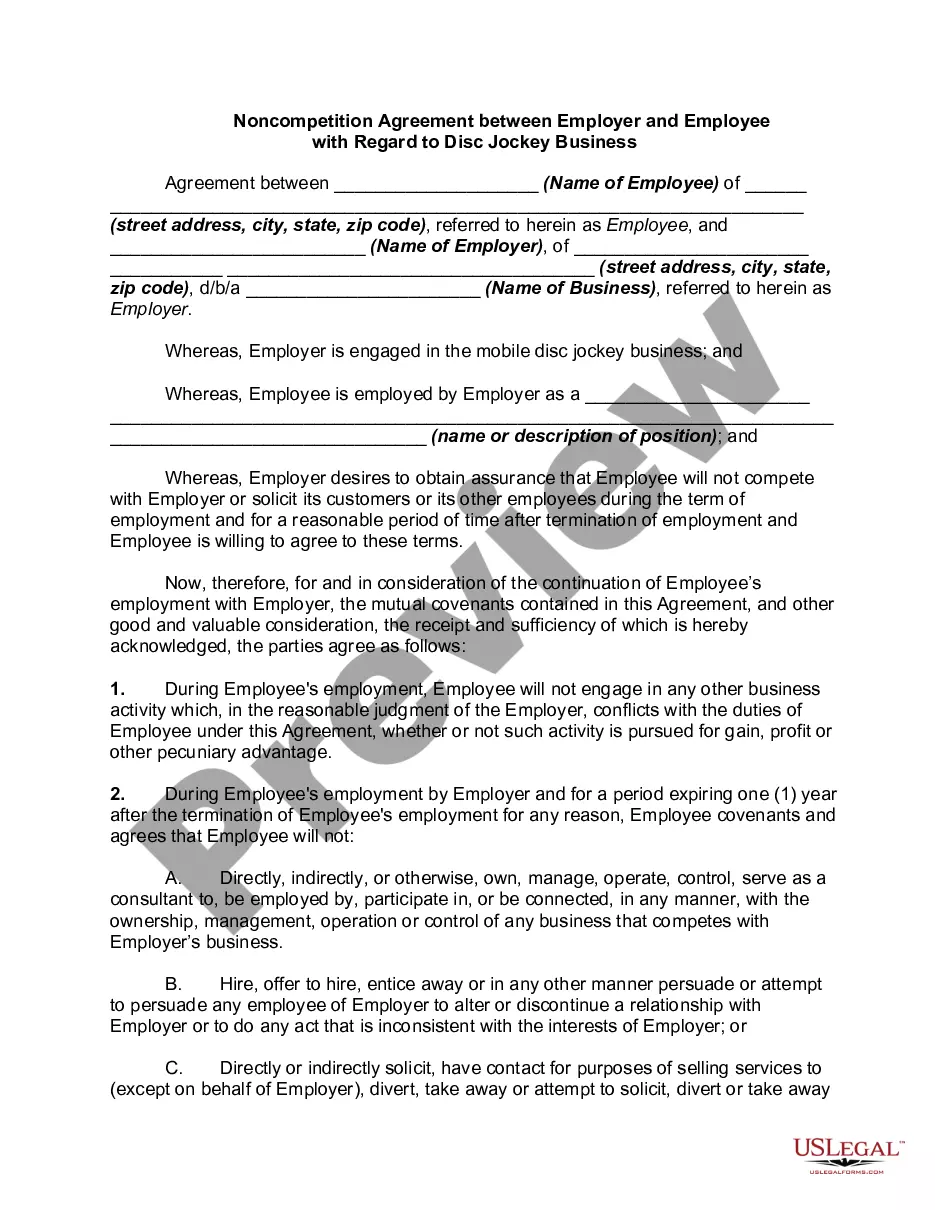







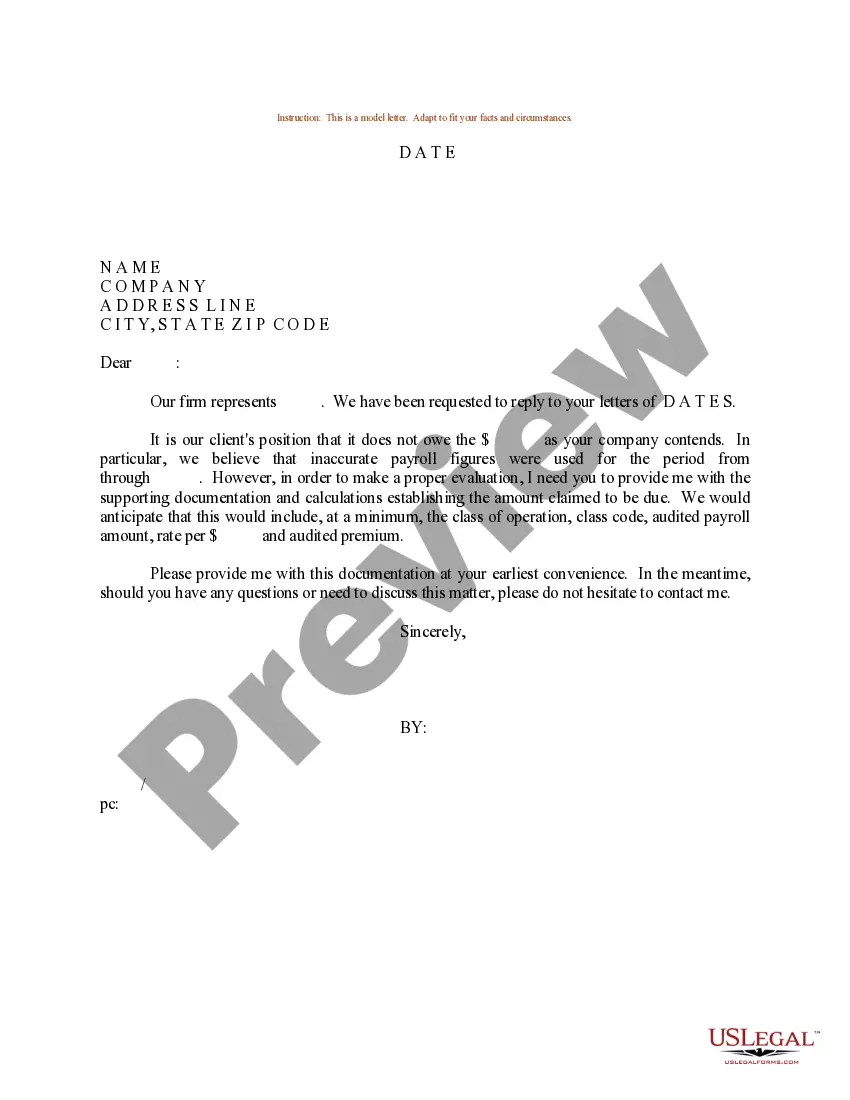
How to fill out Sample Letter For Employment Discrimination - Wrongful Discharge?
Handling legal documents and procedures can be a lengthy addition to your routine.
Unlawful Retention Of Property and similar forms typically necessitate that you locate them and comprehend how to fill them out correctly.
For this reason, whether you are managing financial, legal, or personal affairs, possessing a vast and accessible online repository of documents at your disposal will greatly assist.
US Legal Forms is the premier online platform for legal templates, featuring over 85,000 state-specific documents and a variety of tools to help you complete your paperwork seamlessly.
Is it your first time using US Legal Forms? Register and create your account in just a few minutes, and you’ll gain access to the document library and Unlawful Retention Of Property. Then, follow the steps below to complete your document: Ensure you have found the correct document using the Preview feature and reviewing the document details. Select Buy Now when ready, and choose the monthly subscription plan that suits your requirements. Click Download then complete, sign, and print the document. US Legal Forms has 25 years of experience assisting users in managing their legal documents. Locate the document you require today and streamline any process effortlessly.
- Browse the collection of relevant documents available to you with just one click.
- US Legal Forms provides state- and county-specific documents accessible at any time for download.
- Protect your document management processes by utilizing a reliable service that enables you to create any document in minutes without additional or hidden fees.
- Simply Log In to your account, search for Unlawful Retention Of Property and download it immediately from the My documents section.
- You can also access previously saved documents.
Form popularity
FAQ
Wrongful attachment of property occurs when a person's property is seized without proper legal justification. This can happen in various legal disputes and may lead to significant consequences for the party wrongfully taking the property. It is crucial to understand your rights in such situations, especially if you believe you are a victim of wrongful withholding of property.
If someone is holding your property, your first action should be to assess the situation and attempt to communicate with them. If dialogue does not yield results, you may need to gather evidence and consider legal options. Remember, legal avenues exist to address wrongful withholding of property, and seeking professional advice can clarify your options.
When someone refuses to return your belongings, it is often referred to as wrongful withholding of property. This term encompasses situations where a person unlawfully retains possession of someone else's items. Understanding this concept can help you take appropriate legal action to reclaim your belongings.
If someone refuses to return your belongings, start by calmly discussing the issue with them. If this does not work, you may need to send a formal demand letter requesting the return of your property. If they still do not comply, consult with a legal expert who can guide you through the process of addressing wrongful withholding of property.
To pursue a replevin action, you need to gather evidence that clearly shows your ownership of the property. This could include receipts, titles, or any other documents proving you own the item. Additionally, you should document any communications with the person withholding your property. Collecting this evidence is crucial in cases of wrongful withholding of property.
If someone is withholding your property, the first step is to communicate with them directly. Often, a clear conversation can resolve misunderstandings. If that fails, consider documenting the situation and seeking legal advice. A legal professional can help you understand your rights regarding wrongful withholding of property.
Replevin, also known as "claim and delivery," is an action to recover personal property that was wrongfully taken or detained.
?Larceny? and ?theft? are often used interchangeably to describe property crimes where a person illegally takes and carries away the property of another without permission.
There is a law that addresses this that is known as Replevin. Here are some examples of how this law can help an affected party retrieve their belongings.
Detinue is a legal action that is most often utilized when a person has possession of property that they should not have, such as when they default on a loan. Replevin allows the seizure of property by law enforcement. Detinue provides for the return of the property by the party who has it unlawfully.