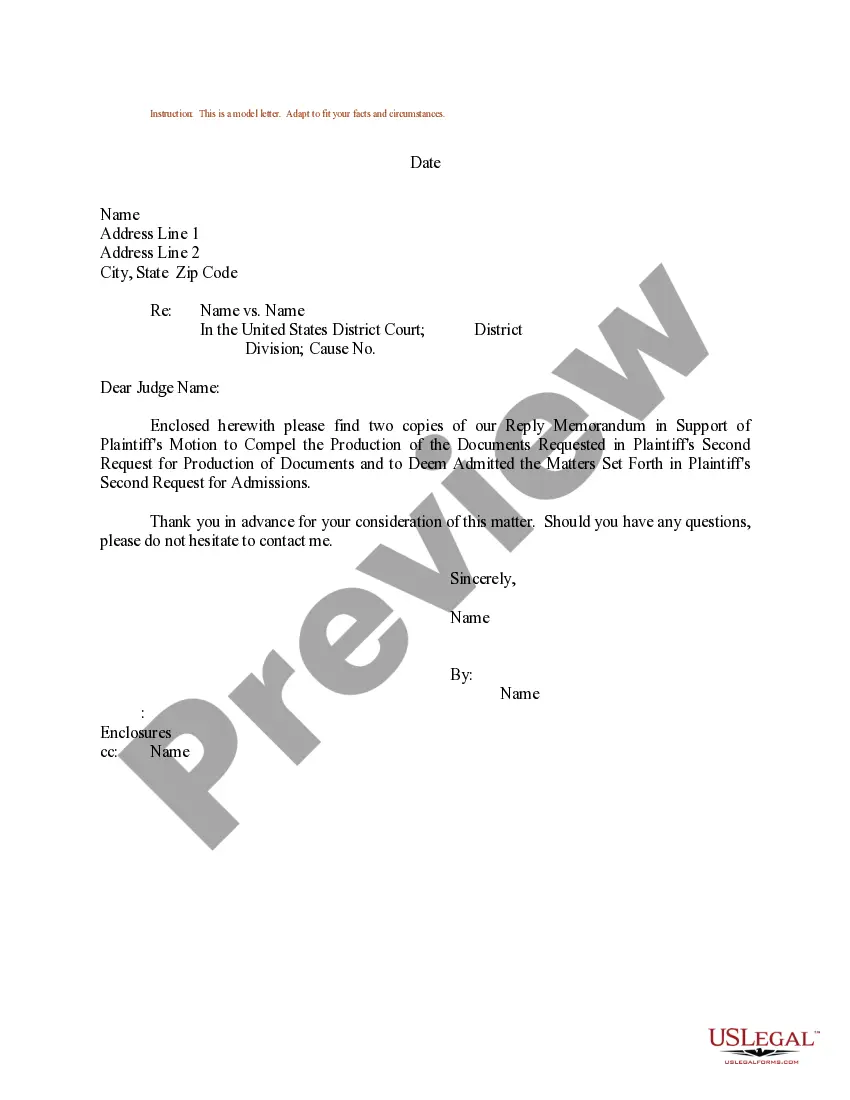
Sample Letter Asking Judge For Leniency For A First Time Offense
Description
Get your form ready online
Our built-in tools help you complete, sign, share, and store your documents in one place.
Make edits, fill in missing information, and update formatting in US Legal Forms—just like you would in MS Word.
Download a copy, print it, send it by email, or mail it via USPS—whatever works best for your next step.
Sign and collect signatures with our SignNow integration. Send to multiple recipients, set reminders, and more. Go Premium to unlock E-Sign.
If this form requires notarization, complete it online through a secure video call—no need to meet a notary in person or wait for an appointment.
We protect your documents and personal data by following strict security and privacy standards.

Make edits, fill in missing information, and update formatting in US Legal Forms—just like you would in MS Word.

Download a copy, print it, send it by email, or mail it via USPS—whatever works best for your next step.

Sign and collect signatures with our SignNow integration. Send to multiple recipients, set reminders, and more. Go Premium to unlock E-Sign.

If this form requires notarization, complete it online through a secure video call—no need to meet a notary in person or wait for an appointment.

We protect your documents and personal data by following strict security and privacy standards.
Looking for another form?
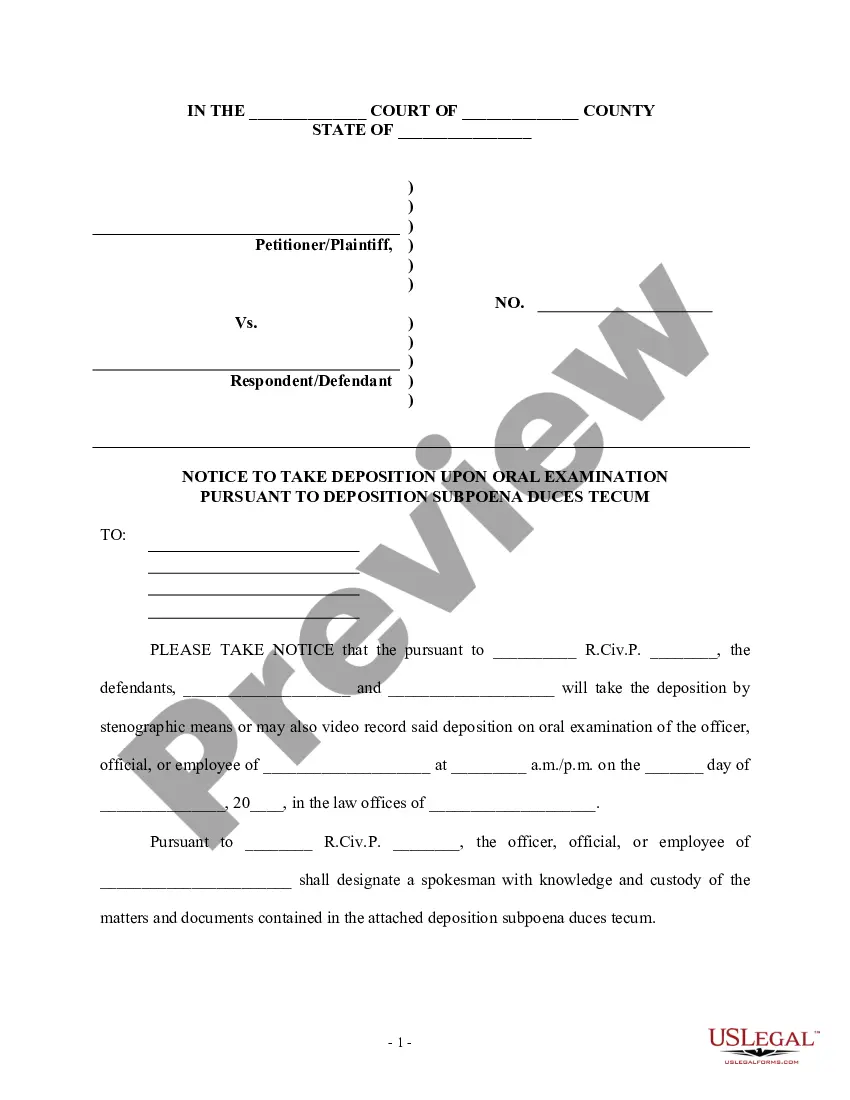

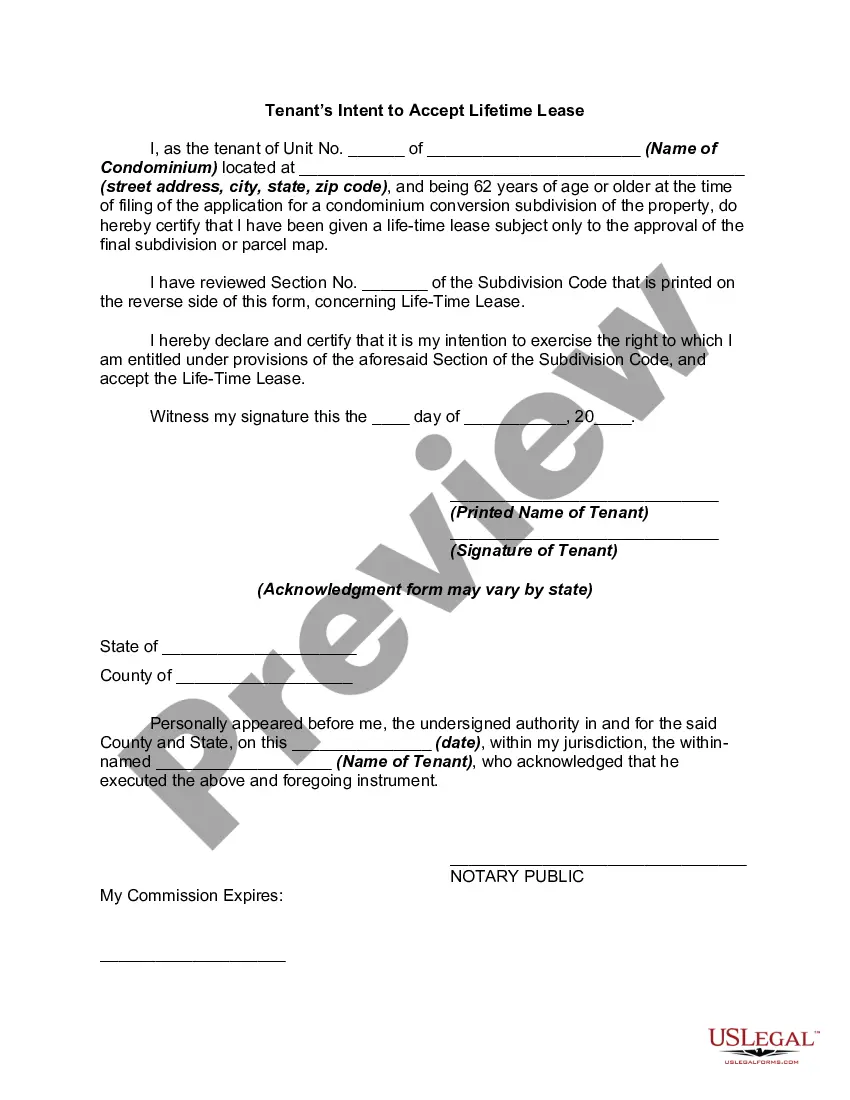
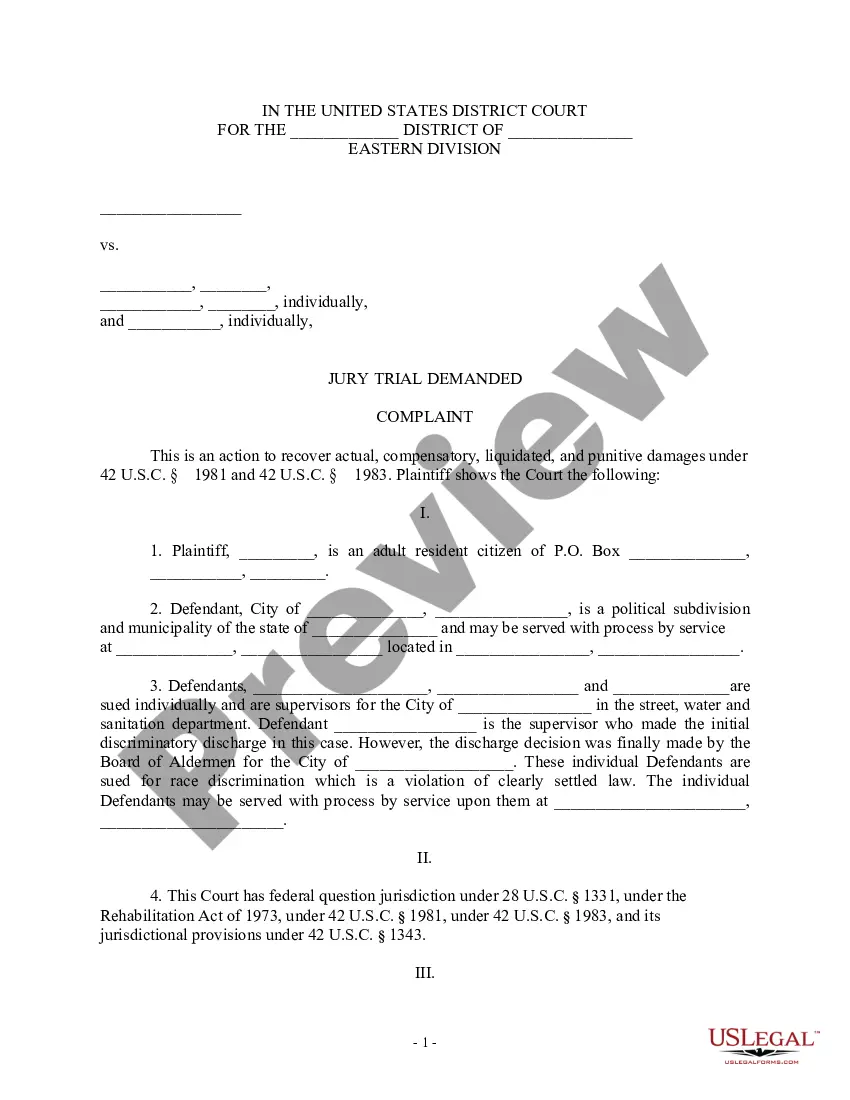
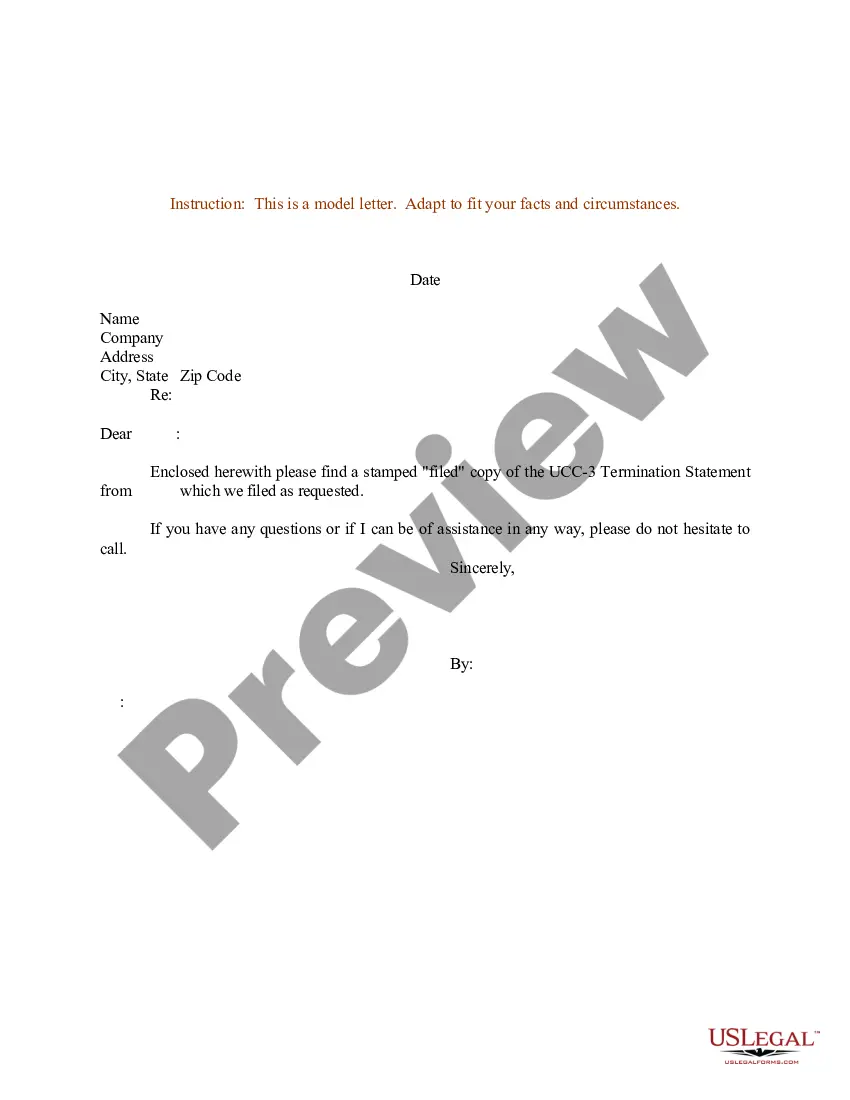
How to fill out Sample Letter For Documents To Judge?
Whether for commercial reasons or personal matters, everyone must handle legal issues at some point in their lifetime.
Completing legal paperwork demands meticulous care, beginning with choosing the appropriate form template.
After it is downloaded, you can complete the form using editing software or print it and finish it manually. With a comprehensive US Legal Forms catalog available, you no longer need to waste time searching for the correct template online. Take advantage of the library’s intuitive navigation to find the right form for any circumstance.
- For example, if you choose an incorrect version of the Sample Letter Requesting Leniency from the Judge for a First Offense, it will be rejected upon submission.
- Thus, it is crucial to find a trustworthy source of legal documents like US Legal Forms.
- If you need a Sample Letter Requesting Leniency from the Judge for a First Offense template, follow these simple steps.
- Locate the template you require by using the search bar or catalog navigation.
- Review the form’s details to ensure it fits your case, state, and county.
- Click on the form’s preview to inspect it.
- If it is the wrong form, return to the search option to find the Sample Letter Requesting Leniency from the Judge for a First Offense template you need.
- Download the template if it meets your specifications.
- If you possess a US Legal Forms account, just click Log in to access previously saved documents in My documents.
- If you do not have an account yet, you can download the form by clicking Buy now.
- Choose the appropriate payment option.
- Complete the account registration form.
- Select your payment method: utilize a credit card or PayPal account.
- Choose the document format you desire and download the Sample Letter Requesting Leniency from the Judge for a First Offense.
Form popularity
FAQ
When writing a letter to a judge for reducing a sentence, keep your language respectful and professional. Start by stating your case number and mentioning any relevant details about the case. Clearly articulate why leniency is deserved, such as citing personal changes or hardships. To guide you, consider using a sample letter asking a judge for leniency for a first-time offense.
A letter to a judge requesting a reduced sentence is a formal appeal for leniency in sentencing after a conviction. This letter outlines reasons why the judge should consider a lighter sentence, such as demonstrating good behavior or the defendant's potential for rehabilitation. It's important to express genuine remorse and willingness to make amends. For guidance, refer to a sample letter asking a judge for leniency for a first-time offense.
Minnesota small estate affidavit is a legal form used in estates valued and under $75,000. Minnesota statute 524.3-1201 tells us that this dollar amount is the threshold level by which an estate in Minnesota does or does not need to be probated.
If your personal property exceeds $75,000 or you own real estate in your name alone, your estate must be probated.
MN Form PRO202, which may also referred to as Affidavit For Collection Of Personal Property (Small Estate - No Real Estate), is a probate form in Minnesota. It is used by executors, personal representatives, trustees, guardians & other related parties during the probate & estate settlement process.
Probate is the legal process of transferring a person's assets and paying their final bills after they die. If a person owns Minnesota real property in solely their own name or is a Minnesota resident with more than $75,000 in personal property, their estate will be subject to Minnesota probate laws.
Probate attorney fees in Minnesota can range. Sometimes you can expect a range of $500 - $1,000, but that would suggest a very basic, uncomplicated case.
The timeframe for this process in Minnesota can vary widely, typically ranging from several months to over a year, depending on factors such as the size and complexity of the estate, the clarity of the will, and whether or not the probate process is contested.
In Minnesota, you must wait at least 30 days after the person's death to file a Small Estate Affidavit.
Trusts. One of the most popular ways to avoid probate is by having a revocable living trust as part of your estate plan.