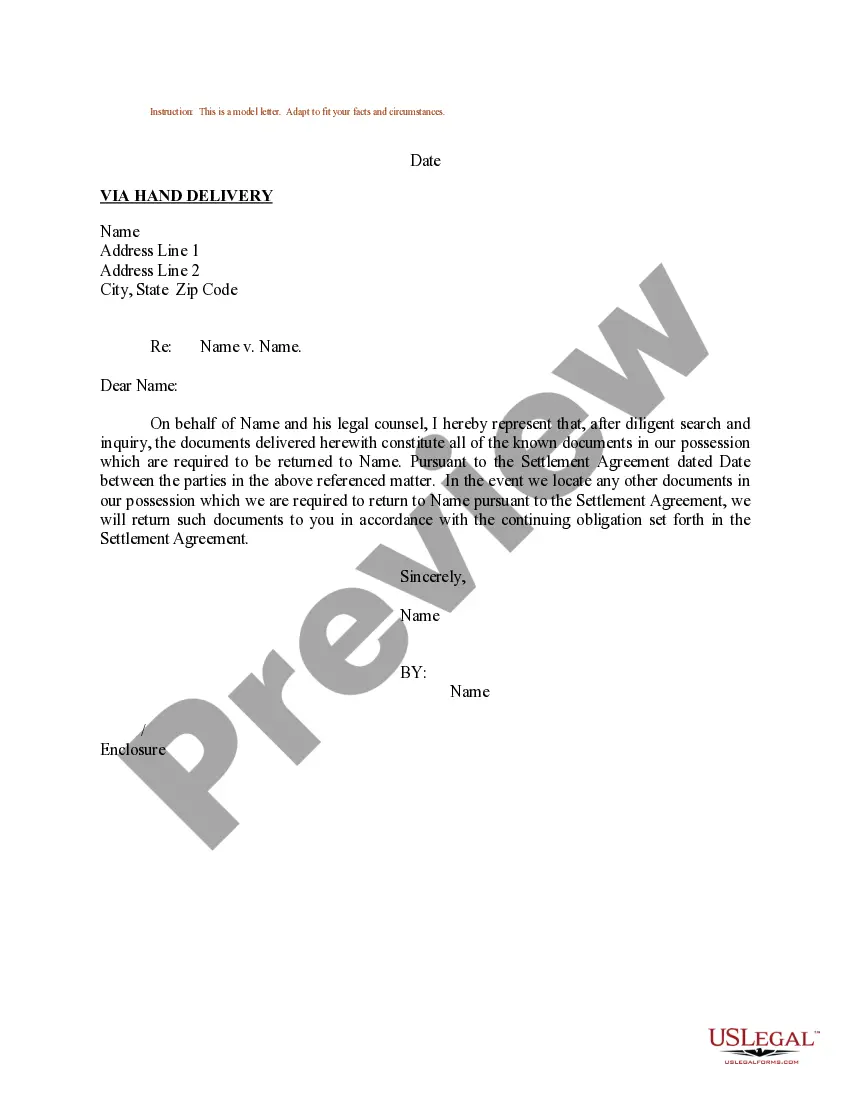
Sample Of Return To Work Letter
Description
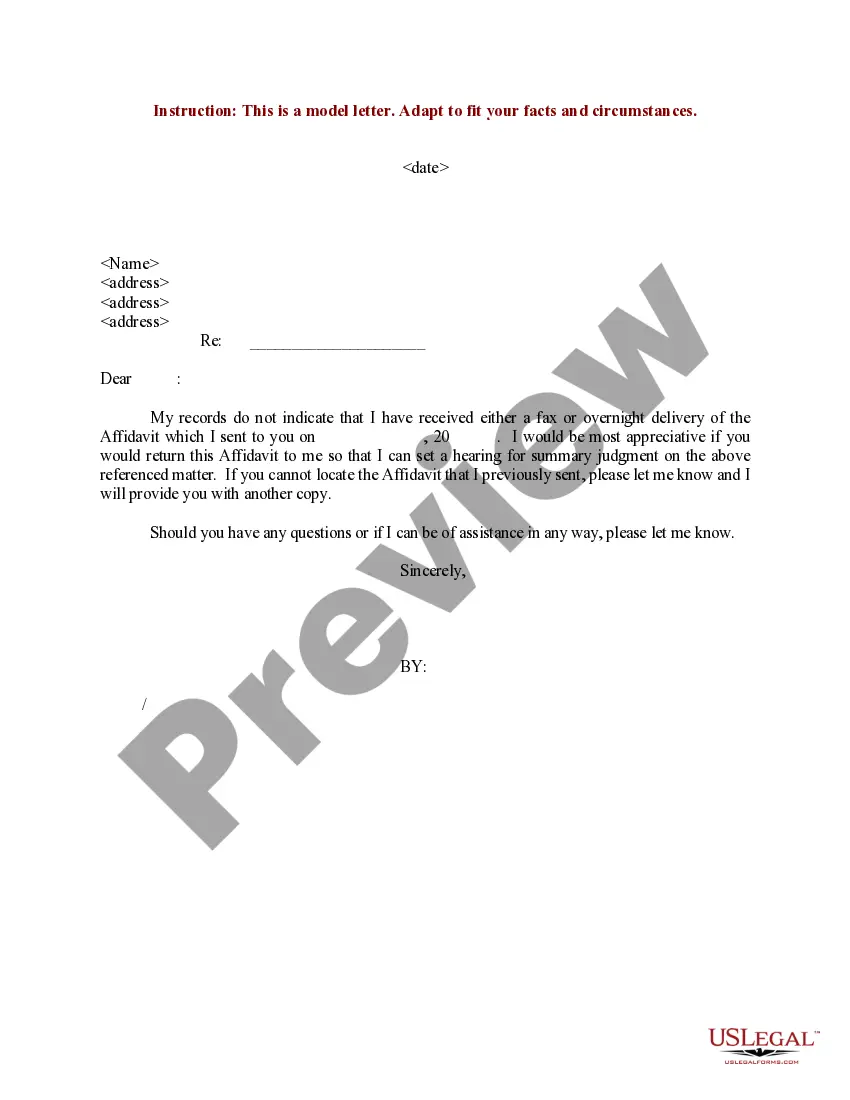
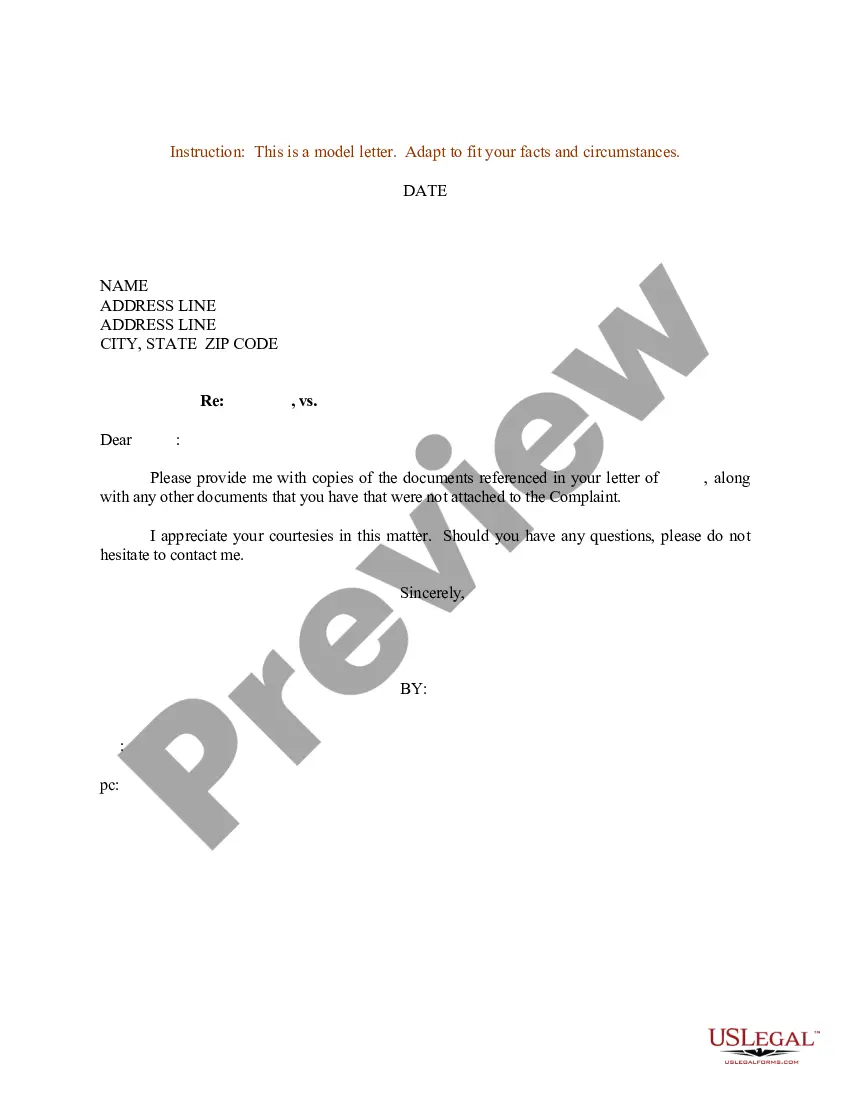
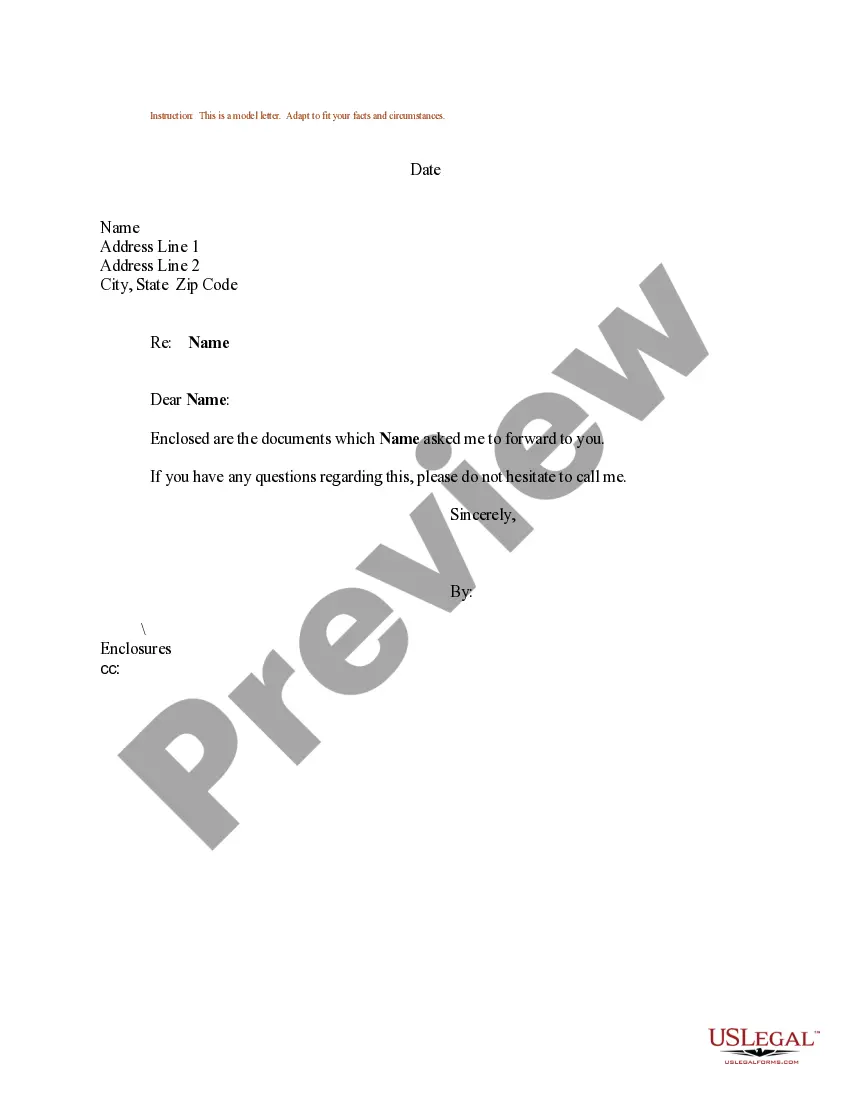
Get your form ready online
Our built-in tools help you complete, sign, share, and store your documents in one place.
Make edits, fill in missing information, and update formatting in US Legal Forms—just like you would in MS Word.
Download a copy, print it, send it by email, or mail it via USPS—whatever works best for your next step.
Sign and collect signatures with our SignNow integration. Send to multiple recipients, set reminders, and more. Go Premium to unlock E-Sign.
If this form requires notarization, complete it online through a secure video call—no need to meet a notary in person or wait for an appointment.
We protect your documents and personal data by following strict security and privacy standards.

Make edits, fill in missing information, and update formatting in US Legal Forms—just like you would in MS Word.

Download a copy, print it, send it by email, or mail it via USPS—whatever works best for your next step.

Sign and collect signatures with our SignNow integration. Send to multiple recipients, set reminders, and more. Go Premium to unlock E-Sign.

If this form requires notarization, complete it online through a secure video call—no need to meet a notary in person or wait for an appointment.

We protect your documents and personal data by following strict security and privacy standards.
Looking for another form?


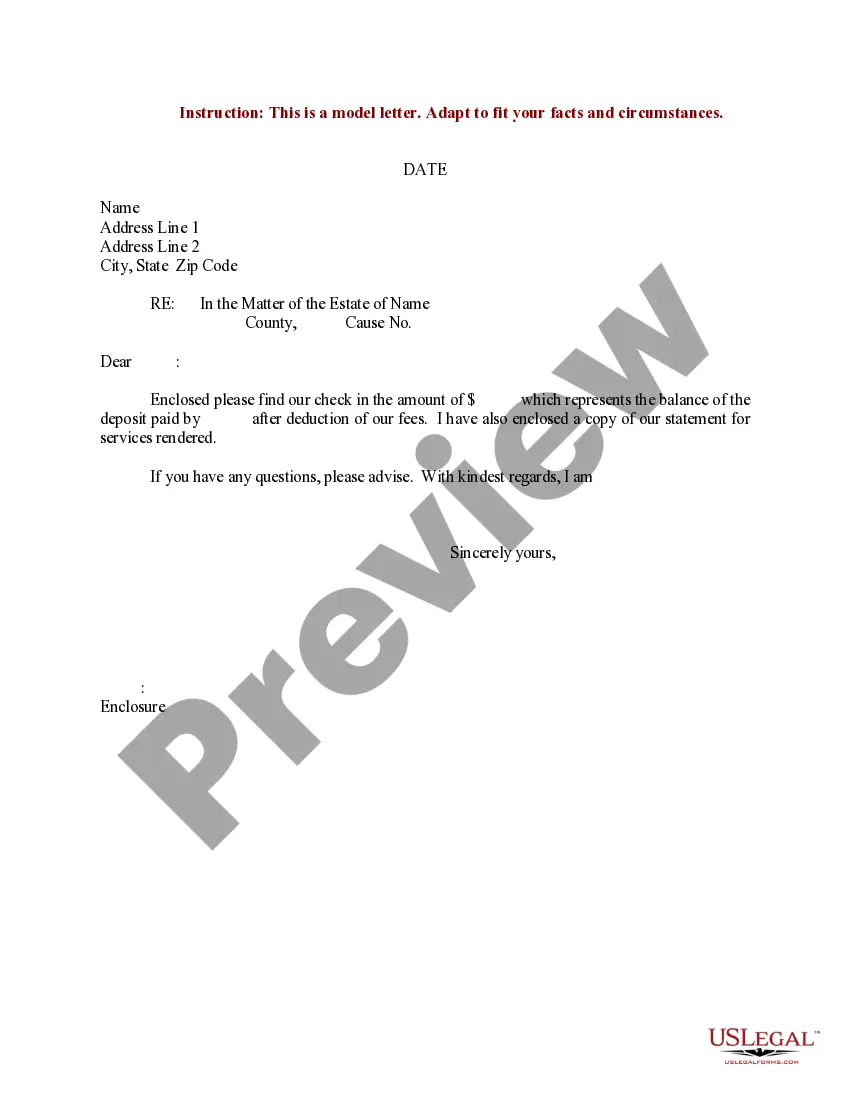
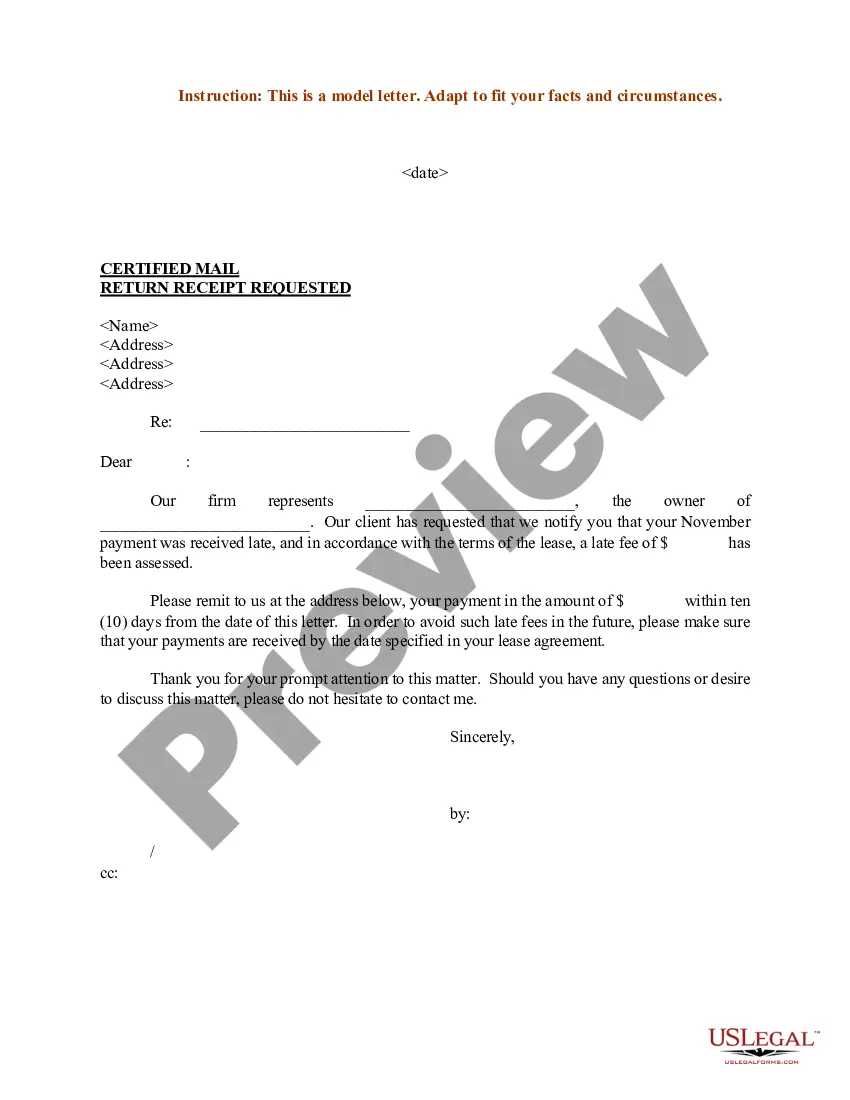
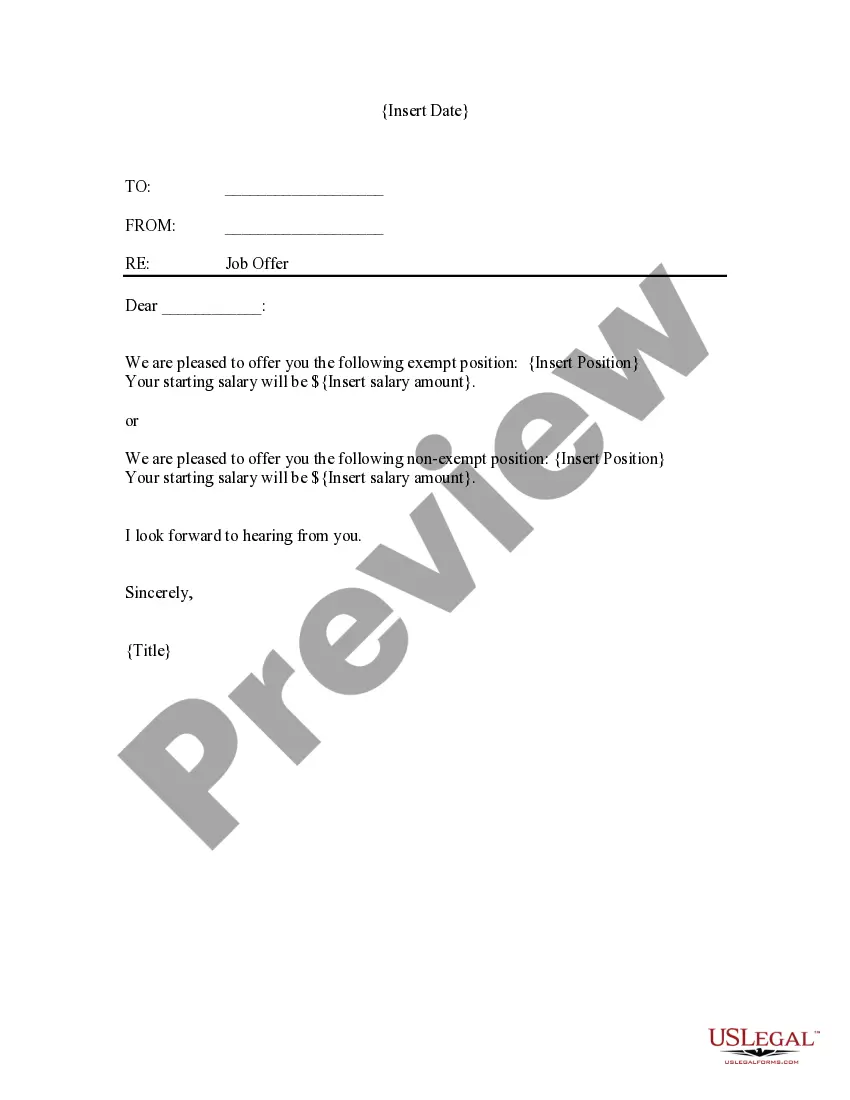

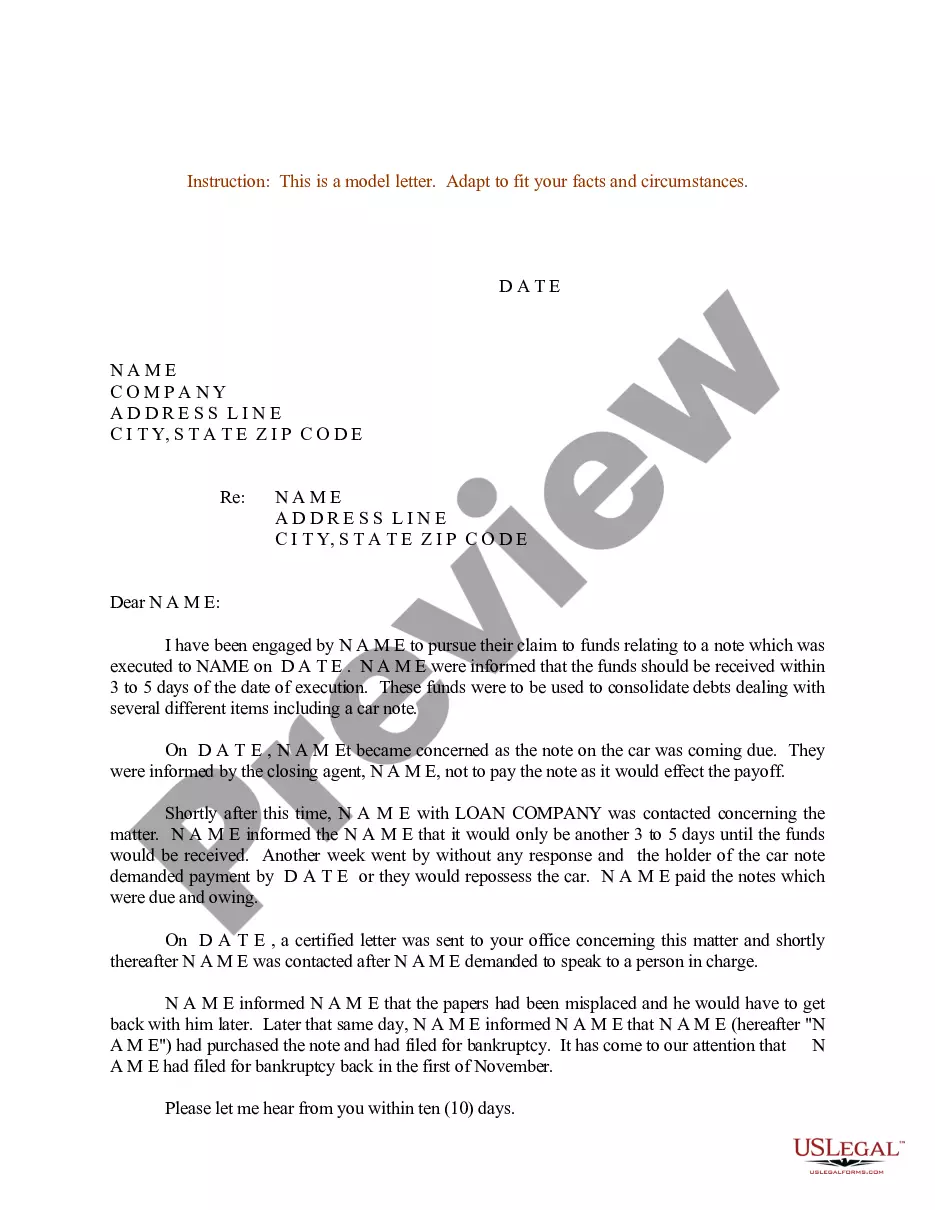
How to fill out Sample Letter For Return Of Documents?
Regardless of whether it is for corporate objectives or personal issues, individuals inevitably must handle legal matters at some point in their lives.
Completing legal documents demands meticulous attention, starting from selecting the correct form template.
With a comprehensive US Legal Forms catalog available, you don't need to waste time looking for the suitable template across the web. Utilize the library's straightforward navigation to obtain the correct template for any circumstance.
- Locate the template you require using the search option or catalog navigation.
- Browse the description of the form to ensure it aligns with your situation, jurisdiction, and locality.
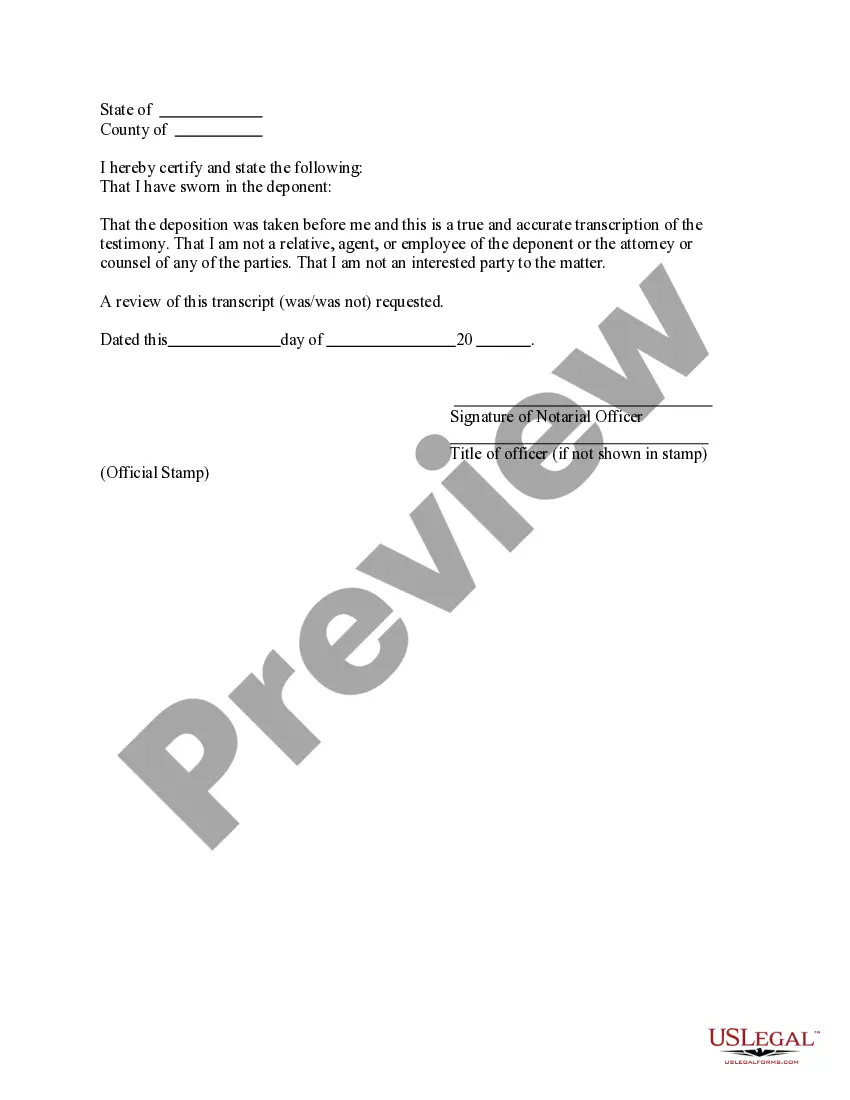
- Click on the form's preview to inspect it.
- If it is the incorrect document, return to the search option to find the Sample Of Return To Work Letter template you need.
- Download the template if it suits your requirements.
- If you possess a US Legal Forms account, simply click Log in to access previously stored documents in My documents.
- If you do not have an account yet, you may obtain the form by clicking Buy now.
- Select the appropriate pricing option.
- Fill out the profile registration form.
- Choose your payment method: you can use a credit card or PayPal.
- Select the document format you wish and download the Sample Of Return To Work Letter.
- Once it is saved, you may fill out the form using editing software or print it and complete it manually.
Form popularity
FAQ
When writing about your return to work, use clear and straightforward language. Begin by stating your intentions directly and include the date of your return. It's helpful to mention your excitement for rejoining the team. For guidance, refer to a sample of return to work letter to see how to structure your message effectively.
Legally, a debt collector has to send you a debt verification letter within five days of their first contact with you. And if not, you should ask for one.
While debt validation requests can be a useful tool, they are not effective at resolving the issue. In most cases, creditors and collection agencies are able to provide the necessary documentation to prove the validity of the debt.
Legally, a debt collector has to send you a debt verification letter within five days of their first contact with you. And if not, you should ask for one. Why? Because it helps you determine if the debt is actually yours and if there's anything fishy going on behind the scenes.
A debt validation letter is a letter that debt collectors must provide that includes information about the size of your debt, when to pay it, and how to dispute it. A debt collection letter essentially proves you owe the debt collector money.
Debt collectors have a legal obligation to send a debt validation letter and it's important for consumers to be aware of that. If you receive information over the phone, ask for it to be sent in a letter. Do not give payment or personal financial information until you confirm that the collector is legitimate.
However, they're required to send a debt validation letter within five days of first contacting you. If you don't receive a debt validation letter within 10 days of initial contact, you can submit a complaint to the Consumer Financial Protection Bureau.
Once you receive the validation information or notice from the debt collector during or after your initial communication with them, you have 30 days to dispute all or part of the debt, if you don't believe that you owe it. If you receive a validation notice, the end date of the 30-day period will be specified.
Debt collectors are legally required to send you a debt validation letter, which outlines what the debt is, how much you owe and to who, as well as when you need to pay the debt. If you're still uncertain about the debt you're being asked to pay, you can request a debt verification letter to get more information.
You can sue the debt collector for violating the FDCPA. If you sue under the FDCPA and win, the debt collector must generally pay your attorney's fees and may also have to pay you damages. If you're having trouble with debt collection, you can submit a complaint with the CFPB.