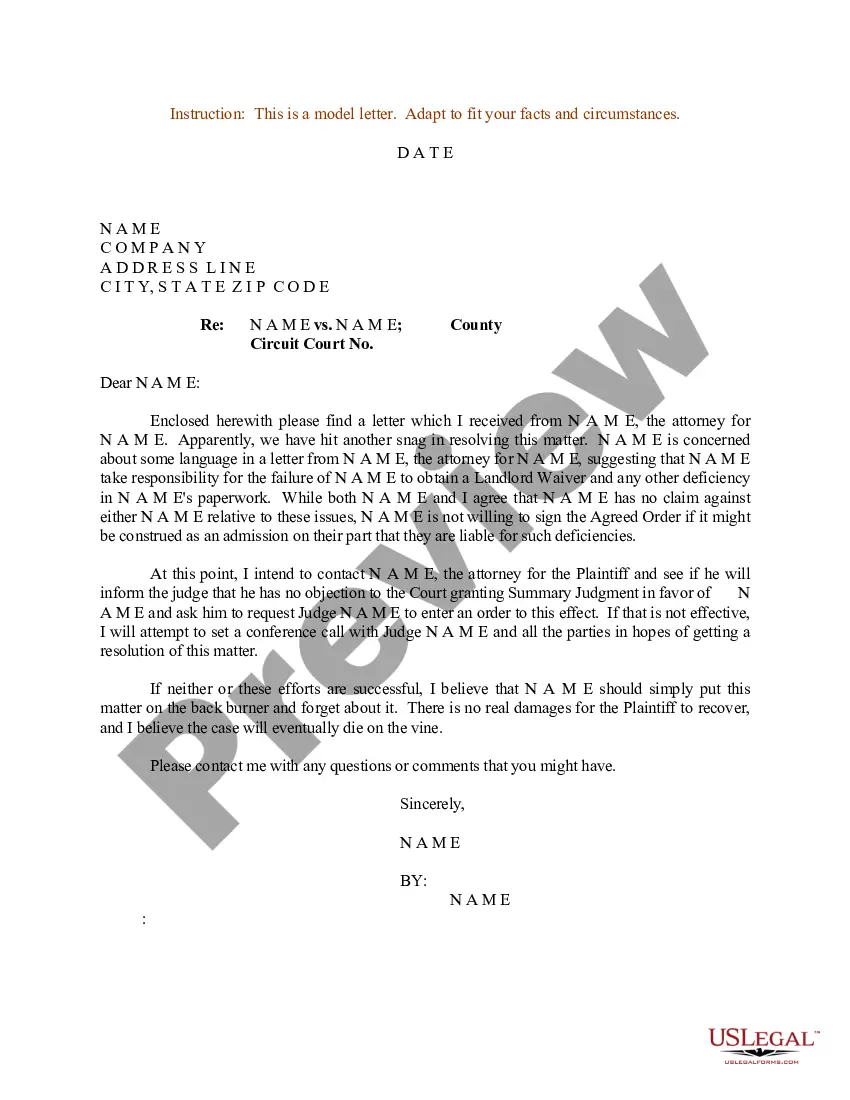
Resolution Letter For Authorized Signatory
Description
Get your form ready online
Our built-in tools help you complete, sign, share, and store your documents in one place.
Make edits, fill in missing information, and update formatting in US Legal Forms—just like you would in MS Word.
Download a copy, print it, send it by email, or mail it via USPS—whatever works best for your next step.
Sign and collect signatures with our SignNow integration. Send to multiple recipients, set reminders, and more. Go Premium to unlock E-Sign.
If this form requires notarization, complete it online through a secure video call—no need to meet a notary in person or wait for an appointment.
We protect your documents and personal data by following strict security and privacy standards.

Make edits, fill in missing information, and update formatting in US Legal Forms—just like you would in MS Word.

Download a copy, print it, send it by email, or mail it via USPS—whatever works best for your next step.

Sign and collect signatures with our SignNow integration. Send to multiple recipients, set reminders, and more. Go Premium to unlock E-Sign.

If this form requires notarization, complete it online through a secure video call—no need to meet a notary in person or wait for an appointment.

We protect your documents and personal data by following strict security and privacy standards.
Looking for another form?
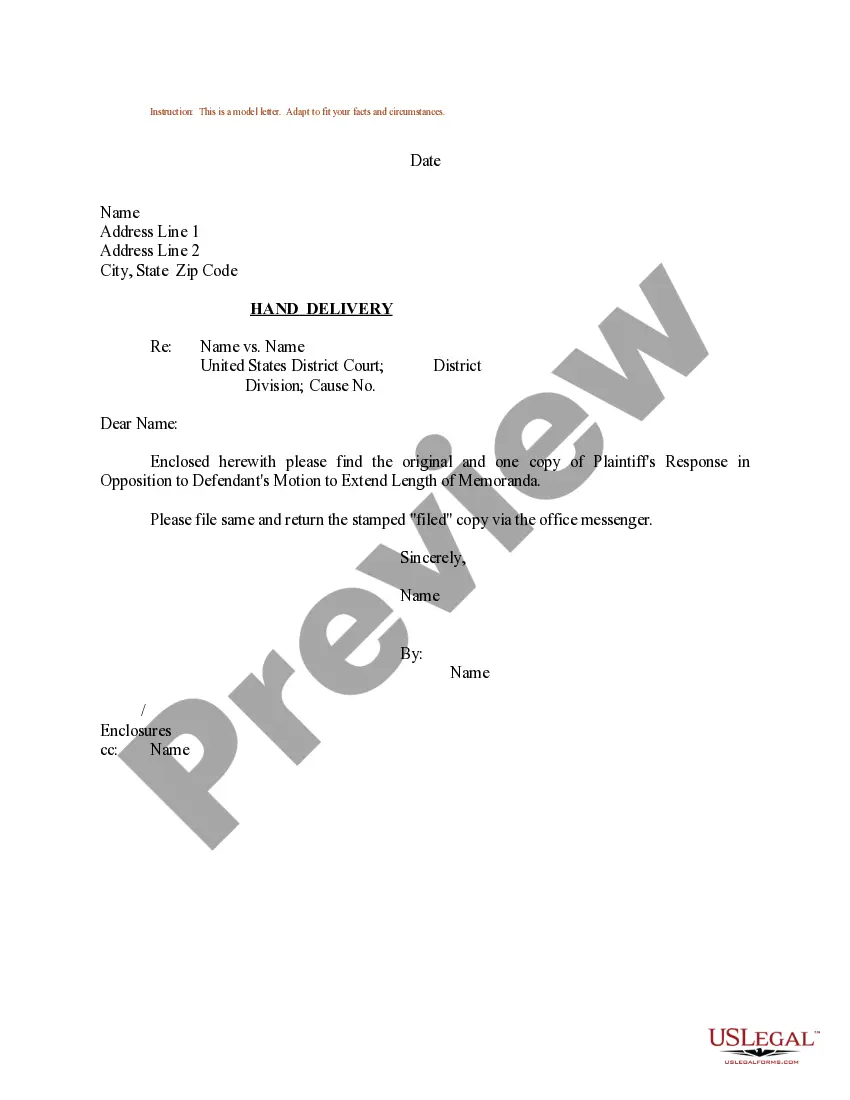
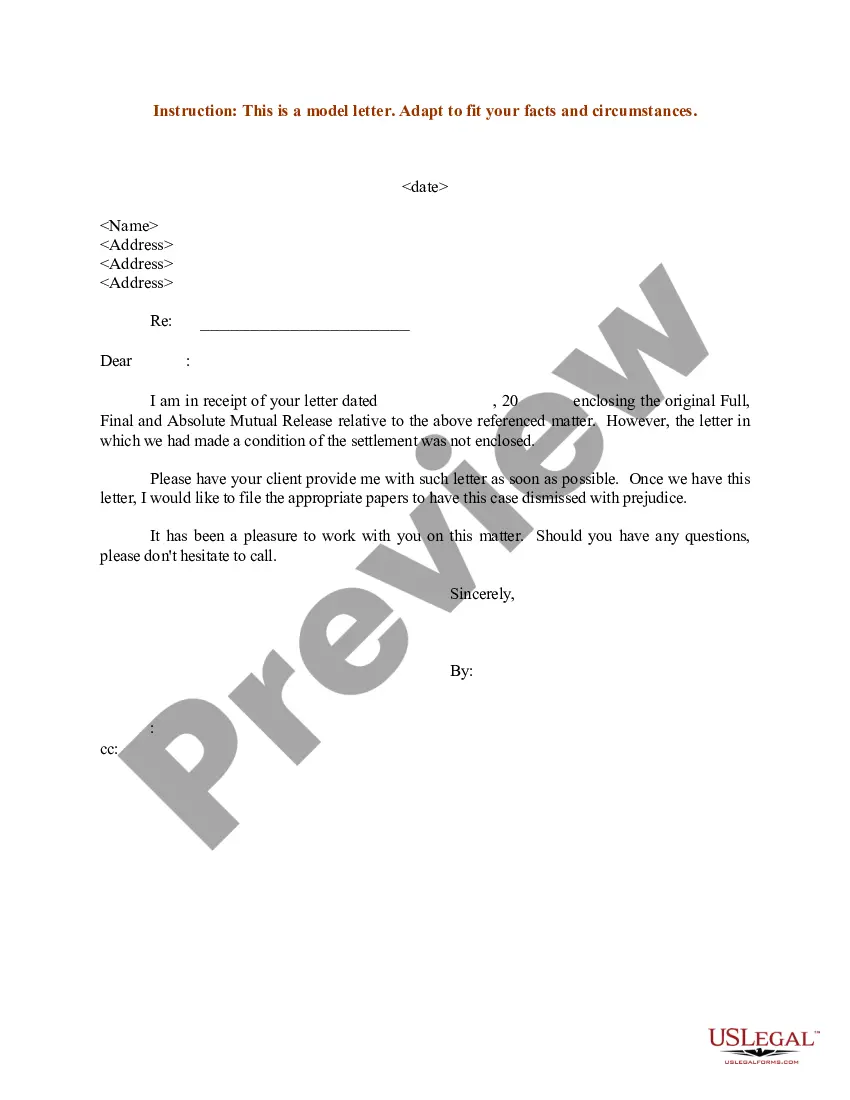
How to fill out Sample Letter For Resolution Of Matter?
The Authorization Letter for Designated Signatory presented on this page is a reusable legal document crafted by expert attorneys in compliance with national and local laws.
For over 25 years, US Legal Forms has delivered individuals, businesses, and legal professionals with more than 85,000 confirmed, state-specific documents for any personal and business necessity. It’s the fastest, easiest, and most reliable method to acquire the forms you require, as the service ensures bank-level data protection and anti-malware safeguards.
Select the format you prefer for your Authorization Letter for Designated Signatory (PDF, DOCX, RTF) and store the document on your device.
- Search for the document you require and examine it.
- Browse the file you looked for and view it or read the form description to confirm it meets your requirements. If it does not, use the search bar to locate the right one. Click 'Purchase Now' once you have identified the template you need.
- Register and Log In to your account.
- Choose the subscription plan that best fits you and create an account. Utilize PayPal or a credit card for a swift transaction. If you already possess an account, Log In and verify your subscription to continue.
- Obtain the editable template.
Form popularity
FAQ
The resolution for removal of an authorized signatory is a formal document that outlines the decision to remove an individual from their position of authority within an organization. This resolution typically includes details regarding the reasons for removal, the effective date, and signatures from the remaining board members or stakeholders. Becoming familiar with a resolution letter for authorized signatory can ensure clarity and prevent any future disputes. Using platforms like USLegalForms can simplify the process of creating such resolutions accurately and efficiently.
If a non-custodial parent fails to pay child support, they are subject to enforcement measures ing to Alabama law to collect any regular or past-due payments. The court may require employers to deduct child support from the paying noncustodial parent's paycheck through wage withholding.
In addition to garnishment of a parent's sources of income, the failure to make court-ordered child support also constitutes criminal contempt of court. A contempt of court conviction can result in jail time and fines until the parent pays outstanding child support amounts.
Alabama has a statute of limitations for collecting child support payments that are past due. A statute of limitations places a time limit on when the custodial parent can collect payments from the non-custodial parent. In Alabama, this is 20 years.
Civil Contempt ? If a parent does not obey a court order, he or she may be found in contempt of the order. Child Support Enforcement can ask a judge to find a parent in contempt if he or she is 30 days late in support payments or does not comply with the medical support order.
Rule 32(C)(1) provides that the court may use its discretion in determining child support where the combined adjusted gross income is below the lowermost levels or above the uppermost levels of the schedule.
By using Alabama Divorce Online you are assured that you receive complete and legally accurate case documents that you can use to finalize (complete) your uncontested divorce case.
Termination of Child Support. Generally speaking, child support obligations in Alabama will be owed until the child reaches the age of 19. That is considered the age of majority in this state.
The penalties may include: Garnishing wages. Intercepting unemployment insurance. Intercepting tax return.