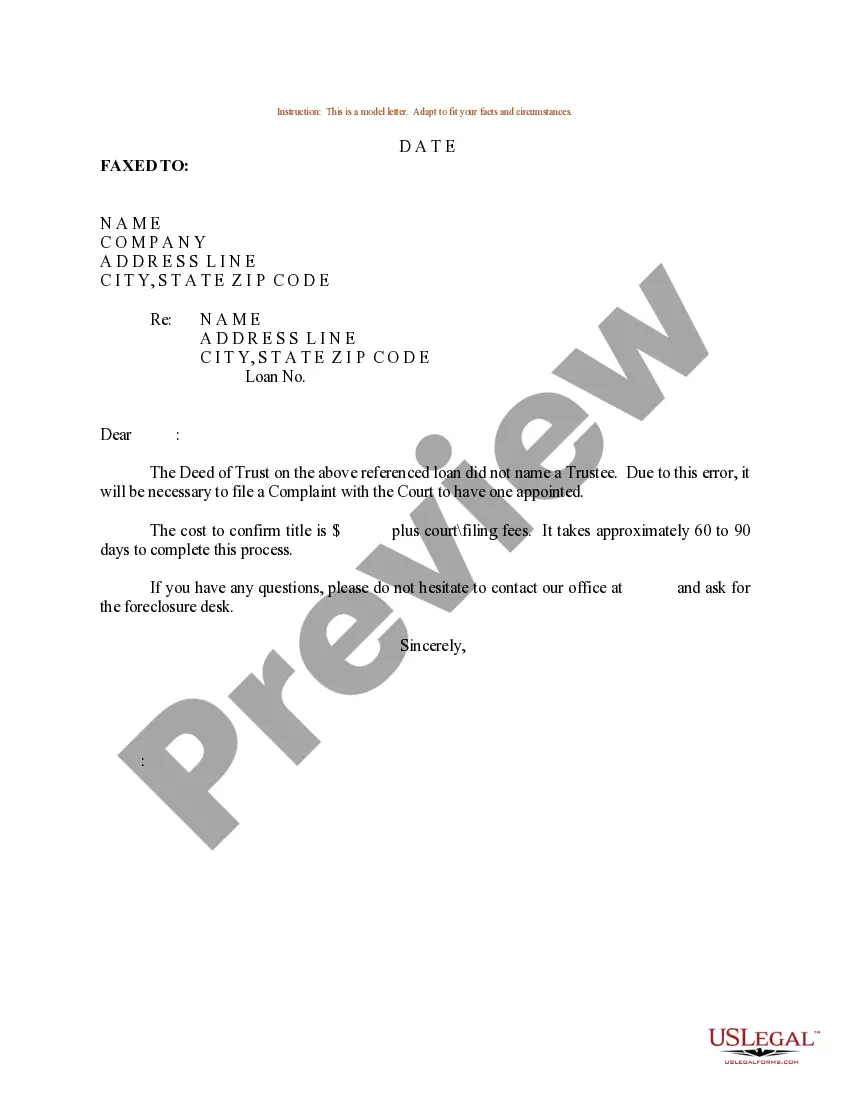
Naming A Trustee For Minor Beneficiary
Description
Get your form ready online
Our built-in tools help you complete, sign, share, and store your documents in one place.
Make edits, fill in missing information, and update formatting in US Legal Forms—just like you would in MS Word.
Download a copy, print it, send it by email, or mail it via USPS—whatever works best for your next step.
Sign and collect signatures with our SignNow integration. Send to multiple recipients, set reminders, and more. Go Premium to unlock E-Sign.
If this form requires notarization, complete it online through a secure video call—no need to meet a notary in person or wait for an appointment.
We protect your documents and personal data by following strict security and privacy standards.

Make edits, fill in missing information, and update formatting in US Legal Forms—just like you would in MS Word.

Download a copy, print it, send it by email, or mail it via USPS—whatever works best for your next step.

Sign and collect signatures with our SignNow integration. Send to multiple recipients, set reminders, and more. Go Premium to unlock E-Sign.

If this form requires notarization, complete it online through a secure video call—no need to meet a notary in person or wait for an appointment.

We protect your documents and personal data by following strict security and privacy standards.
Looking for another form?
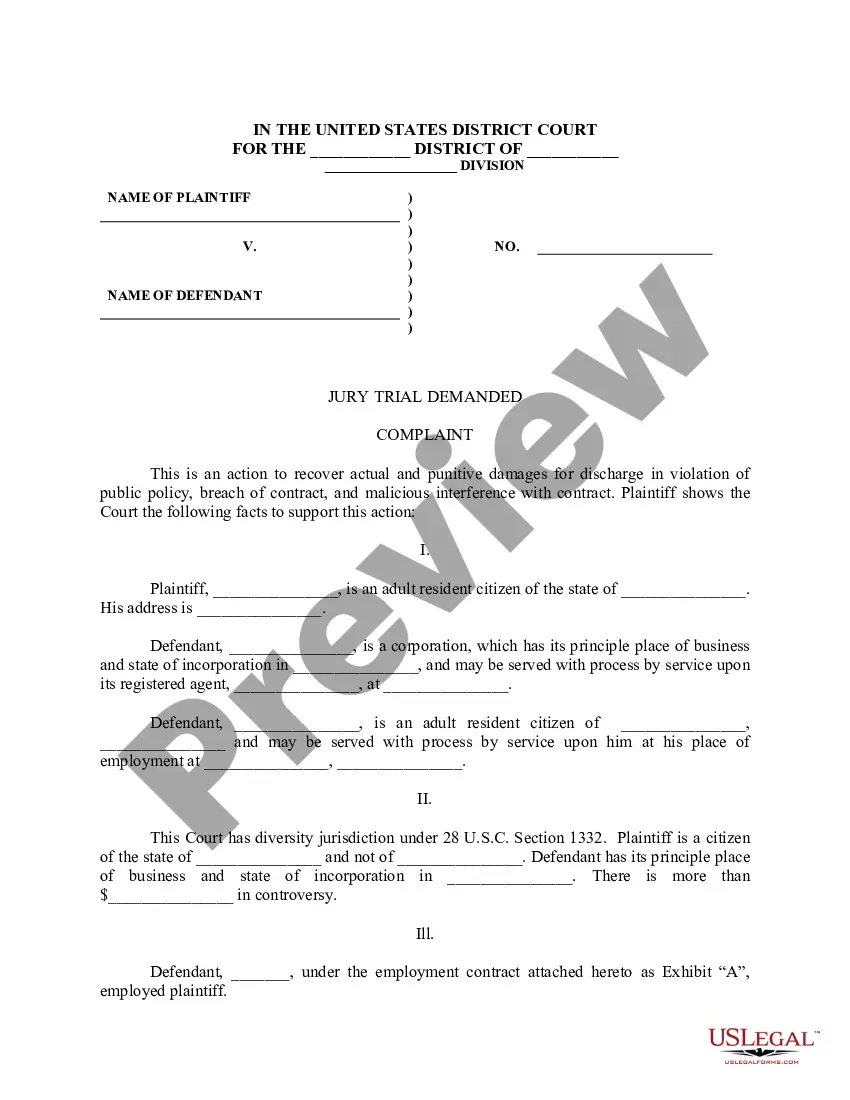
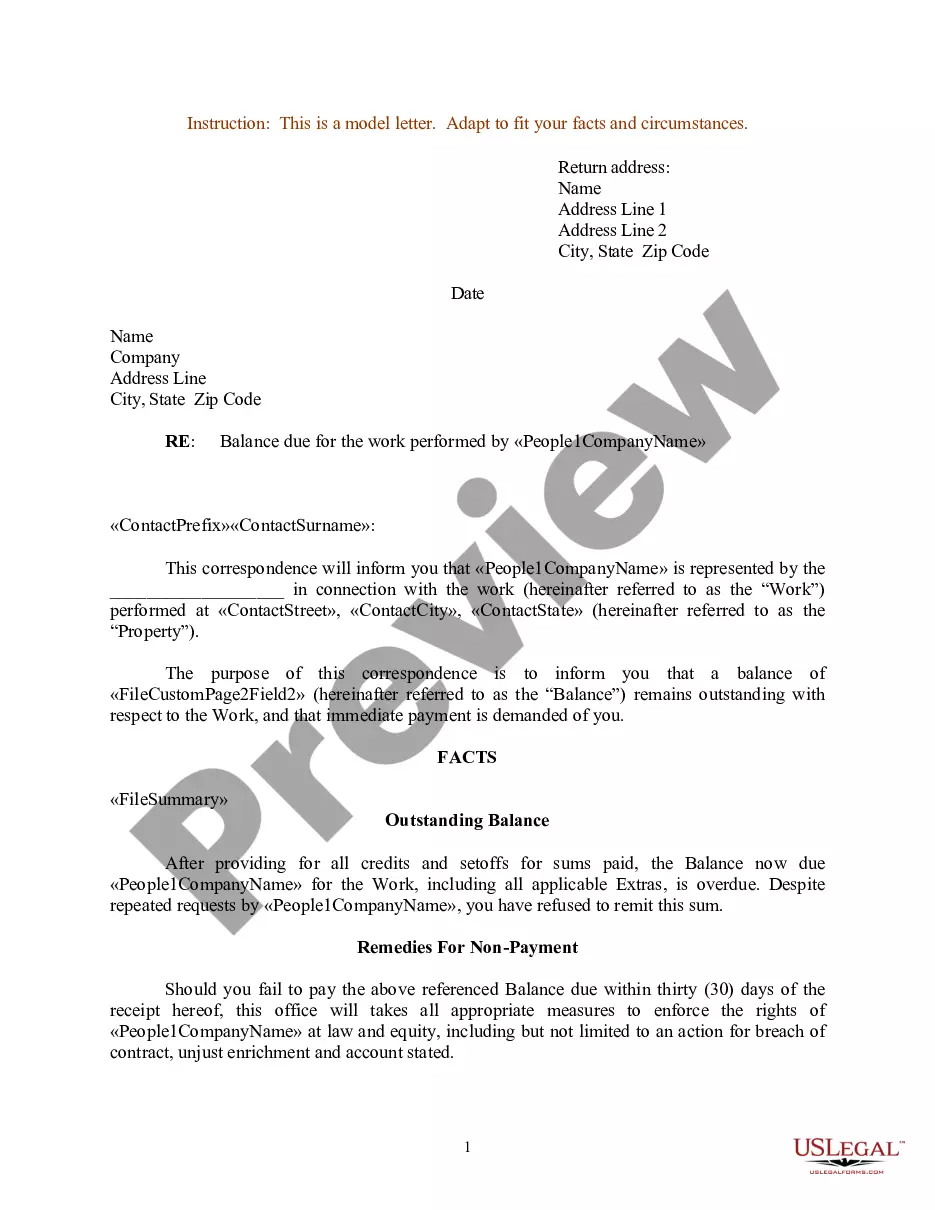
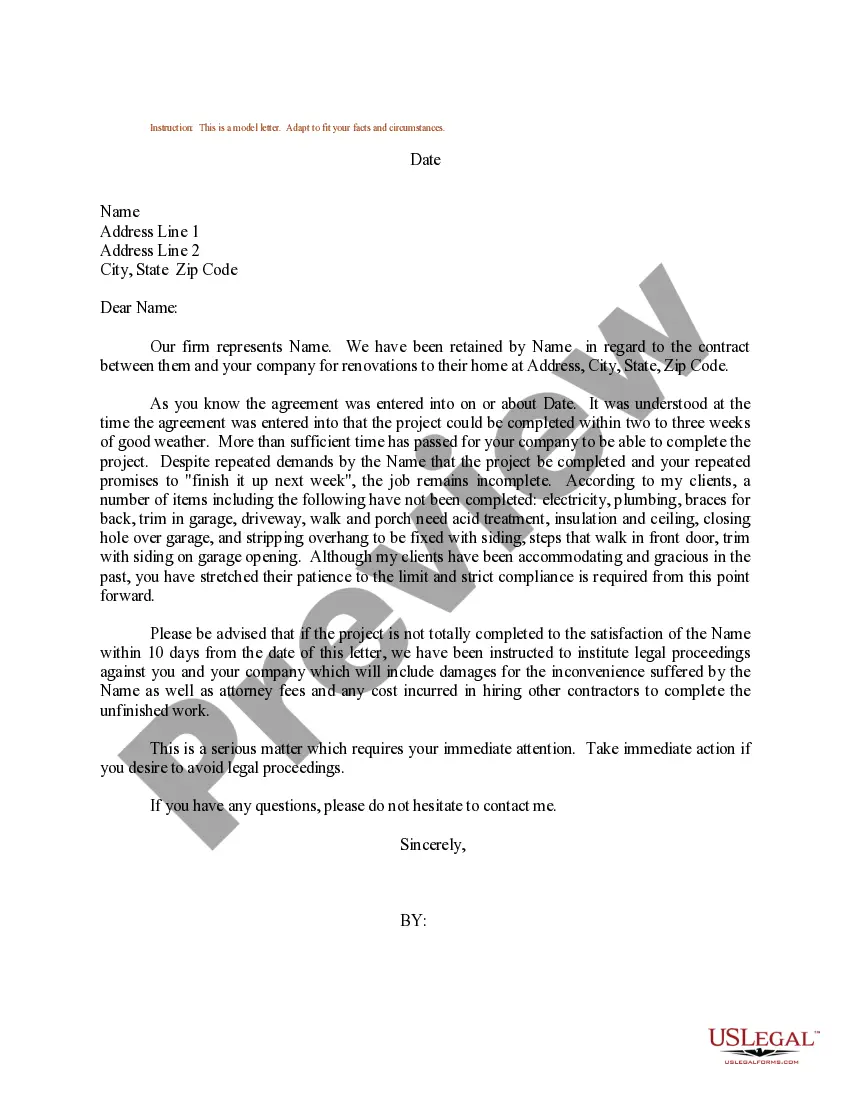
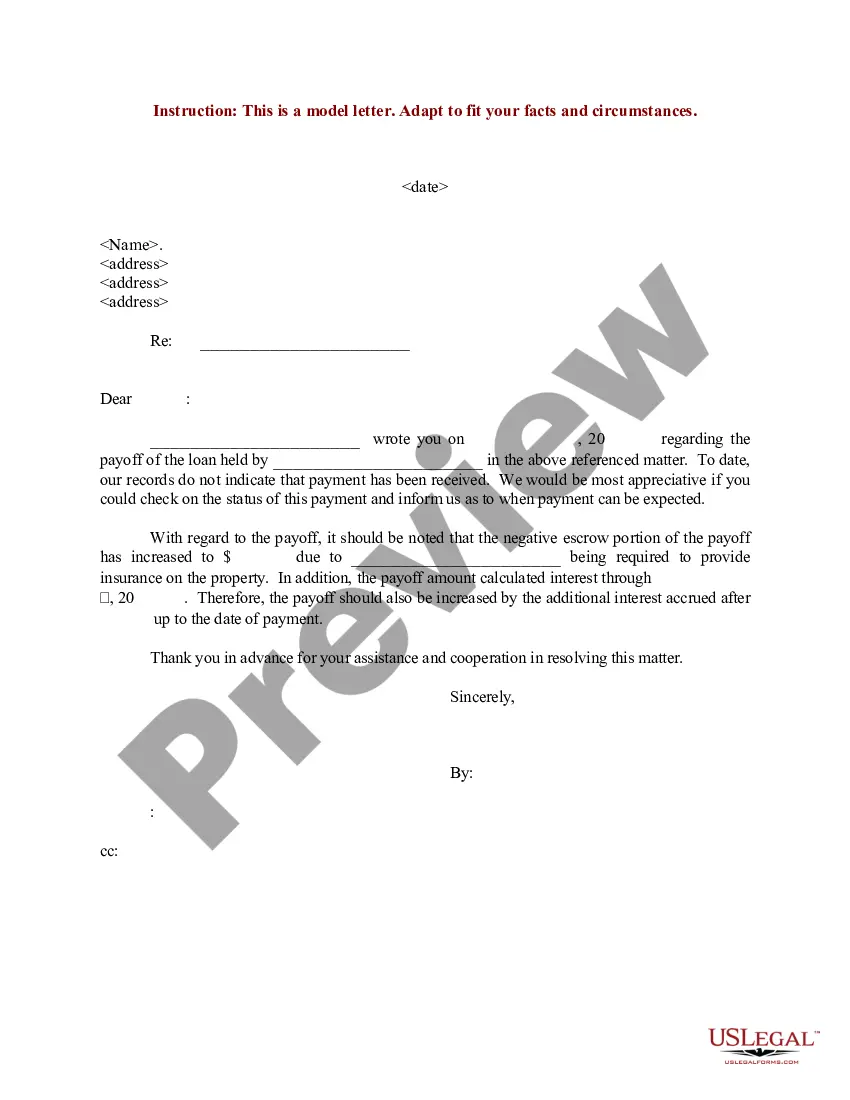
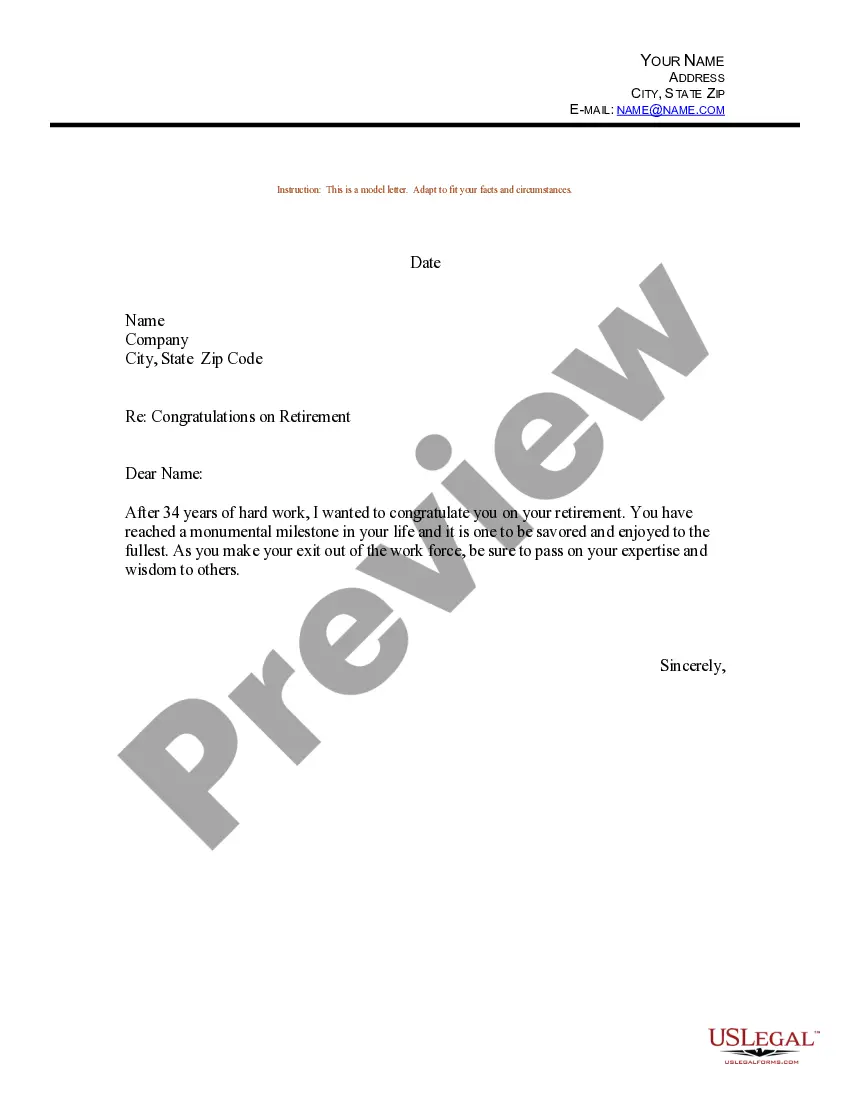
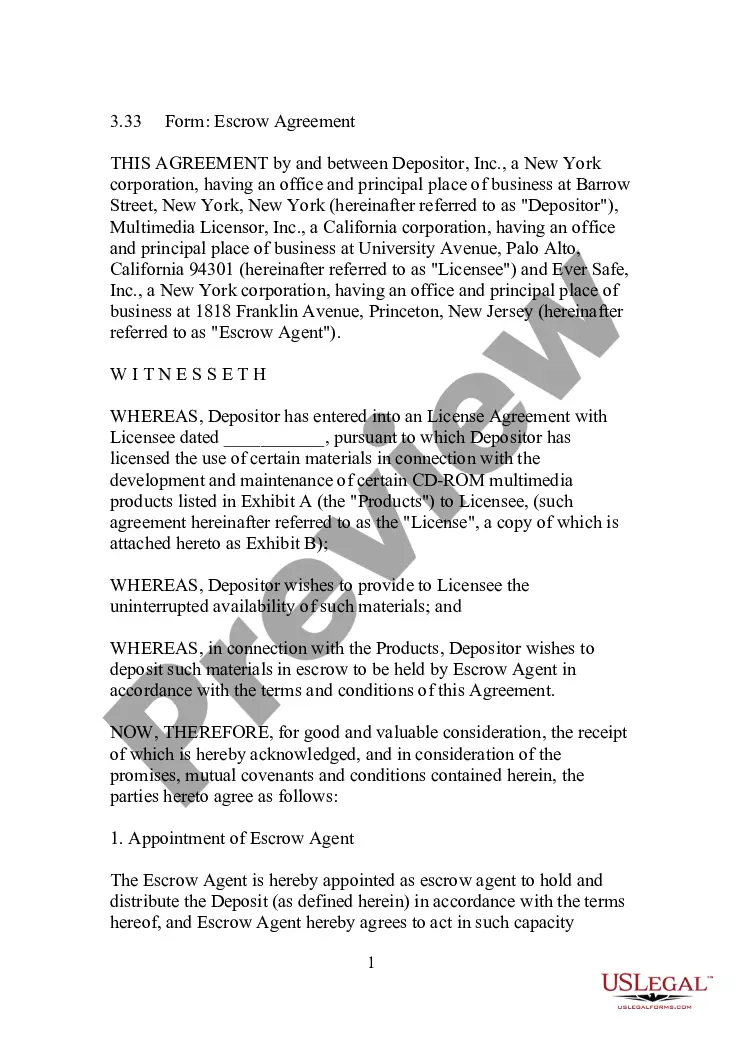
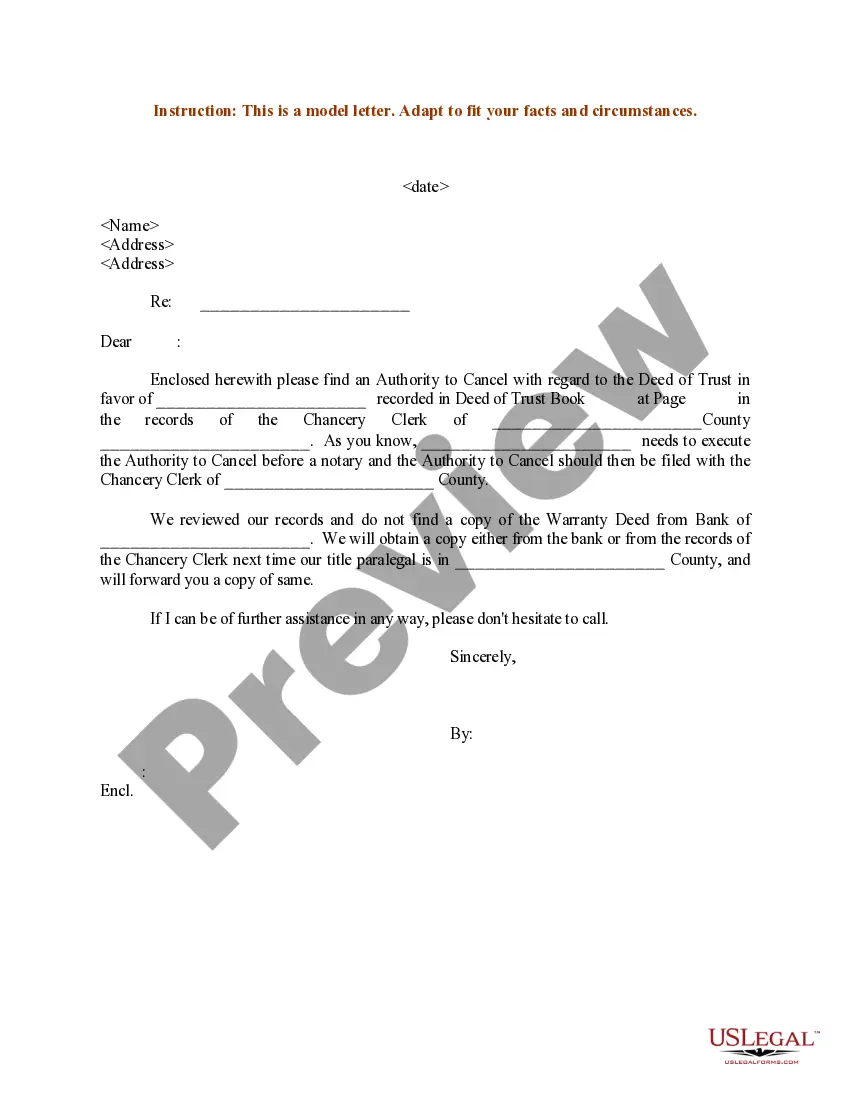
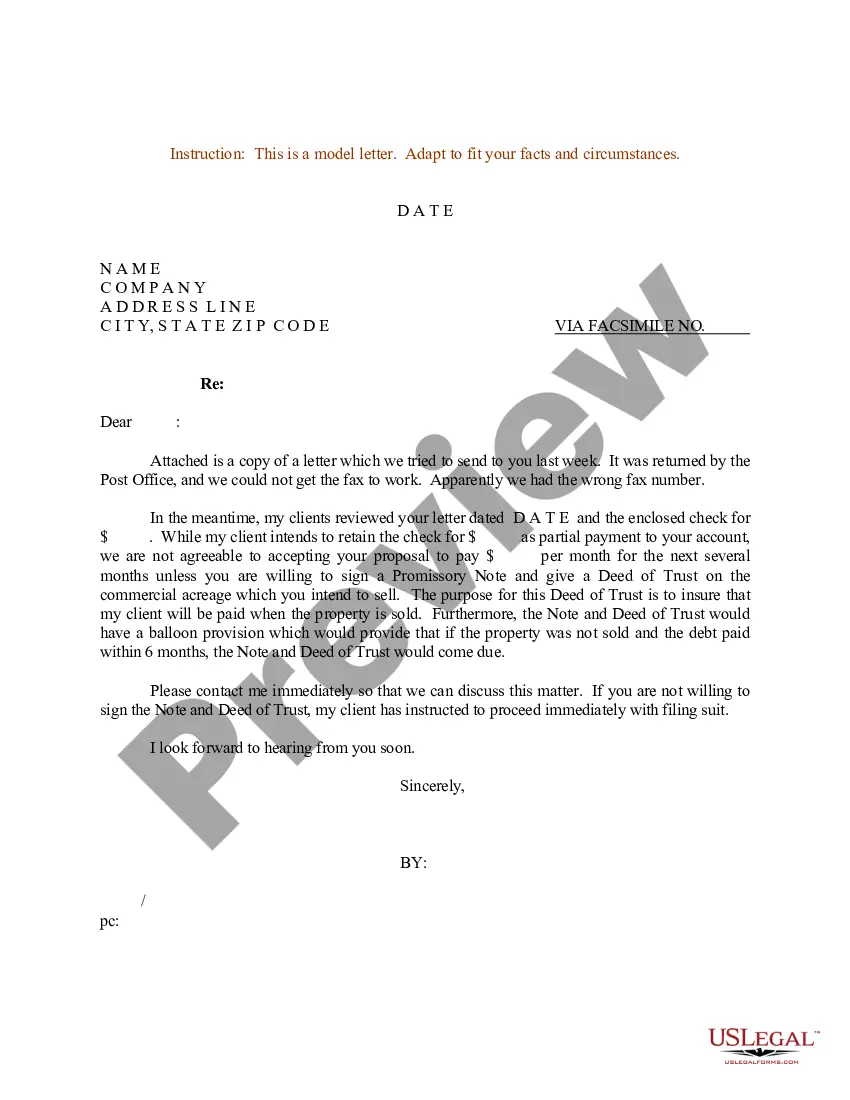
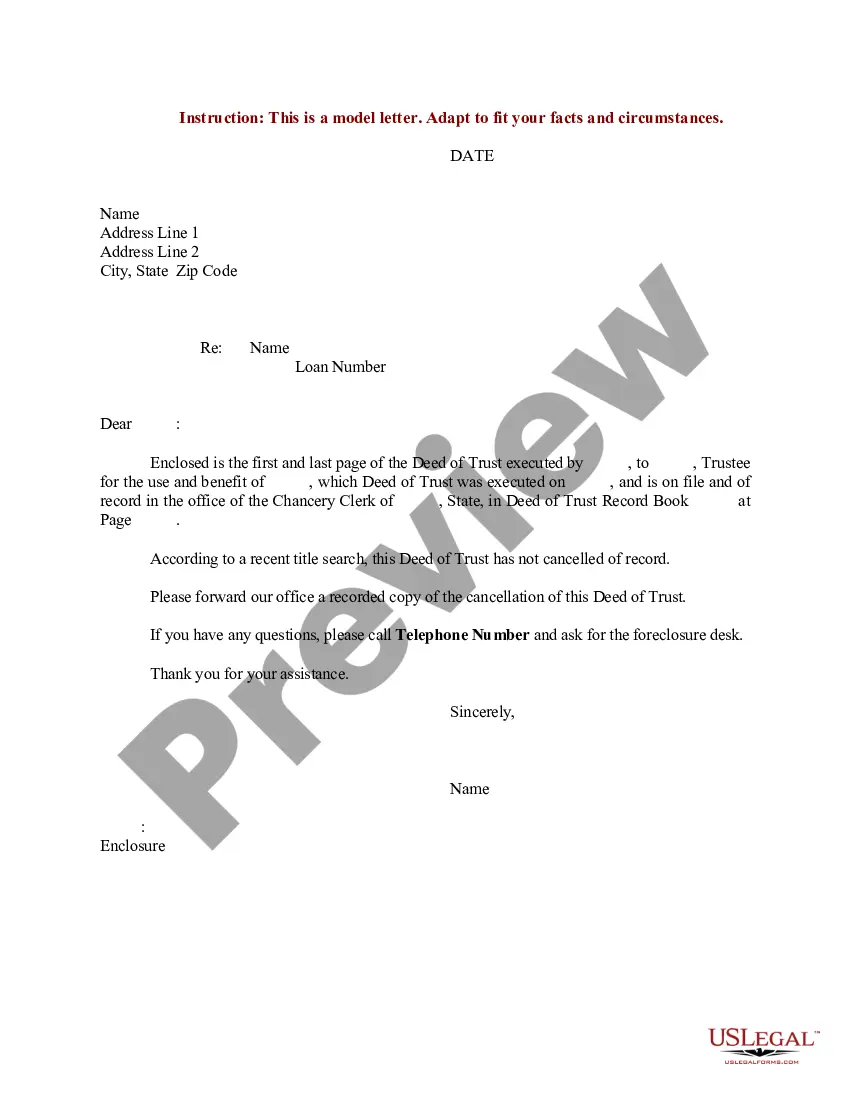
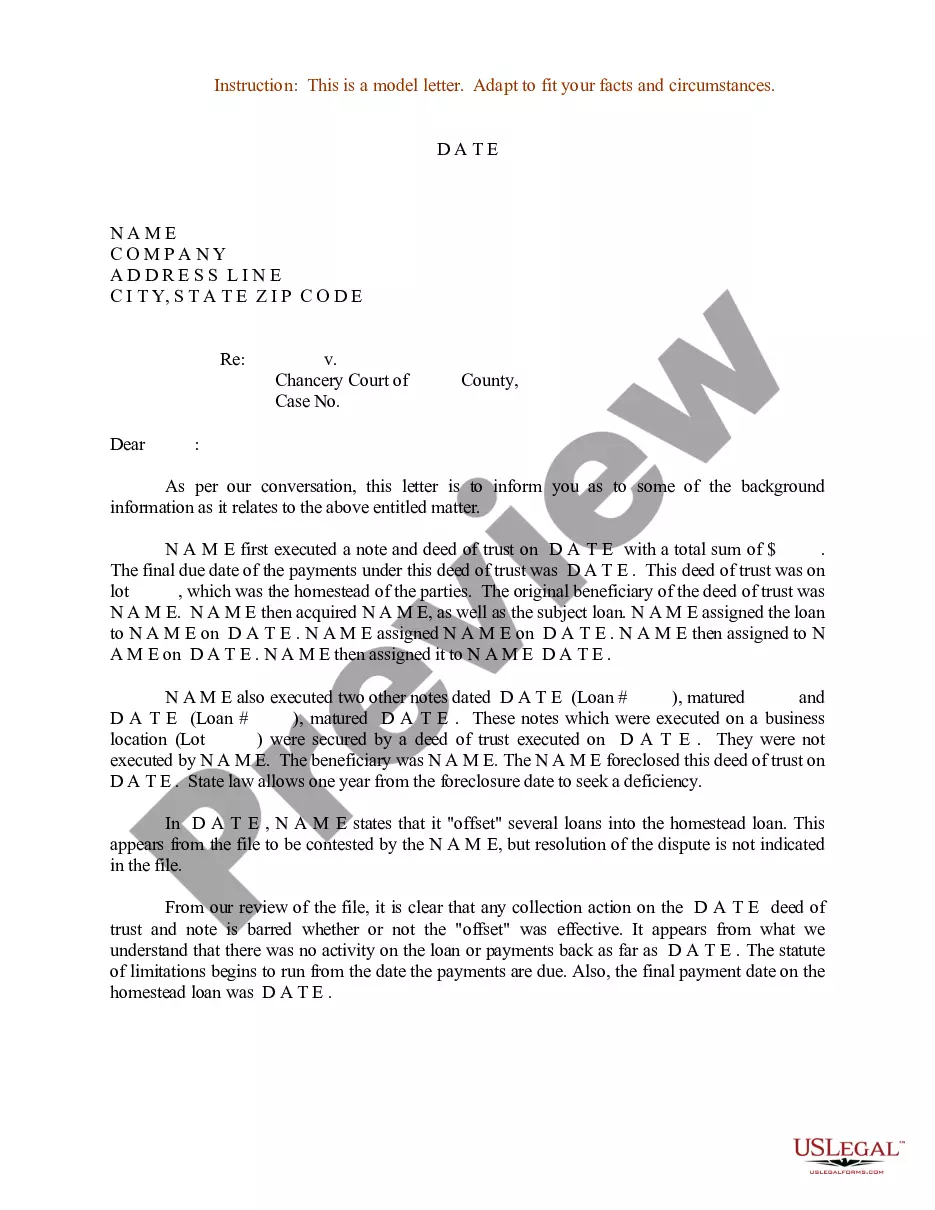
How to fill out Sample Letter For Naming A Trustee To A Deed Of Trust?
Utilizing legal templates that comply with federal and local regulations is essential, and the internet provides numerous choices available.
However, what’s the benefit of squandering time looking for the suitable Naming A Trustee For Minor Beneficiary example online when the US Legal Forms digital library already contains such templates consolidated in one location.
US Legal Forms is the largest online legal repository with more than 85,000 fillable templates created by lawyers for any professional and personal circumstances.
Review the template using the Preview feature or through the text outline to verify it fulfills your needs.
- They are simple to navigate with all documents organized by state and intended use.
- Our experts stay updated with legal modifications, ensuring your documentation remains timely and compliant when acquiring a Naming A Trustee For Minor Beneficiary from our platform.
- Acquiring a Naming A Trustee For Minor Beneficiary is straightforward and quick for both existing and new users.
- If you possess an account with an active subscription, Log In and save the document template you require in your desired format.
- If you are a newcomer to our site, follow the steps below.
Form popularity
FAQ
Do you have a contingent beneficiary in mind if you decide to name your child/children as your primary beneficiaries? Remember that you always want to name contingent beneficiaries so your estate isn't tied up in probate if your primary beneficiary isn't able to receive assets for any reason.
You can establish a life insurance trust for the benefit of a minor child. In this scenario, you choose the trustee ? a trusted relative, partner, friend, legal representative, or other adult ? and set the terms for managing the funds on behalf of your child until they turn 18 or 21, depending on your state.
You can name a legal minor as the beneficiary of a trust. That's particularly important because, if you want to leave assets to a minor, a trust is how you'll do it.
Name only living persons as beneficiaries, unless you are naming a trust, your estate or an organization. Do not name the same person or organization as both a primary and secondary beneficiary. Do not use the word ?or? when designating multiple beneficiaries. Do not impose any conditions on payment.
You can name a legal minor as the beneficiary of a trust. That's particularly important because, if you want to leave assets to a minor, a trust is how you'll do it.