Foreclosure Letters To Homeowners
Description
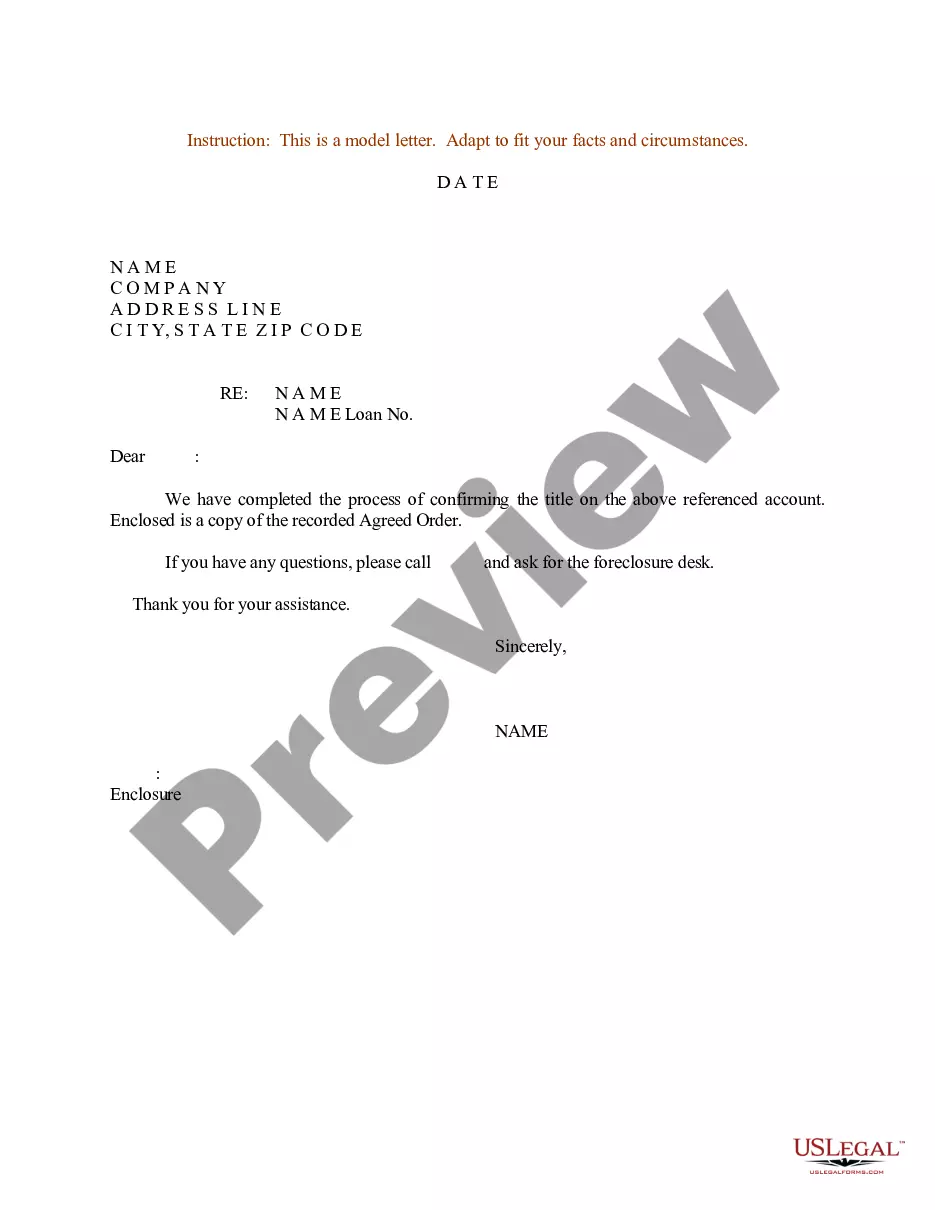
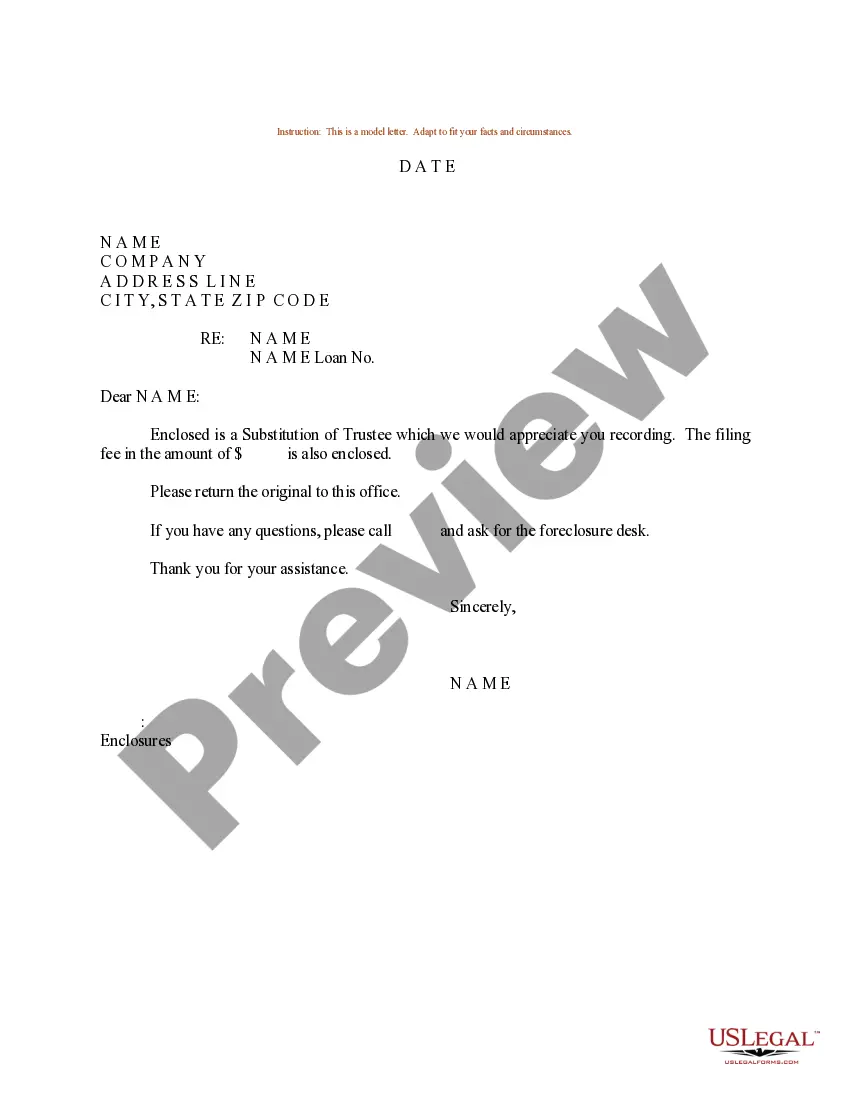
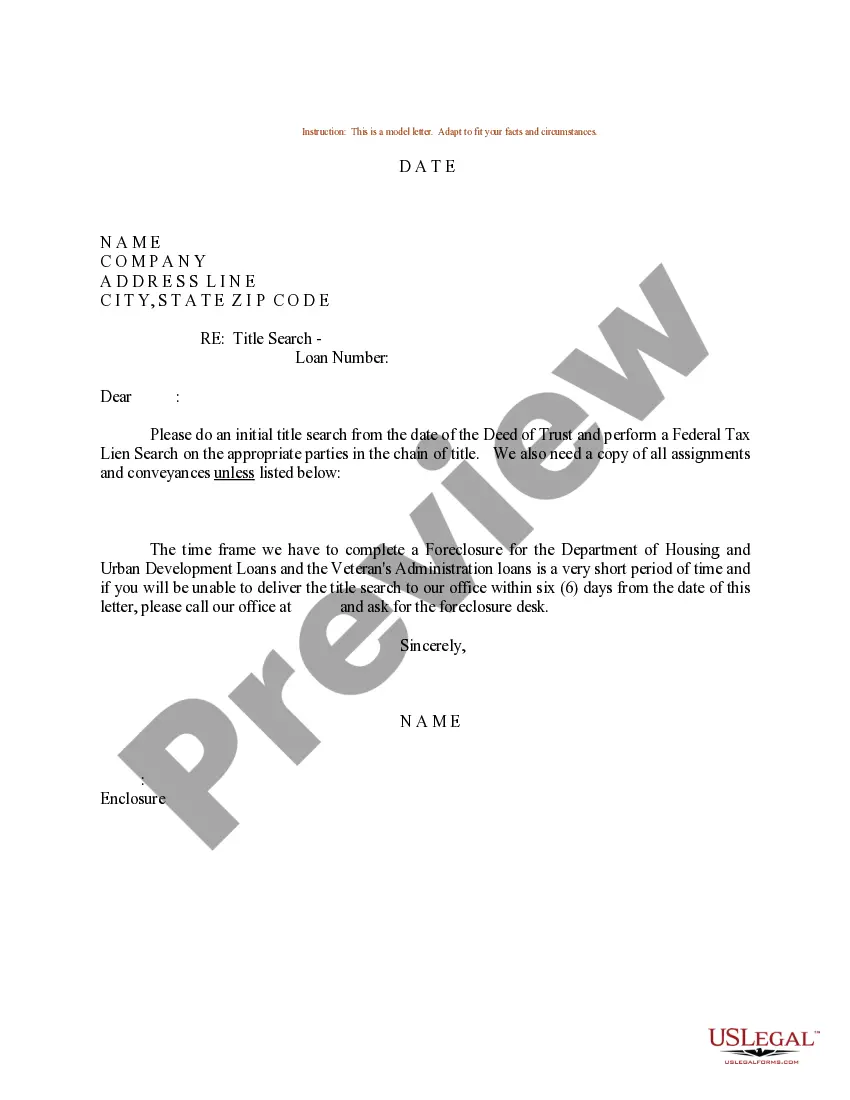
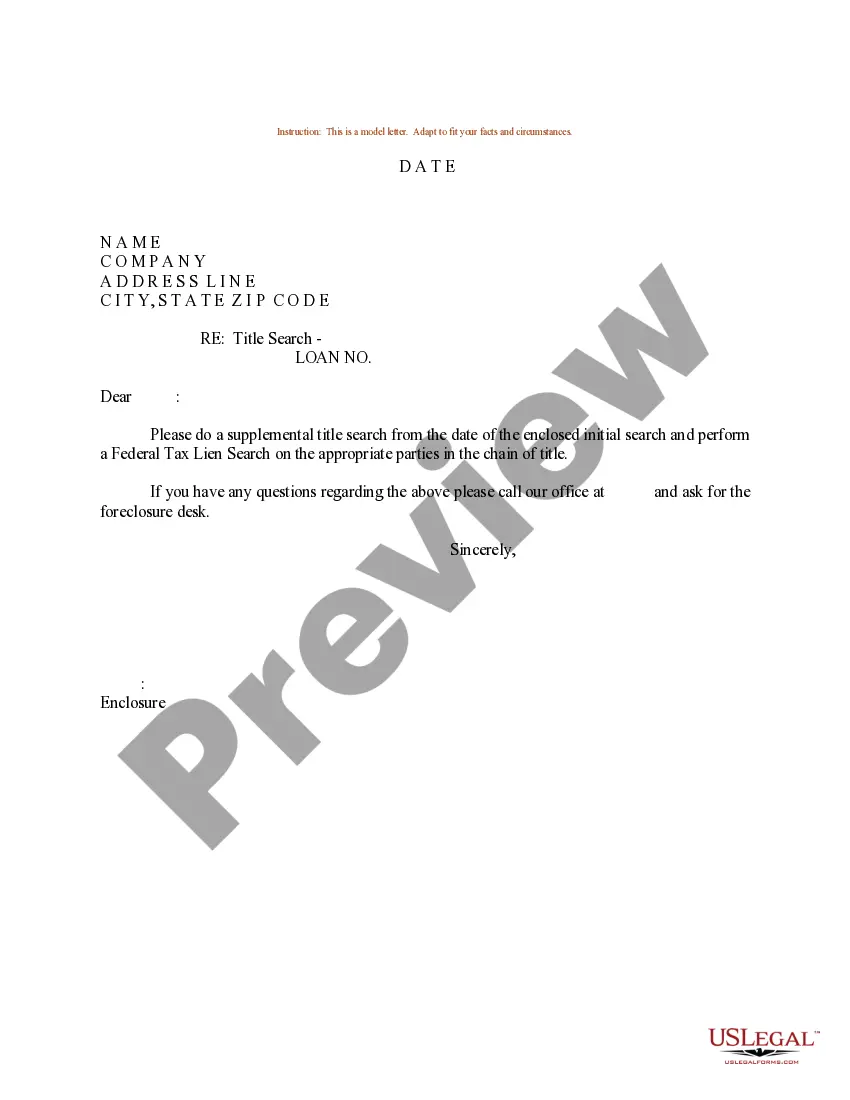
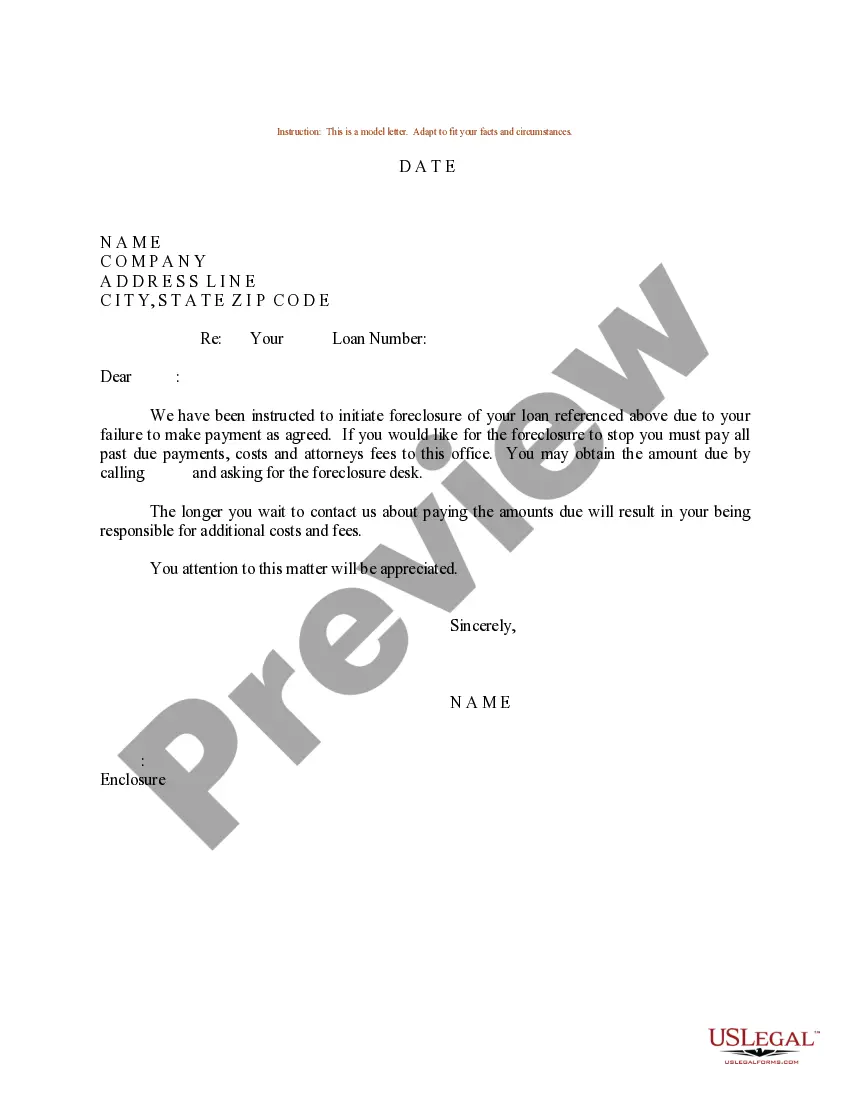
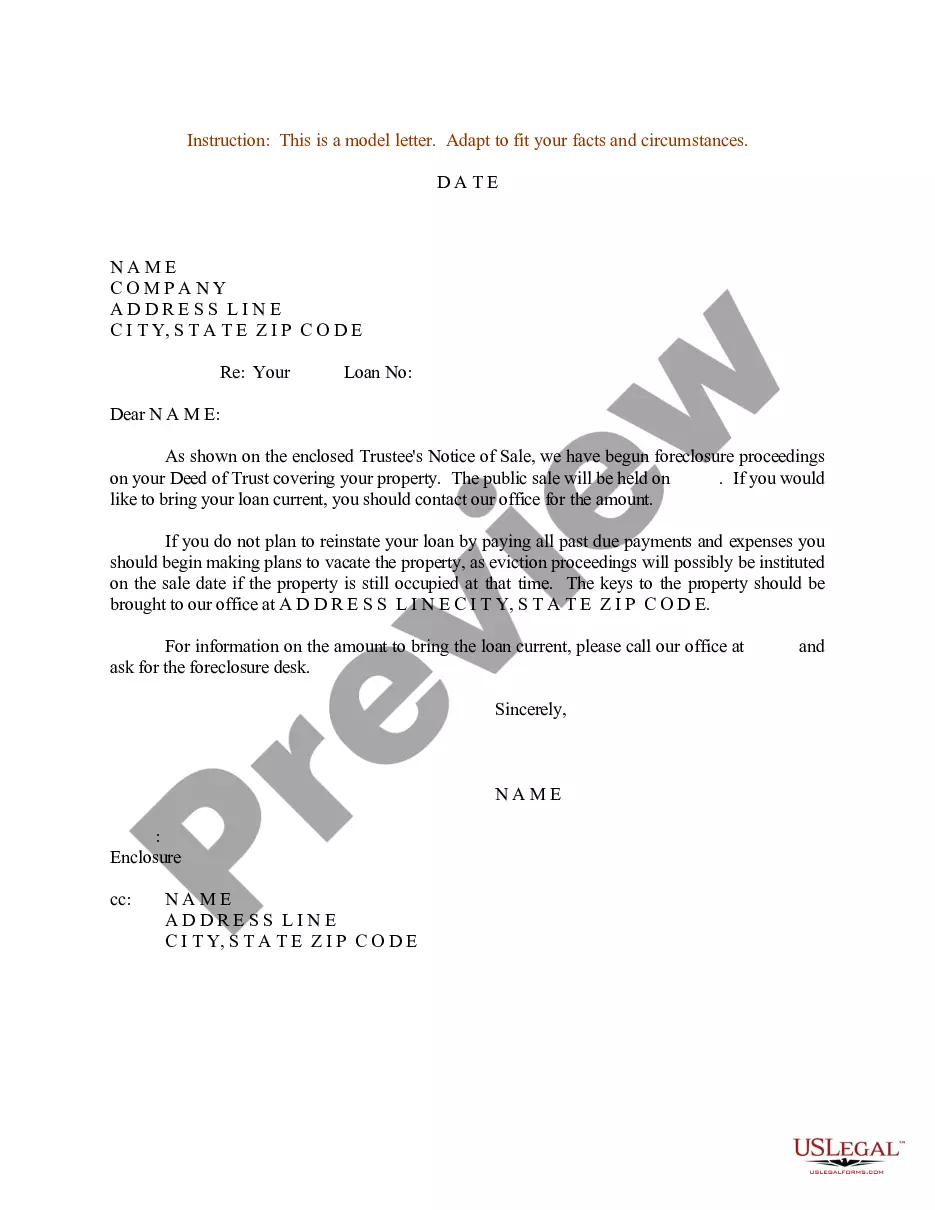
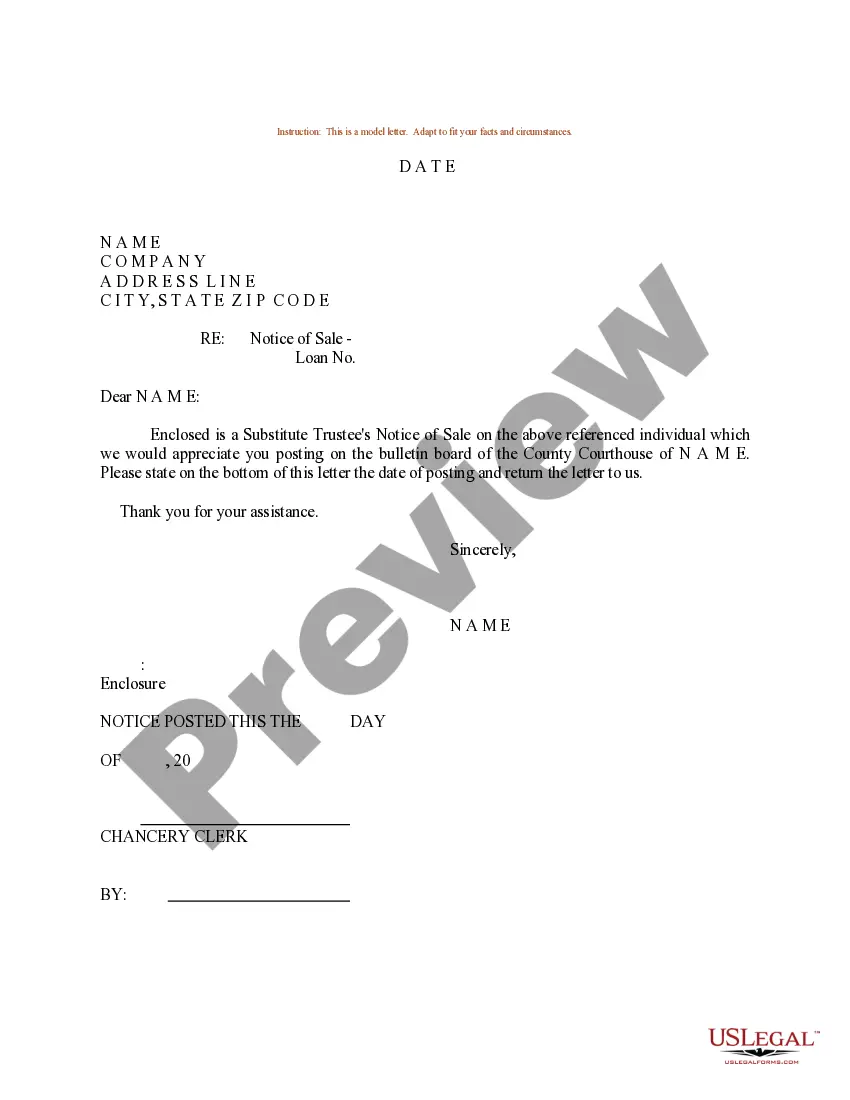
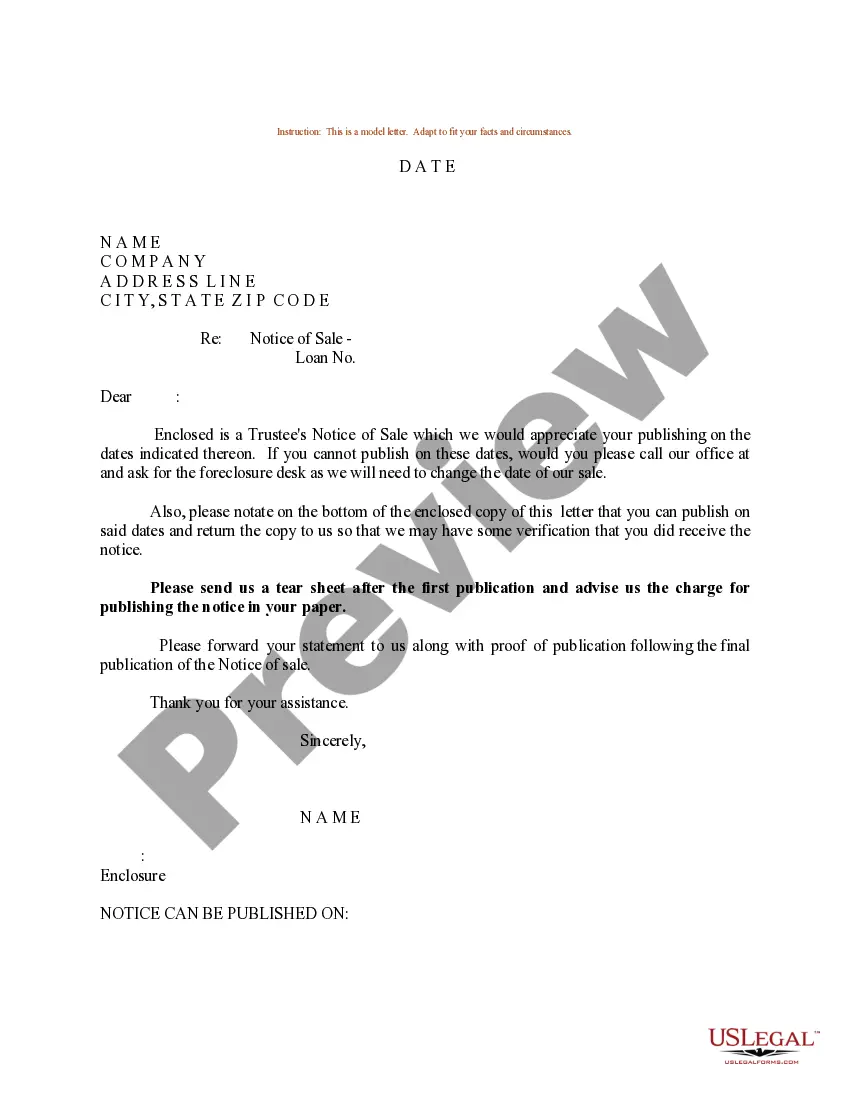
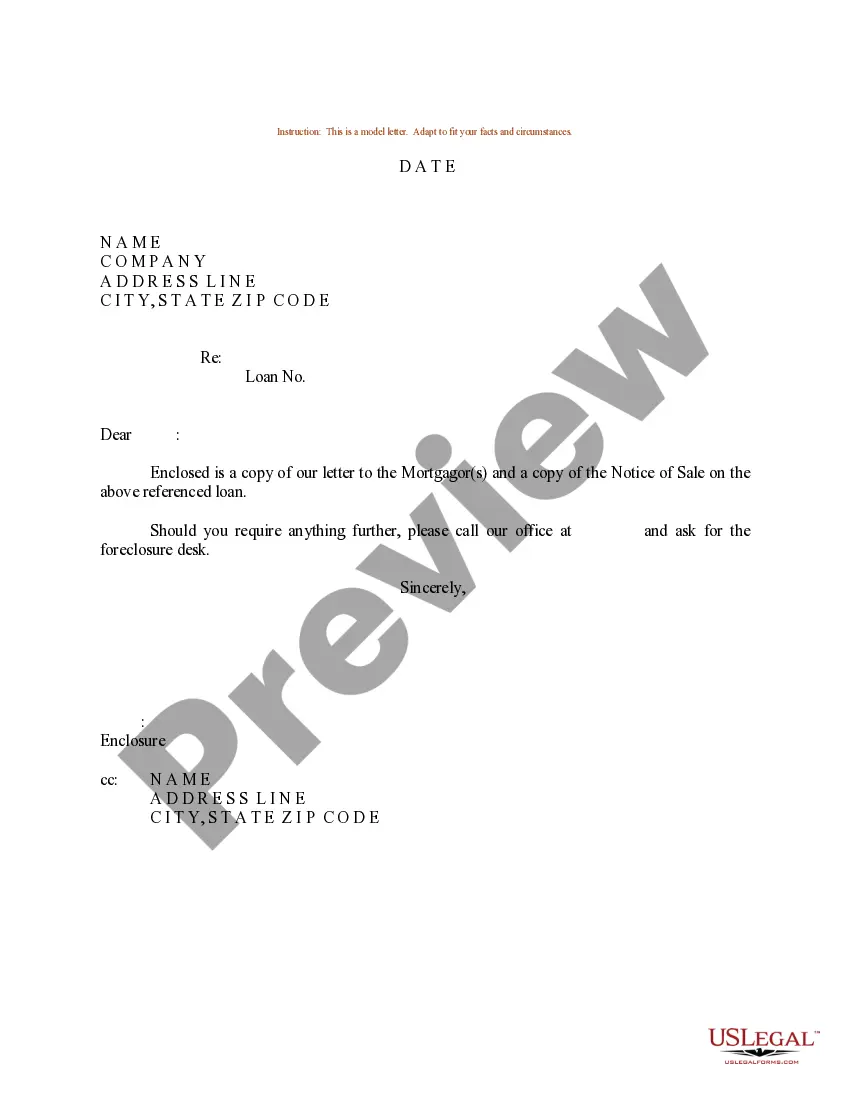
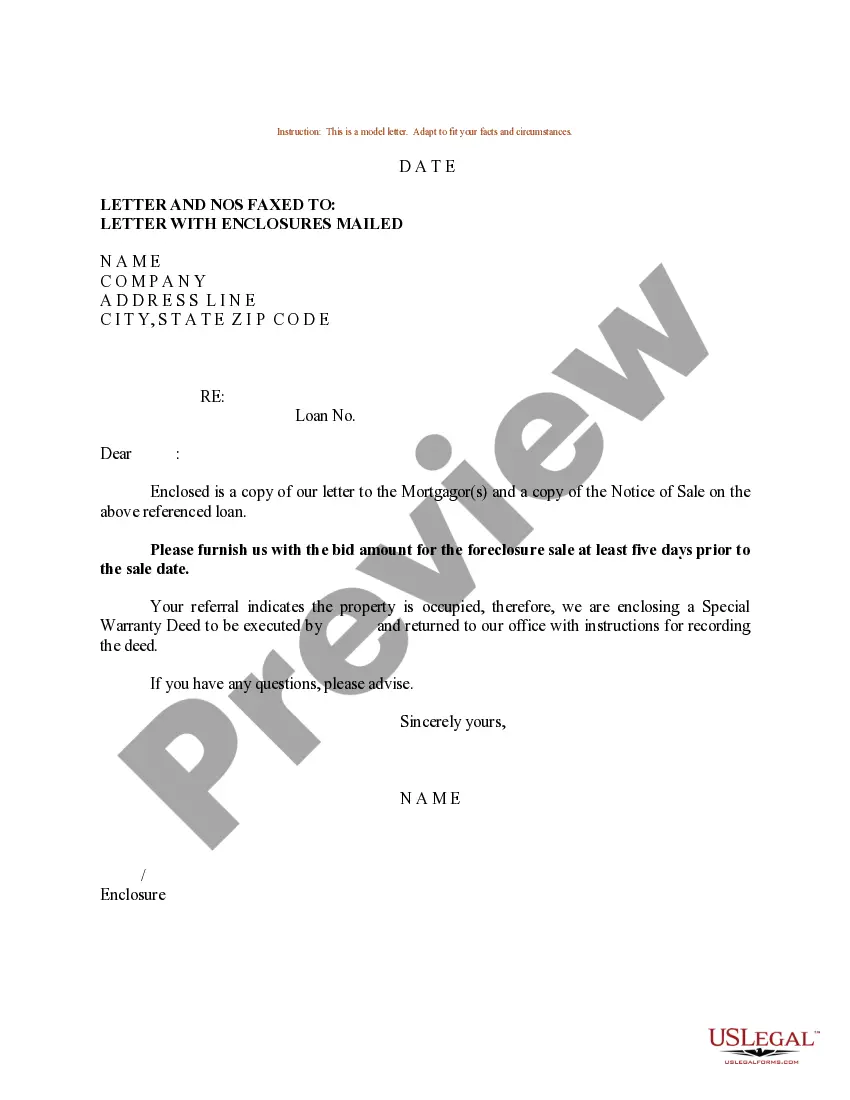

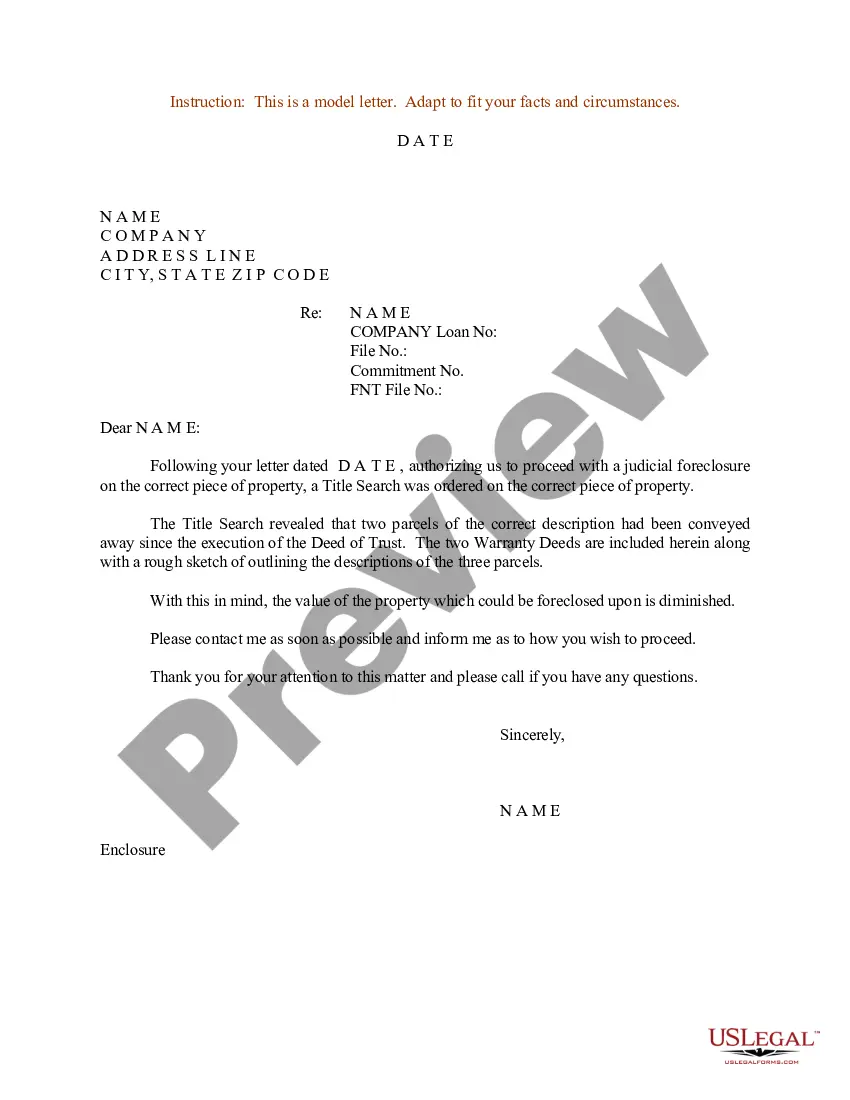
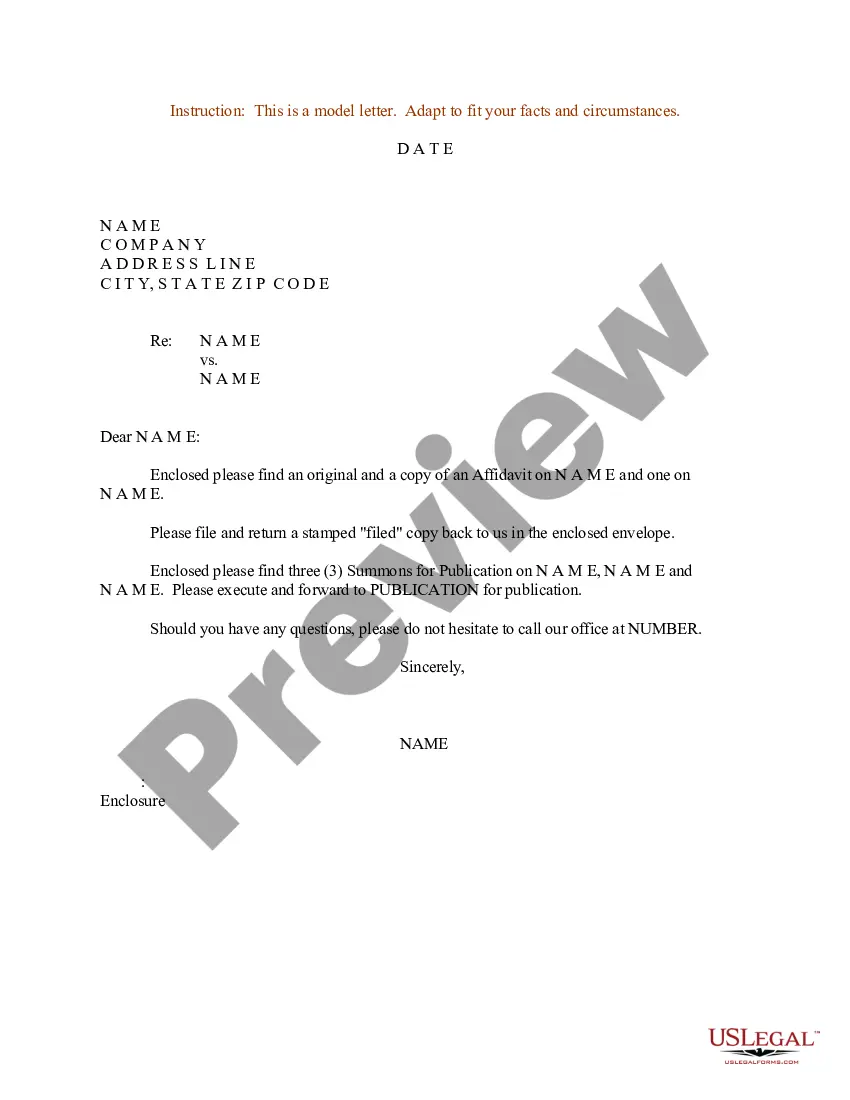
Get your form ready online
Our built-in tools help you complete, sign, share, and store your documents in one place.
Make edits, fill in missing information, and update formatting in US Legal Forms—just like you would in MS Word.
Download a copy, print it, send it by email, or mail it via USPS—whatever works best for your next step.
Sign and collect signatures with our SignNow integration. Send to multiple recipients, set reminders, and more. Go Premium to unlock E-Sign.
If this form requires notarization, complete it online through a secure video call—no need to meet a notary in person or wait for an appointment.
We protect your documents and personal data by following strict security and privacy standards.

Make edits, fill in missing information, and update formatting in US Legal Forms—just like you would in MS Word.

Download a copy, print it, send it by email, or mail it via USPS—whatever works best for your next step.

Sign and collect signatures with our SignNow integration. Send to multiple recipients, set reminders, and more. Go Premium to unlock E-Sign.

If this form requires notarization, complete it online through a secure video call—no need to meet a notary in person or wait for an appointment.

We protect your documents and personal data by following strict security and privacy standards.
Looking for another form?
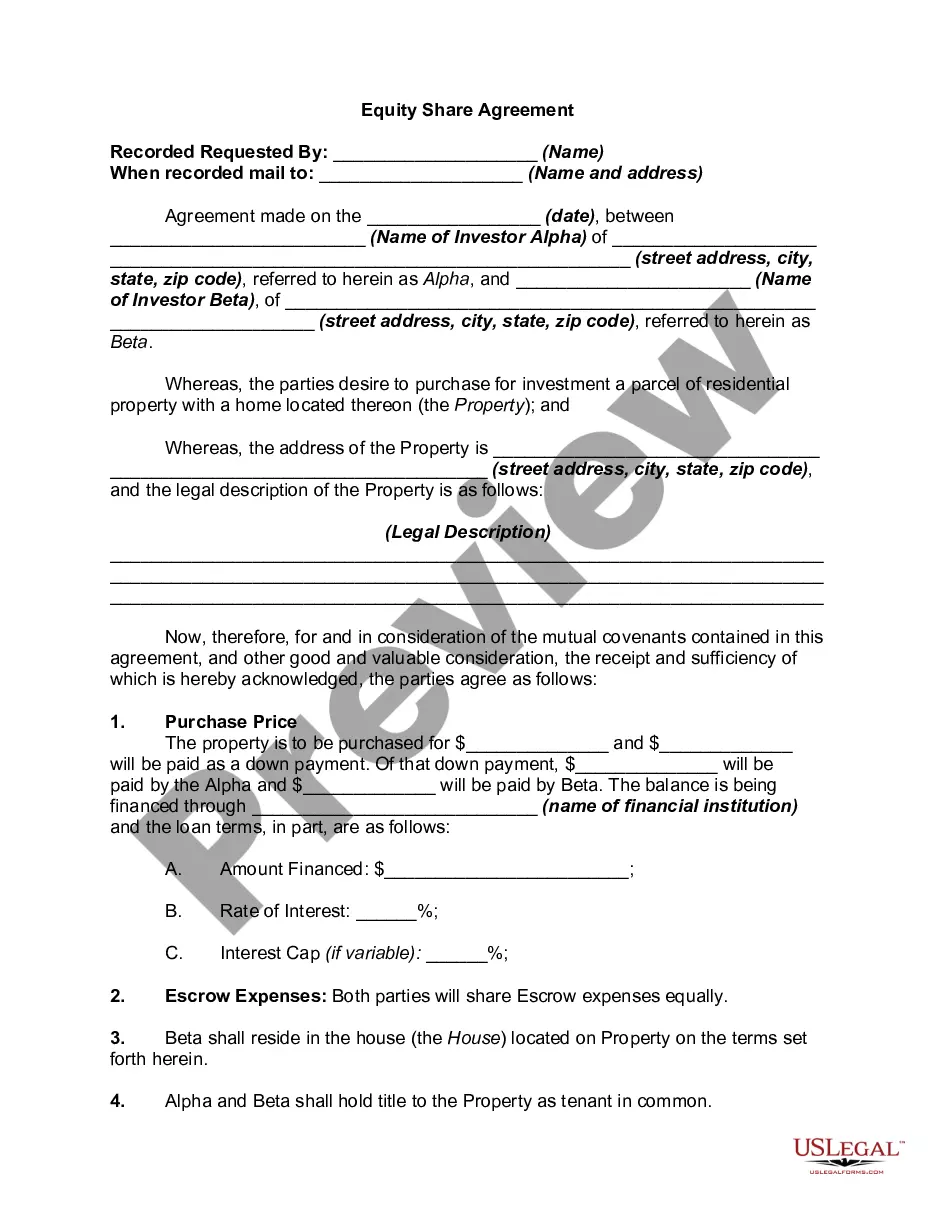
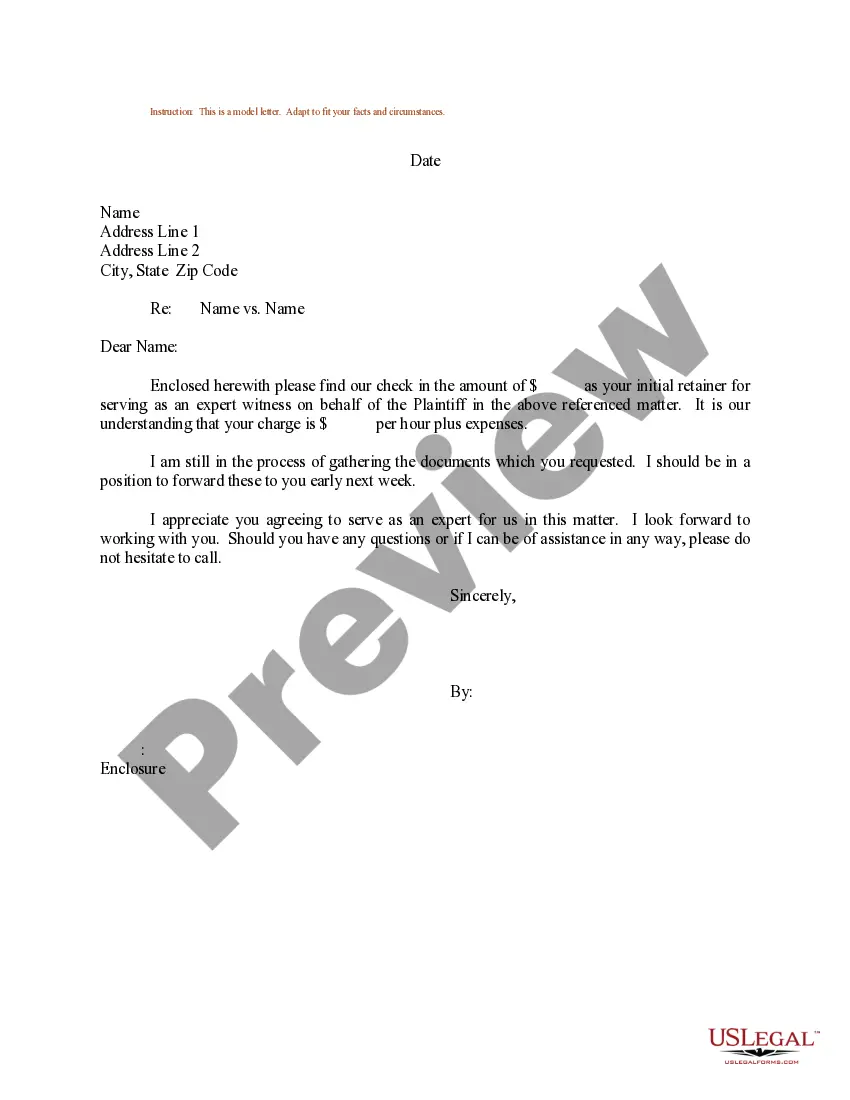
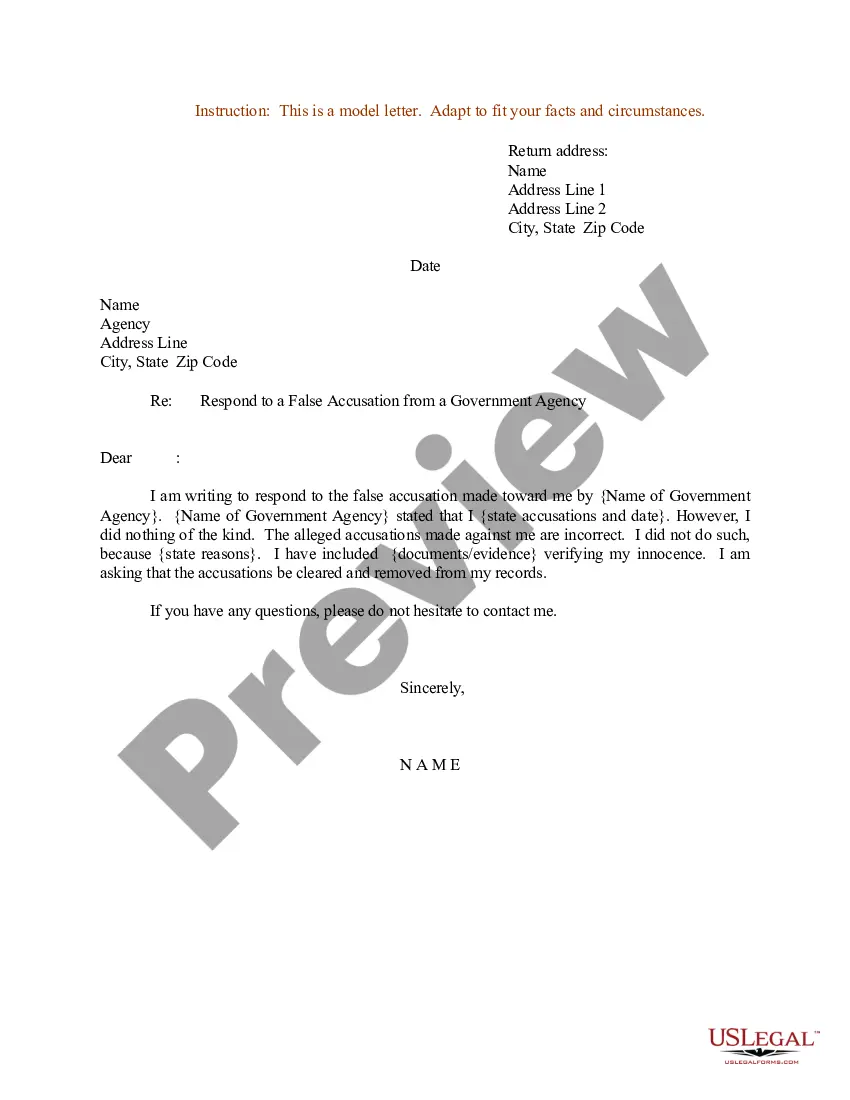
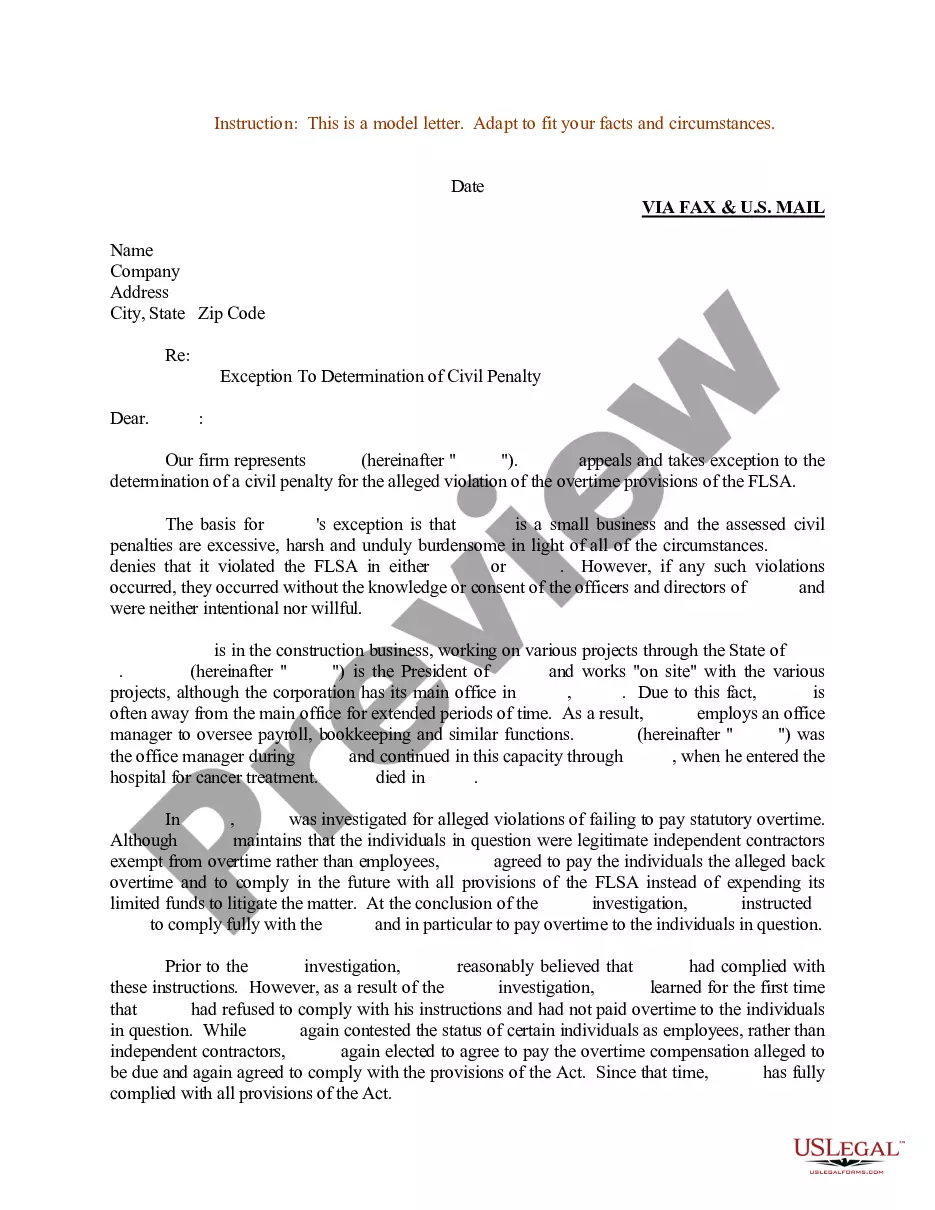
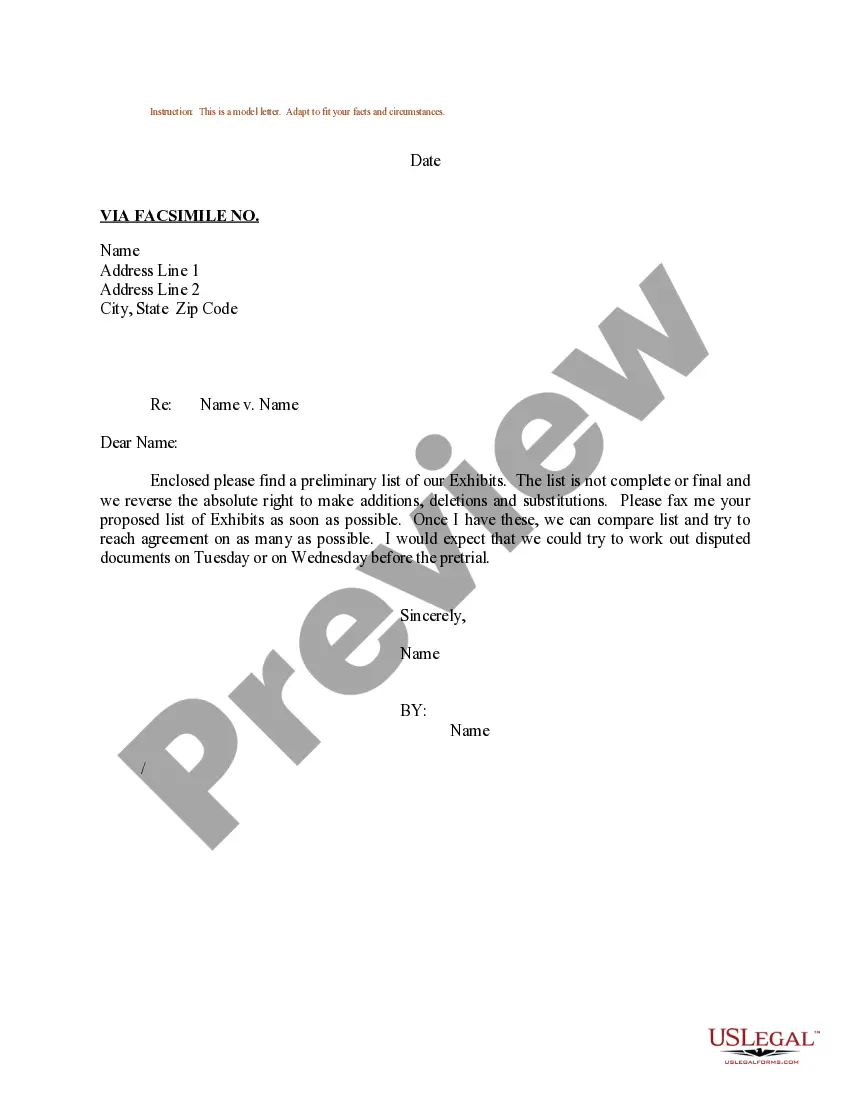
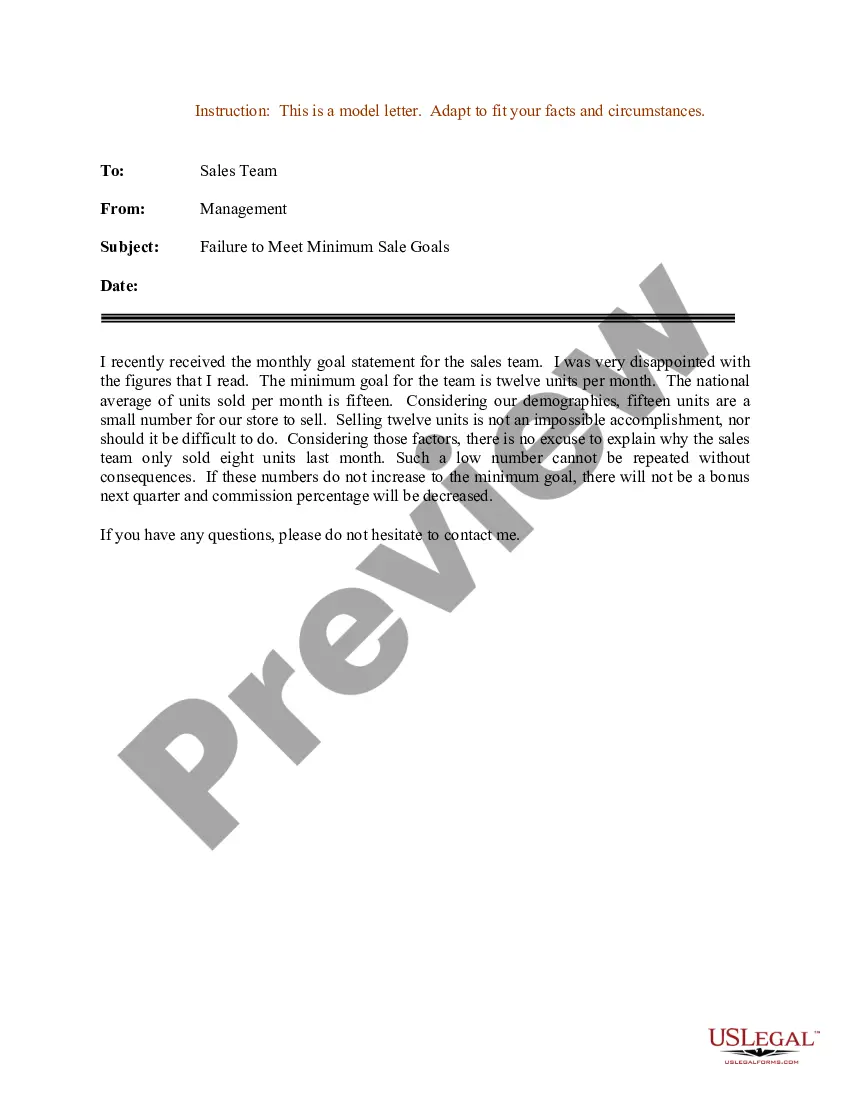
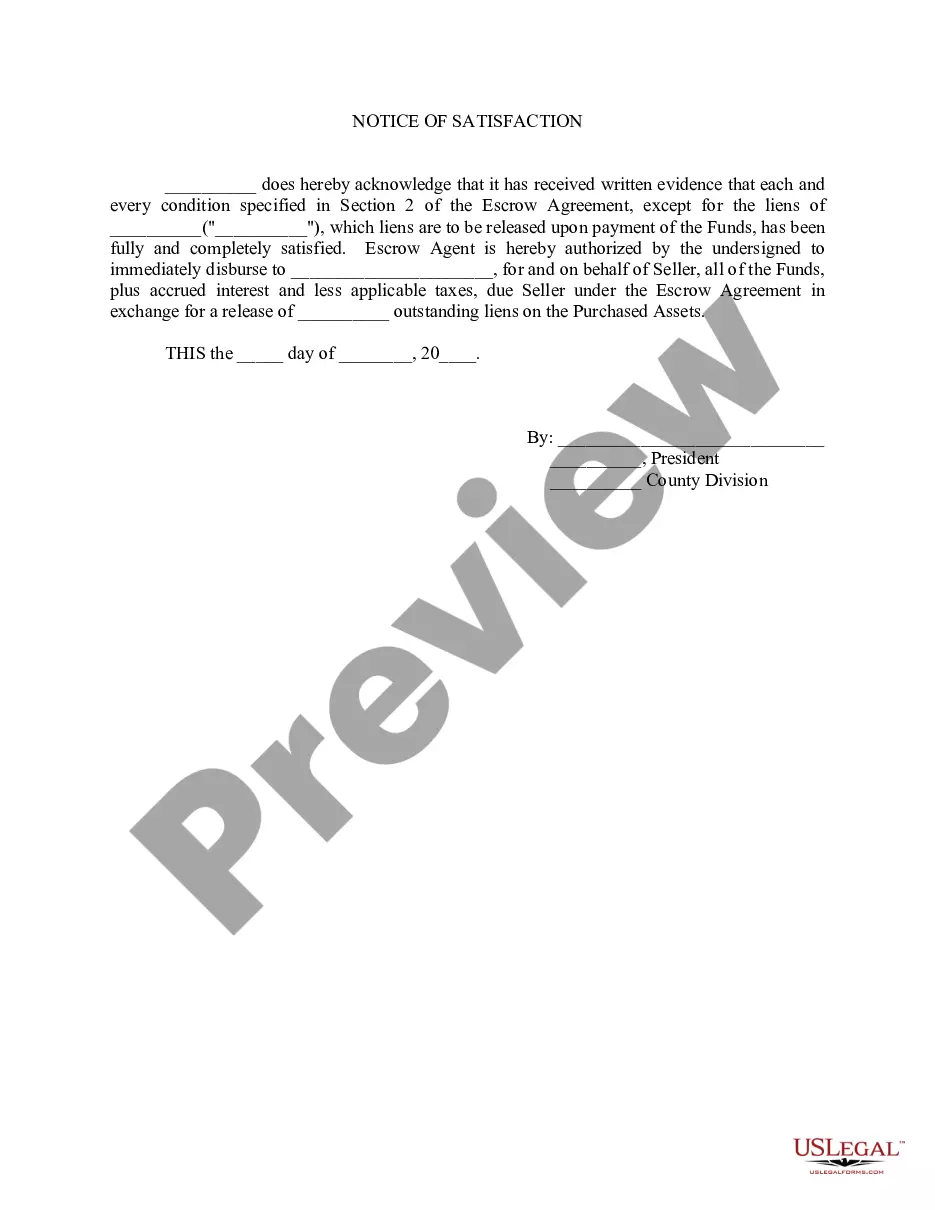
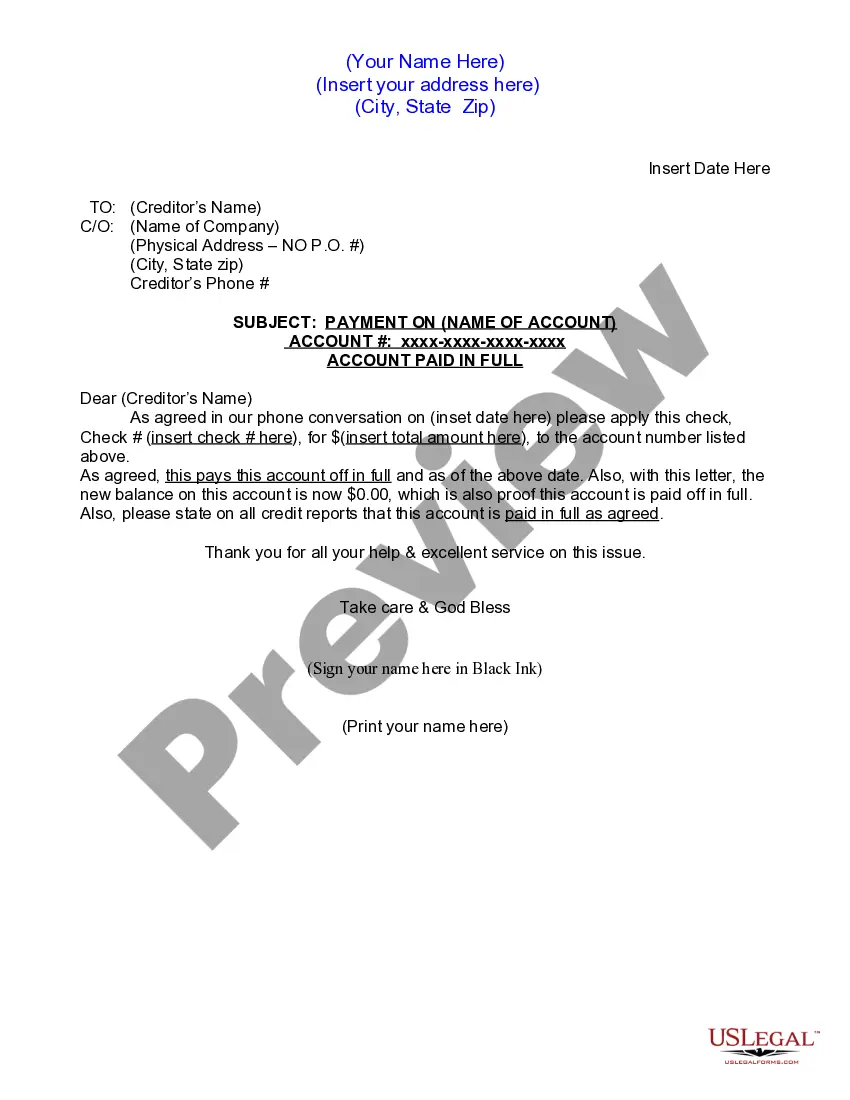
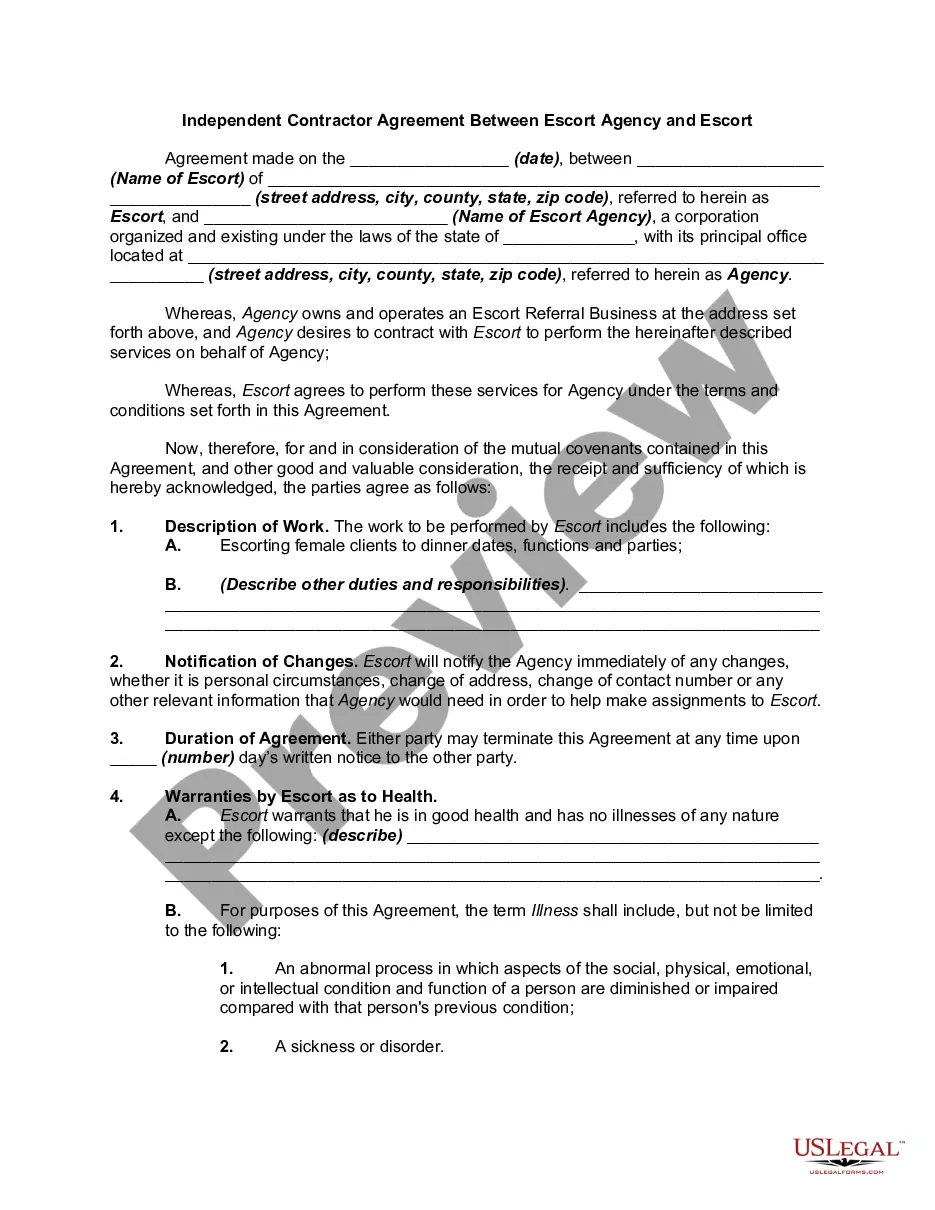
How to fill out Sample Letters - A Package Of Sample Letters And Forms For Foreclosure?
Legal oversight can be exasperating, even for skilled professionals.
When you are looking for Foreclosure Letters To Homeowners and lack the time to spend searching for the suitable and current version, the process can be stressful.
Access a collection of articles, guides, handbooks, and materials relevant to your situation and requirements.
Save effort and time searching for the documents you require, and use US Legal Forms’ sophisticated search and Preview feature to locate Foreclosure Letters To Homeowners and obtain it.
Ensure that the template is recognized in your state or county. Click Buy Now once you are ready. Select a monthly subscription plan. Choose your desired file format, and Download, complete, eSign, print, and submit your documents. Take advantage of the US Legal Forms online catalog, enhanced by 25 years of expertise and reliability. Simplify your daily document management into a straightforward and user-friendly experience today.
- If you have a monthly subscription, Log In to your US Legal Forms account, search for the form, and download it.
- Visit the My documents tab to view the documents you have previously downloaded and to organize your files as needed.
- If this is your first experience with US Legal Forms, create a free account and gain unlimited access to all the benefits of the platform.
- Here are the steps to follow after downloading the form you desire.
- Confirm that this is the correct form by previewing it and reviewing its details.
- A robust online form library can drastically improve the experience for anyone aiming to manage these issues efficiently.
- US Legal Forms is a front-runner in online legal documents, boasting over 85,000 state-specific legal forms available to you at any time.
- Utilize cutting-edge tools to create and manage your Foreclosure Letters To Homeowners.
Form popularity
FAQ
Ignoring a foreclosure letter is not advisable. These letters signal serious issues that require immediate attention. Homeowners should take foreclosure letters to homeowners seriously, as they often outline important dates and potential actions you can take to protect your rights. Instead of ignoring the letter, it’s beneficial to seek out resources and legal advice to understand the situation better and develop a plan of action.
When you approach a homeowner in foreclosure, it’s vital to be empathetic and respectful. Start by introducing yourself and your intentions, while acknowledging the difficulty they may be facing. Discuss the contents of the foreclosure letters to homeowners they may have received, explaining their options without overwhelming them. Building a supportive rapport can encourage an open dialogue, fostering trust and a willingness to explore solutions.
Foreclosure in Minnesota typically follows a judicial process, which means it involves court action. When a homeowner misses mortgage payments, the lender can file a lawsuit to initiate foreclosure proceedings. It is important for homeowners to respond promptly to any legal notices, as foreclosure letters to homeowners will outline the situation and next steps. Seeking guidance from legal resources can make this process less daunting and help homeowners understand their rights.
Mailing a foreclosure letter requires following proper guidelines to ensure it reaches the homeowner effectively. Start by drafting a clear and concise letter that outlines the situation, including any outstanding payments and potential consequences. After printing and signing the letter, send it via certified mail with a return receipt requested. This ensures that homeowners receive the foreclosure letters and understand their options moving forward.
The 37 day foreclosure rule refers to a specific timeline that occurs after a borrower falls behind on mortgage payments. This rule states that after 37 days of missed payments, lenders may begin the foreclosure process. Understanding this rule is crucial for homeowners, as it highlights the urgency of addressing late payments. Utilizing foreclosure letters to homeowners can help communicate options and potential solutions during this critical period.
Homeowners can access foreclosure listings through multiple online platforms, including real estate websites and local government resources. These listings provide detailed information about properties at risk of foreclosure, which can be beneficial for potential buyers or distressed homeowners. Utilizing dedicated platforms, such as USLegalForms, can also help homeowners gain insights and access necessary documents related to foreclosure letters and listings.
Creating a foreclosure letter involves clearly outlining the details of the financial obligations and the risk of foreclosure. Homeowners should include their personal information, account numbers, and a summary of their current status. Using templates from platforms like USLegalForms simplifies this process, enabling homeowners to craft effective foreclosure letters that convey necessary details to lenders or interested parties.
Homeowners can obtain a foreclosure statement by reaching out to their mortgage servicer. This statement outlines the balance owed, late fees, and other relevant information. Receiving this document is vital for homeowners facing foreclosure letters, as it provides clarity on their financial situation. Additionally, platforms like USLegalForms can assist in generating necessary documents and statements, ensuring that homeowners are well-informed.
The foreclosure process in Oklahoma typically lasts between 90 to 120 days. This timeline can vary based on specific circumstances, such as the type of foreclosure and the homeowner's actions. During this period, homeowners may receive various foreclosure letters, which communicate important information regarding their situation. Understanding these letters can help homeowners navigate the process more effectively.
When writing a letter to a homeowner to buy their house, express your interest clearly and respectfully. Include details about why you find their property appealing and explain your intentions as a potential buyer. Highlight how your offer can benefit them, creating a personal connection. Such thoughtful communication is important in the context of foreclosure letters to homeowners.