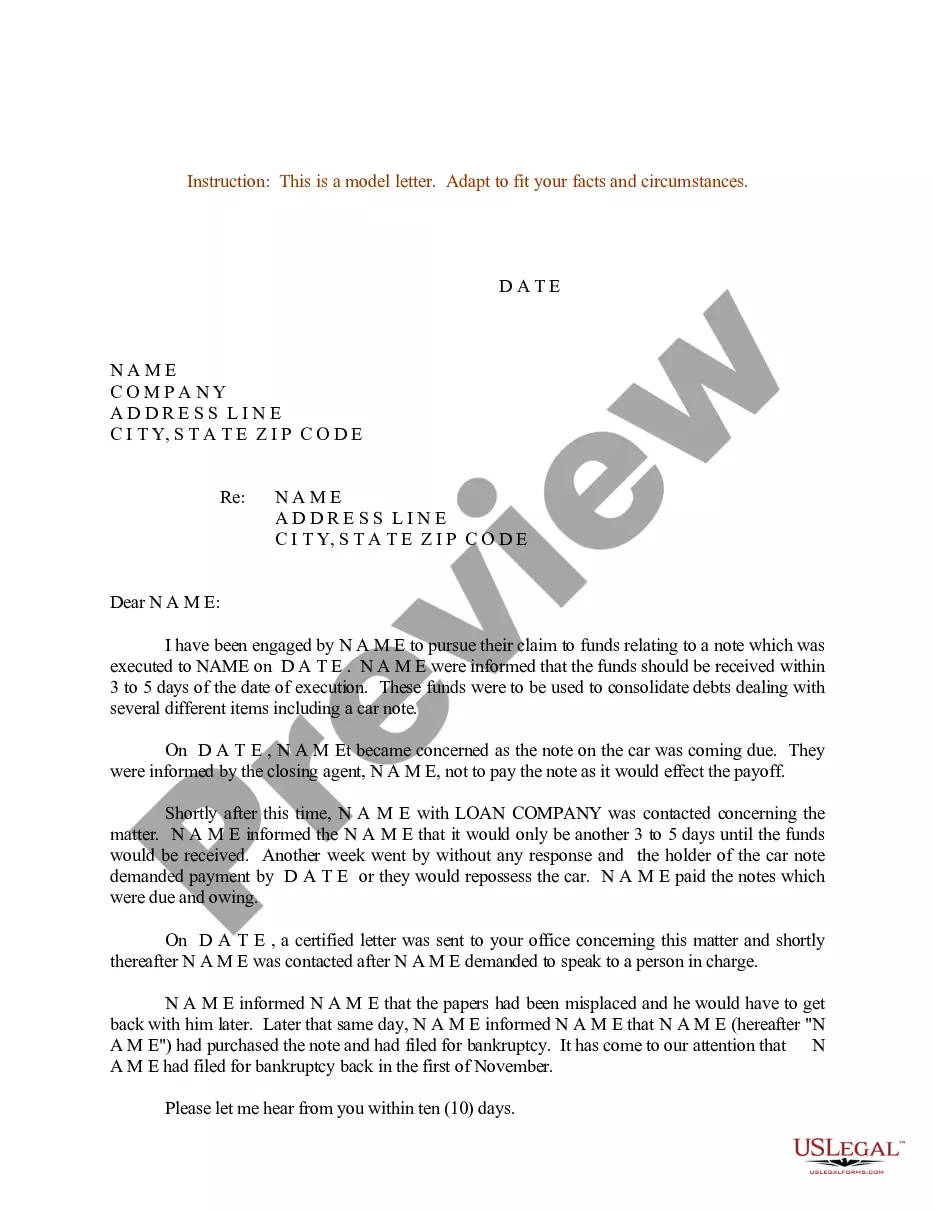
Sample Letter To Claim Unclaimed Property For Deceased Person
Description
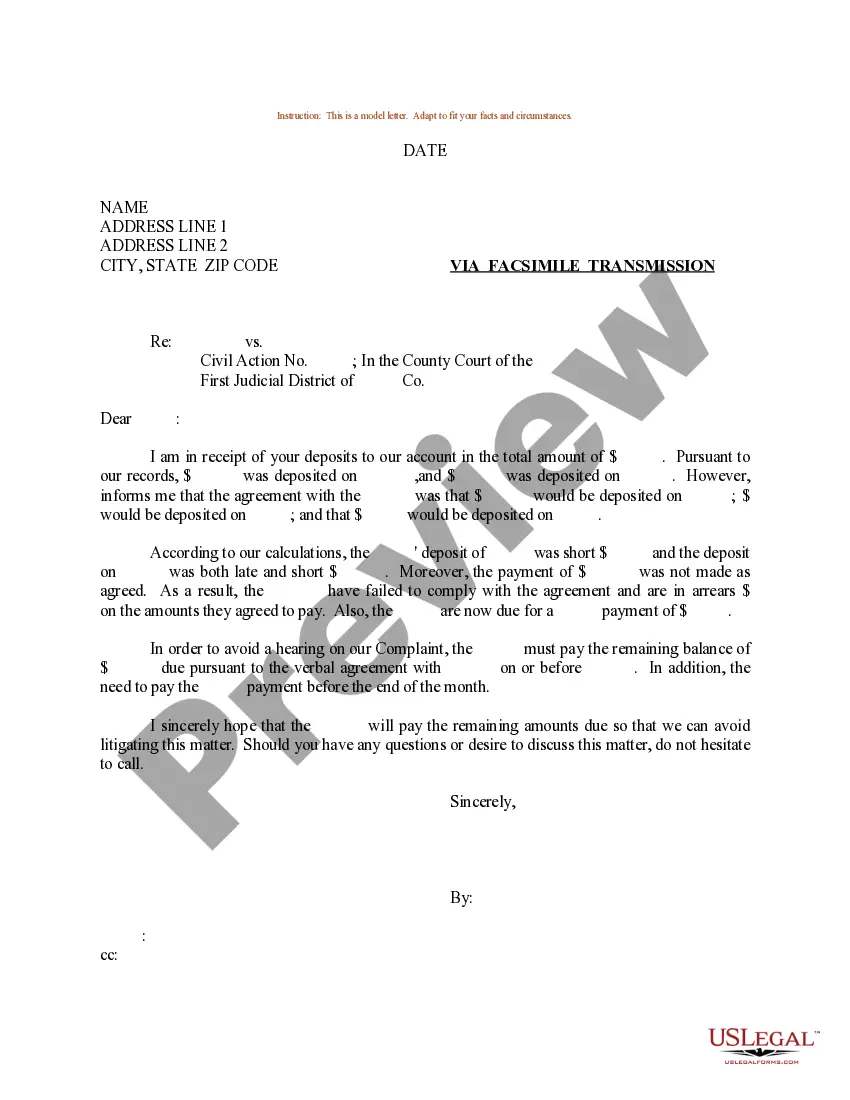
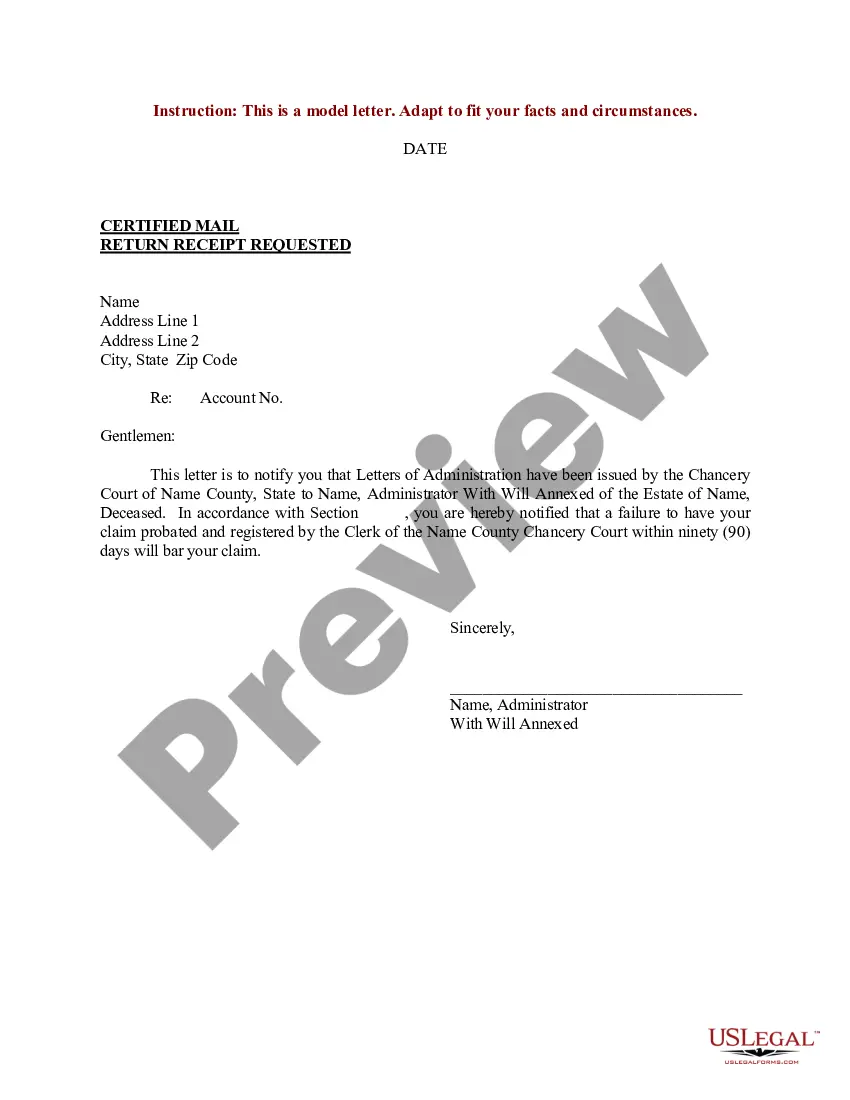
Get your form ready online
Our built-in tools help you complete, sign, share, and store your documents in one place.
Make edits, fill in missing information, and update formatting in US Legal Forms—just like you would in MS Word.
Download a copy, print it, send it by email, or mail it via USPS—whatever works best for your next step.
Sign and collect signatures with our SignNow integration. Send to multiple recipients, set reminders, and more. Go Premium to unlock E-Sign.
If this form requires notarization, complete it online through a secure video call—no need to meet a notary in person or wait for an appointment.
We protect your documents and personal data by following strict security and privacy standards.

Make edits, fill in missing information, and update formatting in US Legal Forms—just like you would in MS Word.

Download a copy, print it, send it by email, or mail it via USPS—whatever works best for your next step.

Sign and collect signatures with our SignNow integration. Send to multiple recipients, set reminders, and more. Go Premium to unlock E-Sign.

If this form requires notarization, complete it online through a secure video call—no need to meet a notary in person or wait for an appointment.

We protect your documents and personal data by following strict security and privacy standards.
Looking for another form?
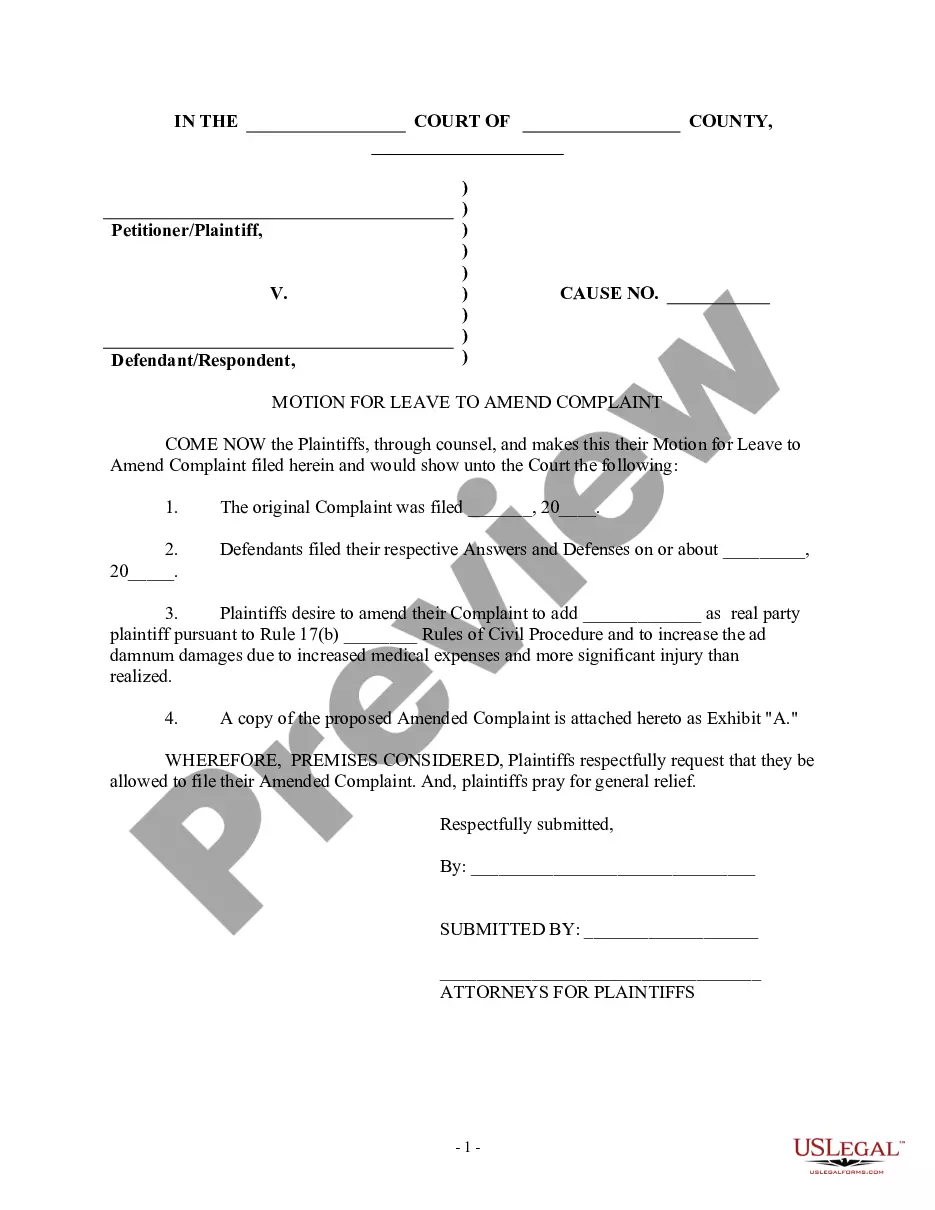
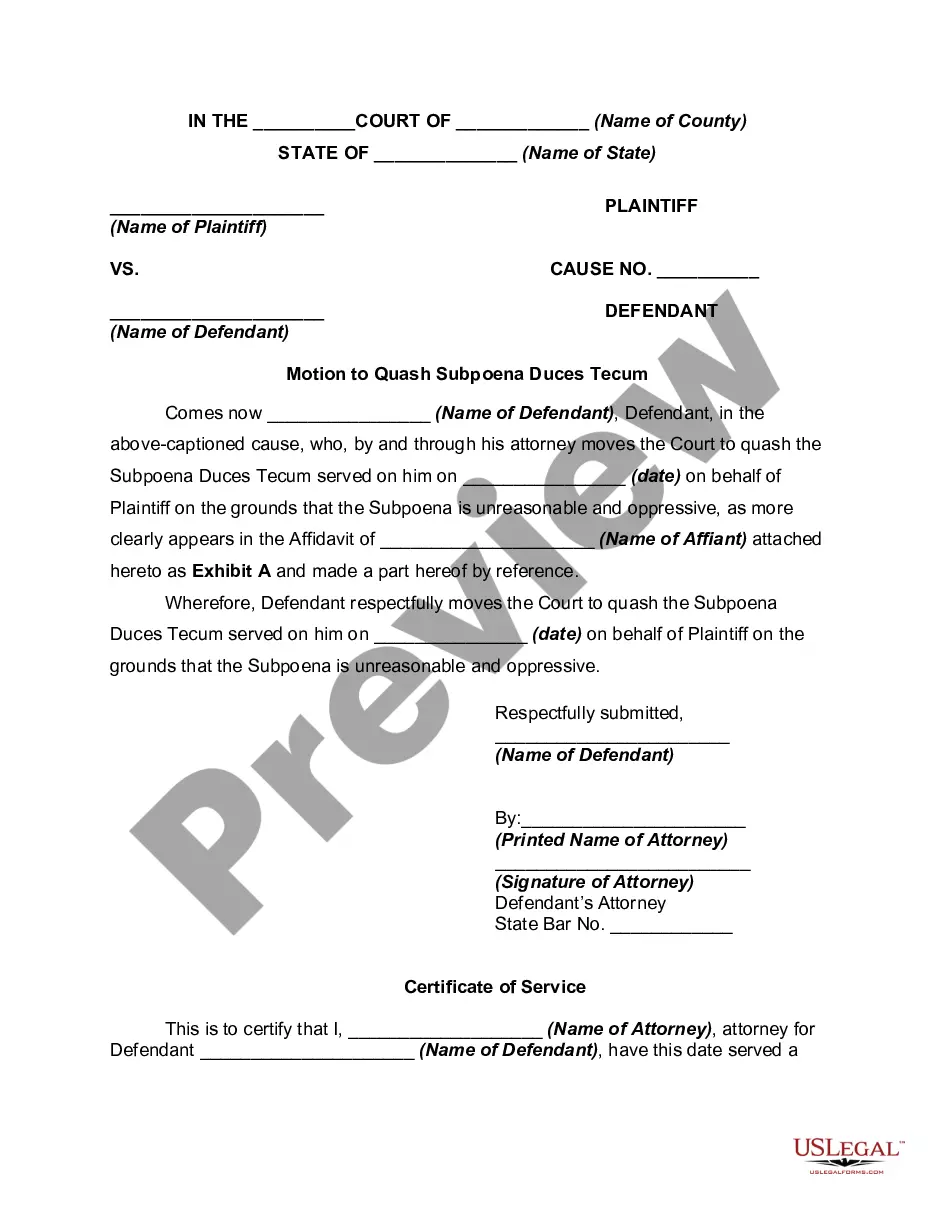

How to fill out Sample Letter For Claim To Funds?
The Sample Document To Retrieve Unclaimed Assets For Deceased Individual you observe on this site is a versatile legal template crafted by experienced attorneys in compliance with federal and state regulations.
For over 25 years, US Legal Forms has supplied individuals, enterprises, and legal practitioners with over 85,000 validated, state-specific documents for any business and personal circumstance. It is the quickest, simplest, and most reliable method to acquire the forms you require, as the service ensures maximum data security and anti-malware safeguards.
Register for US Legal Forms to have validated legal templates for all of life's situations at your fingertips.
- Search for the document you require and review it.
- Explore the file you searched and preview it or check the form description to confirm it meets your requirements. If it doesn’t, utilize the search bar to find the correct one. Click Buy Now when you have found the template you desire.
- Subscribe and Log In.
- Select the pricing option that fits you and establish an account. Use PayPal or a credit card to make a swift payment. If you possess an account already, Log In and verify your subscription to proceed.
- Obtain the editable template.
- Choose the format you prefer for your Sample Document To Retrieve Unclaimed Assets For Deceased Individual (PDF, Word, RTF) and store the sample on your device.
- Complete and sign the documentation.
- Print the template to fill it out manually. Alternatively, utilize an online multi-functional PDF editor to swiftly and accurately complete and sign your form with a valid signature.
- Re-download your documents as needed.
- Utilize the same document again whenever required. Access the My documents tab in your profile to re-download any previously acquired forms.
Form popularity
FAQ
In deeds of trust or mortgages where a power of sale exists, the power given to the lender to sell the property may be executed by the lender or their representative, typically referred to as the trustee.
In North Carolina, the trustee named in a deed of trust holds legal title to the real property granted therein as security for the note obligation. Once the debt is paid off, the deed of trust is cancelled and title reverts to the borrower.
If your circumstances change any you are no longer able to make your payments, your Trust Deed may fail and you will still be liable for your debts or even forced into bankruptcy.
A deed of trust is a document used in real estate transactions. It represents an agreement between the borrower and a lender to have the property held in trust by a neutral and independent third party until the loan is paid off.
The main difference between a deed and a deed of trust is that a deed is a transfer of ownership, while a deed of trust is a security interest. A deed of trust is used to secure a loan, while a deed is used to transfer ownership of a property.
You can write your own Deed of Trust and get it witnessed but it won't be legally binding. That means if you fall out with the person you are buying a house with or disagree about who gets what when you sell the property they don't have to stick to the terms in the Deed of Trust.
As with any legal document, the Declaration of Trust must meet various criteria to ensure it will be recognised by law: it must be prepared as a deed (a formal legal document, usually drawn up by a legal professional), all parties concerned must be able to demonstrate that they entered into the agreement willingly and ...
The Deed of Trust must be in writing, signed by the property owner, and filed in the County Clerk property records. The Deed of Trust should describe the loan amount, name a Trustee, and describe the collateral securing the loan. A correct legal description of the property is essential for a valid Deed of Trust.